
EASY READ Mini-beasts

CITE
We have made every effort to follow citation style rules, but there may be some minor differences. If in doubt, please refer to the appropriate citation style manual.
EASY READ What is the difference between butterflies and moths?. (2026). In Q-files Encyclopedia, Life, EASY READ Mini-beasts. Retrieved from
https://www.q-files.com/life/easy-read-mini-beasts/easy-read-what-is-the-difference-between-butterflies-and-moths
"EASY READ What is the difference between butterflies and moths?." Life, EASY READ Mini-beasts, Q-files Encyclopedia, 24 Mar. 2026.
https://www.q-files.com/life/easy-read-mini-beasts/easy-read-what-is-the-difference-between-butterflies-and-moths.
Accessed 30 Oct. 2026.
EASY READ What is the difference between butterflies and moths? 2026. Life, EASY READ Mini-beasts. Retrieved 30 October 2026, from
https://www.q-files.com/life/easy-read-mini-beasts/easy-read-what-is-the-difference-between-butterflies-and-moths
Life, EASY READ Mini-beasts, s.v. "EASY READ What is the difference between butterflies and moths?," accessed October 30, 2026.
https://www.q-files.com/life/easy-read-mini-beasts/easy-read-what-is-the-difference-between-butterflies-and-moths


What is the difference between butterflies and moths?
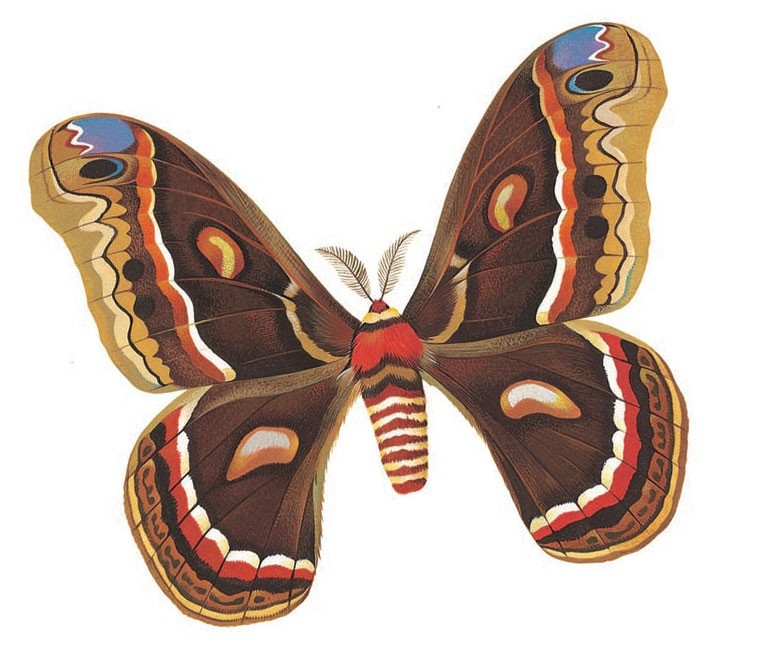
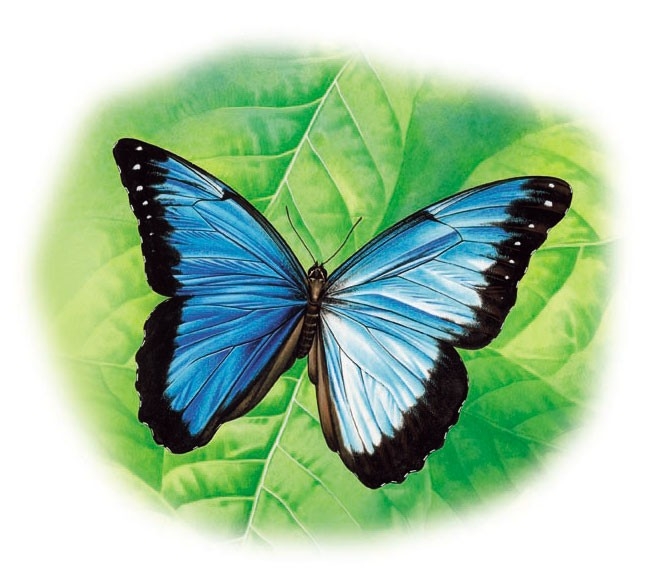
Most butterflies fly during the daytime. They usually have antennae shaped like thin stalks with clubs on the end. Most moths are night-flyers. Their antennae are usually feathery in shape. The wings of both butterflies and moths are covered in tiny, overlapping scales. The scales' different colours produce the patterns by which we can tell different kinds apart.

Feeding
Butterflies and moths have a long, hollow tongue called a proboscis. They use it to probe inside flowers and suck up nectar. Butterflies keep their proboscis tightly rolled up when they are not feeding.
Caterpillars
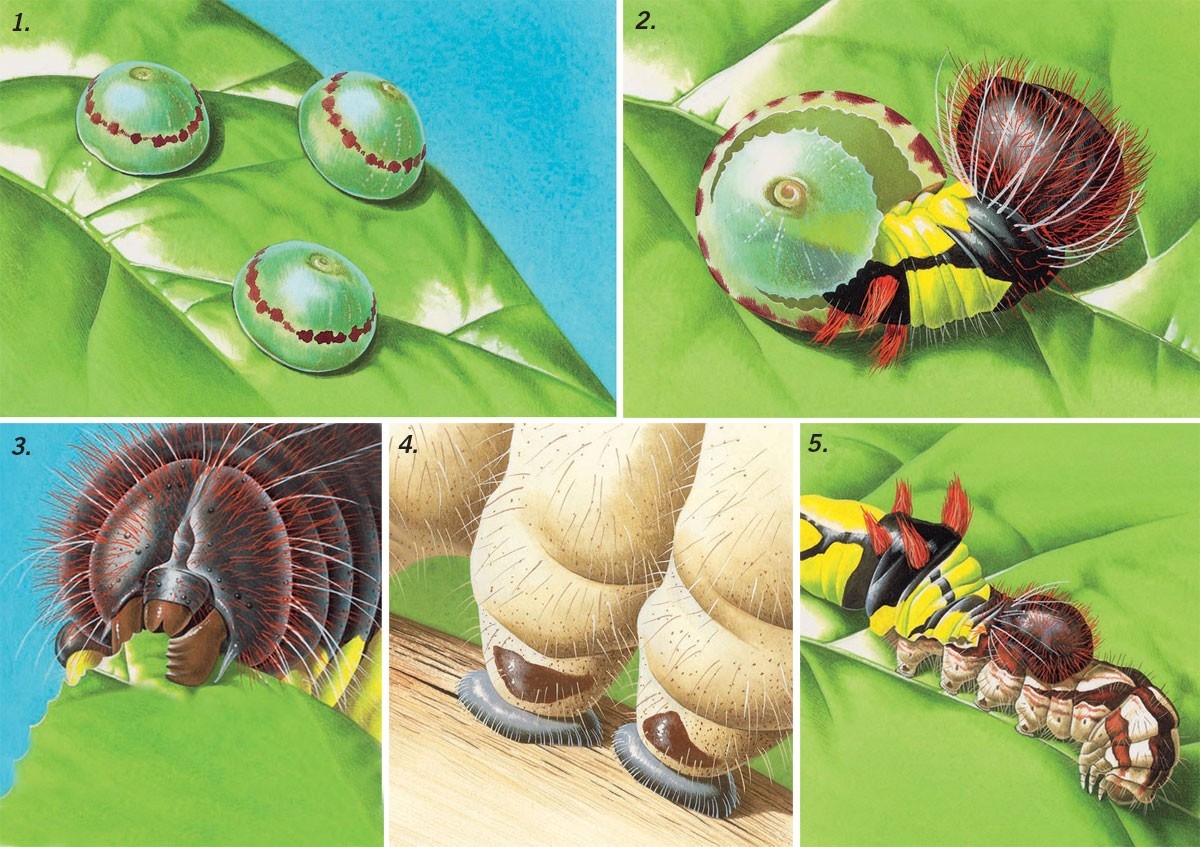
Butterflies and moths begin life as larvae, called caterpillars. The eggs, laid by adult female butterflies, are fixed to leaves by a strong glue (1). The caterpillars, hatch out from the eggs after 9 or 10 days (2). The caterpillar feeds mostly on leaves (3). Each foot has tiny hooks to help it grip surfaces (4). The caterpillar quickly grows in size. When its skin gets too tight, it moults (5). The caterpillar shuffles off the old skin, emerging with a bright new skin underneath.
Pupating
Caterpillars feed until they are ready to pupate—change into their adult form. The caterpillar attaches itself to a twig (1) and grows a hard shell, called a pupa or chrysalis (2). This might be camouflaged to look like a leaf (3). Inside the pupa, the caterpillar starts to change. After two weeks, the change is complete. The adult butterfly emerges from the pupa (4). It needs to spend some time resting while its wings dry out before taking to the air.
Some moth caterpillars spin silk cocoons around their bodies, inside which they pupate. Butterflies do not make cocoons.


Migration
Some butterflies migrate to warmer climates when winter comes. They return home in spring to breed and lay eggs. Every year, in September, millions of monarch butterflies begin an amazing journey. Some fly more than 3000 kilometres (about 2000 miles) from Canada to California or Mexico. Here, millions of monarchs gather together in thick clusters on forest trees where they spend the winter.
As spring approaches, they leave their roosts to feed. They then begin their journey back north again in February or March. As they fly, the adults mate. New butterflies are born and continue the cycle.


Hawkmoths
Hawkmoths are fast-flying moths. Certain kinds can hover in mid-air while they feed on nectar from flowers. Only hummingbirds, some bats and the hoverflies share this ability. Morgan's sphinx hawkmoth has a proboscis that is just over 30 centimetres (1 foot) long. It is used to reach nectar which lies deep inside an orchid from Madagascar.
Consultant: Chris Jarvis
Ready to find out more?
Here are some pages in other parts of Q-files you might like to explore:
Butterflies and moths
Butterflies and moths A-Z
Migration
pics
Without in any way limiting Q-files Ltd’s exclusive rights under copyright, any use of this publication to “train” generative artificial intelligence (AI) technologies to generate text is expressly prohibited. Q-files Ltd reserves all rights to license use of this work for generative AI training and development of machine learning language models.