
EASY READ Mini-beasts

CITE
We have made every effort to follow citation style rules, but there may be some minor differences. If in doubt, please refer to the appropriate citation style manual.
EASY READ What is an insect?. (2026). In Q-files Encyclopedia, Life, EASY READ Mini-beasts. Retrieved from
https://www.q-files.com/life/easy-read-mini-beasts/easy-read-what-is-an-insect
"EASY READ What is an insect?." Life, EASY READ Mini-beasts, Q-files Encyclopedia, 24 Mar. 2026.
https://www.q-files.com/life/easy-read-mini-beasts/easy-read-what-is-an-insect.
Accessed 31 Oct. 2026.
EASY READ What is an insect? 2026. Life, EASY READ Mini-beasts. Retrieved 31 October 2026, from
https://www.q-files.com/life/easy-read-mini-beasts/easy-read-what-is-an-insect
Life, EASY READ Mini-beasts, s.v. "EASY READ What is an insect?," accessed October 31, 2026.
https://www.q-files.com/life/easy-read-mini-beasts/easy-read-what-is-an-insect


What is an insect?
Insects are invertebrates, animals without backbones. They have six jointed legs and a hard external skeleton. All insects have three main body parts: the head, the thorax and the abdomen. The eyes, jaws and antennae (feelers) are found on the head. Both legs and wings are attached to the thorax. The abdomen contains the digestive system and reproductive organs. There are probably more than 10 million types of insect. They are divided into a number of major groups: ants, flies, bugs and
so on.


Legs
All insects have six legs, which are made up of several jointed sections. Tiny bristles on the legs and body can feel vibrations caused by sound or movement. Some insects, such as crickets, have ears on their legs. The end part of an insect’s leg, its foot, is called the tarsus. The claw is used for gripping surfaces.
Compound eyes
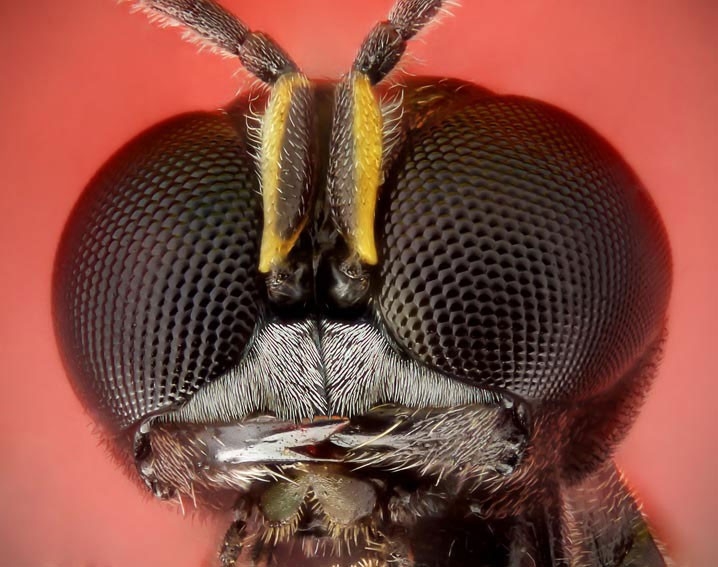
Most insects have compound eyes. We humans have a single lens in each eye. An insect’s compound eye is made up from thousands of lenses. They allow the insect to see ahead, below and behind all at the same time. This gives them excellent vision.
Exoskeleton
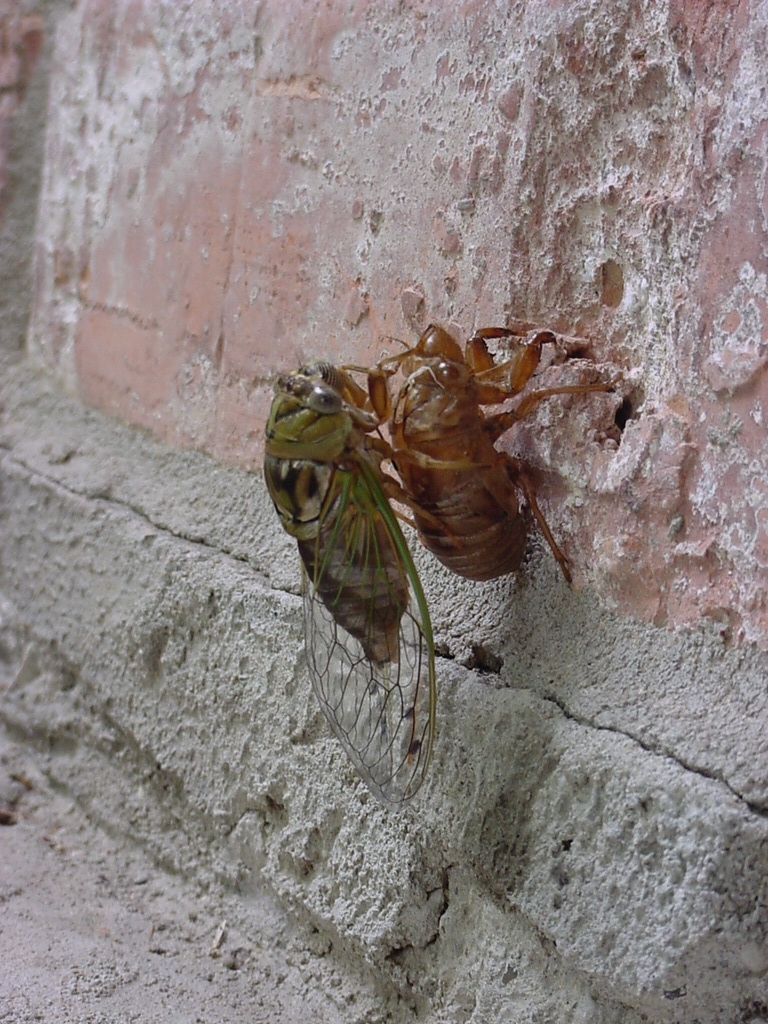
Insects' skeletons are found on the outside of their bodies—unlike ours, which are on the inside. Called exoskeletons, they form a protective armour around the soft parts inside. An insect breathes through tiny holes in the sides of its body.
Antennae
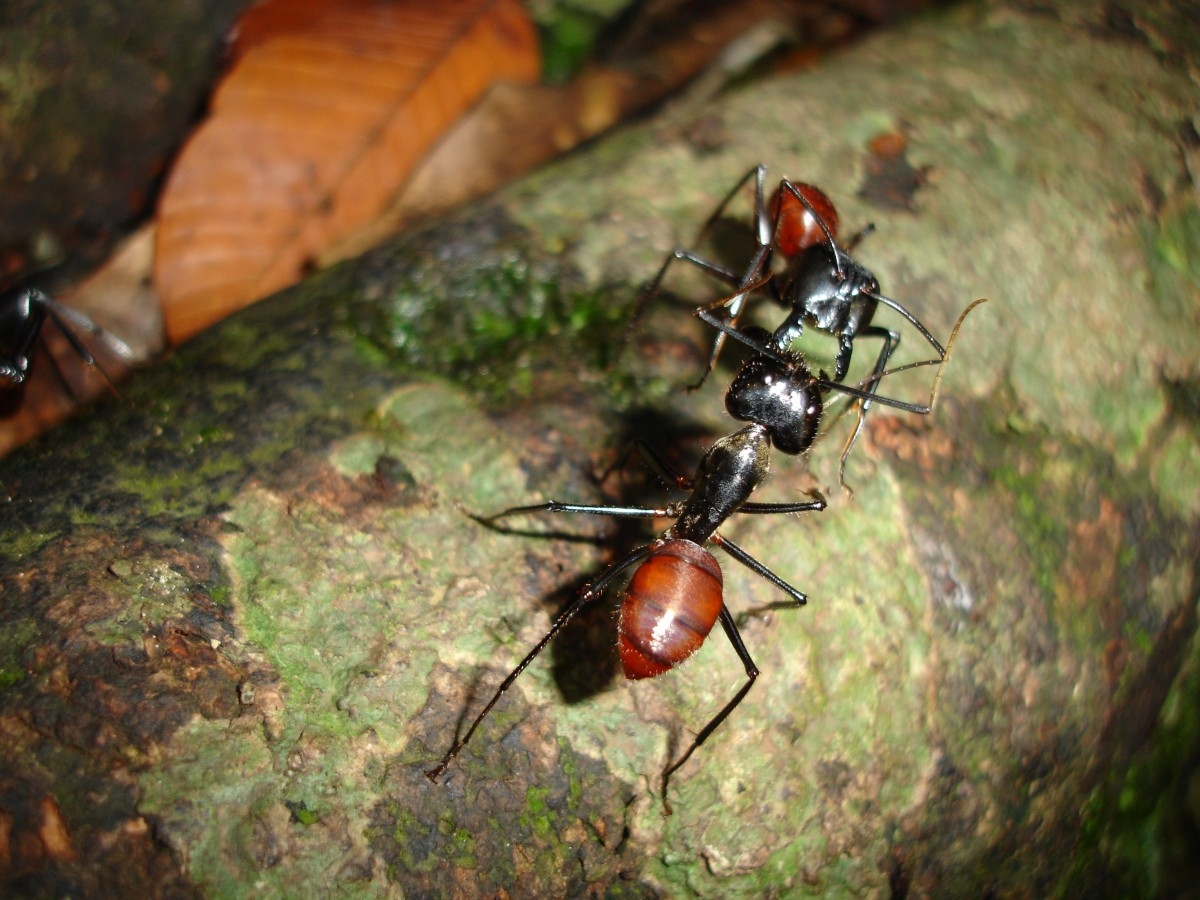
Like its legs, an insect’s antennae (feelers) are made up of jointed sections. They are highly sensitive to smells, flavours and touch. The insect uses them to detect its food and to sense objects. Ants, for example, use their antennae to pass on “messages” to each other.
Nymphs and larvae
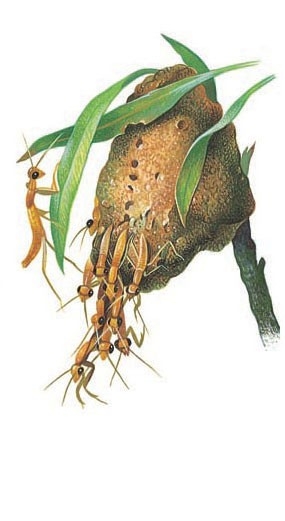
Insects are born and develop in two different ways. Some insects, for example, dragonflies and grasshoppers, hatch out from eggs looking like miniature adults. These are known as nymphs. Others, including butterflies, ants and beetles, hatch out as worm-like creatures called larvae. They later change completely to become adults.
Camouflage and markings

Insects use camouflage and markings to hide themselves. This may be because they are predators and want to hide from their prey until they are ready to strike. The flower mantis, for example, blends in among pink orchid flowers. It waits very still for an insect to come to collect nectar before launching its attack. Other insects use their camouflage or markings to hide from predators. Stick insects take on the same colour and shape as the plants they live among. They even sway in the breeze along with the plants.


When still, the bush cricket looks like a dead leaf, so other creatures do not notice it. If disturbed, it leaps to safety, flashing its fake eyes.
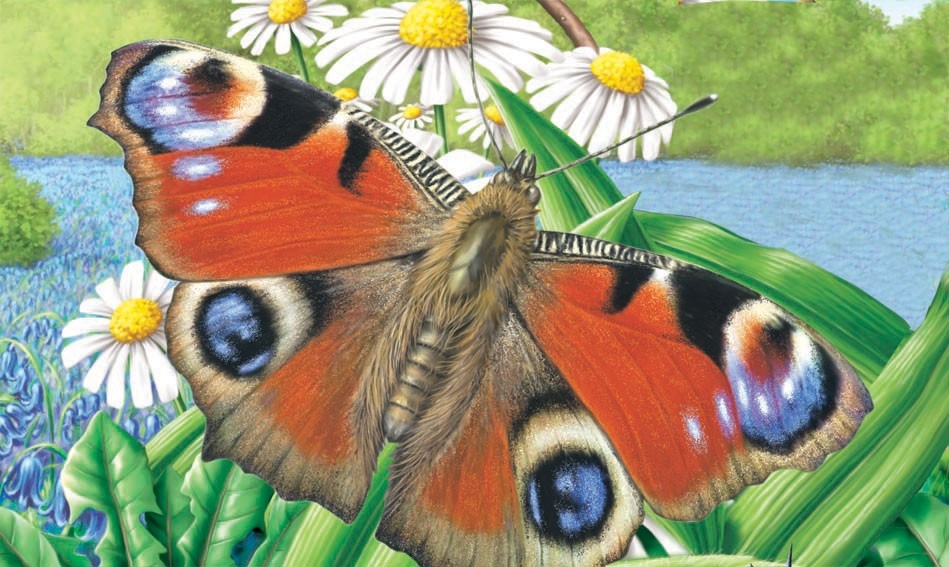
Some butterflies, like the peacock butterfly pictured below, have markings on their wings that also look like eyes. These are usually only revealed when their wings open. They fool attackers into thinking that the eyes belong to a much bigger creature.
Colours
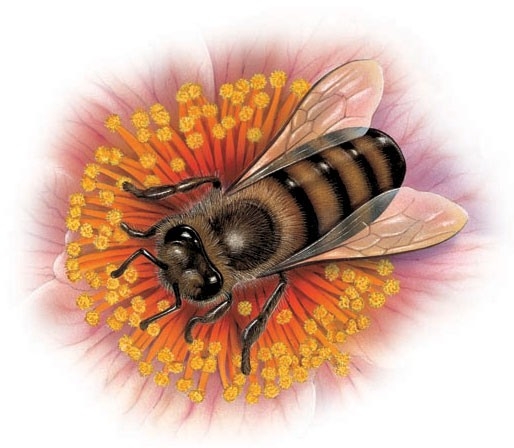
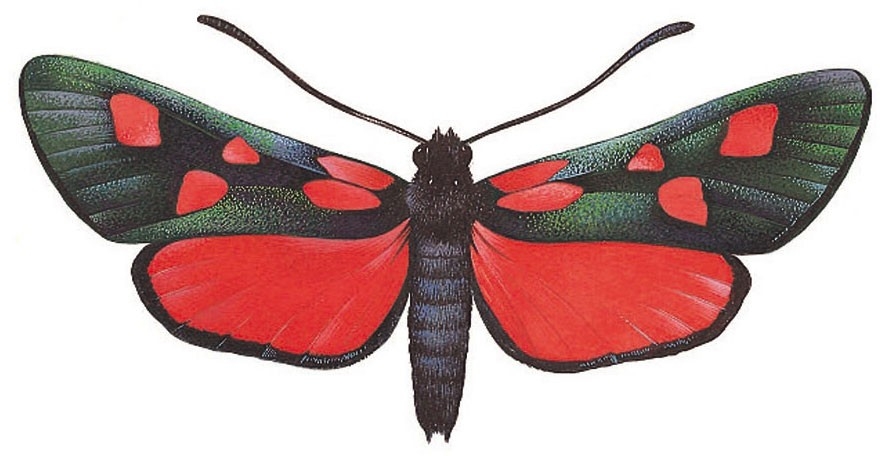
Some insects make no attempt to blend into the background. Instead they have bright warning colours. Reds, yellows and blacks tell predators that they sting or are poisonous. This stops the predator from attacking and eating them. Some harmless insects use these colours to pretend to be dangerous.
Consultant: Chris Jarvis
Ready to find out more?
Here are some pages in other parts of Q-files you might like to explore:
pics
Without in any way limiting Q-files Ltd’s exclusive rights under copyright, any use of this publication to “train” generative artificial intelligence (AI) technologies to generate text is expressly prohibited. Q-files Ltd reserves all rights to license use of this work for generative AI training and development of machine learning language models.