
The world in the 21st century
War in Ukraine
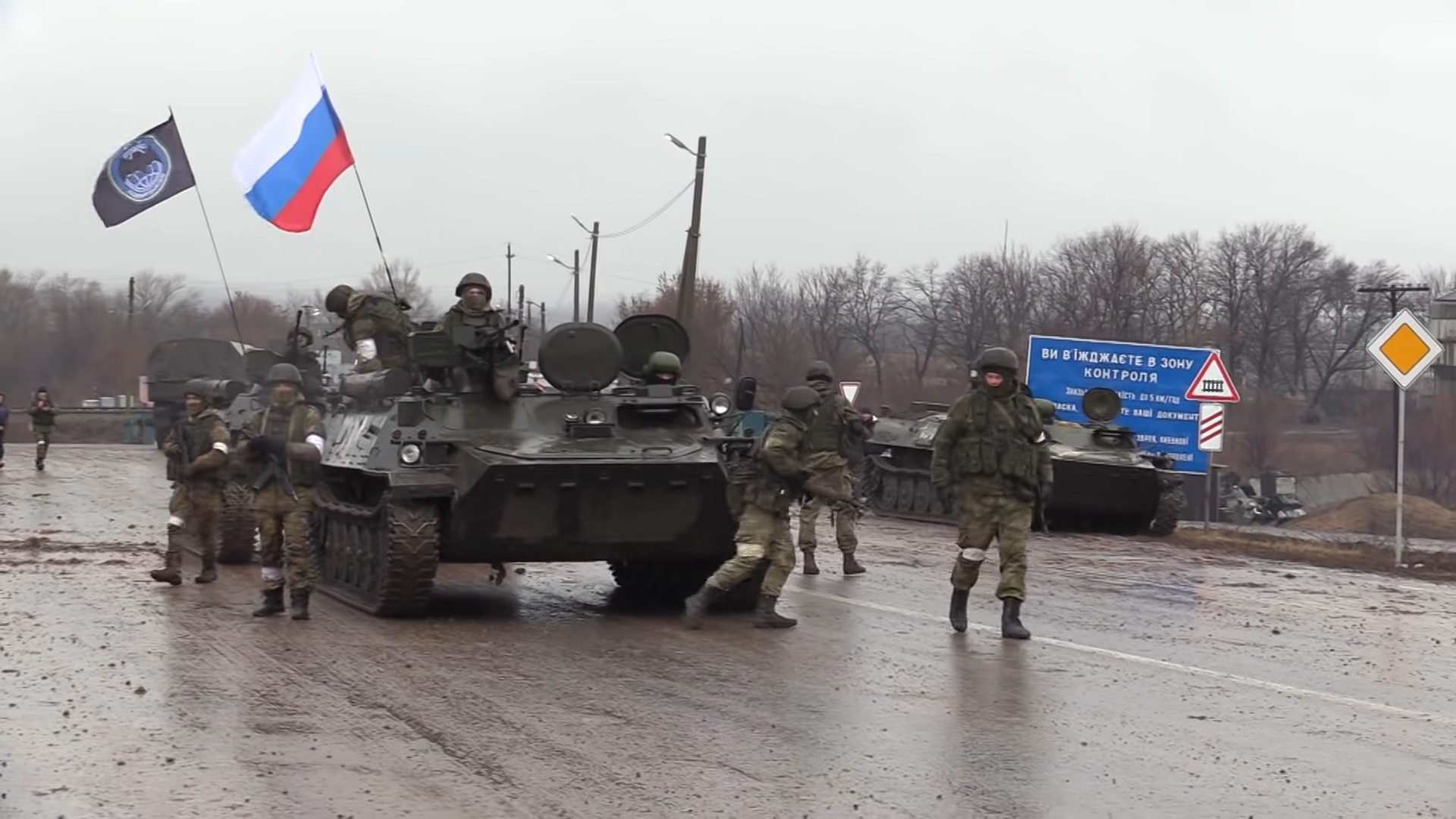
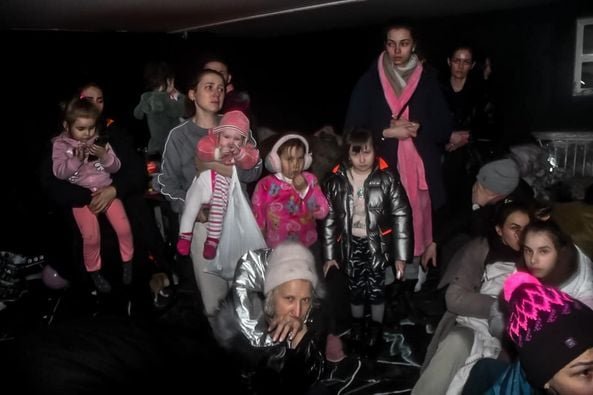
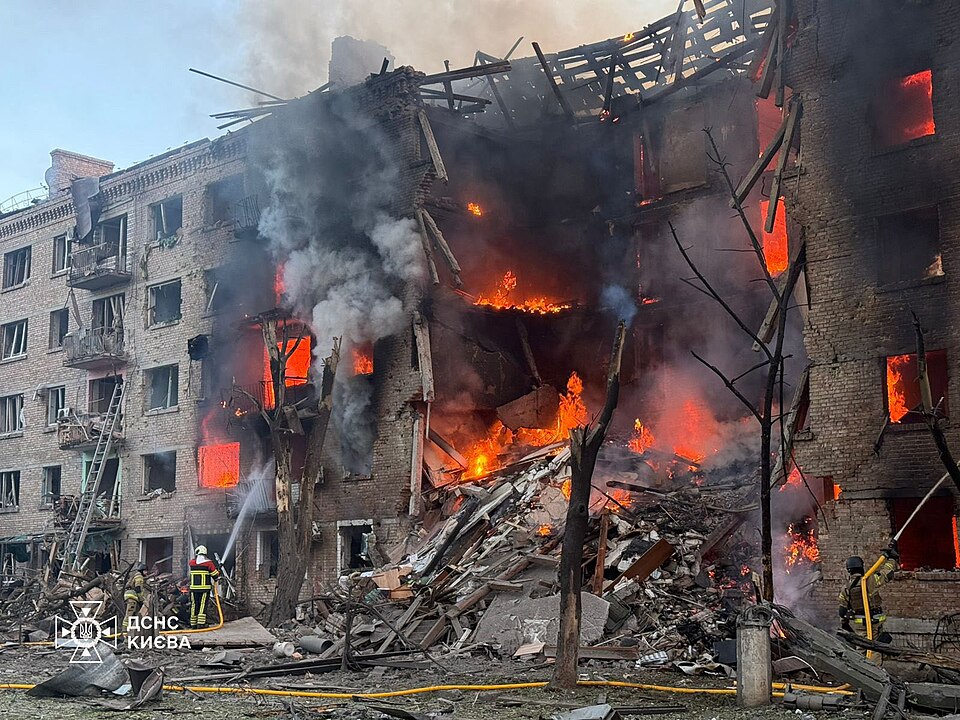
From March 2021, a build-up of Russian military forces began around the borders of Ukraine. Russian president Vladimir Putin questioned Ukraine's right to be an independent nation and demanded that the country be prohibited from ever joining NATO, the military defensive alliance of western countries. Then, in February 2022, Russia officially recognized the Donetsk and Luhansk People's Republics, regions of eastern Ukraine where pro-Russian rebels were pressing for independence. On 24th February, Putin announced a "special military operation" and launched a large-scale military invasion of Ukraine. This involved army vehicles crossing the border from Russia and its ally Belarus, artillery and missiles striking military targets and residential areas of Ukraine's towns and cities while people sheltered from the bombardment in basements. Ukrainian forces and civilians, led by their president, Volodymyr Zelenskyy, responded with fierce resistance.
Updated 3rd June 2026

Background to the war
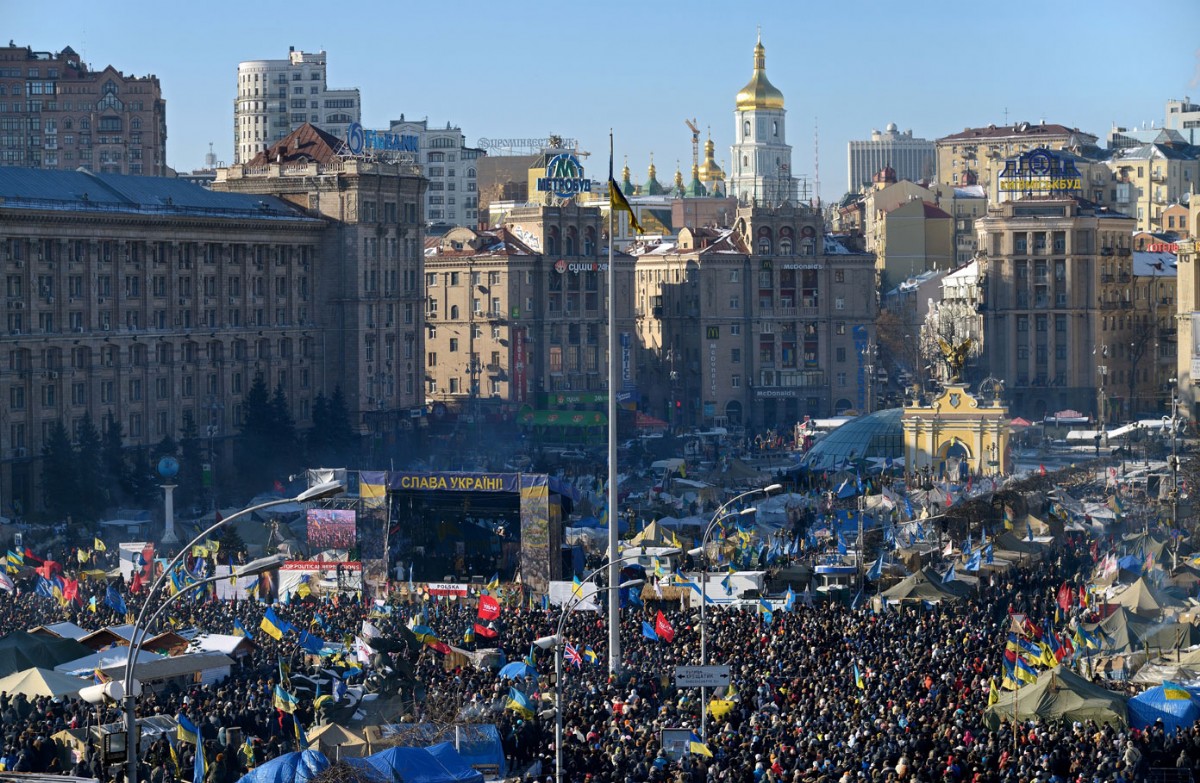

In February 2014 there was a revolution in Ukraine. President Viktor Yanukovych, who had been elected to office in 2010, moved to establish closer ties with Russia. This triggered anti-government demonstrations in Kyiv, known as the Euromaidan uprising, named after Maidan Nezalezhnosti (Independence Square) in the city centre. Hundreds were killed and thousands injured. Yanukovych fled the country following the withdrawal of the police from central Kyiv, leaving it effectively in the control of the protesters.
The Ukrainian parliament voted to remove Yanukovych from office and call fresh presidential elections. Gunmen in the Crimea, home to a majority of Russian speakers, then seized government buildings and raised the Russian flag. Following a referendum (public vote)—which was not recognized by the government of Ukraine—Russia formally annexed the Crimea in March 2014 and built up its military presence there.
In March 2014, demonstrations by pro-Russian groups took place in the industrial east of Ukraine, the Donbas region. Fighting then broke out between Ukrainian government forces and the pro-Russian rebels, who sought independence for what they called the Donetsk and Luhansk People's Republics. Russia was accused by Ukraine of assisting the rebels. A ceasefire, called the Minsk Protocol, was signed in September, but this collapsed in January 2015, leading to renewed heavy fighting, especially at Donetsk Airport. A number of new ceasefires were agreed after that, but the war continued, but with neither side able to make ground.
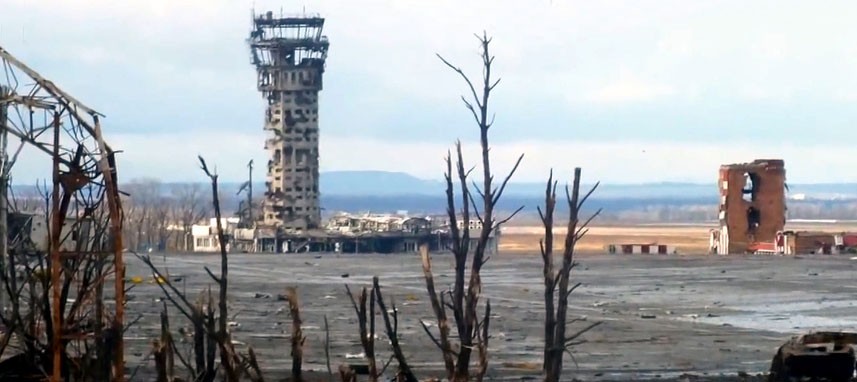
By November 2017, 1.8 million people had been forced to move from one part of Ukraine to another. More than 1.2 million people fled the country altogether, many to Russia.
Russian invasion
The February 2022 invasion met with widespread international condemnation, including sanctions (measures to restrict a country's trade) imposed on Russia. Protests in Russia were countered by mass arrests. Since the invasion, more than 16 million Ukrainian people—more than a third of the entire population—had been displaced (forced to leave their homes) either to other, safer parts of the country or over the border. More than 8 million refugees left Ukraine for neighbouring countries to the west—Poland, Slovakia, Hungary, Romania, and Moldova—with some moving on to other parts of Europe. Some 4.5 million later returned home.
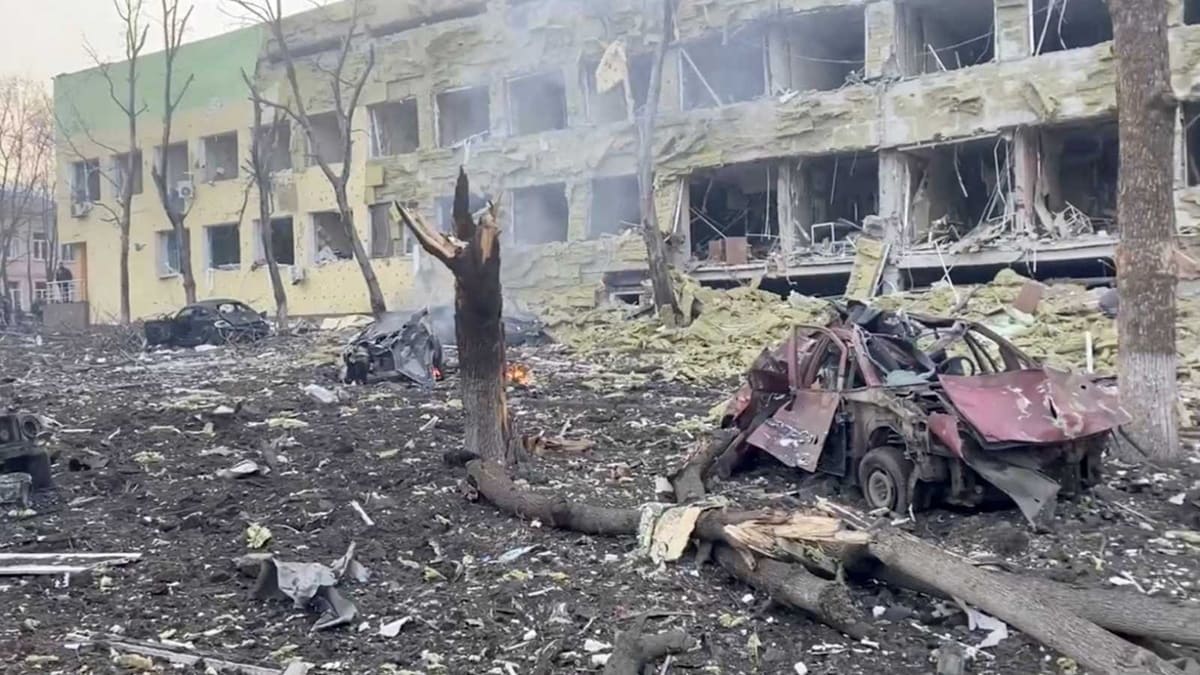
The southeastern city of Mariupol was besieged and devastated by Russian forces, which also made renewed attempts to advance in the Donbas. Ukrainian forces were provided with modern defensive weapon systems by NATO countries. Meanwhile, evidence of attacks on civilians that emerged from the town of Bucha and other places, prompted outrage and allegations of war crimes against Putin.
Forced deportations
Since the Russian invasion, around 4.8 million Ukrainian citizens, including 700,000 children (as of August 2023) have been forcibly deported (made to travel) to Russia from the Donbas. Many have had to pass through Russian "filtration camps", where they were kept in appalling conditions before being interrogated. Those suspected of pro-Ukrainian sympathies were, according to some accounts, tortured and later executed. The remainder were forced to accept Russian passports and sent to other parts of Russia. In this way, Russian-occupied areas of southern and eastern Ukraine have been emptied of former residents, while dwindling populations in depressed parts of Russia are boosted by incoming "Russified" Ukrainians.
Timeline of the war
February 2022
Russia officially recognizes the self-proclaimed Donetsk and Luhansk People's Republics. Putin gives the order for a large-scale military invasion of Ukraine. On 24th February, Russian army vehicles cross into the country, while artillery and missiles strike airfields, factories, power stations and apartment blocks. The invasion is met with forceful international condemnation.
March 2022
Russian aircraft, missiles and artillery bombard towns and cities including Chernihiv, Kharkiv, Kherson, Kyiv, Mariupol and Sumy, but meet stiff Ukrainian resistance and their progress is halted. Ukrainian forces regain control of large areas around the capital Kyiv as Russian forces withdraw and declare their intention to re-focus on military operations in the east and south.


April 2022
After the Russian withdrawal, evidence of a massacre of civilians in Bucha, near Kyiv, is discovered. Kramatorsk railway station is hit by a Russian rocket strike, killing at least 57 people and wounding 109 others. The cruiser Moskva, flagship of the Russian Black Sea Fleet, is hit by two Ukrainian anti-ship cruise missiles, setting the ship on fire and later causing it to sink. Russia begins its renewed military offensive in the Donbas, referred to as an "eastern assault". The Ukrainian port city of Mariupol comes under fierce Russian bombardment, although Ukrainian resistance continues at the Azovstal Iron and Steel Works. Russia also directs long-range missile attacks on Kyiv and Lviv.
May 2022
Russian troops withdraw from near Kharkiv following the successful advances of Ukrainian forces into the region and the destruction of bridges used by Russians to cross the Seversky Donets river. Mariupol finally falls to the Russians after the evacuation of Ukrainian fighters holding out at Azovstal. Russia concentrates missile attacks and artillery fire on cities in the Donbas, including Sievierodonetsk (where Ukrainian forces launch a counter-offensive), while capturing Lyman and Svitlodarsk. Russia also continues the bombardment of the southern cities of Mykolaiv and Odesa.

June 2022
Ukrainian forces withdraw from Sievierodonetsk, ceding the city to Russian control. Ukrainian forces begin using HIMARS rocket launchers, enabling them to strike targets from distance with great accuracy. Russia launches missiles at a shopping centre in Kremenchuk with more than 1000 people inside, killing at least 20 people. Russia withdraws its forces from Snake Island, an island in the Black Sea off the Danube Delta.
August 2022
The Zaporizhzhia Nuclear Power Plant, close to the front line between Russian and Ukrainian troops, becomes the centre of a safety crisis, with damage reported from shelling (each side accuses the other of carrying out the attacks). Russia, which uses the station as a military base, announces plans to disconnect the station from the Ukrainian electricity grid and connect it to the Russian grid. On 9th August several Russian aircraft at Saky Air Base in Crimea are damaged or destroyed following a Ukrainian missile attack. On 29th August, Ukraine announces an imminent counteroffensive in southern Ukraine. Russia moves thousands of its troops to the Kherson region, leaving its Kharkiv forces weakened and vulnerable to attack.
September 2022
On 6th September Ukrainian forces launch a surprise counteroffensive in the Kharkiv region, beginning near Balakliia, then advancing towards towards Kupiansk, a major railway hub, with the aim of cutting off the Russian forces at Izium from the north. Russian positions collapse in the face of the Ukrainian assault and their forces are forced to withdraw rapidly from Izium. On 15th September, Russian forces retreat to east of Oskil river. The Ukrainian offensive continues and by 1st October, their forces recapture Lyman. On 21st September Putin announces a "partial mobilization", in which some 300,000 Russian civilians are ordered to serve in the armed forces. Following a series of referendums, widely dismissed as sham (false), he announces the Russian annexation of Donetsk, Luhansk, Kherson and Zaporizhzhia on 30th September, a move that is internationally condemned.


October 2022
The Kerch Bridge, which links occupied Crimea with Russia, is hit by a large explosion which collapses part of the roadway and causes damage to the railway. Russia accuses Ukraine of the blast and launches missile strikes against residential areas of Kyiv and other cities in retaliation. Meanwhile, Ukrainian forces push further south towards the city of Kherson.
November 2022
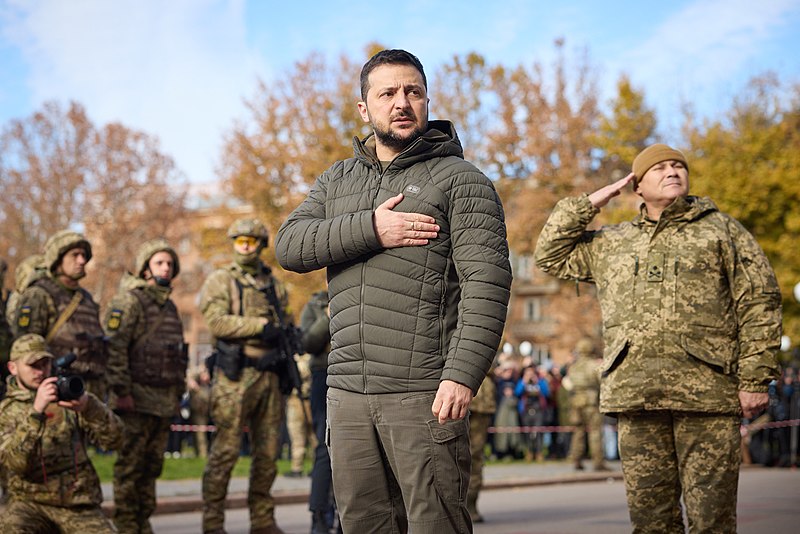
With the Ukrainian advance on Kherson, Russian forces leave the city and retreat to the eastern bank of the Dnieper. On 11th November, Ukrainian troops enter Kherson. Russian forces no longer occupy any territory to the west of the River Dnieper (its right bank).
December 2022
Aircraft in Russian airbases—far from Ukraine—are damaged by drones. Russian missiles and shells target Ukraine’s cities and energy infrastructure—power stations, pipelines, transmission lines, etc.—in order to disrupt lighting and heating for Ukrainians during the winter months.
January 2023
Ukrainian missiles kill at least 89 (possibly hundreds more) Russian troops in Makiivka, one of deadliest single strikes against Russia’s forces since the war began. Russian forces take control of Soledar, in Donetsk Oblast.
February 2023
President Zelenskyy visits London and Brussels, urging continued support from European allies. US president Joe Biden visits Kyiv, pledging American military and financial support. Fighting intensifies in the eastern city of Bakhmut where Russian forces have concentrated their attacks for months and have come close to encircling the city.
March 2023
Russia launches around 84 missiles, including six Kinzhals (hypersonic air-launched ballistic missiles) and 8 drones at Ukrainian cities. The International Criminal Court issues an arrest warrant against Vladimir Putin for alleged war crimes during the Russo-Ukraine war.
April 2023
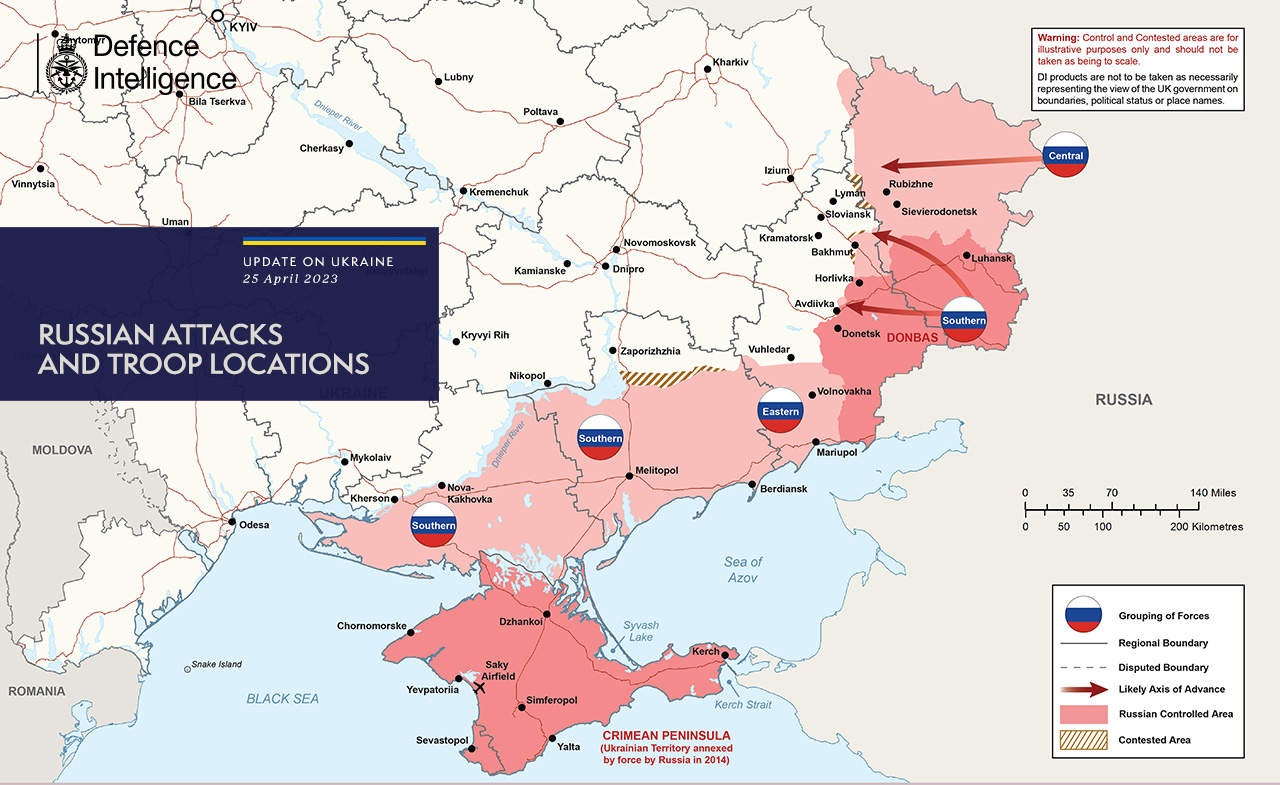
Russia launches airstrikes on multiple cities including Kyiv, Dnipro, Kremenchuk, Poltava, Mykolaiv and Uman. Twenty-one out of the twenty-three missiles are intercepted, along with two attack drones. While fighting continues in Bakhmut, Ukrainian Defence Minister Oleksii Reznikov says that a Ukrainian counter-offensive is "largely ready" to go ahead.

May 2023
US publishes estimates that the Russians have suffered 100,000 casualties, including over 20,000 dead, during the Battle of Bakhmut since December 2022. Half of these losses are from the Wagner Group, a private military company. By 20th May, Bakhmut has been mostly captured by Russian forces. Ukraine launches counter-attacks, taking back swathes of territory to the north and south of Bakhmut over the course of a few days.

June 2023
In the early hours of 6th June, the Kakhovka Dam in southern Ukraine is destroyed, causing extensive flooding along the lower Dnieper (Dnipro) river in Kherson Oblast. Evidence points to an explosion at the time of the dam's failure. Russian forces, who were in control of the dam, are accused of blowing up the dam, but they deny this. The dam's destruction may cut off the water supply for hundreds of thousands of people (including residents of Russian-controlled Crimea) and for irrigation for large areas of productive agricultural land. It also threatens the operation of the Zaporizhzhia Nuclear Power Plant. While Ukraine conducts the rescue of people in flooded areas, Russian forces attack them.
Ukrainian forces launch a series of counter-offensives on several fronts, including in Donetsk and Zaporizhzhia oblasts (provinces). By 12th June, they report their fastest advance in seven months, claiming to liberate several villages, including Blahodatne, Makarivka and Neskuchne. Russia responds with airstrikes against residential areas of Kryvyi Rih, Kyiv, Odesa, Kramatorsk, Kremenchuk and other Ukrainian towns and cities.
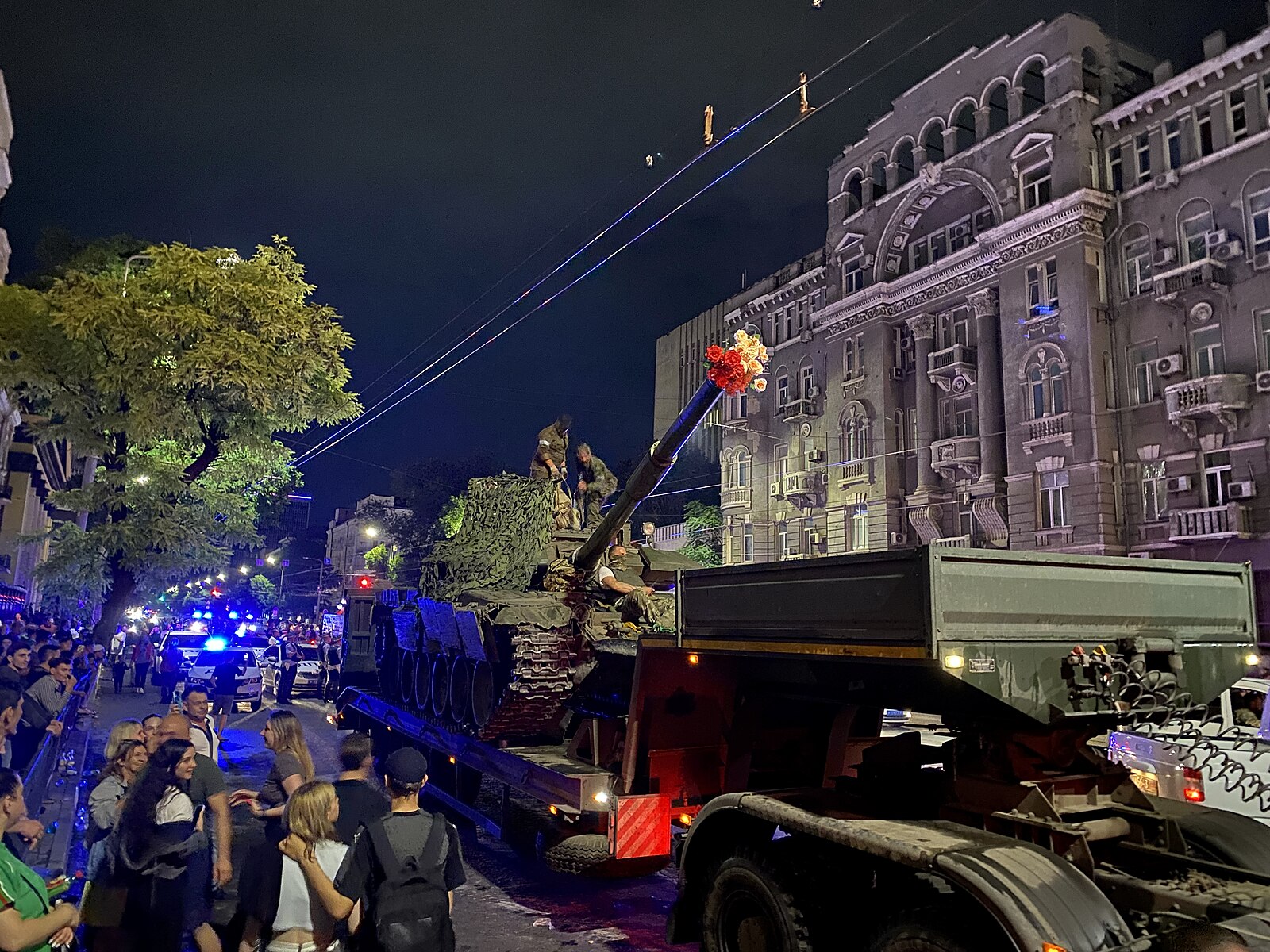
On 23rd, the Wagner Group, a Russian government-funded private military company, stages a mutiny after a period of tension between its leader Yevgeny Prigozhin and the Russian Ministry of Defence. Prigozhin's forces take control of Rostov-on-Don, then advance through Voronezh Oblast towards Moscow, repelling air attacks by the Russian military. The next day, 24th June, before Wagner forces reach the capital, an agreement to settle the conflict is made between the two sides and Wagner forces withdraw.
July 2023
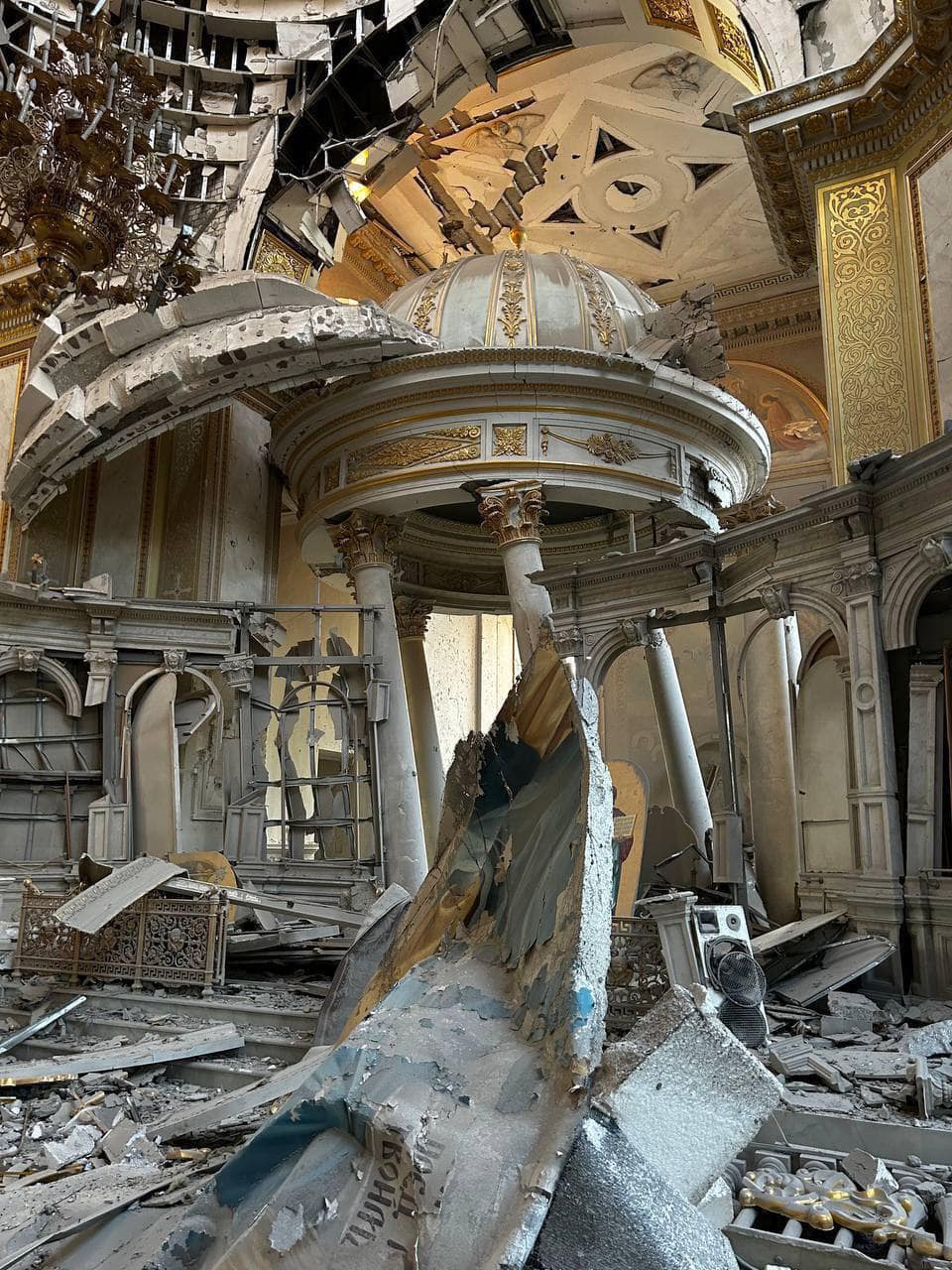
Although the Ukrainian counter-offensive wins back some territory, it comes at a cost of significant casualties and loss of munitions and vehicles. Around mid-July Ukraine switches focus, aiming to "starve, stretch and strike" Russian defensive lines. Ukrainian forces mount rocket artillery, drone and missile attacks on Russian artillery, command centres, ammunition dumps, troop concentrations and infrastructure, such as bridges and railway hubs. Kerch Bridge is damaged by a drone attack on 17th, while Moscow also comes under attack from drones. Ukrainian forces make advances on the Zaporizhzhia front, towards Melitopol.
Russian forces continue to target residential areas of Ukrainian towns and cities with bombs, missiles, artillery and drones including Lviv (6th July), Lyman (8th), Odesa (19th onwards) and Kryvyi Rih (31st).
August 2023
Russian shelling and missile or drone attacks against residential areas of Ukrainian cities as well as ports, grain storage facilities and industrial targets. Ukraine launches a series of drone attacks on Crimea and western regions of Russia, including Moscow. Ukrainian forces mount raids across the River Dnieper while making small advances on the Donetsk and Zaporizhzhia fronts. Wagner Group leader Yevgeny Prigozhin was killed after the plane he was travelling in crashed outside Moscow. US intelligence believes the crash may have been caused by a deliberate on-board explosion.
September 2023
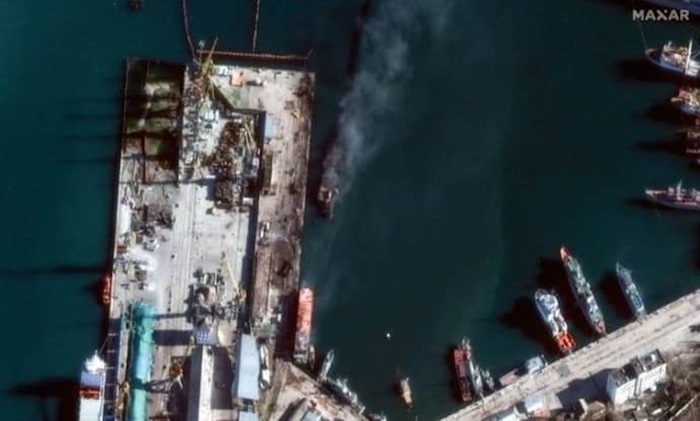
Ukraine carries out missile attacks on the Sevastopol shipyard in Crimea, damaging a ship and a submarine, while later carrying out attacks on Russian patrol ships in the Black Sea. On 22nd September the headquarters of the Russian Black Sea Fleet in Sevastopol is struck and destroyed by a Ukrainian missile, reportedly claiming the life of Russian fleet commander Viktor Sokolov (although video footage showing him alive has since emerged).
October-December 2023
The Ukrainian counter-offensive does not achieve significant territorial gains. Ukrainian forces establish positions on the east bank of the River Dnieper, but fierce fighting on this front leads to heavy casualties among both Ukrainian and Russian troops. In October, Russian forces launch an attack on Avdiivka, a Ukrainian-held city located near Donetsk city, attempting to encircle it. By early November 2023, the pace of the Russian assault slows as weather conditions deteriorate. The Russians continue to make advances, but at the cost of tens of thousands of casualties and the loss of hundreds of tanks and armoured vehicles.
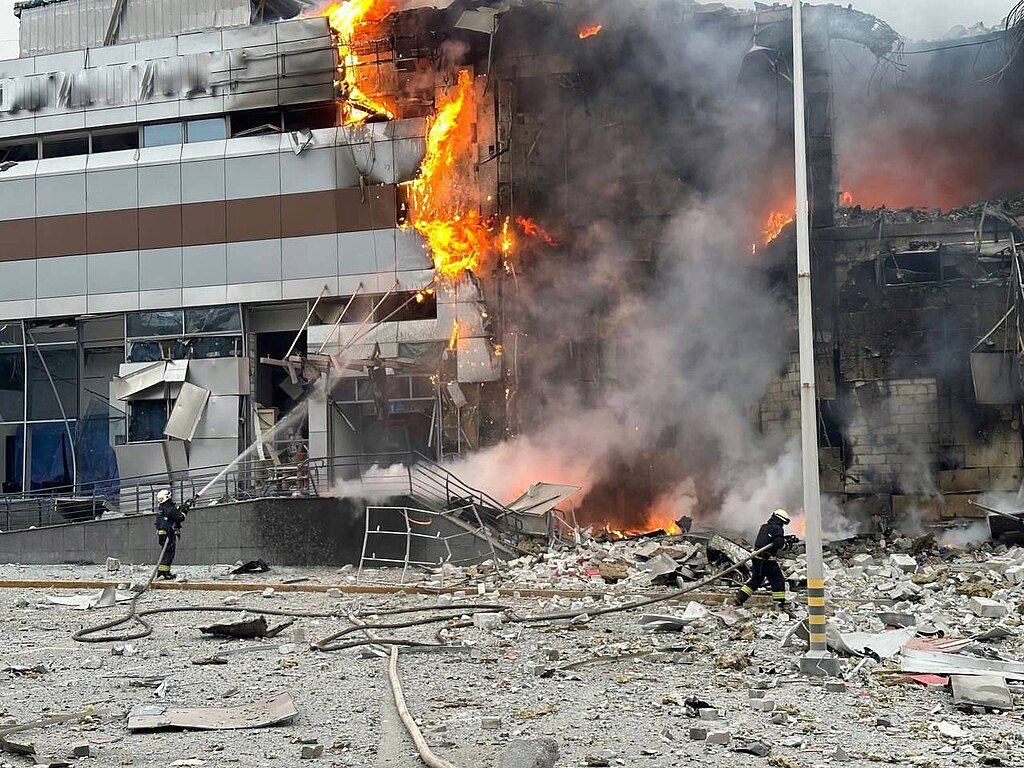
Meanwhile, Russia carries out airstrikes on a number of cities across Ukraine using drones and missiles. An attack on 29th December 2023 is the largest yet seen in the war. The Ukrainian defensive systems intercept most of the drones and missiles but some get through, causing widespread destruction and death and injury among scores of civilians in Kyiv, Kharkiv, Dnipro and elsewhere.
January–May 2024
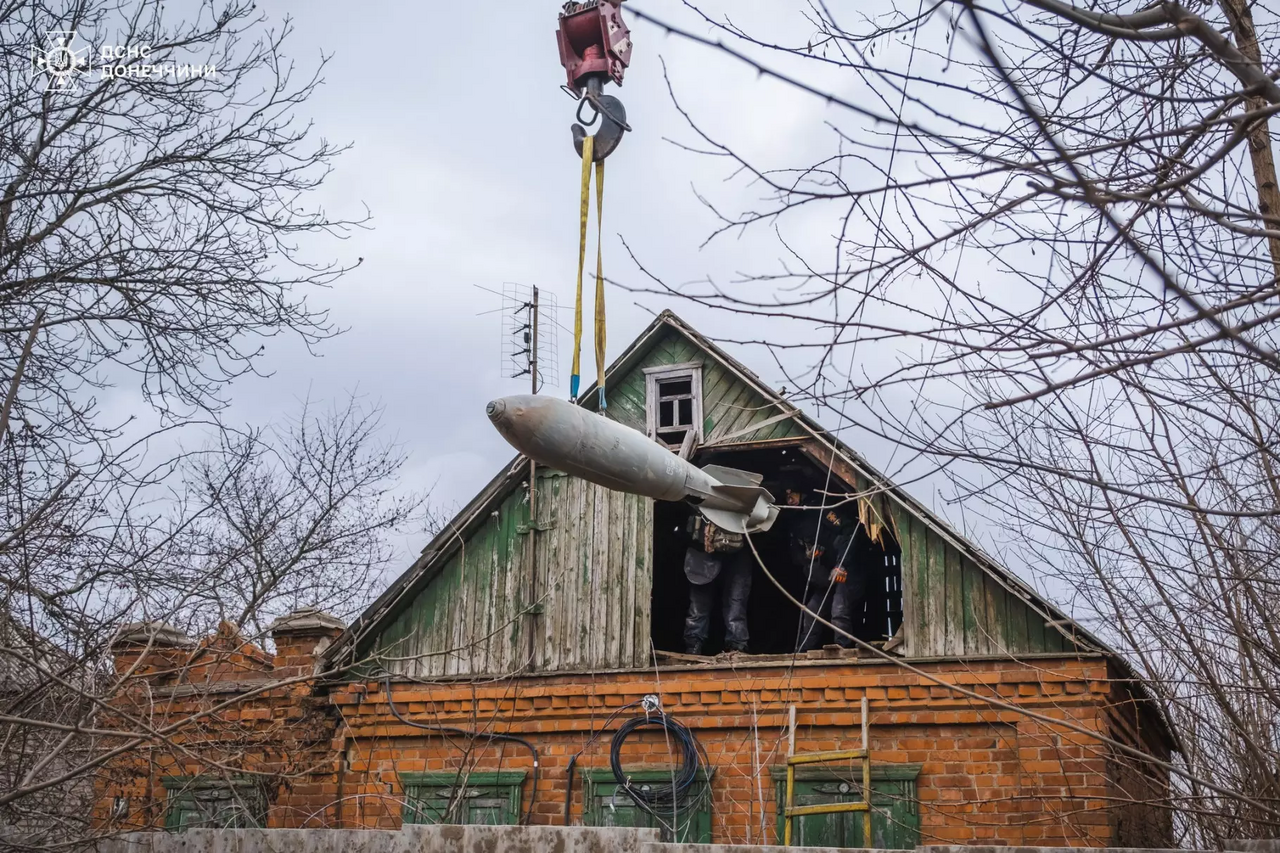
Russian forces continue to launch strikes on Ukrainian cities and power infrastructure, while Ukrainians mount attacks, using drones and long-range missiles, on targets in Russian-occupied Crimea, including fuel depots and warships in the Black Sea. Belgorod and other targets in Russia itself, such as air bases and oil refineries, are also attacked by Ukrainian drones.
On 17th February, Russia finally captures Avdiivka at a cost of 16,000 men killed, tens of thousands wounded and around 700 vehicles lost. Ukraine's shortage of ammunition, caused largely by political deadlock in the US Congress preventing a crucial military aid package to be approved (finally approved 24th April), contributes to the Ukrainian withdrawal from Avdiivka.
On 10th May, Russian forces begin an offensive in Ukraine's Kharkiv Oblast, advancing several kilometres in the direction of the cities of Vovchansk and Kharkiv.
June–July 2024
The decision by US President Biden to allow Ukrainian forces to fire US-supplied weapons into Russian territory to defend Kharkiv leads to the stalling of the Russian offensive. Ukraine brings in troops from the southern and eastern fronts to regain positions in Vovchansk and liberate territory.
On 8th July Russia launches a wave of missile attacks against targets across Ukraine, including Ohmatdyt Children's Hospital in Kyiv. Thirty-six people are killed and 140 injured in the strikes.
A study released on 31st July estimates that since the beginning of the full-scale invasion Russia has so far lost between 500,000 and 750,000 soldiers killed or wounded in action. It declares that Ukraine has also "suffered very heavy losses".

August–September 2024
Ukraine continues its drone attacks on multiple targets across western Russia (including Moscow and beyond), striking oil depots and refineries, air bases, ammunition stores and fuel warehouses.
On 6th August, Ukrainian forces mount an "incursion" across its border with Russia into Kursk Oblast (region). Around 1000 soldiers are involved to begin with, but by 19th August this has risen to 10–12,000 troops as more than 92 settlements and 1250 square kilometres of Russian territory are captured. Russian troops are diverted to Kursk, while continuing their attempts to advance towards Pokrovsk in Donetsk region.

Towards the end of August, Russia responds with massive air attacks on towns and cities across Ukraine. The Kyiv Hydroelectric Power plant is also struck. On 3rd September, at least 53 people are killed and 298 others injured in a Russian missile attack on Poltava in central Ukraine. At least seven people are killed and 64 injured in a Russian air attack on Lviv on 4th September.
October 2024–January 2025
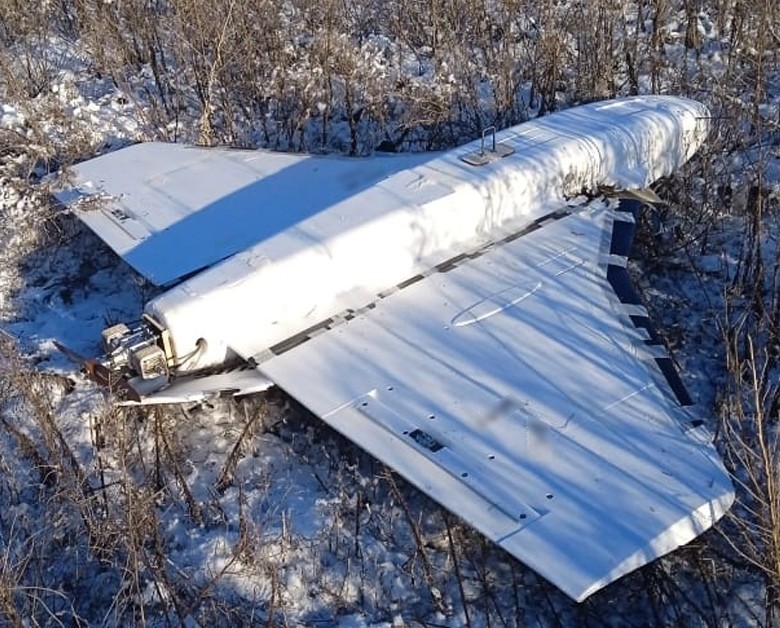
Russian troops continue their advance in eastern Ukraine, including towards the city of Pokrovsk. In October they capture Vuhledar at a cost of many casualties. Meanwhile in Kursk Oblast, by mid-November, Russian forces—now assisted by North Korean troops—retake around half of the territory occupied by Ukraine in its furthest advance during the offensive. (They retake nearly all the territory by mid-March.)
On 17th November, and again on 3rd December, Russia launches a massive air attack on cities across Ukraine, involving over 200 missile and 90 drones, targeting Ukraine's energy grid in an effort to disrupt the country's power supply.
February–October 2025
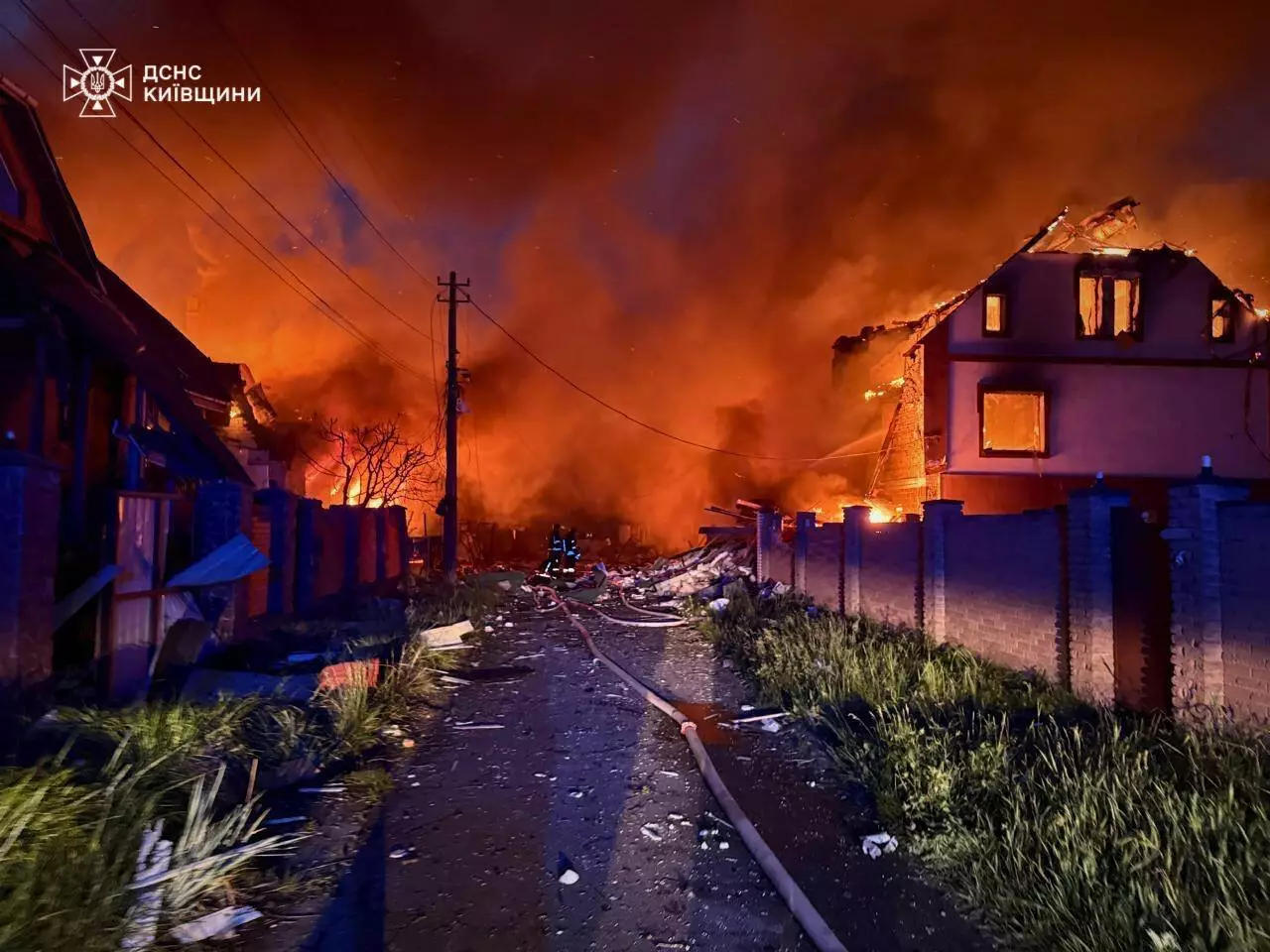
Ukraine continues to occupy a very small part of Russia's Kursk Oblast, while Russian troops inch forward in eastern Ukraine. It is announced in March that according to UK Ministry of Defence figures, some 900,000 Russian servicemen have been killed or injured. Both sides mount regular drone attacks, with some Ukrainian drones successfully hitting targets in Russian territory. On 24th--25th May, Russia launches its largest air attack on Ukraine since the 2022 invasion, with 298 drones and 69 missiles, killing 14 people and injuring 70 others across 13 regions including Kyiv.
Following Donald Trump's inauguration at US president in January, efforts are made to secure a peace agreement in the Russia-Ukraine conflict. In March, Ukraine agrees a 30-day partial ceasefire, but President Putin insists that certain conditions must be met before a full ceasefire can take effect. Putin maintains his demand that Ukraine cede to Russia all of the four oblasts that Russia has annexed (illegally) but not fully occupied: Luhansk, Donetsk, Zaporizhia and Kherson.
Trump and Putin meet at in Anchorage, Alaska, to discuss a peace deal on 15th August. Trump then holds a conference at the White House, Washington, DC, attended by Ukrainian president, Volodymyr Zelenskyy, along with European and NATO leaders, on the 18th to seek agreement on next steps, including possible security guarantees for Ukraine should a peace deal be struck.
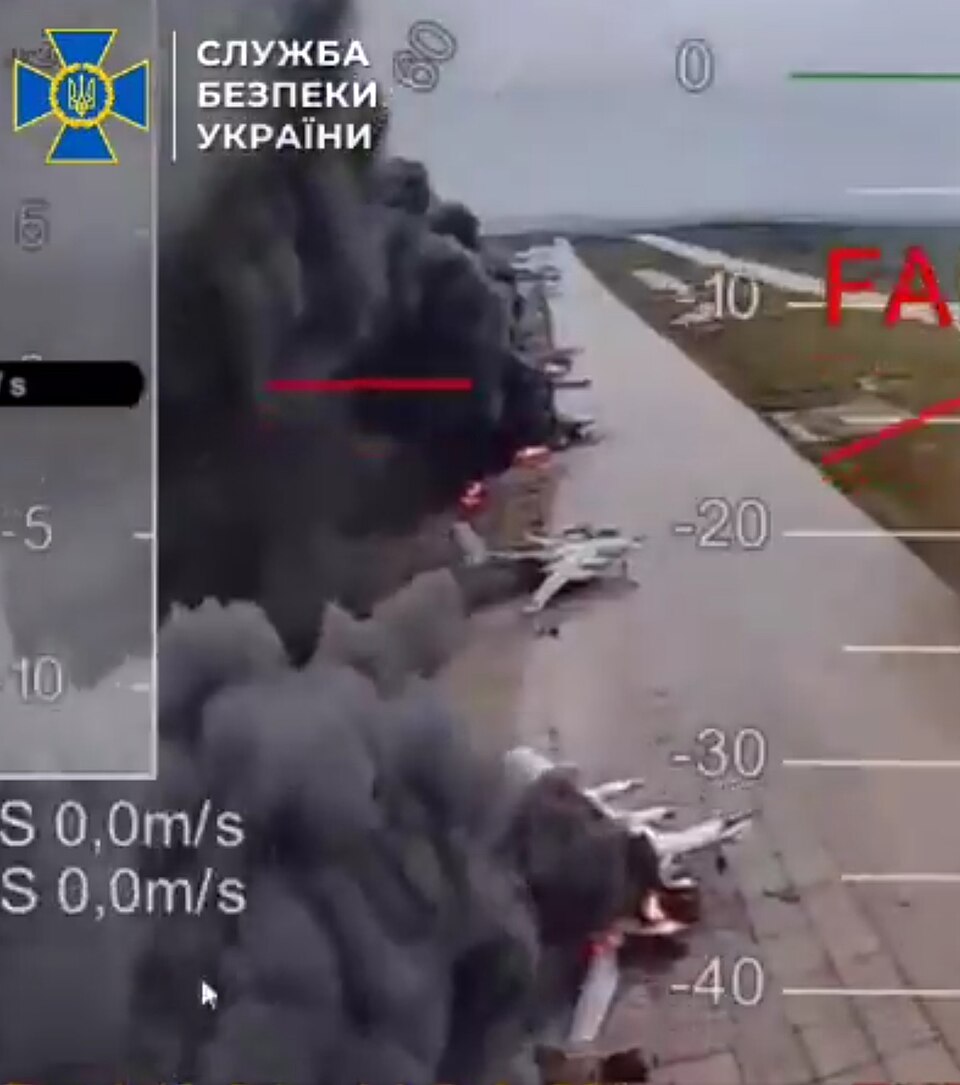
Russian missile and drone attacks on Ukrainian cities, targeting civilians and energy infrastructure (including power stations and gas production sites), have been stepped up since the Anchorage meeting. Ukrainian air defences are weaker as a result of US military aid being cut off. For its part, Ukraine has launched more than 30 airstrikes on energy sites in Russia, such as oil refineries, pipelines and transport hubs, using long-range drones (and, lately, missiles) since the beginning of August. Ukraine's aims are to cut fuel supplies to the Russian military, reduce Russian oil exports and trigger steep rises in Russian petrol prices.
Ukraine still controls nearly a quarter of the Donetsk oblast, including the city of Pokrovsk, with Russian advances slowing and casualty rates high. The Donbas battleground remains locked in stalemate. Meanwhile, Russian drone incursions into the airspace of Poland and elsewhere are causing concern among NATO members.
November 2025–May 2026
Following small territorial gains in late 2025, Russia launches a major offensive in the spring of 2026. Ukrainian forces largely halt this advance, limiting Russia to only very small gains. By contrast, Ukraine makes its largest battlefield gains in over two and a half years, retaking over 200 square kilometres (77 sq miles) in mid-February. Ukraine's advance coincides with the Russian military being blocked from using Starlink satellite communication systems. The development of military drones creates what is known as a "kill zone" stretching several kilometres behind both front lines. This makes it highly dangerous for either side to station troops, military vehicles or artillery in an area approximately 20 kilometres wide either side of the front line.
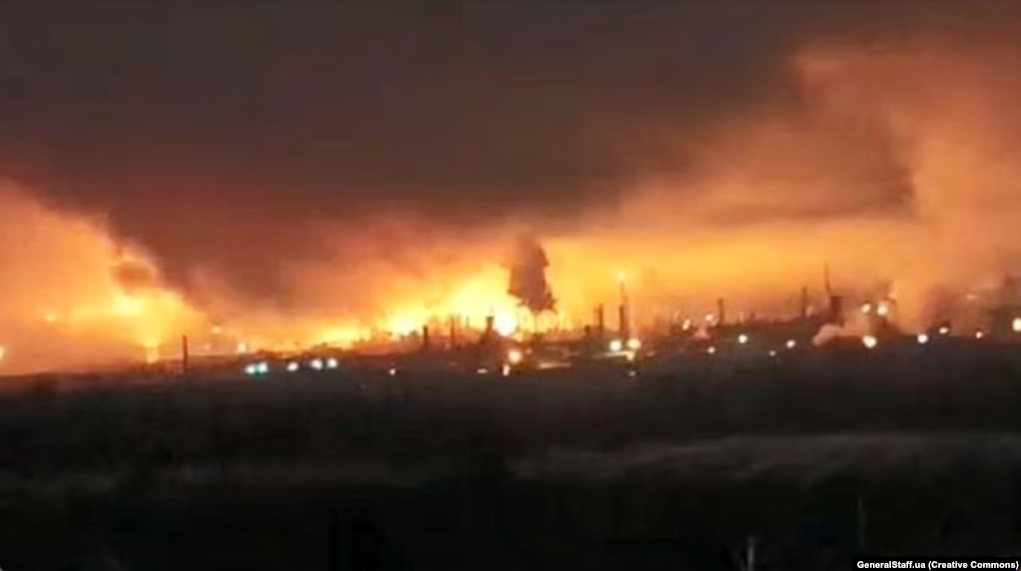
In this period, Ukrainian drone units achieve successful "middle" and "deep" strike campaigns, targeting Russian oil depots, refineries and export terminals, munitions factories, rail junctions and military installations 1000 kilometres or more inside Russia. Targets include oil refineries at Kirishi, Nizhny Novgorod, Saratov, Syzran, Bashneft, Tuapse and Novokuibyshevsk.
For its part, Russia launches aerial bombardments against Ukrainian cities and energy infrastructure. Ukrainian forces intercept most of the cruise missiles and Shahed-type drones, but a shortage of Patriot anti-ballistic missile (ABM) systems leaves them vulnerable to ballistic missile strikes.
As of June 2026, total Russian military casualties are estimated at between 1.2 million and 1.4 million people, with between 300,000 and 500,000 killed. Ukraine’s military losses are estimated at between 450,000 to 500,000 casualties (killed or wounded).
Consultant: Philip Parker