
The world in the 21st century

CITE
We have made every effort to follow citation style rules, but there may be some minor differences. If in doubt, please refer to the appropriate citation style manual.
Israeli–Palestinian conflict. (2026). In Q-files Encyclopedia, History, The world in the 21st century. Retrieved from
https://www.q-files.com/history/the-world-in-the-21st-century/israeli-palestinian-conflict
"Israeli–Palestinian conflict." History, The world in the 21st century, Q-files Encyclopedia, 12 Sep. 2026.
https://www.q-files.com/history/the-world-in-the-21st-century/israeli-palestinian-conflict.
Accessed 21 Sep. 2026.
Israeli–Palestinian conflict 2026. History, The world in the 21st century. Retrieved 21 September 2026, from
https://www.q-files.com/history/the-world-in-the-21st-century/israeli-palestinian-conflict
History, The world in the 21st century, s.v. "Israeli–Palestinian conflict," accessed September 21, 2026.
https://www.q-files.com/history/the-world-in-the-21st-century/israeli-palestinian-conflict


Israeli–Palestinian conflict
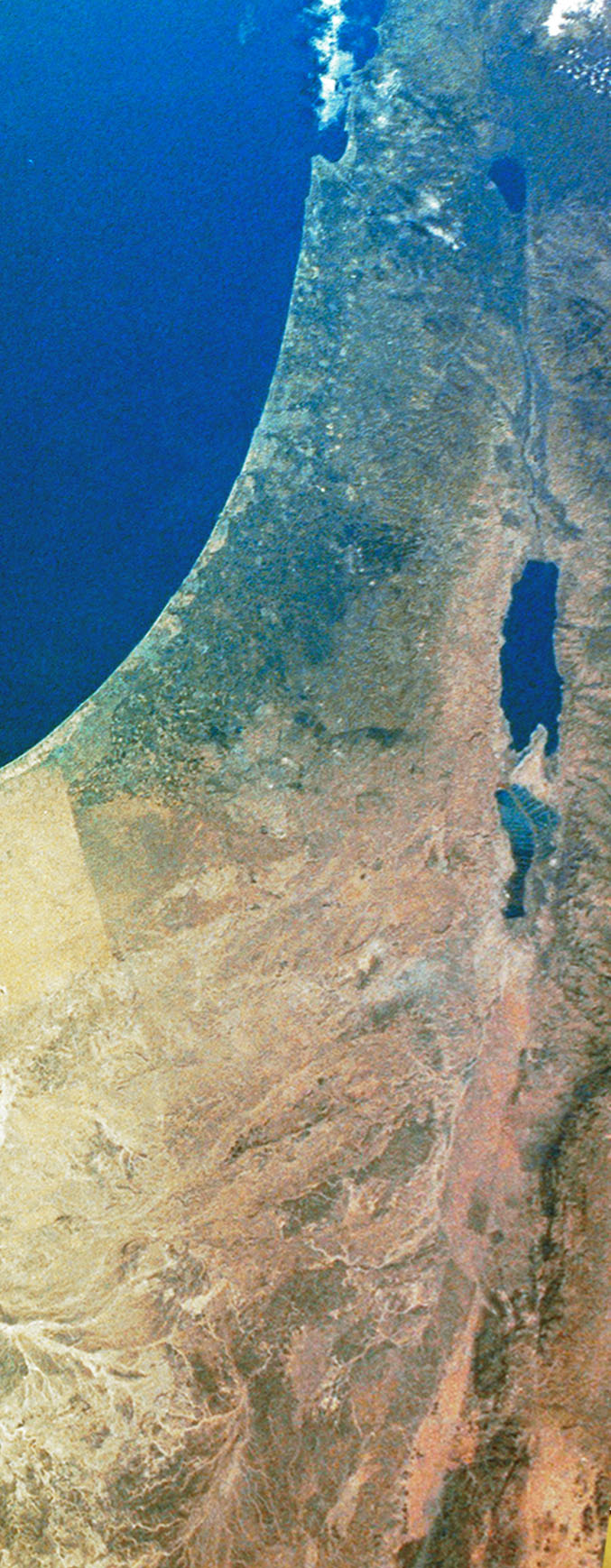
The long-running Israeli–Palestinian conflict has been raging since the middle of the 20th century. It centres on competing claims for a homeland in Palestine, a region of the Eastern Mediterranean, by two peoples. They are: the Palestinians, an Arab people, largely Muslim, who have inhabited the region for centuries, and the Jews, whose ancestors lived in part of the same land in ancient times. The Balfour Declaration of 1917, which set out plans for the "establishment in Palestine of a national home for the Jewish people", and the arrival of increasing numbers of Jews in the region, created tensions between the resident Palestinians and the Jewish immigrants. These tensions erupted into violence in 1947 as tens of thousands of Jewish war refugees migrated to Palestine. The Jewish state of Israel came into being the following year and, amid war, many Palestinians were forced to flee their homes. Despite attempts to resolve the conflict through peace talks, hostilities have continued ever since. Mistrust and disagreement persists, with powerful elements on both Israeli and Palestinian sides unwilling to accept a compromise can be reached.
Updated 8th September 2026
Roman rule
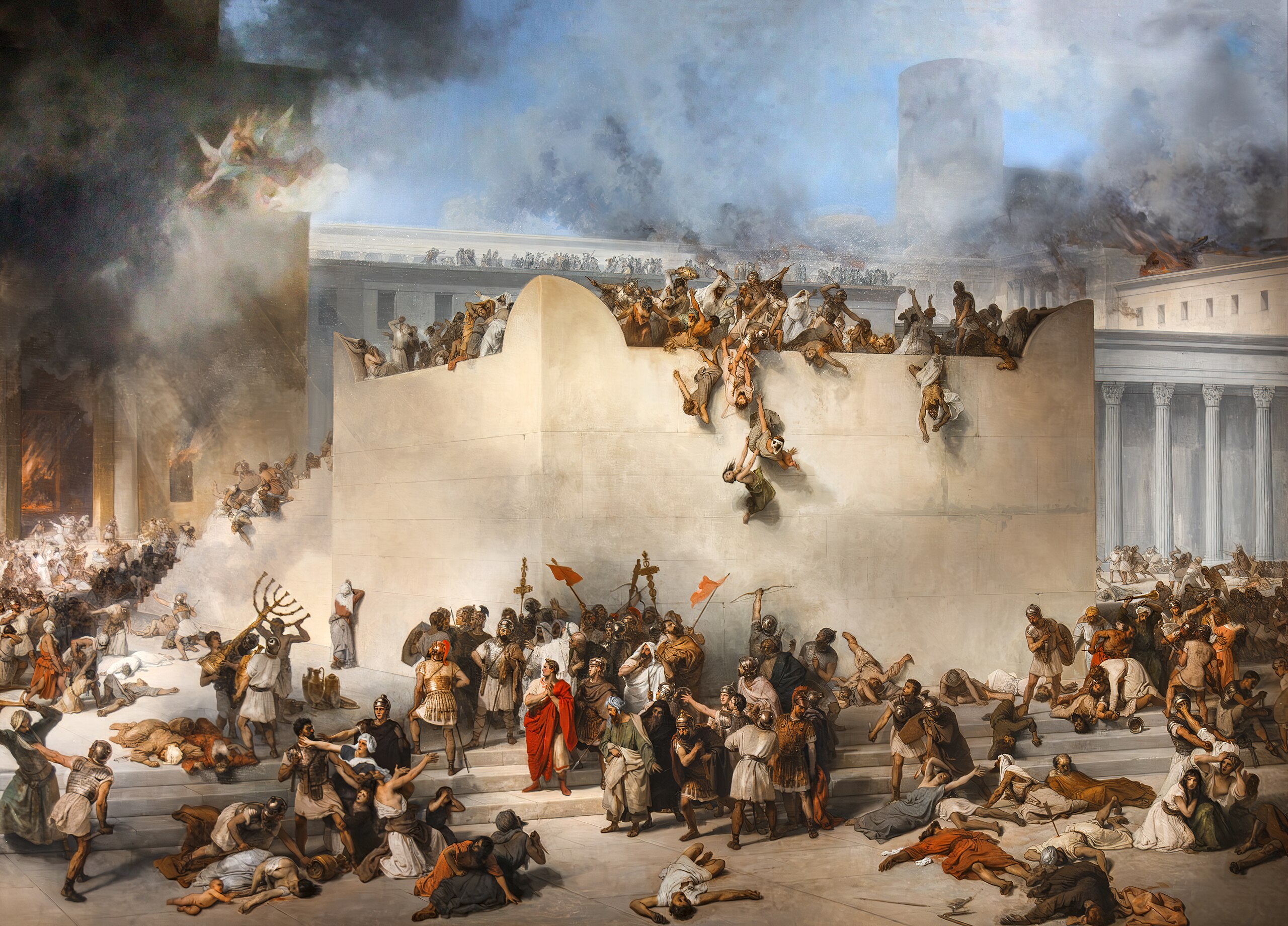
The roots of the Israeli–Palestinian conflict go back more than 2000 years when Palestine was conquered by the Romans. Judaea, ruled by the Hasmonean dynasty of Jewish kings, and its inhabitants, the Jews, came under direct Roman rule in 6 CE (Common Era, equivalent to AD). The Roman Empire was often brutal in its treatment of its Jewish subjects. In 66 CE, the Jews began a revolt against the Roman rulers of Judea, which was put down by Roman troops. In the Siege of Jerusalem in 70 CE, the Romans destroyed the Temple. After a further rebellion, the Bar Kokhba revolt of 132–136 CE, the Roman emperor Hadrian inflicted severe punishment on the Jews, banishing them from their capital Jerusalem.
The Roman expulsions began what is known as the Jewish diaspora: the emigration of Jews far from their homeland. Many settled in other parts of the Roman Empire in Europe and North Africa, or went to live in Babylonia, farther to the east.
Muslim Palestine
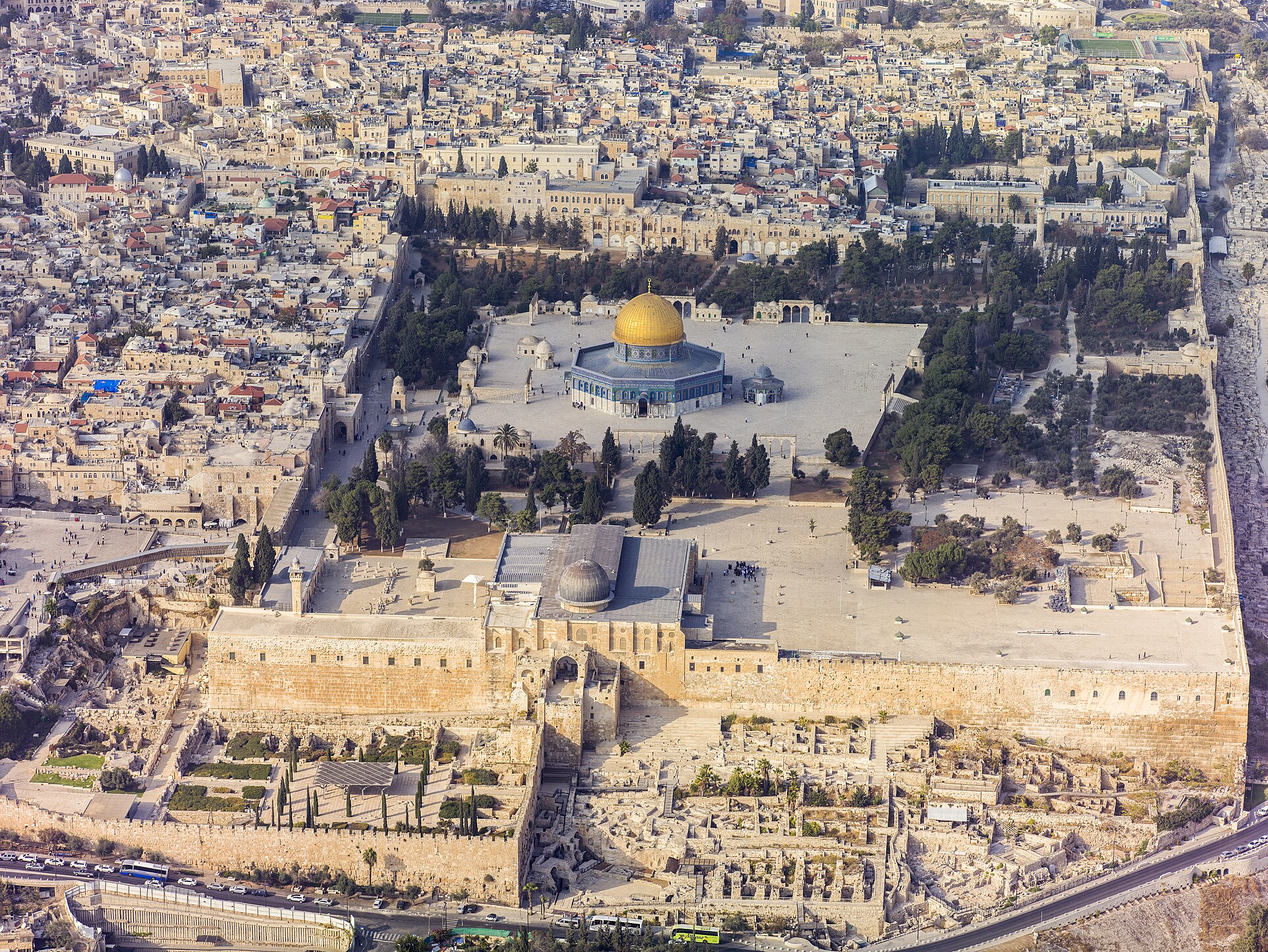
Palestine first came under Muslim rule following its conquest by the Islamic Empire between 636 and 641 and Arabs came to settle there. Much of the existing population of Palestine adopted Arab culture and language and converted to Islam. With the construction of the Dome of the Rock in 691 and the Al-Aqsa Mosque in 705, the Muslims established the Temple Mount in Jerusalem as an Islamic holy site. Palestine eventually came under the control of the Ottoman Empire—another Islamic empire—in 1516. It remained in Ottoman hands for more than 400 years.
Zionism
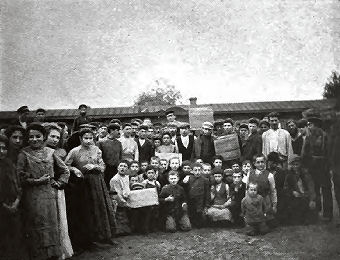
By the late 19th century, Jews were found living in many parts of the world. A substantial number lived in the western part of the Russian Empire, called the Pale of Settlement, an area created by Catherine the Great in 1791. The Pale, which included all of modern-day Belarus and Moldova, much of Lithuania, Ukraine and east-central Poland, would, by 1910, be home to more than 5 million Jews, representing some 40% of the total world Jewish population at the time.
Life for the Jews of the Pale was hard and poverty-stricken. They were also persecuted by the non-Jewish inhabitants in violent riots called pogroms.
In response to the widespread antisemitism (hostility towards Jews) they experienced, many Jews came to believe that they would only be safe in their own land—their ancestral homeland Palestine, or the Land of Israel as they called it. Then still part of the Ottoman Empire, the region was home to a small Jewish community, mostly living in Galilee and Jerusalem. But the Arab population, the Palestinians, formed a large majority. Zionism, the movement that supported the re-establishment of a Jewish homeland in Palestine, began in the 1880s. It was boosted when the Hungarian writer Theodor Herzl (1860–1904) formed the Zionist Organization in 1897.

Balfour Declaration
Zionism soon turned from a dream into reality. During World War I (1914–18), Palestine was captured by the British from the Ottoman Empire, which fought on the side of the Central Powers Germany and Austria-Hungary. The Jews then received the promise from the British of a "National Home" in the form of the Balfour Declaration on the 2nd November 1917. This aim was included in the Mandate for Palestine by which Britain was to govern the territory on behalf of the newly-created League of Nations at the San Remo Conference in 1920, which agreed on arrangements for the territories of the Ottoman Empire after World War I.
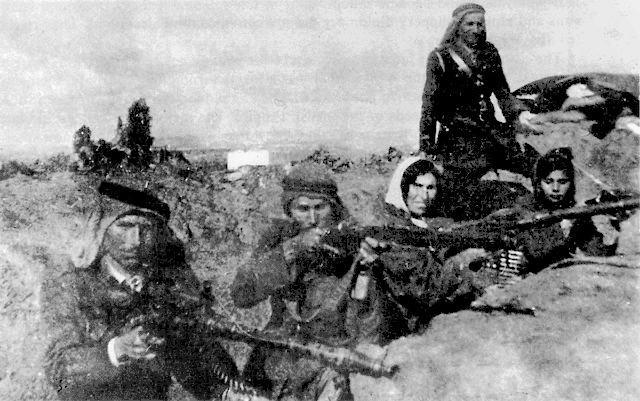
After the British Mandate of Palestine officially began in 1923, there were several waves of Jewish immigration. The Arab population of Palestine was hostile towards the Jewish settlers, however, and carried out attacks on them during the Great Revolt of 1936–39.
Holocaust
The Holocaust, the mass killing of Jews by Nazi Germany during World War II (1939–45), took place throughout Nazi-occupied territory in Europe. More than a million Jews perished in gas chambers at the Auschwitz-Birkenau death camp in Poland alone. The massive scale of the Holocaust, and the horrors it unleashed, was only understood after the end of the war in 1945. It deeply affected the Jewish nation and world public opinion. Efforts were stepped up, with the United States—which had become home to almost half the world’s Jews—playing a leading role, to support the Zionist cause and establish a Jewish state in Palestine.

Jewish state
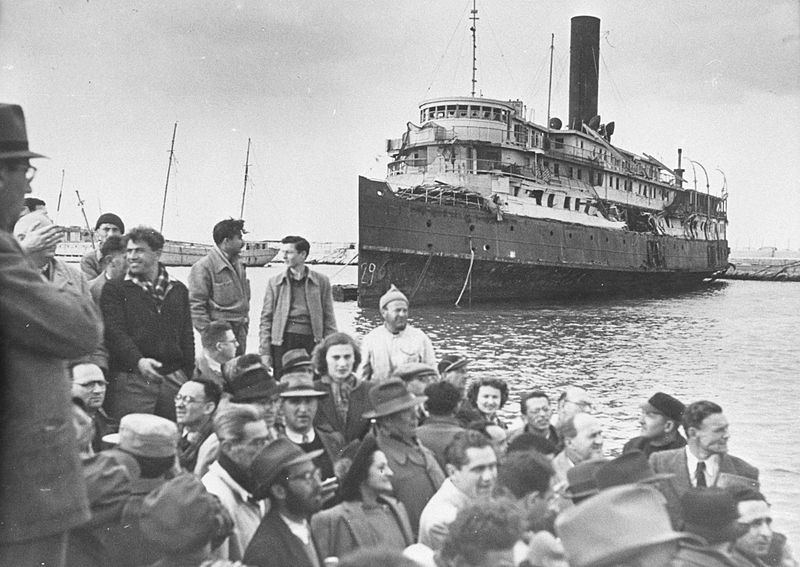
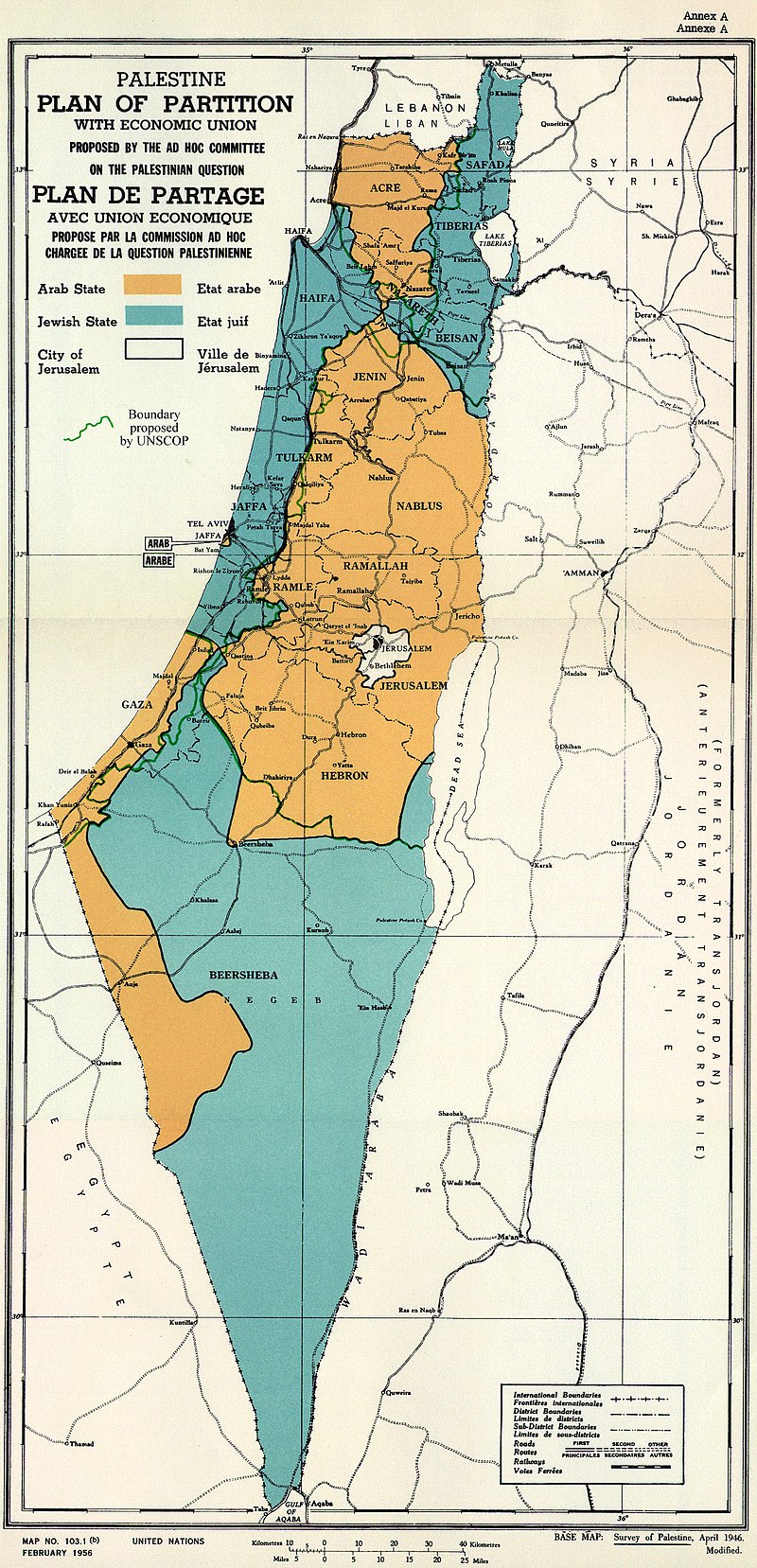
After World War II ended, Jewish leaders began organizing the immigration of tens of thousands of Jewish war refugees to Palestine—then still under British rule—without the approval of the British government, who were opposed to an increase in Jewish migration. Britain decided to withdraw from the Mandate of Palestine and let the newly-formed United Nations deal with the situation. On 29th November 1947, the UN General Assembly recommended partitioning Palestine into three: an Arab state, a Jewish state and the City of Jerusalem. The Jewish leadership accepted the decision but both the Palestinians and the neighbouring Arab states opposed it. Fighting between the Palestinians and Jewish armed groups broke out in the days following the vote..
On 14th May 1948, immediately after the last British soldiers left Palestine, the future first prime minister of Israel, David Ben-Gurion, declared the establishment of a Jewish state in Eretz Israel (Hebrew for “Land of Israel”), to be known as the State of Israel. In an attempt to destroy the new Jewish state, the armies of Egypt, Lebanon, Syria, Jordan and Iraq invaded, triggering the 1948 Arab–Israeli War.
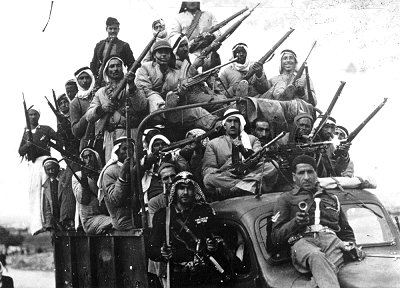
During the wars, around 400 Arab towns and villages were destroyed or left uninhabitable. As a result more than 700,000 Palestinians—between 80 and 85% of the entire population—were forced to flee their homes. It was known as the Palestinian Exodus or Naqba (meaning "Catastrophe"). A third of them went to the West Bank (which was controlled by Jordan), one third to the Gaza Strip (controlled by Egypt), with the rest emigrating to Jordan, Syria, Lebanon and other countries. Many Palestinians and their descendants, remain stateless and in refugee camps to this day.
In the three years following the Arab–Israeli war, about 700,000 Jews migrated to Israel, both from Europe and neighbouring Arab lands. Many former Palestinian towns were repopulated by Jewish immigrants, with their place names replaced with Hebrew (the language of Israel) place names.

Arab–Israeli wars
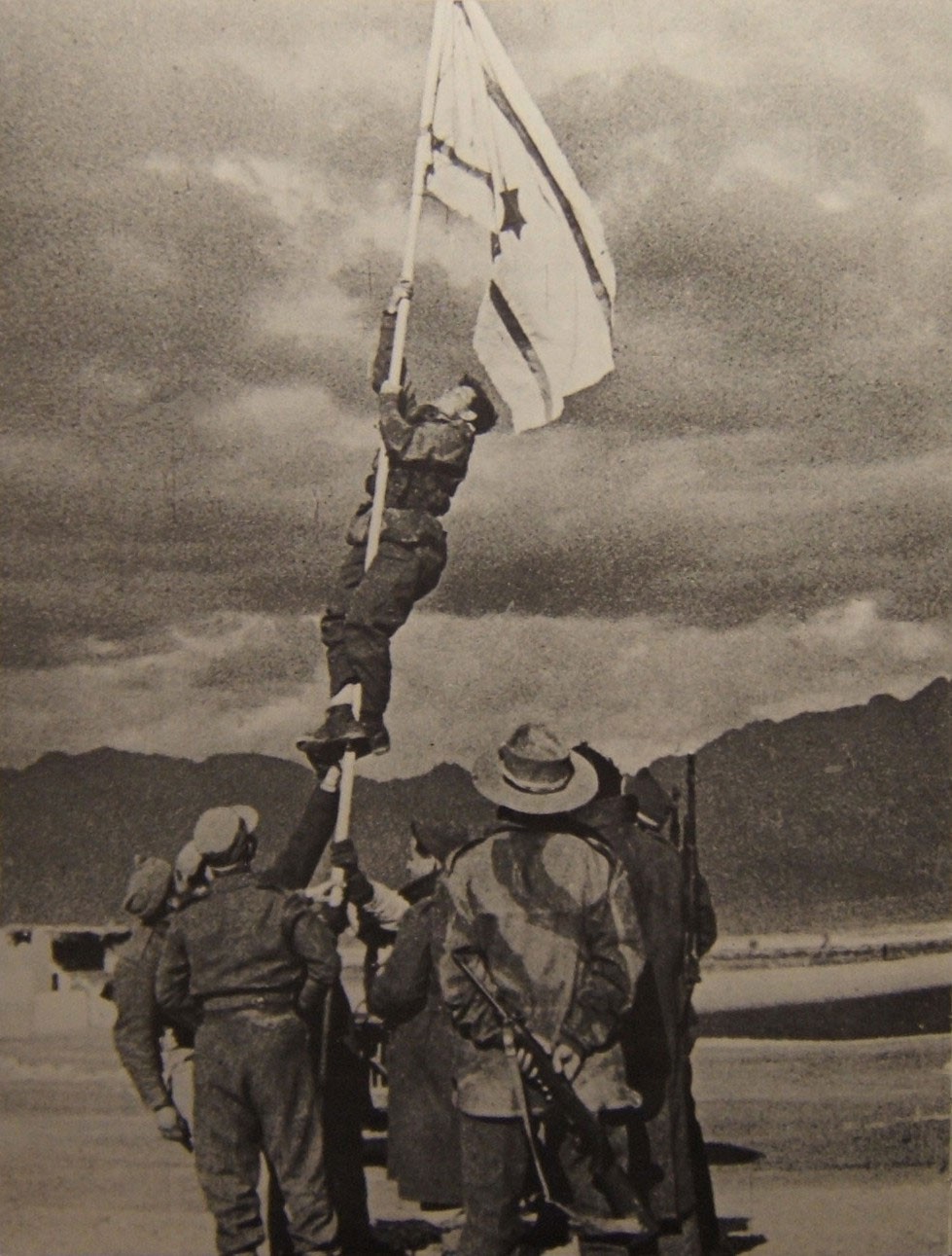
The Israel Defence Forces (IDF) repulsed the Arab armies and proceeded to extend Israel's borders beyond the original boundaries for the Jewish state proposed in the UN Partition Plan. By December 1948, Israel controlled most of Palestine west of the River Jordan, except for the West Bank and the Gaza Strip, which remained under Arab control.
Following the Six-Day War (5th–10th June 1967), during which Israel defeated the combined forces of Egypt, Jordan and Syria, Israel occupied both these territories, together with the Golan Heights (part of Syria) and East Jerusalem. This opened the way to the establishment of Jewish settlements in the West Bank and the Gaza Strip, despite objections from around the world. At the same time, Israel put the Arab population in these territories under military rule.
Israel came under attack once more from Syria and Egypt in 1973 in what was known as the Yom Kippur War (named after the day the attack was launched: Yom Kippur, a Jewish holy day). After a peace treaty was signed between Egypt and Israel in 1979, Egypt agreed to recognize Israel as a country, the first Arab state to do so. The agreement also called for an end to Israeli military rule over the occupied territories and the establishment of full autonomy (self-rule) for their Palestinian inhabitants. The terms were not implemented but they became the basis for the Oslo Accords of 1993 (see below).

Palestine Liberation Organization
The Palestinians who remained living in Israel as citizens were subject to discrimination by the Israeli state and deprived of many basic civil rights. Their communities were kept poor and underfunded. Many Palestinians worked as low-paid manual labourers.
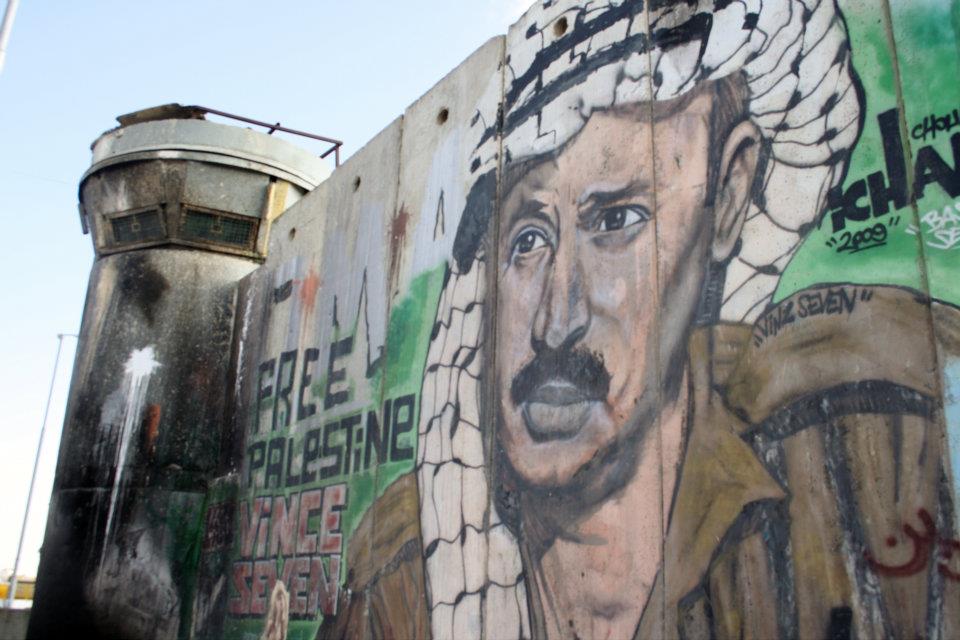
To support the Palestinian cause, the Palestine Liberation Organization (PLO) was founded in Cairo, Egypt, in 1964. It came under the leadership of Yasser Arafat in 1969. Determined to pursue an armed struggle and establish an Arab state in place of Israel, the PLO gained international notoriety with a number of aircraft hijackings and terrorist attacks. The best-known was Munich massacre, carried out during the 1972 Summer Olympic Games in Munich, West Germany, by eight members of the organization Black September, a militant faction of the PLO, who killed two members of the Israeli Olympic team and took nine others hostage.
First Intifada
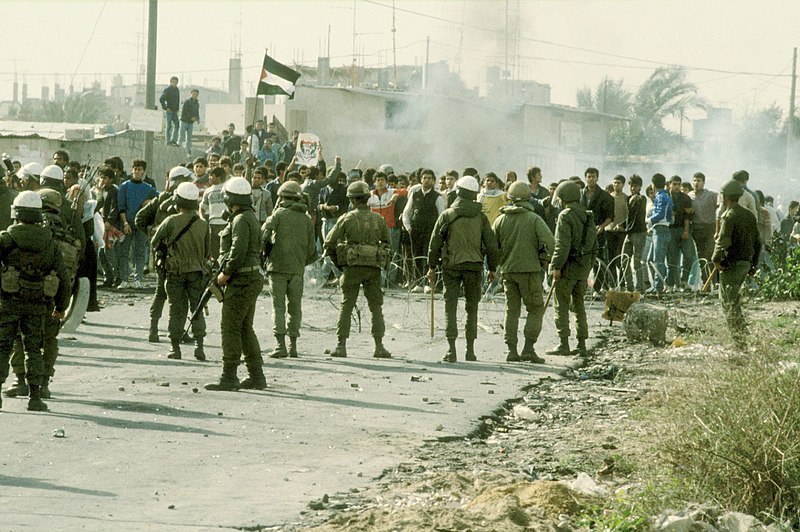
In 1987, frustrated by two decades of Israeli military rule, young Palestinians took part in an uprising in the Israeli-occupied Palestinian territories and Israel itself. During the uprising, known as the First Intifada, there was widespread stone throwing, to which the IDF responded with shootings, clubbings and mass arrests.
!n 1988 the PLO voted to accept the two-state solution proposed by the UN in 1947. The Palestinian Declaration of Independence, formally establishing the State of Palestine, was then proclaimed by Yasser Arafat on 15th November of that year in Algiers, Algeria.
Oslo Accords
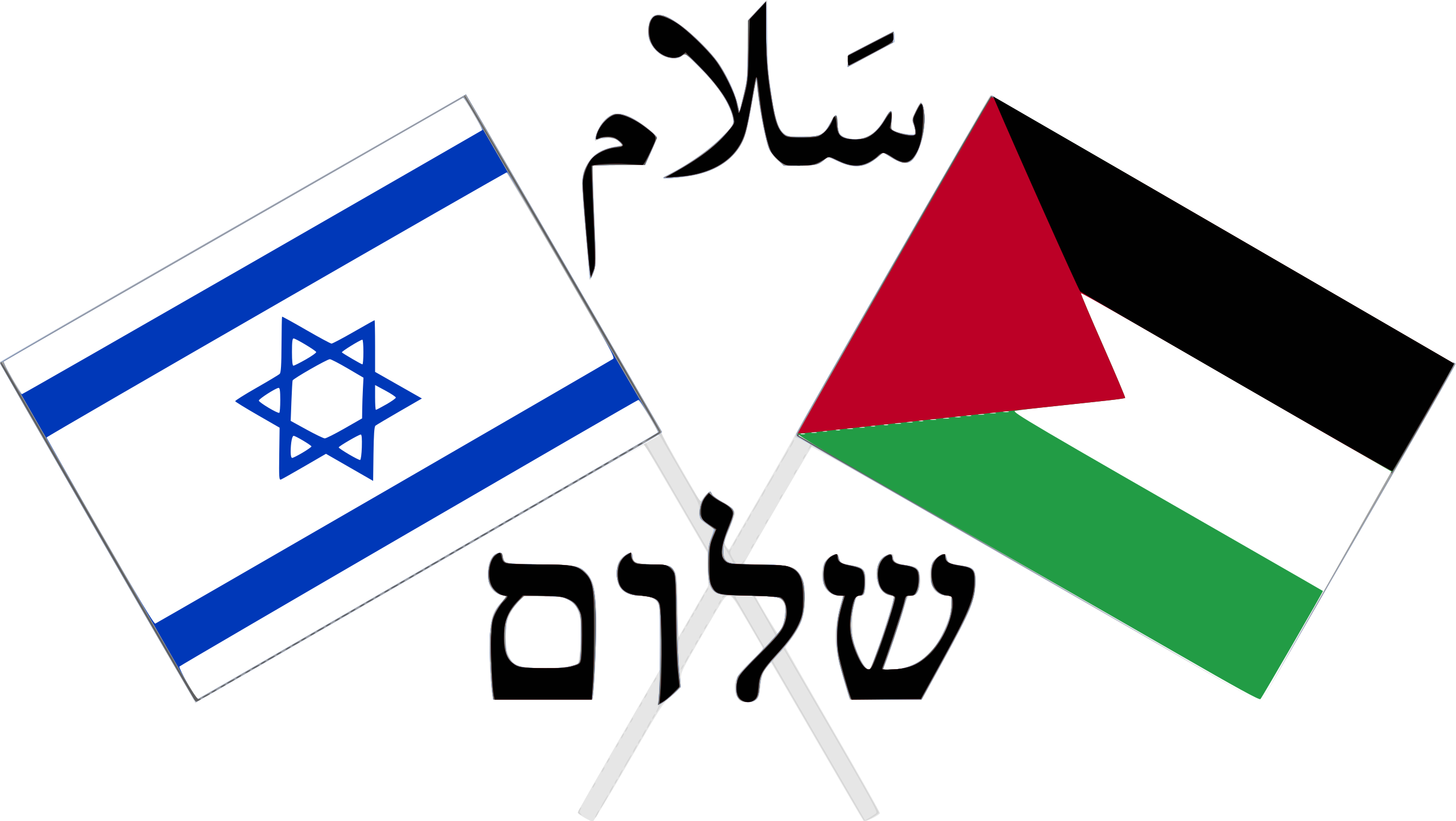

Secret peace talks between Israel and the PLO began in Oslo, Norway, in 1993. Israel’s prime minister, Yitzhak Rabin, signed an agreement with Arafat aimed at fulfilling the “right of the Palestinian people to self-determination”. One of a pair of agreements known as the Oslo Accords, it established the Palestinian Authority and granted limited Palestinian self-government over the Gaza Strip and parts of the West Bank. Rabin did not accept the principle of a Palestinian state, however.
Between 1993, the year the first accord was signed in Washington D.C., and 1997, Israel withdrew its forces from the occupied Palestinian territories. Nevertheless, many Palestinians, intent on having their own state, regarded the Oslo Accords as a form of surrender, while some Israelis strongly opposed giving up any settlements or territory. Rabin was assassinated by an Israeli extremist in 1995 for signing the Accords.
Second Intifada
The peace process that began with the Oslo Accords, and so was known as the Oslo process, turned into a series of negotiations. This lasted until the Camp David Summit of 2000, in which US president Bill Clinton attempted, but failed, to secure a final deal between Israeli prime minister Ehud Barak and Arafat.
Palestinian frustration over the failure of the talks contributed to the Second Intifada. Violence broke out in September 2000, after Ariel Sharon, then the Israeli opposition leader, made a visit to the Al-Aqsa compound on the Temple Mount in Jerusalem. This sparked protests and riots, which Israeli police brutally put down with rubber bullets and tear gas. Widespread Palestinian suicide bombings against Israeli civilians and large-scale Israeli military retaliation followed. By the time the uprising ended in around 2005, more than 3000 Palestinians and 1000 Israelis had lost their lives.
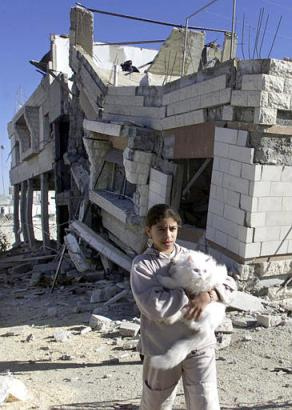

The Second Intifada led to a hardening of attitudes and the construction of the West Bank barrier by the Israeli government. But it also caused Sharon, now Israel's prime minister, to decide to withdraw Israeli forces from the Gaza Strip in 2005, and begin the closing of Israeli settlements in Gaza and parts of the northern West Bank.
Even while the Second Intifada was still raging, the Road Map for Peace, an American initiative, was introduced in 2002–03. It once again set out a two-state solution, including the establishment of an independent Palestinian state. It has never been implemented.

Hamas
Hamas, officially called the Islamic Resistance Movement, was founded in 1987 by Sheikh Ahmed Yassin. Previously he ran several Islamist organizations in Gaza, including a charity called Mujama al-Islamiya linked to the Egypt-based Muslim Brotherhood. Over the years, Hamas became increasingly involved in the Israeli–Palestinian conflict. It opposed the Oslo Accords and, in seeking an Islamic Palestinian state over the combined territory of Israel, the West Bank and Gaza Strip, it rejected outright the pursuit of a two-state solution. Campaigning for Palestinian armed resistance, it won the 2006 Palestinian legislative election to the Palestinian Authority's parliament, defeating the other main Palestinian party, Fatah, the main group making up the PLO.
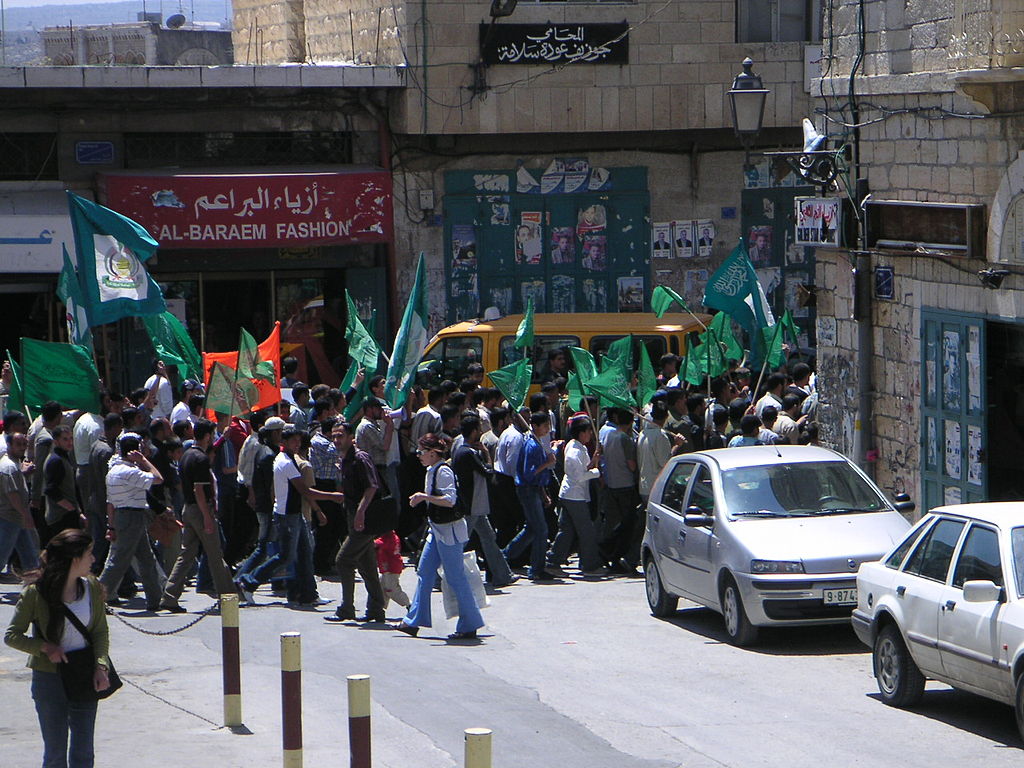
Relations between Hamas and Fatah soon descended into violence. During a civil war between supporters of the two rival factions in 2007, Hamas led an armed takeover of Gaza. Fatah continued to control the Palestinian Authority in the West Bank. No elections have taken place since 2006. Hamas has held absolute power in Gaza ever since.
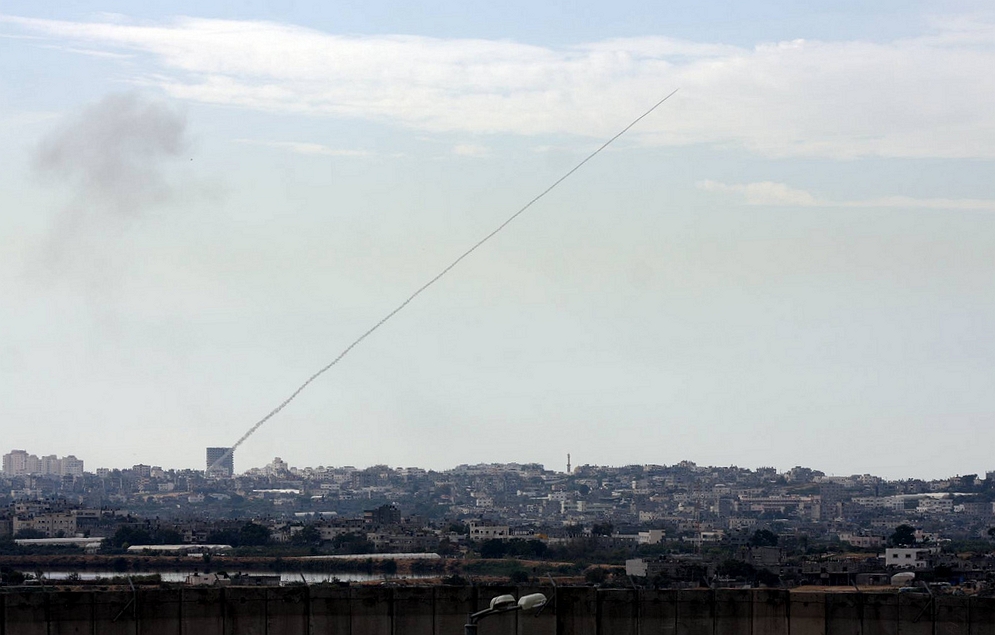
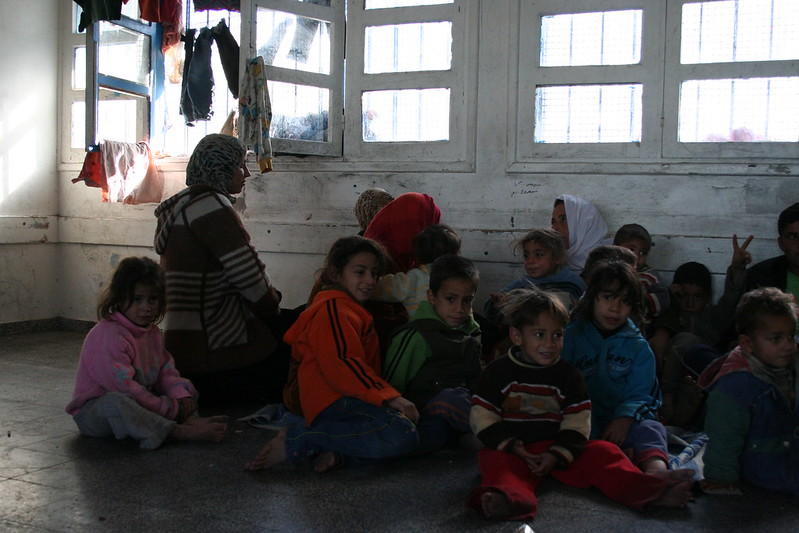
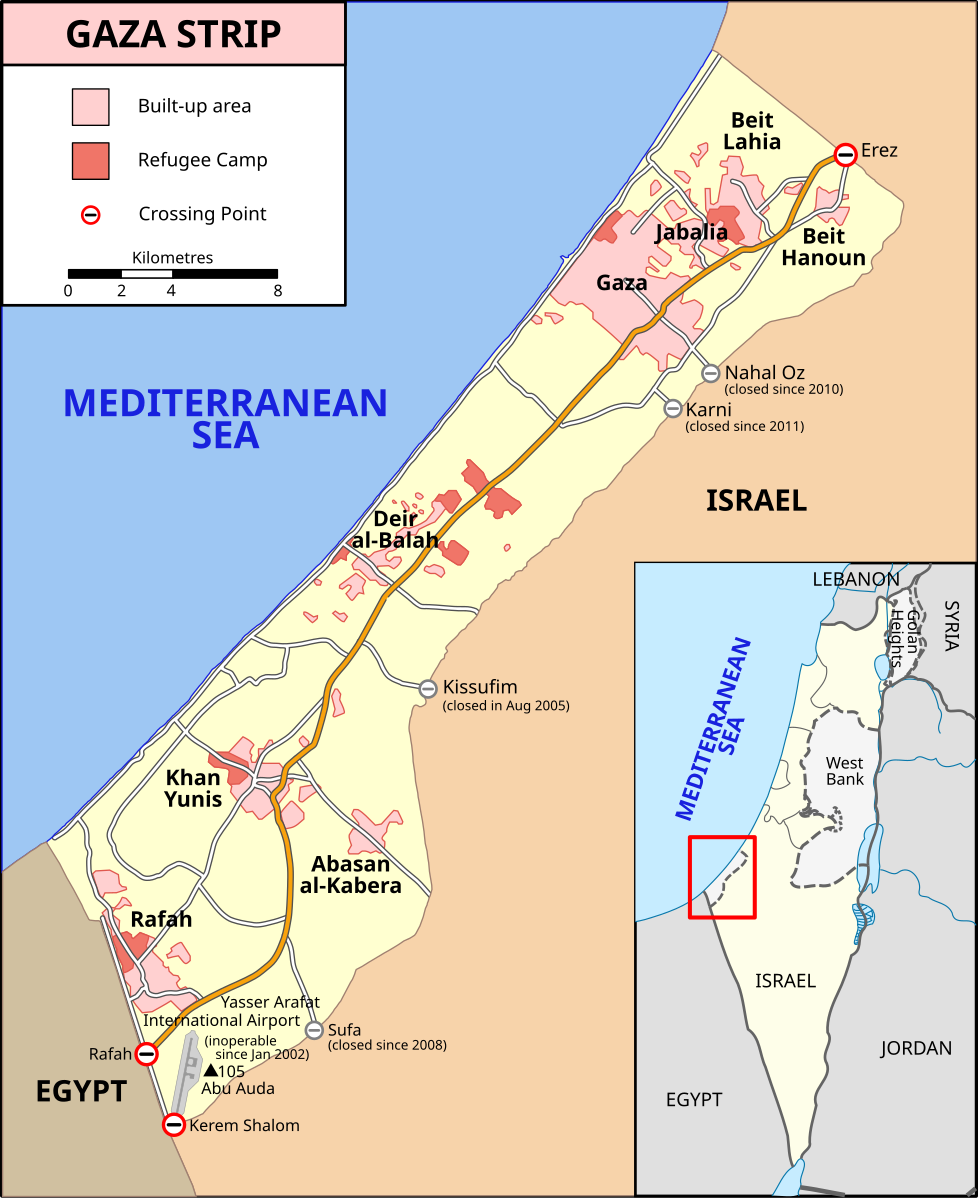
After Hamas took control of the Gaza Strip in 2007, Israel imposed a tight blockade of the territory, preventing the free flow of people and goods. This contributed to deteriorating living conditions and deepening poverty amongst the Palestinian population of around 2.3 million people, who were confined to an area of land 41 kilometres (25 miles) long and 6 to 12 kilometres (3.7 to 7.5 miles) wide.
Although Israel withdrew its troops from Gaza in 2005, two of the three border crossings, together with the coast and airspace, are controlled by Israel (the third border crossing, near the city of Rafah, is controlled by Egypt). Israel normally provides the Gaza Strip with water, food and electricity.
Recent conflicts
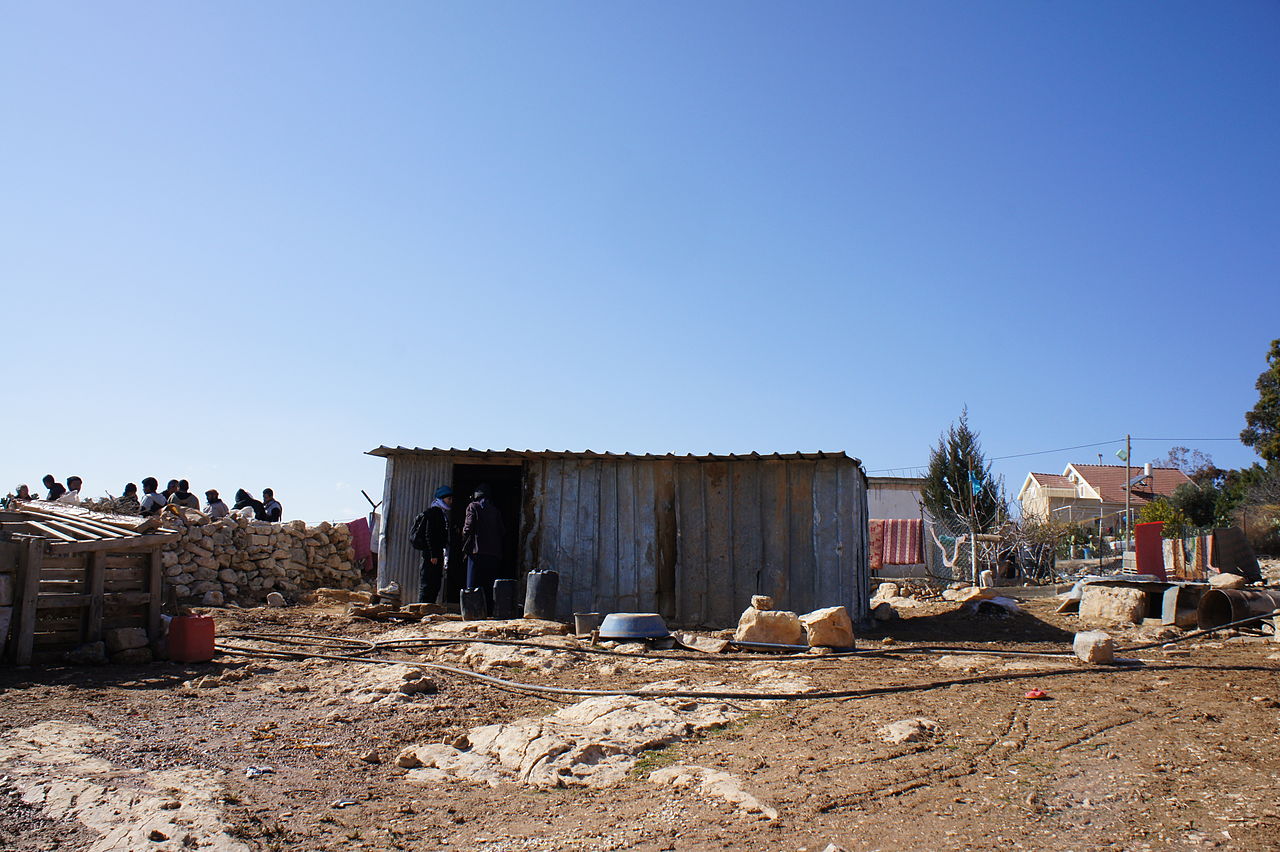
Since taking control, Hamas has mounted repeat attacks against Israel from the Gaza Strip, mostly by firing rockets against targets inside Israel. Serious hostilities broke out in 2008, 2012 and 2014. The 2015–2016 wave of violence, known as the Knife Intifada, involved attacks on Israelis in Jerusalem. Between March 2018 and December 2019 a series of protests was held each Friday near the Gaza-Israel border.
Violence began to escalate in 2021. In April, Israeli police raided Al-Aqsa Mosque in Jerusalem, one of the holiest sites in Islam, after Palestinian worshippers barricaded themselves inside. Hamas fired rockets towards the city, prompting Israel to retaliate with airstrikes. Israeli forces raided the West Bank city of Jenin in July 2023.

Israel–Hamas War
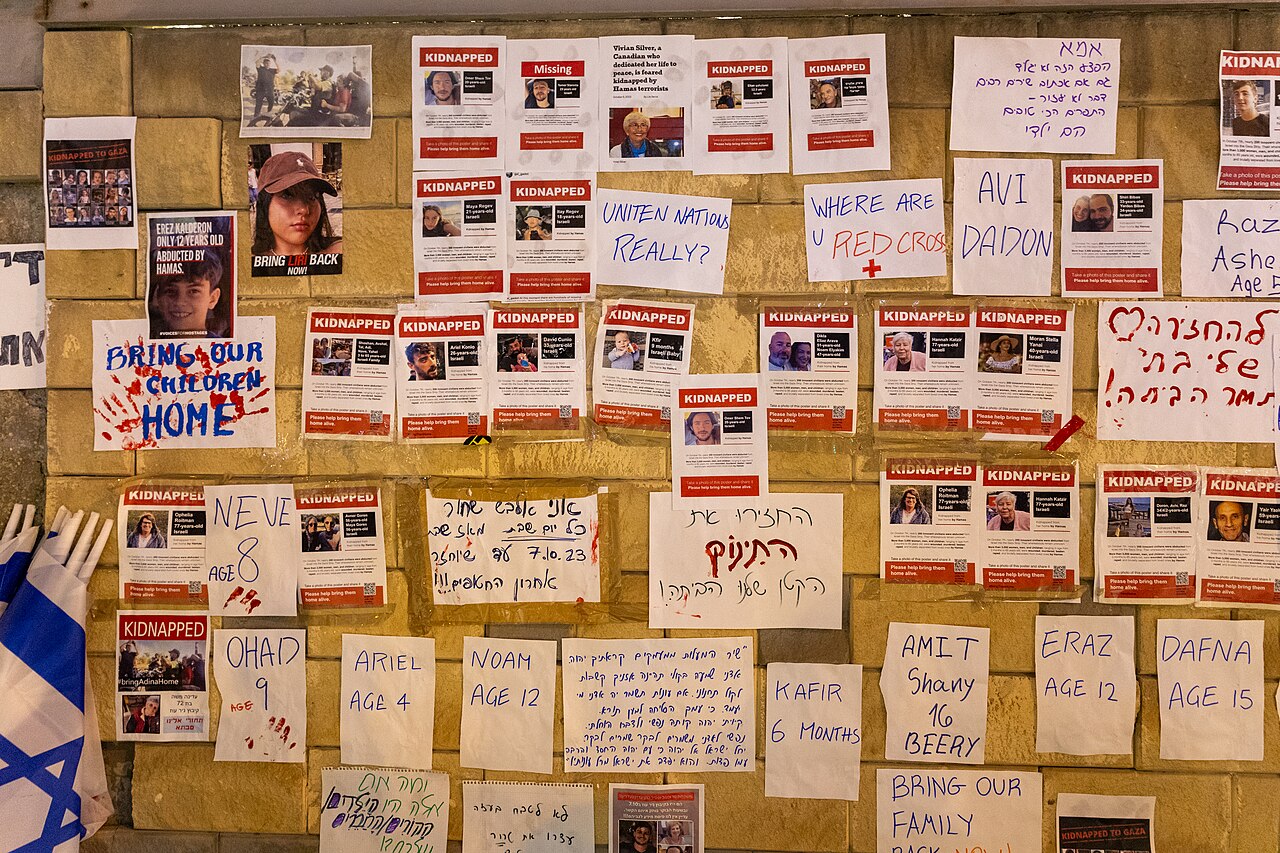
On 7th October 2023, Hamas launched a large-scale offensive against Israel from the Gaza Strip, called Operation Al-Aqsa Storm. During the attack they fired at least 3000 rockets into Israeli territory, as well as breaking through the border fence to invade Israeli settlements and military bases, murdering more than 1100 people (including Israeli citizens, troops and foreginers) and taking hostages. Justifying their actions, Hamas cited the Israeli raids on Jenin and the Al-Aqsa mosque and attacks by Jewish settlers on Palestinians in the West Bank earlier in 2023. Israel responded by formally declaring war, ordering the evacuation of the northern Gaza Strip and launching devastating airstrikes against Gaza, followed by a large-scale ground invasion. The Israeli stated goals were to destroy Hamas, free the hostages and control the Gaza Strip.
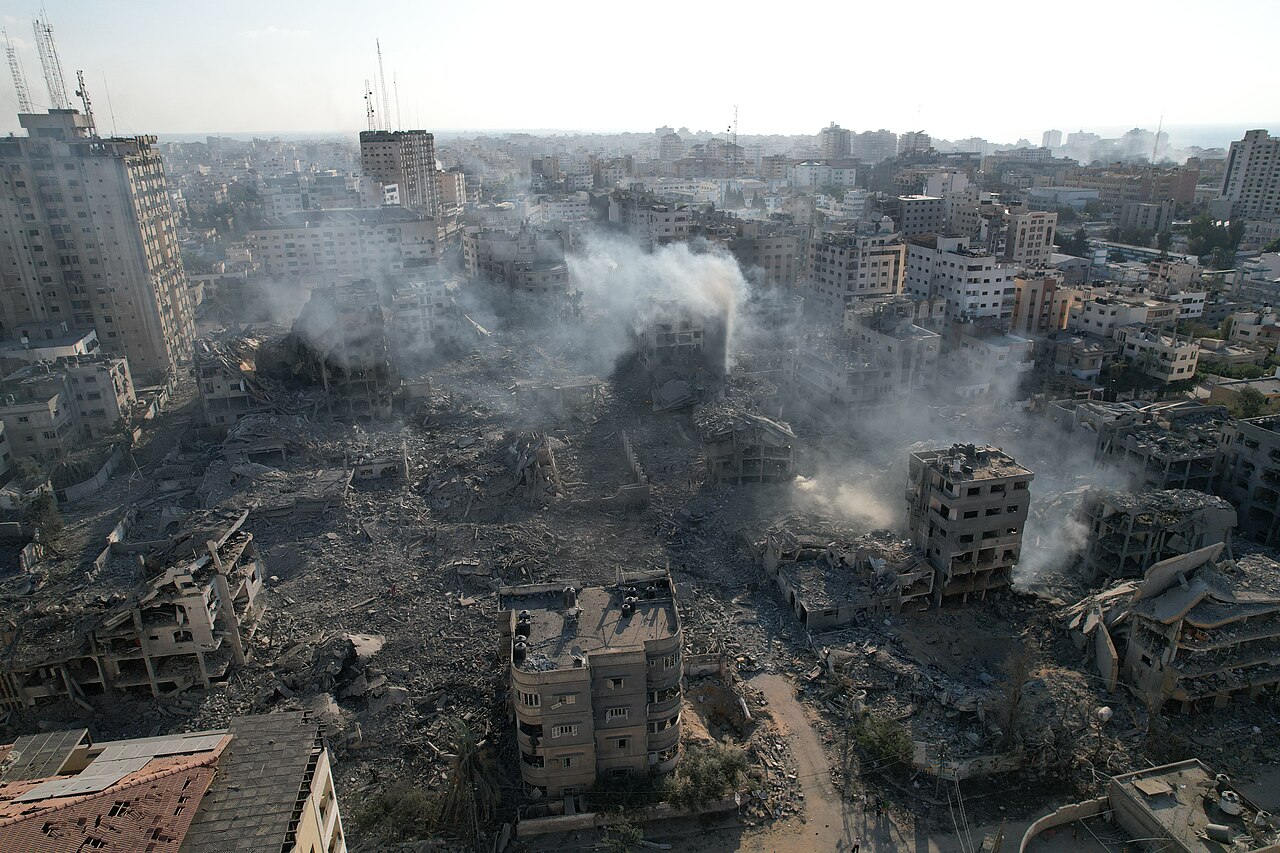
As of 3rd May 2026, around 75,800 Palestinians and 2000 Israelis (both civilians and troops) have been reported as killed in the conflict. More than 10,000 dead Palestinian bodies are thought to be under the rubble of destroyed buildings. Injuries amongst Palestinians are estimated to be at least 146,200 persons.
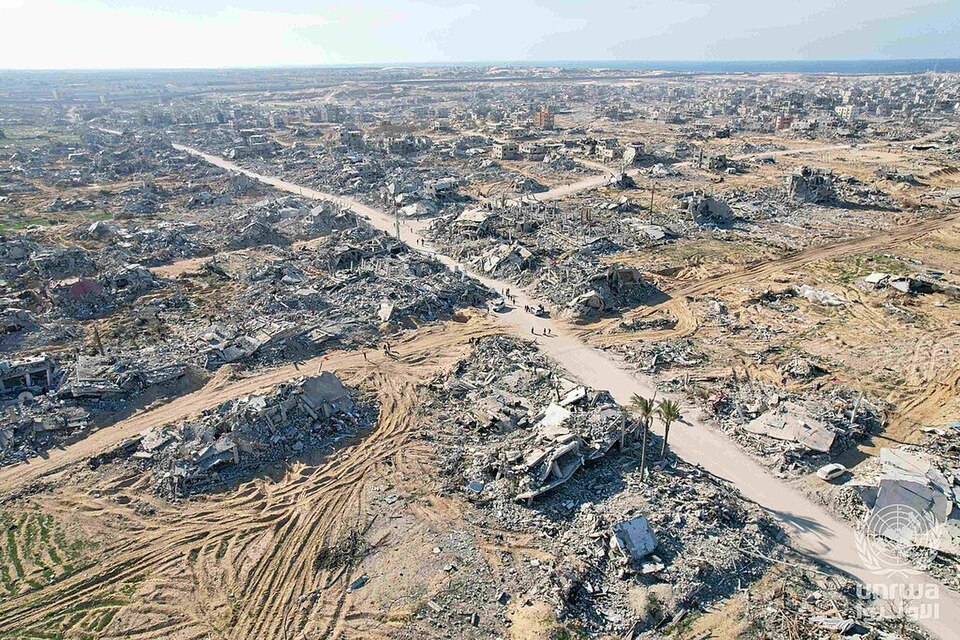
Nearly all Gaza's 2.3 million unhabitants have been internally displaced (forced to leave their homes), while only about 1100 people have been allowed to leave Gaza via the Rafah crossing to Egypt. About two-thirds of all buildings in the north of Gaza have been destroyed, and about a quarter in the southern Khan Younis area. Because of this, about half a million people will have no home to return to.
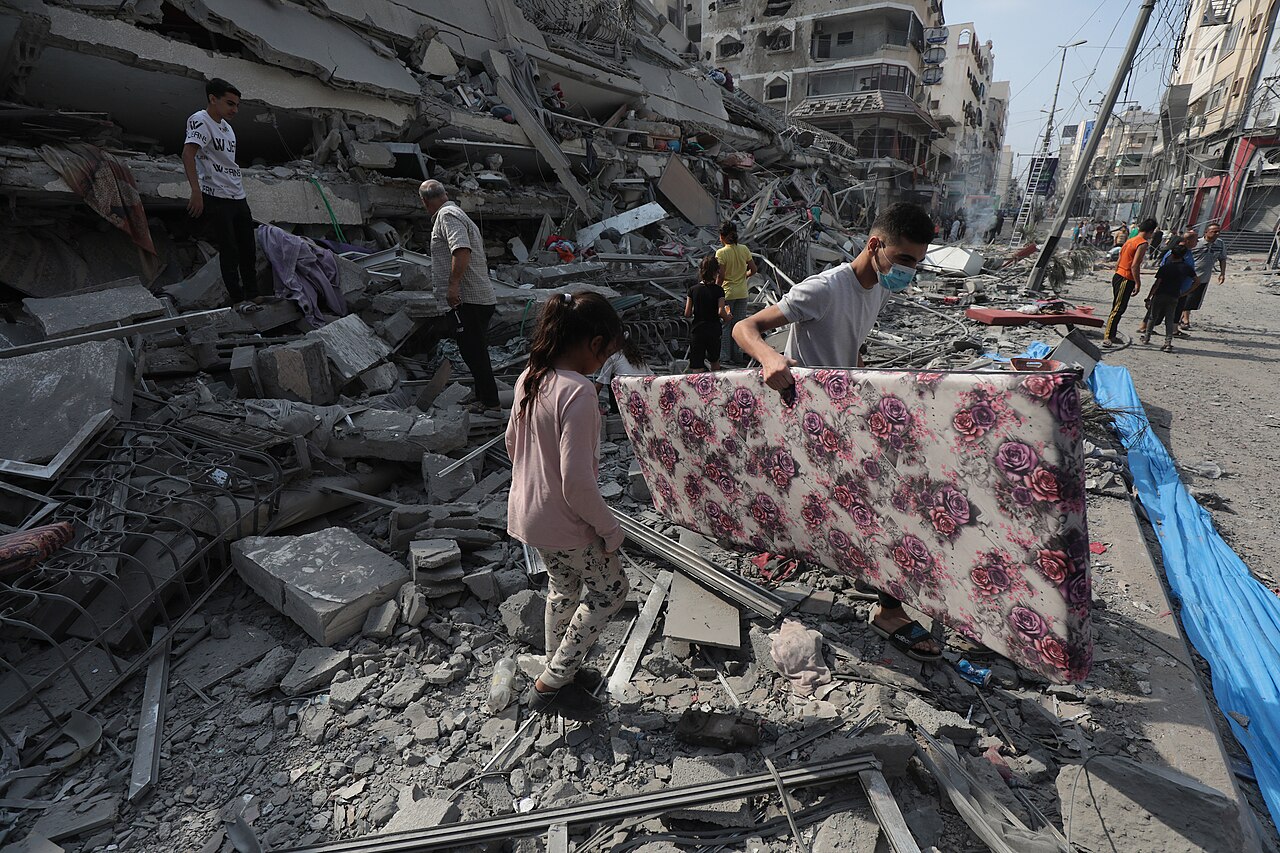
Twenty-three out of the Gaza Strip's 36 hospitals are now unusable. Israel's blockade has cut off basic necessities such as food and medicines. A severe humanitarian crisis has resulted, with people forced to drink contaminated water. There are grave concerns over the high risk of famine and disease. The entire population of Gaza is now facing starvation.

Vowing to continue the military operation until Hamas was eliminated or the Israeli hostages were released, Israel began a military offensive in and around the city of Rafah on 6th May 2024. About 1.4 million displaced Palestinians had sought shelter in Rafah. Some 600,000 of them fled as Israel carried out airstrikes on Rafah, entered the city and closed the Rafah crossing, restricting the flow of humanitarian aid into the Gaza Strip.
Despite global outrage and calls from government officials from around the world to call a ceasefire, from late May onwards Israel mounted a series of bombings of displacement and refugee camps and schools in Rafah and central Gaza, including Tel al-Sultan, Al-Mawasi, Nuseirat and Abasan, causing the deaths of hundreds of Palestinian refugees.
Meanwhile, Israeli forces have also been active in the West Bank. About 1000 Palestinians have been forcibly displaced by Israeli settlers since the Hamas offensive on 7th October 2023, with many of the attacks on the Palestinians being supported by Israeli troops. Following Israel's seizure and approval of new settlements in occupied West Bank territory, Israeli forces launched a major attack on the West Bank on 28th August 2024.


In early October 2024, Israeli forces mounted a siege on North Gaza, targeting mosques, schools, hospitals and the Jabalia refugee camp sheltering displaced Palestinians, while preventing aid from getting through and attacking anyone attempting to escape. On 16th October, Hamas leader Yahya Sinwar was killed by an Israeli patrol.
Israel and Hamas agreed to a ceasefire on 15th January 2025, which took effect four days later. During the first stage, all Israelis being held hostage in Gaza were to be released in exchange for some of the Palestinians being held by Israel. Israel was to allow humanitarian aid into Gaza, allow displaced Palestinians to return to their homes and start withdrawing troops from Gaza.
On the night of 17–18th March 2025, Israel launched a surprise missile and artillery attack on the Gaza Strip, effectively ending the ceasefire. The attack resulted in hundreds of deaths of Palestinian civilians, mostly woman and children.
Israel also prevented all food and medicine from entering Gaza and cut off its water supply. These actions were deemed war crimes by aid and human rights organizations.
In response, Israel's government stated that their military strikes targeted the Hamas leadership figures and its operational infrastructure. On 23rd March, Israeli forces attacked several humanitarian vehicles in Rafah. The massacre resulted in the deaths of at least 15 aid workers.

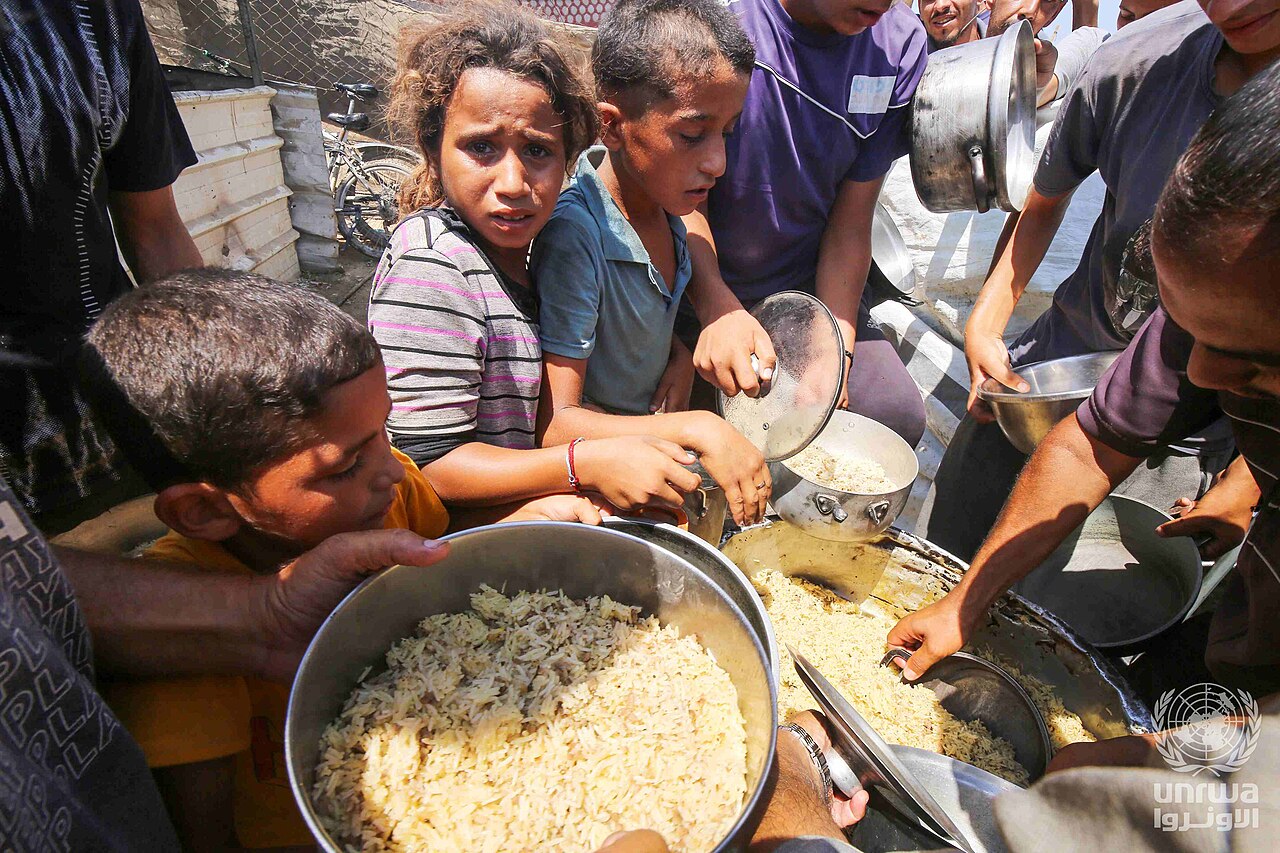
In late May 2025, Israel ended its complete blockade of food and supplies going into Gaza. In response to unproven Israeli claims that aid was being diverted by Hamas, a joint US-Israeli humanitarian aid plan—by which food would be distributed through a system of hubs run by the Gaza Humanitarian Foundation (GHF) and protected by Israeli soldiers—was set up. Since then, more than 1300 Palestinian aid-seekers have been shot dead (and many others wounded) by the IDF while trying to obtain food. The GHF and the IDF deny responsibility for the deaths, saying that only warning shots have been fired.
International aid agencies have condemned the US-Israeli plan, saying it would not be able to meet the scale of aid that is required. Their projections (as of June 2026) show the entire Palestinian population is experiencing "high levels of acute food insecurity", with about a fifth experiencing "catastrophic levels", meaning a famine has begun in Gaza.
On 20th August 2025, Israel announced it had formally begun the "first stages" of a military offensive aiming to seize control of Gaza City from Hamas. On 9th September, Israel ordered the full evacuation of Gaza City, before beginning its ground offensive on the 15th.
Accusations of genocide
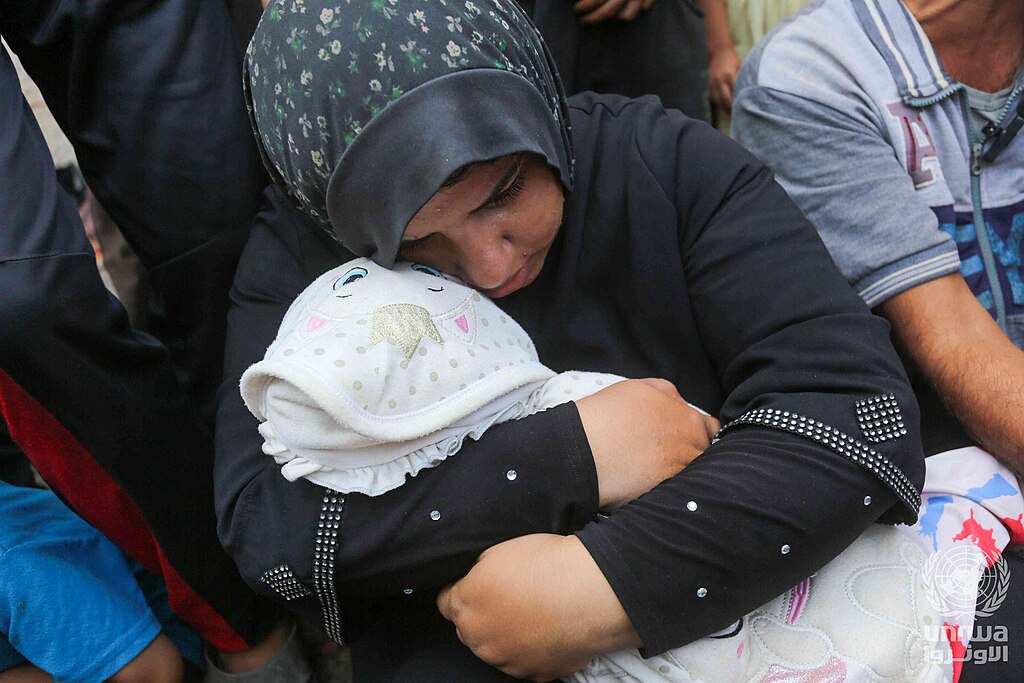
In September 2025, a United Nations commission of inquiry found that Israel’s war in Gaza amounted to genocide. According to the commission, Israel's mass killings of Palestinians, attacks on Gaza's vital infrastructure, the deliberate starvation of the Palestinian people, the forced displacement of Palestinians from their homes and the denial of medical care to them met the legal definition the most serious of crimes against humanity.
Gaza peace plan
On 29th September 2025, US President Donald Trump proposed a 20-point peace plan to end the Israel–Hamas war. The plan included the release of all hostages, an end to fighting, the withdrawal of Israeli troops, the disarmament of Hamas and a temporary transitional government in Gaza. The plan was negotiated in consultation of many Arab and Muslim countries from around the world.
On 8th October Trump announced that Israel and Hamas had reached an agreement and signed the first phase of the deal. Under this phase, all living hostages were to be released in exchange for 2000 Palestinian prisoners within 72 hours. Israel would also withdraw its forces to agreed lines within the Gaza Strip. The ceasefire went into effect on 10th October and the plan was approved by the UN Security Council on 17th November. The deal also allowed the provision of "full aid" to Gaza.


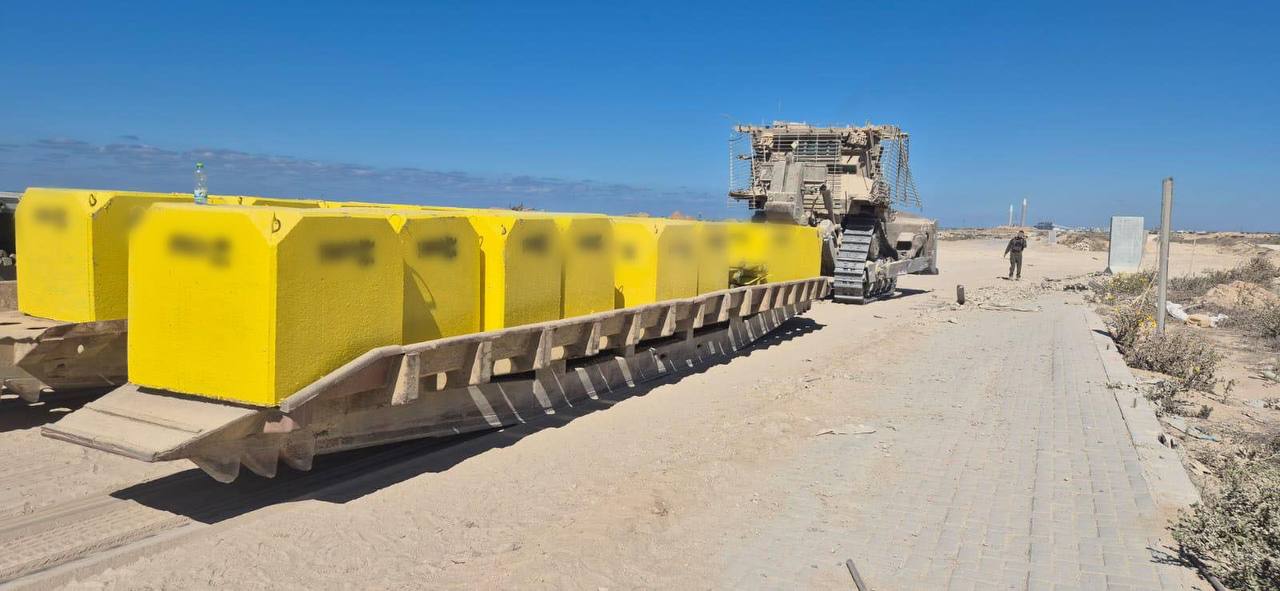
Since the US-brokered ceasefire came into force, Israeli forces have, as of 8th September 2026, killed more than 1300 Palestinians in Gaza. Some were accused by Israel of approaching the so-called "Yellow Line", the line inside the Gaza Strip to which Israeli forces withdrew after the ceasefire. For its part, Israel accused Hamas of violating the ceasefire by not intially returning all the deceased hostages (completed by January 2026) according to the agreement, and by firing on Israeli soldiers.
The Yellow Line, which divides Gaza under the peace plan, currently gives Israel control of more than half of Gaza, known as the "green zone" (the Israelis have since expanded their control to around 70% of it). This once included most of its agricultural land, although the Israelis have completely destroyed the area.
Hamas effectively controls the territory to the west of the Yellow Line. Here, almost all the surviving Gazan population, over 2 million people, is crowded into a narrow area of coastal sand dunes known as the "red zone". More than 80% of dwellings in this zone have been seriously damaged or destroyed by Israeli bombardment. Most Palestinians live in tents, vulnerable to the winter weather.
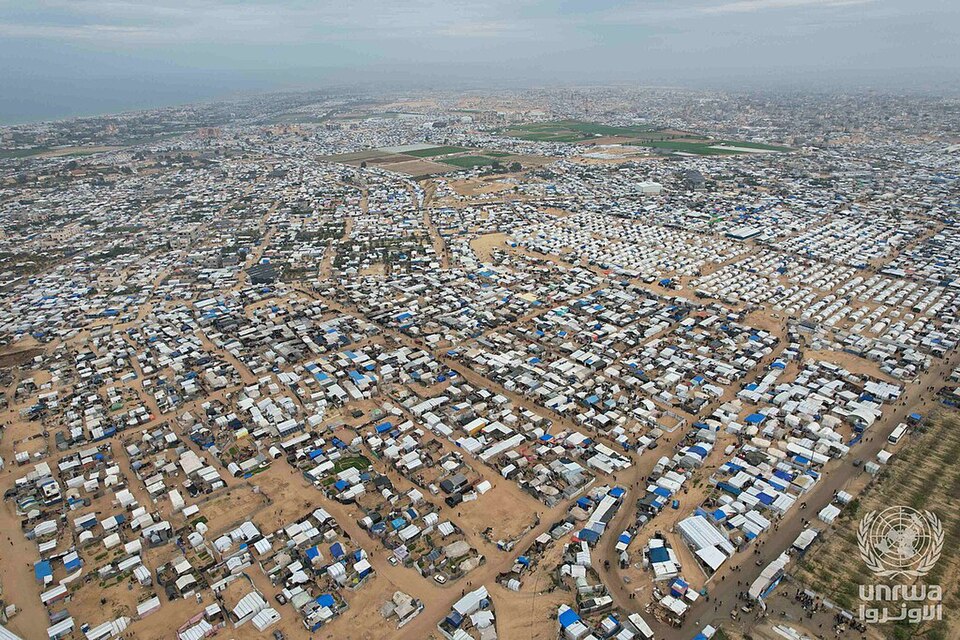
The second stage of the peace deal included establishing a new temporary government for Gaza that will remain in place until a reformed Palestinian Authority can take over. The deal also called for an International Stabilization Force (ISF), made up of troops supplied by other countries, both to assist with the disarmament of Hamas—weakened, but still a potent fighting force—and to protect civilians and aid operations.

The ISF was authorized by the UN Security Council on 17th November 2025 but, as of 9th September 2026, it has yet to take over security responsibilities from Israeli forces. On 31st July 2026, it was announced there would be a "complete decommissioning" of weapons by Hamas. Its leaders insisted, however, that they would not surrender any heavy weaponry until the IDF completely stopped hostilities and withdrew their troops from the territory they currently occupy. The ongoing conflict between Hamas and Israel has so far halted the implementation of the stabilization agreement.
West Bank settler violence

Currently, around 750,000 Israelis live in the West Bank—in settlements that are illegal under international law—where there is a Palestinian population of more than 3.5 million people. In 2026 there was a marked increase in incidents of violence by the Israeli settlers towards the Palestinian population, as well as a series of Israeli military crackdowns. According to UN figures, since the outbreak of the Israel-Hamas War on 7th October 2023 and mid-June 2026, 1105 Palestinians—at least 242 of them children—have been killed in the West Bank.

UN observers have recorded the erection of 925 obstacles to movement by Palestinians—checkpoints, roadblocks and gates—set up by the Israelis across the West Bank and East Jerusalem. This is the highest number recorded in 20 years.
The Israeli government is committed to what is known as the E1 project, a plan to build thousands of homes on occupied land near East Jerusalem. This would effectively divide the West Bank in two and make the creation of a future Palestinian state more difficult.

Besides committing violence against Palestinians (including stoning and shooting at their cars), Israeli settlers—armed and equipped by the Israeli state—harrass them, aiming to force them to flee the region. The settlers surround Palestinians' homes, contaminating water supplies, cutting off electricity, and blocking food and medical access. They destroy their crops, uproot olive trees (olive farming is major source of livelihoods in the rural West Bank) and kill their livestock. As a result, more than 2300 Palestinians have been forced to leave their homes in the first seven months of 2026 alone. Over 60 villages have been abandoned.
Consultant: Philip Parker
pics
Without in any way limiting Q-files Ltd’s exclusive rights under copyright, any use of this publication to “train” generative artificial intelligence (AI) technologies to generate text is expressly prohibited. Q-files Ltd reserves all rights to license use of this work for generative AI training and development of machine learning language models.