
Population

CITE
We have made every effort to follow citation style rules, but there may be some minor differences. If in doubt, please refer to the appropriate citation style manual.
Refugee camps. (2026). In Q-files Encyclopedia, Geography, Population. Retrieved from
https://www.q-files.com/geography/population/refugee-camps
"Refugee camps." Geography, Population, Q-files Encyclopedia, 10 Jun. 2026.
https://www.q-files.com/geography/population/refugee-camps.
Accessed 7 Aug. 2026.
Refugee camps 2026. Geography, Population. Retrieved 7 August 2026, from
https://www.q-files.com/geography/population/refugee-camps
Geography, Population, s.v. "Refugee camps," accessed August 7, 2026.
https://www.q-files.com/geography/population/refugee-camps


Refugee camps
A refugee camp is a settlement built to provide refugees with shelter for a temporary period. Some camps with over 100,000 people are common, but most are much smaller with populations of around 10,000 or fewer. They are usually built by the United Nations, other international organizations such as the Red Cross, or by national governments. But there have also been camps, like Idomeni in Greece or the Calais “Jungle” in France (both now dismantled), which refugees built for themselves without the support of governments or international organizations.


Permanent camps?
Most refugees are people who have fled from war in their home country, but some camps also house migrants driven from their homeland by famine or desperate poverty. A number of refugee camps have existed for decades, even growing into permanent settlements. Some Palestinian refugee camps were, for example, established in 1948, while Sahrawi refugee camps (for Western Saharans) have existed in Algeria since 1975 and the Dadaab camp in Kenya since 1991.
Disease
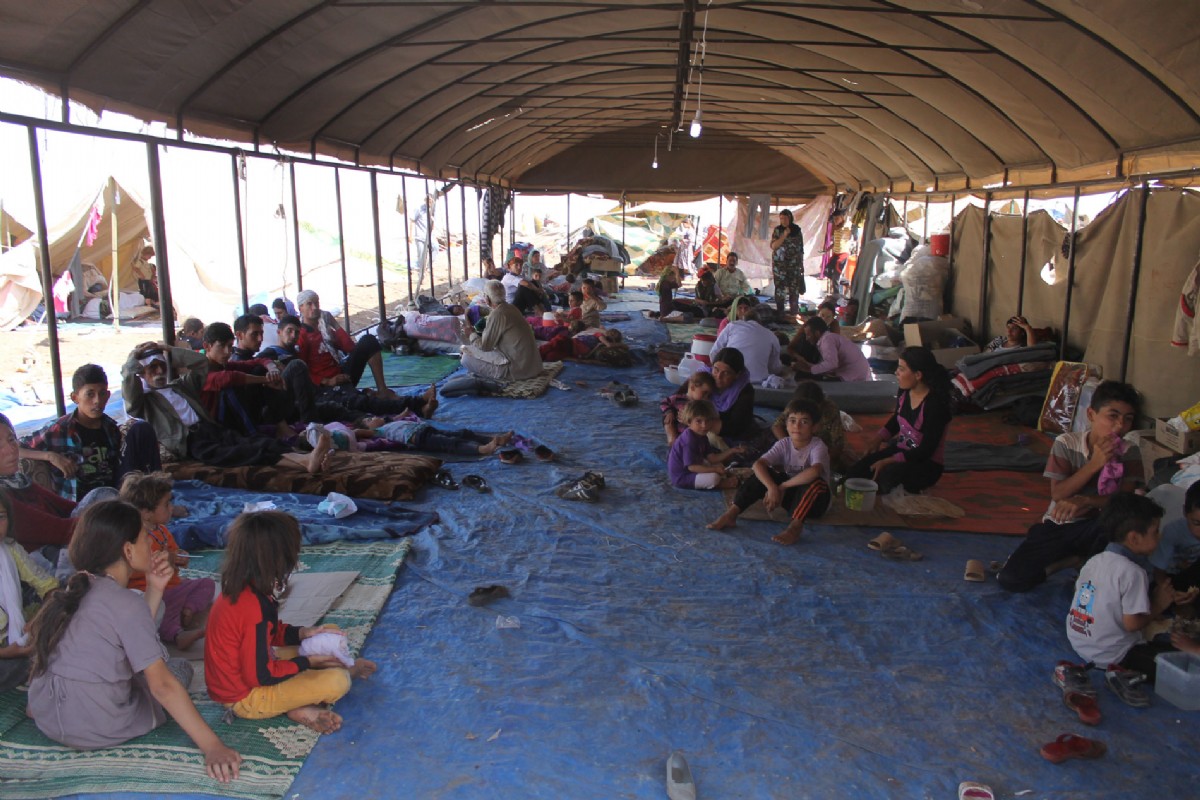
Refugee camps are intended to meet basic human needs for only a short time. Due to crowding and the lack of facilities, some camps may quickly become unhygienic, leading to outbreaks of diseases such as measles, hepatitis E and cholera. If the return of refugees is prevented, say by a continuing civil war, a humanitarian crisis (one in which peoples’ lives are threatened on a large scale) may result.
Dadaab
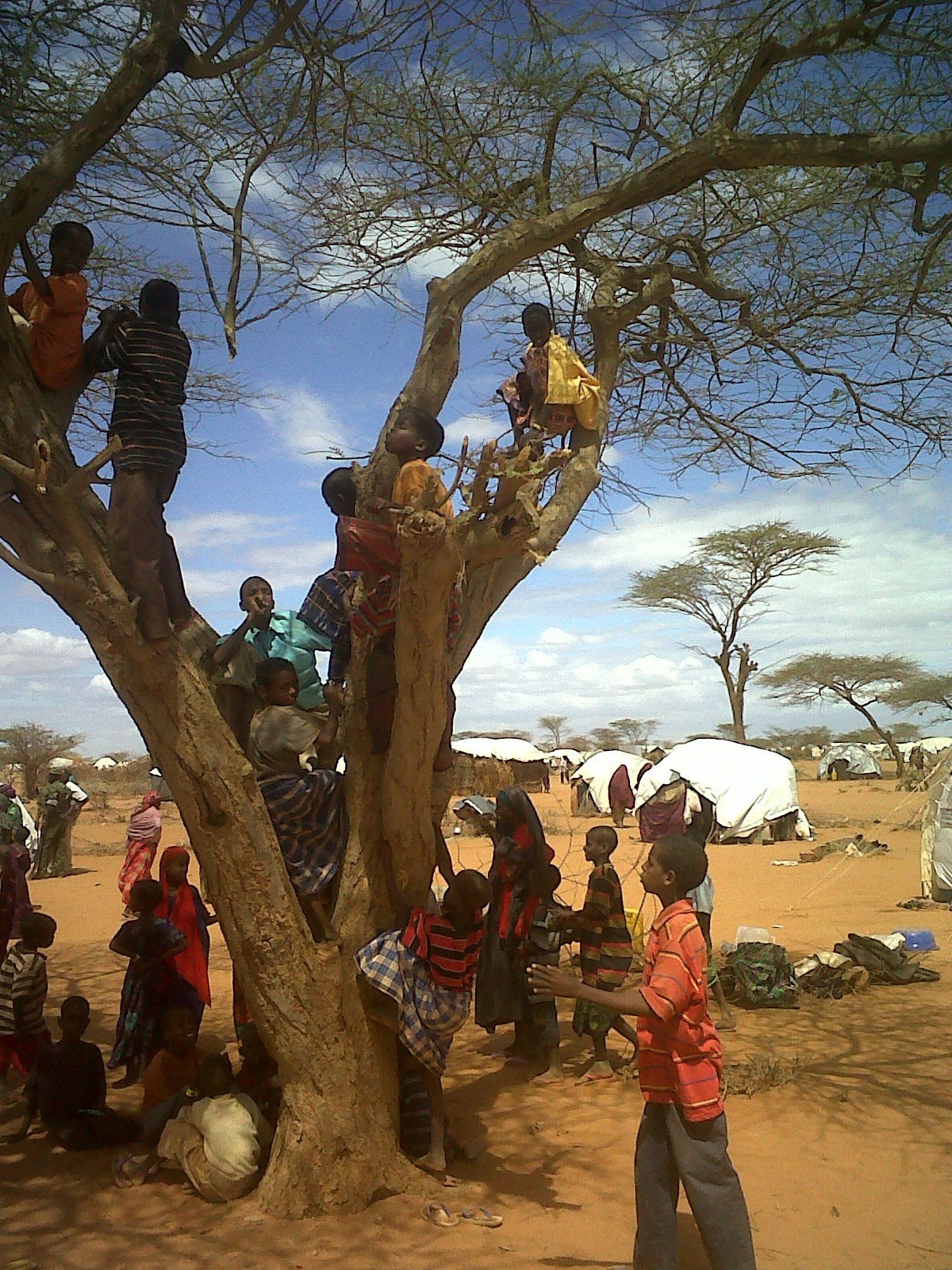
Dadaab, Kenya, one of the world’s largest refugee camps, was built in 1991 by the United Nations High Commissioner for Refugees (UNHCR) to house around 90,000 refugees from Somalia. Located in semi-arid scrublands near Kenya’s border with Somalia, Dadaab has grown into a vast, sprawling city. It is now, as of 2026, home to more than 344,000 people—over three times the intended size. They are mostly Somali refugees from the Somali Civil War. The population is spread across three camps: Hagadera, Dagahaley and Ifo.
A large number of Dadaab's inhabitants were born in the camp itself. Some 80% of residents are women and children. After 2011, more than 130,000 people fleeing the drought in Somalia swelled the camp's population.
Life in Dadaab

Refugees in Dadaab (whose name means “rocky hard place”) typically live in tents made of plastic sheeting to escape the heat of the sun. The shelters are laid out in a grid-like pattern, along with school and hospital buildings, cinemas, places of worship, police stations, graveyards and a bus station. Dadaab even has its own football league. Refugees, who are often malnourished when they arrive, receive food rations containing cereal, legumes, oil and sugar from the World Food Programme. There are markets with fresh food for sale, but most people are unable to afford to buy it. Instead they grow their own food. Many residents often need to venture out of the camp in search of firewood and water.
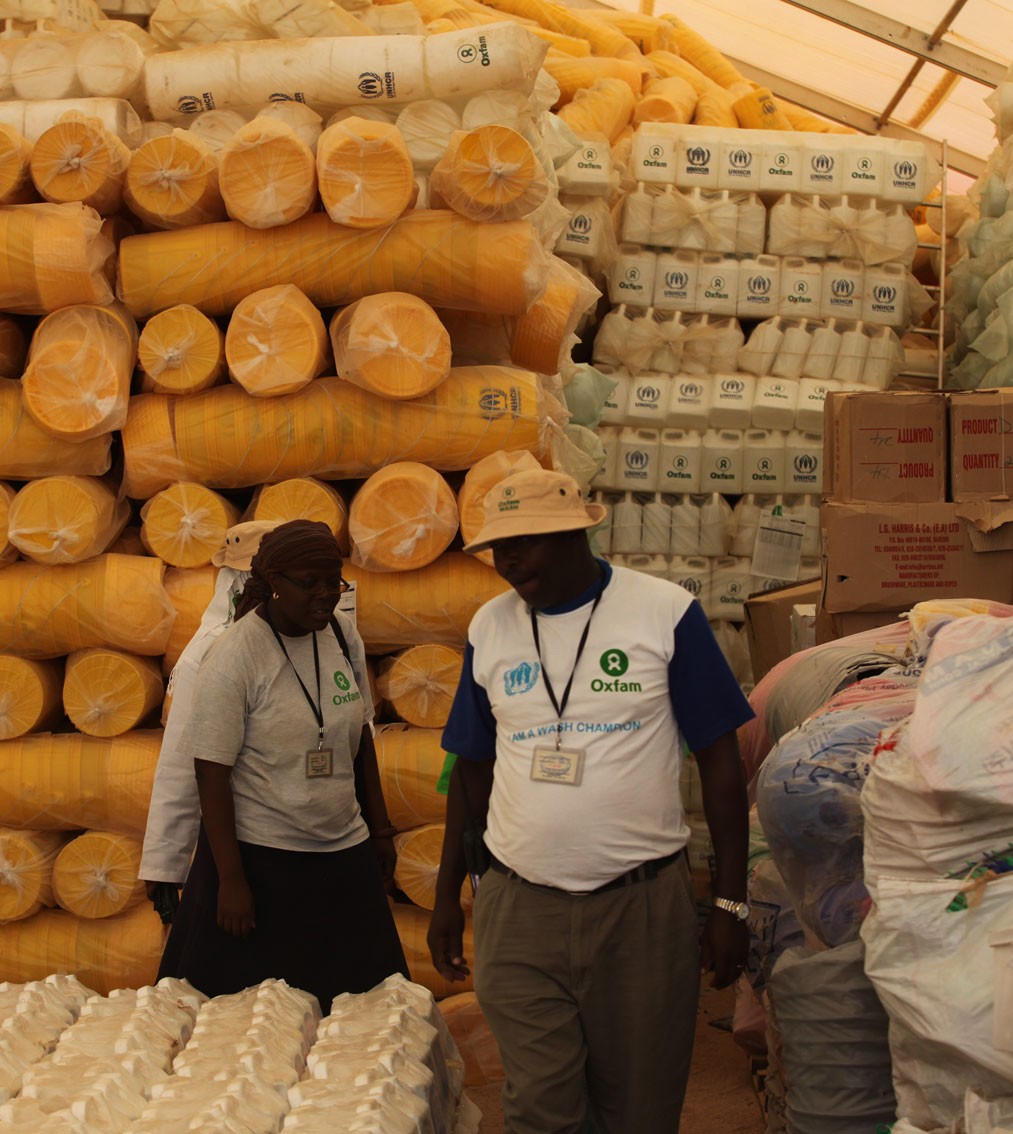

Dadaab residents have, over the years, started to build their own businesses buying and selling goods or services, ranging from bakeries to designer boutiques. The city’s booming economy has benefitted the region and Kenya as a whole. Nevertheless, the Kenyan government, which suspects that terrorists are being recruited from amongst the Dadaab residents, has repeatedly threatened to close the camp.
pics

Without in any way limiting Q-files Ltd’s exclusive rights under copyright, any use of this publication to “train” generative artificial intelligence (AI) technologies to generate text is expressly prohibited. Q-files Ltd reserves all rights to license use of this work for generative AI training and development of machine learning language models.