
Materials

CITE
We have made every effort to follow citation style rules, but there may be some minor differences. If in doubt, please refer to the appropriate citation style manual.
Food. (2026). In Q-files Encyclopedia, Science, Materials. Retrieved from
https://www.q-files.com/science/materials/food
"Food." Science, Materials, Q-files Encyclopedia, 10 Mar. 2026.
https://www.q-files.com/science/materials/food.
Accessed 31 Oct. 2026.
Food 2026. Science, Materials. Retrieved 31 October 2026, from
https://www.q-files.com/science/materials/food
Science, Materials, s.v. "Food," accessed October 31, 2026.
https://www.q-files.com/science/materials/food


Food
The food we eat gives us energy and allows us to grow and to repair our bodies. All our food comes from plants and animals, together with a few non-plant or animal sources such as fungi (mushrooms) and algae (seaweed). In the past, everything people ate was grown, gathered, raised or hunted locally. Today, advances in food processing and transportation mean that many people eat food from all around the world.
Staples
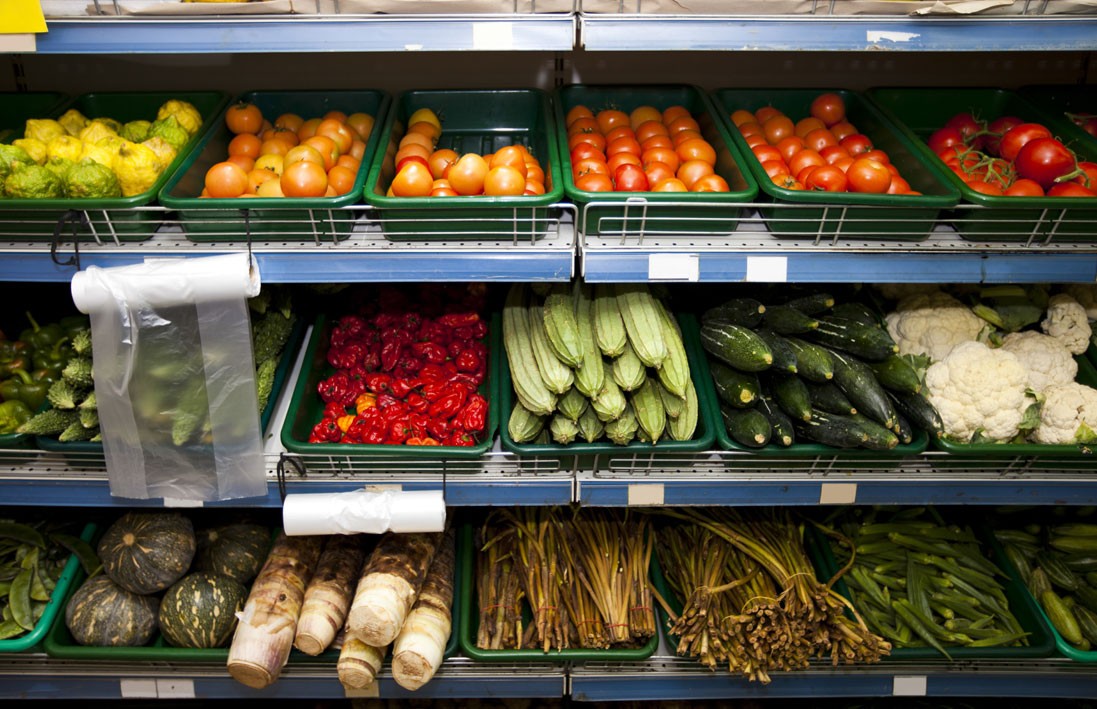
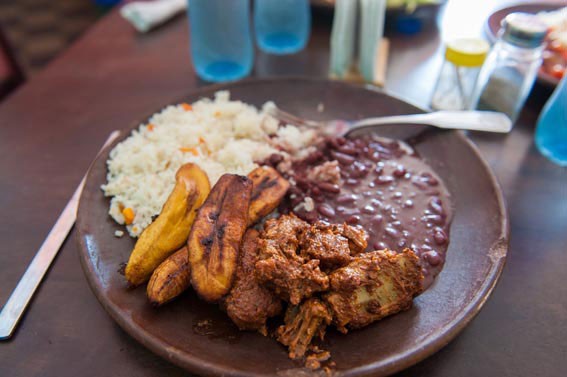
The staple foods of a region are those that are eaten regularly there. They are usually the foods that the climate and geography of the region make it easy to farm, hunt or forage for, so they are widely available and cheap to buy. Common examples of staple foods are cereals, such as rice and wheat; pulses, such as beans and lentils; root vegetables, such as potatoes, taro and yams; fruits such as plantains and breadfruits.
Traditions
A region’s climate, lifestyle and beliefs determines its foods. In the Arctic, traditional Inuit hunters eat the animals they catch—such as whale, walrus, fish and birds—alongside grasses and roots they gather in the summer months. The Inuit believe that drinking seal blood keeps them healthy both physically and spiritually.
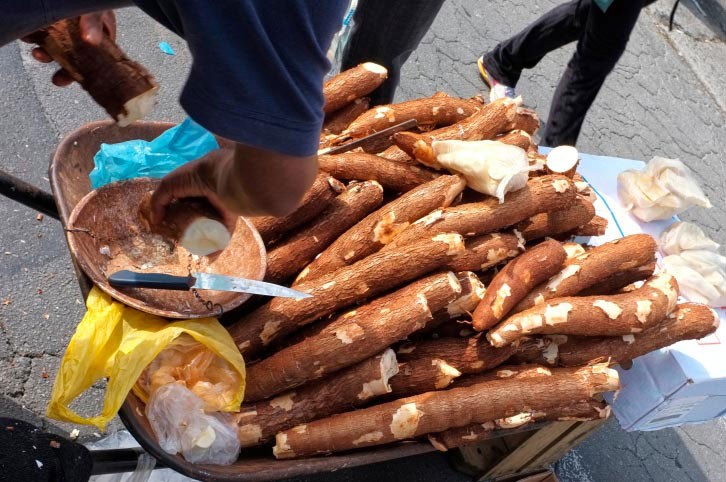
In the Amazon rainforest, men of the Yanomami tribe hunt for animals such as monkeys, snakes, frogs and spiders. These are often cooked and served with bread made from a vegetable called manioc (cassava), grown by the women of the tribe.

Bread
Bread is a staple food of most cultures. It is made by baking a dough formed from flour or meal (coarse flour), mixed with a liquid, such as water, milk or yoghurt. Bread can be leavened, which means that an ingredient such as yeast or baking powder is added to the mix. During baking, this creates bubbles of carbon dioxide, which make the bread “rise”. Unleavened bread, often called flatbread, is drier and harder.
Flour made from wheat is the most commonly used flour for bread, but other baking flours and meals are made from maize, rye, barley, rice, oats, soya beans and potatoes. Some of the world’s most popular breads include chapatis from South Asia (wheat flour flatbreads), cornbreads from the USA (maize meal leavened with baking powder), baguettes from France (wheat flour leavened with yeast) and pumpernickel from Germany (slow-baked rye meal).


Milk and butter
Milk and the foods produced from milk are called dairy products. More than 80% of the world’s dairy products are made from cow’s milk, but other mammals that are farmed for their milk include sheep, yaks, camels and reindeer. The majority of dairy products are pasteurized (treated with heat) to kill harmful bacteria in the milk.
Yoghurt and yoghurt drinks—such as lassi from India—are made by fermenting (see below) milk using certain kinds of bacteria. Butter—and cooking ingredients such as Indian ghee or Moroccan smen—are created by churning (shaking up) cream until the fat, or butter, separates.
Cheese
Cheese is produced by curdling milk, which is done by acidifying (or souring) it, using vinegar or certain bacteria. This makes the milk clump together into solid curds, from which the liquid, called whey, is drained off. Thousands of different types of cheese are made around the world, including Italian mozzarella (made from buffalo milk), crumbly Greek feta (sheep’s milk) and hard English Cheddar (cow’s milk).

Fermentation
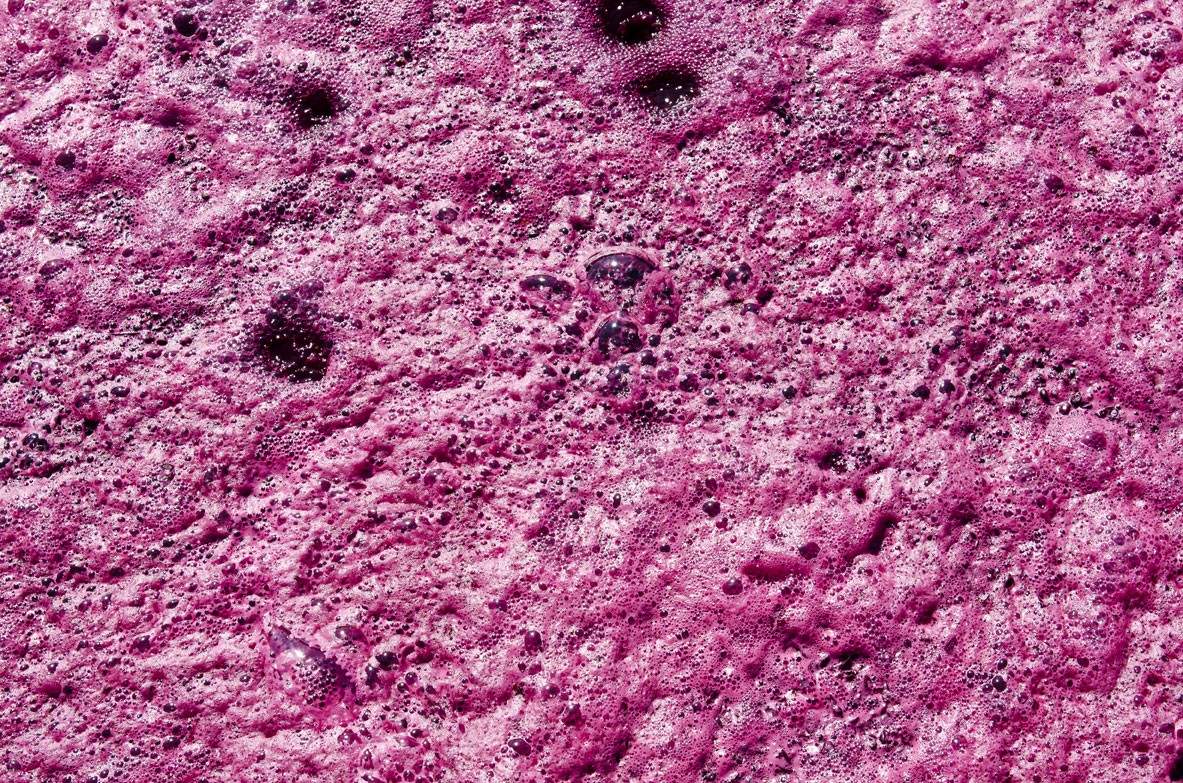
Fermentation has been used in the production of food and drink for thousands of years. Fermentation brings about a chemical change in foods, using enzymes (substances that speed up chemical reactions) found in micro-organisms such as yeasts and bacteria. Yeasts are a group of fungi. The yeasts used for baking and brewing make the enzymes invertase and zymase. These enzymes break up sugar into alcohol and carbon dioxide. They can turn grape juice into wine and leaven bread dough (make it rise) by creating bubbles of carbon dioxide.
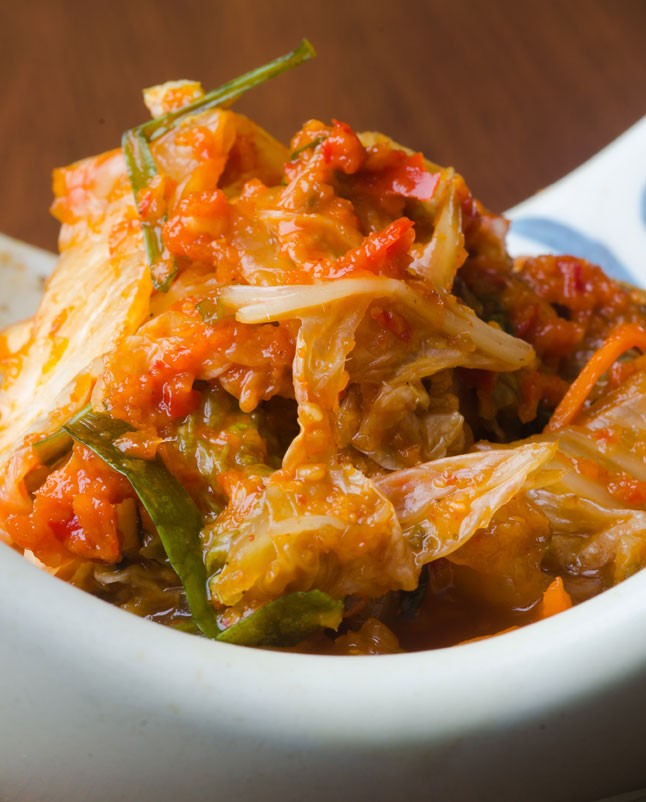
Certain bacteria, such as Lactobacillus, can turn sugar and other carbohydrates into acids, which can stop the growth of harmful bacteria. Pickling is a way of preserving food by fermenting it in salt, saltwater or vinegar. Being sealed in salt or vinegar kills most harmful bacteria in food, but certain bacteria—such as Lactobacillus—are able to live. They feed on the carbohydrates in the food and produce lactic acid. This gives pickled food a sharp flavour and a long shelf life. Pickled foods include sauerkraut (fermented cabbage) from Germany, kimchi (spicy fermented vegetables) from Korea and pickled cucumbers, which are often made in Eastern Europe. Bacteria can also be added to milk to “sour” it by producing lactic and butyric acids. This process is used to make cheese and yoghurt.
Food processing
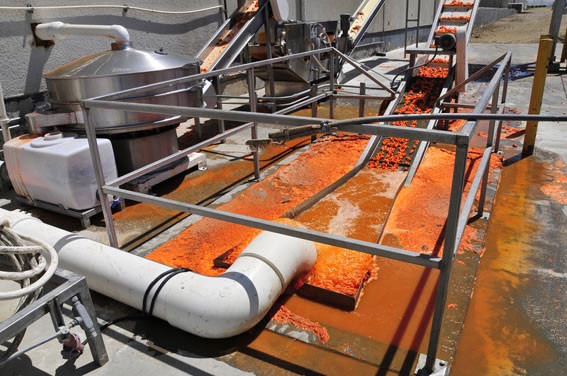
As soon as fruits and vegetables are picked, and from the moment animals are slaughtered, their flesh starts to spoil. Spoiling is when the natural micro-organisms inside, such as mould and bacteria, start to multiply, eventually making it unsafe to eat. Food processing prevents spoiling. There are six major methods: canning, freezing, drying, freeze-drying, pickling and irradiating.
Processing methods either kill micro-organisms directly or deprive them of oxygen, warmth or water, preventing them from growing. During canning, food is sealed in an airtight container from which all air (containing oxygen) is sucked out. Freezing food deprives micro-organisms of warmth. When food is dried or dehydrated, its water content is removed. Freeze-drying is a combination of these two methods. During pickling, food is stored in saltwater or vinegar. This turns the food’s carbohydrates into acids, which kill micro-organisms. Irradiation exposes food to radiation, which also destroys micro-organisms.


Food additives
A food additive is anything that is added to food to preserve it (preservative), or to improve its taste (flavouring), texture or appearance. Some additives have been used for centuries, such as vinegar for pickling vegetables, or salt for curing meat and fish. Many more recent additives are artificial. “Blue 1” colouring, for example, which is used in sweets and soft drinks, is produced from petroleum.
Today all new additives have to be safety tested by organizations, such as the European Food Safety Authority and the US Food and Drug Administration. After approval, additives are given an internationally recognized number, known in Europe as an “E number”, by which they must be named on a food’s packaging.
Malnutrition
About 870 million people are undernourished worldwide. Although some people go hungry in wealthy countries, 98% live in developing, or poorer, countries.
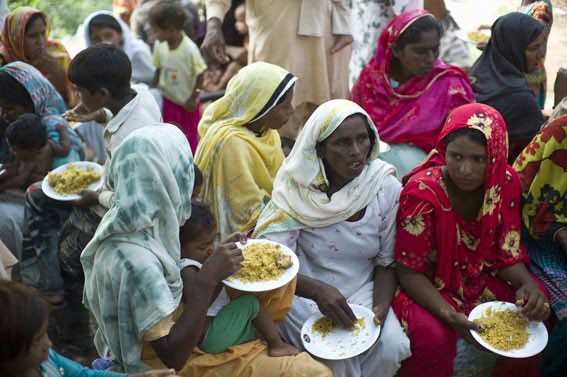
A healthy diet contains a balance of the six major types of nutrient: carbohydrates, proteins, fats, vitamins, minerals and water, together with fibre to aid digestion. Malnutrition is a health condition that results from eating a diet in which some of these nutrients are lacking or are in excess.
The most common type of malnutrition is called protein-calorie malnutrition and it occurs when the body does not get enough protein and calories—food energy gained by eating carbohydrates and fats. This causes weakness, poor growth in children, anaemia and possibly even death.
Obesity
Another form of malnutrition is obesity, defined as when a person is more than 20% over their ideal weight. A major cause of obesity is a diet that is too high in calories combined with lack of exercise. Obesity can contribute to health problems such as heart disease, strokes and diabetes mellitus. Obesity rates are increasing in both wealthier and poorer nations, with at least 500 million obese adults worldwide. Obesity is common in North America, Europe and Australasia.

Consultant: Nina Notman
pics

Without in any way limiting Q-files Ltd’s exclusive rights under copyright, any use of this publication to “train” generative artificial intelligence (AI) technologies to generate text is expressly prohibited. Q-files Ltd reserves all rights to license use of this work for generative AI training and development of machine learning language models.