
Materials

CITE
We have made every effort to follow citation style rules, but there may be some minor differences. If in doubt, please refer to the appropriate citation style manual.
Recycling. (2026). In Q-files Encyclopedia, Science, Materials. Retrieved from
https://www.q-files.com/science/materials/recycling
"Recycling." Science, Materials, Q-files Encyclopedia, 10 Mar. 2026.
https://www.q-files.com/science/materials/recycling.
Accessed 30 Oct. 2026.
Recycling 2026. Science, Materials. Retrieved 30 October 2026, from
https://www.q-files.com/science/materials/recycling
Science, Materials, s.v. "Recycling," accessed October 30, 2026.
https://www.q-files.com/science/materials/recycling


Recycling
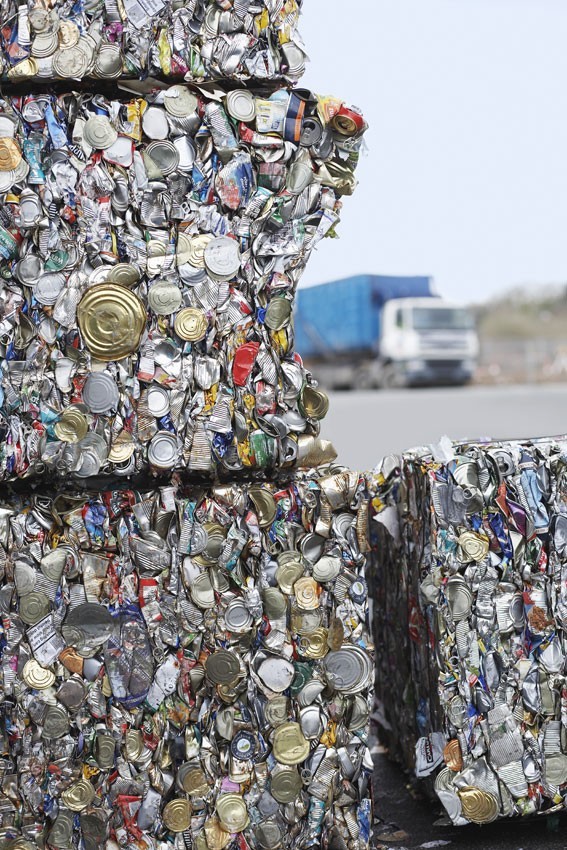
Recycling is the process of turning waste into new products and materials. Recycling is one of the “three Rs” of waste management: reduce, reuse and recycle. The aim of the three Rs is to conserve resources and protect the environment. Reducing waste means buying fewer products and choosing products with recyclable materials and less packaging. Reusing means using waste products to do the same job as they were made for: for example, reusing plastic shopping bags or glass bottles. Recycling involves sorting and processing recyclable products into their raw materials, then making those materials into new products. Materials that are commonly recycled include paper, metal, plastic, glass, textiles, electronic goods and biodegradable waste (which can be broken down by micro-organisms).

Why recycle?
Waste comes from homes (domestic waste), factories (industrial waste), demolition sites (construction waste), farms (agricultural waste) and hospitals (medical waste). The traditional method of waste disposal is to bury it in landfills. When they are not properly operated, landfills pollute the surrounding area, spread disease and cause injury to animals. Even a well-operated landfill releases the greenhouse gas methane as its waste decays.
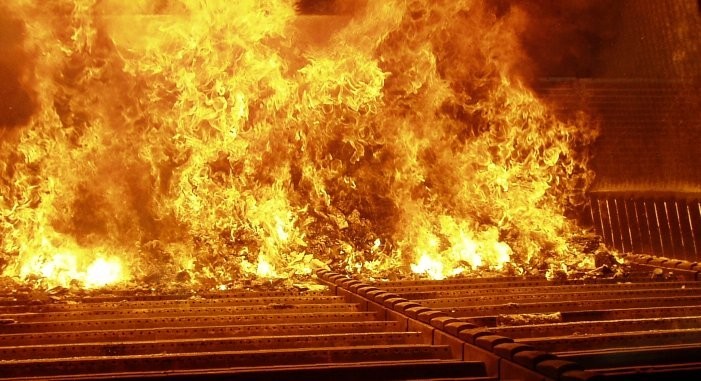
Another method of waste disposal is incineration (burning). The heat from incineration is often used to generate electricity, but older incinerators can cause air pollution. By recycling as much of our waste as possible, we can reduce the amount that goes to landfills and incinerators. We can lower our consumption of raw materials and reduce the energy used and pollution created by processing and transporting raw materials.
How much do we recycle?
Europe is the continent that recycles the largest amount of its waste. The European Union creates about 2.5 billion tonnes of waste a year. About 40% of this is recycled or reused. The rest—including 600 million tonnes that could be recycled or reused—goes into landfill or incinerators. The EU has set itself a target of reaching a recycling and reuse rate of 70% for domestic waste by 2030. The USA currently recycles around a third of its waste, while South Korea leads the way in Asia with around half its waste being recycled. Many developing countries have low recycling rates, due to lack of an overall waste management plan.

Recycling collection
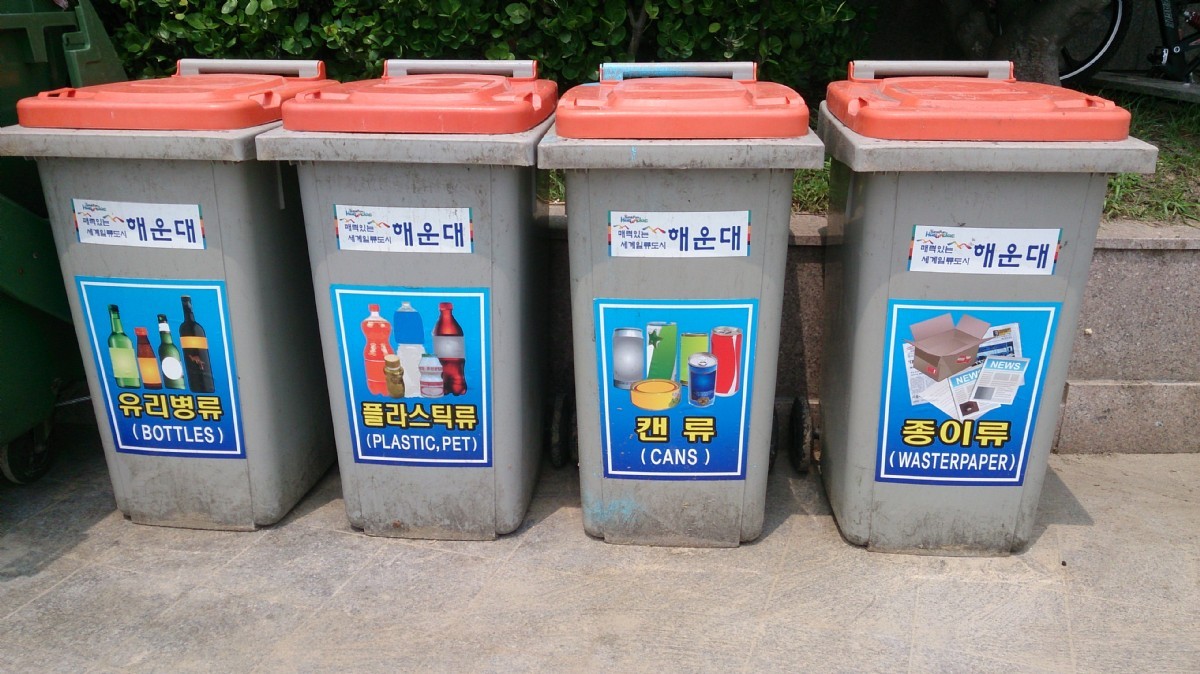
In some countries, domestic recycling is collected at the kerb by a waste collection vehicle. Sometimes the recyclable waste must already be sorted into different materials; alternatively it is collected with general waste then sorted at a central facility. In some areas, recyclable waste must be taken to public recycling bins, while other areas operate buy-back centres, which offer payment for recyclable materials.
Methods of collection that make it easier for the waste producer to recycle—or offer a cash incentive—tend to collect more recycling. However, these methods do add to the cost of recycling.
Many countries have laws or guidelines to make sure that factories, farms, hospitals, mines and other businesses dispose of their recyclable and other waste correctly. Businesses often employ specialist waste-disposal companies, which collect, sort and sell recyclable materials.
Sorting
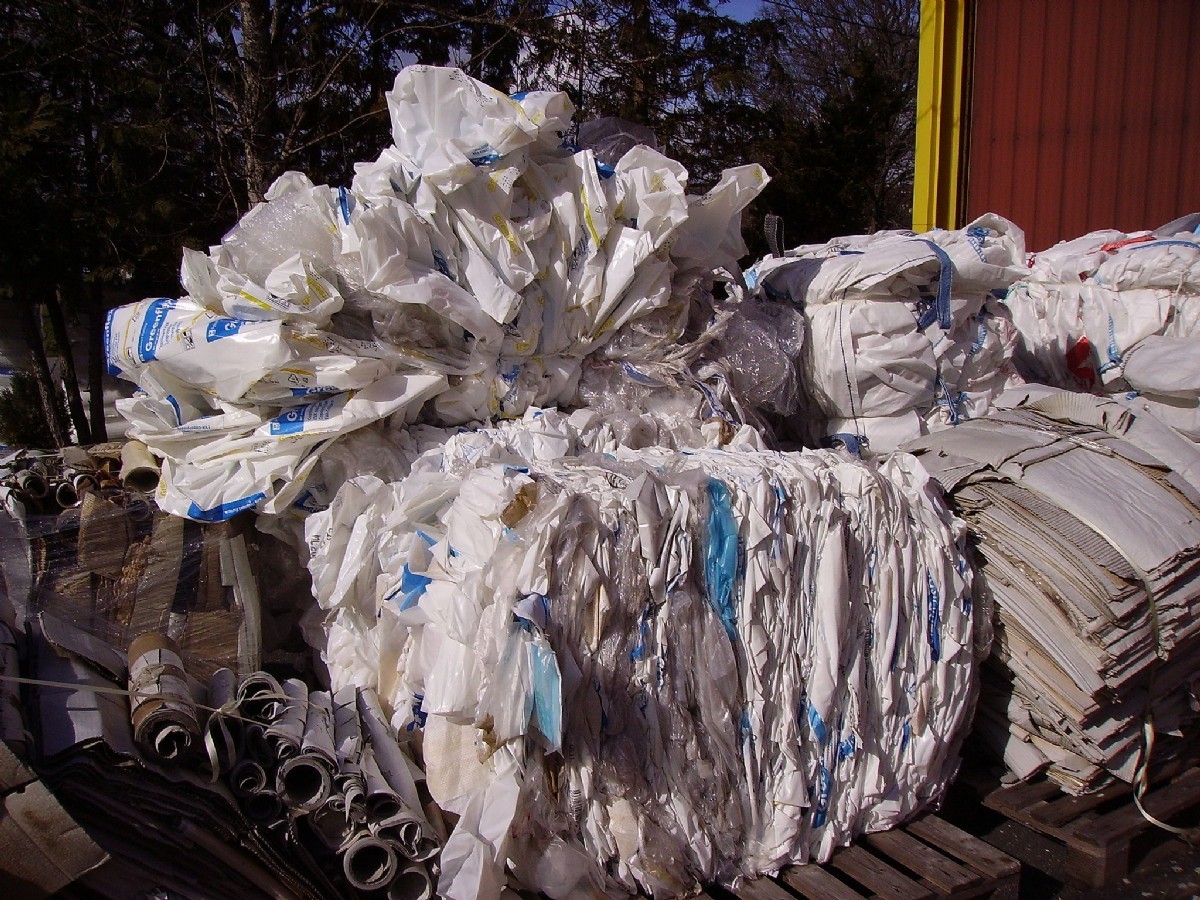
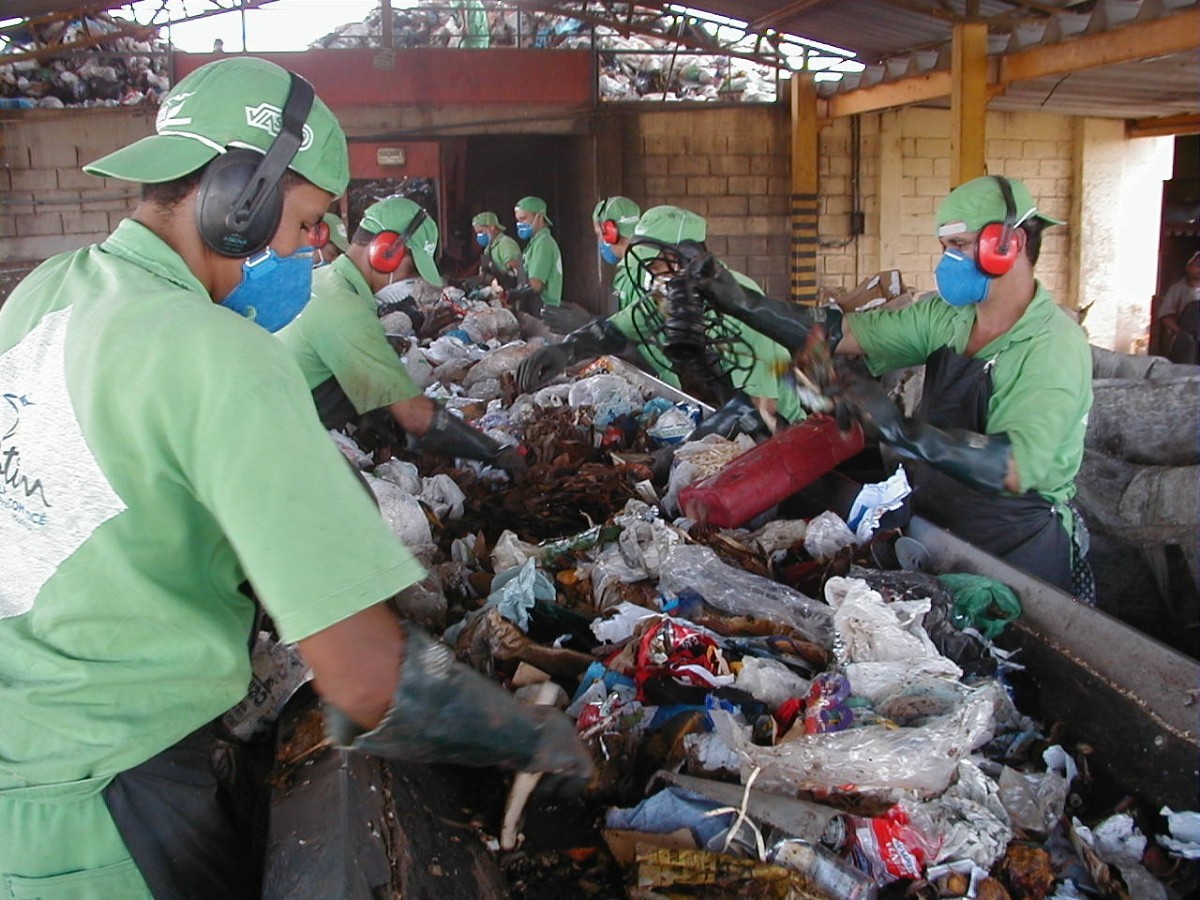
Once it has been delivered to a sorting centre, recyclable waste must be separated into different materials before being sent to specialist facilities for processing. Sorting is often done by hand, but machines can speed up the task: spectroscopic scanners can detect different materials by the amount of light they absorb; magnets can pick up metals such as steel, iron and tin; machines with coloured filters can sort coloured glass.

Recycling codes, often seen in a triangular symbol, are marked on products so that their materials can be identified quickly in a sorting facility. For example, codes 1 to 7 identify different plastics, 20 to 23 are for paper and card, and 70 to 79 are for glass.
Paper
When measured by weight, around a third of the world’s waste is paper. Recycling paper uses about the same amount of energy as making paper from newly felled trees, but the process creates less pollution, reduces waste and saves trees. Worldwide, about 10% of paper is made from recycled paper.
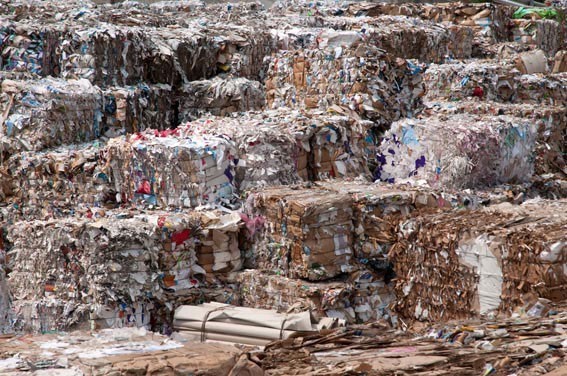

Recycled paper is produced from paper mill waste, as well as old magazines, newspapers, packaging, office paper and telephone directories. This used paper is mixed with water and chemicals to break it down into a slurry of cellulose fibres. This is cleaned, de-inked (when any previous printing is removed) and bleached, before being pressed and dried. Paper can be recycled up to seven times before the cellulose fibres become too broken to be re-used.
Recycled paper cannot be used for high-quality products such as writing paper, but it is commonly used for newspapers, packaging, tissues, insulation, nappies and animal bedding.
Metal
Worldwide, 400 million tonnes of metal are recycled every year. Drinks cans, tins, cars, electrical appliances and construction materials are all widely recycled. Recycling of common metals—such as steel, iron, aluminium, lead, copper and zinc—costs less, uses up less energy and creates less pollution than mining and processing metal ores. Scrap metal (metal suitable for recycling) can be very valuable.

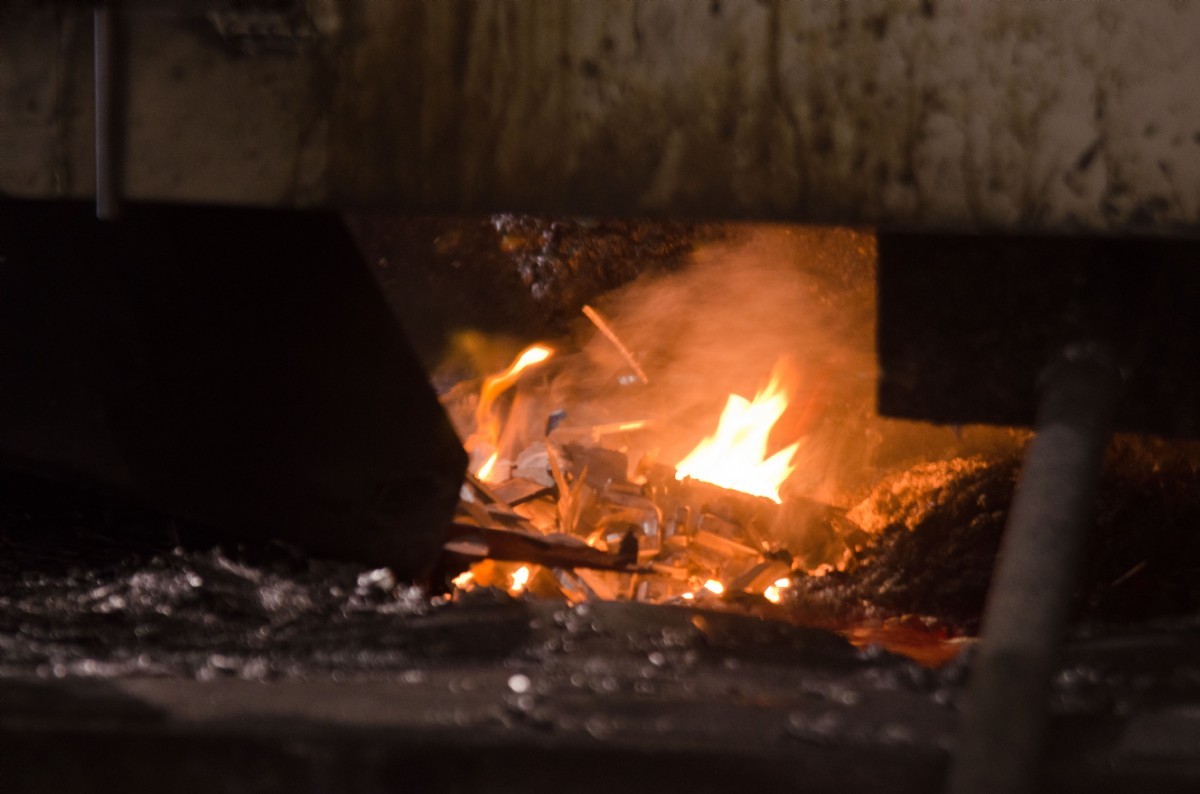
Aluminium drinks cans are often recycled back into aluminium cans. First the cans are chopped into small pieces, then decorative inks and coatings are removed by blasts of hot air. The aluminium shreds are fed into a furnace at 700°C (1260°F). The molten aluminium is cast into a huge plank called an ingot. Ingots are rolled into a very thin sheet of aluminium, which is sent to a can-making factory.
Plastic
Plastics take up to 500 years to biodegrade. This means that plastics are a key source of litter, ocean pollution, and a major use of space at landfills. Manufacturing plastics also uses up reserves of fossil fuels. However, most plastics can be recycled: some can be melted and re-shaped, while others are ground up and used for packaging or insulation. Although it is not yet widely practised, the process of thermal depolymerization turns waste plastics into crude oil, to be used as fuel.
Before being recycled, plastic items usually need to be sorted, and possibly taken apart, into their separate plastic types. This makes recycling of plastics expensive and time-consuming. Plastic degrades each time it is reused, meaning it can only be reused once or twice. For these reasons, plastic recycling is not currently as widely practised as the recycling of other materials.


Glass
Glass waste includes bottles, light bulbs, broken glassware and glass from construction and vehicles. Some used glass drinks bottles are refilled and reused after they have been cleaned. Before recycling, glass must usually be separated into different colours (for example, colourless, green and brown) as it retains its colour during the process.
Recycling glass uses up less energy and releases fewer pollutants than making glass from sand, limestone and soda ash. Waste glass is crushed and can be remelted into new bottles and containers. Glass that is ready to be remelted is called cullet. Cullet can also be mixed with concrete to strengthen it, used in insulation and artificial grass, and in the manufacture of bricks and ceramics.


Tyres
With more than 2 billion used vehicle tyres thrown away every year, rubber tyres create one of the world’s biggest waste-disposal problems. Tyres take many years to rot in landfills, and can make the site unstable by trapping bubbles of methane. As a result, many tyres are shredded and burnt as fuel in power plants and factories, which can release pollutants. Pyrolysis is a newer and non-polluting method of turning tyres into fuel. It safely heats the rubber until it produces gas or oil.

In the USA and Europe, about a quarter of waste tyres are reused on vehicles after being retreaded (marked with grooves so they can grip the road). Around a third of waste tyres are reused in construction or recycled into rubber products. During recycling, the rubber is heated and shredded to make ground rubber (used for products such as surfaces for children’s playgrounds), athletics tracks, shoe soles and mouse mats for computers.
Textiles
Waste textiles include used clothing, footwear, sheets, towels and carpets, as well as waste materials from clothing factories. The most common method of reusing or recycling clothing and other household textiles is to donate them to charity. These goods may be sold and reworn, given to those in need, or sent for fibre reclamation.
Fibre reclamation is when the textiles are cleaned, shredded and recycled into yarn or fibre. This fibre is often used in mattresses, insulation and furniture padding. Some manmade fabrics, such as polyester, can be recycled into new fabric. Polyester fabric is shredded and turned into small chips. These can be melted and spun into new fibre to make clothes.


Electronics
Electronic waste, often called e-waste, is a growing problem. Around the world, more than 60 million tonnes of e-waste is created every year. E-waste includes computers, fridges, mobile phones and television sets. Some e-waste can be repaired and reused, while the rest can be broken down into its reusable parts and useful raw materials, such as rare earth metals, vital for electronic components and for parts in electric vehicle motors.
The recycling of e-waste is time-consuming and can be hazardous due to some of the materials used (for example, mercury in computer monitors and sulphur in batteries). As a result, about 80% of electronic waste goes into landfills and incinerators, while a large portion of the remainder is shipped to the developing world for recycling. Guiyu in southeast China was once known as the “e-waste capital of the world”. Here over 150,000 workers disassemble old computers, risking long-term health problems. There are widespread calls for electronics manufacturers to make their products safer and easier to recycle, and to take responsibility for recycling their own goods.
Other e-waste dumping grounds in the world, all of which suffer from heavy toxic pollution problems, include: Agbogbloshie, near Accra in Ghana; Dandora near Nairobi in Kenya; Manila Bay, Philippines; Yaoundé, Cameroon.

Biodegradable waste
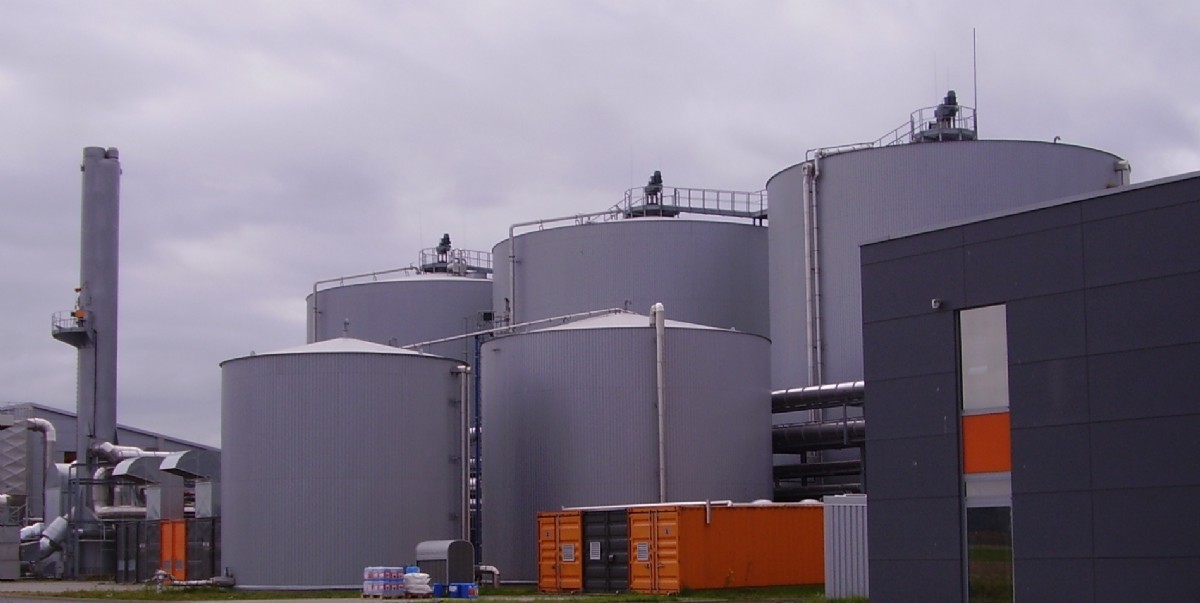
Biodegradable waste is waste that can be broken down by micro-organisms and other living things. It includes garden waste, farm waste, food, paper, biodegradable plastics, sewage and manure. When biodegradable waste is put in landfills, it produces methane as it breaks down. Methane is a greenhouse gas and contributes to global warming. However, if biodegradable waste is separated from other waste, it can be processed and used as compost for gardens and farms. Some waste-processing facilities are now using anaerobic digesters, which use biodegradable waste to produce biogas for fuel, while the remains can be used as fertilizer.
Concrete
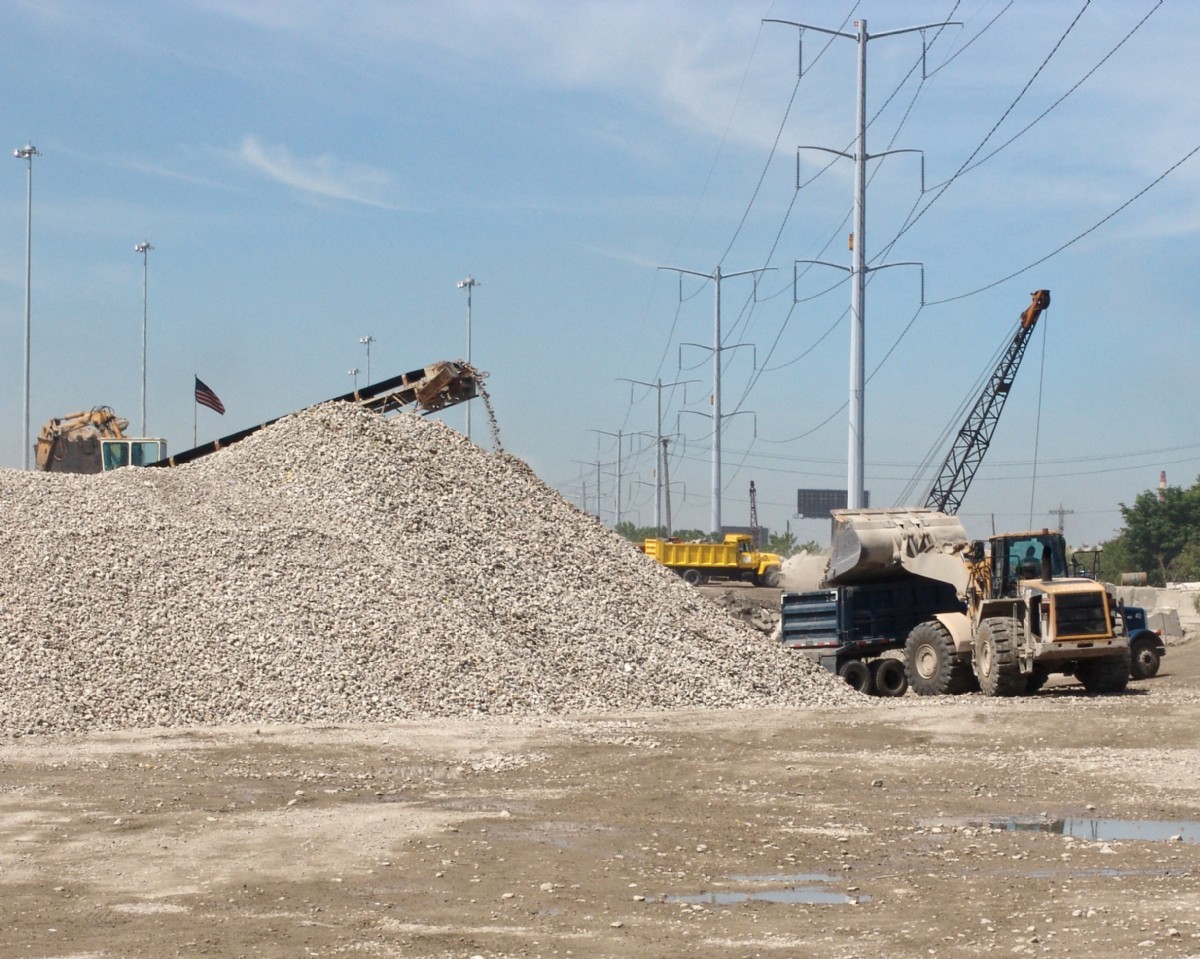
When structures built with concrete are demolished, the concrete is often recycled. It is broken down into small chunks using a crushing machine, before being filtered. The resulting gravel can be used to make new concrete or be used in road-building and construction, or in paths in parks and gardens. Recycling concrete saves space at landfills and reduces the need to mine gravel.

Greywater
Greywater is waste water that has been used in industrial processes or in showers, baths, sinks and washing machines. It is not water that has been used to flush toilets, which is called blackwater or sewage. Greywater can be recycled and used for toilet flushing and irrigating gardens and fields.
Recycling systems that filter greywater can be installed in homes, factories and businesses. Greywater recycling is not widespread but is being increasingly used in businesses that use large amounts of water, such as garden centres and hotels. The major benefit is the conservation of our water supply.
Upcycling and downcycling
Upcycling is the process of turning waste products into products of better quality or higher value. An example is the creation of valuable biogas from biodegradable waste. Upcycling is also used to create art, furniture and fashion from seemingly useless waste materials.
Downcycling is the opposite of upycling. It is when waste products are converted into raw materials and products of a lesser value. Examples are the recycling of writing paper to make toilet paper and packaging; the recycling of plastics, which creates plastics of a poorer quality; and the recycling of clothing to make low-grade fibres for insulation and padding. Critics of recycling state that downcycling is too costly and labour-intensive to be worthwhile. However, downcycling reduces waste, cuts down on the use of energy and raw materials, and lowers pollution.

Consultant: Nina Notman
pics
Without in any way limiting Q-files Ltd’s exclusive rights under copyright, any use of this publication to “train” generative artificial intelligence (AI) technologies to generate text is expressly prohibited. Q-files Ltd reserves all rights to license use of this work for generative AI training and development of machine learning language models.