
Environment

CITE
We have made every effort to follow citation style rules, but there may be some minor differences. If in doubt, please refer to the appropriate citation style manual.
Pollution. (2026). In Q-files Encyclopedia, Geography, Environment. Retrieved from
https://www.q-files.com/geography/environment/pollution
"Pollution." Geography, Environment, Q-files Encyclopedia, 14 Apr. 2026.
https://www.q-files.com/geography/environment/pollution.
Accessed 21 Sep. 2026.
Pollution 2026. Geography, Environment. Retrieved 21 September 2026, from
https://www.q-files.com/geography/environment/pollution
Geography, Environment, s.v. "Pollution," accessed September 21, 2026.
https://www.q-files.com/geography/environment/pollution


Pollution
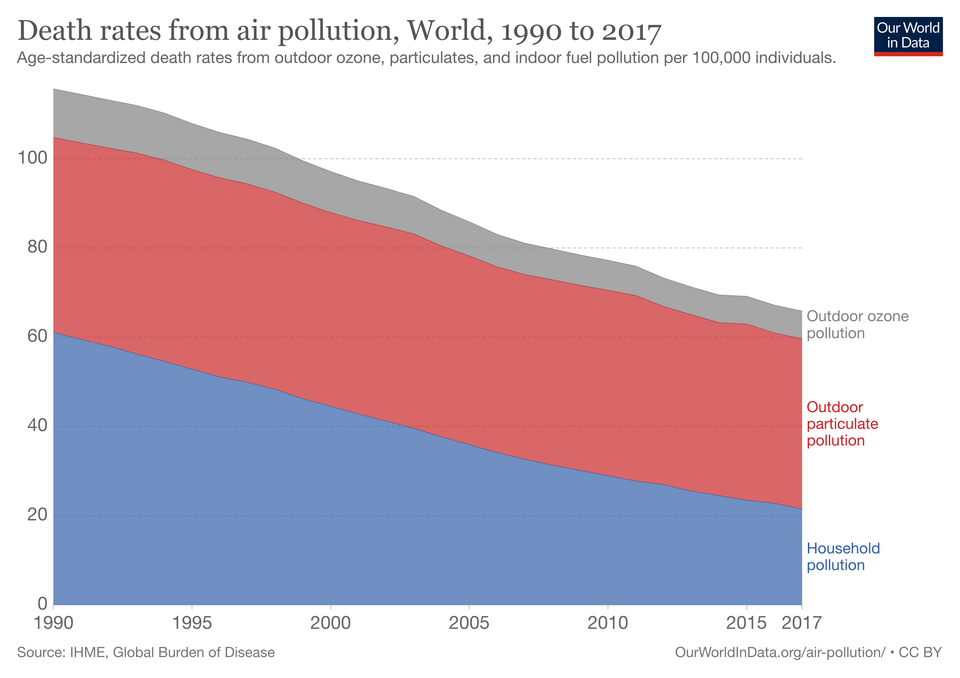
Pollution is the release of something into the natural environment—the air, the soil, rivers, lakes, the oceans—that causes harm. It can take the form of a substance (solid, liquid or gas) or energy (such as light, heat, sound or radioactivity). Although environmental pollution can be caused naturally, we usually use the term "pollution" when it has a human source, such as manufacturing, power stations, vehicle emissions, mining, waste management or farming practices. Pollution has widespread effects both on the well-being of our environment and and our own health. In 2019, pollution was responsible for the deaths of an estimated 9 million people, with most of them caused by air pollution.
Air pollution
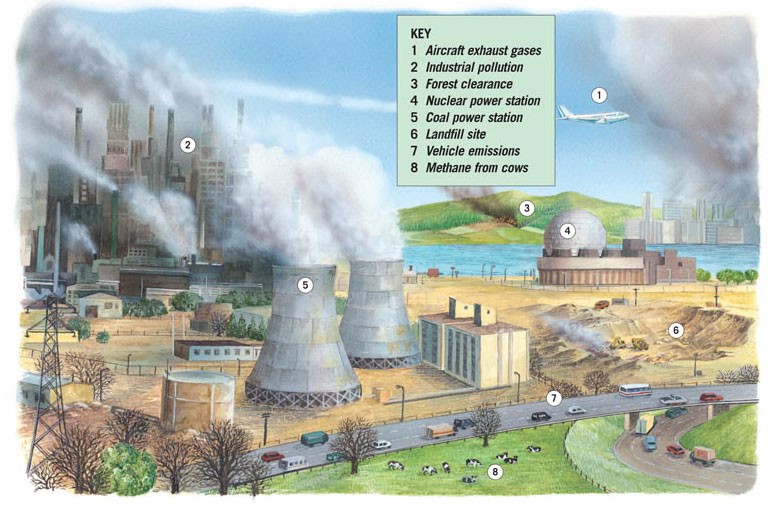
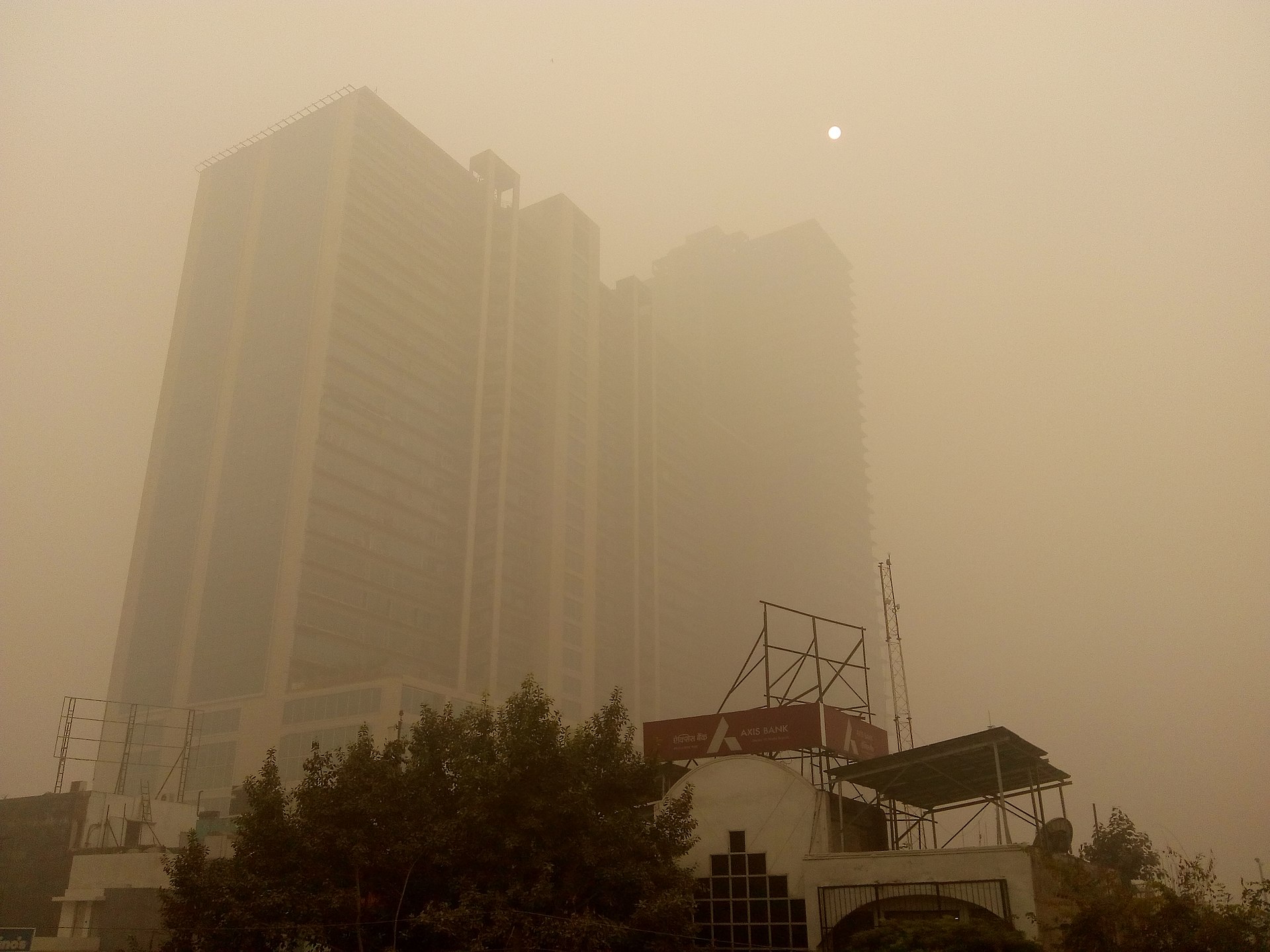
Air pollution is the release of chemicals and particulates (microscopic particles of solid or liquid matter) into the atmosphere. These come from fumes and smoke from motor vehicle emissions, factory chimneys, power stations and forest and agricultural fires.
Carbon monoxide, a poisonous gas released by vehicle exhausts, causes a range of health issues.
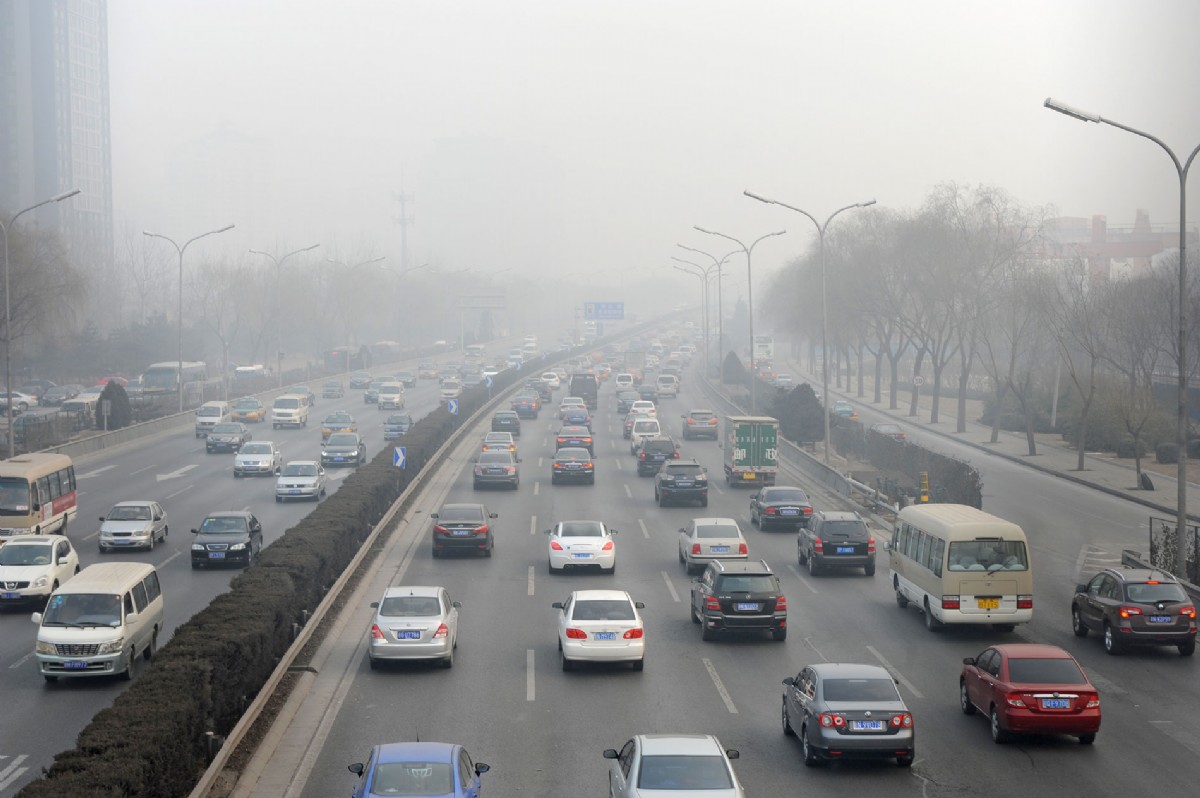
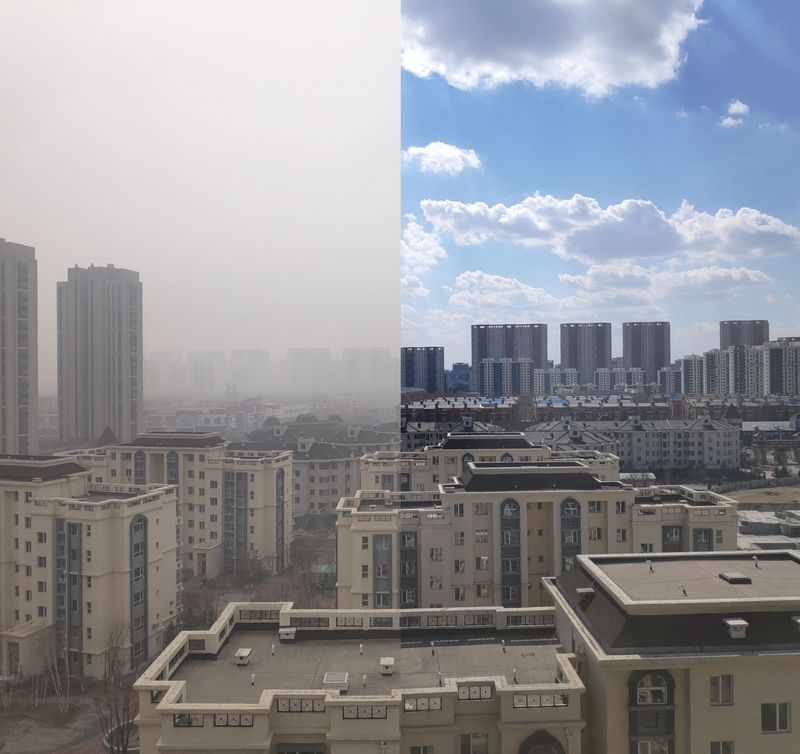
Ozone, which is produced when hydrocarbons and nitrogen oxides, also found in vehicle emissions, combine in the presence of sunlight, causes city smogs. These dramatically increase rates of asthma and other heart and breathing problems.
Burning fossil fuels (coal, oil and natural gas) in factories, power stations and vehicles also causes a build-up of carbon dioxide, one of the greenhouse gases that results in global warming.
Particulates
Particulate matter (PM) is the term for the tiny solid particles and liquid droplets that are found in the air. Some particles, such as dust, soot or smoke, are large enough to be seen with the naked eye. Others are so small they can only be detected using a powerful microscope. PM10 particles are those with a diameter of 10 μm (micrometres or thousandths of a millimetre) or less. Finer particles, known as PM2.5, which have a diameter of 2.5 μm or less, pose the greatest risk to health as they can get deep into the lungs and from there into the bloodstream. Exposure to PM2.5 contributed to 7.8 million deaths globally in 2021.
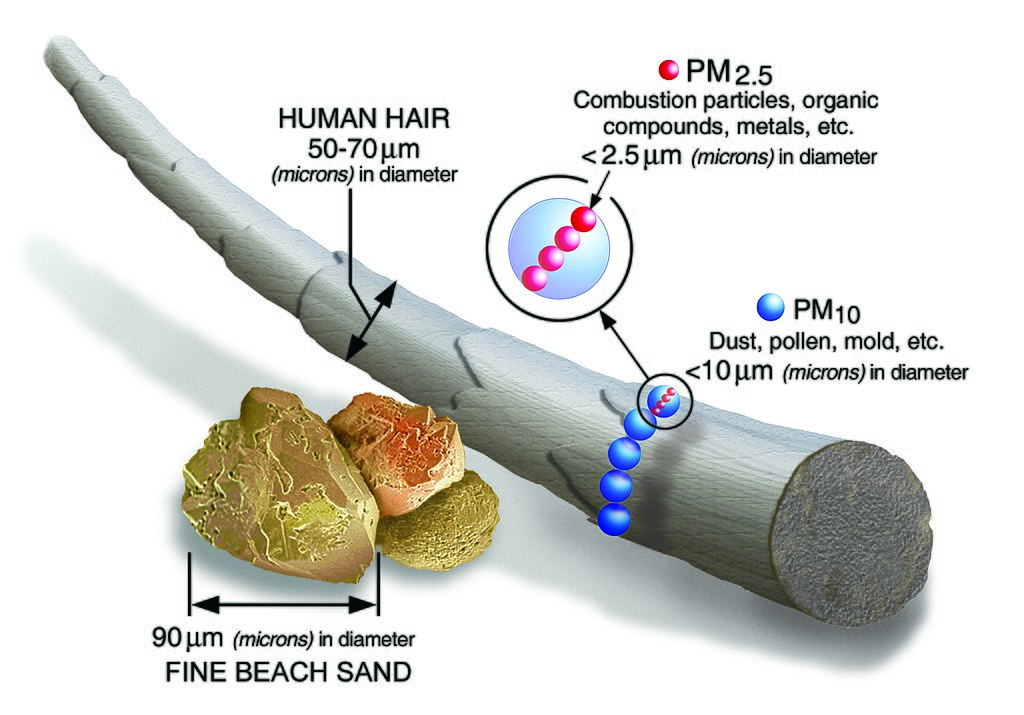
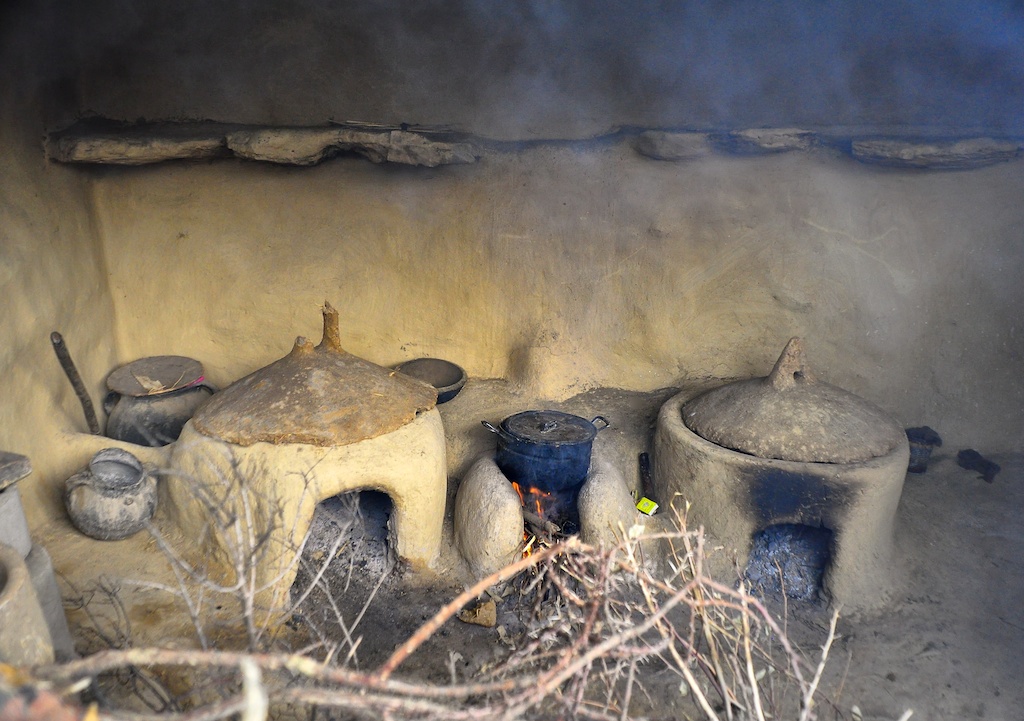
Particulates come in many shapes and sizes, and can be made up of hundreds of different chemicals. Most form in the atmosphere as a result of chemical reactions in sulphur oxides (SOx) and nitrogen oxides (NOx), gases that are emitted from power plants, factories and vehicles. They are also produced in homes, especially in developing countries, where they come from cooking stoves.
Controlling air pollution
A range of measures are available to reduce air pollution. The introduction of renewable energy for the production of electrical power, vehicles powered by electricity rather than petrol or even simply the use of cleaner fuels, such as biodiesel (made from plants or animal fats), all greatly reduce emissions.

Where fossil fuels are still used in factories and power stations, regulations help control their emissions. Petrol engine vehicles can be fitted with catalytic converters on their exhausts to make pollutants less toxic. Many cities are carefully planning their public transport (so that fewer car journeys are made) and introducing zoning to make the air in residential areas less polluted.
Water pollution
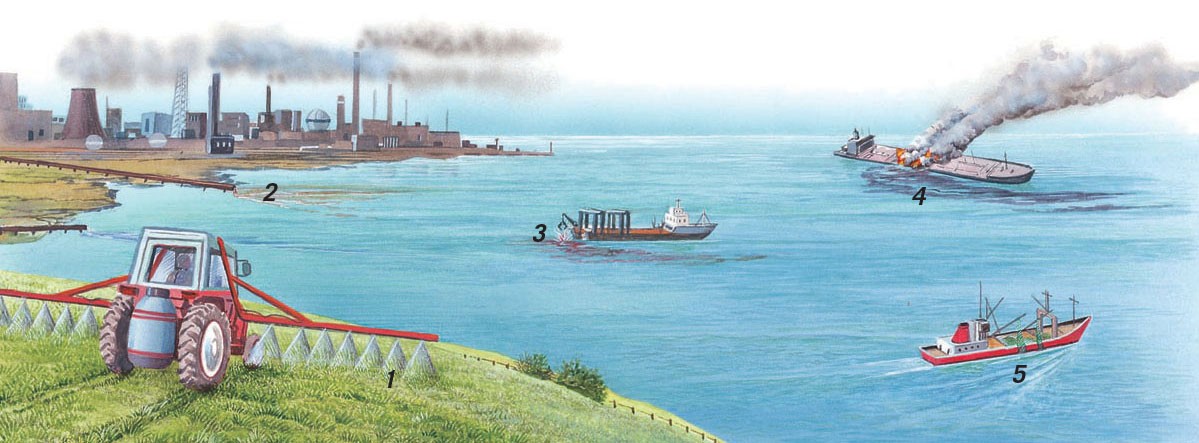
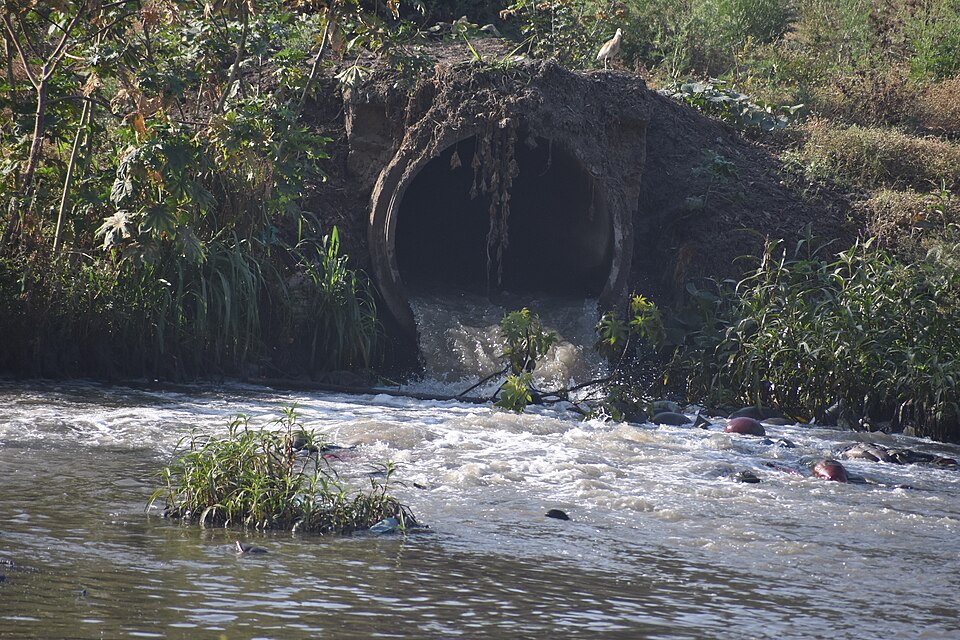
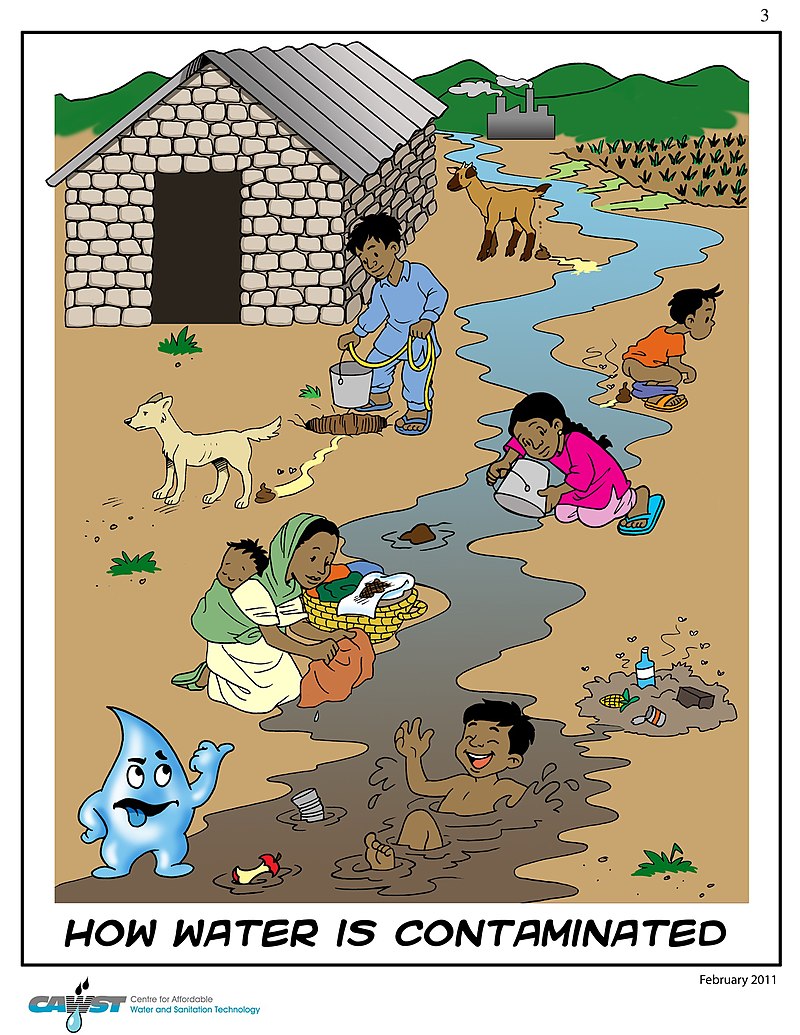
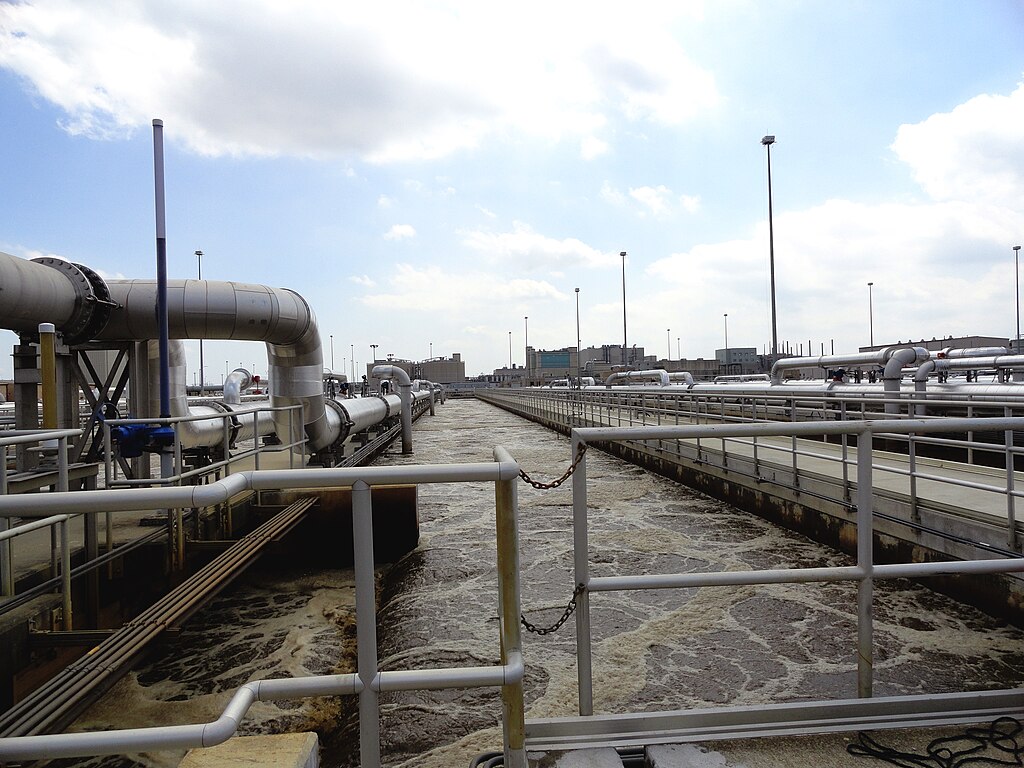
Water pollution is the release of substances, including wastewater, untreated sewage, chlorine (which is used for treating sewage) and chemicals (such as fertilizers and pesticides) into groundwater, rivers, lakes and oceans.
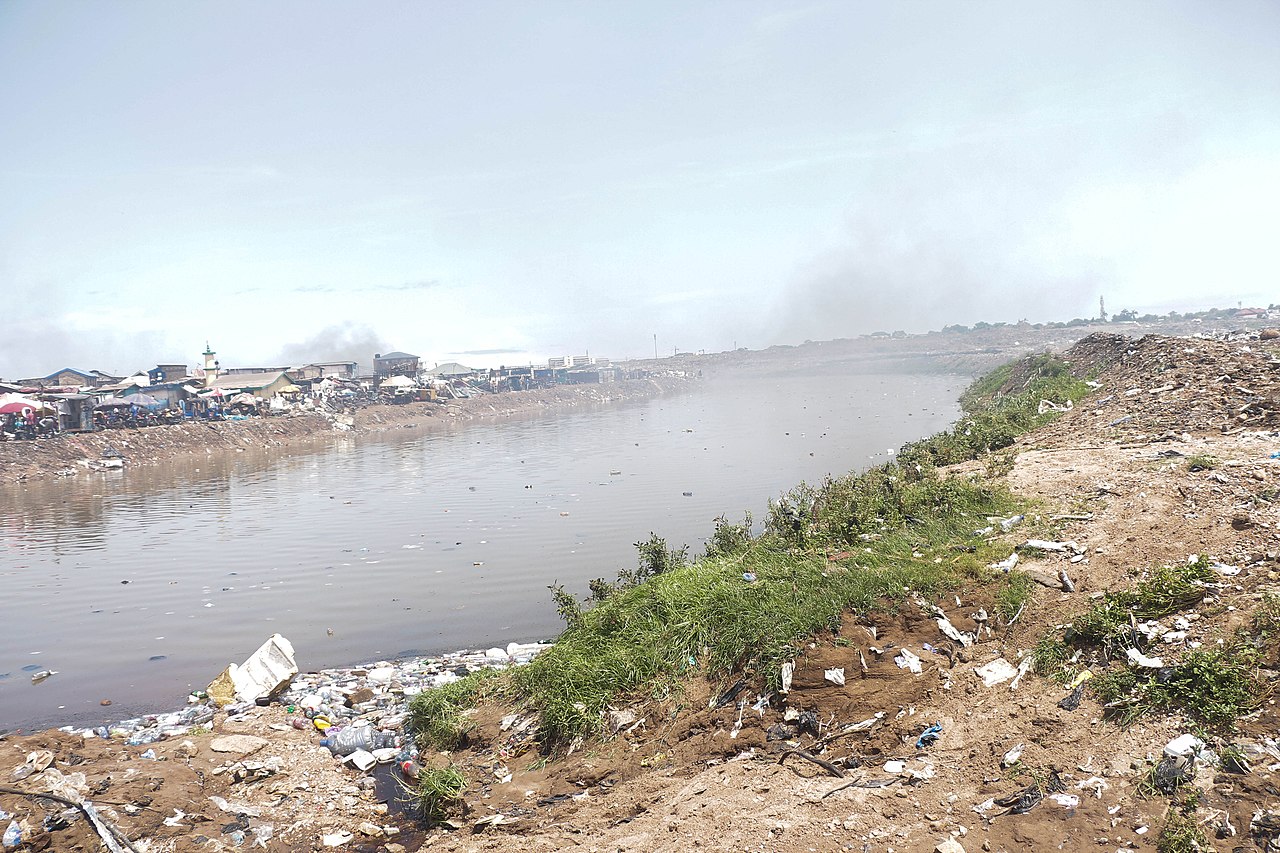
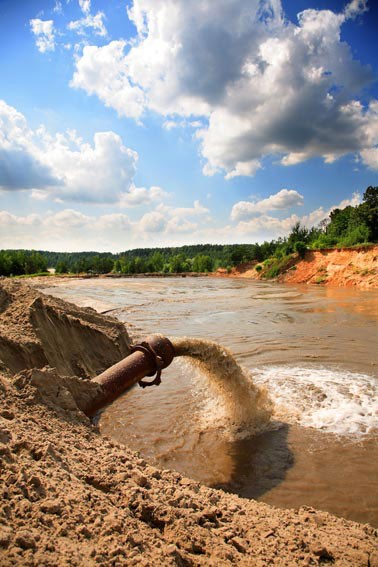
Vast quantities of chemical waste and sewage are poured straight into the sea through pipes. This may also contaminate the shoreline sand or mud. But many of the waste products that pollute the oceans come from the land. Chemicals and plastics from waste dumps, landfill sites or agricultural fields seep into the groundwater in the soil. From there they enter rivers and streams, eventually flowing out to sea. Land-based activities that pollute the oceans include the use of fertilizers and pesticides in farming and the inadequate disposal of chemical waste and sewage.
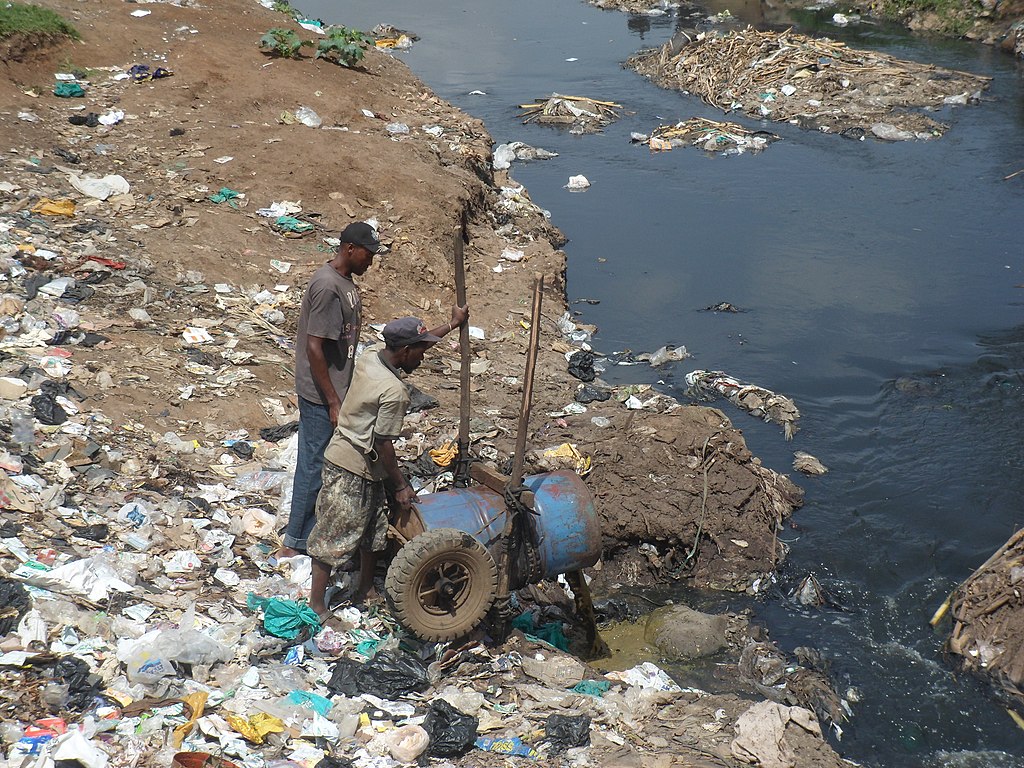
Raw, untreated or improperly treated sewage is a common source of water pollution. Microplastics, chemicals and other pharmaceuticals can also end up in wastewater and threaten both aquatic life and human health. Many cities in the developing world have inadequate sewage systems and sewage treatment plants. In Delhi, the capital of India and one of the world's largest cities, for example, approximately two-thirds of wastewater is treated, but millions of litres of untreated water are dumped into the River Yamuna—a source of drinking water for millions of inhabitants.
Chemicals
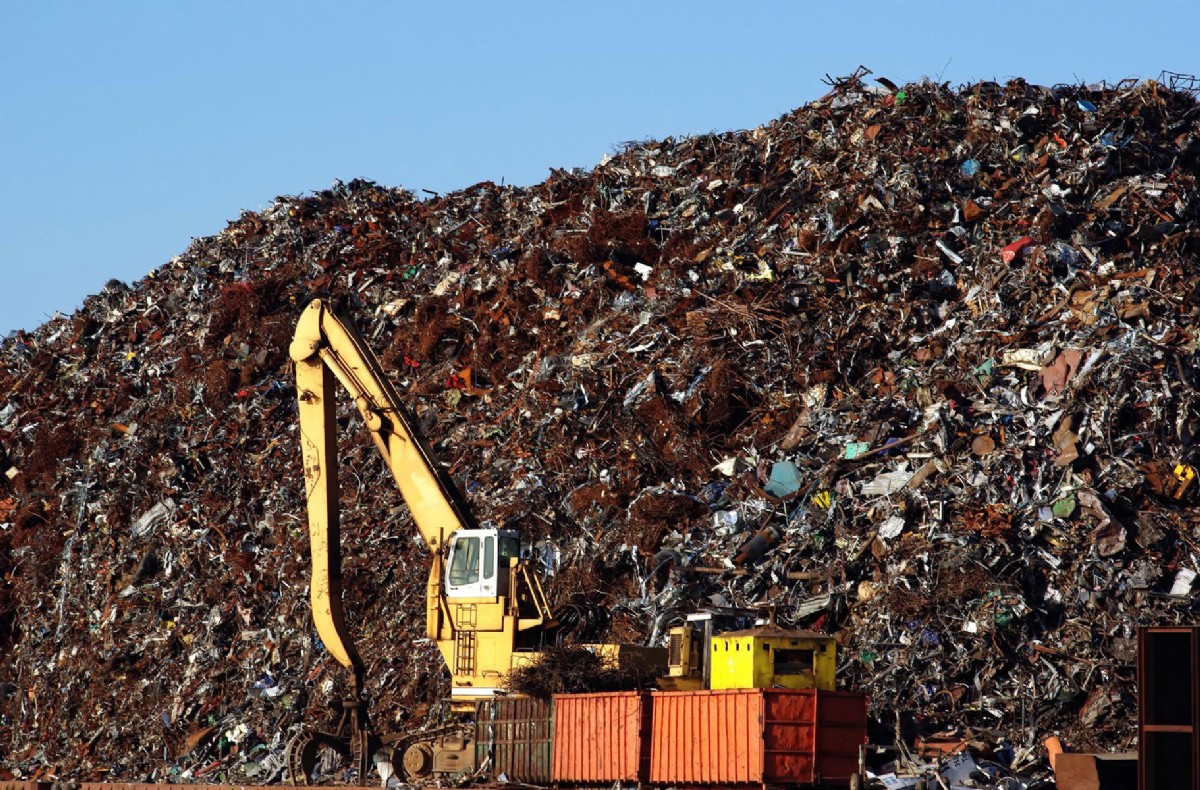
As waste mixes with discarded fluids and rainwater in dumps or landfill, the liquid washes down through the pile, collecting toxic chemicals contained in the waste along the way. Called leachate, this liquid may then seep into the soil beneath.
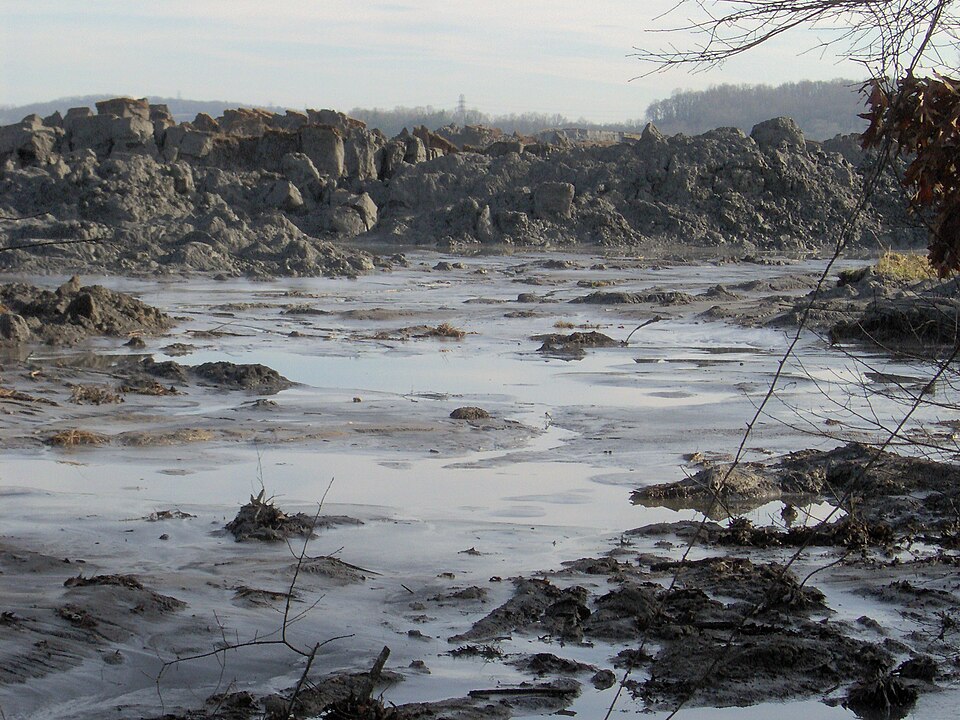
Chlorinated hydrocarbons (CFH) found in pesticides, benzene found in plastics, dyes, detergents and other products, "forever chemicals", and microscopic particles of what are known as heavy metals such as chromium, cadmium and lead, are all common soil contaminants. Heavy metals are particularly dangerous, as they can accumulate in crops (which take up the water in which the metals are dissolved through their roots) and be consumed by people.
Forever chemicals or PFAS (which stands for perfluoroalkyl and polyfluoroalkyl substances) are so-called because they take a long time to break down, thanks to their strong carbon-fluorine bonds. These chemicals came into use with the invention of Teflon in 1938 to make coatings that were able to resist heat, oil, stains, grease and water. Forever chemicals are now used in vast range of products, such as nylons, mobile phone screens, paint, adhesives, food packaging and in most cosmetics and personal care products.
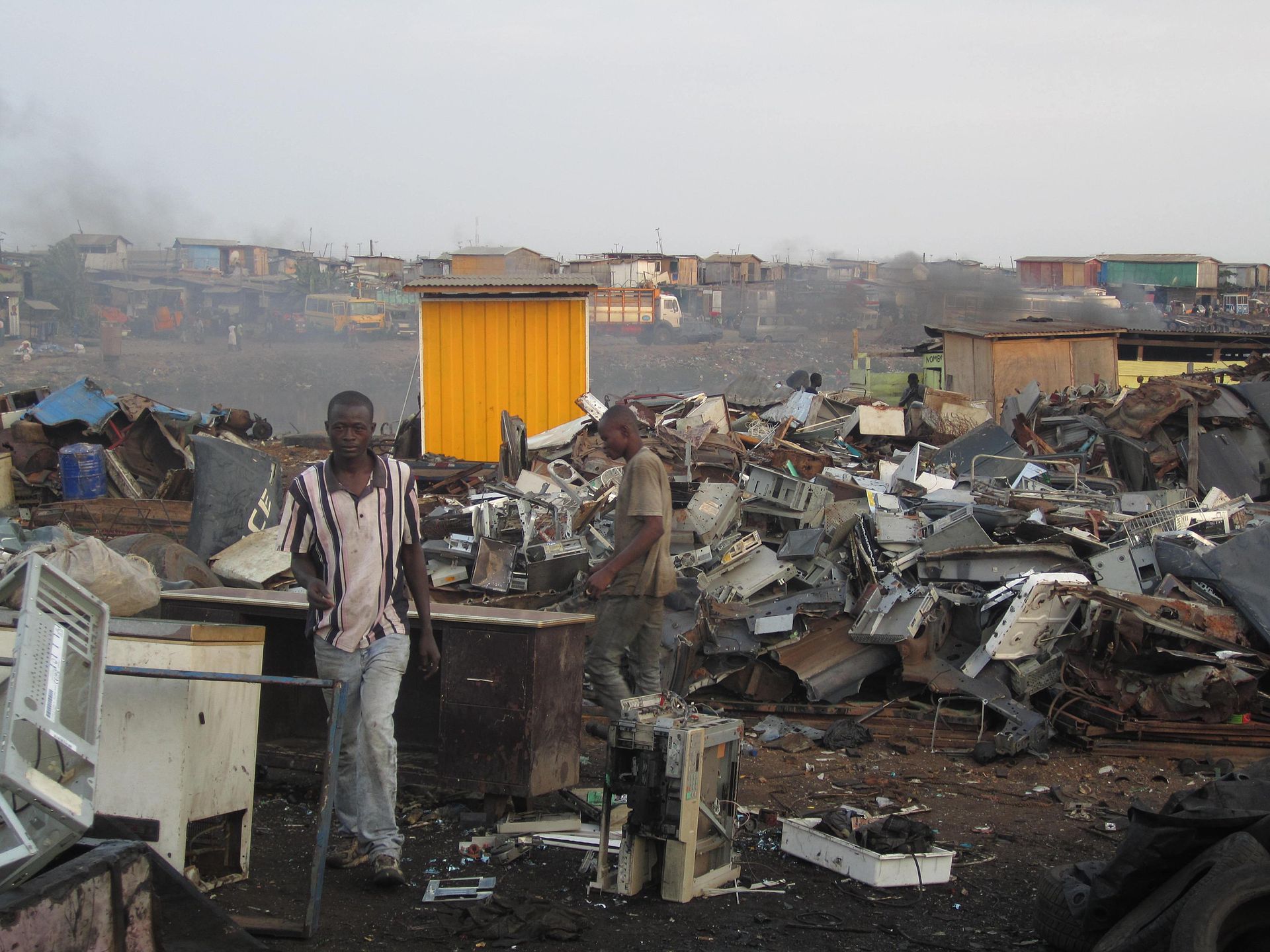

Eutrophication
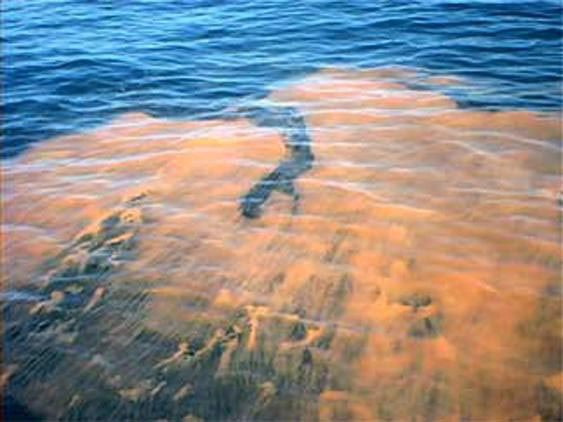
A major source of water pollution is fertilizer used in agriculture. Fertilizers contain nitrates and phosphates, nutrients that help plants grow. But rainwater washes these chemicals from the soil into rivers and lakes (known as run-off). An excess of nutrients in the water, called eutrophication, may result, leading to the overgrowth of algae in the water. Known as algal blooms, they reduce the amount of oxygen in the water, killing fish and other aquatic life. Where contaminated rivers flow out into the ocean, vast "dead zones" appear where little life exists below the surface waters.
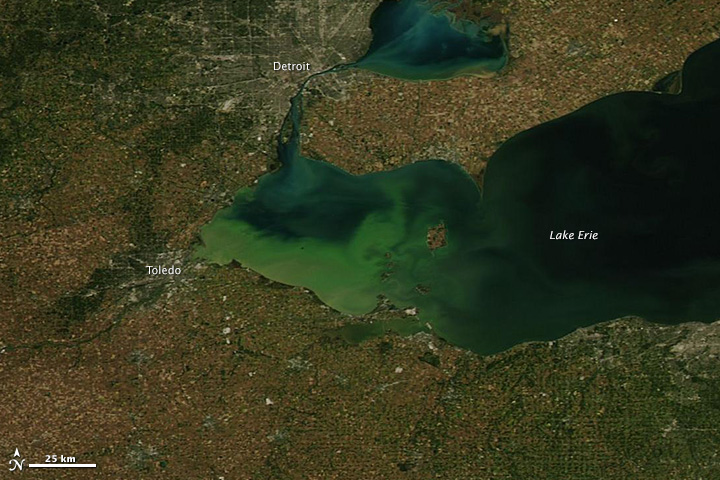
Plastic pollution
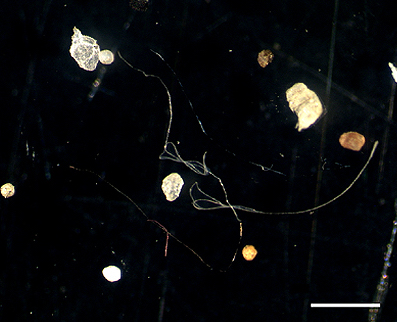
Microplastics are tiny fragments of plastic that either come from the breakdown of larger pieces of plastic debris, or were produced as tiny pellets in the first place. Because of their small size, they can be easily consumed and incorporated into the bodies and tissues of many aquatic and marine organisms. From there they can eventually make their way into the human food chain. Researchers have discovered microplastics in human blood, raising concerns about long-term health implications. Much waste plastic is dumped into the sea directly, but vast amounts of tiny plastic particles collect in the soil and, through groundwater, enter rivers and streams before reaching the ocean. You can read more about plastic pollution here.

Mining
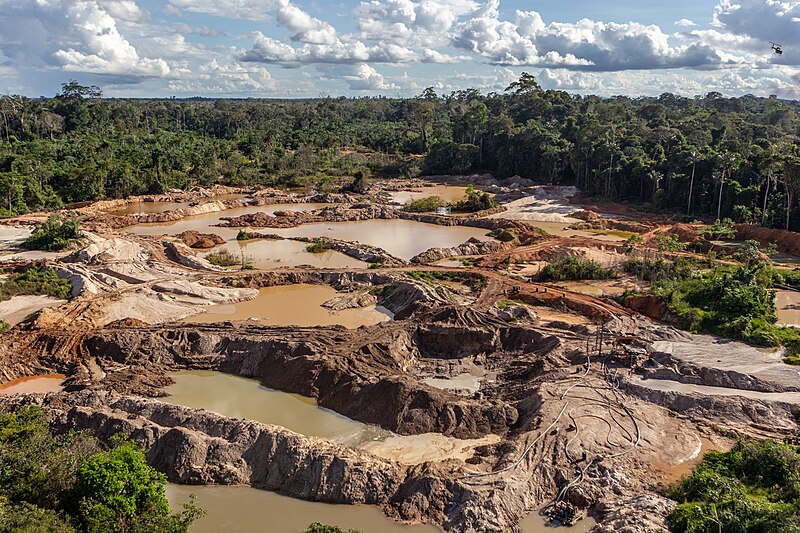
Mining can cause the pollution of soil, groundwater and surface water by toxic metals such as arsenic and mercury commonly found in mine waste. If these substances are allowed to seep into the ground and from there into streams and rivers, it can lead to the devastation of surrounding ecosystems. This pollution may also endanger the health of the local population dependent on local water sources and crops grown in contaminated soils.

Mining may create a type of water pollution known as acid mine drainage. Mining often takes place below the water table, so water must be constantly pumped out of the mine in order to prevent flooding. When a mine is abandoned, the pumping stops, so water floods the mine. Through a chemical reaction with sulphur-containing minerals, sulphuric acid may be produced. When mixed with groundwater, surface water and soil, the acid has harmful effects on humans, animals and plants.
Oil spillages
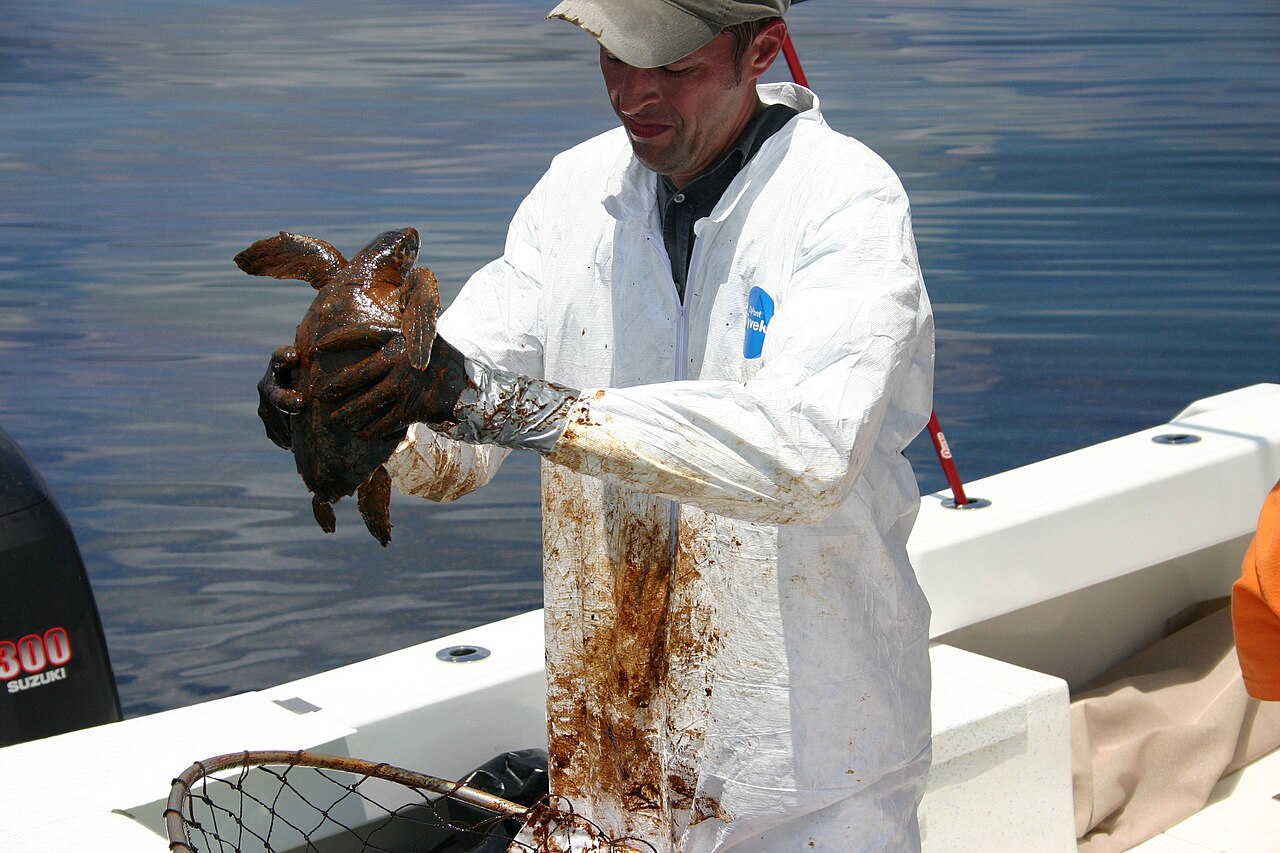
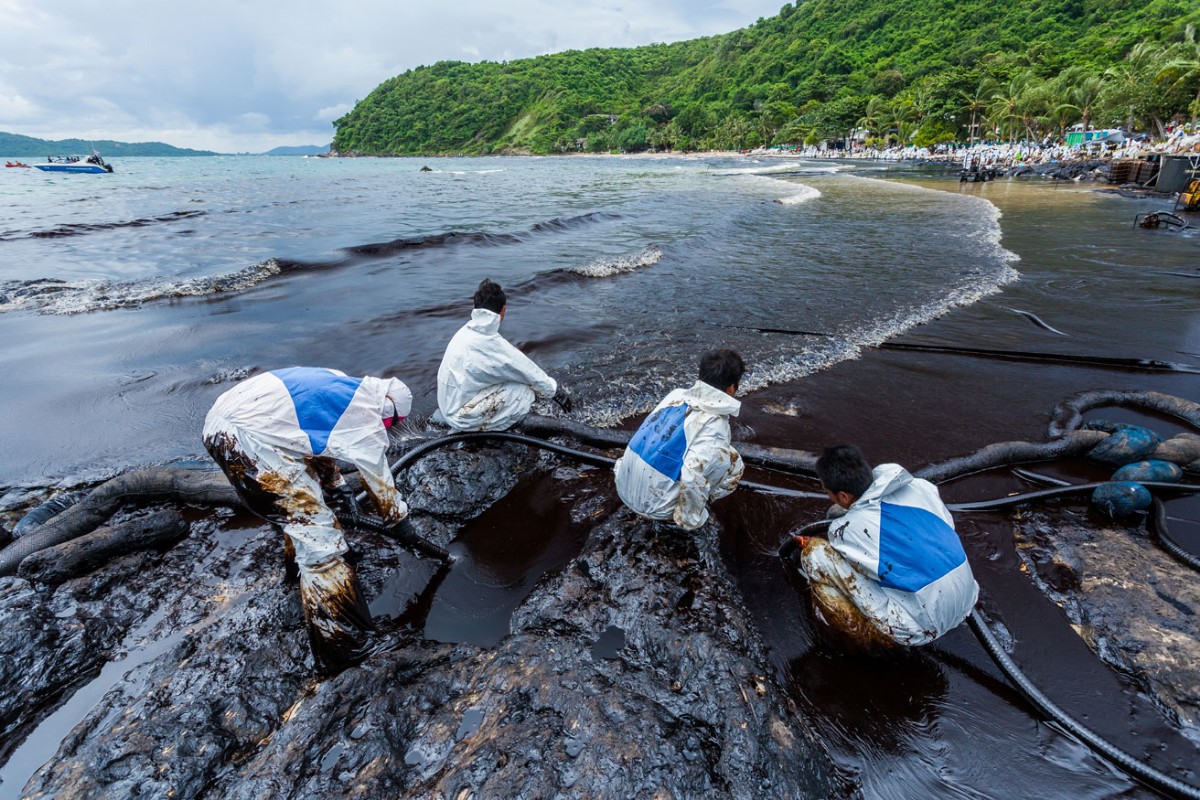
A major source of ocean pollution is oil. Tankers carrying hundreds of tonnes of oil sometimes run aground, spilling their contents into the water. The oil slick may be carried ashore by the waves, polluting the coastline. Animals in the water and on the shore become coated in the sticky oil, and many die. When the feathers of sea birds become clogged with oil, they lose their warm, waterproof qualities. The birds drown, die of cold or are poisoned as they try to preen away the oil with their beaks.

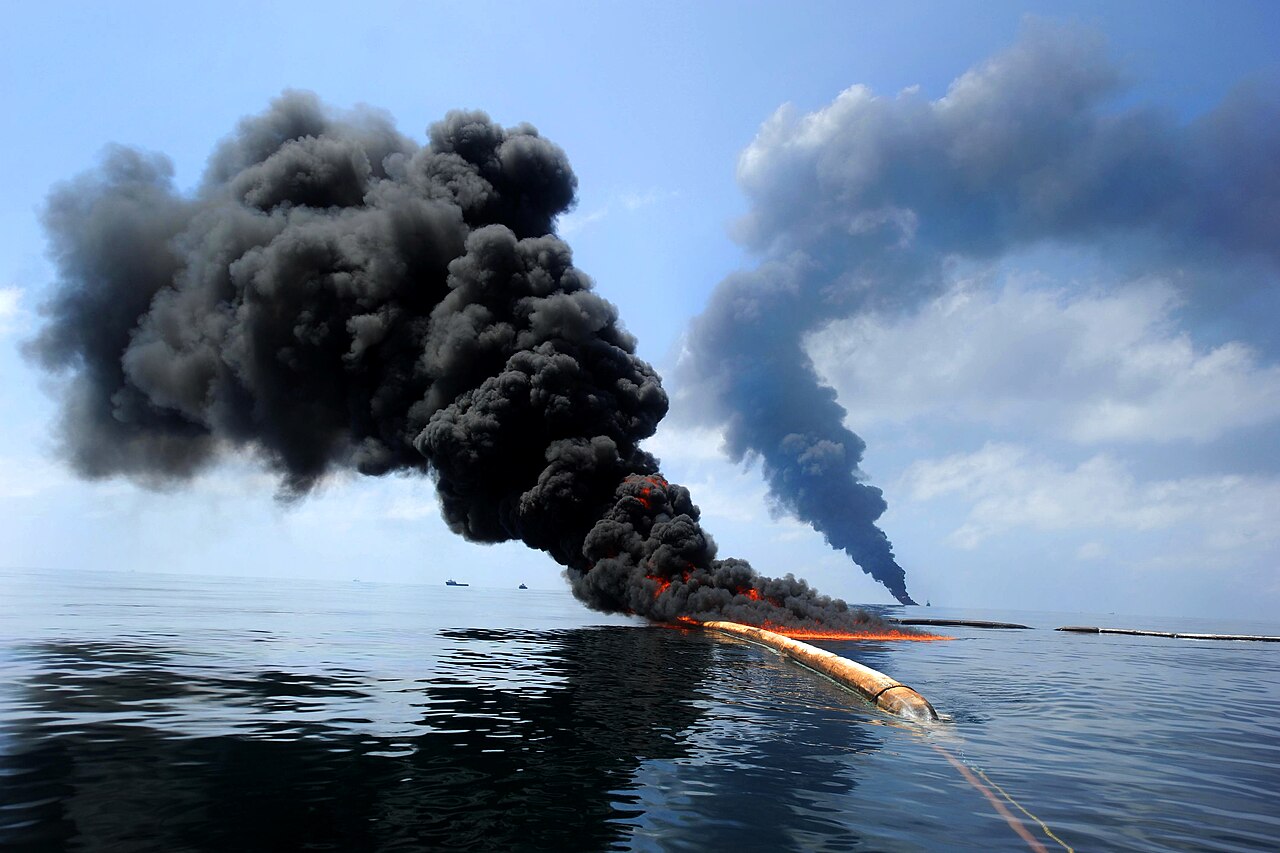
In April 2010, the Deepwater Horizon oil rig exploded in the Gulf of Mexico, causing oil to gush from the ocean floor. Hundreds of millions of litres of oil spewed into the sea over the next few months, creating an oil slick measuring roughly 57,000 square kilometres (149,000 square miles), which soon coated some 1770 kilometres (1100 miles) of shoreline. Many animals died in the oil spill, including thousands of sea turtles, marine mammals, birds and fish. The oil spill killed an estimated 8.3 billion oysters, a vital part of the seashore ecosystem.
Littering the sea
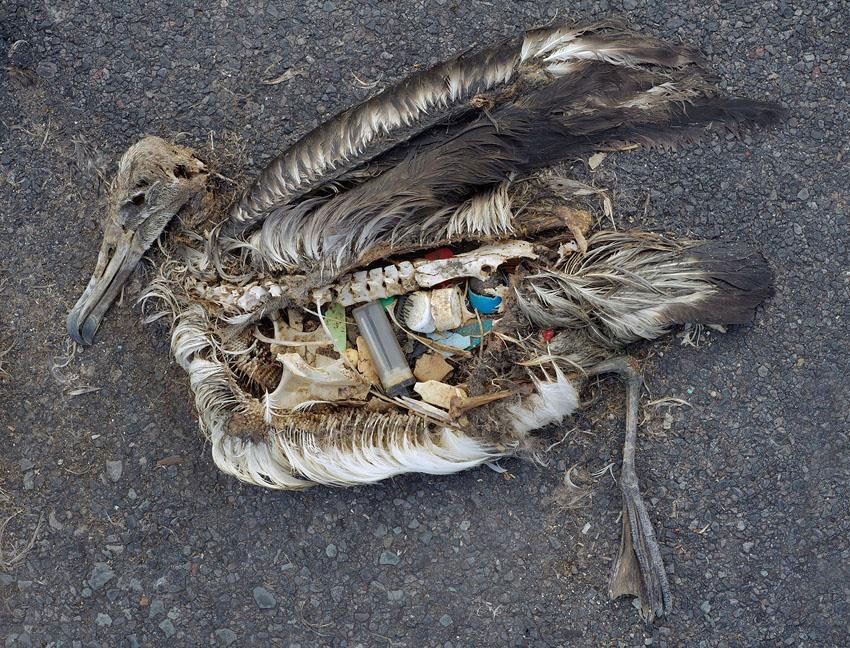
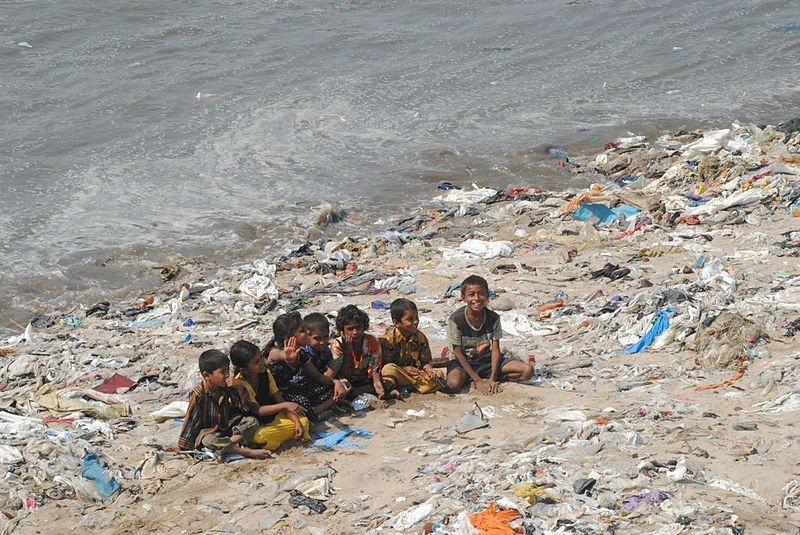
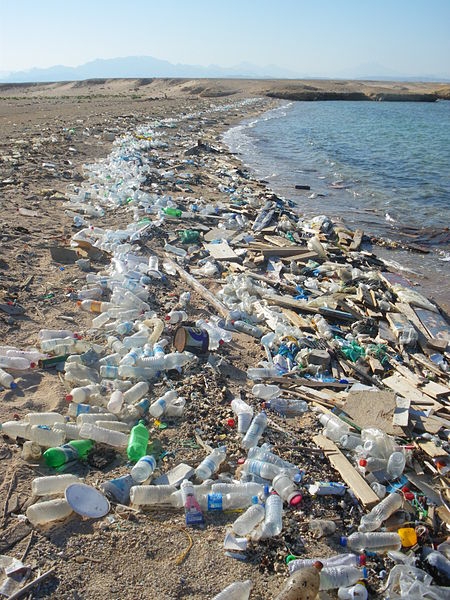
Other rubbish dumped at sea includes fishing nets and ropes from ships or boats, and household waste such as cans, bottles and plastic. This rubbish, some of which takes years to rot away, can entangle and kill ocean animals, especially birds and mammals. Fish and turtles often mistake rubbish for food. It also causes a hazard to people and animals when it washes up on beaches.
Controlling water pollution
Individuals, businesses and governments can all play a part in to reducing water pollution. We as individuals can make sure we always dispose of waste, particularly plastic waste, responsibly. Businesses need to adopt ways of minimizing the production of waste, using less hazardous materials and treating wastewater effectively.
Governments have a crucial role in introducing regulations (such as banning harmful products like plastic-containing wet wipes or certain forever chemicals), investing in water infrastructure (such as the development of modern wastewater treatment facilities, upgrading sewer systems and building reservoirs) and encouraging farmers to introduce water-saving and pollution-reducing technologies (for example, using fewer pesticides and fertilizers and adopting nature-based solutions such as restoring natural ecosystems like floodplains and wetlands).
Noise pollution
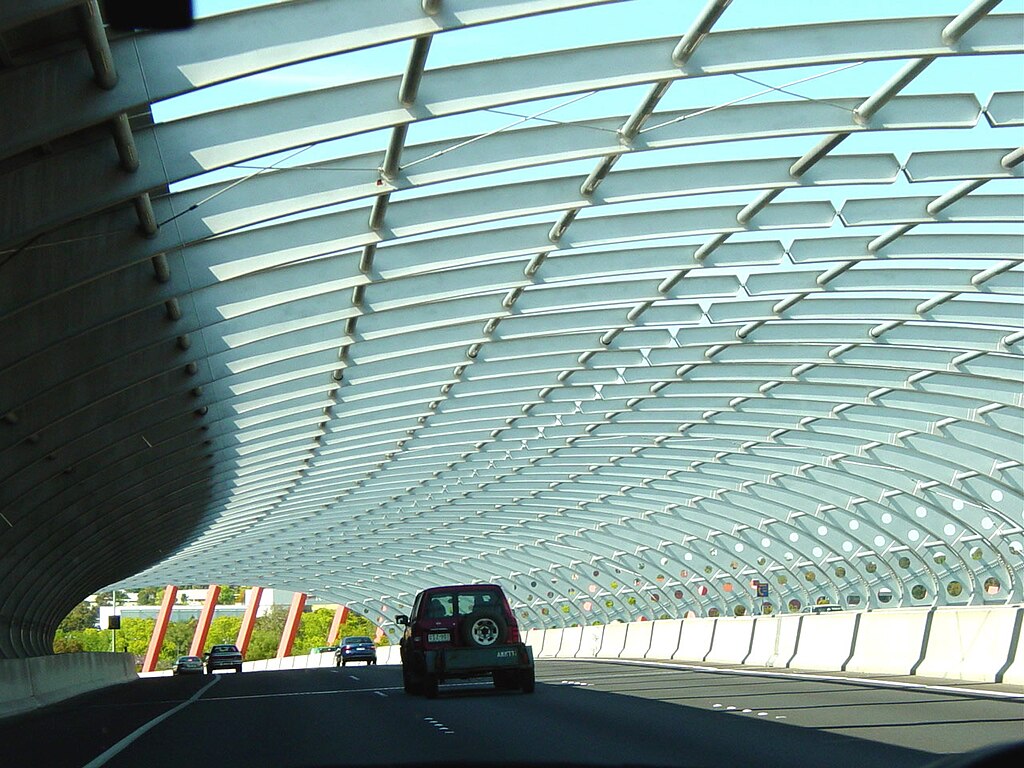
Noise pollution is unwanted or excessive sounds that disrupt the natural environment or affect people's well-being. Major sources of noise include road traffic, industrial activities, aeroplanes and even loud music in public places. Exposure to high levels of noise pollution can lead to hearing loss, stress, sleep disturbances and an increased risk of cardiovascular (heart) diseases.
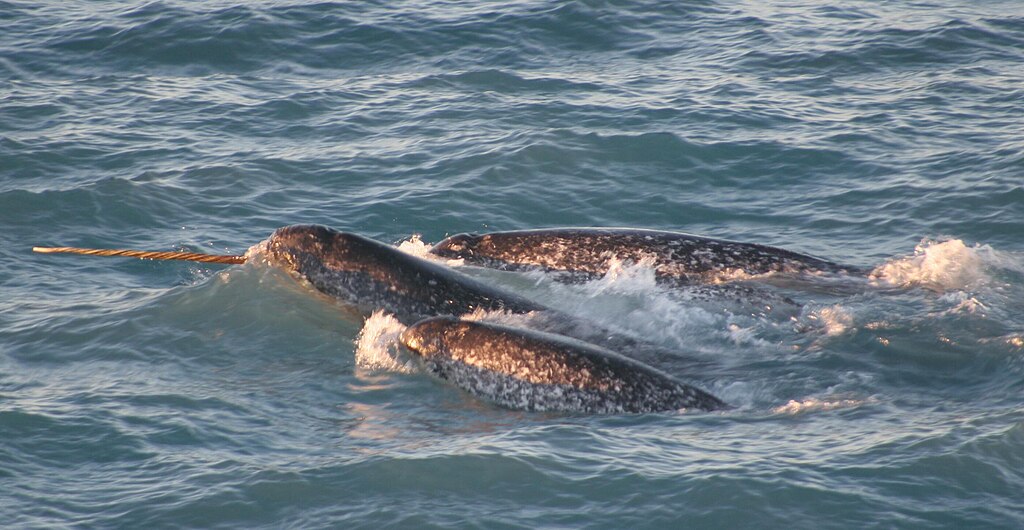
Marine animals, like whales and dolphins, suffer from underwater noise pollution caused by ships, sonar and industrial activities at sea. Many species use sound as their chief means of navigating, communicating and foraging for food. Noise pollution may have been responsible for the death of certain species of whales that have stranded themselves after being exposed to military sonar.
Light pollution
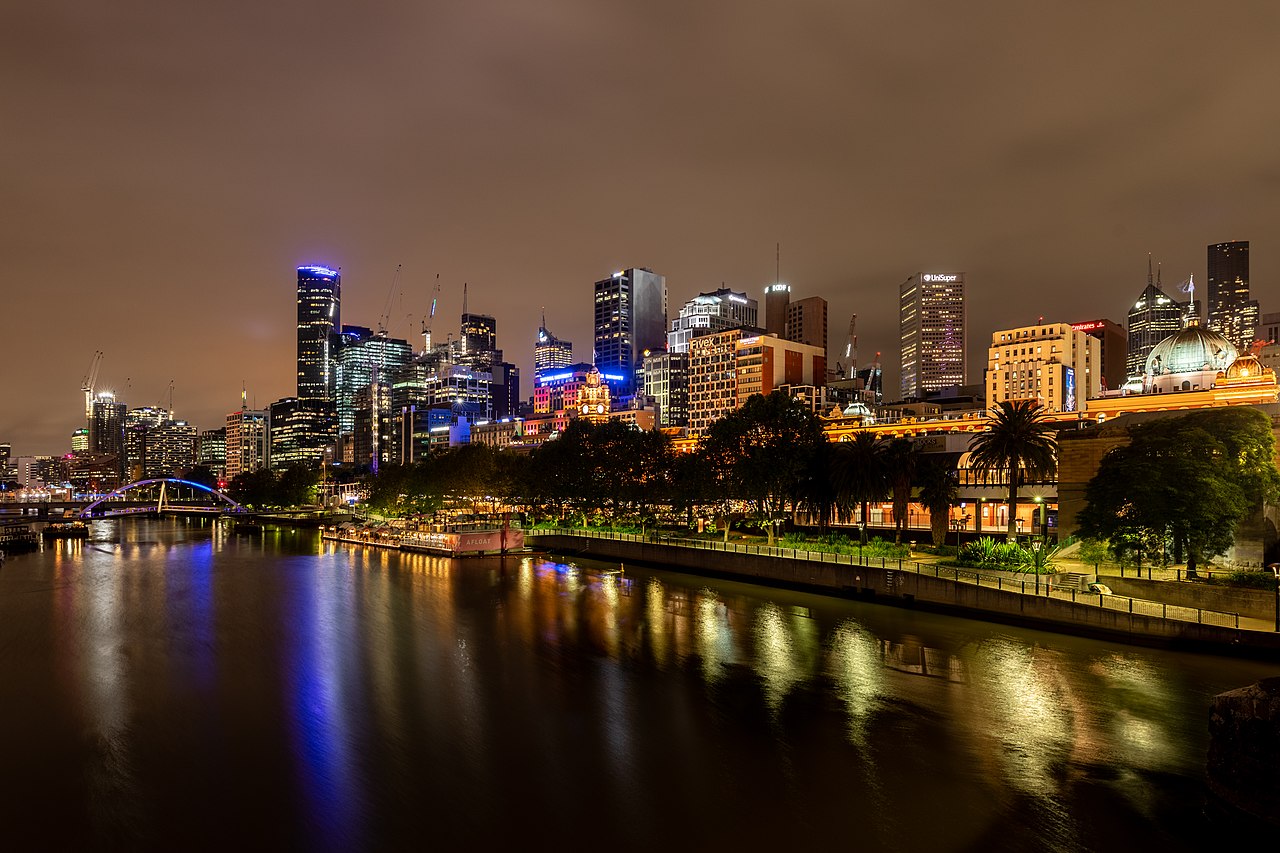
Light pollution occurs when artificial light brightens the night sky. Streetlights, neon signs and illuminated buildings all contribute to light pollution. For many animals that rely on natural light cycles for navigation, hunting or reproduction, illuminated night skies are disruptive. For example, sea turtle hatchlings often head towards artificial lights instead of the ocean. Countless billions of insects are killed each year by public lighting, many dying from exhaustion or being eaten by predators.
Radioactive pollution
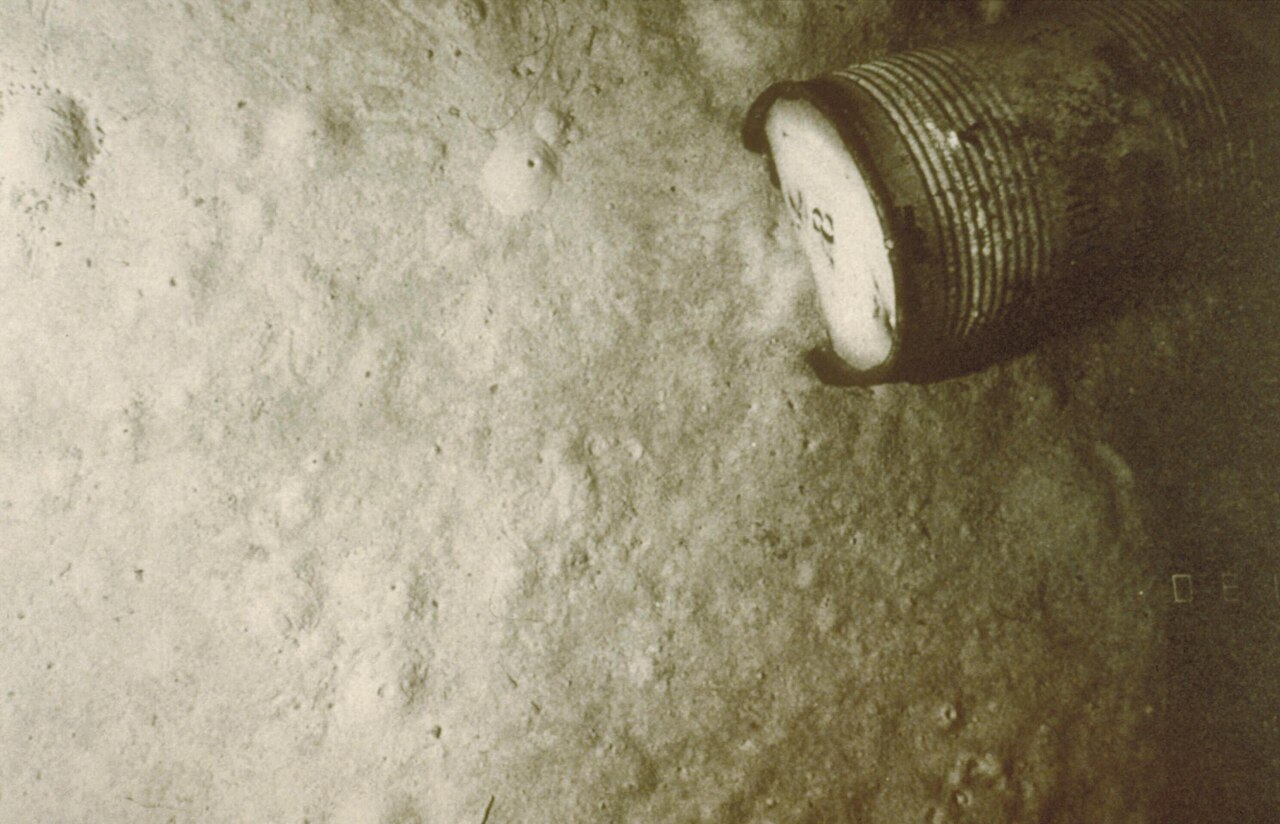
Radioactive pollution arises from the release of radioactive substances into the environment. Sources of this kind of pollution include nuclear power plants, the improper disposal of nuclear waste and accidental spills or leaks during transportation of nuclear waste or fuel.
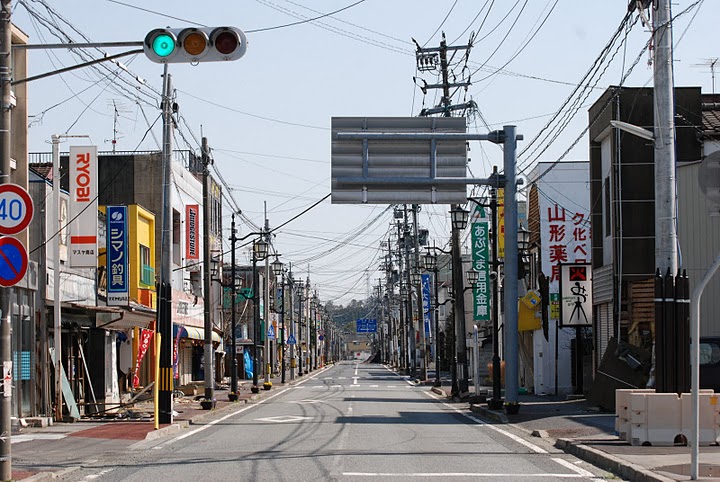
The Chernobyl (1986) and Fukushima (2011) nuclear disasters highlight the catastrophic potential of such contamination. Both caused large areas to remain uninhabitable for years afterwards. Exposure to high levels of radiation can cause cancers in humans and lasting damage to the natural environment.
pics
Without in any way limiting Q-files Ltd’s exclusive rights under copyright, any use of this publication to “train” generative artificial intelligence (AI) technologies to generate text is expressly prohibited. Q-files Ltd reserves all rights to license use of this work for generative AI training and development of machine learning language models.