
Chemistry

CITE
We have made every effort to follow citation style rules, but there may be some minor differences. If in doubt, please refer to the appropriate citation style manual.
Acids and bases. (2026). In Q-files Encyclopedia, Science, Chemistry. Retrieved from
https://www.q-files.com/science/chemistry/acids-and-bases
"Acids and bases." Science, Chemistry, Q-files Encyclopedia, 10 Mar. 2026.
https://www.q-files.com/science/chemistry/acids-and-bases.
Accessed 21 Sep. 2026.
Acids and bases 2026. Science, Chemistry. Retrieved 21 September 2026, from
https://www.q-files.com/science/chemistry/acids-and-bases
Science, Chemistry, s.v. "Acids and bases," accessed September 21, 2026.
https://www.q-files.com/science/chemistry/acids-and-bases


Acids and bases
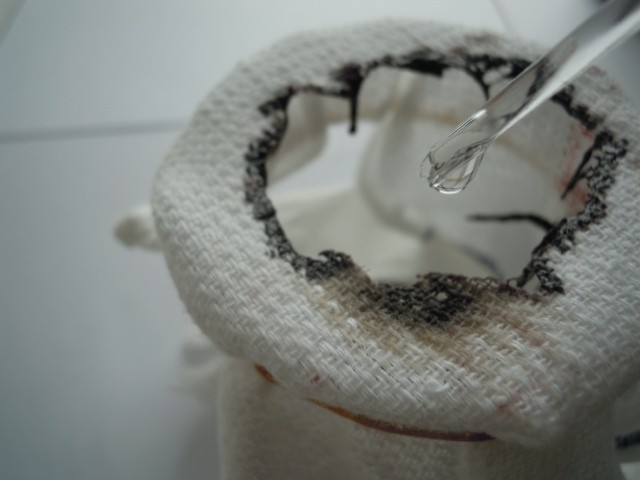
Many acids and bases are highly reactive chemicals: they easily combine with other substances in chemical reactions to form new ones. Most bases do not dissolve in water; those that do are called alkalis. A weak alkali has a bitter taste, such as the caffeine in coffee. A weak acid usually has a sharp or sour taste, like the citric acid in citrus fruits such as lemons. Strong, or concentrated, acids and alkalis are so reactive that they are corrosive: they dissolve substances—including human skin—to cause severe chemical burns. Examples are the sulphuric acid in a car battery and the alkali sodium hydroxide (caustic soda), which is used as a drain-cleaner.

Donors and receptors
Acids are substances with hydrogen in their molecules. For example, sulphuric acid is H2SO4 and hydrochloric acid is HCl. In solution with water, the hydrogen forms a positive ion: an atom without its electron. An acid is reactive because it is always ready to give up, or donate, this proton in a chemical change in order to become neutral. Alternatively, the acid can accept an electron, which is negative, to achieve the same result. For this reason, acids are known as proton donors or electron receptors. An alkali does the opposite, and so is a proton receptor or electron donor.
Acid-base reactions
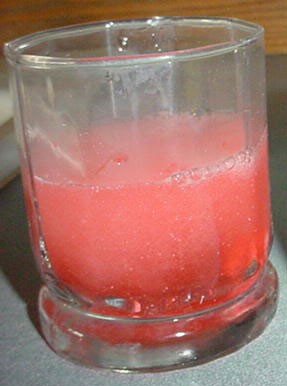
A base is a substance that reacts with an acid. Acid-base reactions are chemical reactions that take place between acids and bases. During these reactions, an exchange of hydrogen ions (hydrogen atoms that have lost their electron and so acquired a positive charge) takes place. The acid loses its hydrogen ion while the base gains it. If the base is also an alkali (a base dissolved in water), neutralization takes place if there are no excess hydrogen ions left over. The product, a salt dissolved in water, is neither acidic nor alkaline. It is electrically neutral, with no charge.
Salts
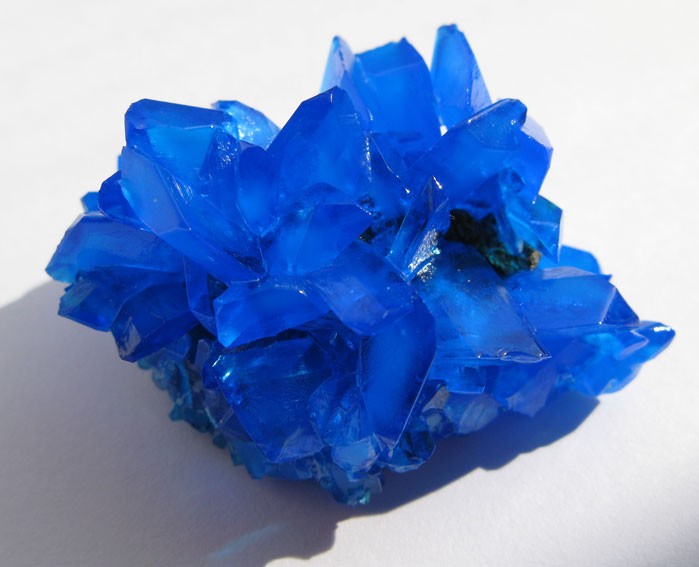
A salt is a compound produced when an acid reacts with a base. The metal part of a salt comes from the base, the non-metal part from the acid. Copper sulphate, for example, comes from a reaction between the base copper oxide and sulphuric acid. All salts will form crystals in the right conditions. Other examples of salts include common salt (sodium chloride), Epsom salts (magnesium sulphate) and limestone (calcium carbonate). Many ores and minerals occurring naturally in the Earth's rocks are salts.
Alkaloids
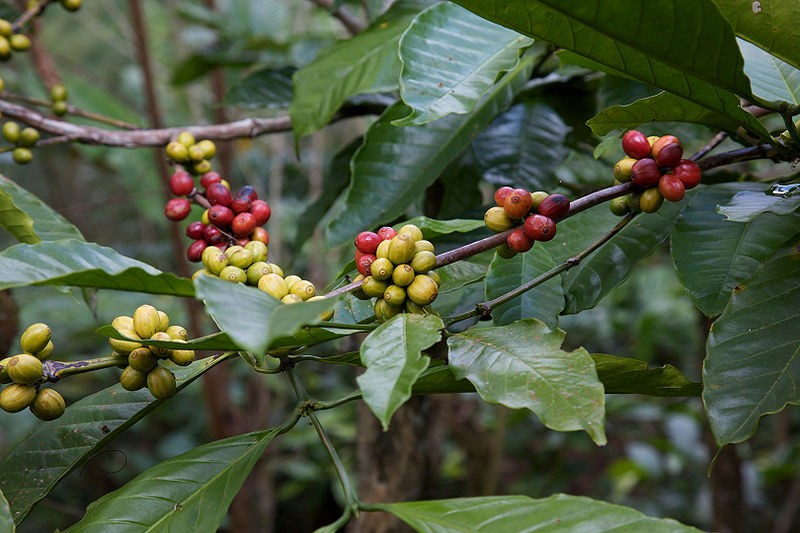
Caffeine is an example of an alkaloid—a natural alkali found in certain plants, including coffee, tea and kola nut. Many plants make alkaloids in their fruits, leaves and stems. These are often poisonous to animals, to prevent the plants from being eaten.
Stomach acids
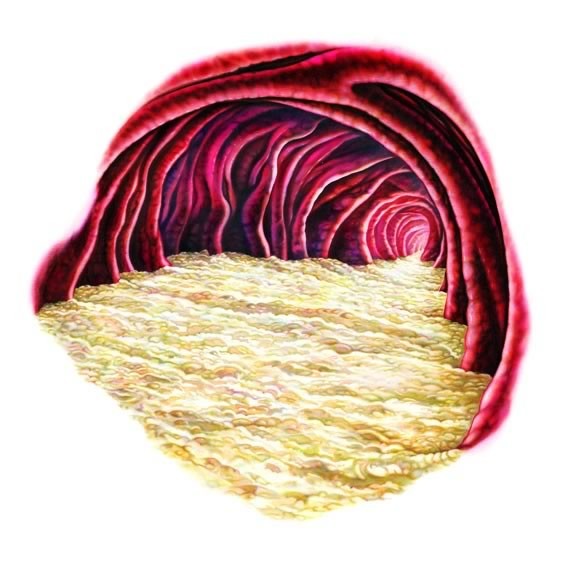
The human body contains a strong acid. This is hydrochloric acid, found in the stomach. It is made in the stomach lining and released when food enters the stomach during a meal. The acid is very corrosive and helps to break down the nutrients in food as part of digestion. It also helps to kill any dangerous microbes (germs) that might be in the food. The stomach lining protects itself from being dissolved by its own acid by making a thick layer of slimy mucus.
Stings
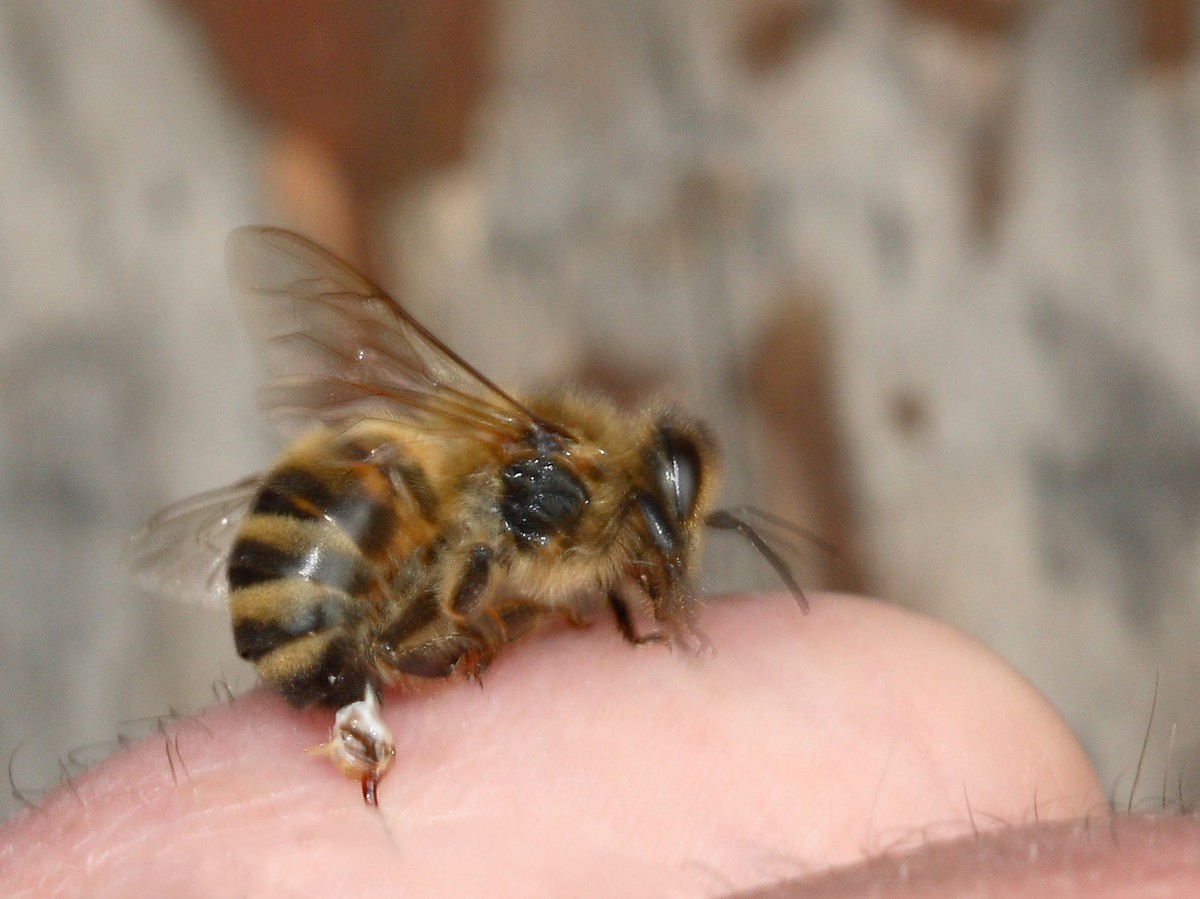
Some animals have bites or stings that inject poisonous acid into prey or enemies. A bee’s sting contains a mix of poisonous substances including acidic apitoxin. The bee leaves its barb and poison sack in the skin. Some people think you can treat a bee sting by rubbing on a weak solution of bicarbonate of soda, an alkali that counteracts the acid. Contrary to popular belief, a wasp sting is neither alkaline nor acidic—it is neutral.
Acid or alkali?
Touching or tasting an unknown liquid to find out if it is an acid or alkali is far too dangerous—even deadly. The usual way is to use an indicator. This is a substance which changes its colour when added to an acid or alkali. One of the best-known indicators is litmus. It can be used as a liquid or on a dry paper strip.
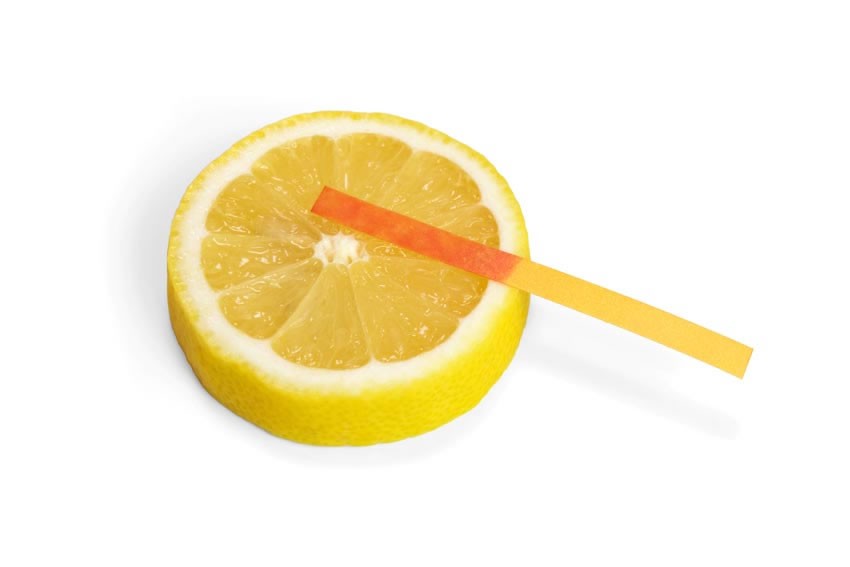
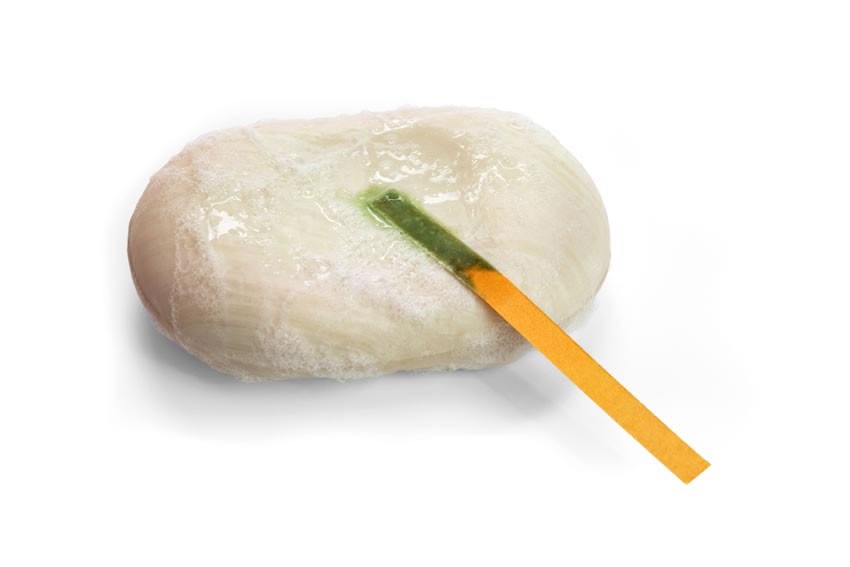
When it is added to an acid the litmus turns red. Added to an alkali it becomes blue or green. If litmus does not change colour then the substance is neither acid or alkali but neutral.
Normal rainwater is a very weak natural acid because it contains tiny amounts of dissolved carbon dioxide, one of the gases in air, which forms carbonic acid. Acid rain from pollution is much stronger.
A numerical measure of the acidity or alkalinity of a solution is called the pH scale. Solutions with a pH of less than 7 are acidic; solutions with a pH greater than 7 are alkaline. Pure water has a pH close to 7.
Agricultural uses
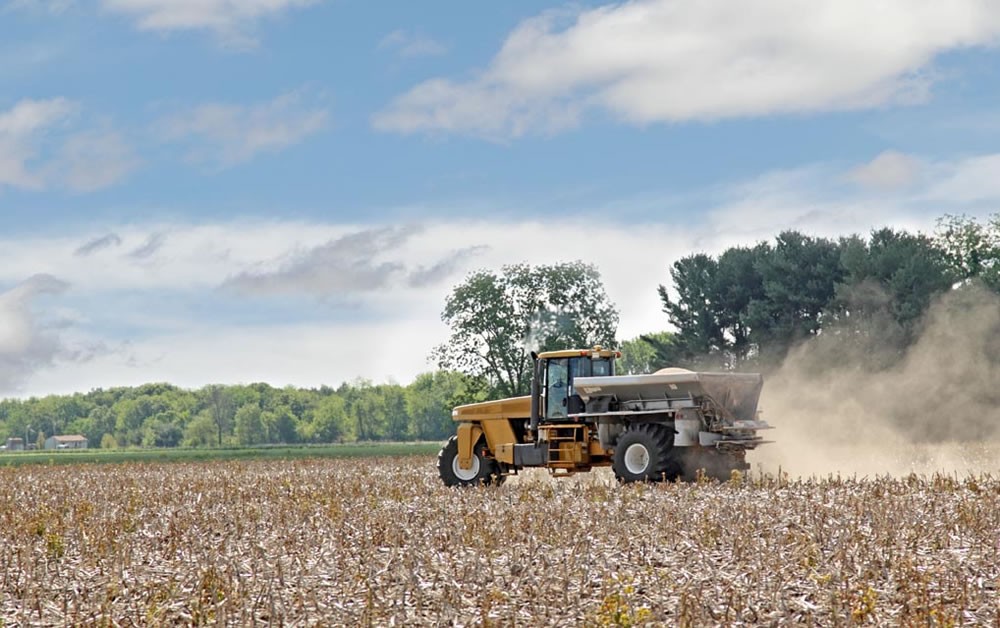
Acids and alkalis are very important in farming. Some soils are naturally slightly acidic, others are slightly alkaline. Each type of plant grows best in a certain type of soil, acidic or neutral or alkaline. To grow a certain plant the soil can be changed using additives. Adding alkaline lime to an acidic soil makes it more neutral.
Industrial uses

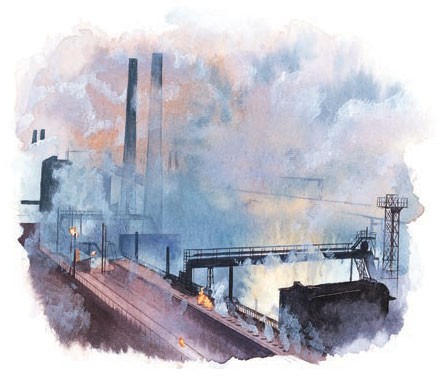
Acids and alkalis are widely used in industry. Millions of tonnes of sulphuric acid are produced every year, not only for vehicle batteries but for processes such as making detergents, explosives, fertilizers and dyes for colouring. Sulphuric acid is also used in the splitting or refining of crude oil (petroleum) to make petrol, diesel, plastics, paints and other petroleum products. Sodium hydroxide (caustic soda) is used in many industries, including the manufacture of paper, textiles and soap, and in the production of aluminium.
Consultant: Nina Notman
pics
Without in any way limiting Q-files Ltd’s exclusive rights under copyright, any use of this publication to “train” generative artificial intelligence (AI) technologies to generate text is expressly prohibited. Q-files Ltd reserves all rights to license use of this work for generative AI training and development of machine learning language models.