
Chemistry

CITE
We have made every effort to follow citation style rules, but there may be some minor differences. If in doubt, please refer to the appropriate citation style manual.
Oxidation and reduction. (2026). In Q-files Encyclopedia, Science, Chemistry. Retrieved from
https://www.q-files.com/science/chemistry/oxidation-and-reduction
"Oxidation and reduction." Science, Chemistry, Q-files Encyclopedia, 10 Mar. 2026.
https://www.q-files.com/science/chemistry/oxidation-and-reduction.
Accessed 21 Sep. 2026.
Oxidation and reduction 2026. Science, Chemistry. Retrieved 21 September 2026, from
https://www.q-files.com/science/chemistry/oxidation-and-reduction
Science, Chemistry, s.v. "Oxidation and reduction," accessed September 21, 2026.
https://www.q-files.com/science/chemistry/oxidation-and-reduction


Oxidation and reduction
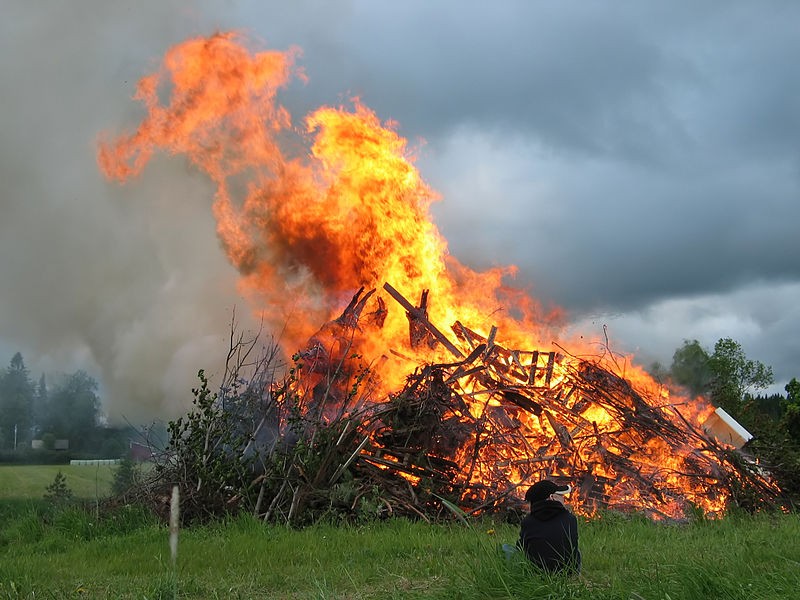
Lighting a fire, iron rusting and even our own breathing are all examples of a kind of chemical reaction called oxidation. Substances that gain oxygen or lose hydrogen atoms are said to be oxidized, while those that lose oxygen or gain hydrogen atoms are said to be reduced. Both always happen at the same time and are called "redox" reactions, a mixture of the two words "reduction" and "oxidation".
Electron transfer
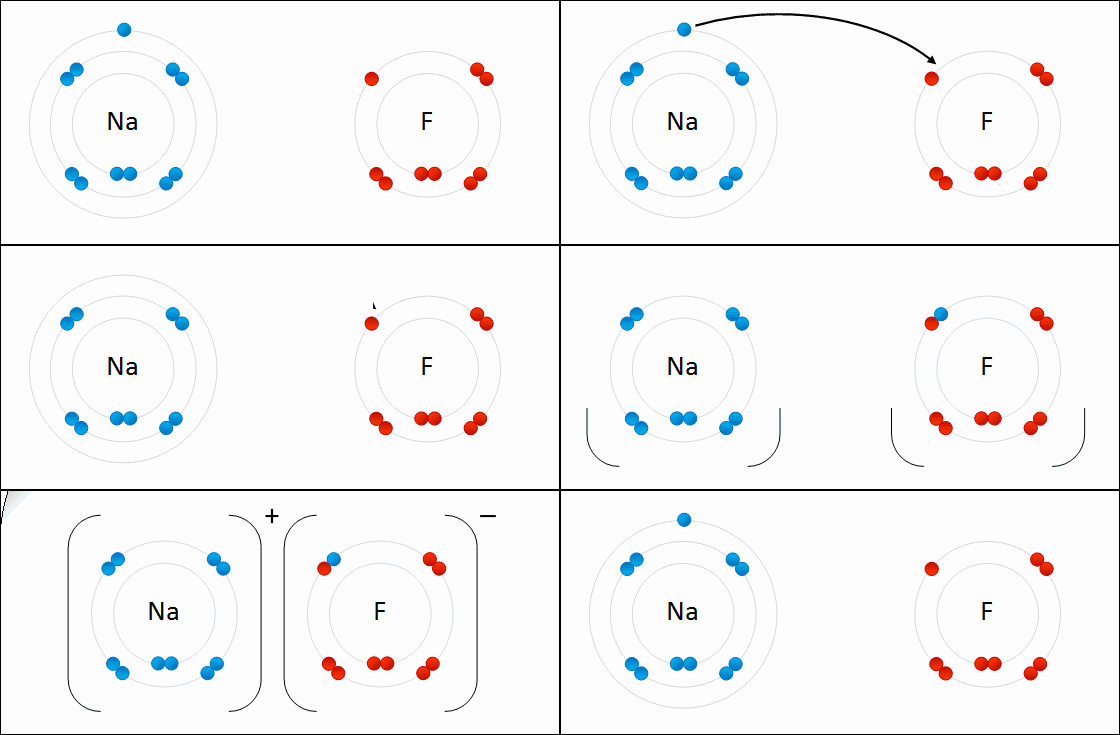
Both oxidation and reduction always involve the movement of electrons from one atom to another. During oxidation, an atom loses electrons; during reduction an atom gains them. In fact, oxidation describes all chemical reactions in which electrons are lost, whether or not oxygen is involved.
Reactions with oxygen
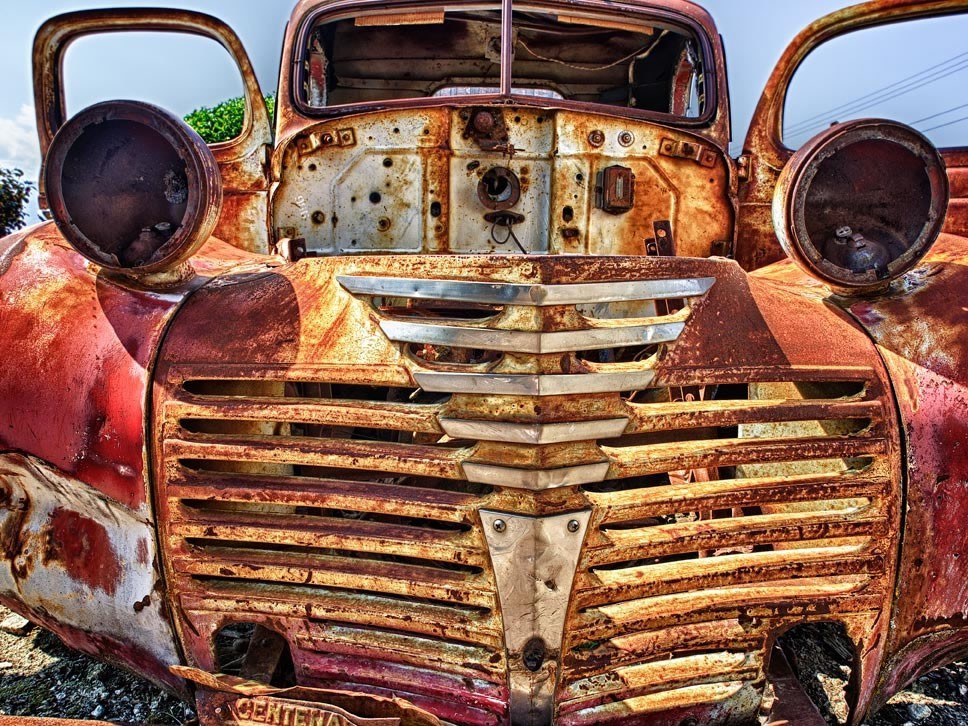
Oxygen is a colourless gas, but it joins up easily with many other elements in chemical reactions to form compounds called oxides. Sometimes this is a slow process. Iron, for example, reacts with oxygen in water to form iron oxide, more commonly known as the rust we see in iron objects left out in damp air over a long period.
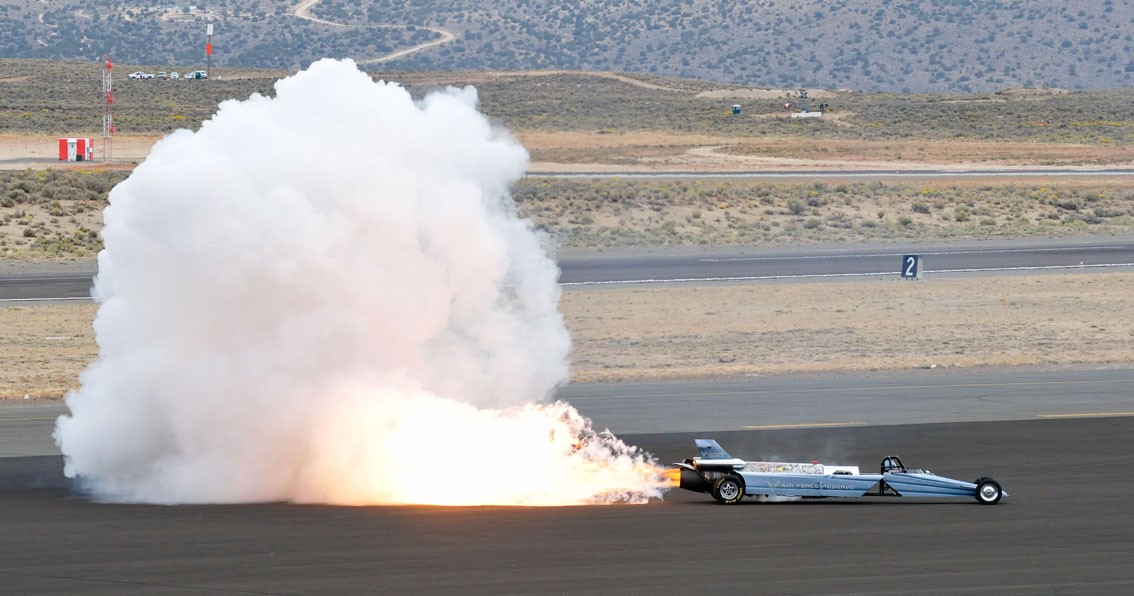
When oxygen joins up with other elements very quickly, a process called combustion, more commonly known as fire, takes place—and flames, light and heat are the result. This kind of chemical reaction takes place in rocket engines, where liquid oxygen and hydrogen are ignited.
Antioxidants
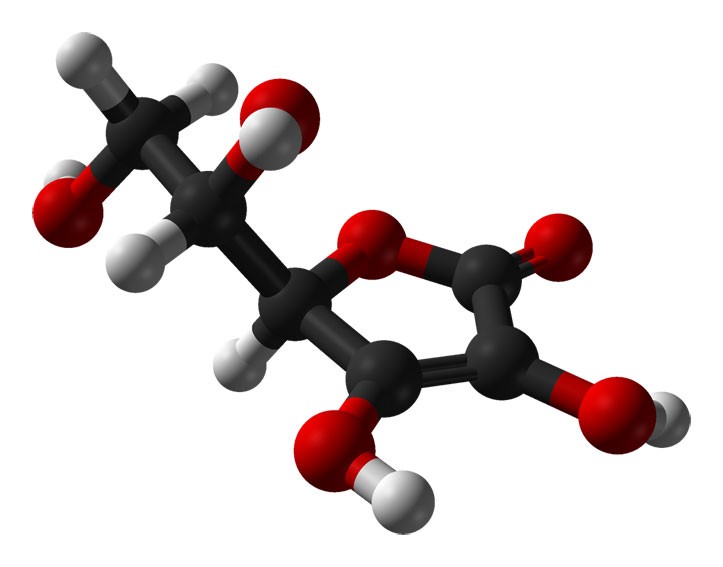
The chemicals in food can react with oxygen in the air—another example of oxidation. This process, which scientists call rancidification, is what makes food "go off"—to get a bad smell or taste. To prevent this from happening, chemicals called antioxidants are added. These react with the oxygen to become oxidized themselves, leaving the food to stay fresh for longer. An example of an antioxidant is ascorbic acid, a form of Vitamin C. Antioxidants are also naturally present in many foods, including fruits and vegetables.
Hydrogenation
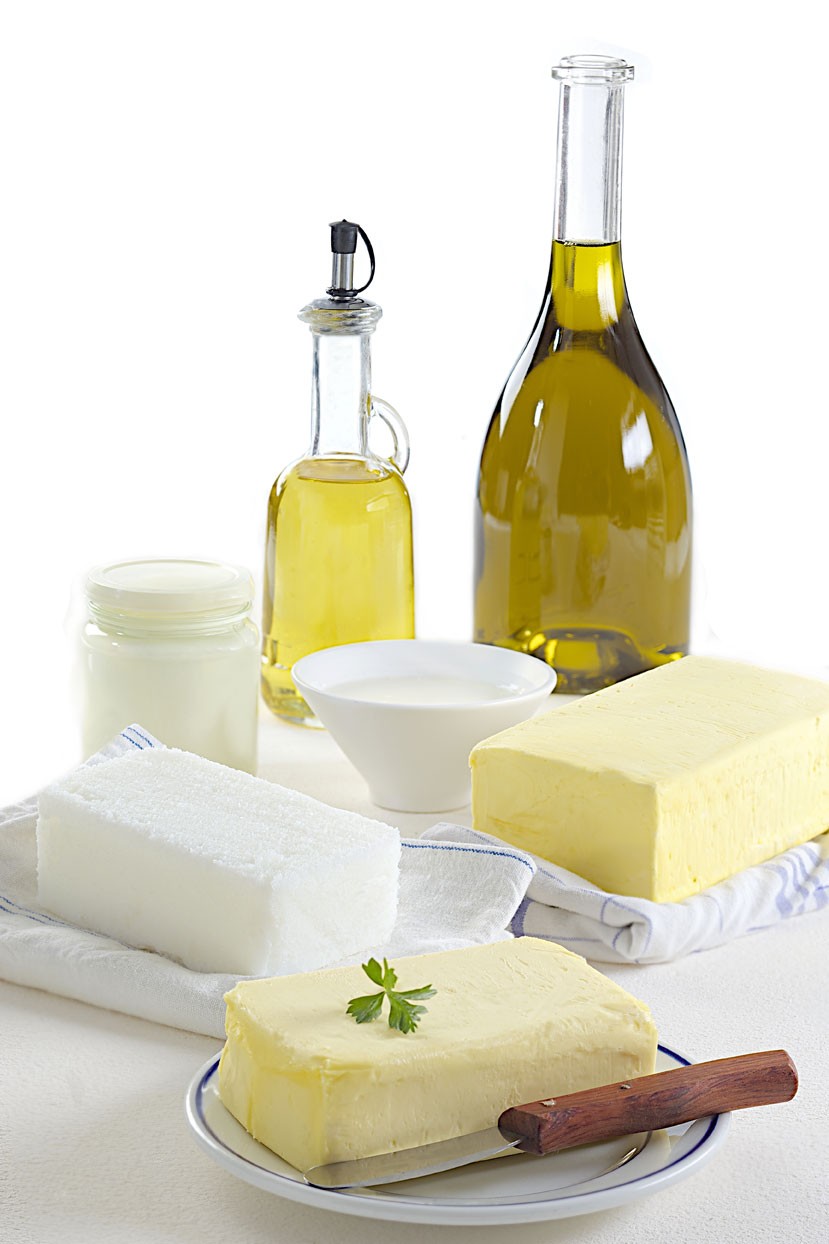
Treating vegetable oils with hydrogen is a type of chemical reaction called hydrogenation. It is commonly done to make a liquid vegetable oil—for example, sunflower oil—into a more solid fat, a spreadable such as margarine.
The addition of hydrogen has the effect of changing the double bonds that previously existed between the carbon atoms to single bonds. This is called saturation. The higher the saturation, the more viscous (thicker) the substance becomes.
Consultant: Nina Notman
pics
Without in any way limiting Q-files Ltd’s exclusive rights under copyright, any use of this publication to “train” generative artificial intelligence (AI) technologies to generate text is expressly prohibited. Q-files Ltd reserves all rights to license use of this work for generative AI training and development of machine learning language models.