
Chemistry

CITE
We have made every effort to follow citation style rules, but there may be some minor differences. If in doubt, please refer to the appropriate citation style manual.
Carbon dioxide. (2026). In Q-files Encyclopedia, Science, Chemistry. Retrieved from
https://www.q-files.com/science/chemistry/carbon-dioxide
"Carbon dioxide." Science, Chemistry, Q-files Encyclopedia, 2 Jun. 2026.
https://www.q-files.com/science/chemistry/carbon-dioxide.
Accessed 21 Sep. 2026.
Carbon dioxide 2026. Science, Chemistry. Retrieved 21 September 2026, from
https://www.q-files.com/science/chemistry/carbon-dioxide
Science, Chemistry, s.v. "Carbon dioxide," accessed September 21, 2026.
https://www.q-files.com/science/chemistry/carbon-dioxide


Carbon dioxide
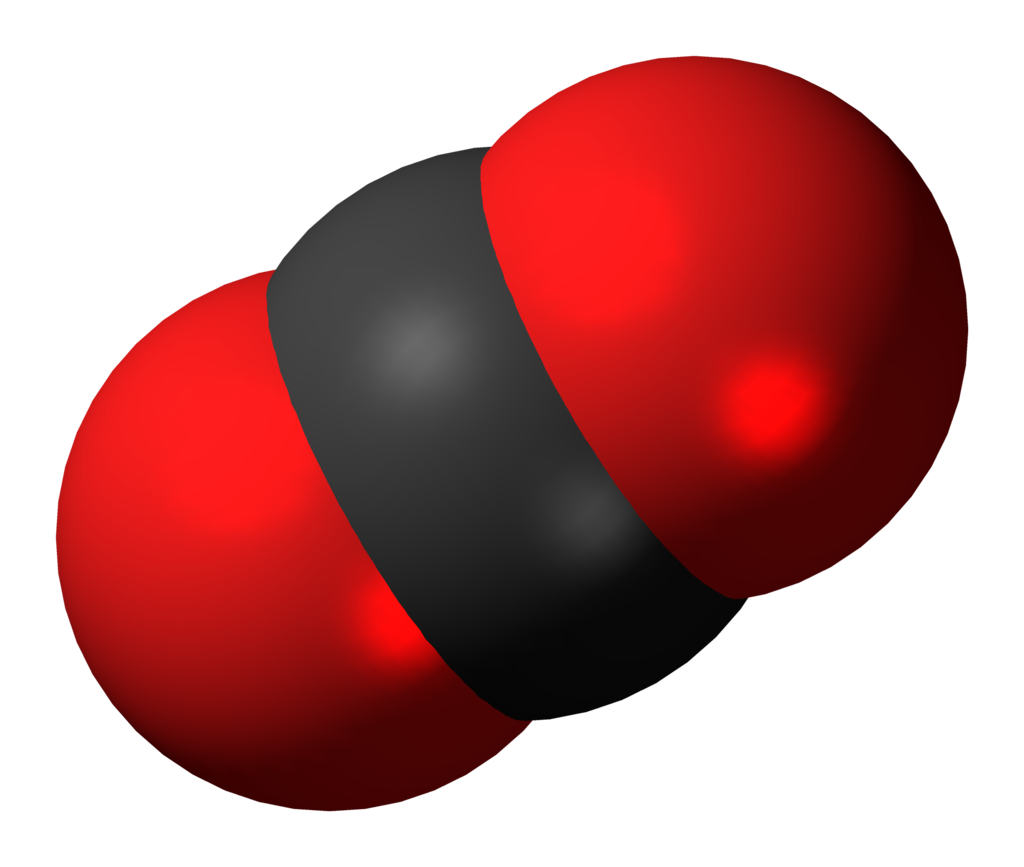
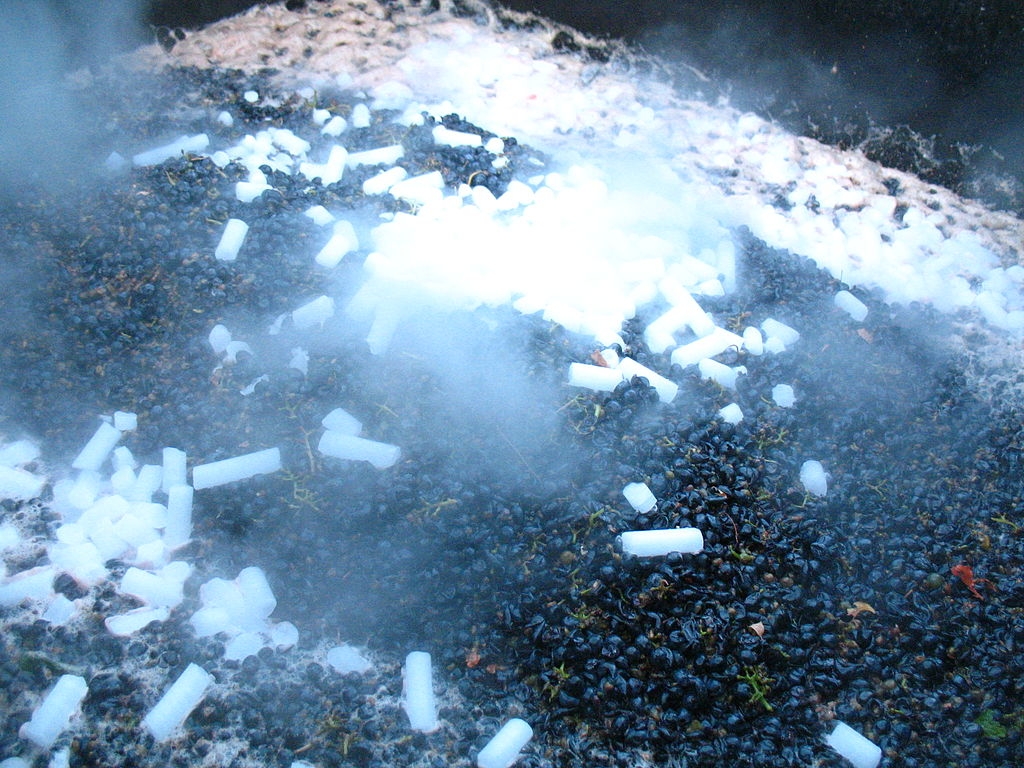
Carbon dioxide (chemical formula CO2) is a colourless gas. It consists of a carbon atom covalently bonded to two oxygen atoms. It is about 60% denser than air. CO2 is soluble in water, in which it forms carbonic acid (H2CO3), a weak acid. At low temperatures (below -78.5°C, or -109.3°F) it turns directly into a solid, commonly called dry ice. This turns back into a gas, in a process called sublimation, at temperatures higher than -78.5°C. CO2 occurs naturally in the Earth's atmosphere in tiny quantities, but these are rising rapidly.
Sources
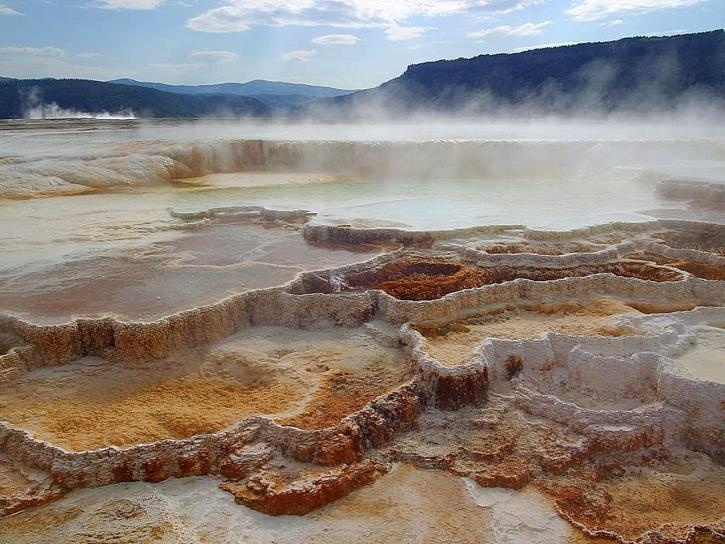
Natural sources of CO2 include volcanoes, geysers and hot springs. CO2 also occurs naturally dissolved in water. It is also present in oil and natural gas, and it can be formed from carbonate rocks such as chalk and limestone when the rocks are dissolved in water.
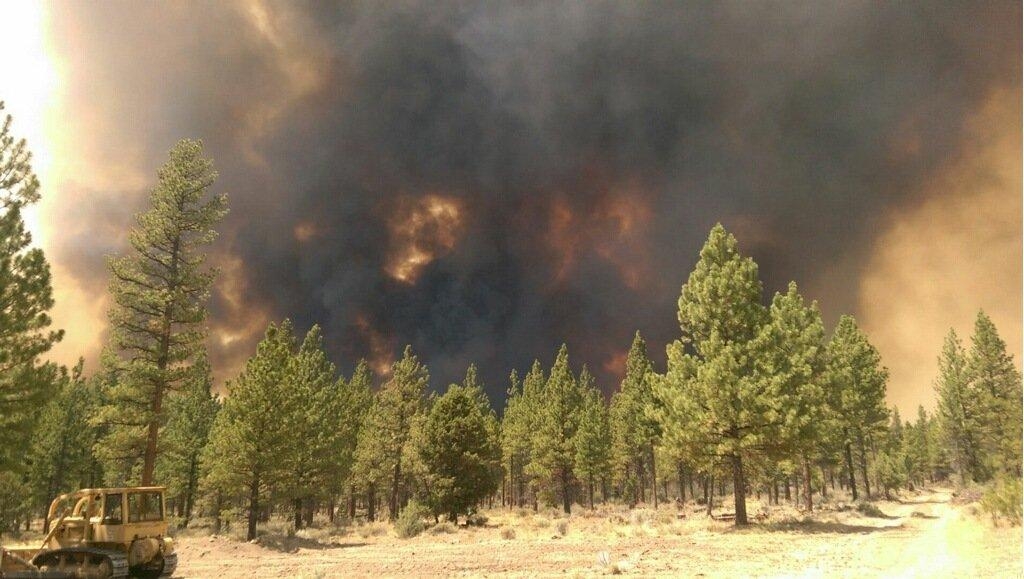
CO2 is produced by all living things when they convert nutrients in the food they take in into energy through respiration and is returned either to the air or, in the case of aquatic animals that use gills to breathe, the water. CO2 is also naturally produced during the process of decay of organic materials. CO2 is the product of combustion of wood and fossil fuels such as coal, oil and natural gas (which consists mostly of methane).
Carbon cycle
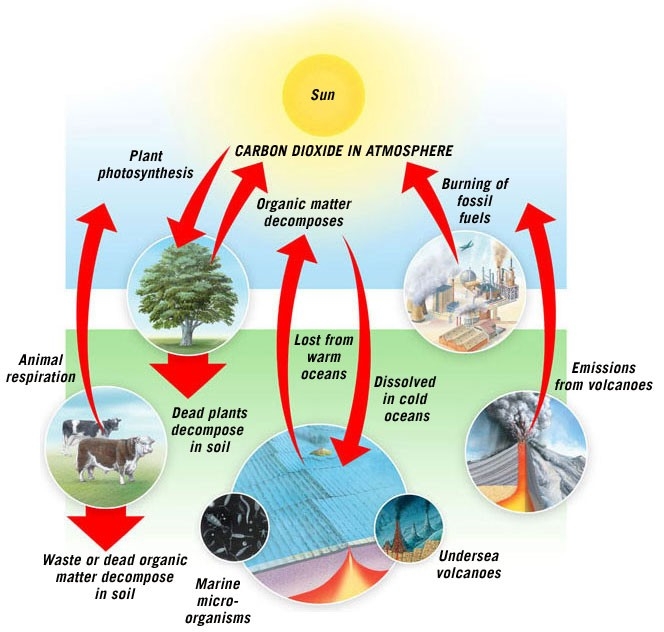
CO2 is taken in by plants, including algae, during photosynthesis, by which it is converted to the sugars that the plants need to survive and grow. Oxygen is released as a waste product. The plants are, in turn, eaten by animals, which release CO2 into the atmosphere as they breathe. Meanwhile, through their droppings—or their decomposing carcasses when they die—carbon is released into the soil. From here, it is given off back into the air as CO2. This is one of the ways carbon circulates between the Earth's surface and the atmosphere, a process called the carbon cycle. The above diagram shows other ways in which CO2 travels between the land, oceans and the air.
Greenhouse gas
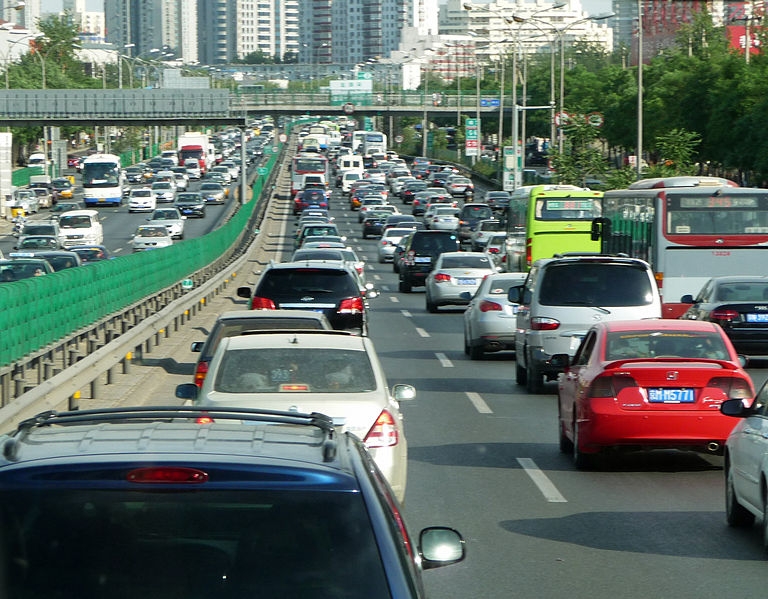
Like methane and water vapour, CO2 is a greenhouse gas: it traps part of the Sun's heat from being radiated back into space, warming the Earth's surface. Since the Industrial Revolution, both the burning of fossil fuels and large-scale deforestation (resulting in fewer plants to take in CO2 from the air) have rapidly increased the concentration of CO2 in the atmosphere. Current levels are about 0.04% or 428.5 parts per million (ppm) by volume (as of January 2026), having risen from levels of 280 ppm before industrialization began.
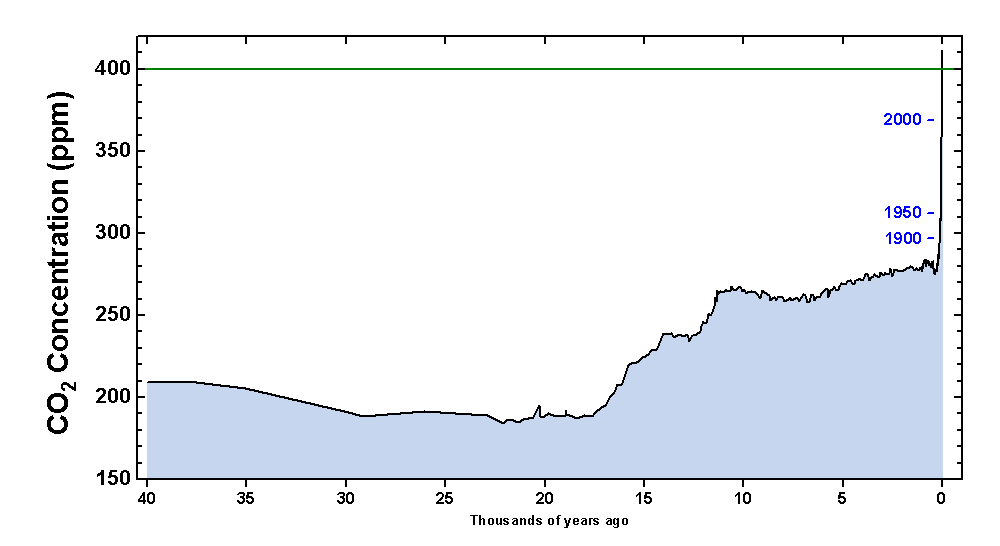
Rising levels of CO2 in the atmosphere contribute to global warming—by only a few degrees, but already sufficient to melt glaciers, parts of the polar ice-caps and disturb climatic patterns. Excess CO2 also causes the increased acidification of ocean waters, threatening wildlife and the continued survival of coral reefs.
Carbon sinks
Plants on both land and in the sea (plankton) absorb (take in) CO2 as part of their natural cycle. CO2 is also dissolved in the ocean waters. Oceans absorb more than a quarter of the CO2 that is added to the air by human activity. Both vegetation and oceans act as what are called carbon sinks. Dense concentrations of trees, such as rainforests, are particularly effective carbon sinks. Soil is also an important carbon sink: it contains more carbon than all vegetation and the atmosphere combined. The process by which carbon sinks remove CO2 from the atmosphere is known as carbon sequestration.
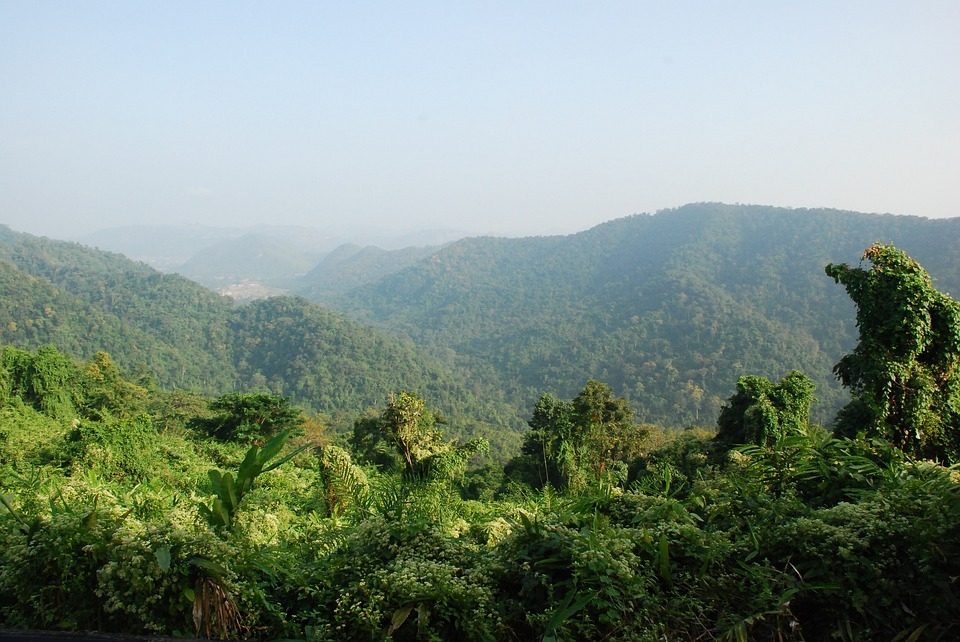
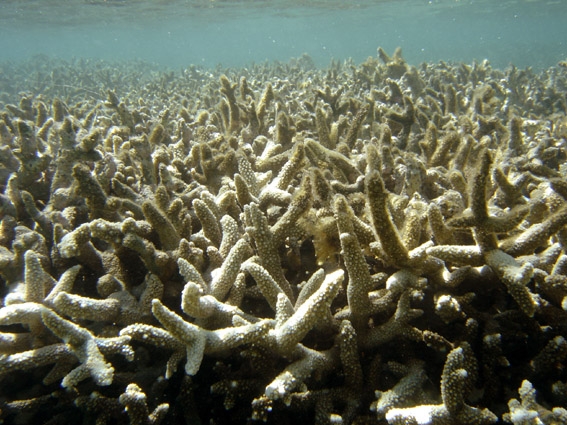
Deforestation—cutting down trees and not replacing them—diminishes the carbon sinks. It also speeds up the rate at which the organic matter in the soil turns to CO2. While the oceans continue to absorb CO2 from the air, this causes acidification, with harmful consequences for marine life and coral reefs, such as coral bleaching.
Uses
CO2 is used as a gas in welding and fire extinguishers. It is added to drinking water and carbonated drinks to add effervescence (fizziness), and is formed when some leavening agents, such as baking soda, break down. These agents cause dough and cake mixtures to rise. The frozen solid form of CO2, dry ice, is used as a refrigerant and as an abrasive in blast cleaning.

Consultant: Mike Goldsmith
pics
Without in any way limiting Q-files Ltd’s exclusive rights under copyright, any use of this publication to “train” generative artificial intelligence (AI) technologies to generate text is expressly prohibited. Q-files Ltd reserves all rights to license use of this work for generative AI training and development of machine learning language models.