
Environment

CITE
We have made every effort to follow citation style rules, but there may be some minor differences. If in doubt, please refer to the appropriate citation style manual.
Global warming. (2026). In Q-files Encyclopedia, Geography, Environment. Retrieved from
https://www.q-files.com/geography/environment/global-warming
"Global warming." Geography, Environment, Q-files Encyclopedia, 1 May. 2026.
https://www.q-files.com/geography/environment/global-warming.
Accessed 7 Aug. 2026.
Global warming 2026. Geography, Environment. Retrieved 7 August 2026, from
https://www.q-files.com/geography/environment/global-warming
Geography, Environment, s.v. "Global warming," accessed August 7, 2026.
https://www.q-files.com/geography/environment/global-warming


Global warming
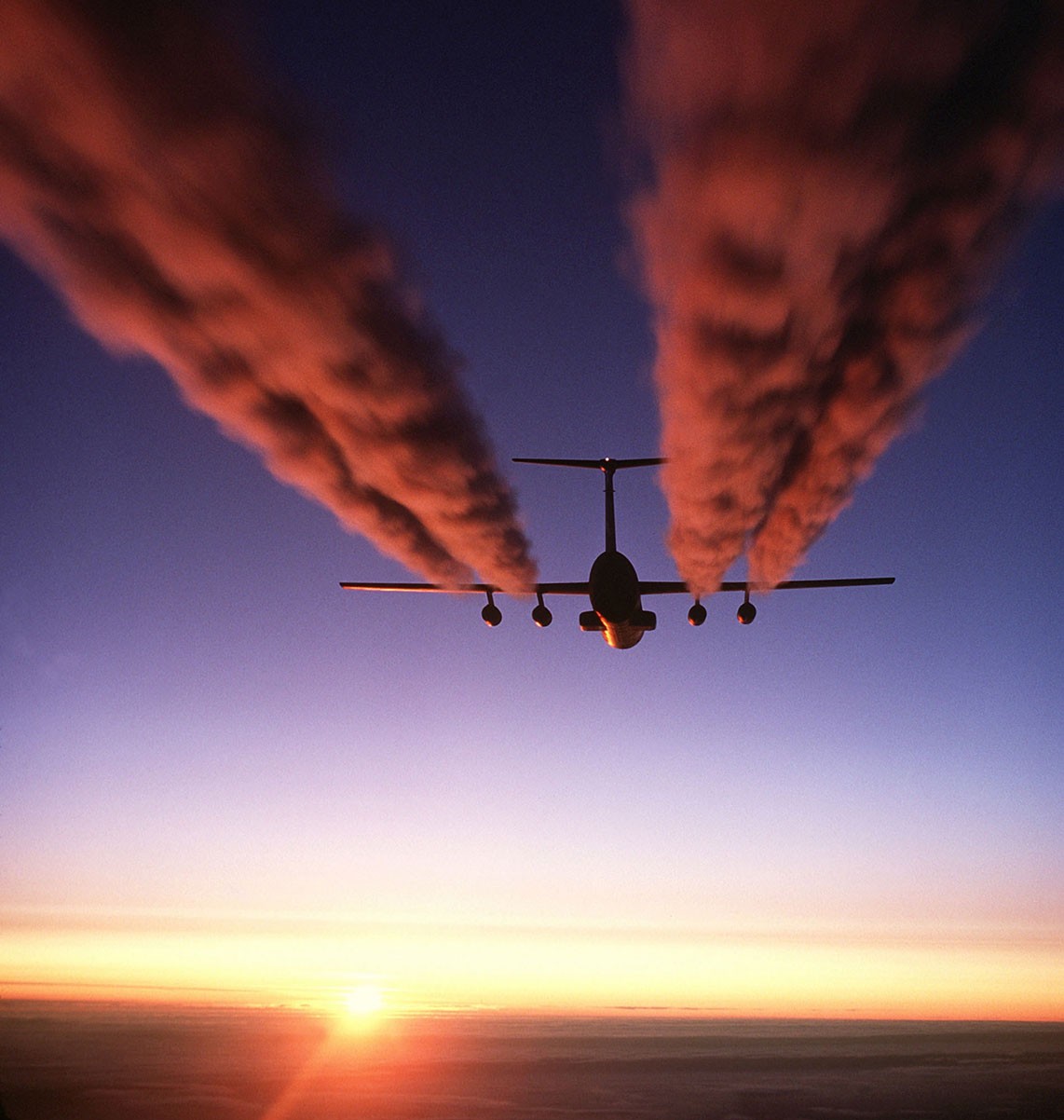
The Earth is becoming warmer. The average temperature has risen by more than 0.5°C in the past century and is predicted to rise by 2°C by 2050—although this figure is far from certain. The effects may be felt by more frequent droughts or floods, violent storms and changing climates. Glaciers are retreating (shrinking). The ice sheets of Antarctica and Greenland may start to melt, resulting in rising sea levels and the flooding of coastal regions where most cities are located. The acidification of the oceans, the extinction of many animal species (already threatened by the destruction of their natural habitats) and the steep decline in crop yields are among the other disastrous possible effects of global warming. Most scientists are convinced that human activities—industries, power stations, cars and planes—has contributed to a huge increase in what are known as greenhouse gases (including carbon dioxide and methane) in the atmosphere, causing global warming.
Updated 9th January 2026


Greenhouse effect
The Sun’s rays warm the surface of the Earth. The surface then reflects this radiation back into space. Some gases in the atmosphere, such as carbon dioxide (CO2) and methane, trap part of this outgoing radiation, keeping the surface warm—just like a greenhouse. But an excessive amount of these greenhouse gases warms up the Earth too much. Human activities have resulted in a large increase of greenhouse gases, especially carbon dioxide, in the atmosphere. Vehicles and power stations give off exhaust gases from burning oil or coal (“fossil fuels”). These add billions of tonnes of carbon dioxide to the atmosphere.

Carbon dioxide
Carbon dioxide is naturally present in the atmosphere (it, is for example, given off by animals when they breathe, or in erupting volcanoes). Plants on both land and in the sea will usually absorb (take in) carbon dioxide as part of their natural cycle—although the destruction of forests around the world means there are fewer plants to absorb the gas. Carbon dioxide is also dissolved in the ocean waters. But overall, the global balance of the carbon cycle has now, in our modern, human-dominated world, become upset, leading to much higher levels of carbon dioxide in the atmosphere.


Methane
Naturally-occurring methane, the main ingredient of natural gas, is found both below ground and under the ocean floor. It is also produced by the decomposition of organic matter by micro-organisms known as archaea. Wetlands are the major natural source of methane produced in this way. Archaea also play a role in the digestive process of animals that eat plants, including both termites and ruminants (cattle, deer, sheep etc.). Because cattle and sheep are major producers of methane through their burping, breaking wind and manure, livestock farming is responsible for an increase in methane in the atmosphere. Flooded rice fields, where archaea accumulate on decaying plants in the waterlogged soil, are also sources of methane. Landfill gas, around 50% of which is made up of methane, is created by the decomposition of waste in landfill sites.
Although the presence of methane in the atmosphere is tiny (around 1.8 parts per million), it is a very effective absorber of heat, estimated to be more than 80 times as powerful as carbon dioxide up to 20 years after its release into the atmosphere. Methane accounts for about 25% of the heating effects of all of the greenhouse gases combined.

Emissions at record highs


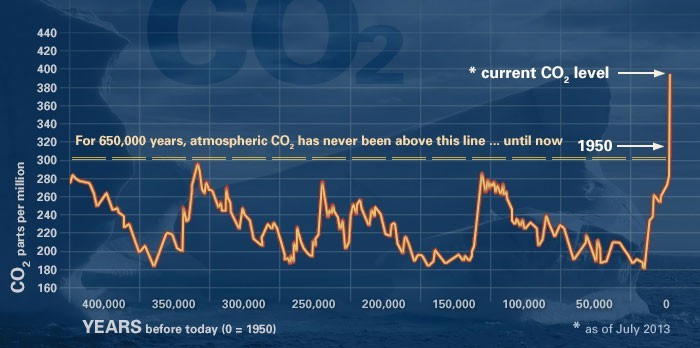
According to the US National Oceanic and Atmospheric Administration, carbon dioxide levels hit 418.32 parts per million (ppm) in 2020, a record high. It represents an increase of 9 ppm since 2016. Apart from a slight levelling off in 2018, levels of CO2 have leapt by at least 2 ppm every year since 2012. As of 4th January 2026, the level stands at 428.5 ppm. This rate of growth has never been experienced before.
As a consequence of burning fossil fuels (chiefly coal, oil and gas) on a large scale, global carbon dioxide levels are now 143% higher than they were before the Industrial Revolution. At the same time, methane levels have reached a new high of around 1912 parts per billion in 2022 (about 60% of methane emissions come from human activities such as cattle breeding, rice farming and the extraction of fossil fuels).
Rising temperatures

This animation shows changing global average surface temperatures between 1884 and 2014. (Click on the play button to view the changing pattern through the years.) White indicates areas recording average levels for the year. Blue indicates areas that are cooler than average, while yellows, oranges and reds indicate areas that are warmer than average. Dark red shows areas that record the highest above-average temperatures.
Warmest years on record
The years 2015 to 2024 were the ten warmest years on record globally. The average global temperature in 2022 was about 1.15°C above pre-industrial (1850-1900) levels and 2022 was the eighth consecutive year that annual global temperatures have reached at least 1°C above pre-industrial levels. The 1°C mark was broken in 2015 not only because of the rise in carbon emissions, but also because of the impact of El Niño, the unusually warm ocean current that appears roughly every seven years off the Pacific coast of South America. The 2020 level, however, was reached despite the La Niña of that year, which actually has a cooling effect.


In January 2024, scientists at the EU’s Copernicus Climate Change Service (CCCS) confirmed that 2023 was the hottest year on record, smashing the previous record by a huge margin. The planet was 1.48°C warmer than pre-industrial levels and 0.17°C higher than in 2016, the previous record.
The record lasted only a year, however. The average temperature in 2024 had now reached 1.6°C above pre-industrial levels.
The Paris Agreement target of 1.5°C (see below) is measured over a decade or two, so a single year above it does not mean the target has been missed. However, there is now an extremely high likelihood that that will happen.
Hottest day in history: 22nd July 2024
Ground temperatures across large parts of the ice sheets of Antarctica soared by an average of 10°C above normal during July 2024. On some days, temperatures climbed to an astonishing 28°C above expected levels. Antarctica’s heatwave has been one of the main contributors to the sudden rise in global temperatures in June and July 2024, culminating in the hottest day in human history. On 22nd July, the daily global average temperature reached a new record high of 17.16°C. This exceeds the previous records of 17.09°C, set just one day earlier, on 21st July, and, before that, 17.08°C, set a year earlier on 6th July 2023.


There has been a marked difference between temperatures since July 2023 and every previous year. Before then, the record was 16.8°C, set on 13th August 2016. But between 3rd July 2023 and 23rd July 2024, 16.8°C was exceeded on 59 days.
The increased July temperatures are the probable result of a particularly strong El Niño combined with the increase in global temperatures caused by emissions of greenhouse gases.
Effects on the oceans

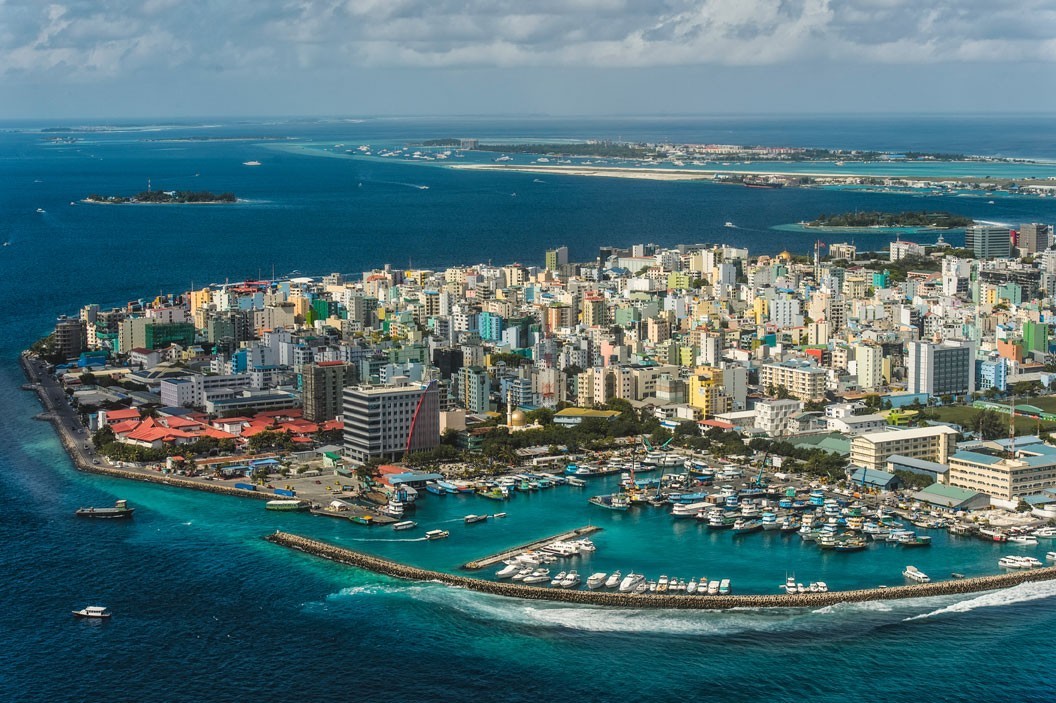
Global warming may have an enormous effect on the oceans in future years. Average temperatures worldwide have risen sharply over the last 100 years. Many mountain glaciers have already melted significantly, while the ice sheets of Greenland and Antarctica have also thinned, with much more loss likely in the near future. As a result of this melting, even just a small increase in global sea levels may result in many coastal cities being flooded. New York, Miami, New Orleans, Mumbai, Guangzhou, Nagoya and Osaka are among those at greatest risk. Some low-lying islands, especially coral atolls in the Indian Ocean (the Maldives, for example) and South Pacific (Tuvalu, for example), may completely disappear beneath the waves. Ocean currents may also shift direction and, as a result, world climates may change.
Reducing emissions
At what came to be known as the Earth Summit in 1992, nearly all nations signed the United Nations Convention on Climate Change (UNFCCC). Under the Kyoto Protocol of 1997, which went into force in 2005, industrialized nations pledged to cut their emissions of greenhouse gases by an average of 5.2% per year by 2012. Although this was ratified (approved) by all nations—with the exception of the United States—global carbon emissions actually rose by nearly 40% from 1990 to 2009. The contributions made by the two largest emitters of all, China and the US, were mostly responsible. With this trend likely to continue, scientists and most world leaders have come to the conclusion that the world is facing a climate emergency.
A limit to global warming?
On 12th December 2015, the 195 countries participating in the 2015 United Nations Climate Change Conference (Cop21) announced the Paris Agreement. In this, they agreed to reduce their carbon emissions "as soon as possible" and do their best to keep global warming to “well below” 2°C, compared to pre-industrial levels (a time before people started to burn fossil fuels on a large scale). It was also announced that nations would also "pursue efforts to" limit the increase to a lower level—that is, 1.5°C. Many scientists say that 2°C is the upper limit required to avoid catastrophic global warming. A 1.5°C goal would require carbon emissions to fall to net zero by 2050.

Cop26

On 13th November 2021, the 197 countries participating in Cop26 agreed a new deal, known as the Glasgow Climate Pact. This "reaffirmed" the Paris Agreement goals. It recognized these would require reducing CO2 emissions by 45% by 2030 relative to the 2010 level, and to net zero around 2050. The agreement referred to the intention to "phase down" the use of coal for burning in power stations. Over 140 countries pledged to reach net zero emissions and more than 100 countries—including Brazil, home of much of the Amazon rainforest—pledged to reverse deforestation by 2030.
In recognition that tackling methane emissions would have a huge impact on whether the world manages to keep the global temperature rise below 1.5°C, more than 100 countries also agreed to cut global methane emissions by 30% by 2030 compared with 2020 levels.
Fears for the future
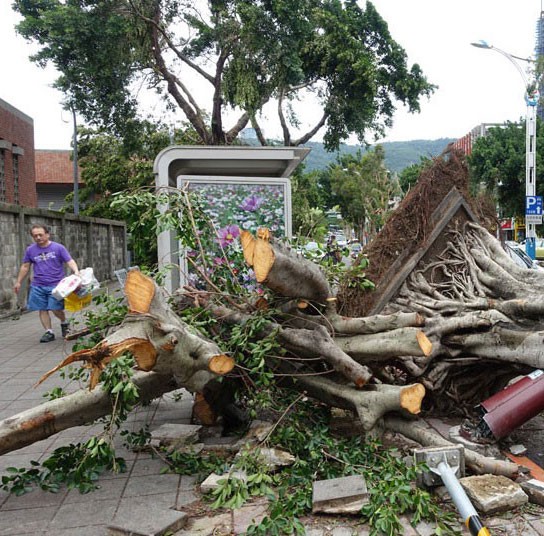
Climate change is already transforming the Earth by melting polar sea ice, intensifying heatwaves, worsening wildfires, warming the ocean (causing oxygen levels in it to fall) and acidifying it too. Future effects could include the flooding of coastal cities and low-lying islands, drastically reducing crop yields, lowering the supply of drinking water, and causing the spread of diseases and the extinction of species. Bill Hare, head of the Berlin-based Climate Analytics research group, said in 2015: ”We're already seeing large impacts all around the world: a third global coral reef bleaching event, the triggering of irreversible loss of ice from the West Antarctic ice sheet and extraordinary storms and heatwaves. World leaders need to see this as a massive wake-up call."
Consultant: Ian Fairchild
pics

Without in any way limiting Q-files Ltd’s exclusive rights under copyright, any use of this publication to “train” generative artificial intelligence (AI) technologies to generate text is expressly prohibited. Q-files Ltd reserves all rights to license use of this work for generative AI training and development of machine learning language models.