
Farming

CITE
We have made every effort to follow citation style rules, but there may be some minor differences. If in doubt, please refer to the appropriate citation style manual.
Arable farming. (2026). In Q-files Encyclopedia, Geography, Farming. Retrieved from
https://www.q-files.com/geography/farming/arable-farming
"Arable farming." Geography, Farming, Q-files Encyclopedia, 5 May. 2026.
https://www.q-files.com/geography/farming/arable-farming.
Accessed 2 Sep. 2026.
Arable farming 2026. Geography, Farming. Retrieved 2 September 2026, from
https://www.q-files.com/geography/farming/arable-farming
Geography, Farming, s.v. "Arable farming," accessed September 2, 2026.
https://www.q-files.com/geography/farming/arable-farming


Arable farming
People first started to grow crops about 11,500 years ago. They discovered that certain wild plants, which produced seeds that were ground for flour to make bread, could be made to grow in fields. Crop, or arable, farming had begun. Today, huge swathes of land that were once natural grasslands or woodlands are under cultivation. Finding new land to farm is sometimes so important that tropical rainforest, desert and wetlands are turned into farmland. Even land under the sea has been claimed to find more room for crops.

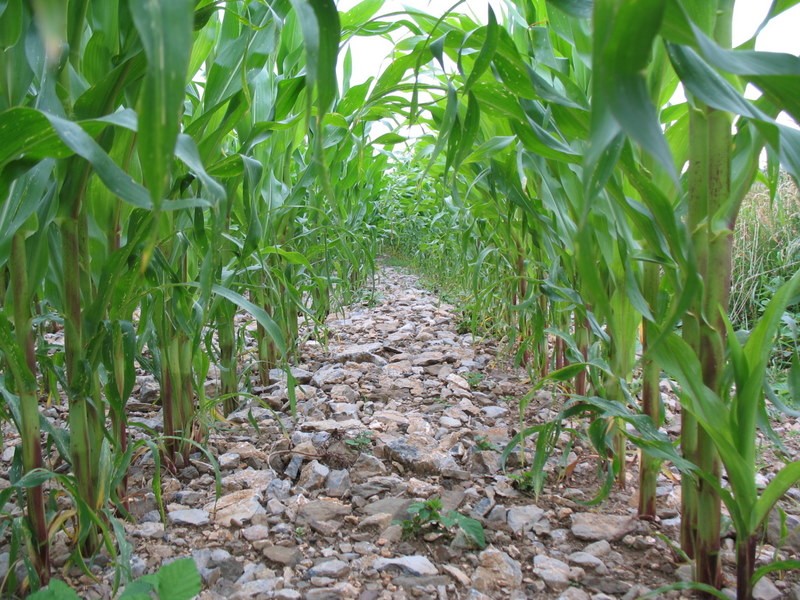
Intensive farming
In developed countries, intensive arable farming is practised: farmers use modern machines and methods to produce better crop yields—more grain from a certain size of field. This includes mechanical ploughing and planting, along with the use of chemical fertilizers and pesticides, and irrigation where rainfall is inadequate. Breeding new crops in the laboratory, often involving genetic engineering to produce types that are, for example, more resistant to pests or tolerant of drought, also improves yields.
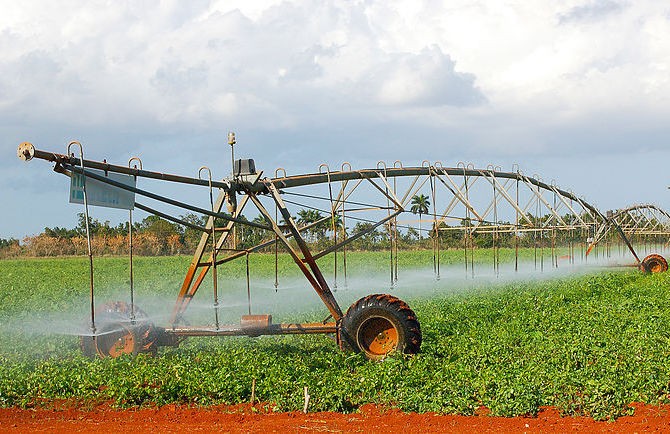
Sustainable agriculture
Most of the food available in supermarkets is produced by intensive agricultural methods. But the use of agrochemicals—pesticides, fertilizers and growth hormones—is raising serious concerns about the effects on the environment, on public health and on the deterioration of agricultural land. Organic farmers use natural fertilizers, such as manure or peat, and avoid the use of pesticides. But these practises often result in lower yields and more expensive food. Is it possible to have a sustainable form of intensive farming, one in which the harmful consequences are avoided, while still achieving high yields?
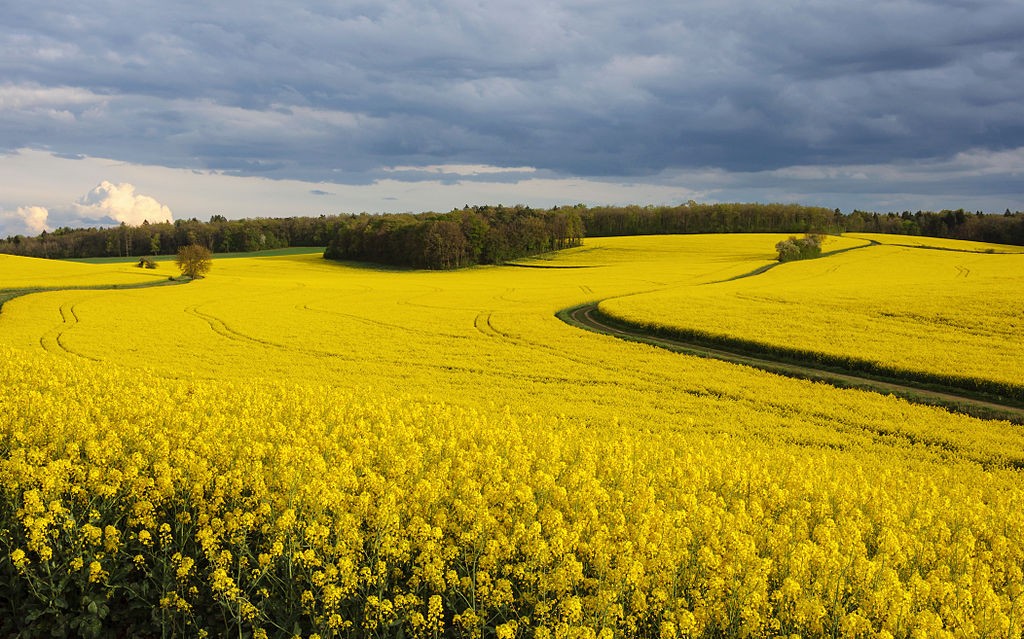
One sustainable technique that is already widely used is crop rotation, the practice of growing a different crop in the same fields from one season to the next. Rotation avoids the build-up of disease-causing microbes and pests that occurs when one type of crop is grown continuously in the same place. It also helps to maintain levels of soil nutrients. Legumes (such as alfalfa, clover, peas and beans) are good rotation crops: they collect and storing nitrogen for future crops and also serve as a “green manure”, releasing valuable nutrients.
An arable farmer's year
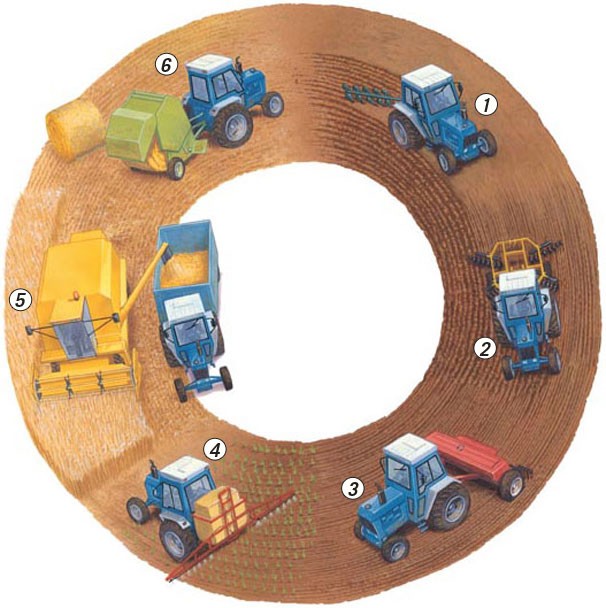
First, the farmer uses a plough to turn over the soil (1). The farmer then pulls a harrow over the land to smooth it out (2). A seed-drill plants the seeds and covers them over at the same time (3). The growing crop is sprayed with chemicals to protect it from pests (4). Some farmers consider this to be harmful to the environment and do not spray the crop.
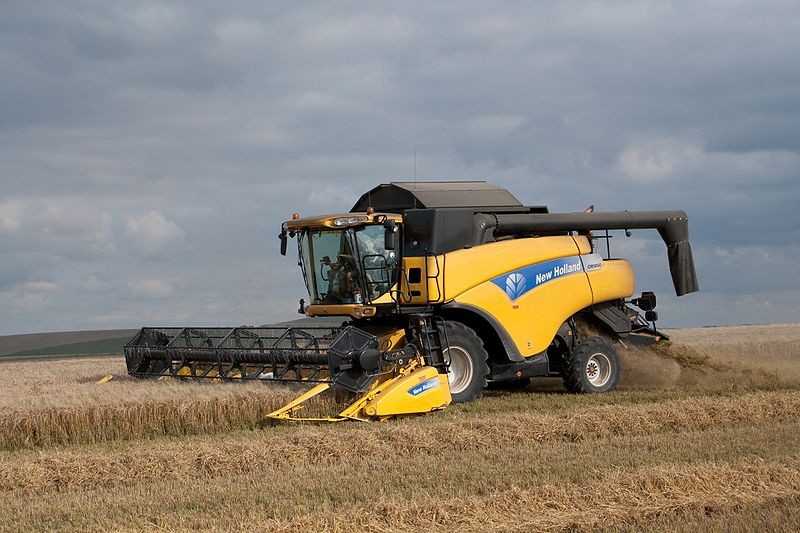
A combine harvester (or, simply, combine) is a huge machine that combines all the jobs of turning a cereal crop into grain (5). With its wide front wheel it gathers and cuts the stalks. It then separates the grain from the stalks. The grain is emptied into a trailer. The stalks are dropped from the back of the combine and rolled into bales of straw by balers (6).
Permanent crops
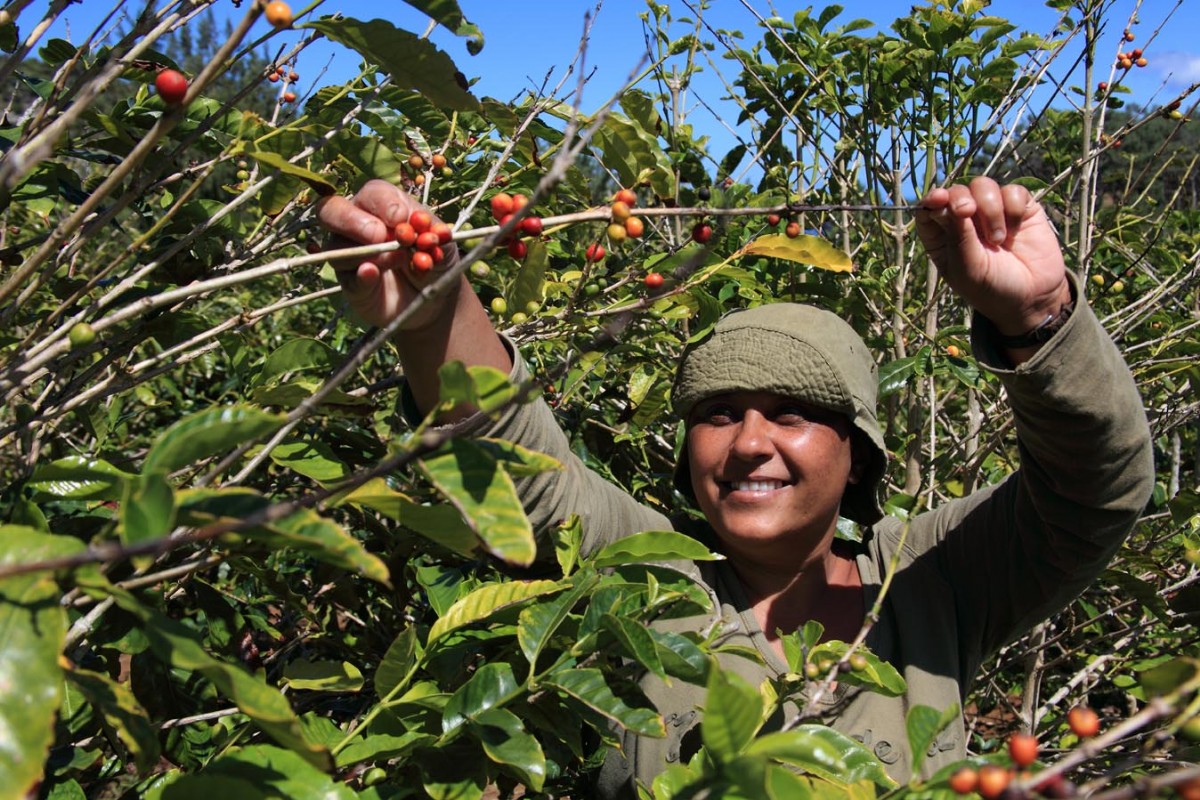
Permanent crops are plants that occupy the land for a number of years and are not replanted after each harvest, unlike arable crops, such as sugar cane. Fruit (which grows on shrubs and trees) and crops such as coffee (which comes from the hard beans contained inside berries from small trees cultivated in tropical countries) are permanent crops.
Key arable crops
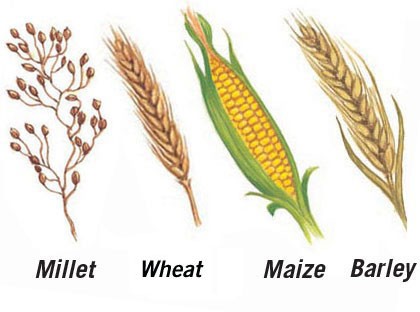
The most important crops are the cereals: wheat, rice, maize, barley, rye, sorghum and millet. These provide many people with their basic source of food, their staple diet. Other staples include beans, peas and lentils. Rich in vitamins and carbohydrates, vegetables are essential crops. Among the most widely eaten vegetables is cassava root, a staple food in the tropics. Tapioca and bread can also be made from it.
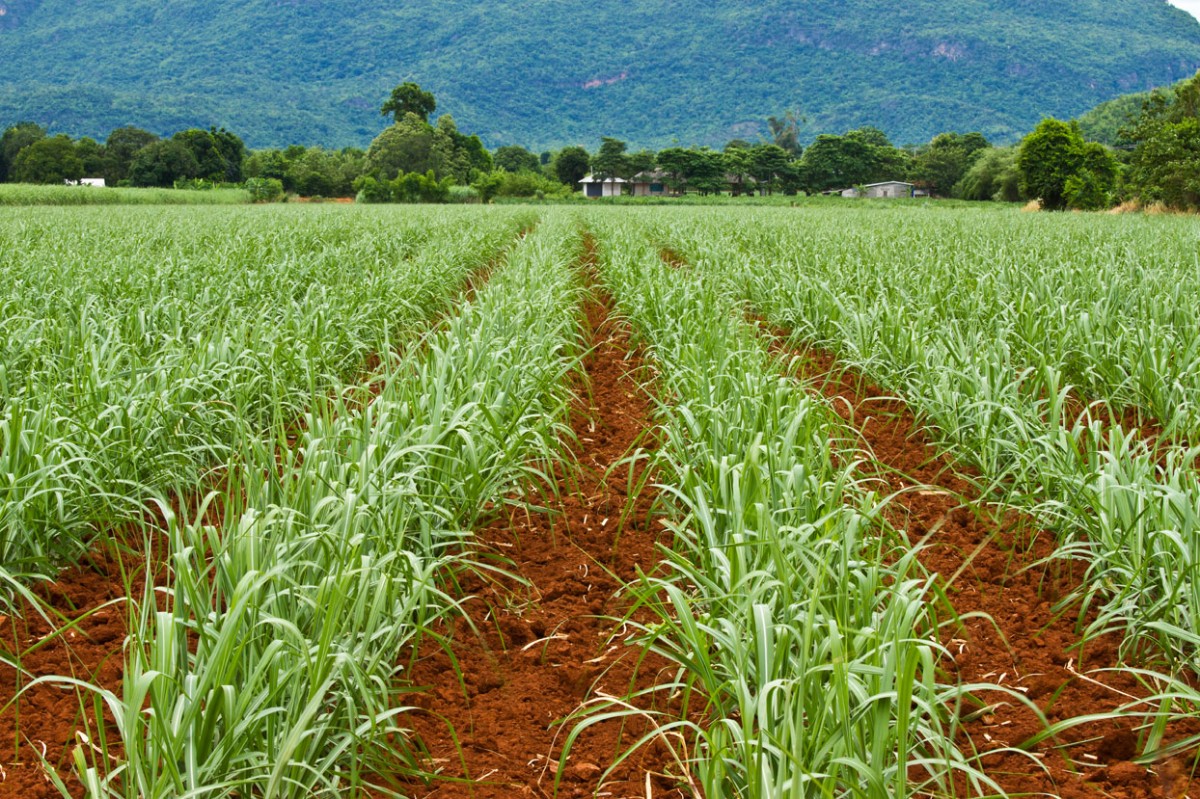
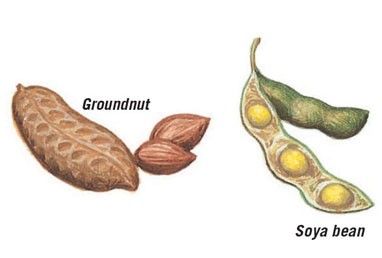
Sugar cane is the world's largest crop. It is a type of grass that produces sugar. Syrup, alcohol and biofuel can all be made from it. Soya beans, rape (also called rapeseed) and groundnuts are also widely grown for the oils in their seeds. Rape oil is also used both as a biofuel and in the production of rapeseed meal, an important fodder crop.
Rice
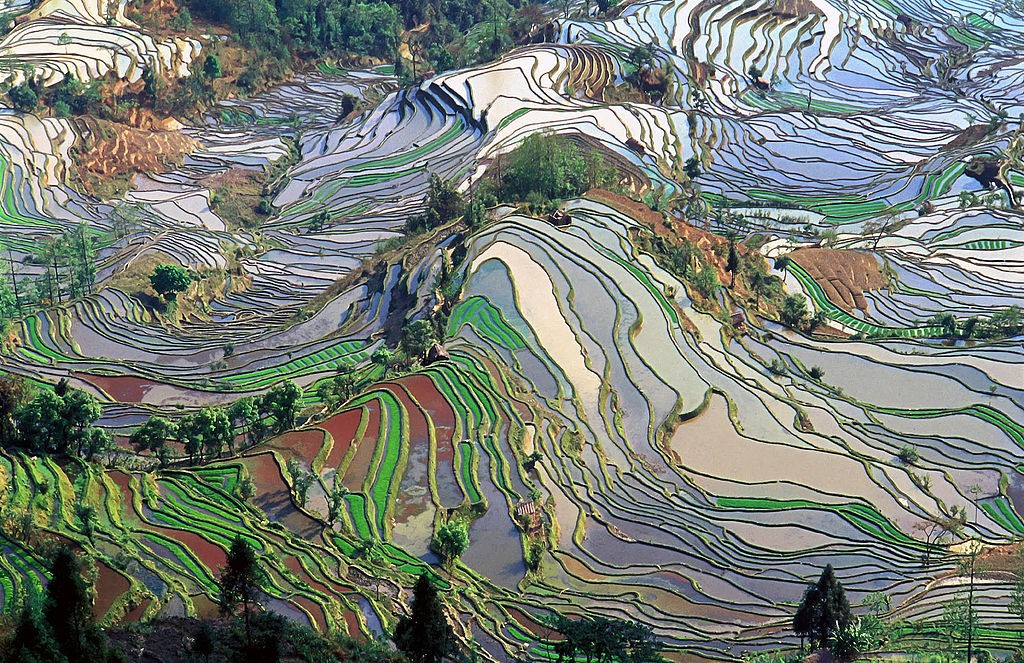
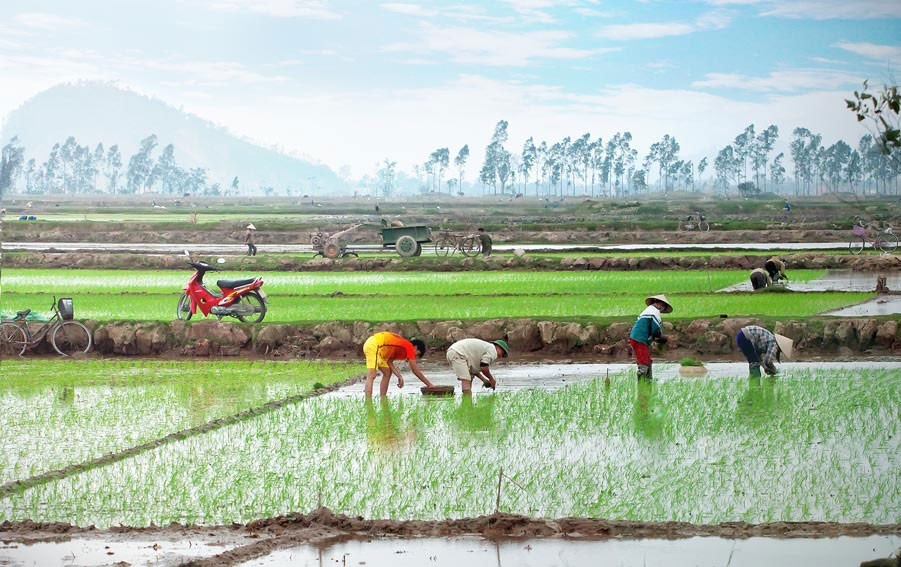
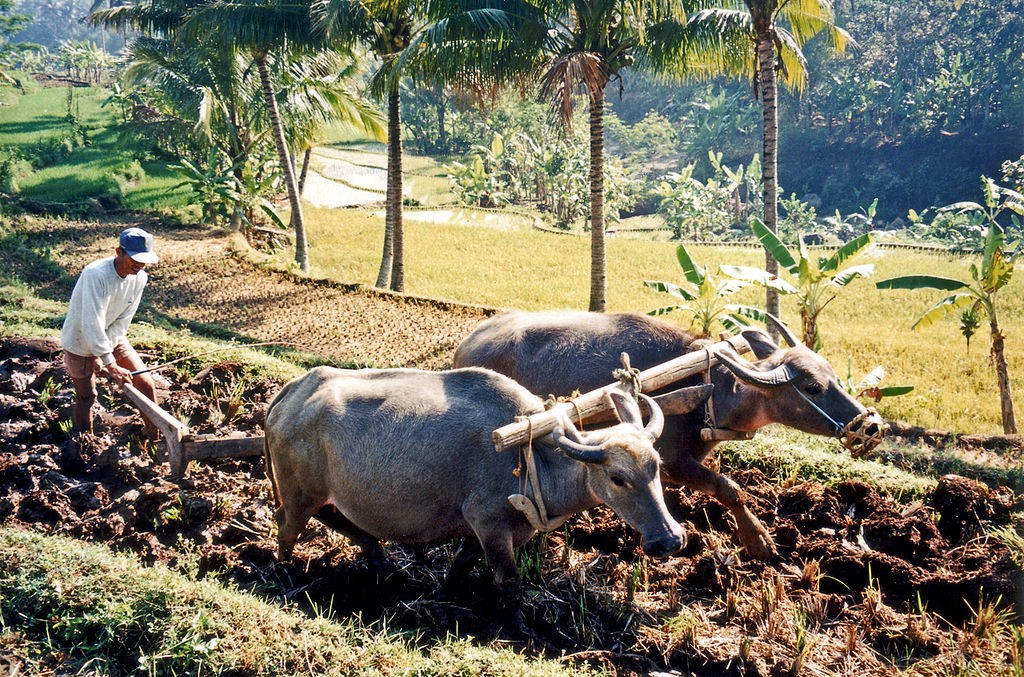
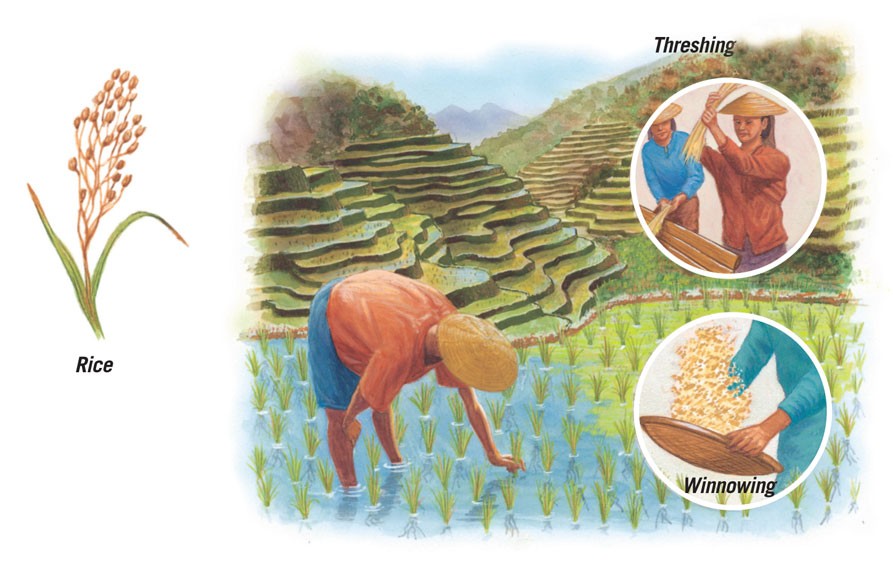
Rice is a staple food for millions of Asians. This cereal is normally grown in hot, wet climates. The rice seedlings need plenty of water, so they are frequently planted, often by hand, in flooded fields called paddies. Flooding also reduces the growth of weeds and keeps vermin away. In hilly country, the paddies occupy flat shelves of land, or terraces, dug out of the slopes so that the water does not flow away. After harvesting, the crop is threshed, to separate out the grain, then winnowed, to lose the husks and grit. As the only working animals comfortable in wetlands, the water buffalo is in widespread use for ploughing rice paddy fields in Asia.
Other cereals
Wheat is well-suited to cultivation on the plains of North America, Europe, Russia and Central Asia. Maize was first cultivated in the Americas. It is grown in warm, dry regions. Barley, grown in cooler or wetter areas, is used in beer. Oats grow well in lands with cool, wet summers. Sorghum and millet are the chief cereals grown in dry tropical lands. Barley, oats, sorghum and millet are also grown as fodder.
Fodder crops
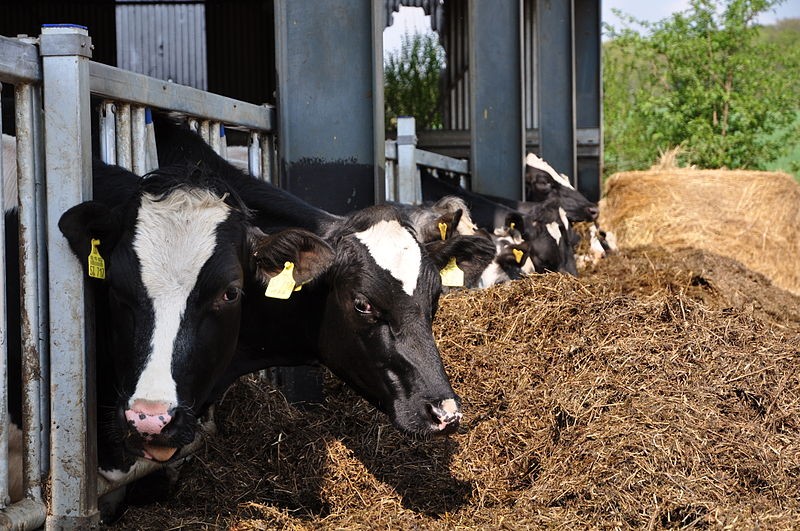
A range of crops are grown as fodder (livestock feed). They include grasses, some root vegetables and alfalfa. Groundnuts are a staple food in many tropical countries that are also grown for fodder. Soya beans were once grown only for fodder, but are now also used for oil.
Crops for cloth
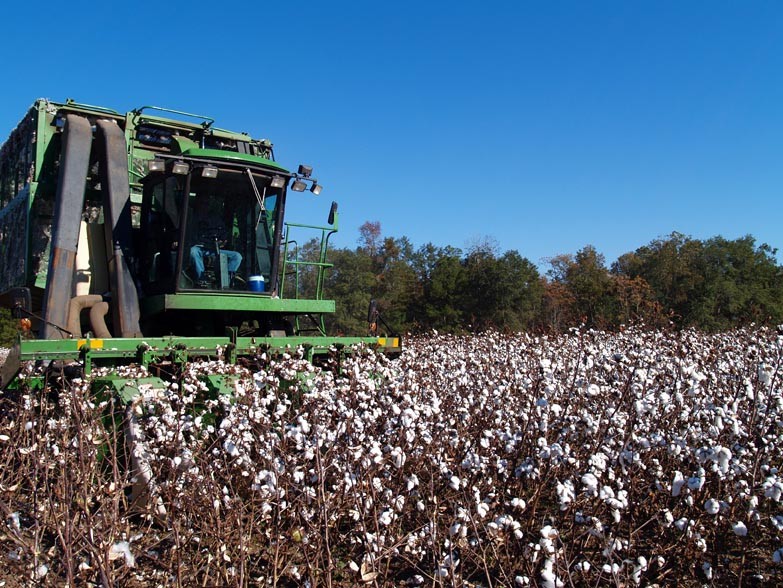
Some crops are grown not for food but for making cloth, such as flax and cotton. Cotton thread is made from the fibres surrounding the seed inside the ripening fruit, or bolls, of the cotton plant. The bolls are cleaned, untangled, spun into thread and woven into cloth. Cotton can only be grown in hot countries. Usually, the fields are irrigated (water is channelled from rivers or sprayed using sprinklers).
Consultant: Lloyd Jenkins
pics
Without in any way limiting Q-files Ltd’s exclusive rights under copyright, any use of this publication to “train” generative artificial intelligence (AI) technologies to generate text is expressly prohibited. Q-files Ltd reserves all rights to license use of this work for generative AI training and development of machine learning language models.