
Farming

CITE
We have made every effort to follow citation style rules, but there may be some minor differences. If in doubt, please refer to the appropriate citation style manual.
Livestock farming. (2026). In Q-files Encyclopedia, Geography, Farming. Retrieved from
https://www.q-files.com/geography/farming/livestock-farming
"Livestock farming." Geography, Farming, Q-files Encyclopedia, 5 May. 2026.
https://www.q-files.com/geography/farming/livestock-farming.
Accessed 21 Sep. 2026.
Livestock farming 2026. Geography, Farming. Retrieved 21 September 2026, from
https://www.q-files.com/geography/farming/livestock-farming
Geography, Farming, s.v. "Livestock farming," accessed September 21, 2026.
https://www.q-files.com/geography/farming/livestock-farming


Livestock farming
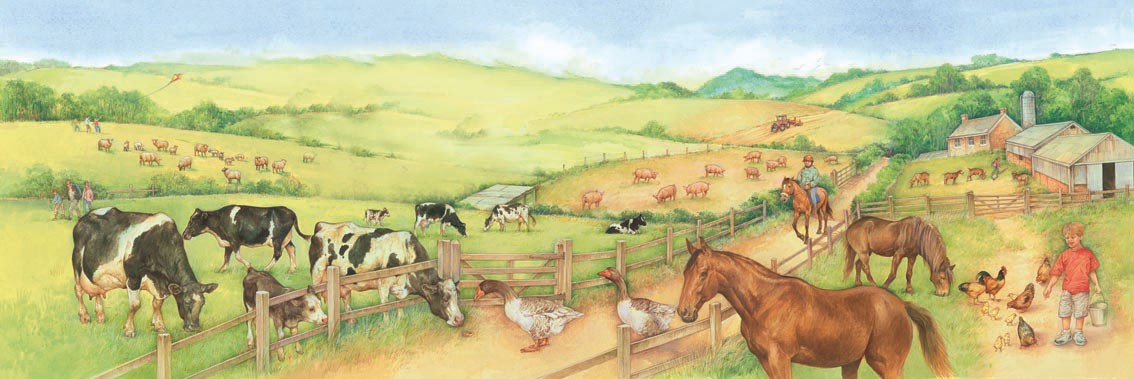
At about the same time as people began to grow crops, around 10,000 years ago, they also domesticated wild animals so that they could be used for their meat, eggs, milk and skins or wool. This was the start of livestock farming. The main animals raised as livestock are cattle, sheep, pigs and chickens. However, many other animals, from emus to snakes, are kept around the world. Other important products obtained from livestock include lanolin from sheep's wool, which is used in cosmetics; and dung for fuel and fertilizer.
Cattle
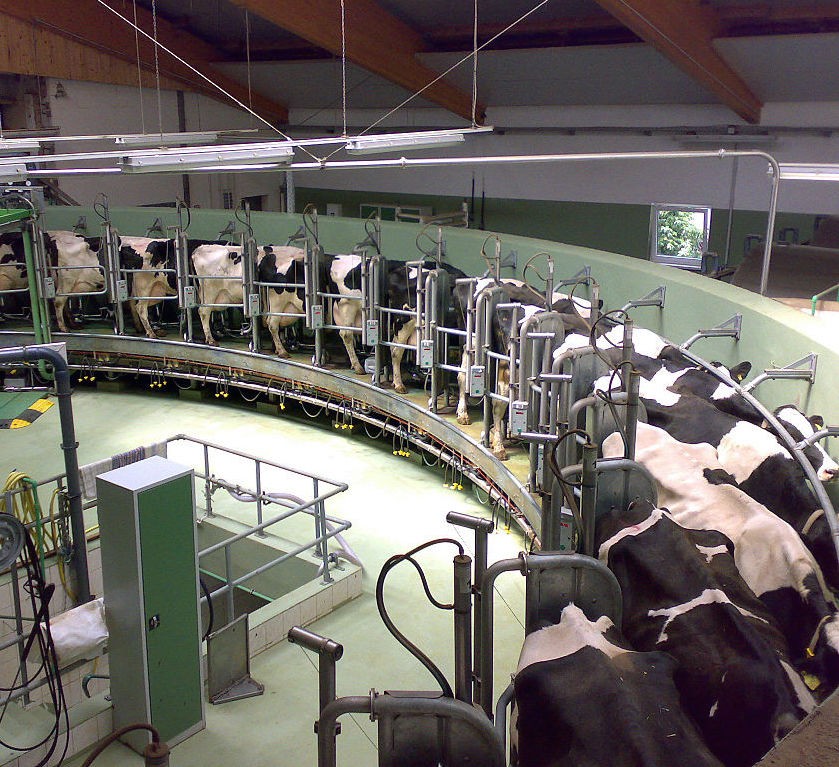
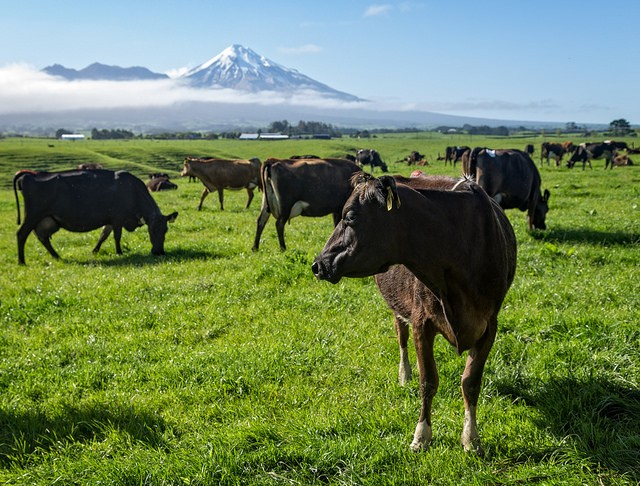
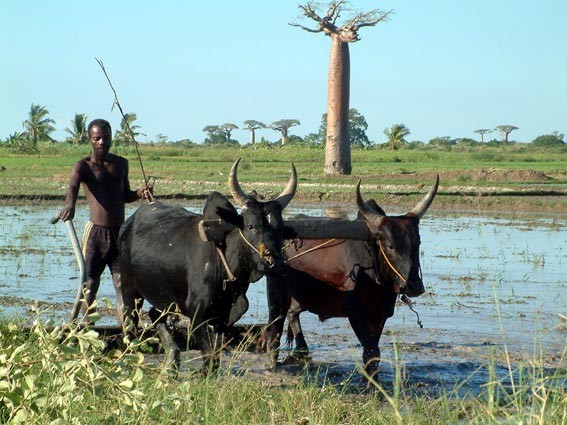
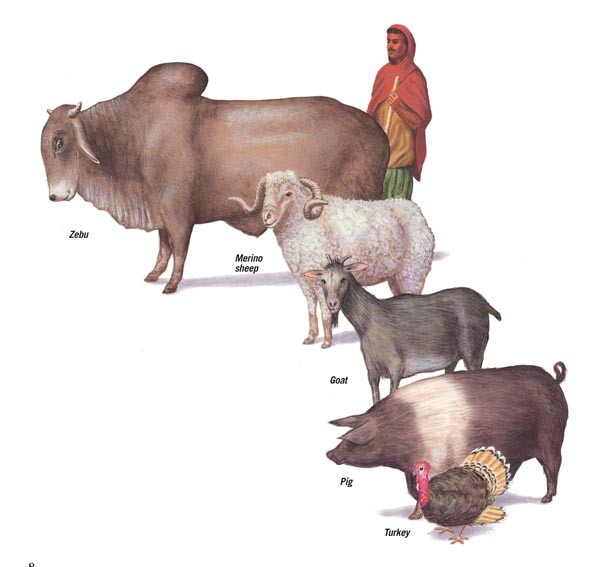
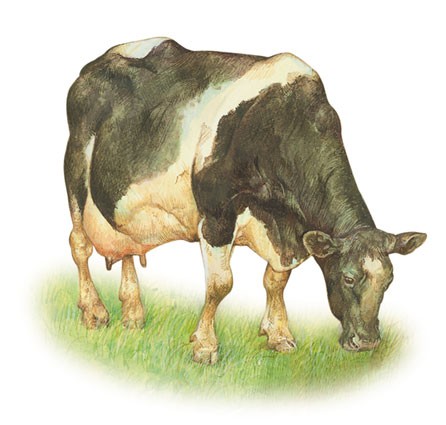
Cattle are kept for their milk, meat and skins (for leather) and, in some parts of the world, as work animals, where they are known as oxen or bullocks. There are more than 300 million cattle in India alone, with about 1.6 billion in the world as a whole. There are two main groups of cattle: the European breeds, descended from an extinct, long-horned wild bovine called the aurochs, and the various breeds of zebu of India.
Sheep and goats
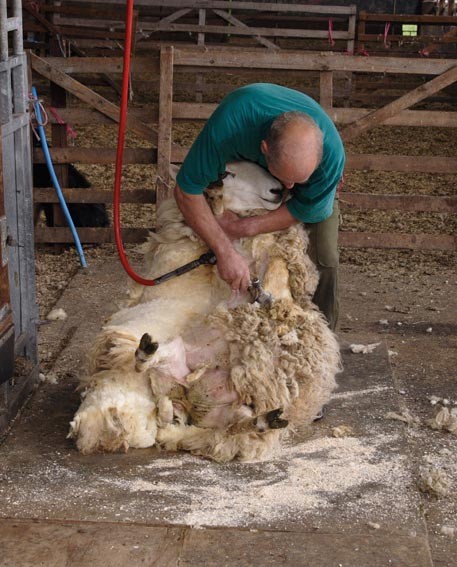
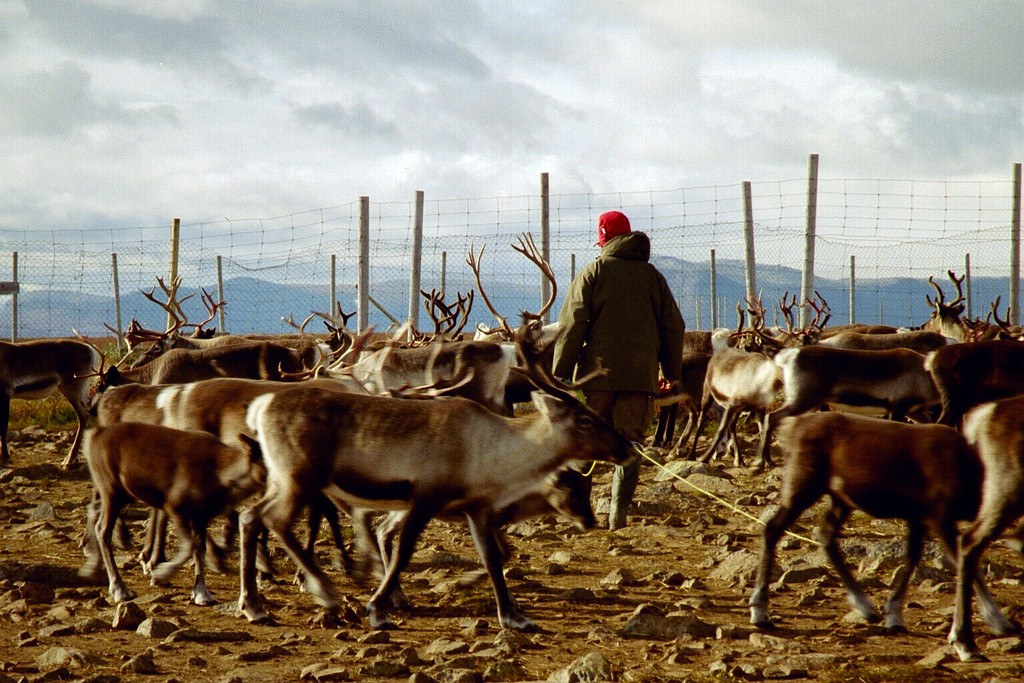
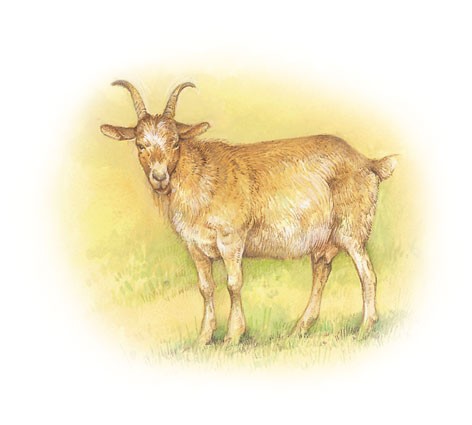
Animals kept for their wool or hair include sheep, goats, rabbits and vicuñas (a type of llama). Of these, sheep are the most common on farms worldwide. Australia is one of the world’s biggest wool producers. Of the 1.3 billion sheep in the world, about 79 million are in Australia (where there are many more sheep than people). Australian farmers keep large herds of sheep on huge sheep stations. Most of the sheep are Merinos, a breed that has soft, thick wool and can survive on the poor grass and in the hot climate that is characteristic of the dry grasslands of central Australia. Goats are kept where the land is dry and poor. Like sheep, they provide hair, meat, skin and milk.
Pigs
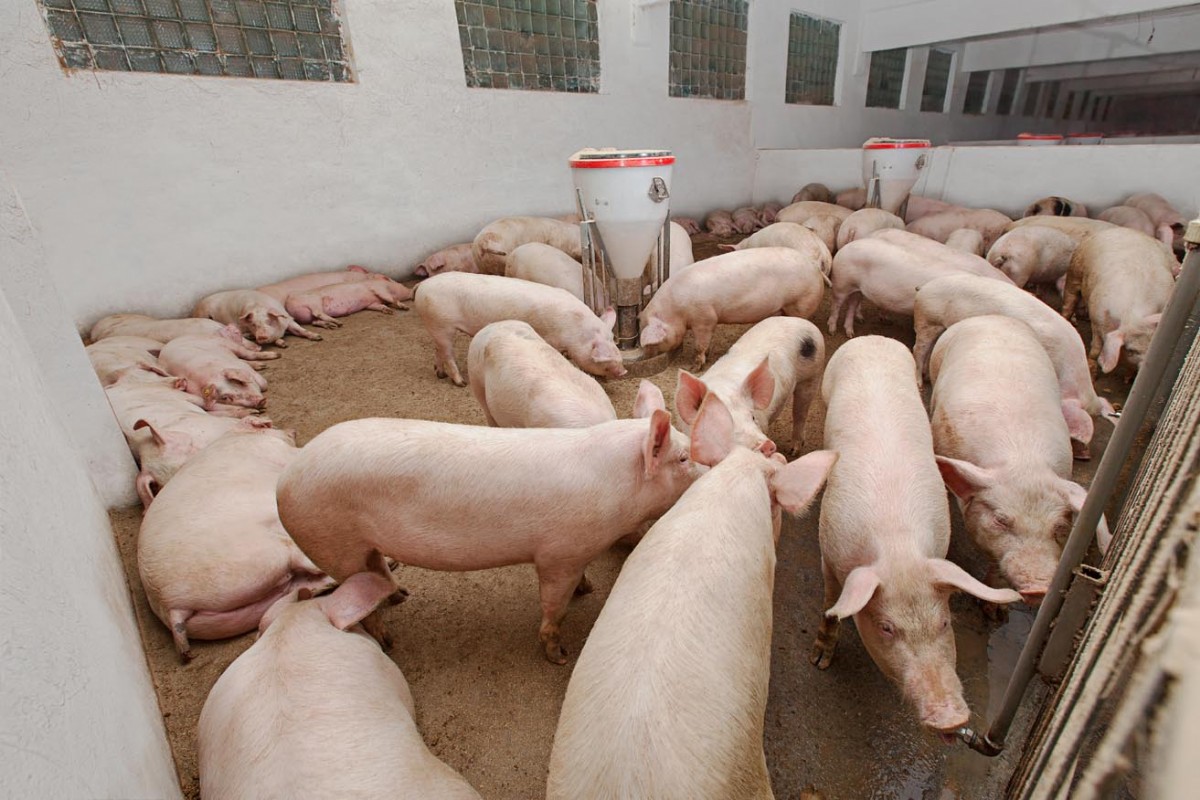
Some livestock farmers keep pigs for meat. On large modern pig farms, the animals are kept indoors in controlled conditions and fed a mixture that makes them put on the most weight in the shortest time. About 400 breeds of pig have been produced over the centuries, but many of these have now disappeared with the development of intensive farming methods. The main surviving breeds include the Berkshire, Chester White, Poland, China, Saddleback, Yorkshire, Duroc and Razorback. There are about 780 million pigs in the world, more than half of them in China. Their meat is sold as pork (fresh meat), bacon or ham (cured or preserved meat).
Poultry
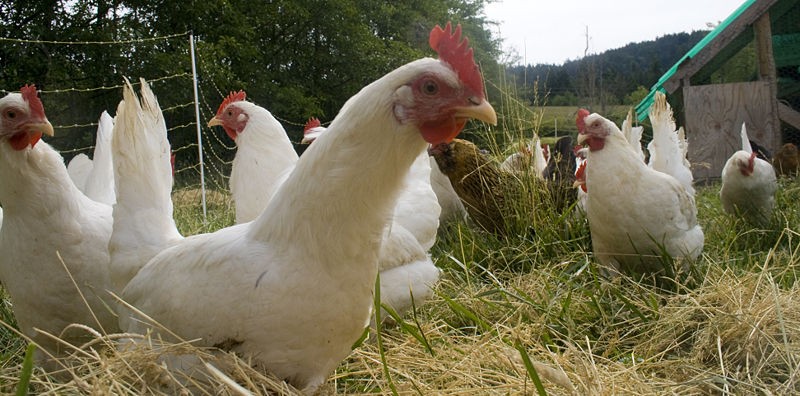
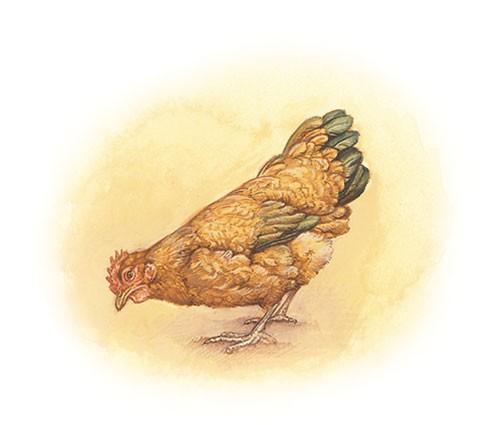
Poultry farmers keep chickens, turkeys, geese and other birds for meat and eggs. Chickens are descended from tropical forest birds found in Southeast Asia. They can be reared by intensive or free-range methods. As of 2023, there are about 27.2 billion chickens in the world (more than three per person). Good breeds for egg-laying include Leghorns and Minorcas. Dorking and Cornish breeds are good for meat, and Orpingtons and Rhode Island Reds are useful for both.
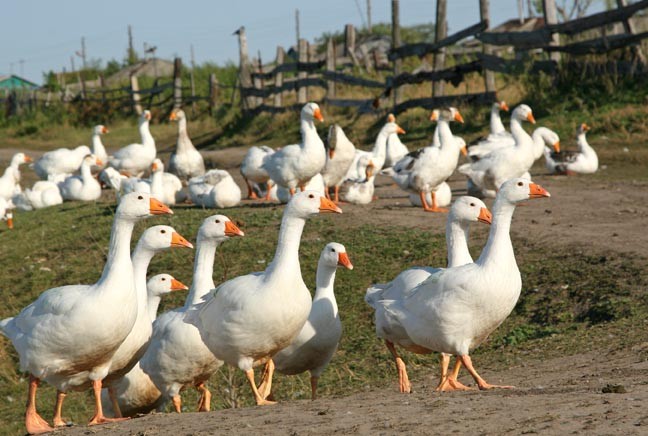
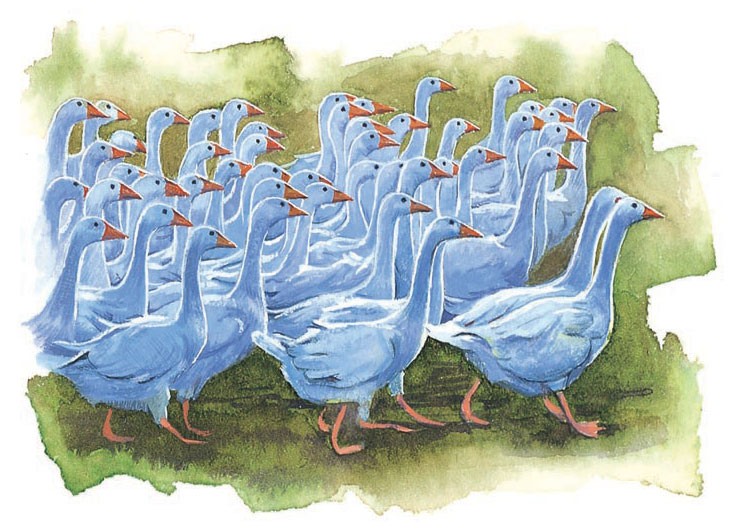
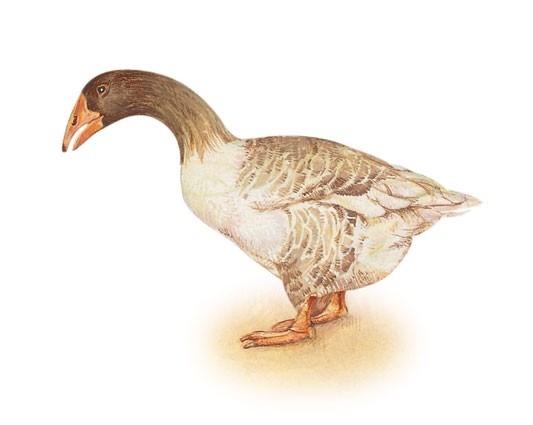
Ducks and geese are mainly reared for their meat, especially in East and Southeast Asia. Their short underfeathers, called down, are also used for stuffing mattresses, duvets and pillows. In parts of France, geese are kept to make the famous pâté de foie gras (pâté of goose liver).
Bred for their meat, turkeys are native to North America but were brought to Europe in the 16th century. The males are often twice the weight of females.
Factory farming
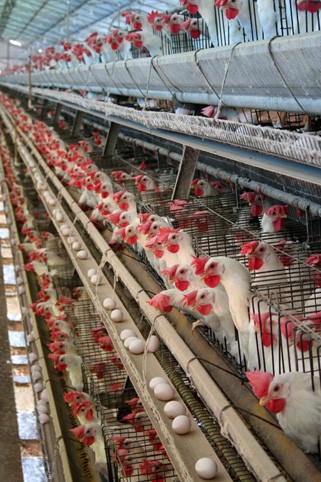
Intensive animal farming methods—also known as factory farming—are used to increase food production. It involves raising large numbers of cows, pigs, turkeys or chickens in a confined space, often indoors. Battery hens, for example, are kept in crowded cages where they spend their lives laying eggs. Antibiotics, vitamin supplements and, in certain countries, growth hormones are often used in some animals to boost production. Although factory farming has dramatically increased the production of meat, milk and eggs worldwide, it is regarded by many as an unacceptably cruel practice.
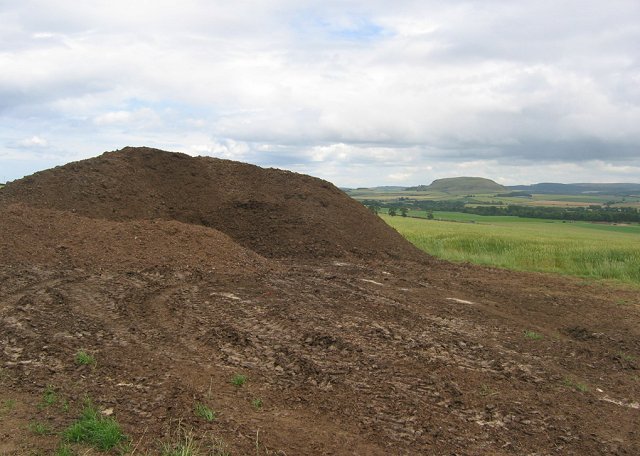
Factory farming is also a major cause of environmental pollution. Intensive farms produce vast quantities of waste, which contains chemicals such as nitrates and phosphates. If the waste finds its way into the soil, rainwater washes it into rivers and lakes (known as run-off). The chemicals may cause the overgrowth of algae in the water, called algal blooms, which reduce the amount of oxygen in the water, killing fish and other aquatic life.
In response, many consumers in wealthy countries are now demanding free-range eggs and meat. Free-range products come from animals kept in more natural surroundings. These include eggs from hens that have been allowed to roam around in the farmyard. This type of farming is expensive, however.

Methane emissions
Livestock farming is a major contributor to emissions of methane, a greenhouse gas. Cows, sheep and other ruminants digest their food by fermentation, a process which produces methane. The animals expel this gas when they burp or break wind. Multiplied by the billions of cows, sheep and goats that are alive today, vast amounts of methane are released into the atmosphere every day. Taken together with methane emitted from the animals' manure, this accounts for about 32% of all methane emissions caused by human activity.

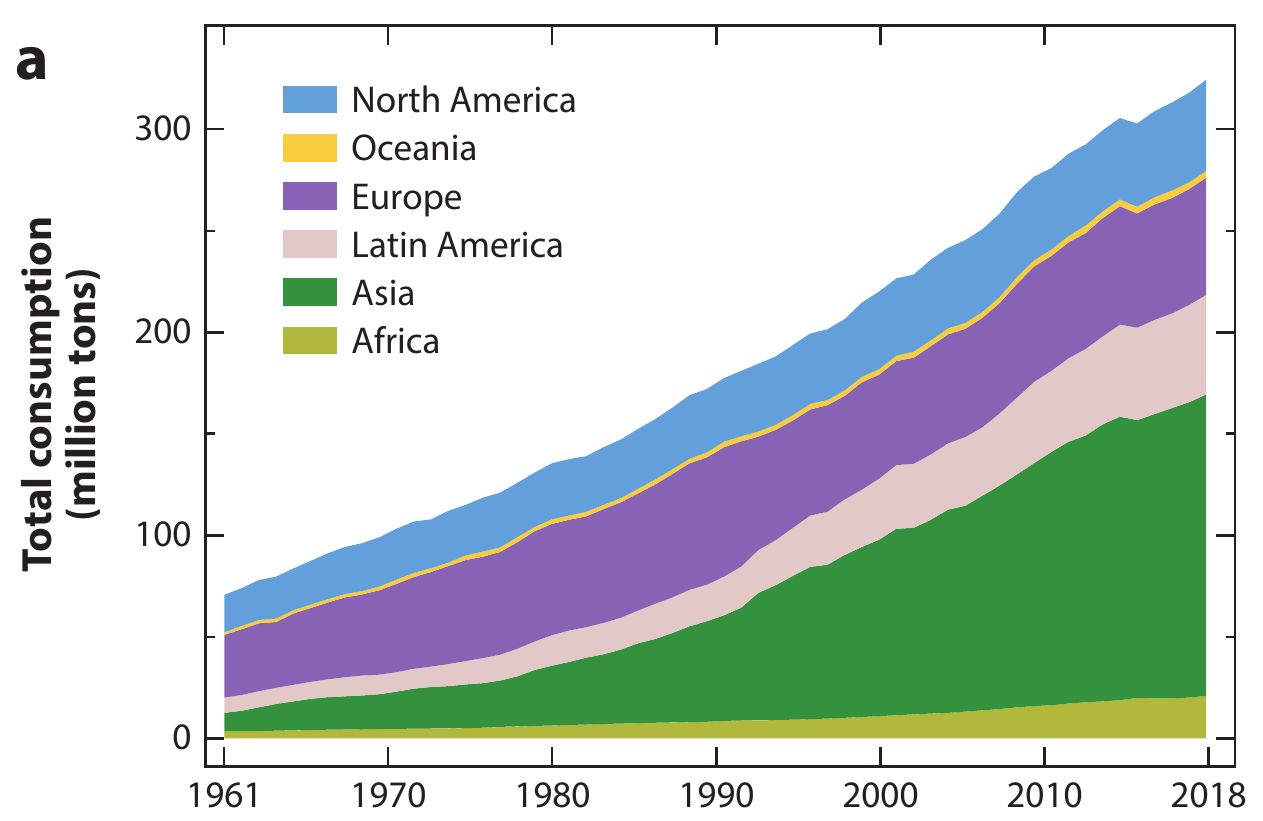
Although the presence of methane in the atmosphere is tiny (around 1.8 parts per million), it is a very effective absorber of heat. Methane makes up approximately 20% of the heating effects of all of the greenhouse gases combined. Experts say reducing methane emissions is urgently needed to tackle the climate emergency. This requires significant reduction in global meat consumption—no easy task, since this has been increasing steadily for decades as a result of population growth and economic development.
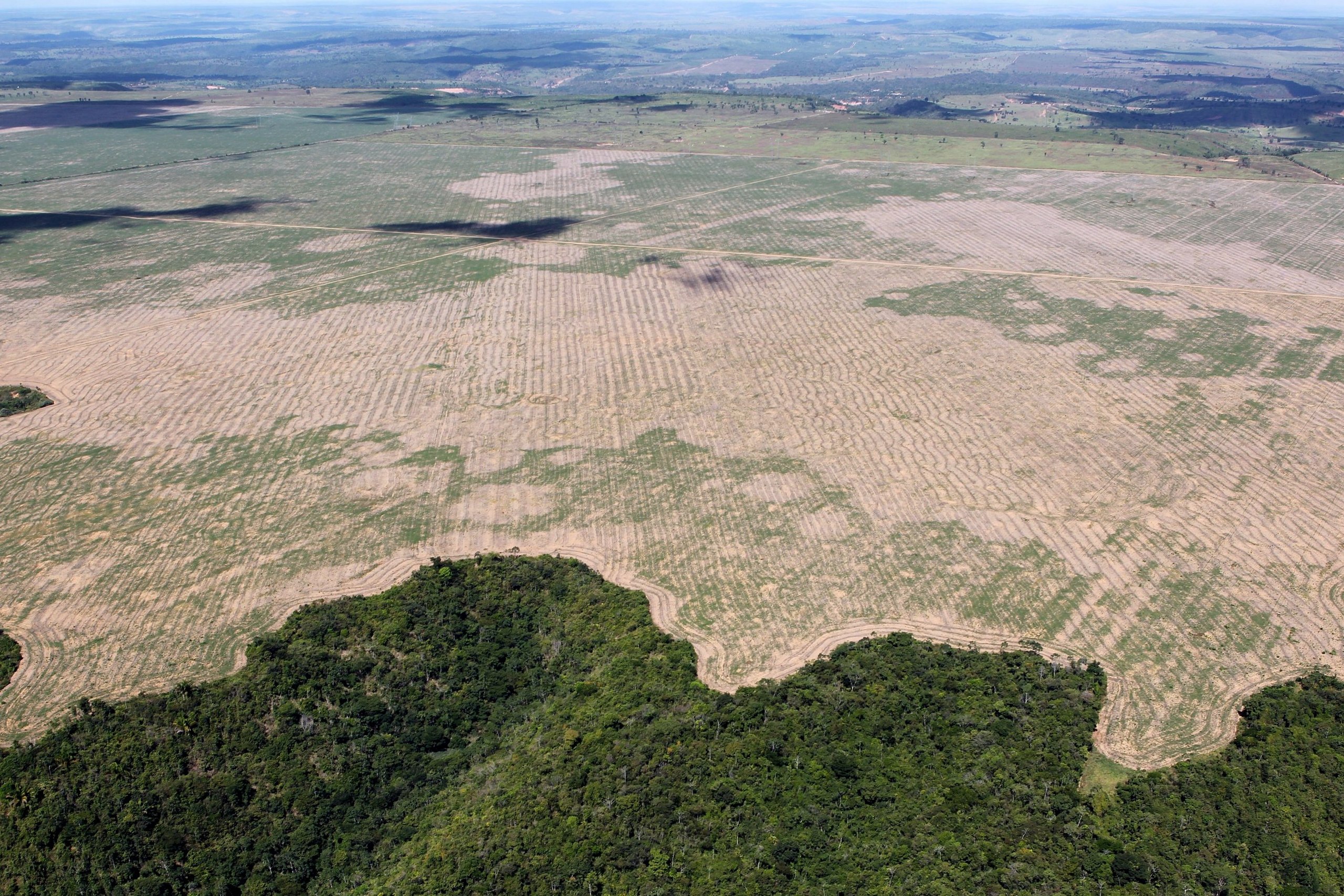
Because of its need for grazing land, cattle farming has also caused tropical deforestation. Around 80% of all deforested land in the Amazon is being used for cattle farming. These forests are vital carbon sinks—they draw down vast amounts of carbon dioxide (CO2) from the atmosphere through photosynthesis—and their loss would necessitate even more drastic steps to reduce greenhouse emissions.
If current trends continue, global meat consumption is expected to double by 2050 from its 2000 level. If humanity is to slash greenhouse gas emissions and limit global warming to 1.5°C, a shift towards plant-rich diets and alternative sources of protein appears essential.
Cutting emissions
Farmers can begin the process of cutting emissions by providing their animals with more nutritious feed so that they are healthier and more productive. This would mean more meat per individual animal, and thus lower total emissions.
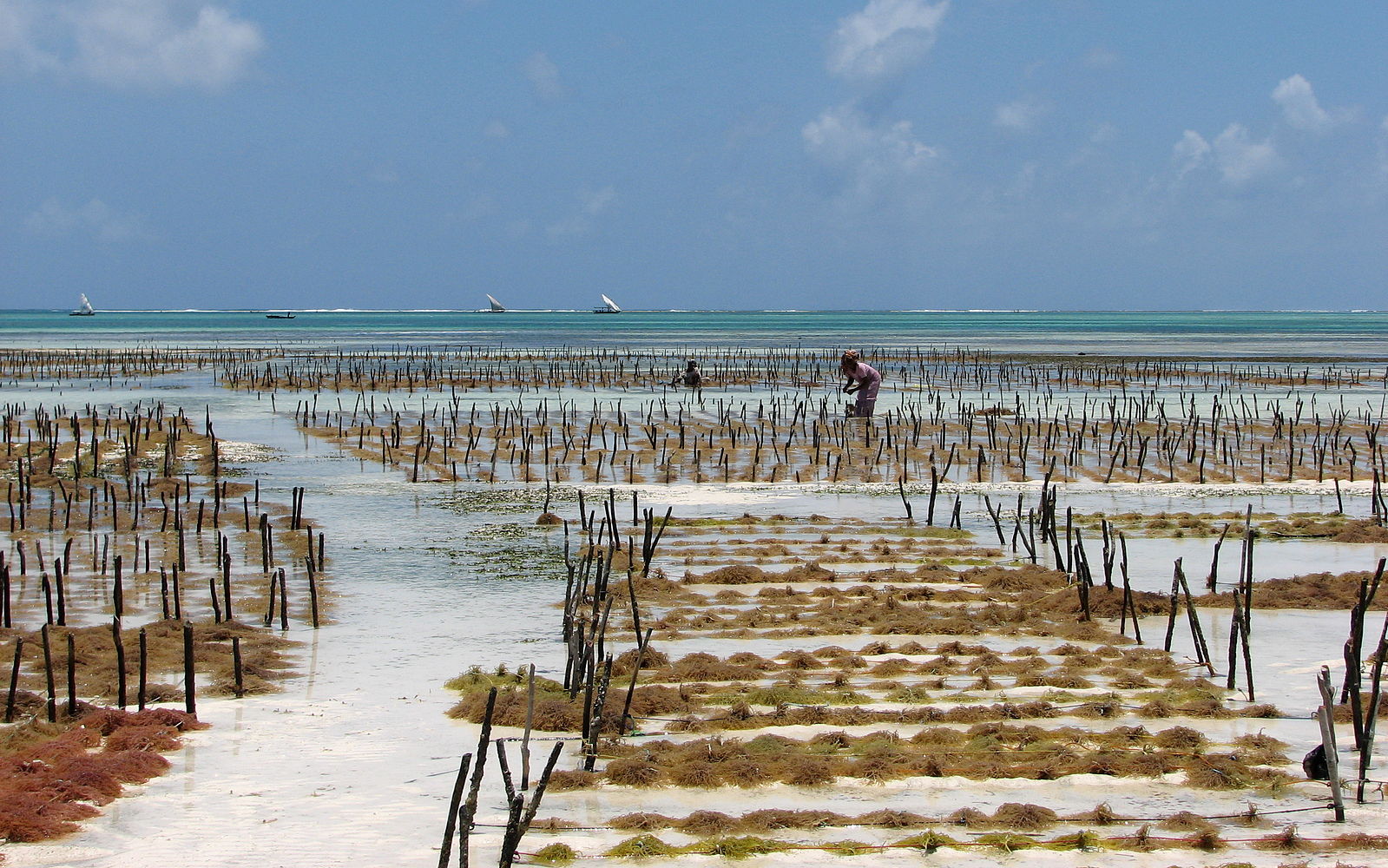
Scientists are experimenting with alternative types of feed to reduce the methane emitted by cows. These include products from aquaculture (the cultivation of fish, crustaceans, molluscs, algae and aquatic plants). A number of types of seaweed have been shown to reduce the methane emissions of cattle when added to their feed, with a type of red seaweed, Asparagopsis taxiformis, showing the most promise. If these additives can be produced at scale, emissions from livestock could be significantly reduced.

Some businesses are also launching plant-based products that mimic meat’s flavour and and texture, while others are focusing on laboratory-grown alternatives. Lowering the demand for meat would reduce livestock numbers. Soya beans, the most important protein source for livestock feed, are also used in the production of most meat substitutes.
Alternative ingredients include the high-protein bacteria that are found living inside humans and the mycelia (root-like structures) of fungi, used to form substitute steaks, chicken breasts or fish.
Silvopasture
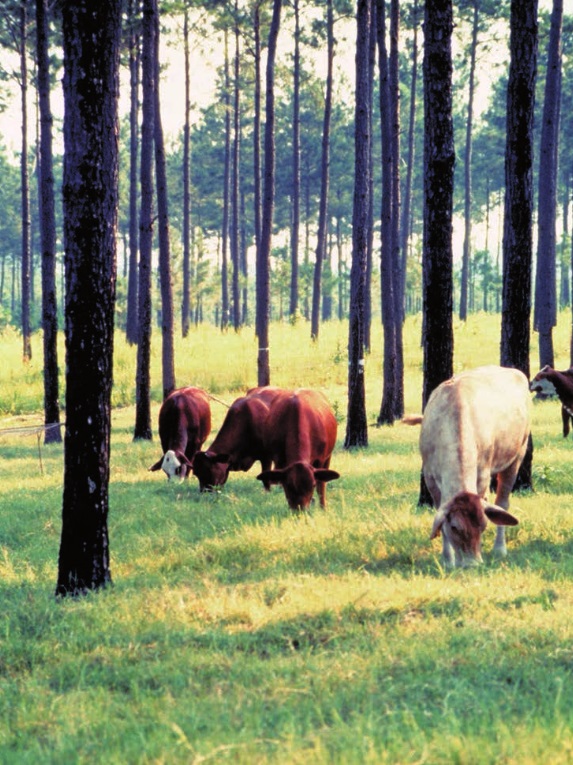
An ancient farming technique called silvopasture, which allows cows to graze on a variety of plants in forests (where the trees have been thinned out and ground planted with grasses and shrubs) and tree-filled pastureland, could also help both reduce methane emissions and increase the forest cover and thus the area of carbon sinks. Thanks to major efforts to expand its usage, silvopasture is being revived in North America, Brazil, Argentina and the Mediterranean.
Silvopasture has a number of benefits when compared to open pasture. It gives the animals more choice of what to eat, improving their health. There is much less of a need for emissions-intensive fertilizers or feed. The grazing season lasts longer and grass grows better during the hottest periods of the summer. Biodiversity is also greater because forests support a wider variety of wild animal and plant species.
Consultant: Lloyd Jenkins
pics





Without in any way limiting Q-files Ltd’s exclusive rights under copyright, any use of this publication to “train” generative artificial intelligence (AI) technologies to generate text is expressly prohibited. Q-files Ltd reserves all rights to license use of this work for generative AI training and development of machine learning language models.