
Birds

CITE
We have made every effort to follow citation style rules, but there may be some minor differences. If in doubt, please refer to the appropriate citation style manual.
Game birds. (2026). In Q-files Encyclopedia, Life, Birds. Retrieved from
https://www.q-files.com/life/birds/game-birds
"Game birds." Life, Birds, Q-files Encyclopedia, 23 Mar. 2026.
https://www.q-files.com/life/birds/game-birds.
Accessed 20 Sep. 2026.
Game birds 2026. Life, Birds. Retrieved 20 September 2026, from
https://www.q-files.com/life/birds/game-birds
Life, Birds, s.v. "Game birds," accessed September 20, 2026.
https://www.q-files.com/life/birds/game-birds


Game birds
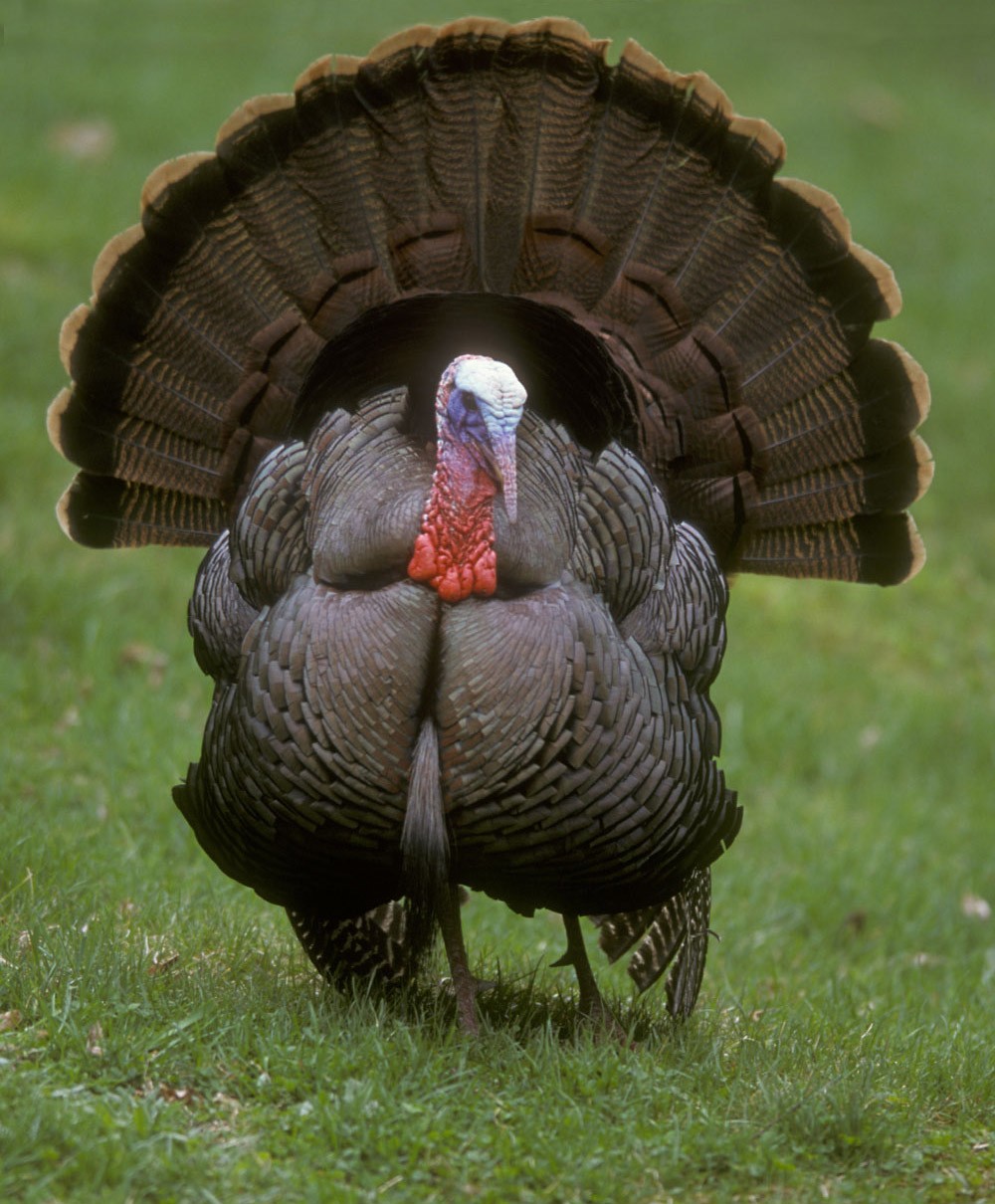
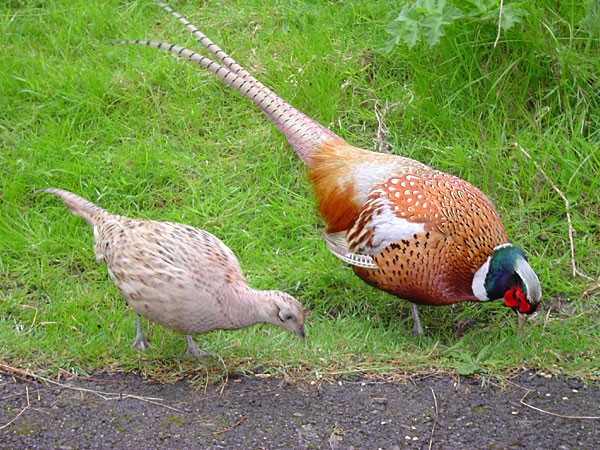
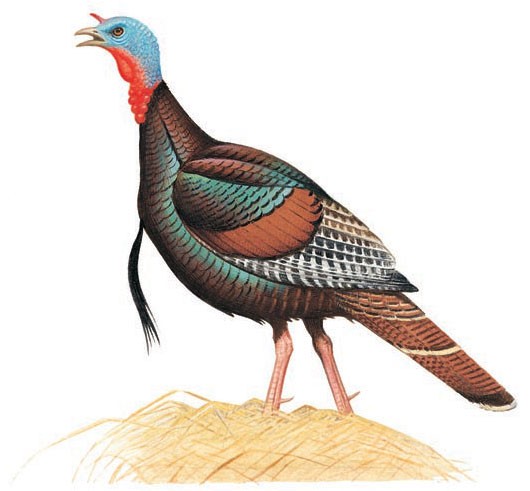
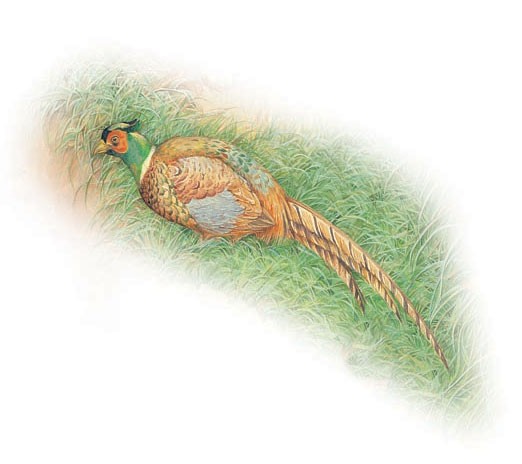
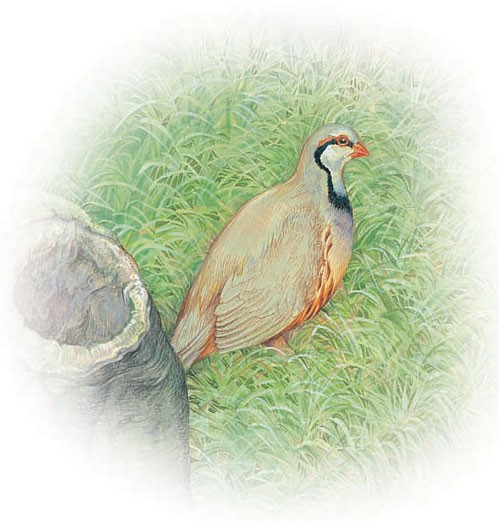
Chickens, turkeys, pheasants, guineafowl, peafowl, grouse, quail and partridges are among the birds known as game birds. The scientific name for the order, which includes around 250 species, is Galliformes. Strong runners, they have short wings and are ungainly flyers, most being unable to fly for long periods. They feed on seeds, fruits and invertebrates. Many kinds of game birds are bred or hunted by humans for food. Male game birds, often more colourful than the females, have elaborate courtship rituals that involve strutting, puffing up, fanning out feathers and making loud calls.
Chickens
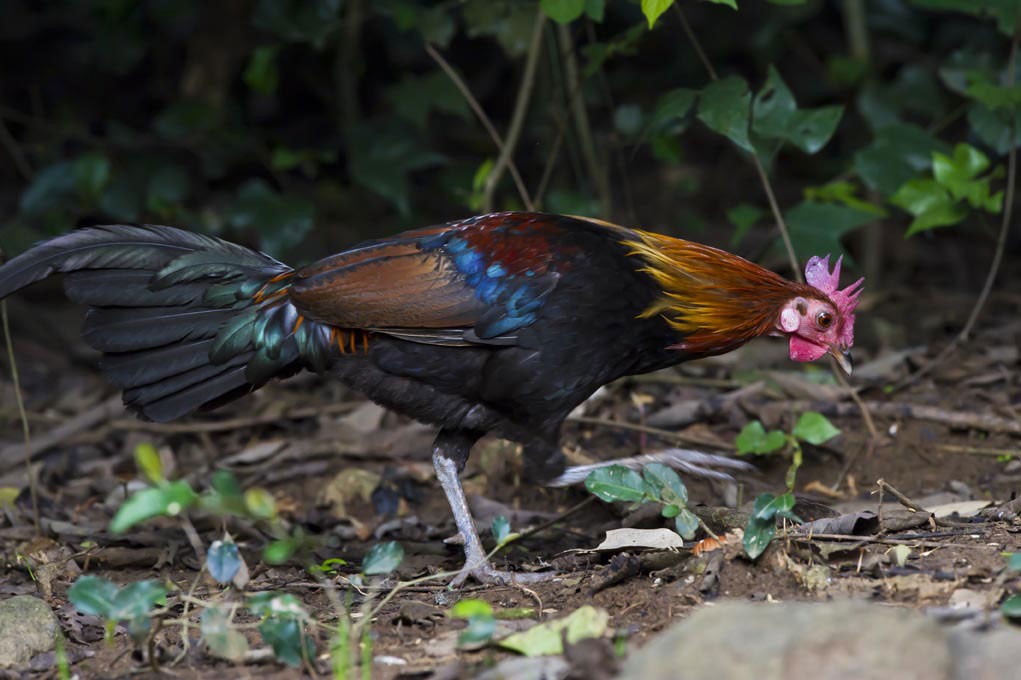
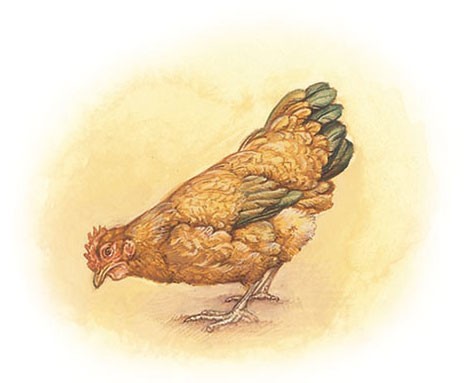
Chickens are descended from tropical forest birds, called red junglefowl, found in Southeast Asia. Many are kept for their eggs and their meat. When allowed to range freely, they scratch at the ground for insects, insect grubs and seeds to eat.
Grouse
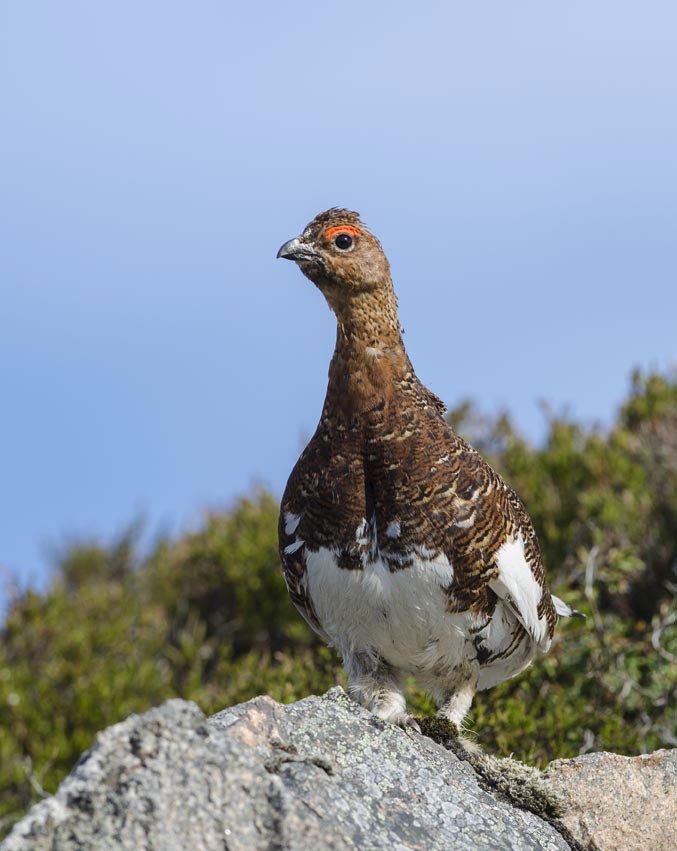
Grouse are a group of ground-living game birds, including ptarmigans and capercaillies, that live in tundra, forest, mountain and prairie habitats. They feed on buds, leaves, conifer needles and twigs.
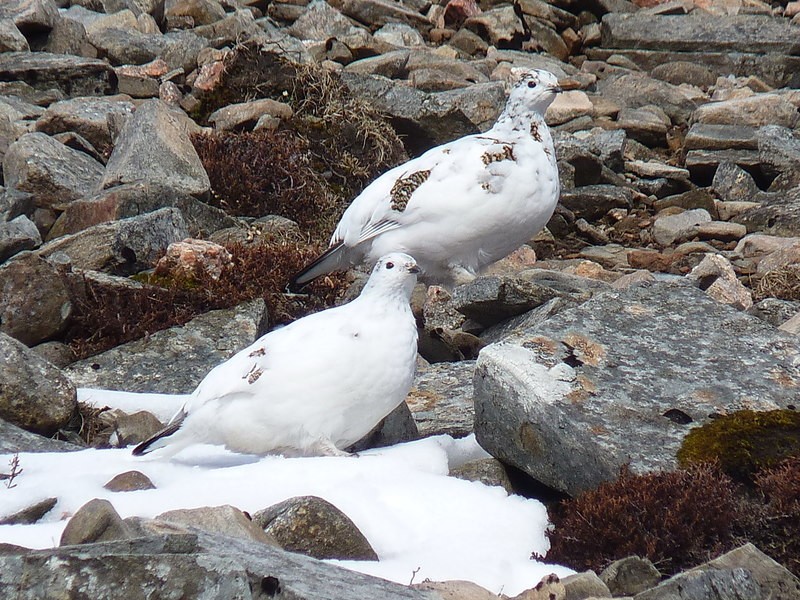
Ptarmigans are species of grouse that live in forests and mountains. In winter, their plumage turns to white, camouflaging the birds against a snowy background, and helping to protect them from predators. The red grouse, a native of the British Isles, is a type of willow ptarmigan; it does not change to a winter plumage.
Capercaillie
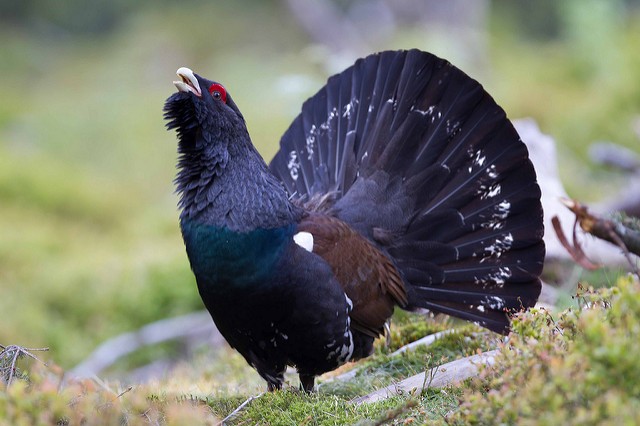
The capercaillie is the largest member of the grouse family, weighing up to 7 kg (16 lb). The male, or cock, is twice the size of the female. A ground-living forest bird, it feeds on berries, buds, leaves, grasses and conifer needles. It is well known for its mating display. The cock fans out his tail feathers, holds out his wings, straightens his neck and points his beak upwards. He then begins his song, a series of clicks and pops.
Sage grouse
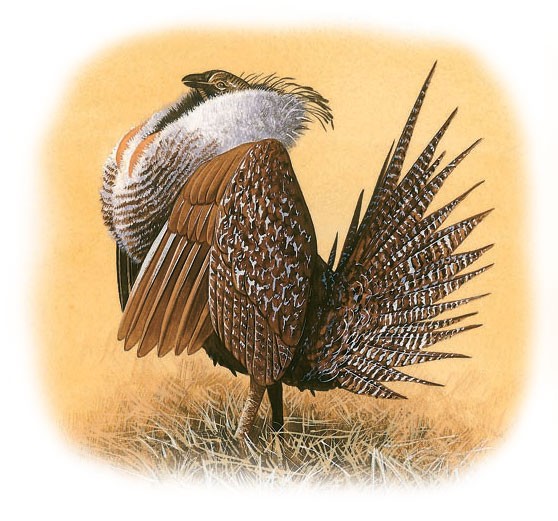
Sage grouse inhabit the semi-arid sagebrush country of the western US and southern Canada. The male attracts a mate by strutting with its tail feathers fanned, its chest puffed up and two yellow sacks under its throat inflated. When it lets the air out of these sacks very quickly, it makes a loud cracking noise. The louder the noise, the more the females admire the male, and the more likely they are to mate with it.
Mallee fowl
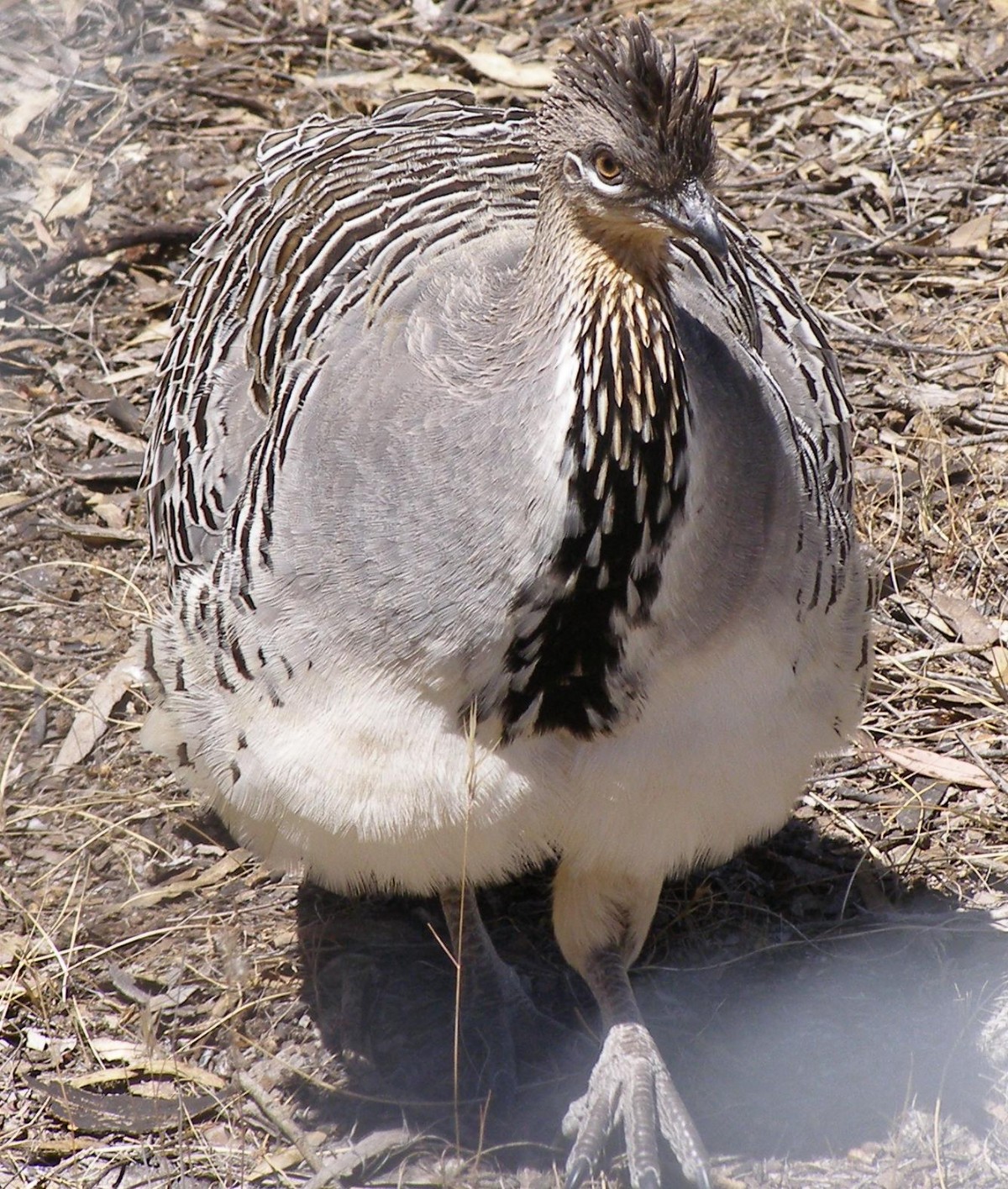
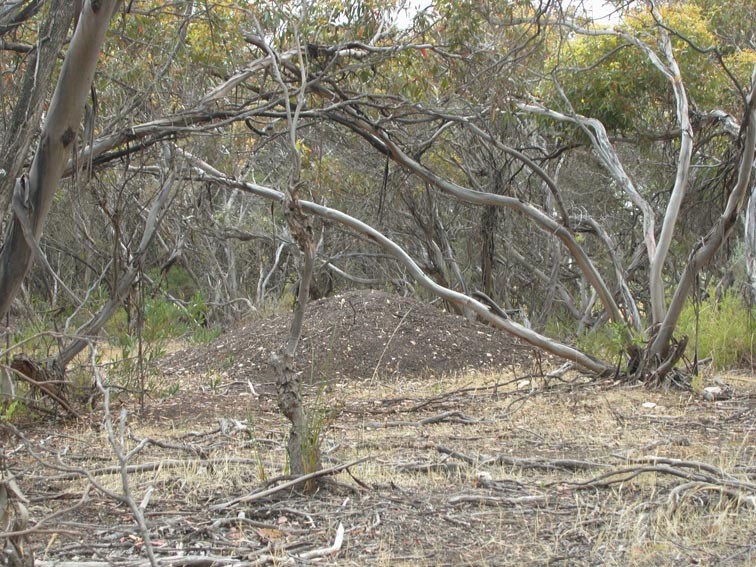
Mallee fowl live in the semi-arid scrublands of Australia, called mallee scrub, which lies between farmland and the deserts of central and western Australia. The male bird builds a large mound for use as a nest. First he scrapes a basin out of the ground several metres across. Over a period of months he builds up a mound, using earth, leaves and sticks. During the rainy season, the organic material starts to decay, producing heat. At this moment, the male bird excavates an egg chamber where the female bird lays between 15 and 30 eggs. Afterwards, he continues to build up the mound over the eggs with earth.
A few months later, the hatchling mallee fowl break out of their eggs one by one and scratch their way to the surface using their feet. They roll down from the mound and run off into the scrub. They never see their parents. Within hours they can fly strongly.
Peafowl
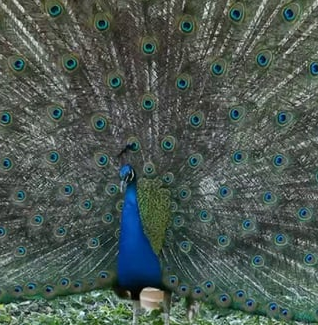
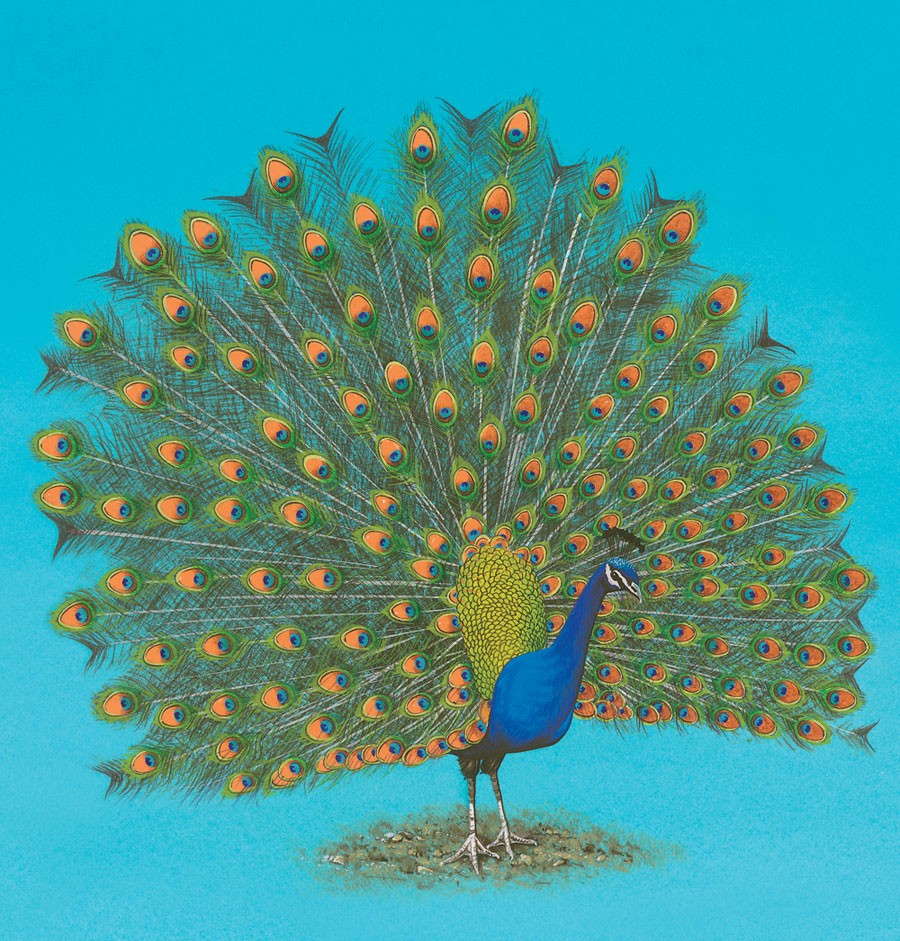
The male peafowl, called a peacock, has beautiful blue-green plumage. Females, called peahens, have plain brown plumage. Females choose their mate by deciding which has the most impressive tail feathers.
When a female approaches a male, the peacock will back towards her, shaking his tail, before spinning round to reveal hundreds of red and gold “eye” markings. It then gently shakes the feathers. If a hen is impressed, she crouches down and the peacock spreads his tail feathers over her as they mate. A successful peacock may attract a group, or “harem”, of about four females.
Consultant: Chris Jarvis
pics
Without in any way limiting Q-files Ltd’s exclusive rights under copyright, any use of this publication to “train” generative artificial intelligence (AI) technologies to generate text is expressly prohibited. Q-files Ltd reserves all rights to license use of this work for generative AI training and development of machine learning language models.