
Birds

CITE
We have made every effort to follow citation style rules, but there may be some minor differences. If in doubt, please refer to the appropriate citation style manual.
Penguins. (2026). In Q-files Encyclopedia, Life, Birds. Retrieved from
https://www.q-files.com/life/birds/penguins
"Penguins." Life, Birds, Q-files Encyclopedia, 23 Mar. 2026.
https://www.q-files.com/life/birds/penguins.
Accessed 20 Sep. 2026.
Penguins 2026. Life, Birds. Retrieved 20 September 2026, from
https://www.q-files.com/life/birds/penguins
Life, Birds, s.v. "Penguins," accessed September 20, 2026.
https://www.q-files.com/life/birds/penguins


Penguins
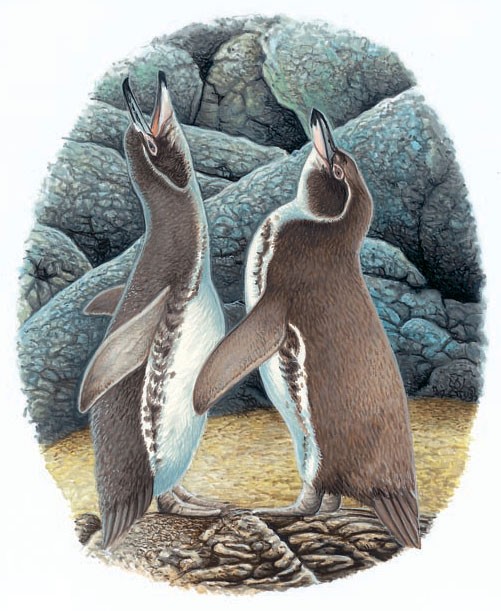
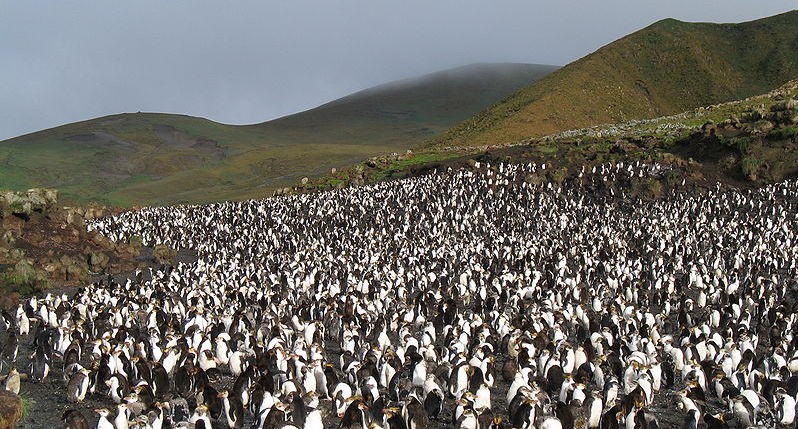
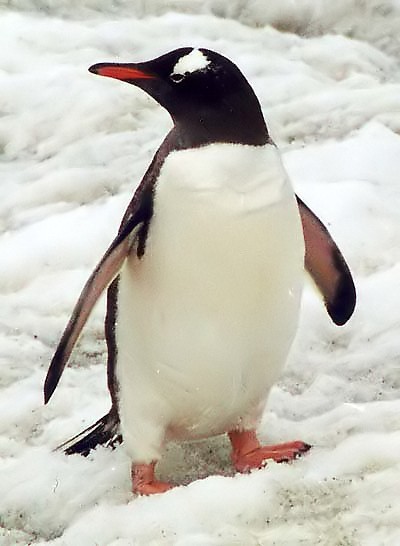
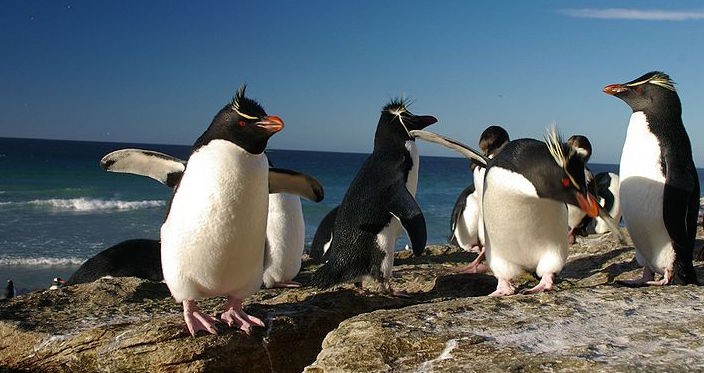
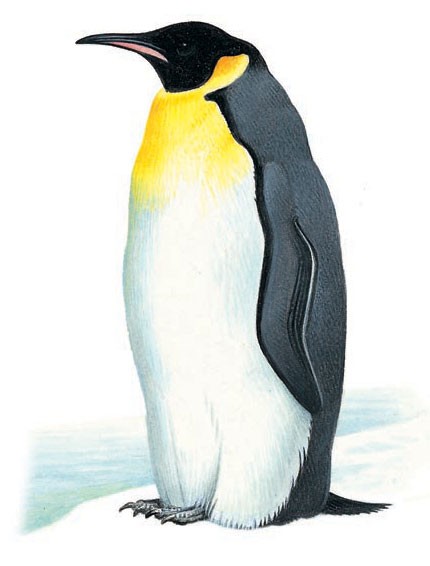
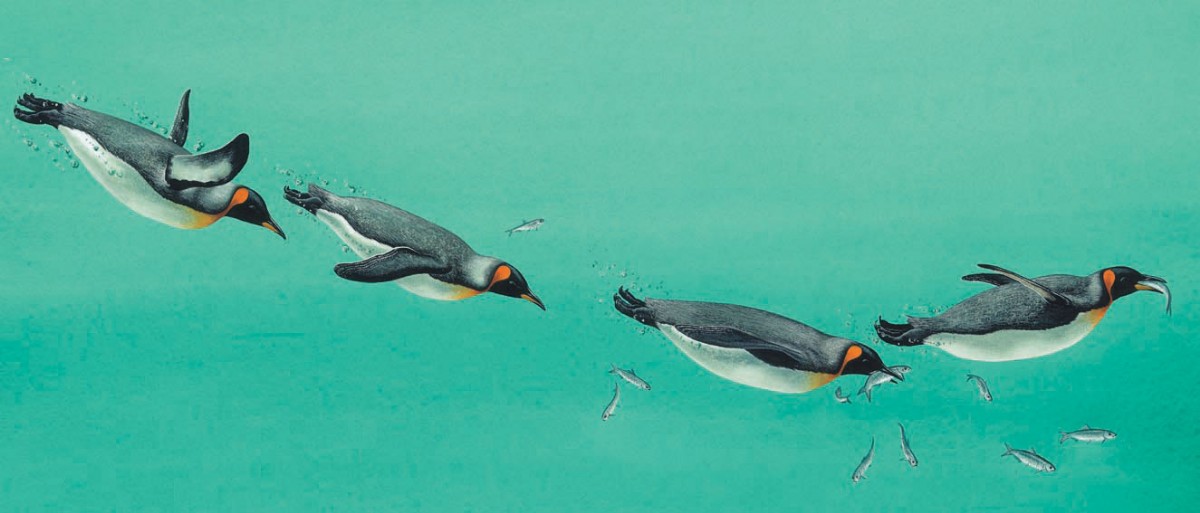
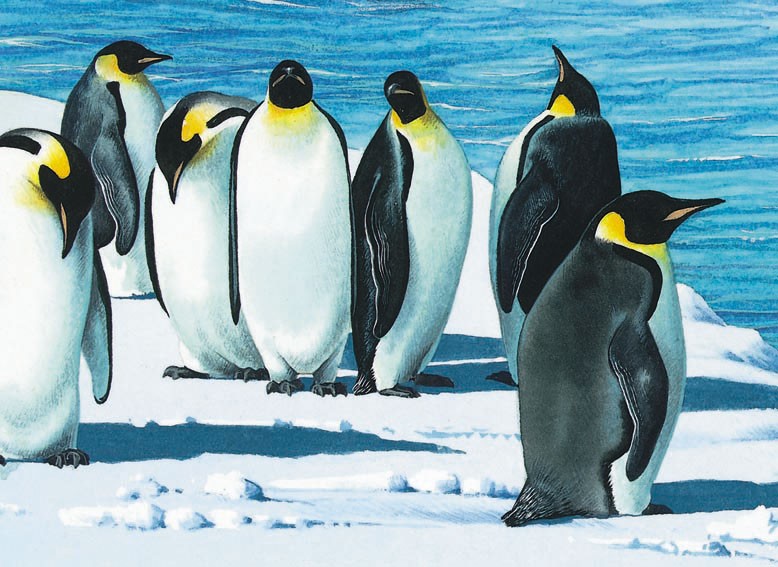
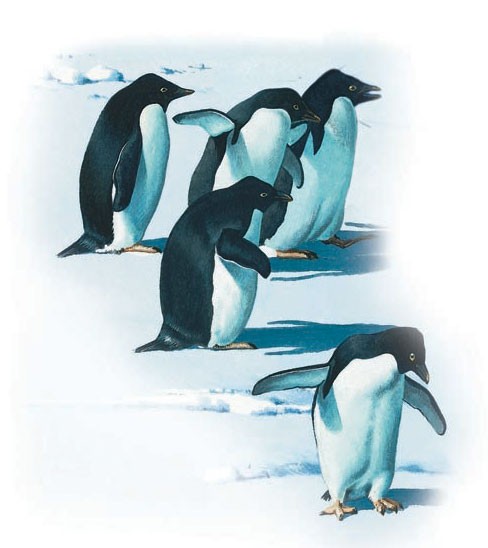
Penguins are flightless birds from the southern hemisphere—there are no penguins in the Arctic. There are 17 species of penguin. Some species live on cold, southern coastlines, such as Antarctica, but several live in temperate lands and one, the Galapagos penguin, lives close to the equator. Clumsy on land—they either waddle or "toboggan" on their bellies over the ice—in the water penguins are graceful and fast. Their stiff, flipper-like wings pull them through the water at speed in pursuit of fish and squid. Penguins can stay underwater for over seven minutes, but shorter dives are more usual. They usually eat fish they catch head first: they are much easier to swallow that way. They breed on land, forming large nesting colonies.
Keeping warm
To keep warm in icy waters, penguins have several layers of dense feathers, and a thick layer of fat under their skins. Penguins can have up to 30,000 feathers—much more than other birds. A base layer of down feathers traps air to keep the birds warm. Above this is a layer of smooth, stiff feathers. Penguins keep these feathers waterproof by coating them with a layer of oil, secreted from a gland on the tail.
Penguins have a special circulatory system that stops their feet from freezing when they stand on ice. Their circulatory system traps heat inside the blood vessels, preventing heat from being lost through the skin.
Expert swimmers
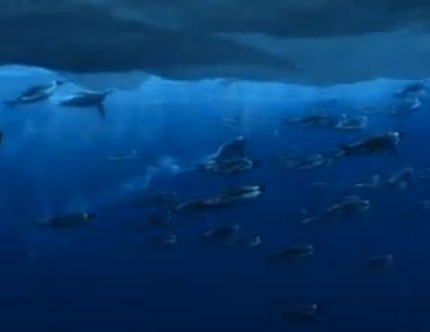
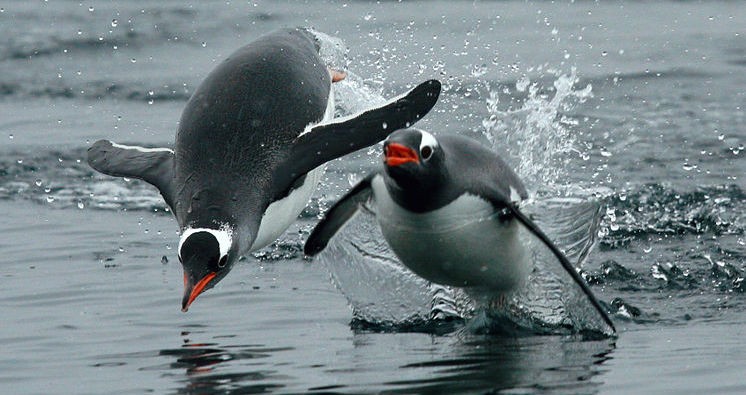
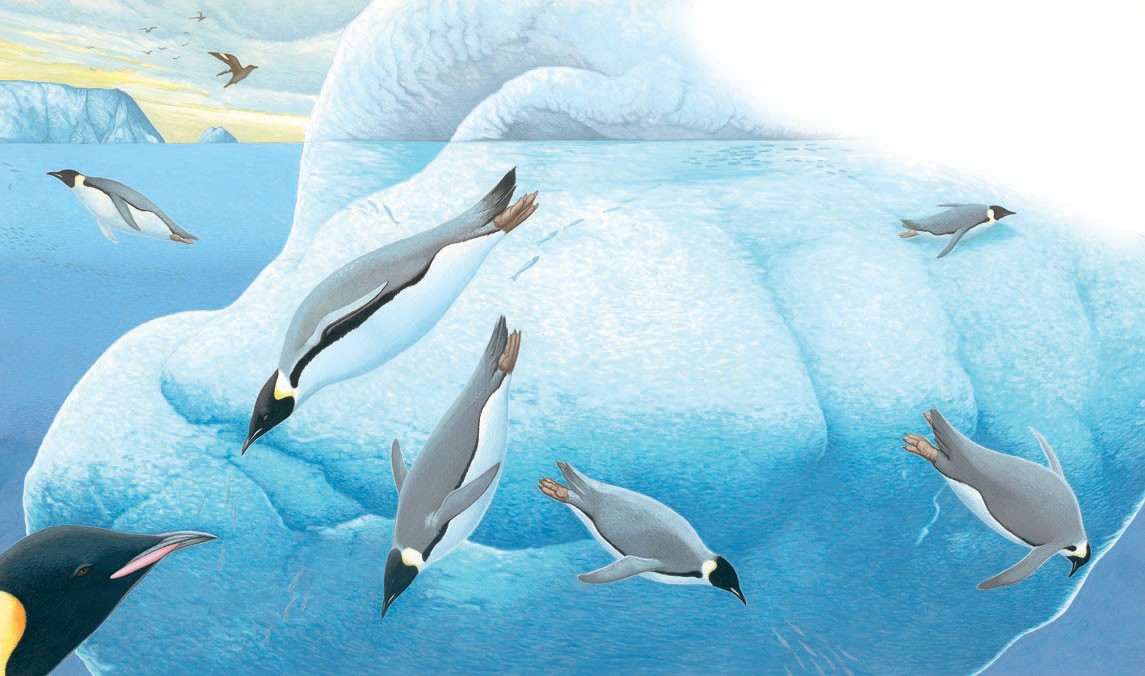
A penguin's wings are stiff, short flippers which it uses to propel it underwater: it "flies" through the sea with superb grace and agility. The layer of air kept under its smooth plumage gives the penguin extra buoyancy in the water. Its legs and tail combine to form a rudder to steer its streamlined body. When escaping from danger it can reach speeds faster than 25 km/h (15 mph). To save energy, it often leaps clear of the water every few metres.
Predators
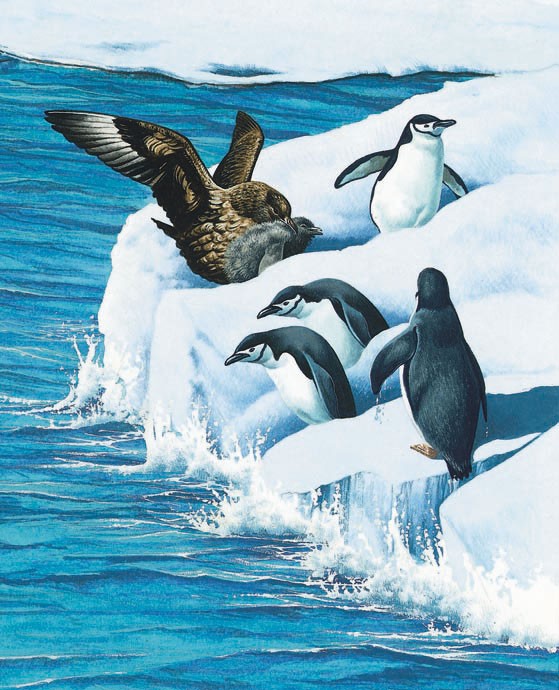
Penguins' main predators in Southern Ocean waters are the leopard seal, fur seal, sharks and the killer whale or orca. Out of the water, adult penguins are usually safe, but chicks are vulnerable to another kind of predator. A penguin chick left unguarded for a moment makes an easy meal for a great skua swooping down from above. When a mother loses her own chick, she may sometimes attempt to steal another—usually unsuccessfully.
Consultant: Chris Jarvis
pics
Without in any way limiting Q-files Ltd’s exclusive rights under copyright, any use of this publication to “train” generative artificial intelligence (AI) technologies to generate text is expressly prohibited. Q-files Ltd reserves all rights to license use of this work for generative AI training and development of machine learning language models.