
Materials

CITE
We have made every effort to follow citation style rules, but there may be some minor differences. If in doubt, please refer to the appropriate citation style manual.
Agrochemicals. (2026). In Q-files Encyclopedia, Science, Materials. Retrieved from
https://www.q-files.com/science/materials/agrochemicals
"Agrochemicals." Science, Materials, Q-files Encyclopedia, 12 Jun. 2026.
https://www.q-files.com/science/materials/agrochemicals.
Accessed 30 Oct. 2026.
Agrochemicals 2026. Science, Materials. Retrieved 30 October 2026, from
https://www.q-files.com/science/materials/agrochemicals
Science, Materials, s.v. "Agrochemicals," accessed October 30, 2026.
https://www.q-files.com/science/materials/agrochemicals


Agrochemicals
Agrochemicals are chemicals that are used in agriculture—either in the growing of crops or the raising of livestock. Pesticides protect plants from weeds, diseases and pests. Fertilizers give extra nutrients to plants. Hormones, medicines and other chemicals are given to plants and animals to control their growth. Some agrochemicals come from natural sources, but most are synthetic (manmade) and are produced in chemical plants. Natural fertilizers such as manure or peat are not agrochemicals. Farms that do not use synthetic agrochemicals are called organic farms. Many agrochemicals are toxic (harmful or poisonous). Most countries have regulations about the use and storage of agrochemicals.

Pesticides
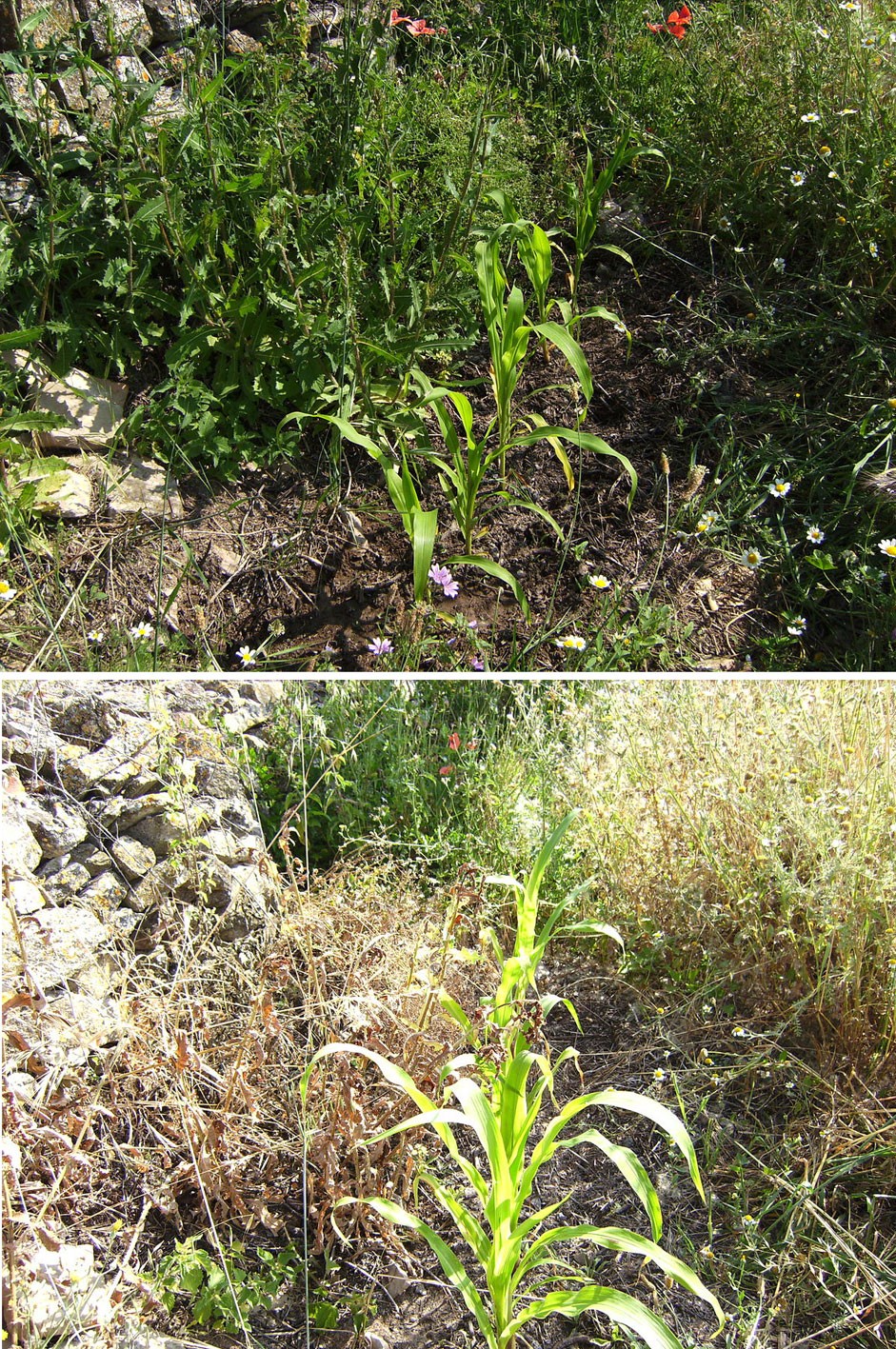
Pesticides are developed to target and kill particular weeds, plant diseases and pests (such as fungi, insects, mites, rodents or snails). They are often sprayed on to crops, using planes, tractors or hand-held machines. A commonly used group of chemical pesticides is herbicides (weed-killers) made from phenoxy acid. Phenoxy acid is made from the chemical phenol, which is made from cumene, which is itself obtained from petroleum. Phenoxy herbicides kill broad-leafed weeds without affecting grasses, such as cereal crops. They work by making the weeds grow abnormal cells, stopping their ability to transport nutrients.
An alternative to chemical pesticides is biopesticides. Biopesticides use natural, living organisms such as fungi, bacteria or viruses. For example, the soil-living bacteria Bacillus thuringiensis is widely used as an insecticide against pests such as the European corn borer. Pesticide-free methods of pest control include the growing of crops that are naturally resistant to diseases and pests; planting “trap crops” to draw pests away from the real crop (for example, planting alfalfa among cotton to attract lygus bugs); and releasing predators of a particular pest into a crop (for example, using lacewings to control smaller insects and mites).


Fertilizers
Fertilizers give extra nutrients to plants. The use of fertilizer can double the size of a harvest. Fertilizers often contain the elements nitrogen, phosphorus or potassium, which are the key nutrients used by plants. Most farms in developed countries use chemical fertilizers. Fertilizers that supply nitrogen are produced in chemical plants from ammonia. Fertilizers that supply phosphorus, called phosphate fertilizers, are extracted from phosphate rocks. Potassium fertilizers are made from potash: potassium salts that may be mined or manufactured. Many modern fertilizers are a mixture of phosphate, nitrogen and potassium fertilizers.
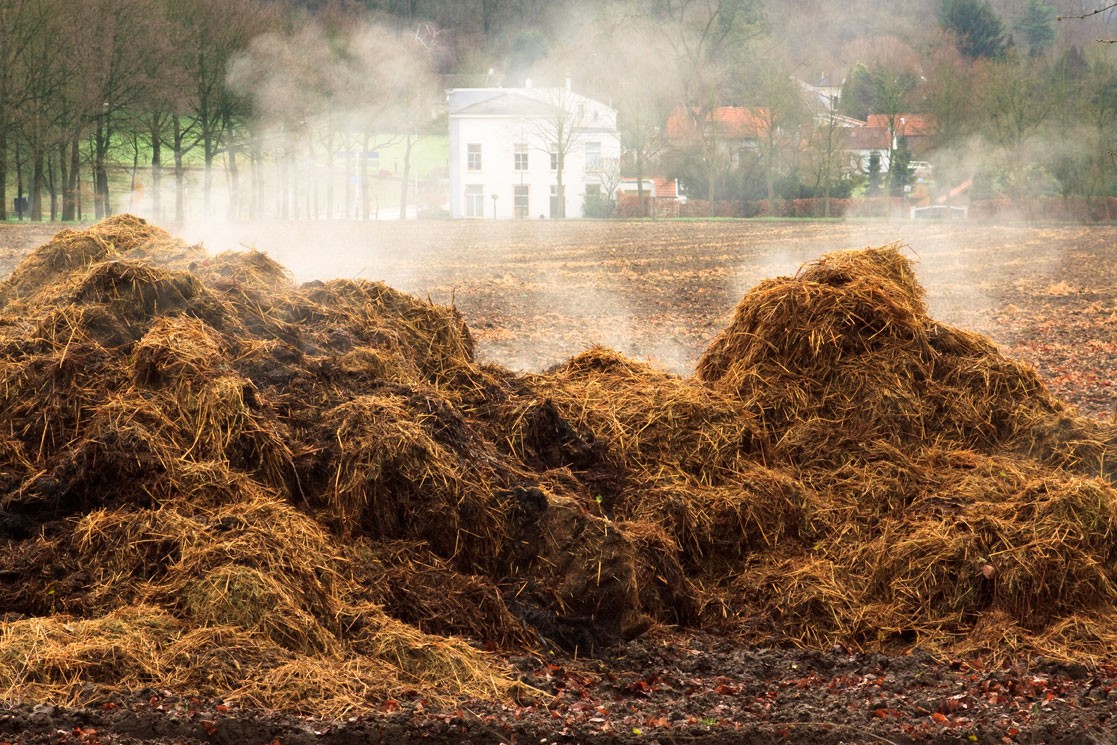
Although less effective than chemical fertilizers, organic fertilizers (made from living matter) are often preferred. The most common is manure, which may include animal dung as well as plant waste such as straw. Manure returns a range of nutrients to the soil. It is a form of recycling.
Fertilizer can also be made from processing human urine. Collected from residential and commercial buildings, it is recycled after removing pollutants such as antibiotics and killing any viruses.
Hormones and growth regulators


Hormones are naturally produced in plants and animals. They are chemical messengers, which travel around the body or plant to control activities such as growth and development. Chemicals that mimic the action of natural hormones are produced in chemical plants for use in farming. Livestock may be given synthetic hormones in their feed to increase their production of milk or to make them put on weight. Livestock are also commonly given antibiotics to keep them free from disease and pests, which encourages growth.
The growth of plants may be regulated with hormones such as gibberellins or maleic hydrazide. These chemicals have effects such as increasing the size of fruit or grain, or slowing the falling of fruit, to create a longer harvesting period.
Concerns about agrochemicals
Over the last 50 years, concerns about the use of manmade agrochemicals have grown. Concerns include links between pesticides and the deaths of wildlife species (for example, the death of vital pollinators such as bees); the link between chemical fertilizers and the poisoning of water and soil (for example, excessive nitrates and phosphates in ponds and rivers causing an overgrowth of algae, killing fish); the possible link between antibiotics in meat and the rise of infections in humans that are resistant to antibiotics; and the possible link between growth hormones in livestock and plants with hormonal changes in people who eat these products.


DDT (dichlorodiphenyltrichloroethane) was once a widely used insecticide. The chemical was first made in 1874 by reacting trichloroacetaldehyde with chlorobenzene. In 1962, the book Silent Spring was published by the biologist Rachel Carson. It linked DDT with a rise in human cancers and the killing of wildlife, particularly birds. DDT use was banned in the USA in 1972. In 2004 an international treaty on pesticide use, called the Stockholm Convention, banned its agricultural use worldwide. The treaty also banned or limited the use of other agrochemicals that are proved to damage the environment, such as polychlorinated biphenyls (PSBs). Many countries now have strict regulations on the use of agrochemicals. Organic farming is a growing trend in developed countries. The agrochemical industry is also turning to the development of safer synthetic agrochemicals.
Consultant: Nina Notman
pics
Without in any way limiting Q-files Ltd’s exclusive rights under copyright, any use of this publication to “train” generative artificial intelligence (AI) technologies to generate text is expressly prohibited. Q-files Ltd reserves all rights to license use of this work for generative AI training and development of machine learning language models.