
Materials

CITE
We have made every effort to follow citation style rules, but there may be some minor differences. If in doubt, please refer to the appropriate citation style manual.
Chemicals. (2026). In Q-files Encyclopedia, Science, Materials. Retrieved from
https://www.q-files.com/science/materials/chemicals
"Chemicals." Science, Materials, Q-files Encyclopedia, 10 Mar. 2026.
https://www.q-files.com/science/materials/chemicals.
Accessed 30 Oct. 2026.
Chemicals 2026. Science, Materials. Retrieved 30 October 2026, from
https://www.q-files.com/science/materials/chemicals
Science, Materials, s.v. "Chemicals," accessed October 30, 2026.
https://www.q-files.com/science/materials/chemicals


Chemicals
A chemical is any substance that has a constant chemical composition. For example, water (H2O) is a chemical because it always has the same ratio of hydrogen to oxygen: two hydrogen atoms bonded to one oxygen atom. Chemical reactions can change one chemical into another, by forming and breaking the bonds between atoms. For example, water can be split into hydrogen and oxygen. Chemical engineering is the industry that uses chemicals as raw materials. Through chemical reactions and other processes, naturally occurring chemicals and materials are used to produce new chemicals. Some of these manufactured chemicals are synthetic (they do not occur in nature), while others are found in nature but are easier to produce through chemistry. Chemical engineering is used in the production of a wide range of products, from soaps and medicines to fertilizers and explosives.
What is chemical engineering?
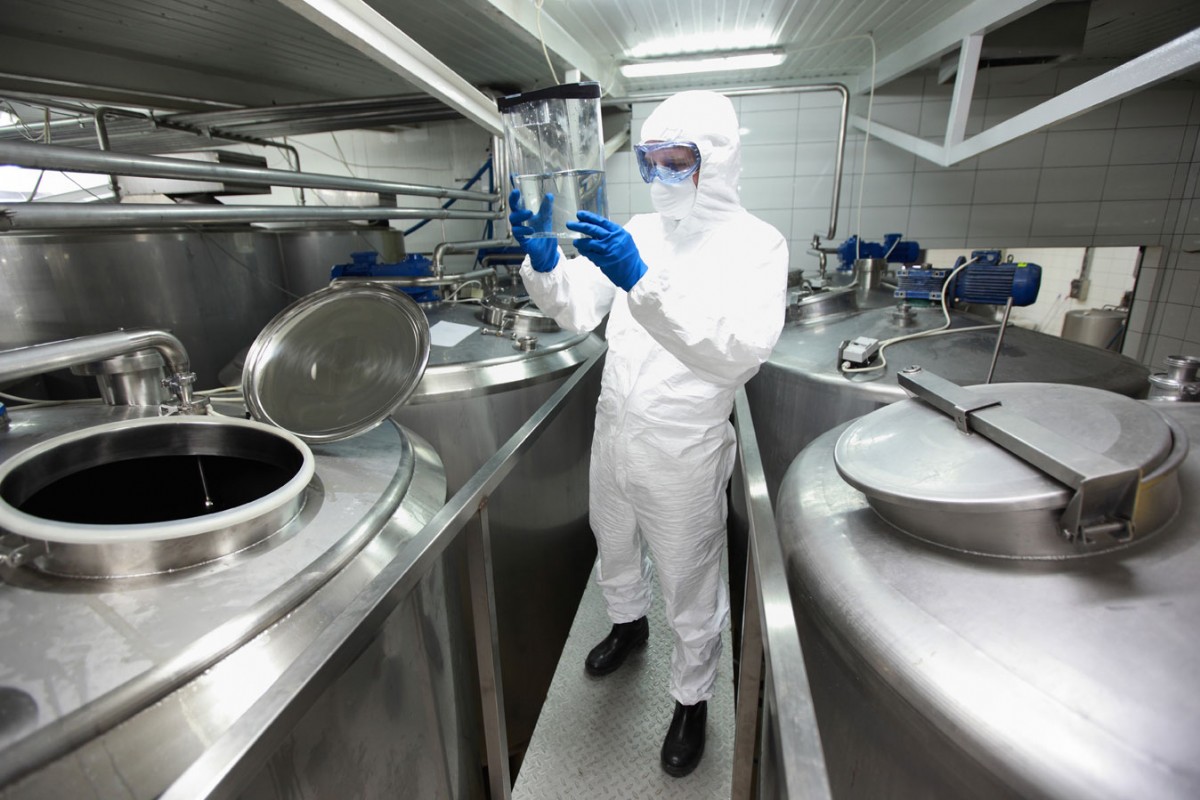
Chemical engineers change chemicals and other materials into more valuable chemicals and products. In a chemical plant (a factory that processes chemicals), engineers use their knowledge of science to safely carry out chemical reactions. Chemical engineers are often involved in researching new methods of processing chemicals and in developing entirely new chemicals, materials and products. Synthetic chemicals were not widely used until the middle of the 20th century, but today there are over 20 million of them. On average, a new synthetic chemical is created every 27 seconds.
Feedstocks
Chemicals and other materials used as raw materials in chemical plants are called feedstocks. Basic feedstocks are found in nature: for example, petroleum, vegetable oil and salt (sodium chloride). These feedstocks can be processed into other chemicals, which themselves become feedstocks for new processes. For example, the feedstocks sulphur and oxygen are used to produce sulphuric acid, a powerful acid. The acid is then used as a feedstock in the production of dyes, fertilizers, insecticides and cleaning products.

Processes
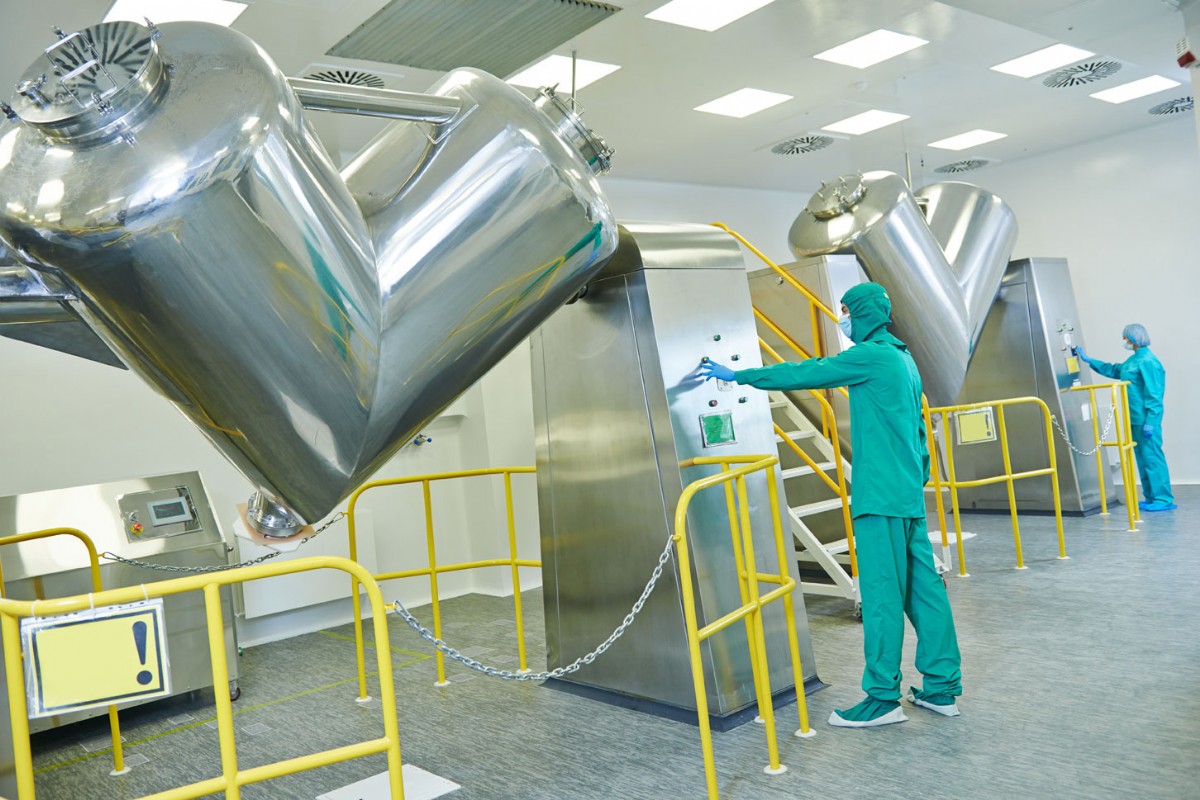
Processes carried out in chemical plants include: combination (mixing of different substances), separation (for example, the separating of chemicals into their different elements) and chemical reactions (the changing of one set of chemicals into another). Examples of mixing include the blending of different powders to form tablets such as painkillers, or the mixing of powdered pigment into paint to give it colour.

Separation is carried out by methods such as distillation. A common use of distillation is to separate air into its different elements—in particular oxygen and nitrogen—so that they can be used industrially. First, the air is cooled until it reaches -200°C (-328°F). At this low temperature, air is a liquid. The liquefied air is put into the bottom of a “fractionating column”. Nitrogen and oxygen have different boiling points: nitrogen boils at -196°C (-320°F) while oxygen must be warmer, at -183°C (-297°F). The temperature is raised to the point where liquid nitrogen boils. The nitrogen turns into a gas and rises to the top of the column, where it is piped off. The liquid oxygen is piped off at the bottom of the column.
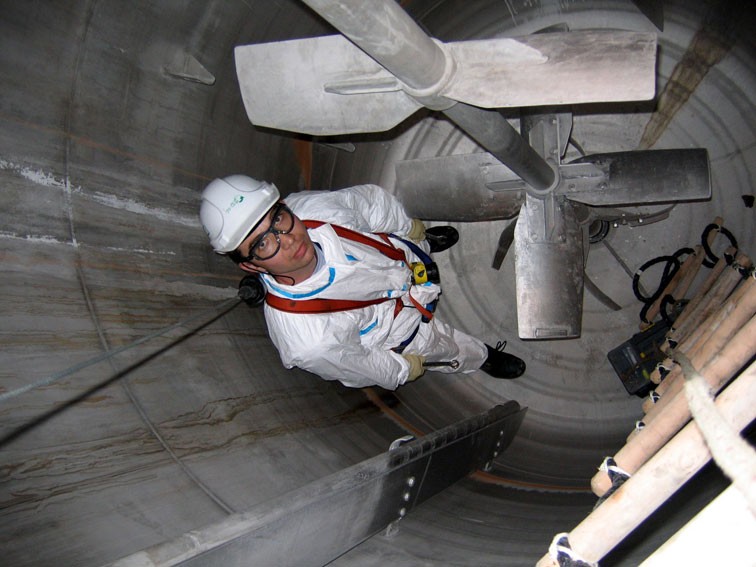
Chemical reactions are often created by applying heat, pressure or electromagnetic radiation to chemicals. Reactions usually take place inside a chemical reactor: a vessel (such as a tank) designed to hold chemicals while they react.
Reactions may take place in the presence of a catalyst. A catalyst is a substance that speeds up a reaction but is unchanged by it. For example, hydrogenation is a chemical reaction between hydrogen and another substance. Hydrogenation usually adds a pair of hydrogen atoms to each molecule of the substance. An example of hydrogenation is the changing of liquid vegetable oils into semi-solid fats such as those in margarine. The oils are hydrogenated by passing hydrogen through them in the presence of the catalyst nickel.
Commodity chemicals
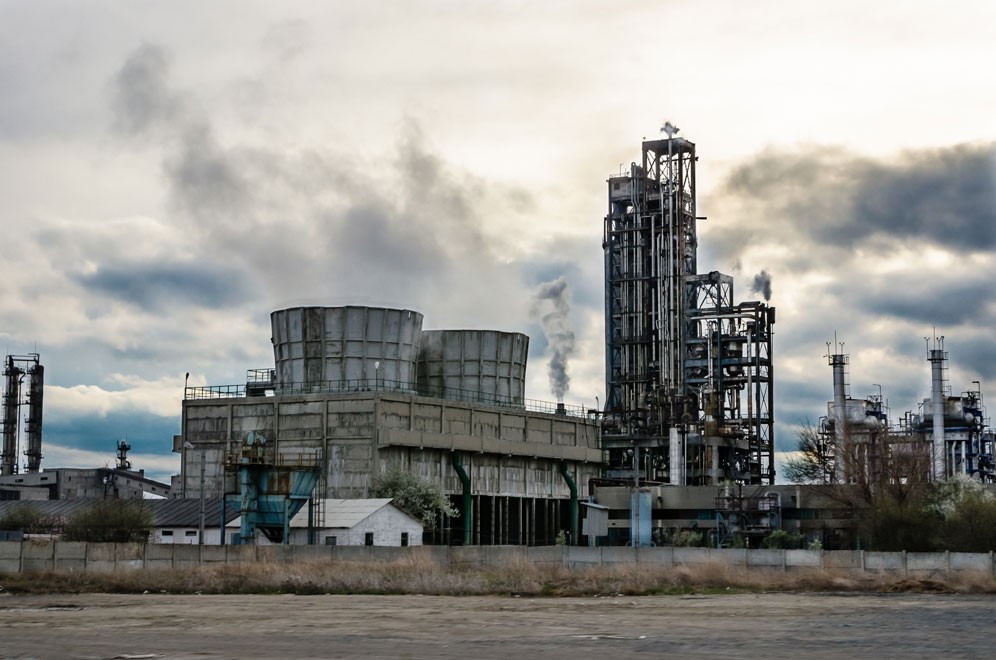
Commodity chemicals are chemicals produced on a very large scale. In order to transport huge shipments of these chemicals, the plants that produce them are often near ports or railway stations. Commodity chemicals include nitric acid (used to make explosives, pigments and dyes), ammonia (used in cleaning products, pharmaceuticals and plastics), sodium carbonate (used in glass-making, foods and toothpaste) and sodium hydroxide.
Soap
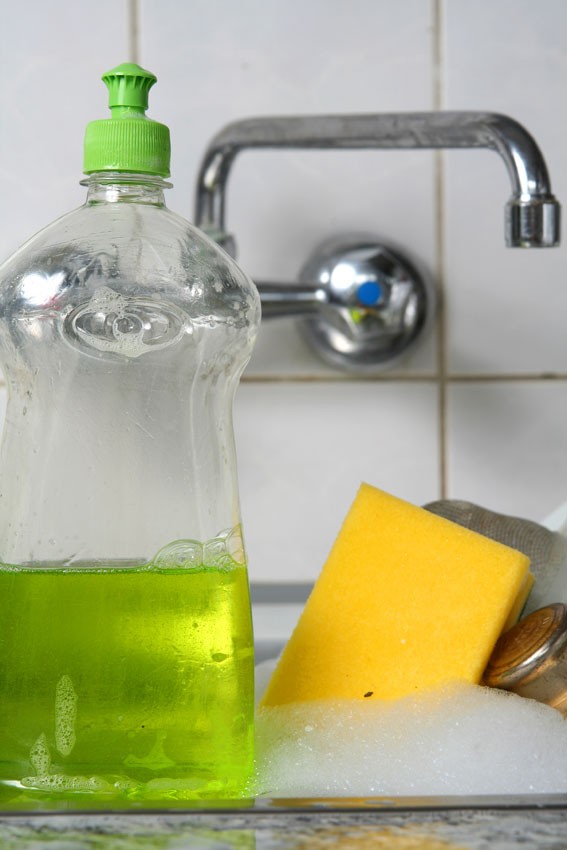
More than 60 million tonnes of sodium hydroxide are produced every year, by processing sodium chloride (salt). Sodium hydroxide (also known as lye) is a key ingredient in the production of soap. Soap is made by treating vegetable oils or animal fats with sodium hydroxide. A chemical reaction called saponification takes place. Soap (the salt of a fatty acid) is created. Soap works by suspending oil and dirt in water so that they can be removed.


Fine chemicals
Fine chemicals are produced in very small quantities. By weight, they are sold for much higher prices than commodity chemicals. Fine chemicals are often sold to manufacturers of cosmetics, pharmaceuticals and agrochemicals. For example, the flavouring and scent vanillin is produced in chemical plants from the oil guaiacol. Vanillin is often sold to cosmetics companies to replace natural vanilla in perfumes and cosmetics.
Speciality chemicals
Speciality chemicals, also called “performance chemicals”, are chemicals that are produced for their special properties—what they can do. Common types of speciality chemicals are adhesives (for sticking), coatings (for forming an outer layer), detergents (for cleaning), dyes, explosives, lubricants (for reducing friction) and surfactants (for reducing the surface tension of a liquid, allowing it to foam or soak into a solid).


Fireworks
Fireworks contain gunpowder (a mixture of potassium nitrate, charcoal and sulphur) along with speciality chemicals to produce coloured sparks, such as barium chloride (green) and calcium chloride (orange).
Petrochemicals
Petrochemicals are made from petroleum and natural gas, which are fossil fuels. Primary petrochemicals are made directly from fossil fuels. Like commodity chemicals, primary petrochemicals are produced on a large scale. Primary petrochemicals are often sold to other chemical plants to be processed into secondary petrochemicals. These chemicals are used in many industries, from plastics to pharmaceuticals. For example, benzene, which is obtained from crude oil, can be processed into cyclohexane. Cyclohexane is used to make nylon.


Oleochemicals
Oleochemicals are made from plant oils and animal fats, such as palm kernel oil and rapeseed oil. Oleochemicals can replace petrochemicals for most uses. Plastics made from oleochemicals are called bioplastics. As worries about the use of fossil fuels grow, oleochemicals are on the rise.
Pharmaceuticals
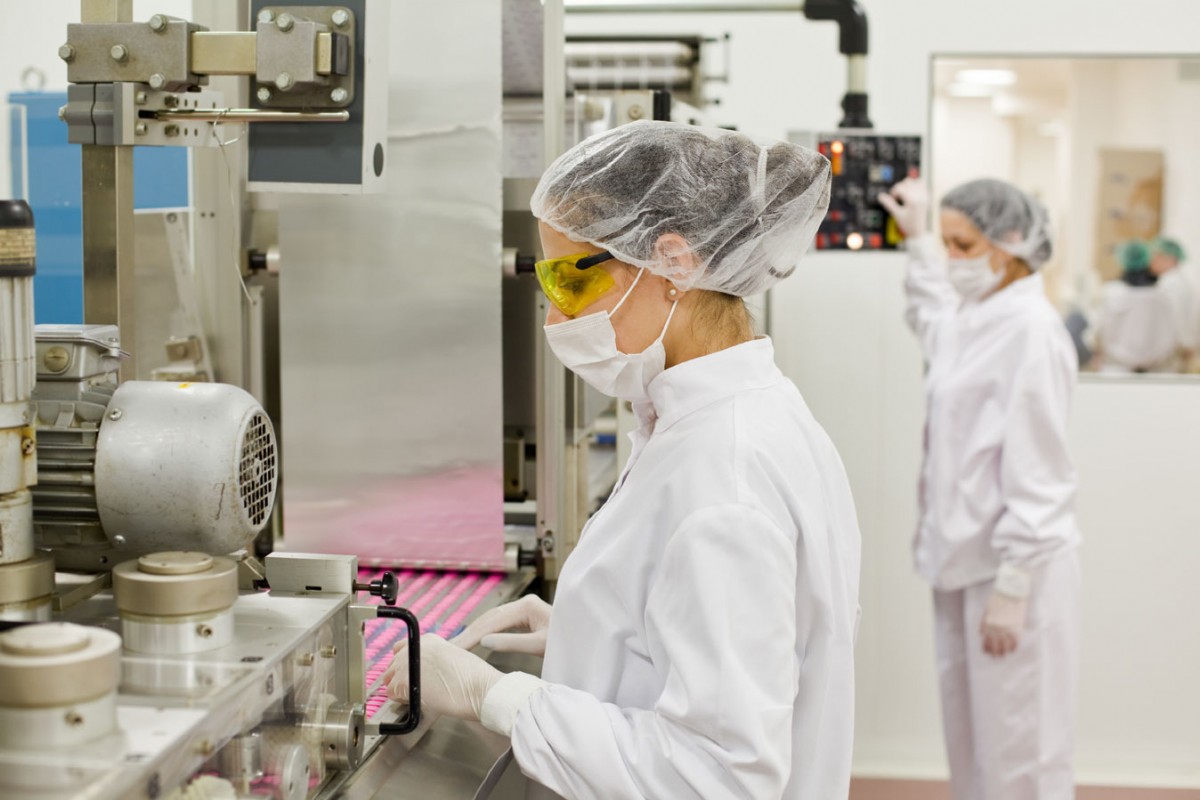
The pharmaceutical industry turns chemicals into medicines, ranging from antibiotics to painkillers. The chemical feedstocks used in pharmaceutical factories are often made by commodity, fine and speciality chemical plants. Governments regulate the testing, sale and marketing (for example, the wording on the packaging) of pharmaceutical products.
Paracetamol (called acetaminophen in North America) is one of the world’s most widely used medicines. It relieves pain and reduces fevers. The chemical does not occur naturally: it was first created by the chemist Harmon Northrop Morse in 1877. It is made from chemical feedstocks including phenol, acetic anhydride and hydroxylamine, using a series of chemical reactions and processes.
Renewable energy
Chemical engineers are involved in the production of many forms of renewable energy. Renewable energy comes from natural resources that are constantly replenished, such as sunlight and biomass (material from living organisms such as plants). For example, engineers have developed methods of producing fuels from crops such as sugar cane, soya beans and algae. Currently there is a search to produce hydrogen on a large scale, so that it can be used as fuel. Methods in development include splitting water (into hydrogen and oxygen) and processing hydrogen from biomass and wastewater.


Materials
A major area of chemical engineering is the production of materials, such as ceramics, polymers (including plastics) and biomaterials (which can be used for medical implants). The extremely hard ceramic, boron carbide, is used in tank armour and bulletproof vests. It is produced from the feedstocks boron trioxide and carbon. The polymer polytetrafluoroethylene is often sold under the brand name Teflon as a coating for non-stick cookware. It is produced from the gas tetrafluoroethylene. Artificial skin (a biomaterial) can be grown in a laboratory from lactic acid and glycolic acid.
Consultant: Nina Notman
pics
Without in any way limiting Q-files Ltd’s exclusive rights under copyright, any use of this publication to “train” generative artificial intelligence (AI) technologies to generate text is expressly prohibited. Q-files Ltd reserves all rights to license use of this work for generative AI training and development of machine learning language models.