
Resources and industry

CITE
We have made every effort to follow citation style rules, but there may be some minor differences. If in doubt, please refer to the appropriate citation style manual.
Industry. (2026). In Q-files Encyclopedia, Geography, Resources and industry. Retrieved from
https://www.q-files.com/geography/resources-and-industry/industry
"Industry." Geography, Resources and industry, Q-files Encyclopedia, 1 Apr. 2026.
https://www.q-files.com/geography/resources-and-industry/industry.
Accessed 6 Aug. 2026.
Industry 2026. Geography, Resources and industry. Retrieved 6 August 2026, from
https://www.q-files.com/geography/resources-and-industry/industry
Geography, Resources and industry, s.v. "Industry," accessed August 6, 2026.
https://www.q-files.com/geography/resources-and-industry/industry


Industry
The word “industry” describes an activity that produces the goods or services that people need or want. Industries fall into three groups. Primary industries are those that extract or grow raw materials, such as mining, fishing, farming and forestry. Secondary industries are manufacturing industries, which turn the raw materials into products such as cars, matches, books, pharmaceuticals (producing drugs for use in medicine) and buildings. Tertiary industries are service industries, which provide services for people. These industries include transport, shops, healthcare, banking, education, leisure and tourism.
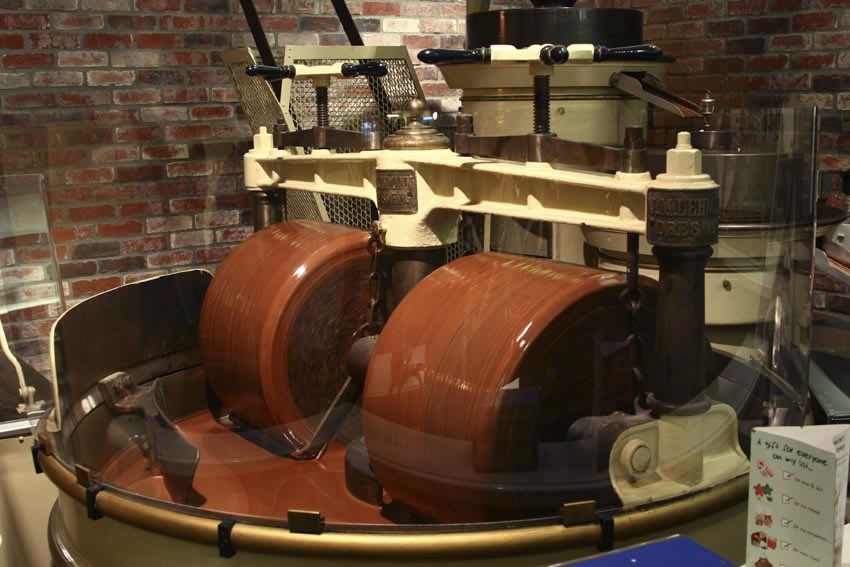
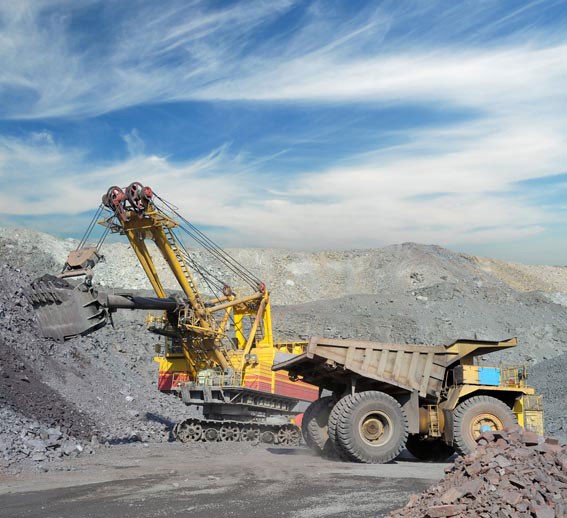
Mining
The Earth contains many minerals that are vital to us today. Minerals are non-living substances such as rocks and metals found naturally in the Earth’s crust. Some metals, such as gold, can be found at the surface, but others are buried deep in the ground and have to be mined.
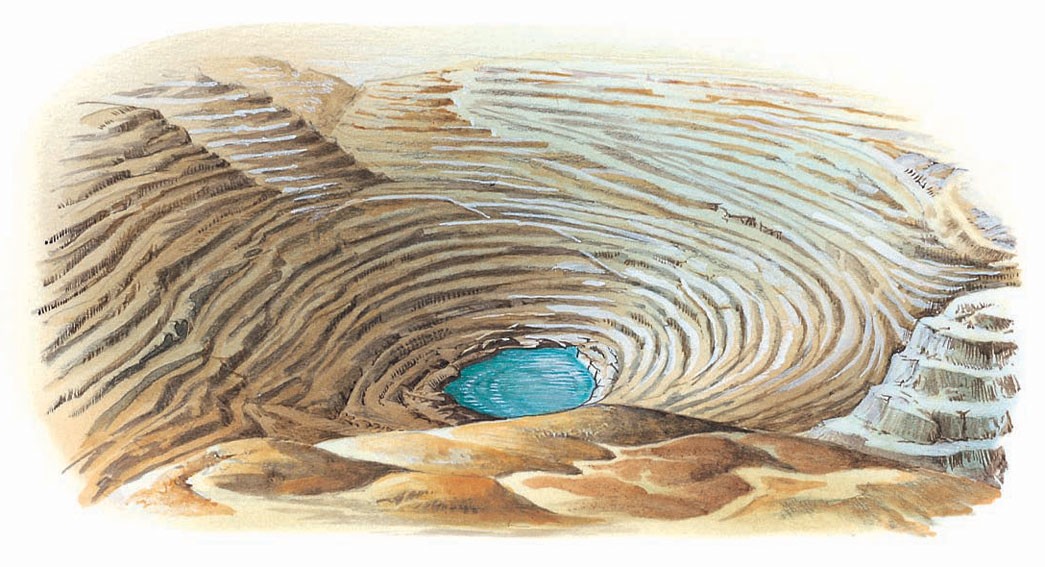
Metals found near the surface, such as platinum, tin and uranium, are mined by the open-pit (open-cast) method. Huge excavators cut away the surface rock and dig out the ore. In sub-surface mining, which is often necessary for metals such as silver, lead and zinc, tunnels and shafts are dug deep into the Earth.
Smelting
Some metals have to be extracted from the rock, or ore, in which they are found. The process used is called smelting. The rock is heated to a high temperature so that the metal melts and runs out. Iron is smelted from its ore in a blast furnace and mixed with coke and limestone. To make steel, the molten iron is poured into a steel converter. Oxygen burns off impurities, including most of the carbon, to create steel.


Different types of steel can be made by adding other metals. With the addition of chromium or nickel, for example, stainless steel is produced. This is resistant to rust and water stains, making it a popular choice for sinks and cutlery. Titanium and vanadium steels resist very high temperatures without melting.
Manufacturing
In the late 18th and 19th centuries, the development of new machinery radically changed the way that manufacturing was carried out. This period of change is known as the Industrial Revolution. It began in Britain and spread across Europe and to the USA. The new machines were too big for homes or workshops so manufacturing moved to larger buildings called factories.
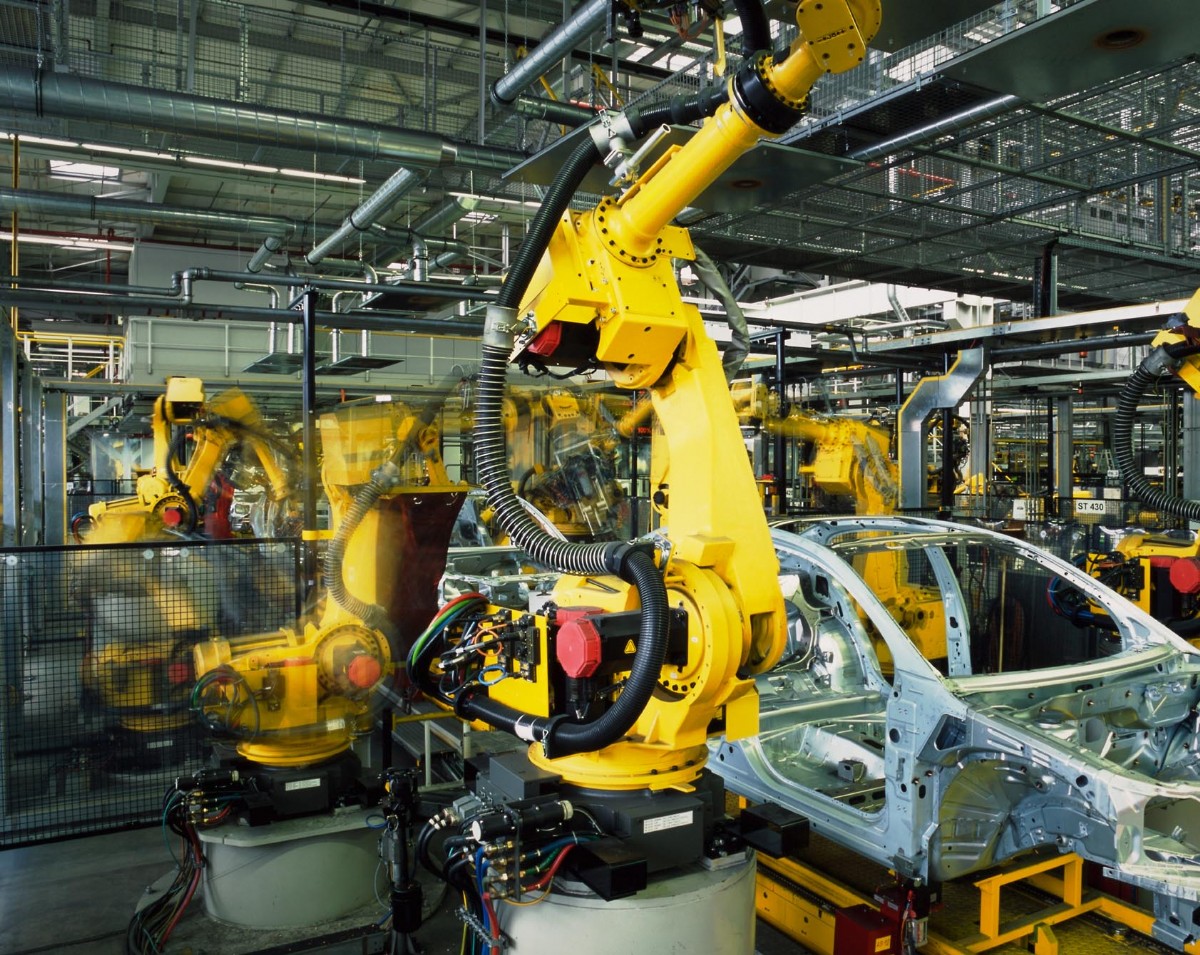
Today, machines are used instead of people to manufacture goods. Highly automated industries use specialized equipment such as electronic technology and industrial robots to increase productivity. In the late 20th century, several East Asian countries, including Japan, Korea, China, Singapore and Taiwan developed high-tech industries, including electronics and robotics.

Handicrafts are also part of the manufacturing, or secondary, sector. In wealthier nations, the rise in the number of machine-made products on offer has also led to a rise in respect for quality handmade products. Handicrafts such as hand-woven carpets, pottery, furniture, quilts and jewellery can sell for high prices. Small manufacturing businesses conducted from home or small workshops are called cottage industries.
Services
Wealthy and highly developed countries tend to have a large part of their population employed in service industries. For example, in the UK, 78% of the workforce is employed in services, such as finance, entertainment, healthcare, tourism and retail (shops). This is in contrast to the world's poorest countries, where the majority of people are employed in primary industries such as agriculture and fishing.


Quaternary industries
The rapid growth of knowledge-based industries in the 21st century has led some to propose a fourth group of industries: the quaternary sector. Knowledge-based industries typically include ICT (information and communication technologies), R&D (research and development, particularly in scientific fields), media and design.
Post-industrial society
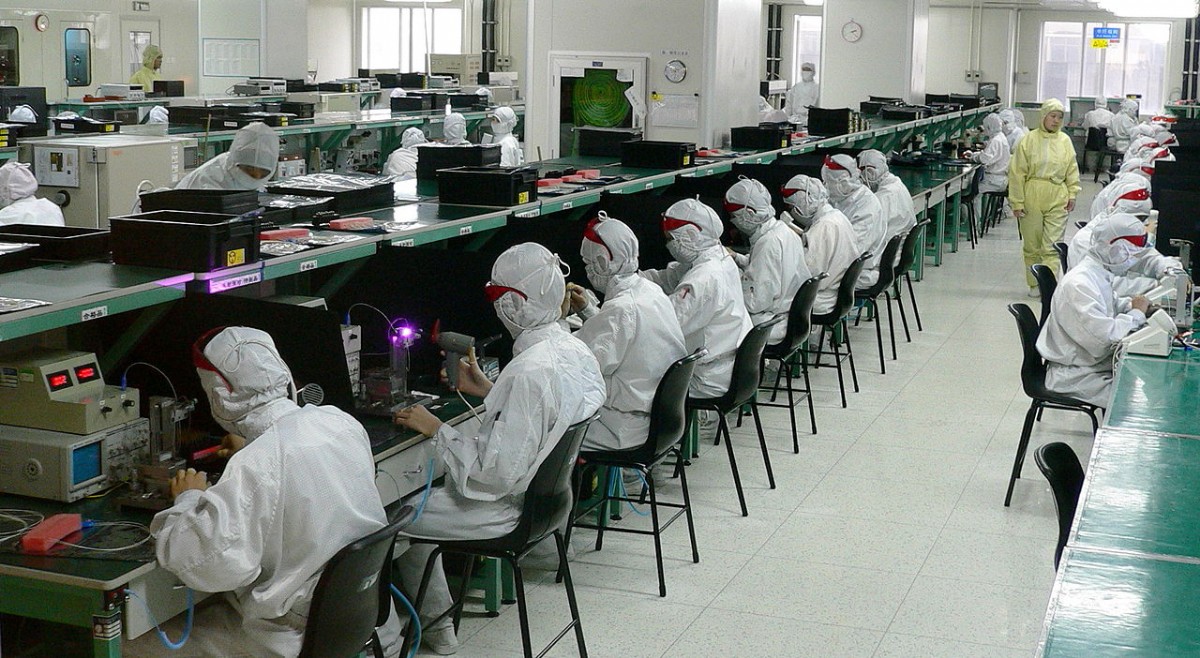
Many wealthy countries have now become what are known as post-industrial societies. These countries have experienced not only an expansion of service industries to replace manufacturing, but have also seen the development of knowledge-based industries. In a post-industrial country, many manufacturing industries, along with some service industries, have been relocated, or outsourced, to less developed countries where the costs of labour (in particular) are lower.
Consultant: Lloyd Jenkins
pics






Without in any way limiting Q-files Ltd’s exclusive rights under copyright, any use of this publication to “train” generative artificial intelligence (AI) technologies to generate text is expressly prohibited. Q-files Ltd reserves all rights to license use of this work for generative AI training and development of machine learning language models.