
Wealth and poverty

CITE
We have made every effort to follow citation style rules, but there may be some minor differences. If in doubt, please refer to the appropriate citation style manual.
International development. (2026). In Q-files Encyclopedia, Geography, Wealth and poverty. Retrieved from
https://www.q-files.com/geography/wealth-and-poverty/international-development
"International development." Geography, Wealth and poverty, Q-files Encyclopedia, 1 Apr. 2026.
https://www.q-files.com/geography/wealth-and-poverty/international-development.
Accessed 22 Sep. 2026.
International development 2026. Geography, Wealth and poverty. Retrieved 22 September 2026, from
https://www.q-files.com/geography/wealth-and-poverty/international-development
Geography, Wealth and poverty, s.v. "International development," accessed September 22, 2026.
https://www.q-files.com/geography/wealth-and-poverty/international-development


International development
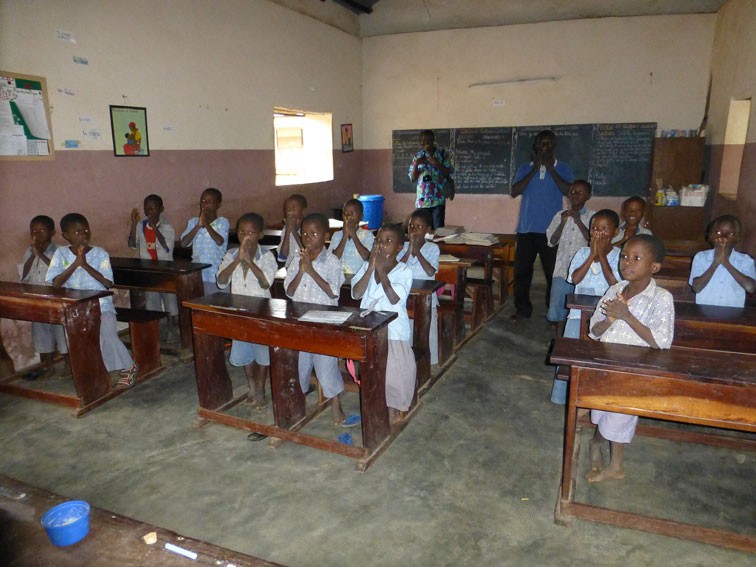
A developed country is one which has a high income per person and high standards of living. In developed countries, a large proportion of people are employed in manufacturing and service industries, such as banking and leisure. A developing country, by contrast, is one with a low income per person and poor health care, education and nutrition. In developing countries, most people are employed in farming or mining. International development is a term that means both the process by which developing countries can work towards becoming developed ones—and the measure of their progress.


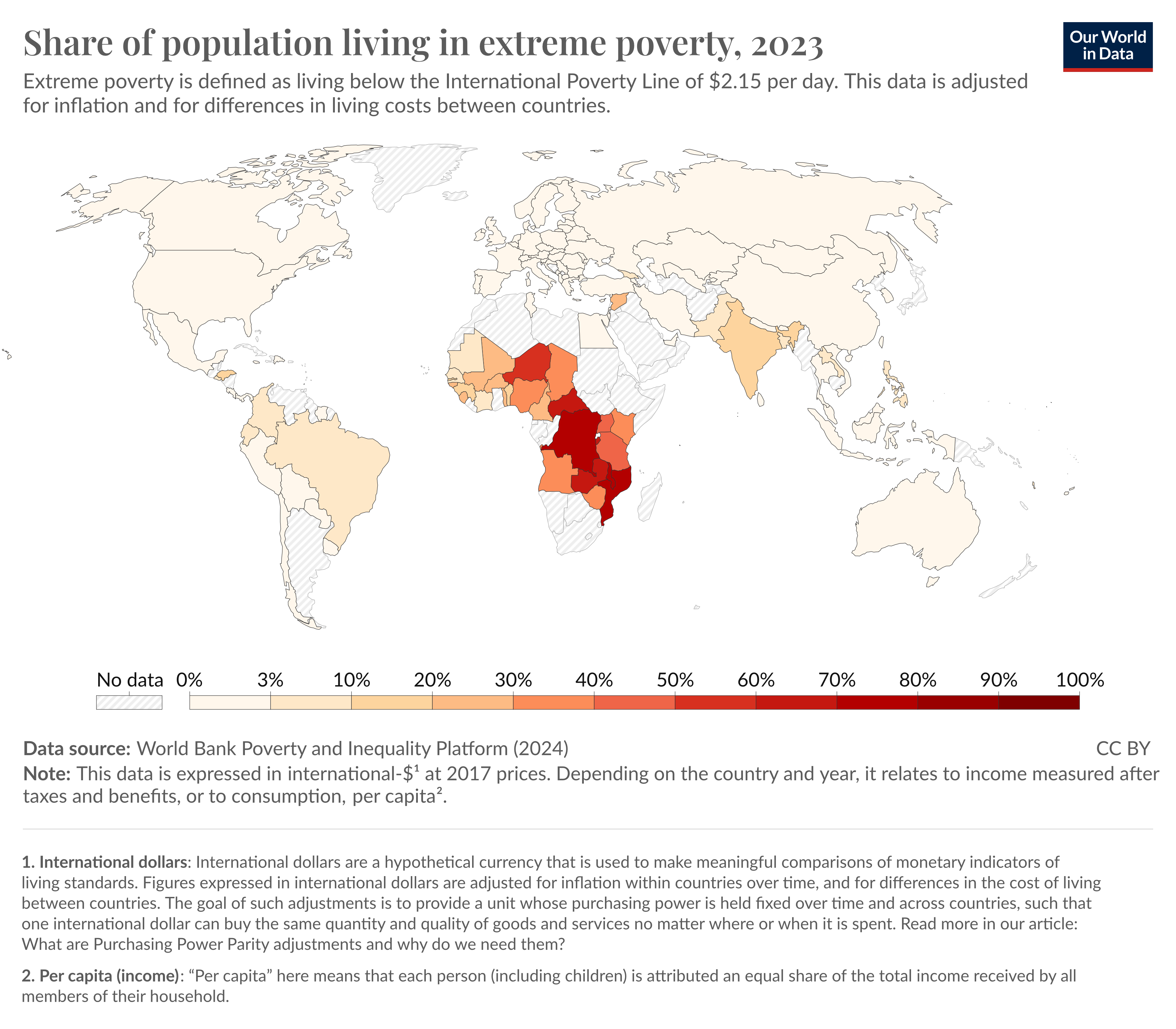

Indicators
There are many ways of measuring a country's development. Its economic wealth can be measured by its Gross Domestic Product (GDP). This is defined as the value of all the goods and services produced there, including those produced by foreign-owned firms. Sometimes this is given as a "per capita" (per head of population) figure, but this is likely to be misleading because wealth is generally not shared out equally amongst a country's population.
Another way of measuring a country's development is to look at social indicators instead. These include: life expectancy, birth and death rates, infant mortality, the proportion of children receiving primary education and whether equal opportunities exist for women. Again, there are likely to be sizeable differences within countries.
One country may be classified as highly developed when using one indicator, but less developed when using another. For this reason, more sophisticated measures have been introduced.

Purchasing power parity

Purchasing power parity (PPP) is a measure that compares what the same amount of money can buy in different countries. It takes into account differences in the costs of living: for example, a dollar will buy more goods in Somalia than it can in Sweden. This measure does not take account of the fact that people in different countries typically buy different types of goods.
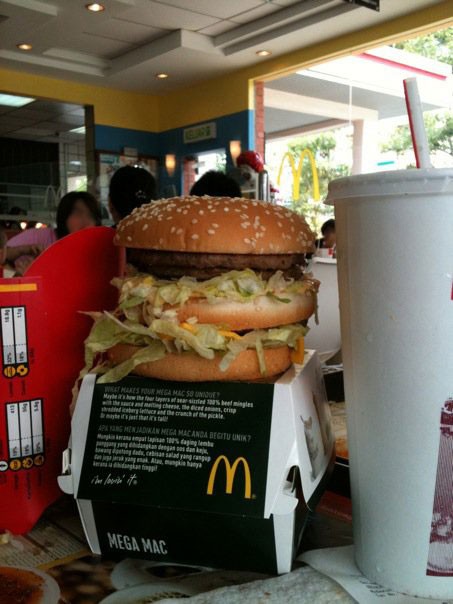
One way to make PPP more accurate is to compare prices of the same good sold in most countries. The Big Mac Index, for example, compares the prices of a Big Mac burger in McDonald's restaurants worldwide. The Big Mac is a standard product found in many countries. The costs of producing it includes local ingredients (e.g. beef, bread, lettuce and cheese), labour, rent and transport costs—so the local price should reflect this. However in some countries the Big Mac is not the "cheap" meal it is in the West, but a luxury.
Human Development Index
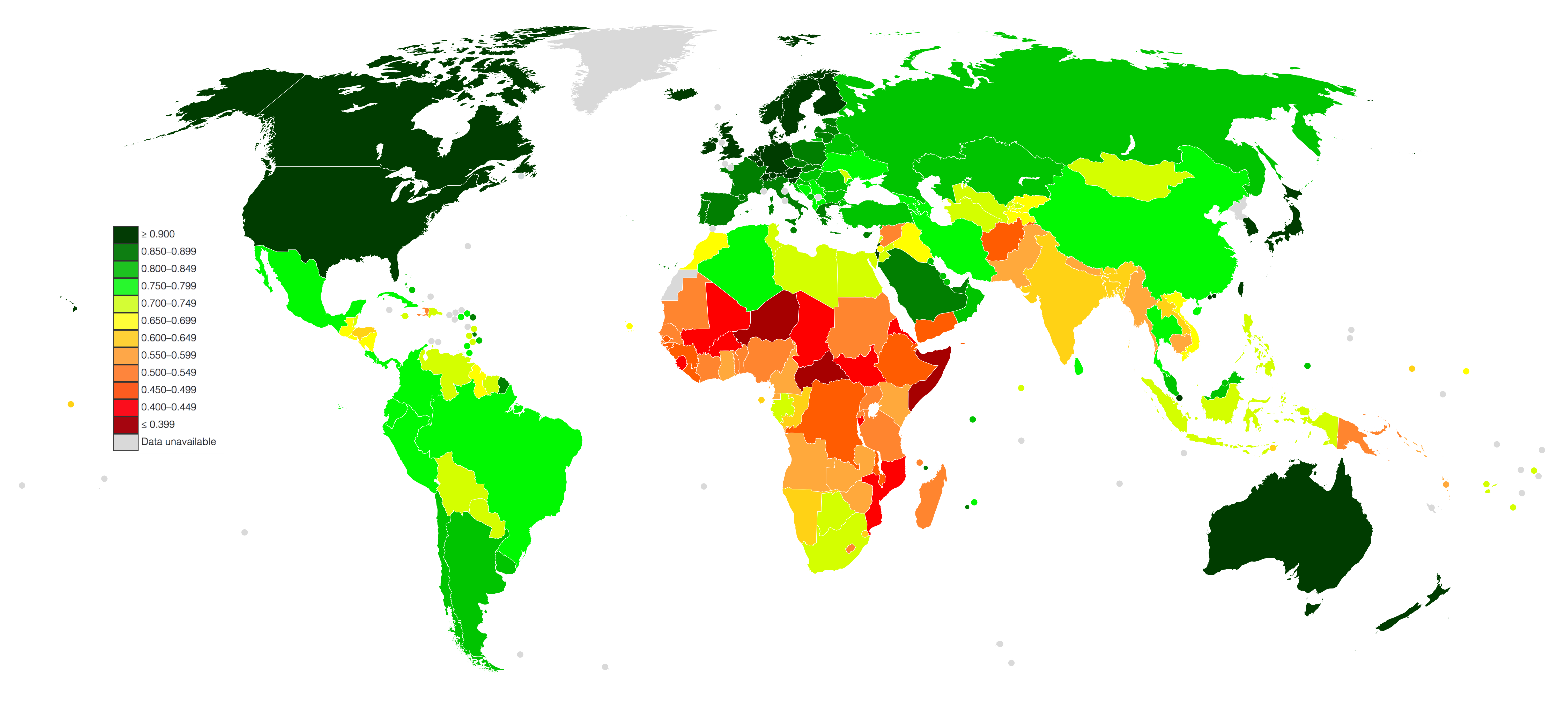
Possibly the most accurate measure of a country's progress on the international development scale is the Human Development Index (HDI). The nearer a country's HDI is to 1.0, the higher its level of development. The index was devised by by Pakistani economist Mahbub ul Haq and Indian economist Amartya Sen in 1990.
The HDI combines three different measures: life expectancy at birth, number of years of schooling, and a version of GDP called Gross National Income (GNI) per capita. The GNI measure is calculated according to PPP.
The HDI is used to distinguish between developed, developing or underdeveloped countries. Countries fall into four categories, each of which comprises 46 or 47 countries: Very High Human Development, High Human Development, Medium Human Development and Low Human Development.
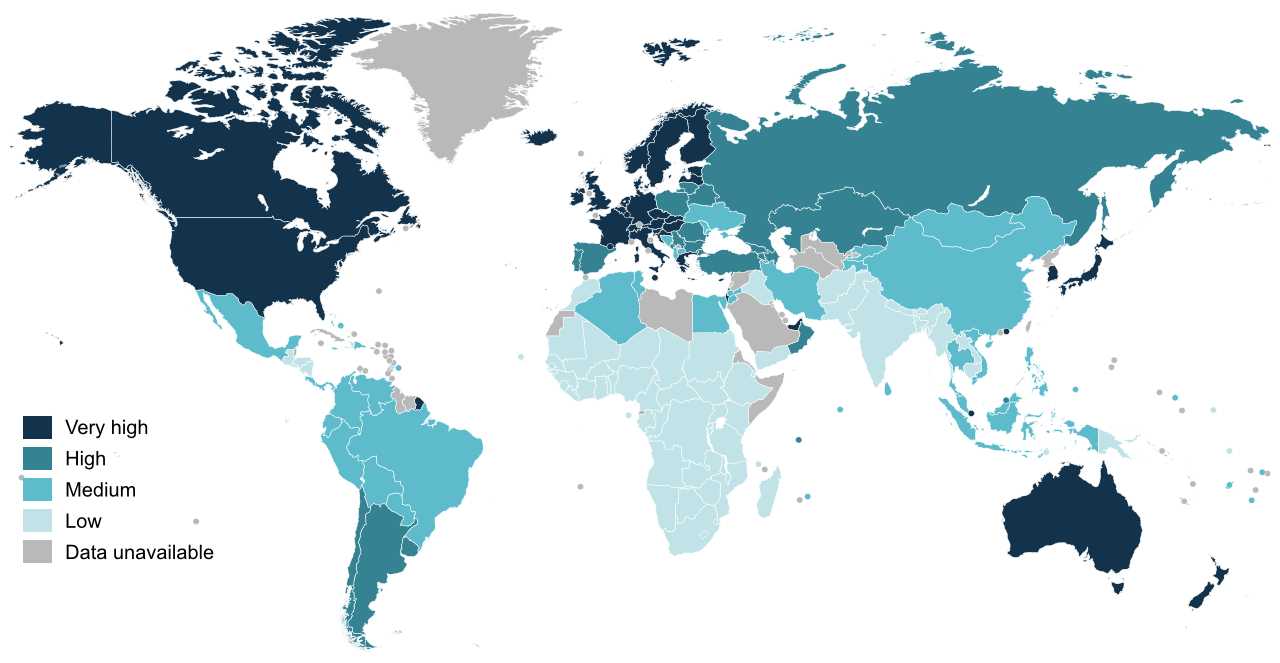

North-South divide
The North-South divide is one way of describing, broadly, the geographical location of the world's developed and developing countries. The North includes North America, Europe and developed countries of East Asia and Oceania. The South consists of Africa, Latin America and developing countries of Asia.
Some experts think that this definition of the North-South divide is no longer useful because many developing countries have experienced rapid growth in recent decades.
The North, which has one quarter of the world's population, earns four-fifths of income earned anywhere in the world. About 90% of all manufacturing industries are owned by or located in the North. In general terms, the South—three quarters of the world population—serves as a source for raw materials (including crops and minerals) for the industries owned by the countries of the North.
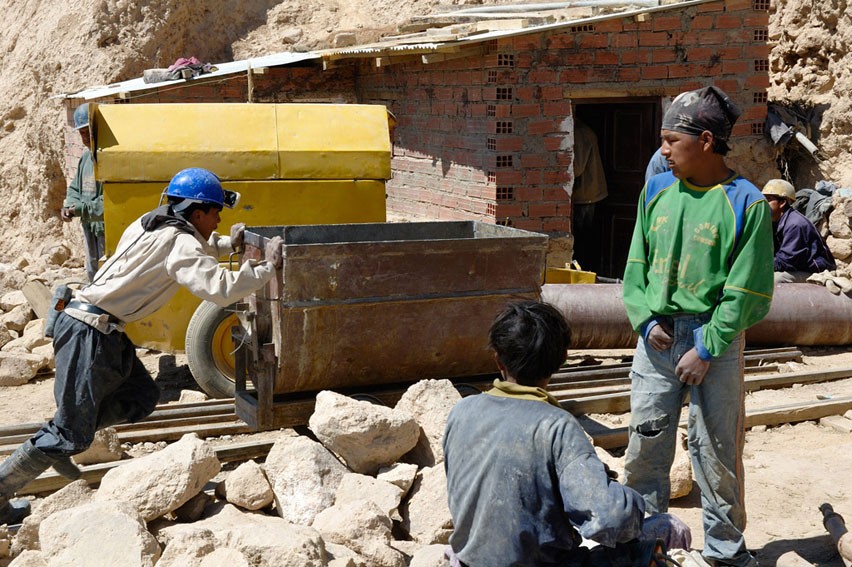
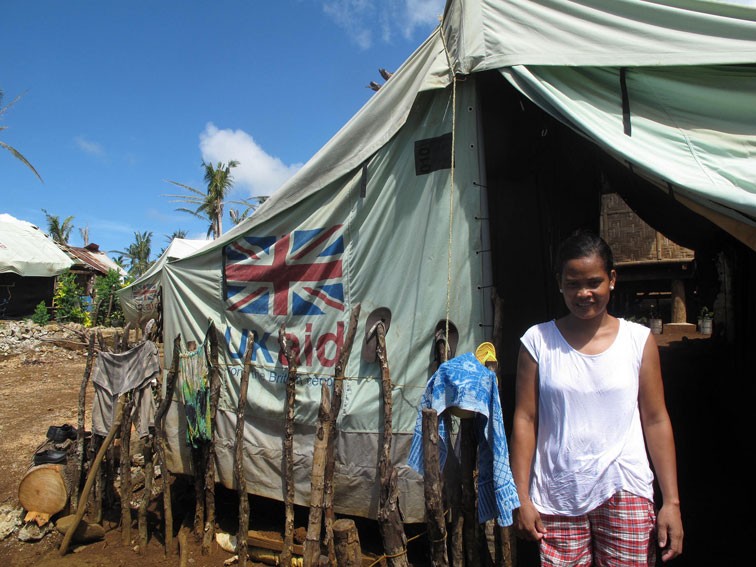
Many countries in the South lack modern technology, are politically unstable and have vulnerable economies. Many are in need of help in the form of international aid, particularly in times of famine, environmental disaster and disease.
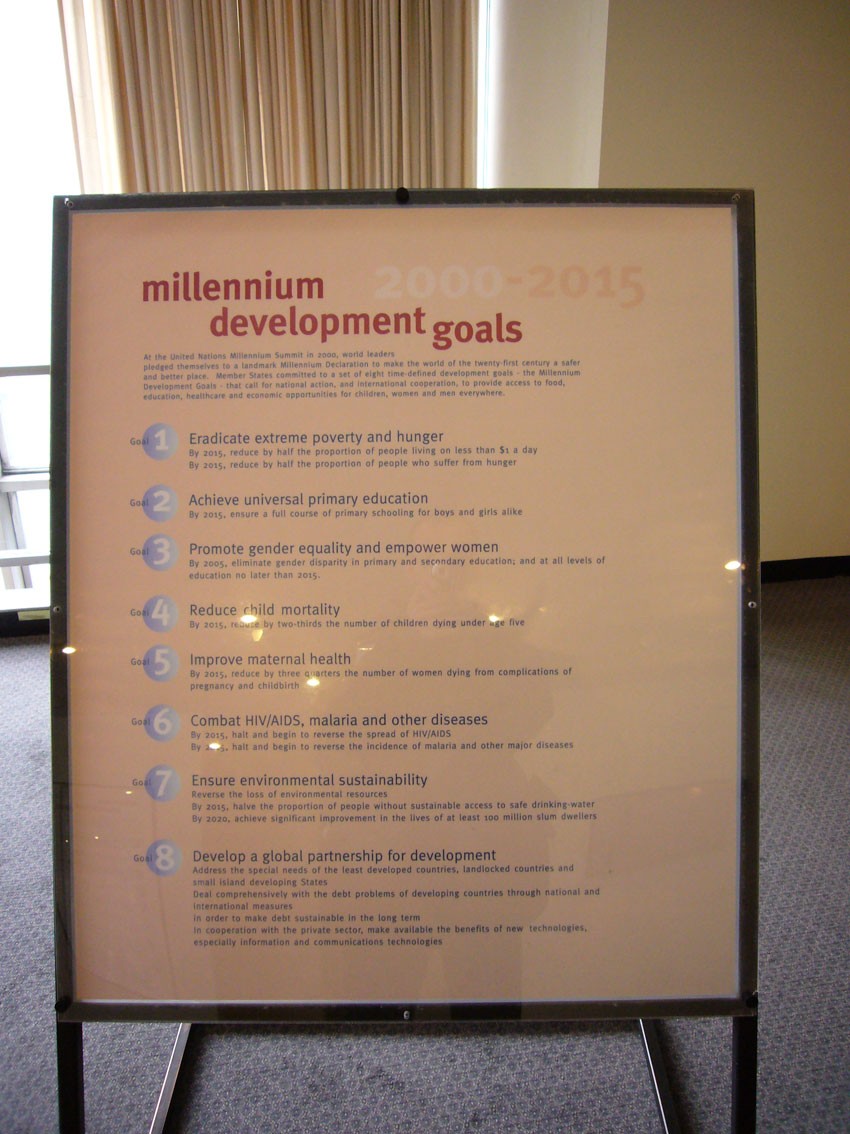
UN Development Goals
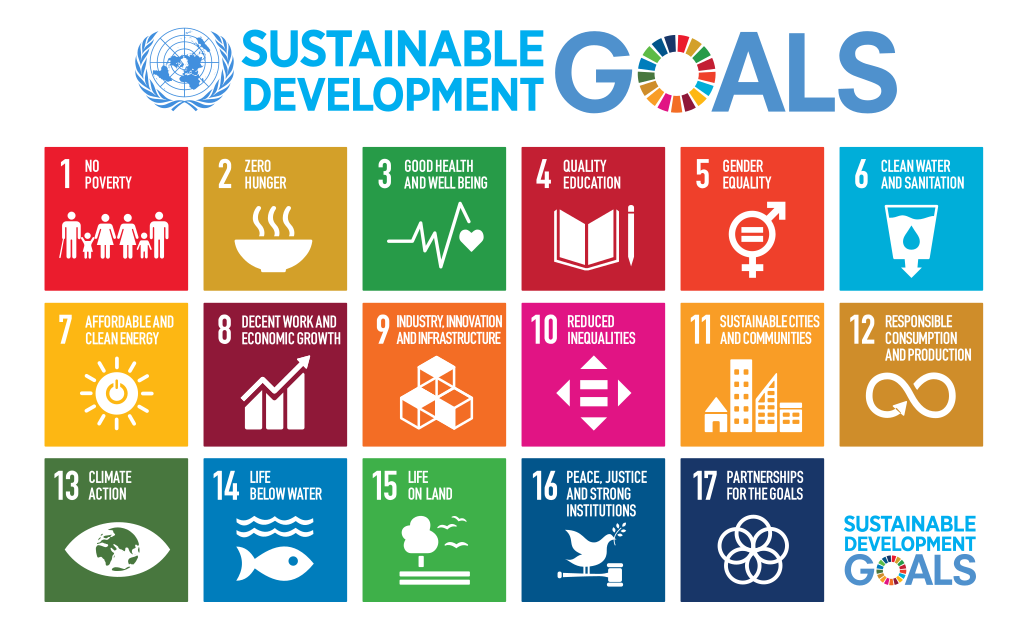
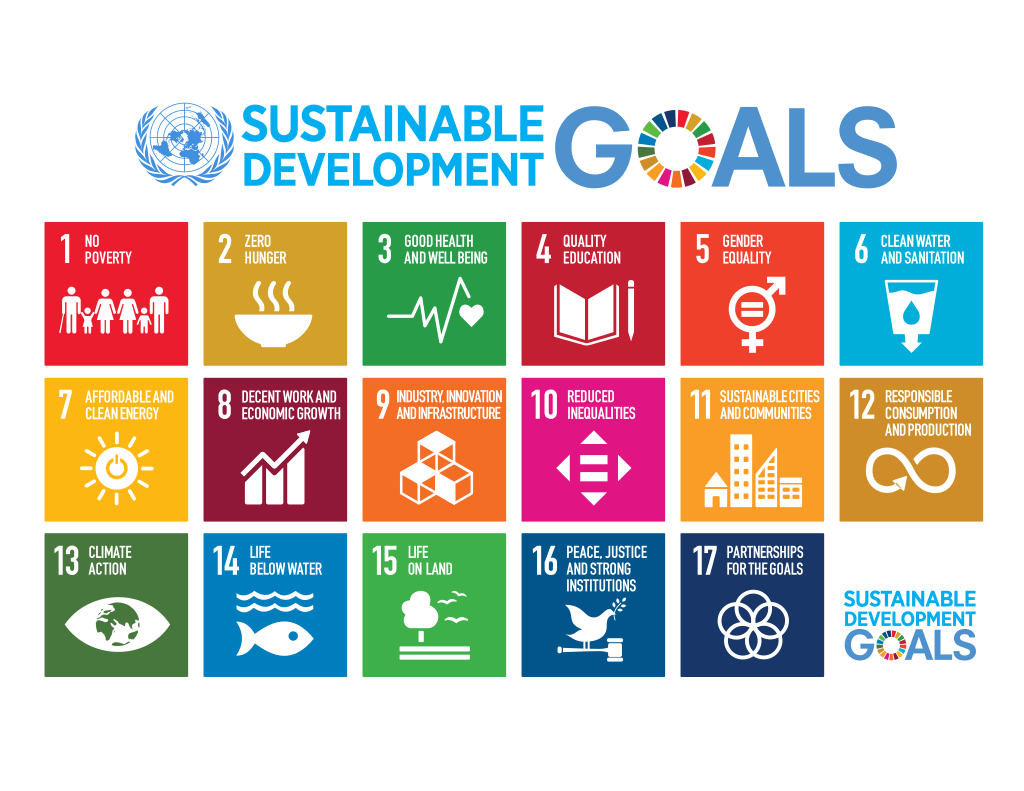
In an effort to reduce the extremes of inequality between North and South, in 2000 the United Nations introduced what it called Millennium Development Goals (MDGs)—all of which were to be achieved by 2015. These goals were: to eradicate extreme poverty and hunger; to achieve primary education worldwide; to promote equality of the sexes and empower women; to reduce infant mortality; to improve the health of woman during pregnancy and childbirth; to fight HIV/AIDS, malaria and other diseases; to ensure environmental sustainability; to develop "global partnership for development".
The Sustainable Development Goals (SDGs) succeeded the MDGs in 2016. The list of goals, intended to be achieved by the year 2030, was expanded to 17. They are shown on this graphic (below).
G7 and BRICS
The Group of Seven (G7) are the seven leading industrial nations of the world. These nations—the United States, Japan, Germany, France, United Kingdom, Italy and Canada (plus the European Union, a "non-enumerated member")—account for around 44% of the world’s GDP. A forum for discussion, it is widely considered to wield huge international influence, but it has been criticized for appearing to represent the interests of only the world's advanced economies.
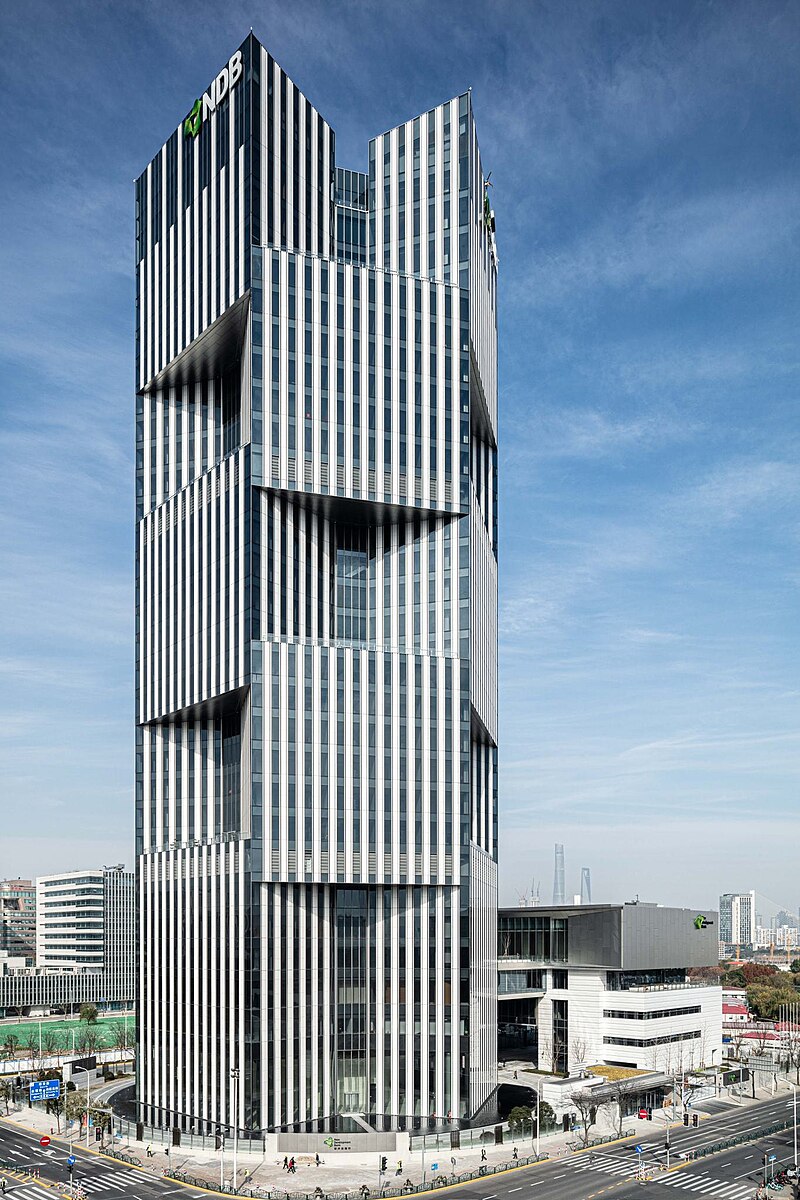
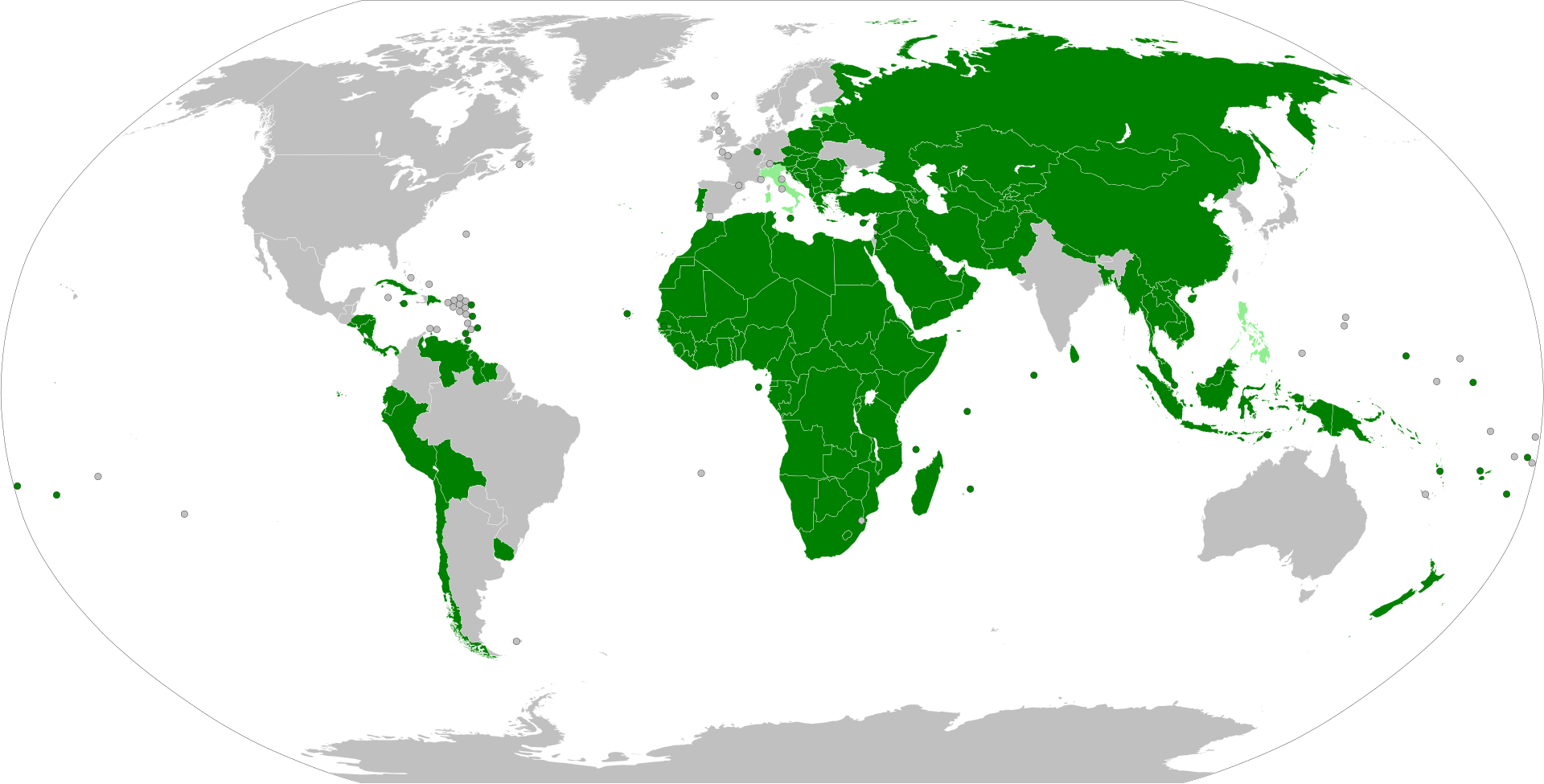
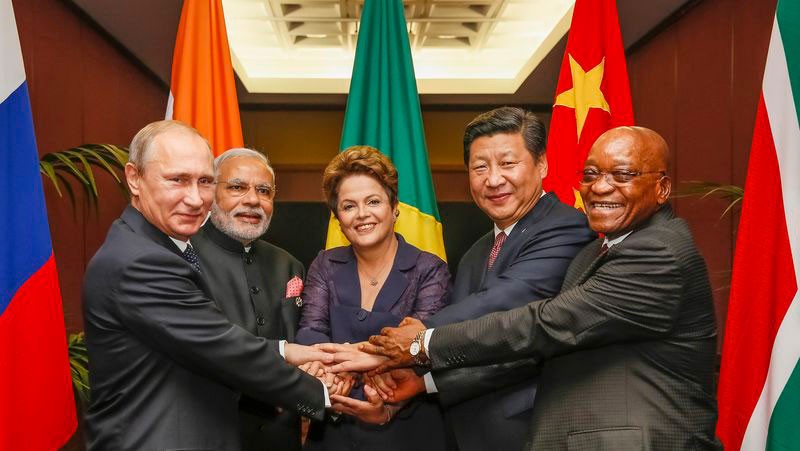
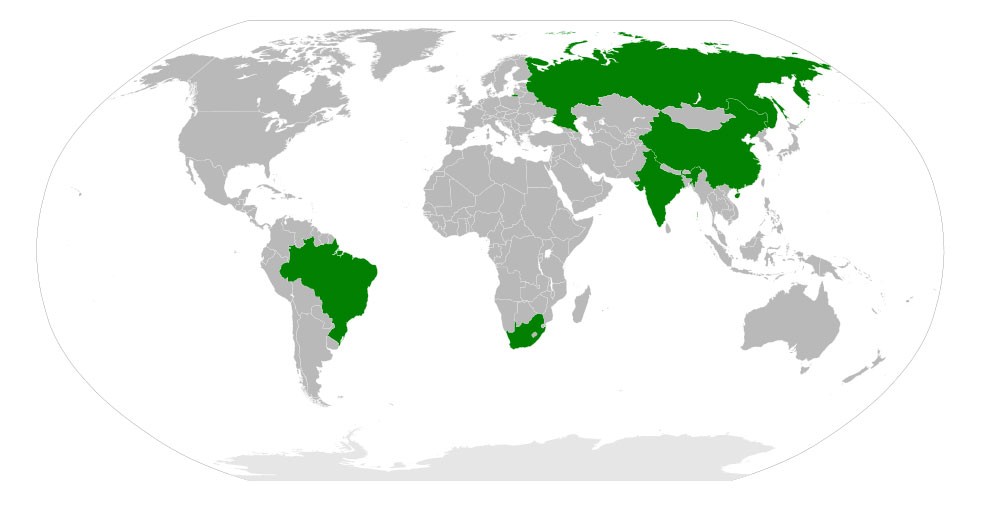
Established as an alternative to the G7 bloc, BRICS is a group of ten countries. They are, as of 2025: Brazil, Russia, India, China, South Africa, Egypt, Ethiopia, Indonesia, Iran and the United Arab Emirates. Together, they represent nearly half the world's population. BRICS is an acronym, a name made up by the initials of the original members (Brazil, Russia, India, China and South Africa). The term BRICS+ is sometimes used to reflect the new membership. The wealth of the BRICS countries has risen by 356% between 1990 and 2019. Their share of world GDP at purchasing power parity (PPP) is 35.6%. The group is, however, economically dominated by China, which has about 70% of the BRICS total GDP.
An additional nine countries, Belarus, Bolivia, Cuba, Kazakhstan, Malaysia, Nigeria, Thailand, Uganda and Uzbekistan, are "partner countries".

Objectives and challenges
In order for a country to develop it must achieve a number of objectives. It needs to have a strong and stable government; its economy must be less dependent on agriculture and become based more on manufacturing and services, with a focus on exports; its workforce must become competitive workforce; profits should be invested both for the benefit of its economy and the well-being and education of its population.
A developing country may, however, be held back from achieving these objectives by a number of factors: climatic and other environmental hazards; a shortage of natural resources, a lack of access to sea ports; corruption; war; disease; overpopulation; discrimination against women.
Development assistance
The governments of many industrialized countries (along with other individuals and organizations) offer developing countries financial or technical assistance or investment—a vital factor in their development. Between them, the United States, Japan and Europe spend more than $100 billion each year on development assistance. Added to these are contributions made by private citizens, charities and organizations such as the Bill & Melinda Gates Foundation. China, India, Brazil, Qatar and Kuwait are also significant providers of assistance to developing countries.
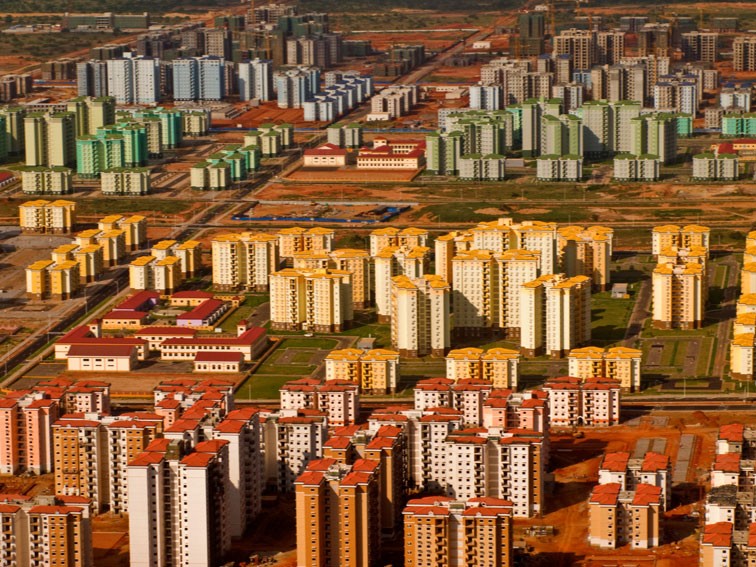
International assistance is usually focused on providing long-term, sustainable solutions for developing countries. Sustainable development projects are those that can carry on without continuing financial support. They include, for example, those aimed towards empowering women, building local economies and caring for the environment.
The rise of China
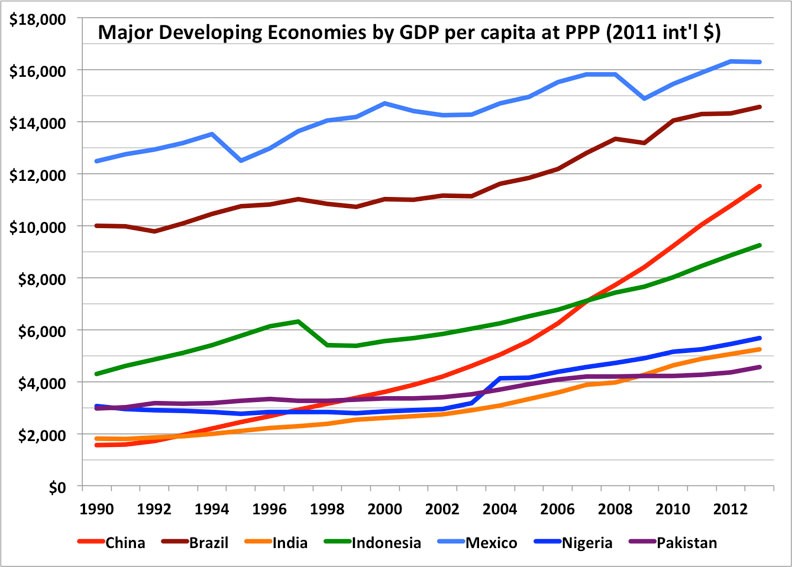
China has developed extremely rapidly as an industrial nation over the last few decades. This growth has raised hundreds of millions of people out of poverty and has resulted in China becoming one of the world’s major manufacturing countries. China produces and exports huge quantities of textiles, clothing and other manufactured goods each year. It is now the world’s largest exporter of goods, the world's largest economy by PPP and its second largest economy (after the USA) by GDP (Gross Domestic Product).

How has China achieved this staggering rise? It has made use of its vast population, which serves as a supply of highly skilled, low-cost labour. Establishing Special Economic Zones (SEZ) offering tax incentives to foreign investors was a key government policy that helped to trigger China's rapid development. Shenzhen, situated immediately north of Hong Kong, was little more than a village in 1979 when a SEZ was established in its locality. It has now grown to become a city of more than 17 million people.
Belt and Road Initiative
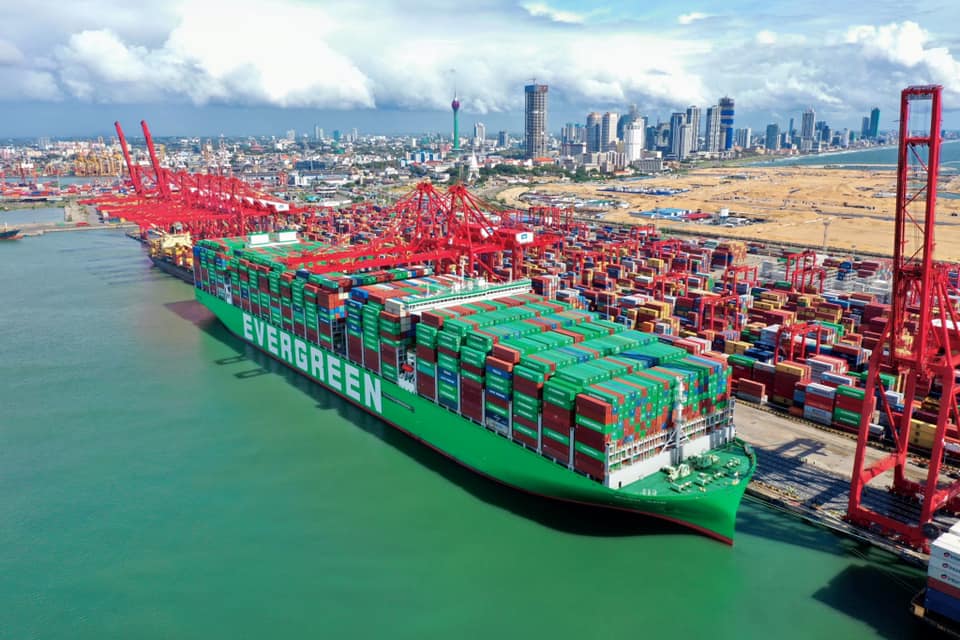
China's Belt and Road Initiative (BRI or, in Chinese, yi dai yi lu) has been described as a 21st century Silk Road. Announced in 2013 and launched officially in 2017, it is made up of a “belt” of overland corridors and a maritime “road” of shipping lanes, connecting China with around 70 countries in other parts of Asia, the Middle East, Central and Eastern Europe, and Africa. As of December 2023, 149 countries are members.
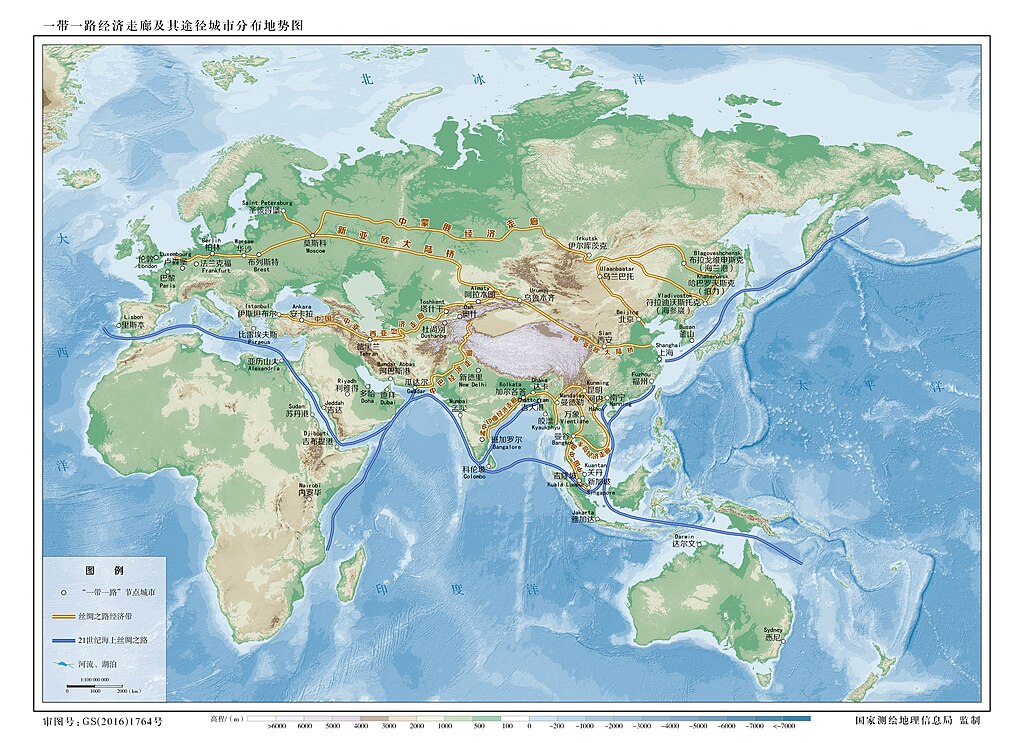
Italy, a G7 country, joined the project in 2019. Its Adriatic port, Trieste, linked by road and rail to the rest of Western Europe, became the western end point of the maritime "road". Italy withdrew in 2023, but other European countries such as Greece, Portugal and Poland, have joined the project.
China’s multi-billion dollar project involves loans and investment from Chinese banks to BRI countries in what are called infrastructure projects. These include: ports, skyscrapers, railways, roads, airports, dams and power stations. Most projects are built by Chinese construction companies.
In 2015, China announced plans for a third component of BRI: the "Digital Silk Road". This project has two main parts. Firstly, China will provide upgraded internet connections. This will include laying new undersea fibre-optic cables linking China with countries to the west. It will also involve installing broadband in those BRI countries where it is under-developed. Secondly, China’s satellite navigation network will be expanded to match the US-owned GPS system.
The aim of the Belt and Road Initiative is to accelerate economic growth in each BRI country, including China itself, through increased trade. Many BRI nations now owe huge sums of money to China as a result, and critics think that they will become dependent on China—a deliberate Chinese aim, known as "debt-trap diplomacy". Supporters of BRI point to its success in creating wealth and bringing Asia, Europe and Africa closer together economically.
pics






Without in any way limiting Q-files Ltd’s exclusive rights under copyright, any use of this publication to “train” generative artificial intelligence (AI) technologies to generate text is expressly prohibited. Q-files Ltd reserves all rights to license use of this work for generative AI training and development of machine learning language models.