
Europe

CITE
We have made every effort to follow citation style rules, but there may be some minor differences. If in doubt, please refer to the appropriate citation style manual.
Russia. (2026). In Q-files Encyclopedia, Geography, Europe. Retrieved from
https://www.q-files.com/geography/europe/russia
"Russia." Geography, Europe, Q-files Encyclopedia, 31 Mar. 2026.
https://www.q-files.com/geography/europe/russia.
Accessed 31 Oct. 2026.
Russia 2026. Geography, Europe. Retrieved 31 October 2026, from
https://www.q-files.com/geography/europe/russia
Geography, Europe, s.v. "Russia," accessed October 31, 2026.
https://www.q-files.com/geography/europe/russia


Russia
Spanning two continents, Europe and Asia, Russia is the largest country by area in the world. The Ural Mountains form a natural border between European Russia to the west and Siberia (Asian Russia) to the east. Most of the country's farmland, population and large cities are found on the plains of European Russia. Siberia is a land of dry grasslands, endless coniferous forests and Arctic tundra. Much of Russia has long, very cold winters and short, warm summers. Southern regions have milder winters.


Republics

For much of the 20th century, Russia, along with other republics on its western and southern borders under Russian rule—territories of the old Russian Empire—formed the Union of Soviet Socialist Republics (USSR), known as the Soviet Union for short. This broke up in 1991, and the republics that made it up became independent.

Today, the Russian Federation, usually known as just Russia, is divided into 83 smaller regions, similar to US states. Twenty-one of these are republics, with their own system of government and official language. The most populous of them, Bashkiria (Bashkortostan), in the southern Urals, has a population of over 4 million. A major industrial region, Bashkiria has become a successful centre for oil refining.

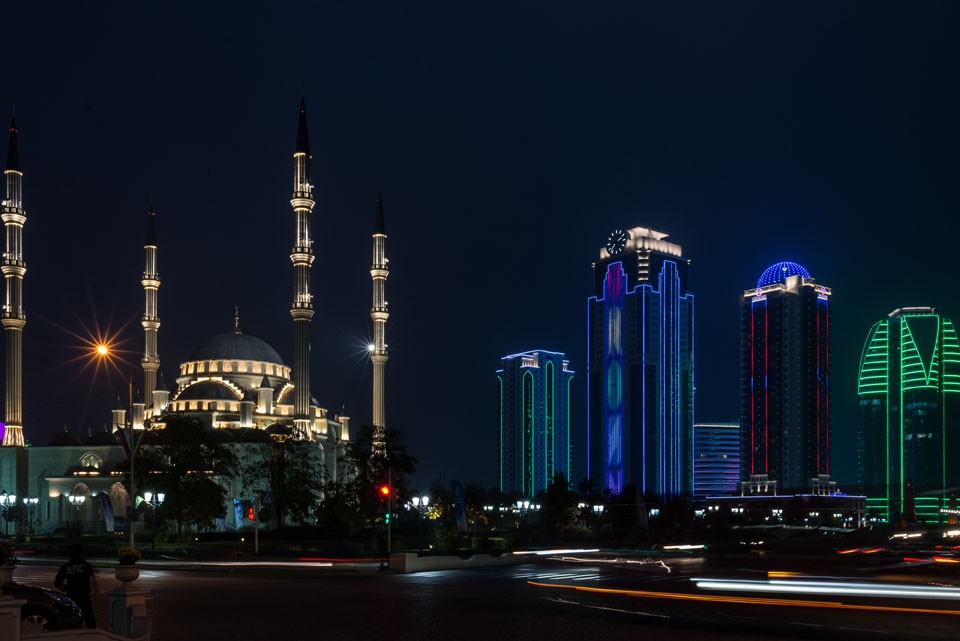
Other republics include Tatarstan, home of the Tatars, Dagestan, and Chechnya in the northern Caucasus. The most recent republic is the Crimea, annexed by Russia in 2014, but still recognized by the United Nations as being part of Ukraine.
Chechnya
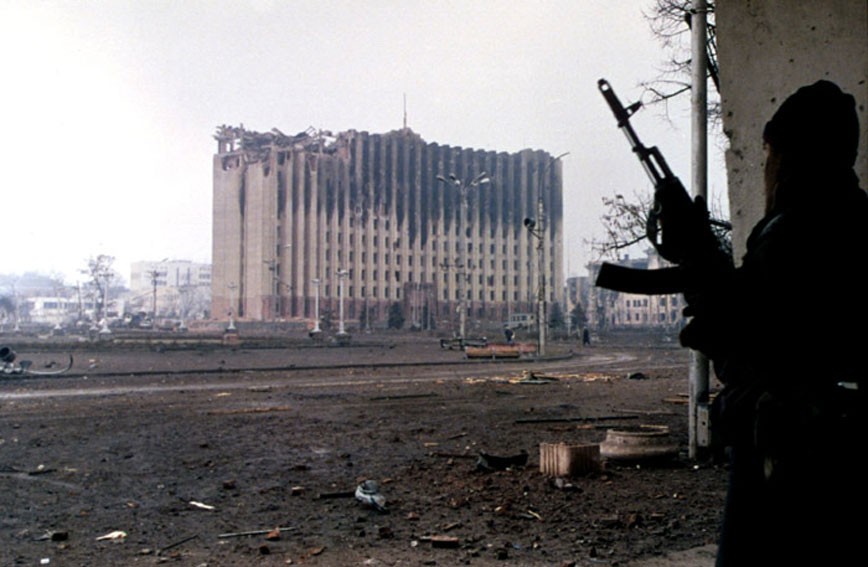
After the Soviet Union collapsed in 1991, Chechnya fought to become completely independent from Russia. Two civil wars (1994–96 and 1999–2000) killed hundreds of people and destroyed large areas of Chechnya. Today, tensions between the two sides still run high.
People
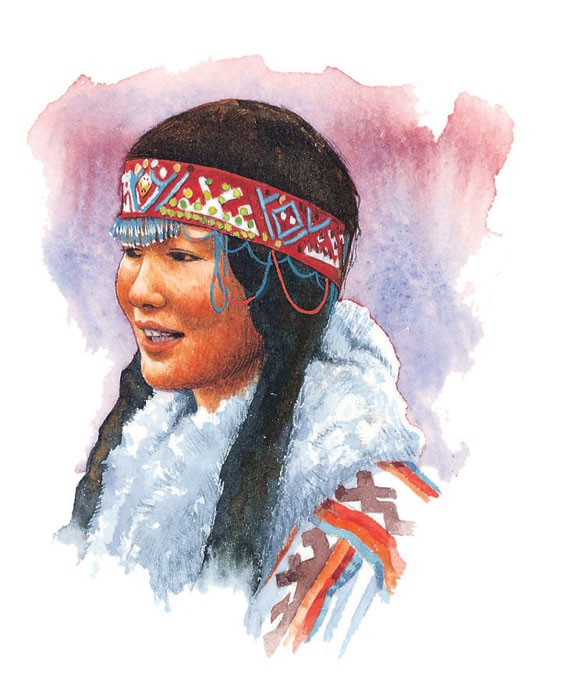
There are around 120 ethnic groups in Russia. Around 80% of the people are ethnic Russians, descended from Slavs who settled in the country 1500 years ago. Other groups include the Tatars, descended from Mongol peoples, and Bashkirs. These larger groups have their own self-governing republics within Russia. Besides Russian, around 100 different languages are spoken within Russia's borders. The major ones are: Tatar, Chuvash, Bashkir, Chechen and Ukrainian.

Religion
Under Communist rule (1918–91) Russians were not allowed to practise any religion. Today, the largest religion in Russia is Russian Orthodox Christianity, a form of Christianity whose traditions have changed little since it was introduced in the 17th century. Many Russians, however, do not recognize themselves as belonging to any faith.

Life in Russia
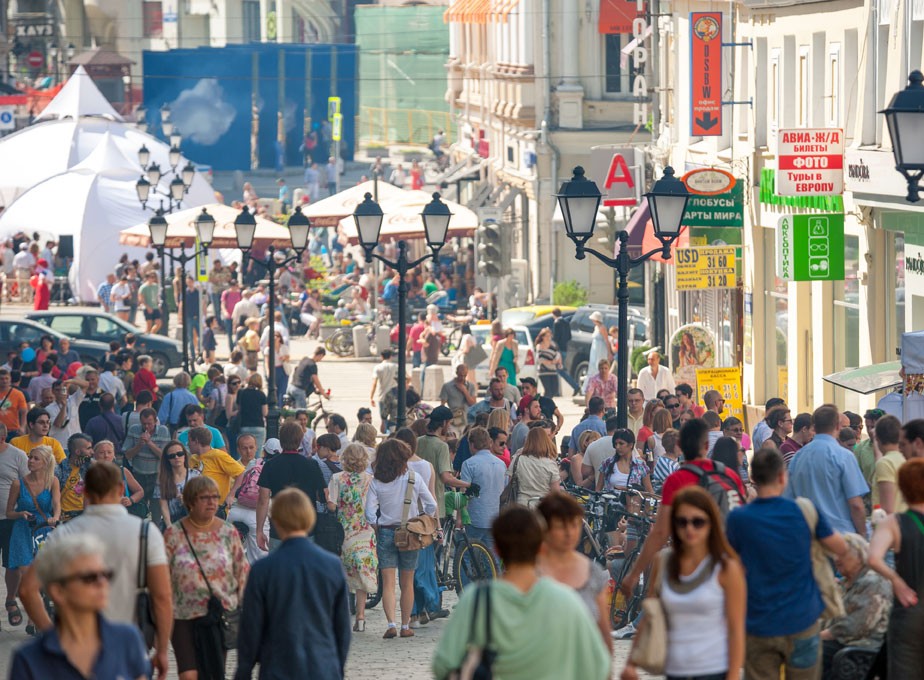
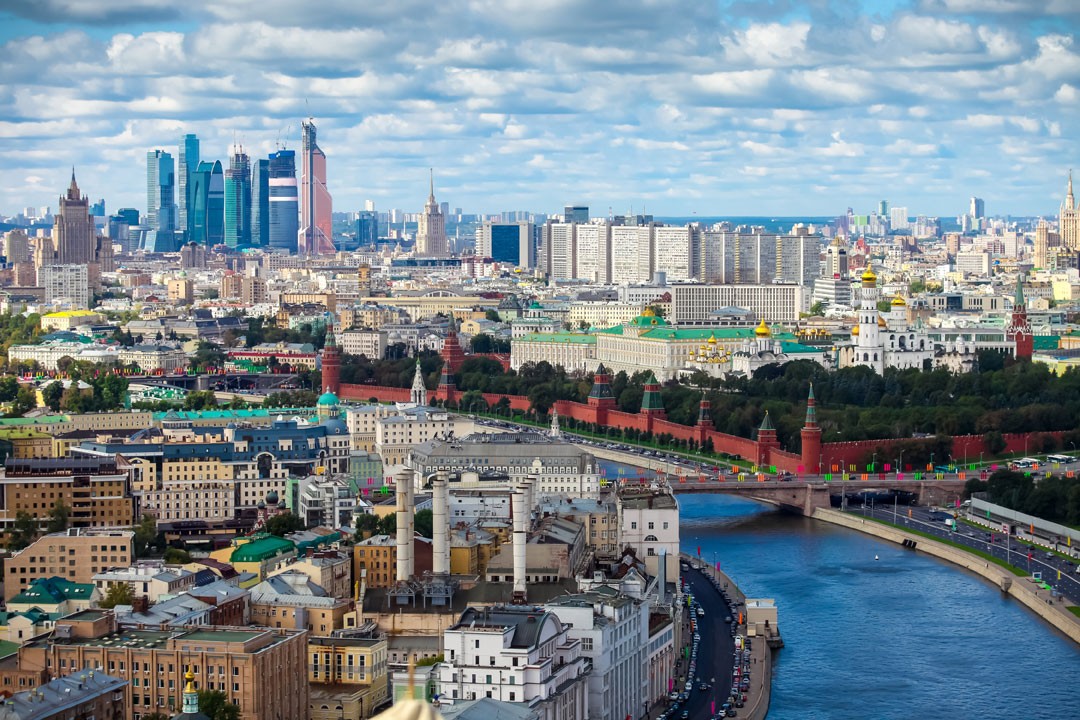
Nearly three-quarters of Russians live in cities and towns. They work in service industries such as finance, trade and tourism, or in manufacturing. Those in the countryside are mainly farmers and craftspeople. Many of Russia's cities suffer from housing shortages, and families often live in small apartments, sharing kitchens and bathrooms with other households. For the many people who do not own cars, the buses or the metro are the main means of transport.
Industry
Russia is an energy superpower. Before the full-scale invasion of Ukraine in 2022 it supplied around a quarter of the EU’s oil and gas. Its reserves of coal and minerals are among the largest in the world.
Oil production began in Russia in the mid-1950s, with the main centres of the industry gradually moving east to the Tyumen oilfields of western Siberia. Today, this region produces around two-thirds of Russia’s oil, and a large amount of its natural gas. Siberia alone holds one-third of the world’s natural gas reserves.


Also important to Russia’s economy are its iron and steel industries. They are based mainly around Novosibirsk, in southern Siberia, and in European Russia around the Ural Mountains, where large reserves of iron ore are present. Moscow and St Petersburg are important manufacturing centres: their factories produce machinery for the mining industry and for use in agriculture.
Diamond mines
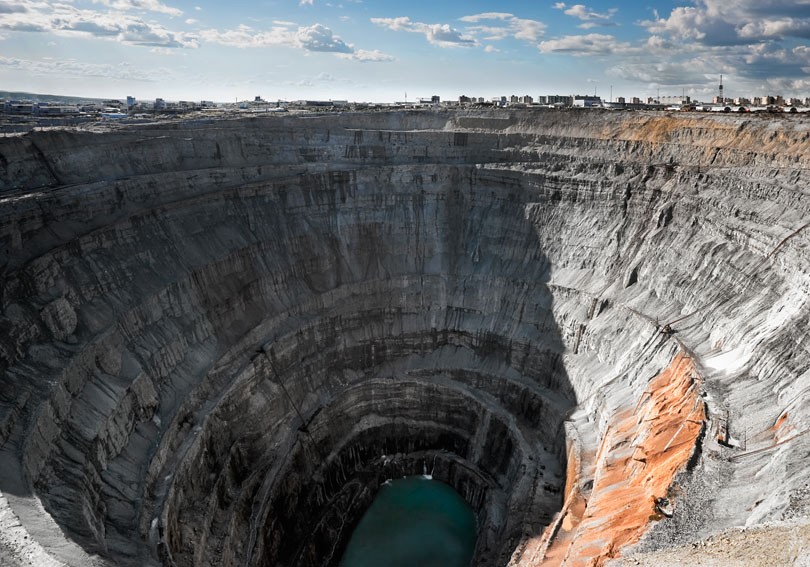
Around a fifth of the world’s diamonds are produced from Siberia’s massive diamond mines. Most are open-pit mines—deep, circular holes in the ground with stepped edges. A road spirals down, allowing vehicles to reach the bottom of the mine. By the time the Mir mine, in the eastern region of Sakha (Yakutia), closed in 2004, it measured 1.25 kilometres (three-quarters of a mile) across and was over 500 metres (1640 feet) deep. It is one of the deepest manmade holes in the Earth's surface.
Forestry
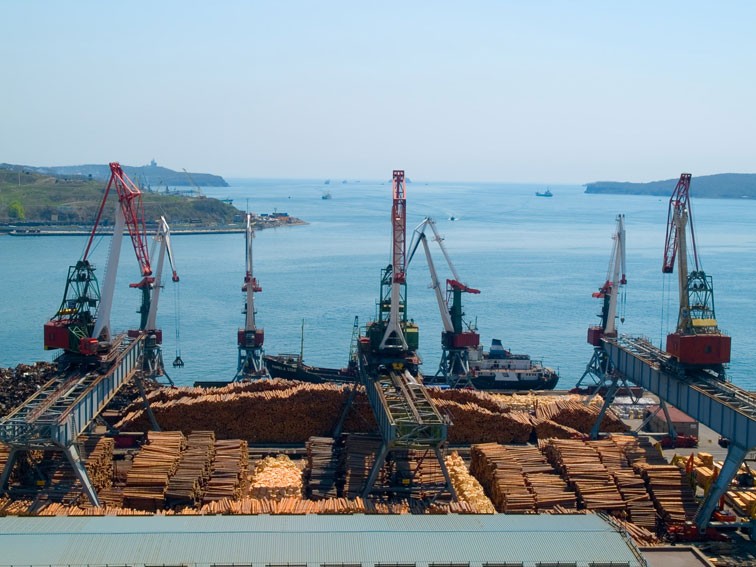
Most of the people who live in northern Russia work in the timber industry, felling trees and working in paper production and furniture-making. Because it is expensive to transport timber from the remote reaches of Siberia, Russia’s largest wood-producing regions are in the northern part of European Russia, which is better connected to its cities by road and rail.
Farming
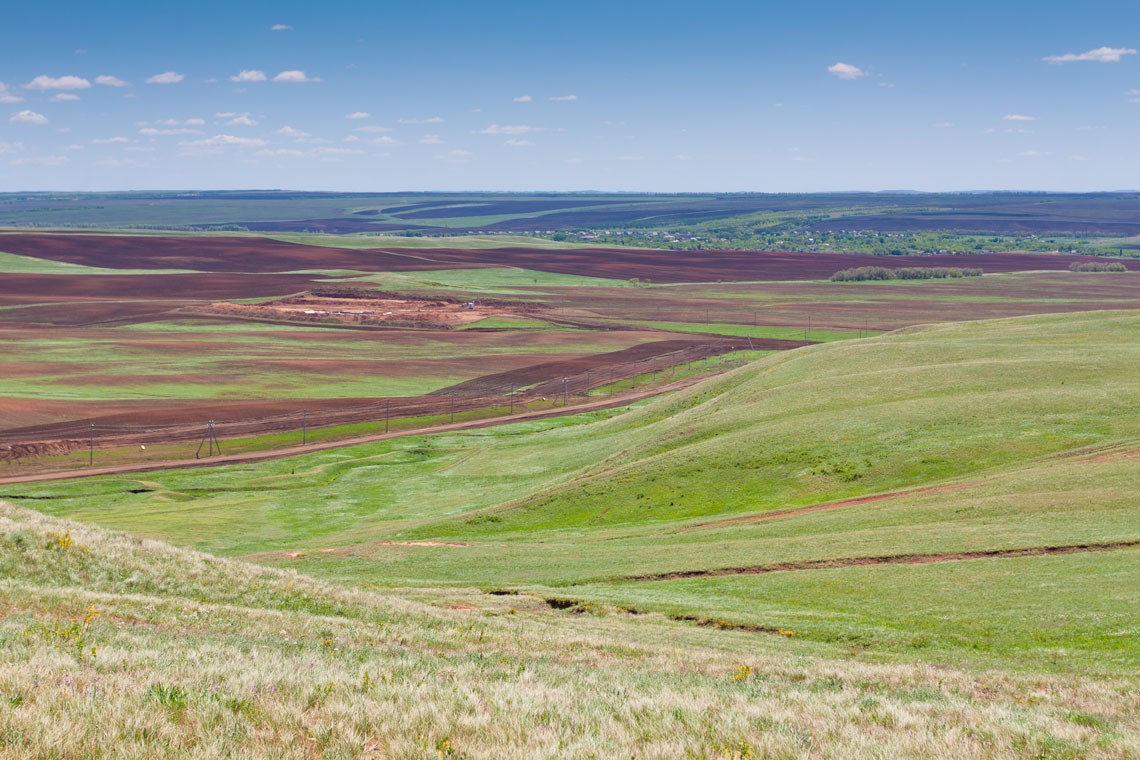
Only around 10% of Russia’s land is suitable for farming; much of the country is too cold or dry to grow crops. Since Russia is such a huge country, that is still a significant area of farmland. Most is in European Russia. Here the main crop, wheat, is grown on its flat plains, along with barley, oats, rye and millet. Potatoes are another major crop. In western Siberia, huge dairy farms provide most of Russia’s butter, cheese and milk. In the north, reindeer are herded for their meat, milk and fur.
Siberia
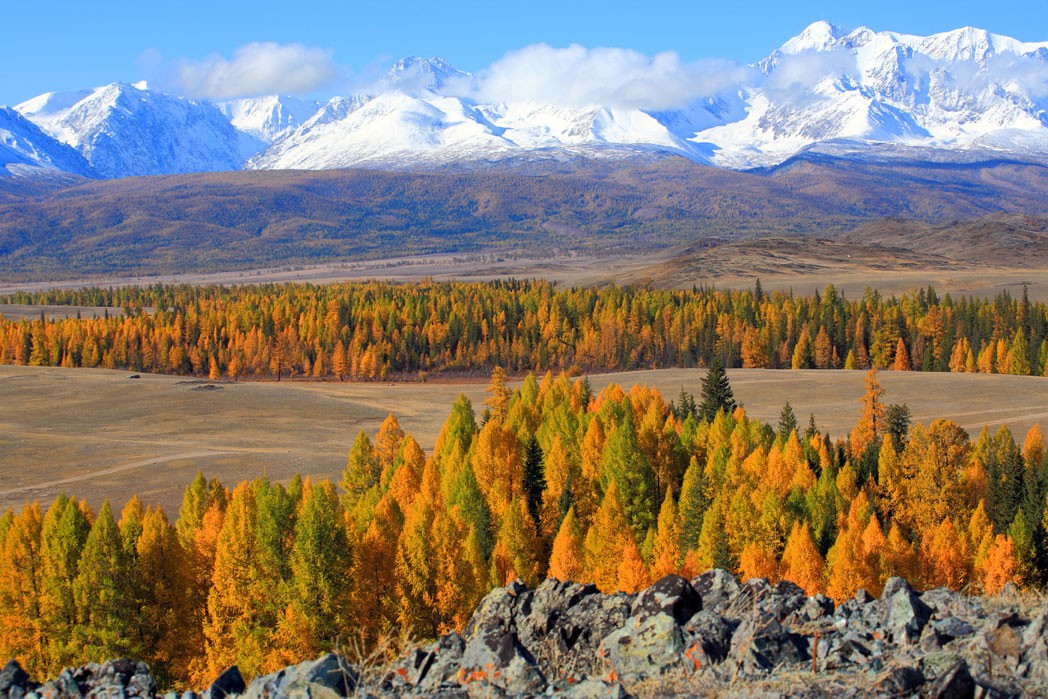
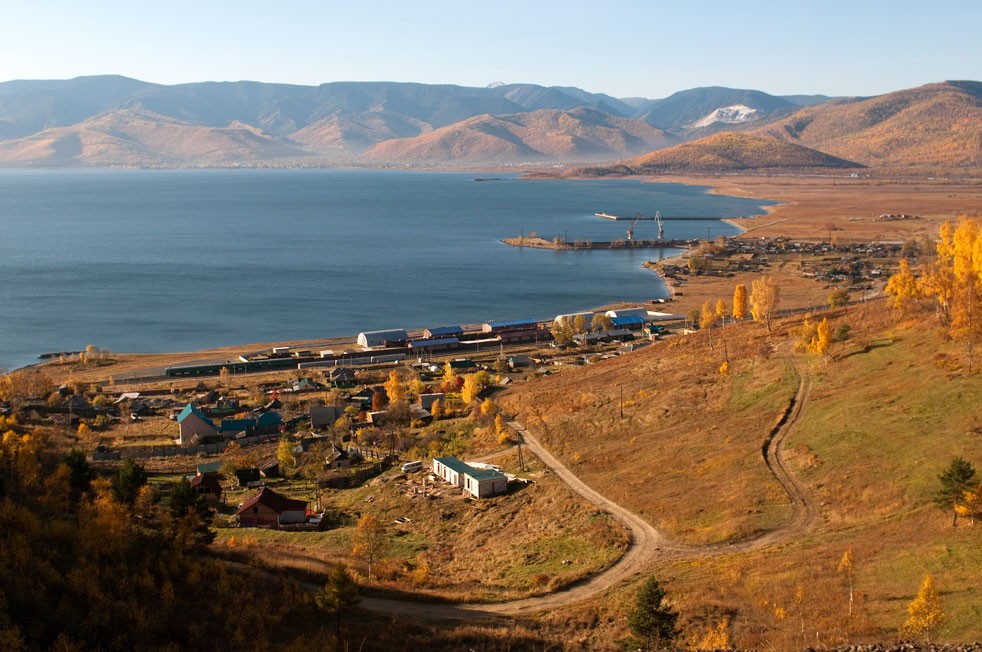
East of the Urals is the Asian part of Russia, a vast region called Siberia. Open grassland, called the steppe, covers much of southern Siberia. Most of the region’s inhabitants—far fewer in number than in European Russia—live in and around cities such as Novosibirsk (Siberia's capital), Krasnoyarsk and Irkutsk.

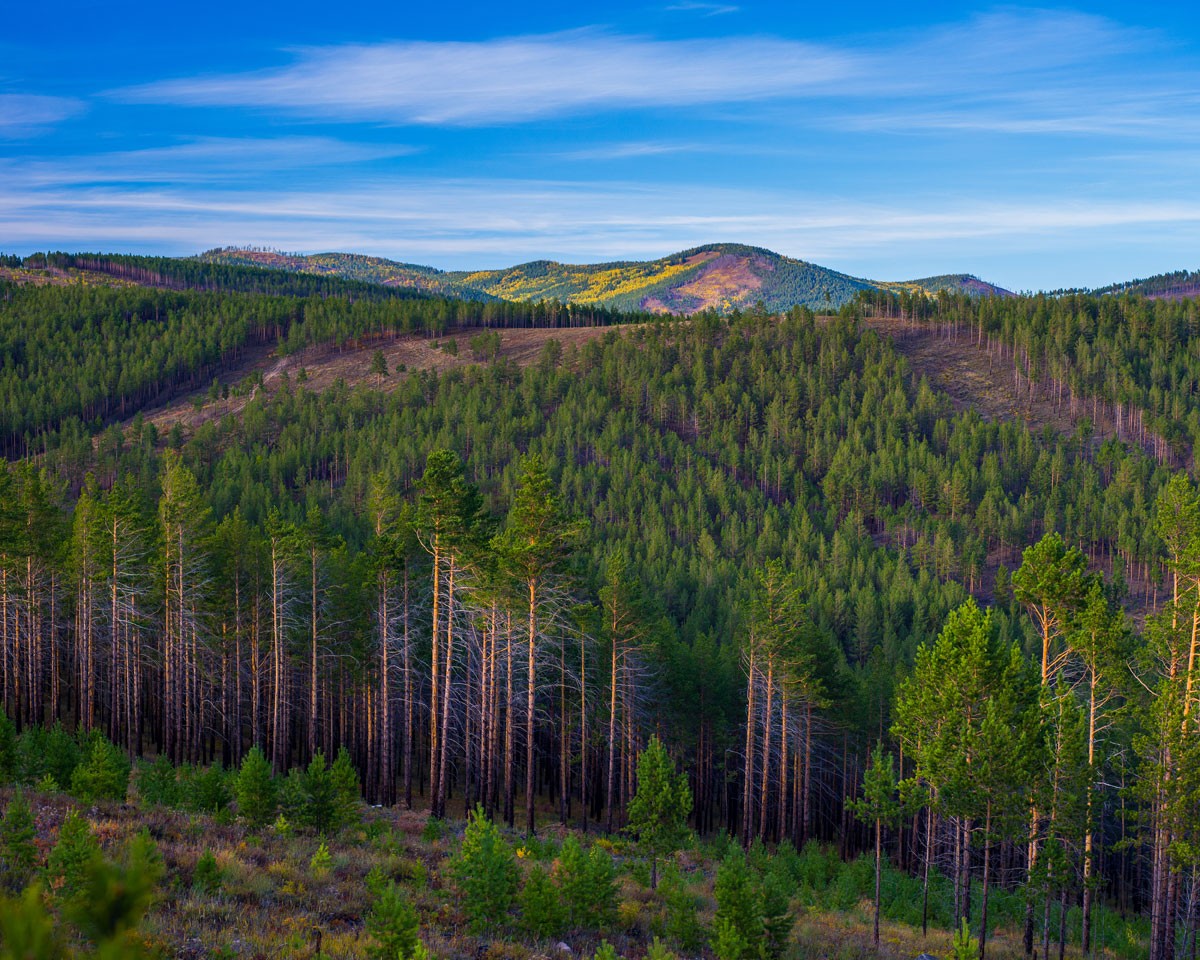
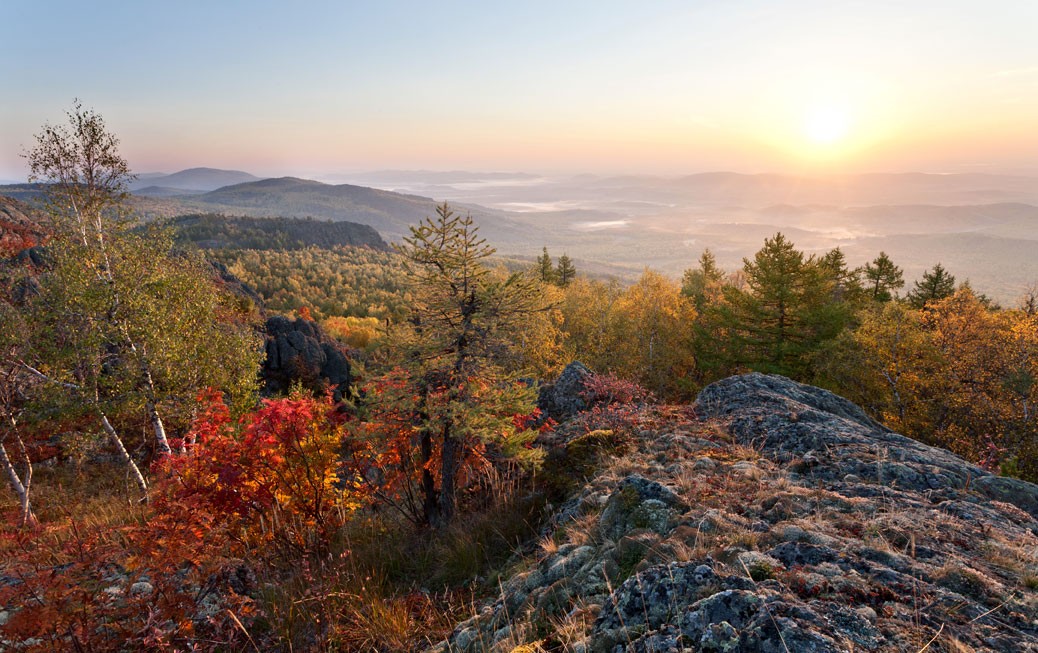
Farther north the steppe gives way to dense coniferous forest known as the taiga. In the northernmost part of Siberia bordering the Arctic Ocean, the land turns to tundra, a treeless region. During the winter, the ground of the tundra is frozen solid; in summer, the upper layer melts, leaving a boggy marshland.
Life in Siberia
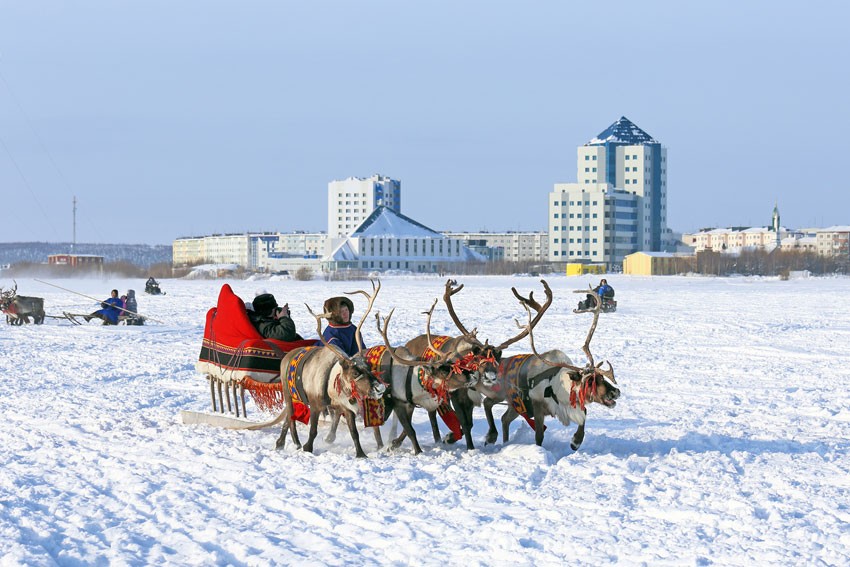
In northern and eastern regions of Siberia, temperatures can fall as low as -50°C (-58°F) during the winter. The native Yakut people of eastern Siberia traditionally lived a nomadic lifestyle, working as reindeer herders. Today, many Yakuts have moved to cities such as Yakutsk, one of the coldest places on Earth. For much of the year Yakutsk can only be reached by air, or by a combination of road and frozen river. To stop their engines freezing, people often leave their cars and trucks running overnight. Their clothes are made from many layers of animal fur, and boots from reindeer skin.

Trans-Siberian Railway
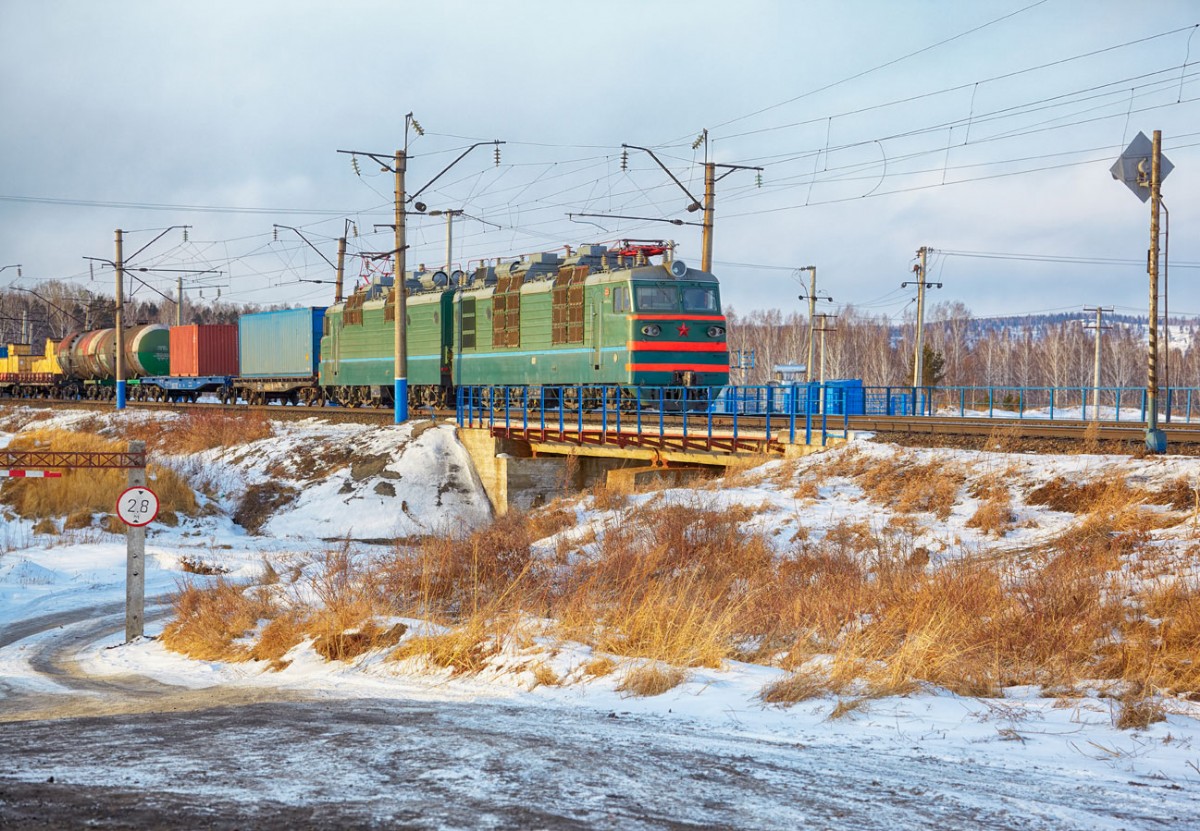
Russia transports vast quantities of cargo to Europe via the Trans-Siberian Railway, which runs 9440 kilometres (5866 miles) across Russia. Spanning seven time zones, it is the longest railway line in the world: trains take 12 days to complete a trip from Moscow, in the west, to Vladivostok at the country’s southeastern tip.

Consultant: Nicholas Harris
Facts about Russia
Population 143,679,916
Area 16,377,742 sq km (6,323,500 sq miles)
Highest point Gora El'brus (Mount Elbrus) 5633 m (18,476 ft)
Capital Moscow (population 10,381,222)
Other major cities St Petersburg (5,028,000), Novosibirsk (1,419,007), Yekaterinburg (1,349,772), Nizhny Novgorod (1,284,164), Samara (1,134,730), Omsk (1,129,281), Kazan (1,104,738)
Languages Russian, Chechen, Tatar and 25 others (official languages)
Religions Russian Orthodox (15–20%), Muslim (10–15%), other Christian 2%, none 63%
Ethnicity Russian 78%, Tatar 4%, Ukrainian 1.5%, Bashkir 1%, other 15.5%
Currency Russian ruble (RUB)
Chief exports Oil and petroleum products, natural gas, metals, wood and timber products, chemicals, machinery

History of Russia
6th–7th centuries AD
Slavic tribes gradually settle western Russia, mixing with the native Finno-Ugrian peoples
860s
A Viking people, the Varangian Rus, settle in the region of Novgorod, northwestern Russia.
882
Varangian (Swedish Viking) prince Oleg the Wise extends his control from Novgorod south along the Dnieper river valley by conquering Kiev, founding the first East Slavic state: Kievan Rus'.
980–1015
Prince Vladimir I is the first ruler to bring the whole of Russia under his control. He makes Orthodox Christianity the official religion.
1237–40
Mongol invasions devastate Russia. The Mongol invaders, later known as Tatars, form the state of the Golden Horde, part of the Mongol Empire. To the north, the Novgorod Republic escapes occupation after it agrees to pay tribute to the Mongols.
1330s
Principality of Moscow, while still under the rule of the Golden Horde, becomes powerful: the Prince of Moscow, Ivan I, becomes grand prince and the city of Moscow becomes the centre of the Orthodox Christian Church.
1380
An army led by Prince Dmitri of the Grand Duchy of Moscow defeats the Mongols at Kulikovo, near the River Don.
1480
Under the rule of Ivan III, Mongol power finally comes to an end in Russia. Ivan declares himself tsar (or czar) after the Roman Emperor Caesar, and Russian rulers come to be known as tsars.
1533–84
Rule of Ivan IV (“Ivan the Terrible”). He is the first Russian ruler to be crowned tsar, in 1547. During his brutal reign, Russia’s territories are expanded, using Cossacks (a warrior Slavic people from eastern Ukraine and southern Russia).
1550s
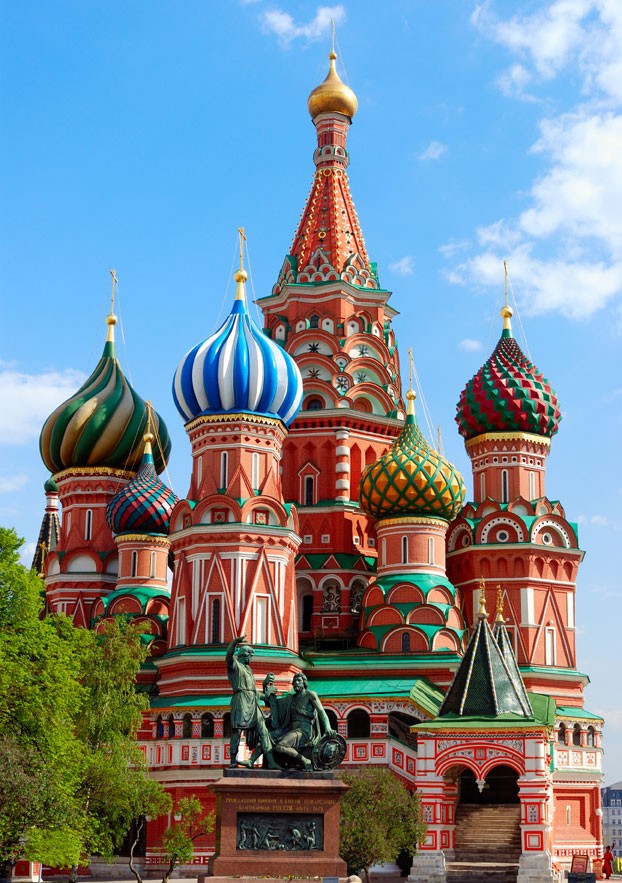
Ivan the Terrible orders the building of St Basil’s Cathedral in Moscow to celebrate his victories over the Tatars.
1552–56
Ivan conquers the khanates of Kazan and Astrakhan
1558–83
Ivan launches the Livonian War in an attempt to gain access to the Baltic Sea. His forces attempt to defeat those of the Kingdom of Sweden, the Grand Duchy of Lithuania, the Polish–Lithuanian Commonwealth and the Teutonic Knights of Livonia, but are unsuccessful.
1570
Suspecting the city of Novgorod was planning to join the Grand Duchy of Lithuania, Ivan orders the massacre of the population.
1571
Forces of the Crimean Khanate destroy Moscow by fire
1572
An invading army of Crimean Tatars is defeated by Russian-Cossack forces at the Battle of Molodi.
1584–1613
Time of Troubles: Russia suffers famine and a series of civil wars and invasions
1609–18
War between the Tsardom of Russia and the Polish–Lithuanian Commonwealth. Polish forces invade Russia, capturing Smolensk in 1611. They are driven from Moscow in 1612. The Truce of Deulino, which ends the war in 1618, grants Poland–Lithuania some territory, but Russia remains independent.
1613
Michael Romanov is elected as the new tsar, beginning the Romanov dynasty
17th century
Russian exploration and colonization of Siberia continues, with explorers pushing eastwards along the Siberian River Routes. By the middle of the century, Russian settlements are established in eastern Siberia and on the coast of the Pacific Ocean.
1682–1725
Peter the Great rules Russia, founding the city of St Petersburg and introducing Western ideas into the Russian government.
1700–21
Great Northern War: Russia fights against Sweden; after victory it acquires territory of modern Estonia and Latvia and establishing naval presence in Baltic Sea
1762–96
Rule of Catherine the Great: Catherine expands Russia’s empire even further and it becomes an important world power.
1798
Russia sides with European allies against Revolutionary and Napoleonic France
1804–13
Russia fights Persia for control of the Caucasus
1805
Napoleon defeats the Russians and Austrians at the Battle of Austerlitz
1806–12
Russo-Turkish War: following victory, Russia acquires Bessarabia (modern Moldova) from Turkey
1807
Napoleon defeats Russian army at Friedland
1809
Russia seizes Finland from Sweden in 1809
1812
Napoleon invades Russia with 600,000 troops of the Grand Army; he wins the Battle of Borodino, and arrives in Moscow. But the Russian winter sets in and the Grand Army is forced to retreat with thousands of losses. As the French retreat, the Russians pursue them to the gates of Paris.
1814
Tsar Alexander I forms the Quadruple Alliance with Britain, Austria and Prussia.
1853–56
Russia attempts to seize territory from declining Ottoman Empire, but this brings it into conflict with Britain and France and Russia is defeated in Crimean War
1861
Emancipation Edict ends serfdom, but peasants are still tied to the land
1864–65
Kazakh steppes and Central Asian Muslim states are annexed
1877–78
Russian-Turkish War: Russia seizes land from Ottoman Empire in the Caucasus and establishes client states in the Balkans
1891
The building of the Trans-Siberian Railway is begun to link the vast Russian Empire together.
1904-05
Russian expansion in Manchuria leads to war with Japan, in which it is defeated
1905
Soldiers protecting the palace of Tsar Nicholas II in St Petersburg open fire on protesters, killing hundreds. This event, known as Bloody Sunday, sparks a revolution. Uprisings across Russia force the tsar to establish of a parliament, though with limited rights
1914
Russia fights alongside Britain and France in World War I; during Battle of Tannenberg, German forces kill and wound 50,000 Russian soldiers and capture a further 100,000
1917 (February)
Rioters in Petrograd (St Petersburg) are joined by soldiers; this leads to the formation of a new provisional government, which forces the tsar to give up his throne.
1917 (November)
Led by Lenin, Bolsheviks overthrow provisional government and establish “Dictatorship of the Proletariat” under Communist Party
1918
(March) Treaty of Brest-Litovsk ends war with Germany at the price of major territorial losses in eastern Europe and Baltic. (July) Tsar Nicholas II and his family are executed by Bolshevik soldiers.
1918–22
Bolsheviks fight and win civil war against White Russians, aided by Britain, France, Japan and the US
1922
Russia and surrounding countries form the Union of Soviet Socialist Republics (USSR), or Soviet Union.
1929
Joseph Stalin becomes the USSR’s leader
1930s
Stalin consolidates his power, concentrating land ownership by the state, rapidly increasing industrialization and killing his enemies in what is known as the Great Purge. His policies lead to mass famine and the deportation of hundreds of thousands of people to work in labour camps.
1930–33
Soviet famine: harvest failures as a result of Stalin's policies cause famine in the major grain-producing areas of the Soviet Union, including Ukraine, Kazakhstan, Northern Caucasus, Volga Region, southern Urals and West Siberia. Up to 8.7 million people die of starvation.
1939
Stalin agrees non-aggression pact with Nazi Germany, seizing eastern Poland, parts of Romania and Czechoslovakia, and then the Baltic States
1939-40
Winter War against Finland, in which Soviet losses are heavy
1941
German surprise attack on the Soviet Union is halted on outskirts of Moscow; Soviet Union forms alliance with Britain and United States
1942–43
Soviet Red Army pushes back German forces after Battle of Stalingrad (July 1942 –February 1943) and Battle of Kursk (July–August 1943)
1945
Allied victory over Nazi Germany with Soviet troops sweeping across Central and Eastern Europe. Soviet civilian and military deaths in what in Russia is known as the Great Patriotic War total about 26–27 million, accounting for about half of all World War II casualties.
1946–47
Famine, especially severe in territories of present-day Ukraine, Moldova and Belarus, kills up to 2 million people.
1947
“Cold War” with the West begins as Soviet Union consolidates power in Eastern Europe
1949
Soviet Union explodes its first nuclear bomb; nuclear arms race with the West begins
1953
Death of Stalin
1957
Soviet satellite Sputnik becomes first spacecraft to orbit Earth, beginning the Space Race
1961
Soviet cosmonaut Yuri Gagarin becomes first person to orbit Earth in Vostok spacecraft
1962
Cuban Missile Crisis brings world to brink of nuclear war
1956
Khrushchev Thaw: new Soviet leader Nikita Khrushchev denounces Stalin; he orders the release of many political prisoners from the labour camps
1979
Soviet occupation of Afghanistan and beginning of Soviet–Afghan War
1985–91
President Mikhail Gorbachev launches efforts to reform economy (perestroika) and free up political debate (glasnost)
1988
Soviet Union abandons its war in Afghanistan and begins to withdraw its forces.
1989
Collapse of Communist rule in Soviet satellite states Eastern Europe
1991
Russia becomes independent as the Soviet Union collapses and, together with Ukraine and Belarus, forms the Commonwealth of Independent States; Chechnya declares its independence from Russia
1993
President Boris Yeltsin sends in troops to seize Russian parliament from opponents of his rule.
1994–96
First Chechen War: Russian troops begin campaign to recapture the breakaway republic of Chechnya, which ends with agreement on Chechen autonomy
1999
Yeltsin resigns and Vladimir Putin becomes Russia's president
1999–2000
Second Chechen War
2002
Chechen rebels seize a Moscow theatre and hold about 800 people hostage; around 120 hostages are killed when Russian forces storm the building
2004
More than 380 people, many of them children, are killed when Chechen and Islamists besiege a school in Beslan, North Ossetia
2008
War with Georgia after Georgian troops attack Russian-backed separatist forces in South Ossetia. Russia drives Georgian forces from South Ossetia and Abkhazia, then recognizes both as independent states.
2014
(February–March) After pro-Moscow president Viktor Yanukovych of Ukraine is forced into exile, Russian forces take over Crimea, which is formally annexed
2014
(April) Armed Russian-backed separatists seize Ukrainian government buildings in the Donbas region of Ukraine and declare the Donetsk and Luhansk republics as independent states. This leads to conflict with Ukrainian forces. Russia supports the separatists with troops and weaponry.
2015
Russia carries out first air strikes in Syria, targeting positions held by forces opposed to Syrian president Assad
2021
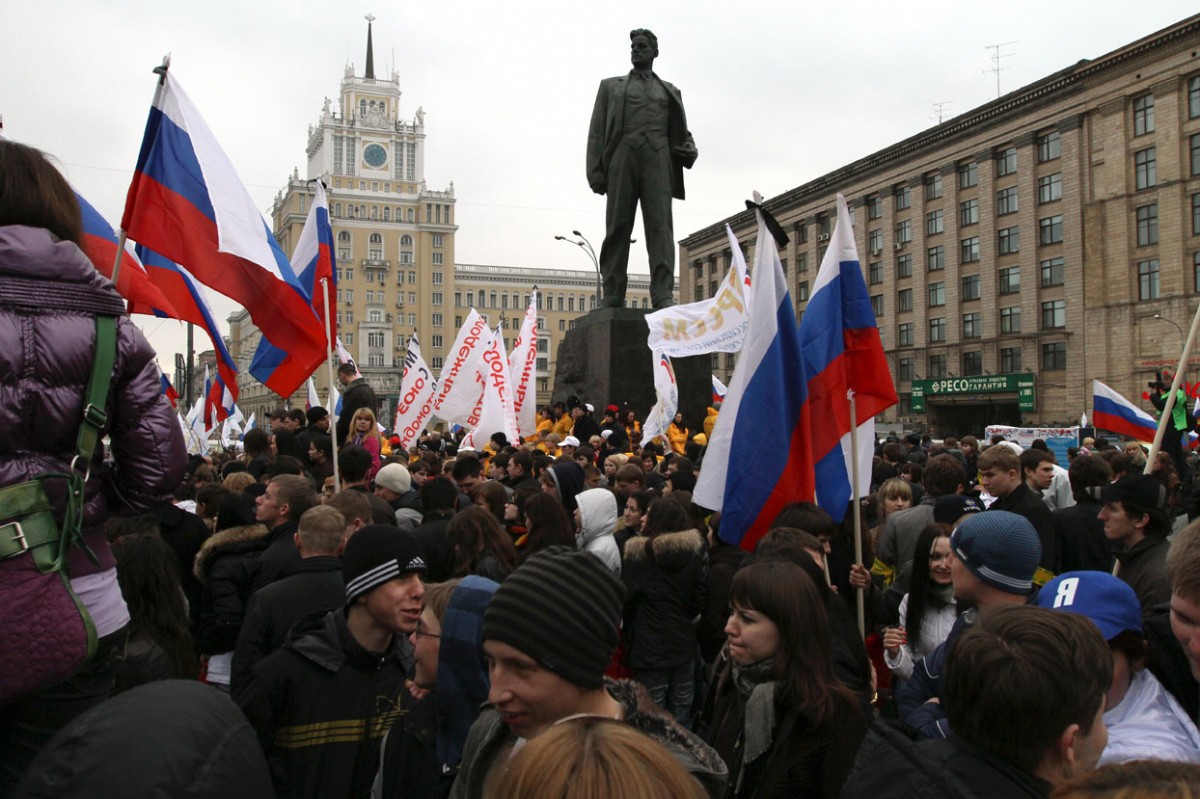
Russian opposition leader Alexei Navalny returns to Moscow following his recovery in Germany from a near-fatal Novichok poisoning—widely regarded as having been carried out by the Russian state security agency. He is arrested at the airport, triggering protests and demonstrations across Russia.
2022
(February) Putin announces a "special military operation" and launches a large-scale military invasion of Ukraine, involving army vehicles crossing the border from Russia, Belarus and Crimea, artillery and missiles strikes and bombing from the air. The invasion is met with widespread international condemnation, including severe economic sanctions imposed on Russia. Protests in Russia are countered by mass arrests.
pics




Without in any way limiting Q-files Ltd’s exclusive rights under copyright, any use of this publication to “train” generative artificial intelligence (AI) technologies to generate text is expressly prohibited. Q-files Ltd reserves all rights to license use of this work for generative AI training and development of machine learning language models.