
Europe

CITE
We have made every effort to follow citation style rules, but there may be some minor differences. If in doubt, please refer to the appropriate citation style manual.
Isle of Man. (2026). In Q-files Encyclopedia, Geography, Europe. Retrieved from
https://www.q-files.com/geography/europe/isle-of-man
"Isle of Man." Geography, Europe, Q-files Encyclopedia, 31 Mar. 2026.
https://www.q-files.com/geography/europe/isle-of-man.
Accessed 31 Oct. 2026.
Isle of Man 2026. Geography, Europe. Retrieved 31 October 2026, from
https://www.q-files.com/geography/europe/isle-of-man
Geography, Europe, s.v. "Isle of Man," accessed October 31, 2026.
https://www.q-files.com/geography/europe/isle-of-man


Isle of Man
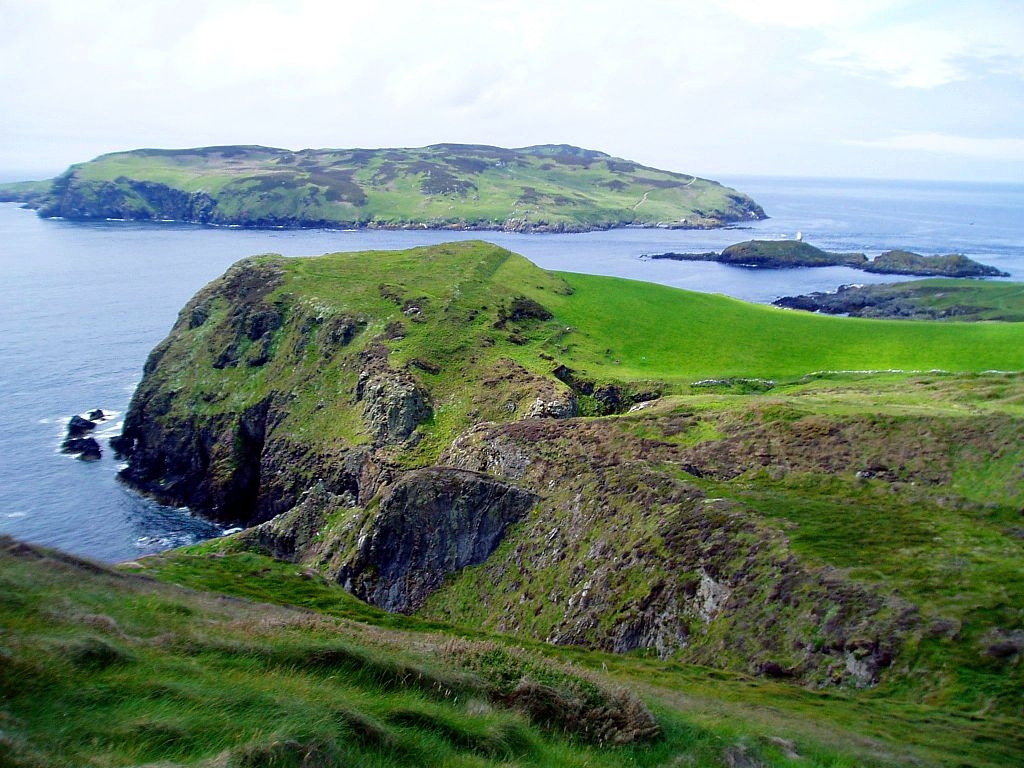
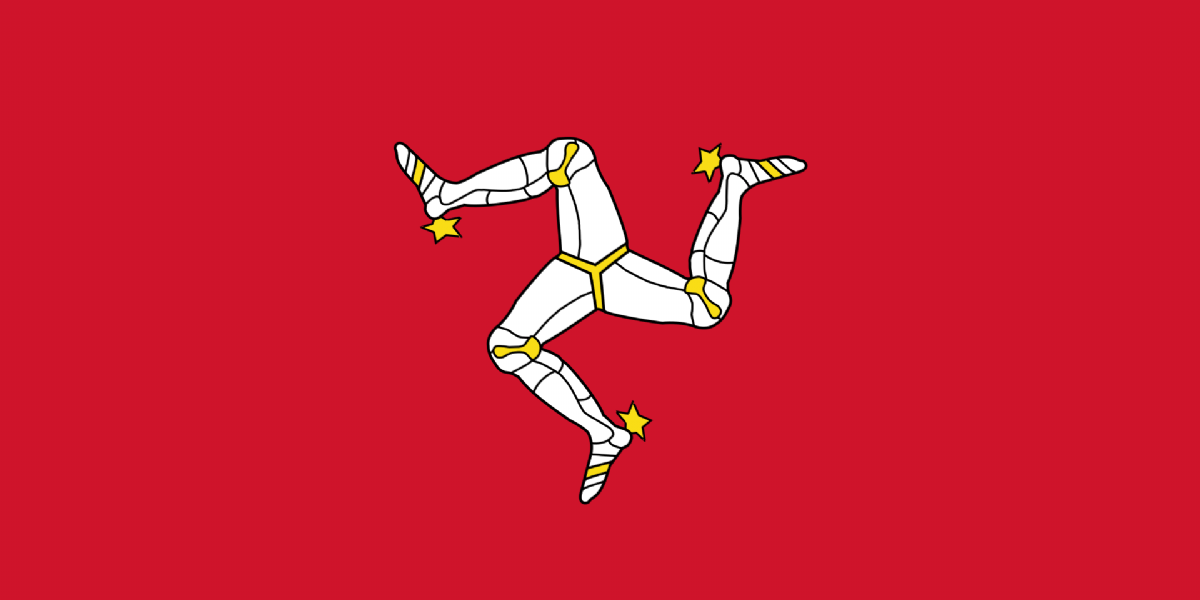
The Isle of Man lies in the Irish Sea between Great Britain and Ireland. Mann, as it is known to the islanders, is just 52 kilometres (33 miles) long and 22 kilometres (13 miles) wide. The island has a temperate climate, strongly influenced by the sea around it, which keeps summers pleasantly warm and winters mild and wet. The uplands in the centre of the island are cut through by the valley of the River Dhoo, which flows into the sea at the capital, Douglas. The Isle of Man is not part of the United Kingdom, but a Crown Dependency like the Channel Islands. It has its own government, called Tynwald. The British monarch is the official head of state.


People and economy
People who live in the Isle of Man are known as Manxmen or Manxwomen. They are a Celtic people, sharing ancestors with the Irish, Scottish, Welsh and Cornish. Around half of the island’s inhabitants were born on the island; the rest have come here to work from the UK and Ireland. Most people live in coastal towns such as the capital, Douglas, and the towns of Castletown, Peel and Ramsey. They are British citizens.
In the past, islanders made a living from farming and fishing, but these industries employ only a few people nowadays. Most residents work in service industries such as healthcare, banking and tourism. The island has a low-tax economy, which means that its government allows banks and technology companies to set up in the Isle of Man, but pay lower taxes than they would do elsewhere.


Manx Gaelic
Although the Isle of Man’s official language is English, about 2% of the inhabitants know some Manx Gaelic, the island's traditional language. It is closely related to Scots and Irish Gaelic, and shares some of the same words. Some islanders are trying to re-introduce Manx as a spoken language, to help keep the language and culture alive. Children can now attend nursery schools where only Manx is spoken, and study Manx at primary and secondary school.
TT races
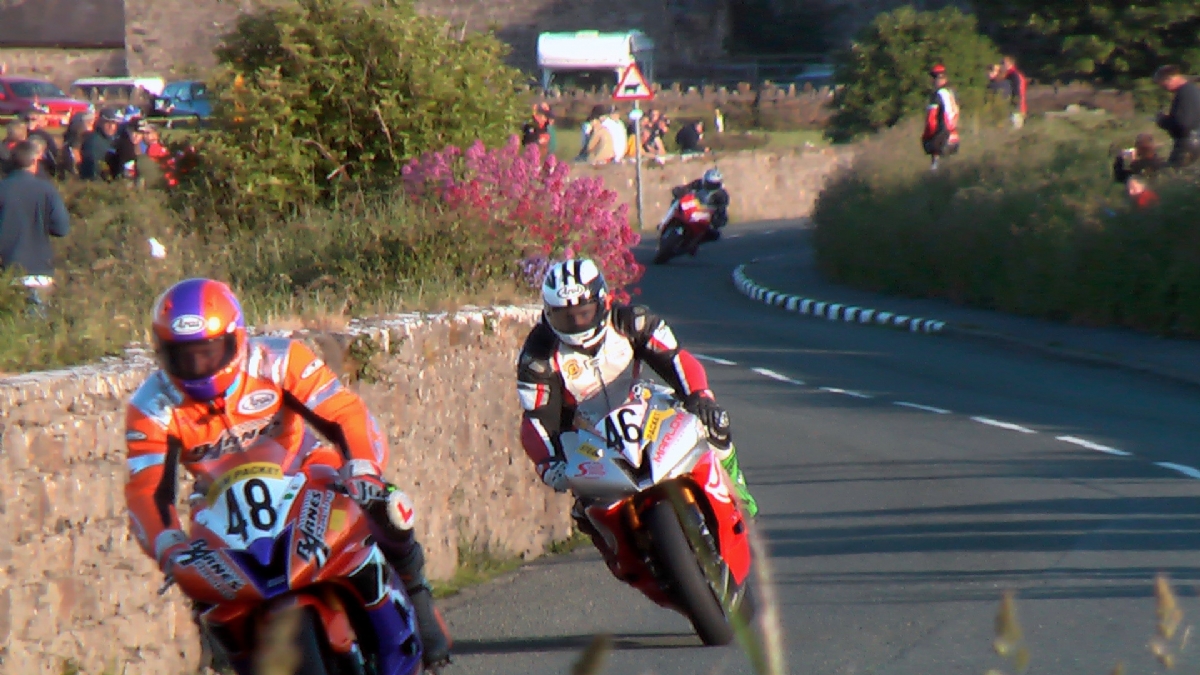
The Isle of Man is known internationally for the Isle of Man TT (Tourist Trophy), a motorcycle racing festival that has been taking place since 1907. Public roads on the island are closed for the event, which is said to be one of the most dangerous races in motor sport. Competitors come from all over the world for two weeks in early summer. After a week of practice sessions, the races begin: a week of time trials, with carnival celebrations every evening. Between the practice and race weeks, on what is known as "Mad Sunday", spectators tour the Snaefell Mountain Course on their own bikes.
Consultant: Nicholas Harris
Facts about Isle of Man
Population 84,523 (2024)
Area 572 sq km (221 square miles)
Highest point Snaefell 621 m (2036 ft)
Capital Douglas (pop. 26,677)
Language English, Manx Gaelic
Religion Christian (Protestant, Roman Catholic)
Ethnicity White 97%, Asian/Asian British 2%, others 1%
Currency Manx pound (IMP)
Chief exports tweed fabric, herring, beef, lamb, shellfish
History of Isle of Man
8000–6500 BC
The island becomes cut off from the British mainland as sea levels rise after the last Ice Age. Early settlers arrive by sea and colonize the island, living by fishing and hunting
5th century AD
Celtic people arrive from Ireland, bringing with them their language and culture
700s
Viking settlers arrive and take control of the island, setting up a parliament known as Tynwald
1099–1103
Magnus III, King of Norway, reigns over the island
1266
King Magnus VI hands over control of the island to Scotland, but the islanders rebel against Scottish rule
1275
The Manx are defeated in their efforts to preserve Norse rule at the Battle of Ronaldsway
1290
The island is made an English possession
1313
Robert the Bruce retakes the island for Scotland
1346
The Isle of Man comes under English rule once again when the English defeat the Scottish at the Battle of Neville’s Cross in Durham, England
1866
Isle of Man is made a British Crown Dependency, which allows it to govern itself
1973
A fire spreads through Summerland leisure centre in the capital, Douglas, killing more than 50 people
2001
The island’s only Manx-language primary school, Bunscoill Ghaelgagh, opens its doors
2009
UNESCO declares the Manx language extinct, but the island’s citizens disagree
2016
UNESCO awards the Isle of Man biosphere reserve status
pics

Without in any way limiting Q-files Ltd’s exclusive rights under copyright, any use of this publication to “train” generative artificial intelligence (AI) technologies to generate text is expressly prohibited. Q-files Ltd reserves all rights to license use of this work for generative AI training and development of machine learning language models.