
Europe

CITE
We have made every effort to follow citation style rules, but there may be some minor differences. If in doubt, please refer to the appropriate citation style manual.
Lithuania. (2026). In Q-files Encyclopedia, Geography, Europe. Retrieved from
https://www.q-files.com/geography/europe/lithuania
"Lithuania." Geography, Europe, Q-files Encyclopedia, 31 Mar. 2026.
https://www.q-files.com/geography/europe/lithuania.
Accessed 31 Oct. 2026.
Lithuania 2026. Geography, Europe. Retrieved 31 October 2026, from
https://www.q-files.com/geography/europe/lithuania
Geography, Europe, s.v. "Lithuania," accessed October 31, 2026.
https://www.q-files.com/geography/europe/lithuania


Lithuania
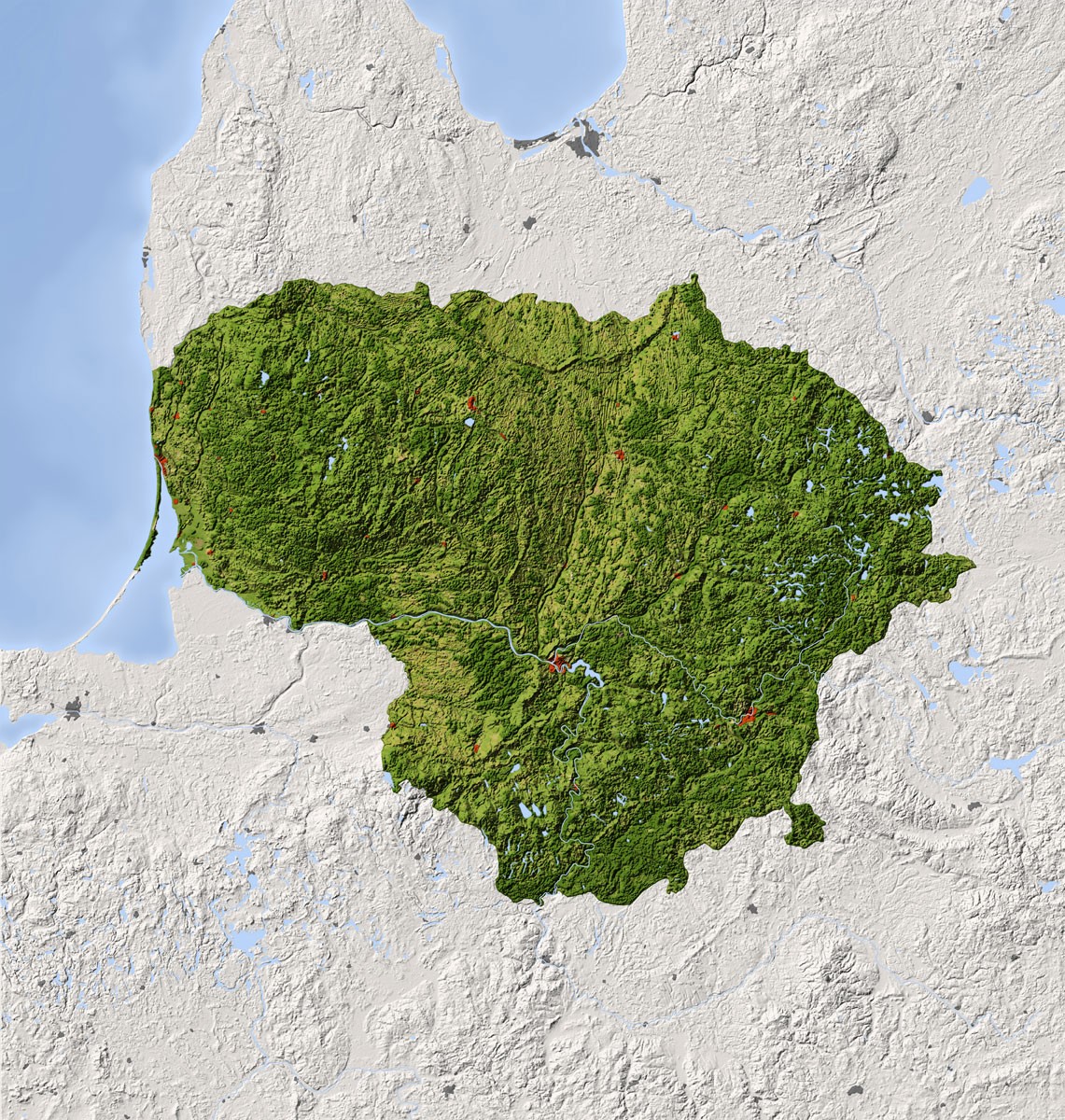
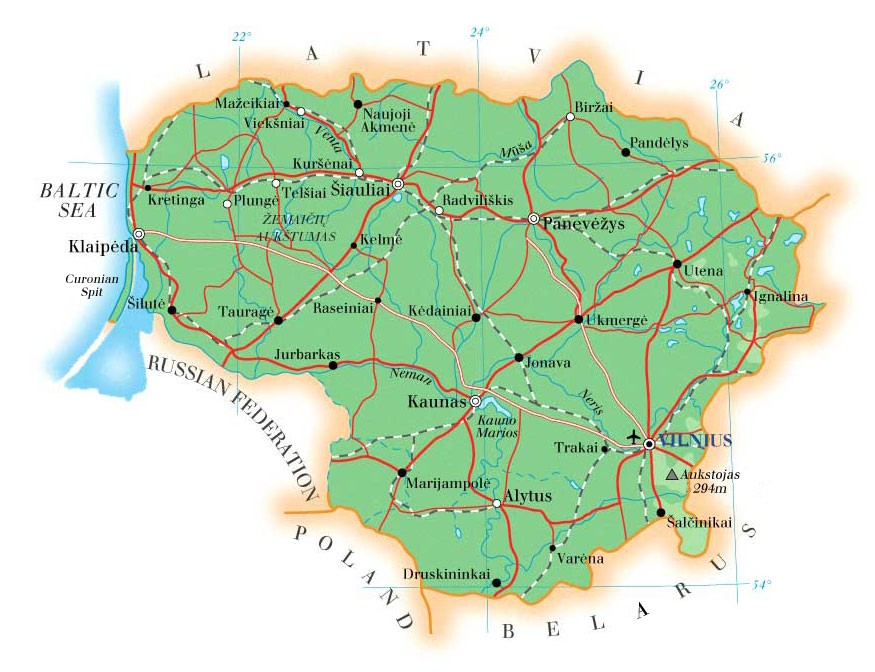
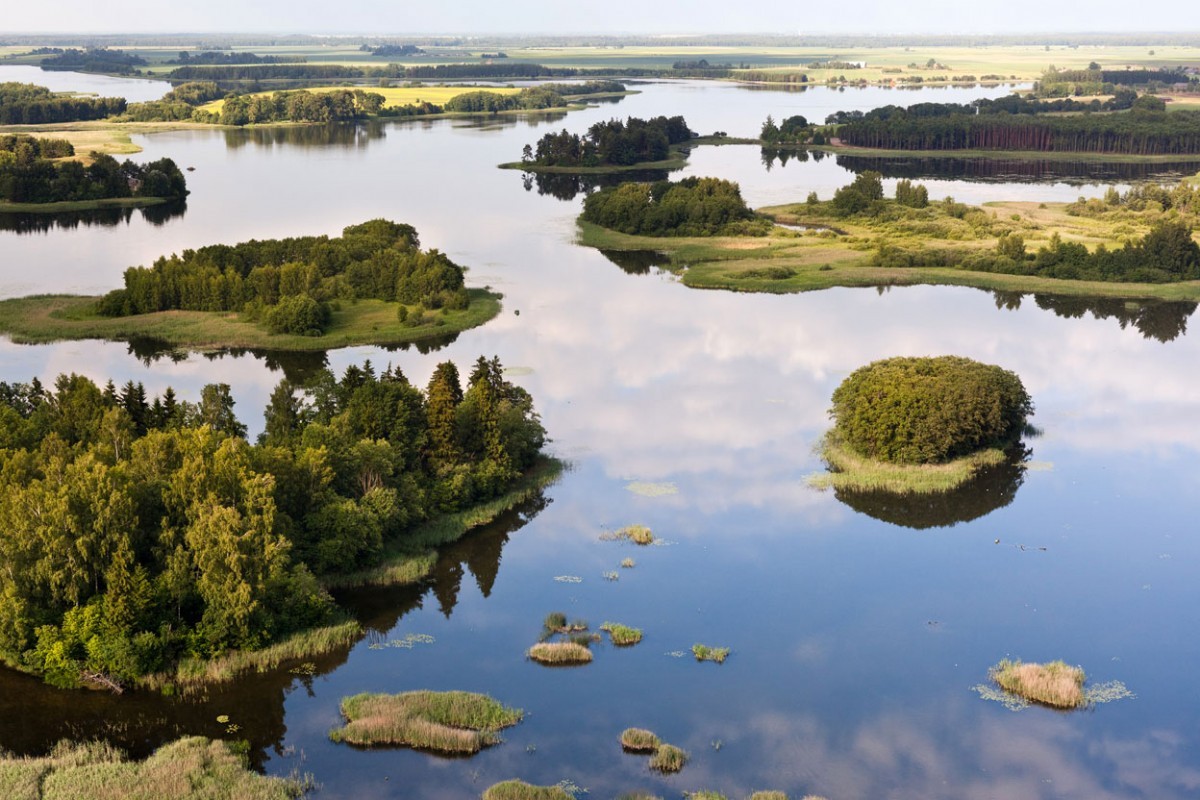
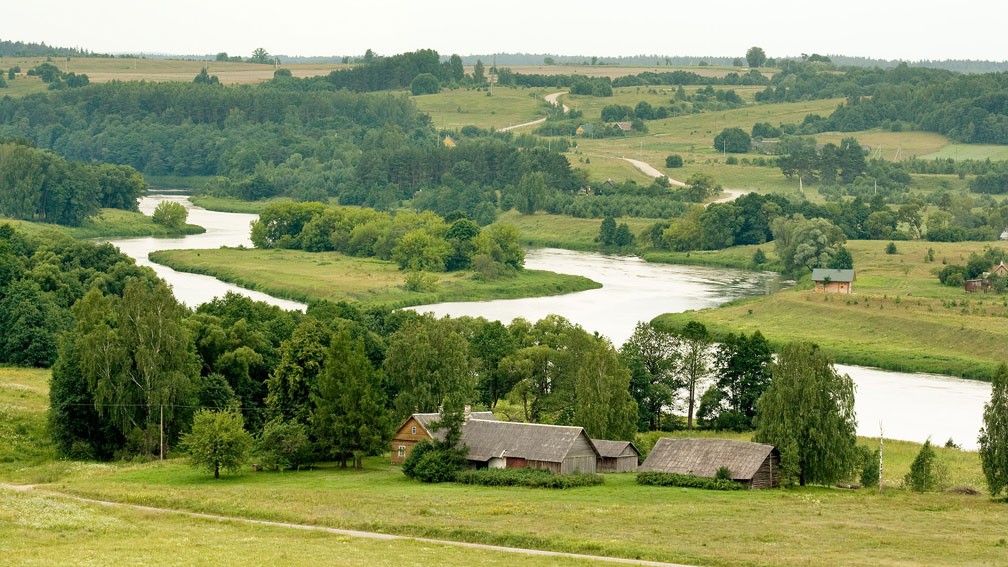
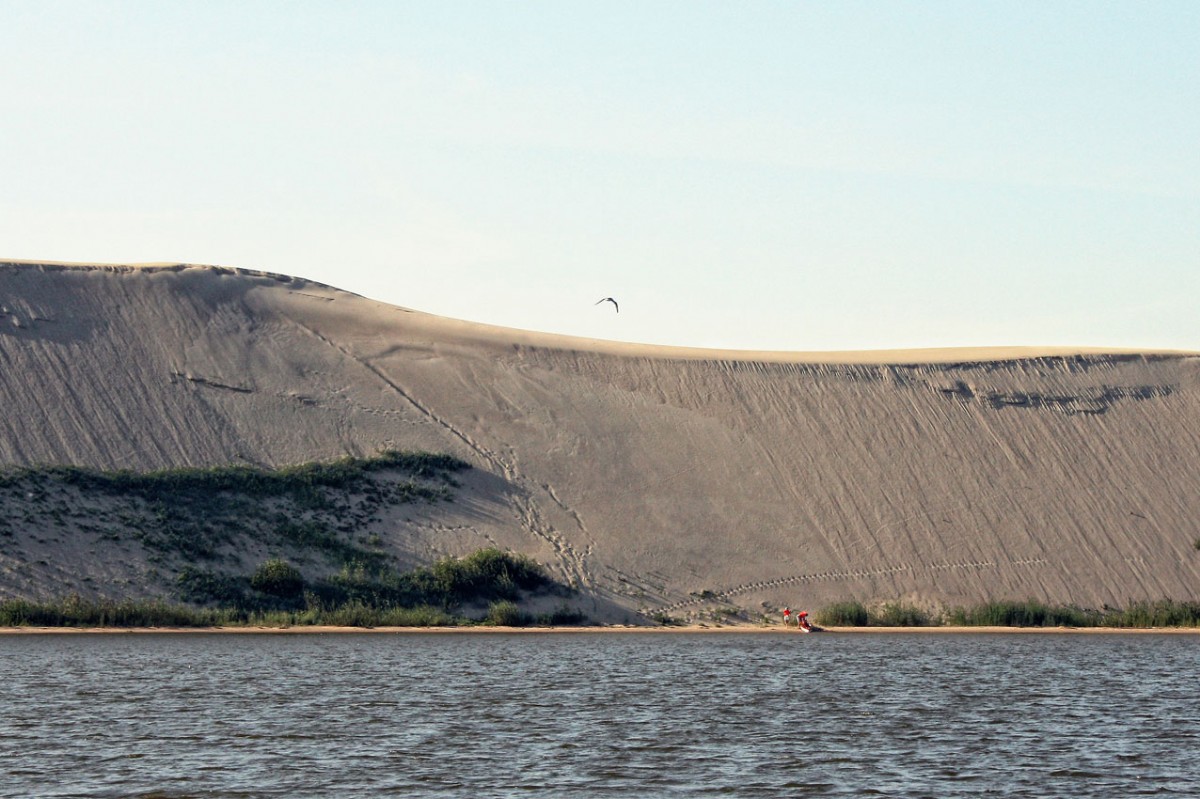
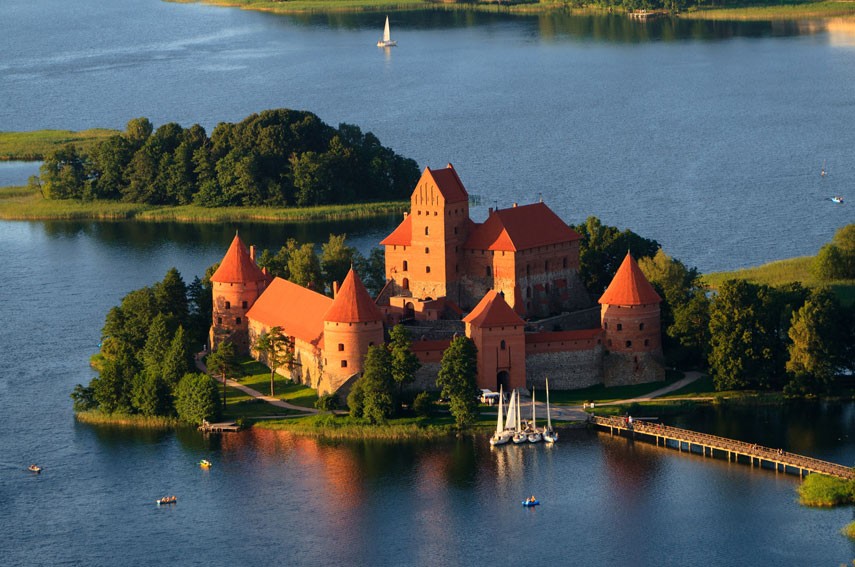
Lithuania is the largest and most populous of the Baltic states—a group of countries including Latvia and Estonia, which border the Baltic Sea. It was ruled by Russia and the communist Soviet Union for much of the 19th and 20th centuries. Today, it is a member of the European Union and has a rapidly-developing economy. Lithuania’s landscape was smoothed down by glaciers during the most recent Ice Ages, about 22,000 years ago. Apart from some low hills in the east, the land is fairly flat and forested, dotted with lakes, rivers and marshes. Sandy beaches and dunes stretch along the coast. Winters in Lithuania are cold, while summers are sunny but usually mild.
People
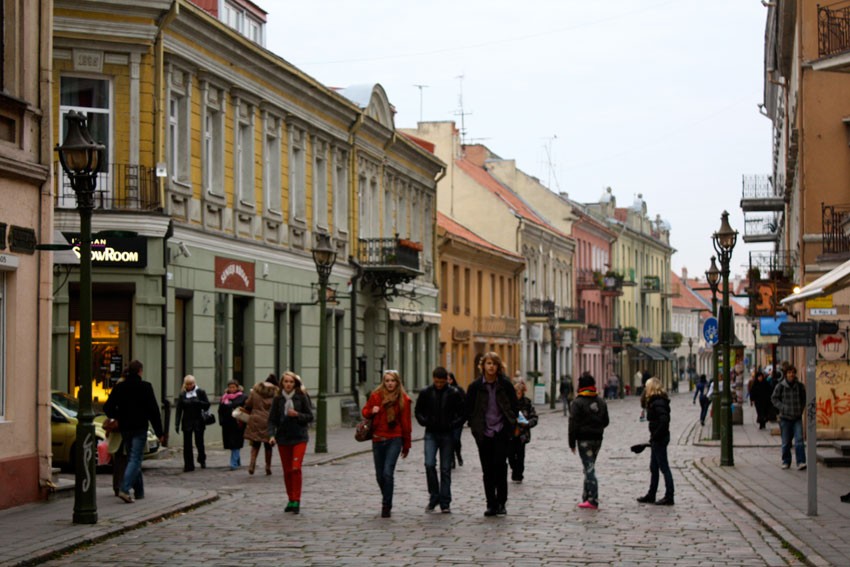
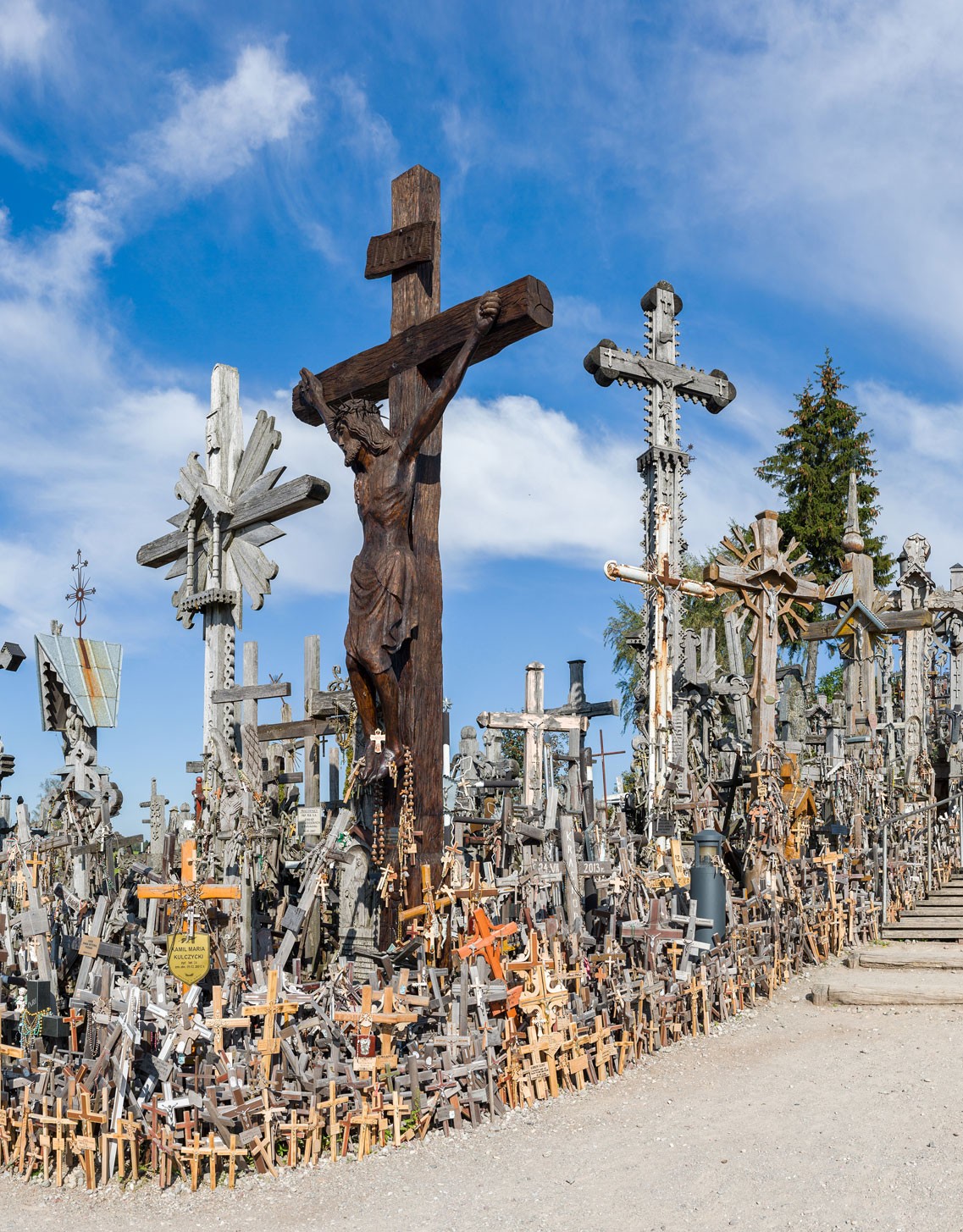
Most of the people are ethnic Lithuanians, a Baltic people directly descended from the region’s first settlers. The rest are mainly Poles and Russians. Lithuanian is one of the oldest languages in Europe; it is very similar to the ancient language spoken by the earliest Lithuanians. More people live in cities and towns than in the countryside, many in large housing blocks built during the Soviet era (1944–90). In the countryside, traditional homes are built entirely from wood.
All the while the country was under Soviet rule, Lithuanians worked hard to keep their culture and traditions—and national identity—alive. Literature, folk and choral music and dance play a big part in Lithuanian culture.

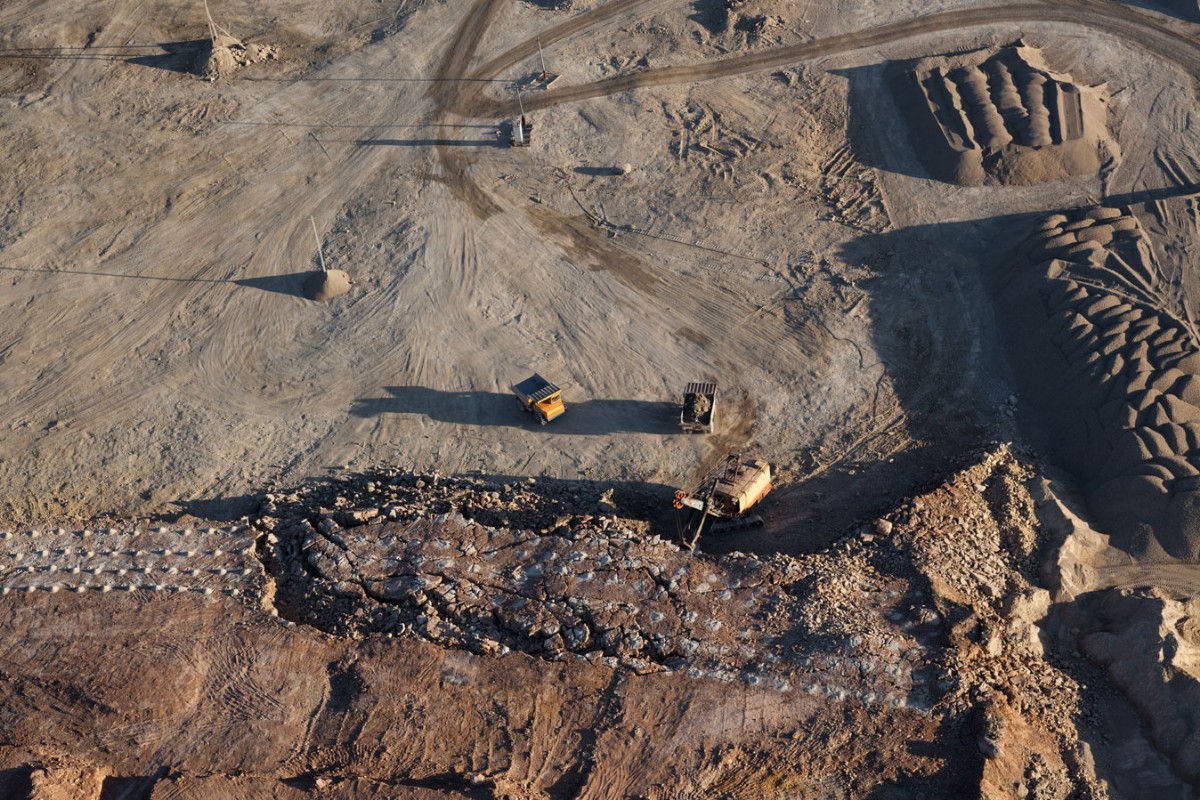
Manufacturing is important in Lithuania, too. In eastern towns and cities, furniture-making is a major industry. Much of the wooden furniture, along with parts and textiles, is exported to Scandinavia. When the Baltic states joined the EU in 2004, their economies grew quickly. Because of this, they were nicknamed the Baltic Tigers ("tiger" being the name given to states that are experiencing high economic growth).
Amber
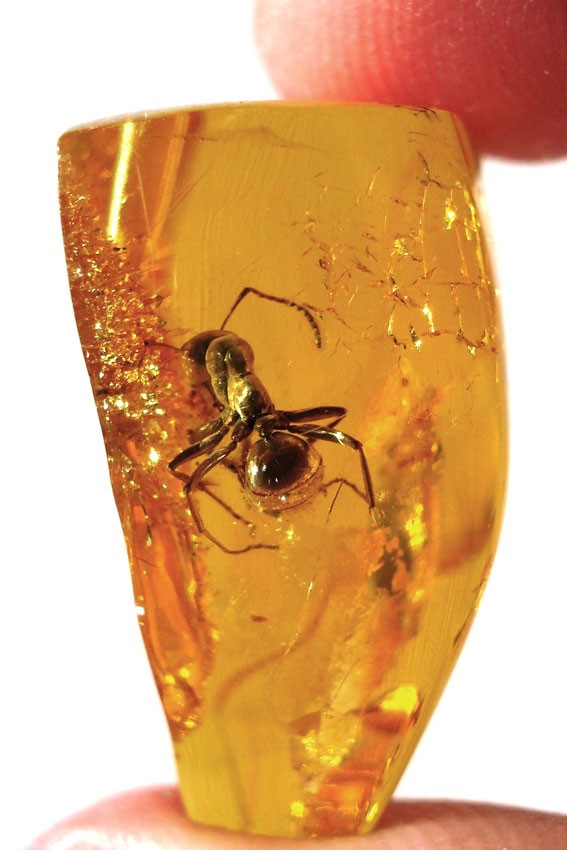
Amber is fossilized resin (sticky sap) from inside ancient pine trees. It is usually found in small, golden-yellow chunks, and can be polished or cut to make jewellery. After lying buried in the sand for millions of years, pieces of amber regularly wash up on Lithuania’s beaches. Some pieces are more than 30 million years old. Sometimes, amber contains prehistoric insects or plants that were attracted to the sticky resin, then became trapped; now they are perfectly preserved as fossils.
In Lithuanian folklore, pieces of amber that wash up on the beach are said to be the tears of the sea goddess Jurate, whose palace was destroyed by Perkunas (god of thunder) in a fit of jealousy.
Consultant: Nicholas Harris
Facts about Lithuania
Population 2,854,099
Area 62,680 sq km
Highest point Aukstojas 294 m (965 ft)
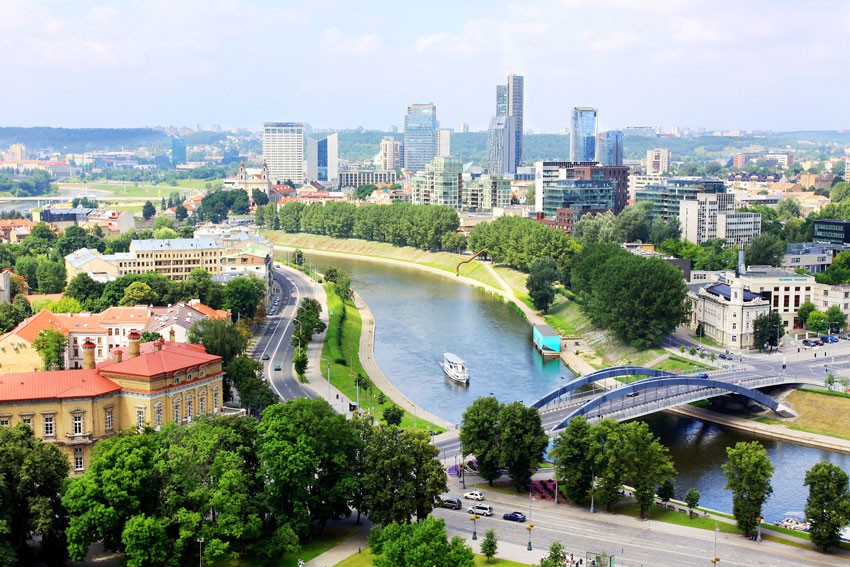
Capital Vilnius, population 542,366
Other major cities Kaunas (pop. 374,643), Klaipeda (192,307), Siauliai (130,587), Panevezys (117,395)
Languages Lithuanian, Polish, Russian
Religions Christian (Roman Catholic) 77%, Christian (Russian Orthodox) 4%, others and none 19%
Ethnicity Lithuanian 82%, Polish 7%, Russian 6%, Belarusian 1%, others 4%
Currency Euro (EUR)
Chief exports machinery and equipment, chemicals, cars, furniture and parts, textiles, foods, plastics
History of Lithuania
2000 BC
First settlers live along the Baltic coast, hunting and fishing
1253
King Mindaugas unites the region’s tribes as the Kingdom of Lithuania
1269–82
Reign of Traidenis: he reunifies all Lithuanian lands and achieves military successes against the Crusaders
1316–41
Reign of Gediminas, Grand Duke of Lithuania: rapid expansion of Lithuania to rule lands from the Baltic Sea to the Black Sea, acquiring large portions of Russia and other neighbouring states, including what is now Belarus, Lithuania and most of Ukraine.
1323
Vilnius becomes the country’s capital
1386
Union of Krewo: the Grand Duchy of Lithuania and the Crown of the Kingdom of Poland unite. Lithuania now converts to Christianity.
1410
Joint Lithuanian-Polish forces defeat the Teutonic Knights at the Battle of Grunwald. Lithuania reaches its greatest extent and is the largest state in Europe.
1569
Union of Lublin: Lithuania and Poland join together in a powerful partnership, the Polish–Lithuanian Commonwealth. However, Lithuania becomes secondary in status to Poland, to which it also cedes Ukraine.
1648–67
The Deluge: Poland-Lithuania is overrun by Russian and Swedish forces. Vilnius is sacked after the Battle of Vilnius (1655).
1772–95
Poland-Lithuania is partitioned on three occasions between Russia, Prussia and Austria. Most of Lithuania's territory is annexed by the Russian Empire.
1830–31 and 1863–64
Uprisings against Russian rule, but both fail and result in stricter "Russification", including the introduction of the Russian language and the suppression of the Lithuanian language.
1918
Lithuania declares its independence from Russia. It fights Bolshevik, White Russian and Polish forces during the Lithuanian Wars of Independence (1918–20)
1920
Polish forces capture the Vilnius region which is later annexed to Poland
1923
Klaipėda Revolt: the Klaipėda Region is unified with Lithuania.
1940
Lithuania is invaded and occupied by the Soviet Union
1941
Thousands of Lithuanians are deported to prison camps in Siberia. During the June Uprising, Lithuanian insurgents manage to expel the Soviet Red Army from Lithuania. However, a few days later Lithuania is occupied by Nazi Germany.
1944–90
Soviet Union reoccupies Lithuania: the country becomes a republic within the Soviet Union
1989
Baltic Way: millions of Lithuanians, Latvians and Estonians stand hand-in-hand showing their unity in the face of the repressive Soviet regime
1990
A year before the Soviet Union collapses, Lithuania declares its independence
1991
Soviet Union recognizes Lithuania’s independence
2004
Lithuania joins the European Union (EU)
2009
Lithuania elects its first female president, Dalia Grybauskaite
2015
NATO conducts major military exercises in the Baltic region
2022
Lithuania declares a state of emergency in response to the Russian full-scale invasion of Ukraine
pics

Without in any way limiting Q-files Ltd’s exclusive rights under copyright, any use of this publication to “train” generative artificial intelligence (AI) technologies to generate text is expressly prohibited. Q-files Ltd reserves all rights to license use of this work for generative AI training and development of machine learning language models.