
Polar regions

CITE
We have made every effort to follow citation style rules, but there may be some minor differences. If in doubt, please refer to the appropriate citation style manual.
Arctic. (2026). In Q-files Encyclopedia, Geography, Polar regions. Retrieved from
https://www.q-files.com/geography/polar-regions/arctic
"Arctic." Geography, Polar regions, Q-files Encyclopedia, 10 Sep. 2026.
https://www.q-files.com/geography/polar-regions/arctic.
Accessed 21 Sep. 2026.
Arctic 2026. Geography, Polar regions. Retrieved 21 September 2026, from
https://www.q-files.com/geography/polar-regions/arctic
Geography, Polar regions, s.v. "Arctic," accessed September 21, 2026.
https://www.q-files.com/geography/polar-regions/arctic


Arctic
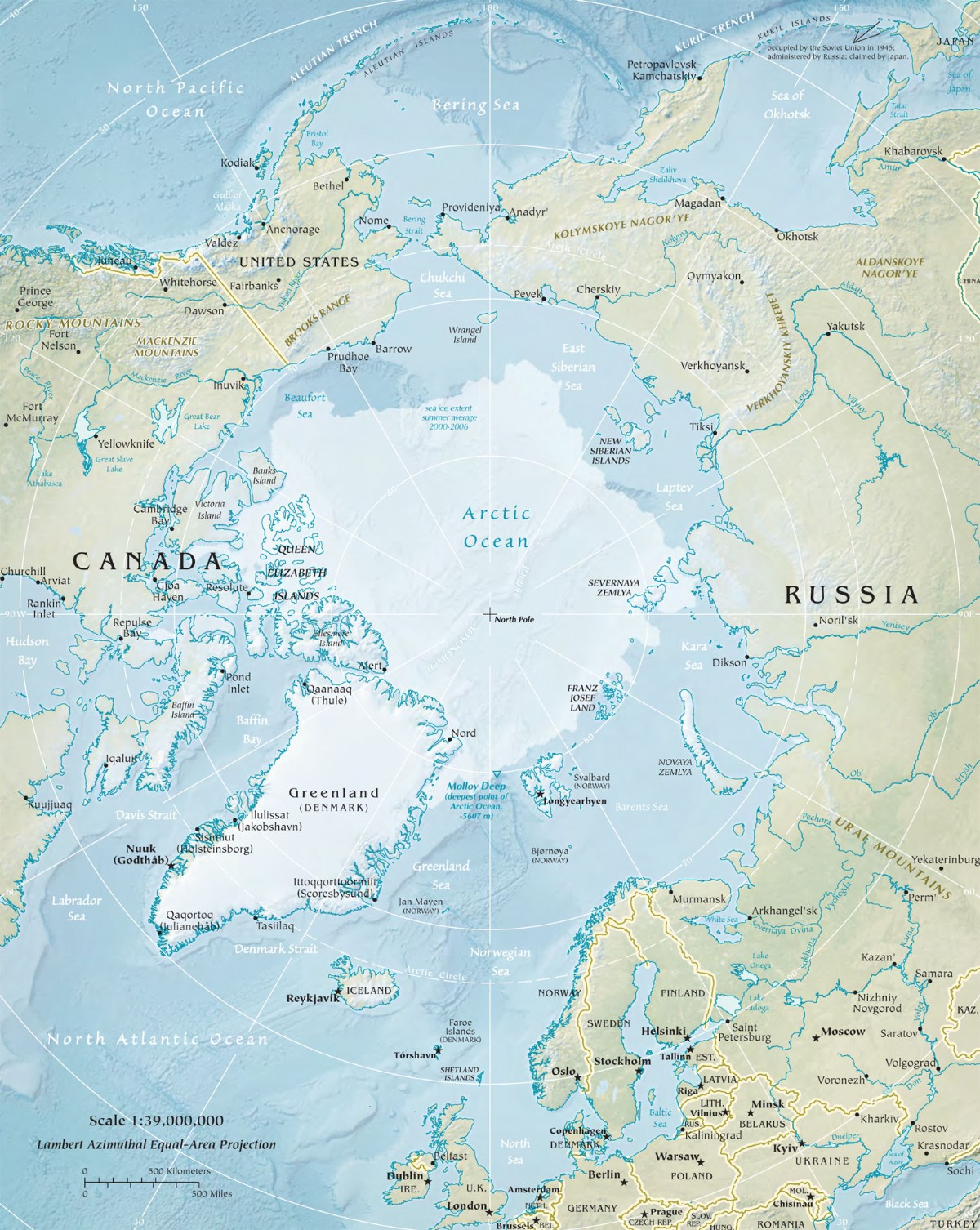
The North Pole lies not on land but on water: the Arctic Ocean. Much of the Arctic Ocean is permanently covered by sea ice, although its extent shrinks dramatically in summer months as the ice melts and stretches of water open up, before freezing over in winter. The Arctic region is usually defined as the area within the Arctic Circle, the line of latitude about 66.33° north of the Equator. Within this circle lie the northern parts of Norway, Sweden, Finland, Russia, Canada, Greenland (a self-governing territory of Denmark) and the US state of Alaska. Although it lies just south of the Arctic Circle, Iceland is also regarded as an Arctic nation. Apart from Greenland, which is mostly covered by a vast ice sheet, lands within the Arctic region have seasonally varying snow and ice cover, with permafrost (the permanently frozen layer of soil beneath the surface) under tundra vegetation.
Arctic ice
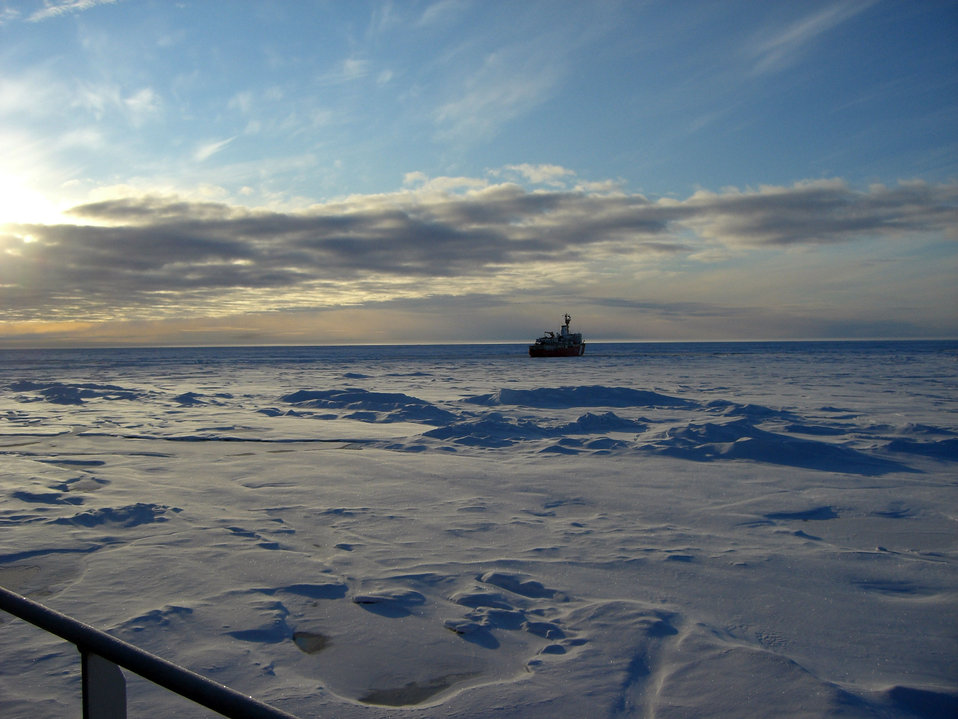
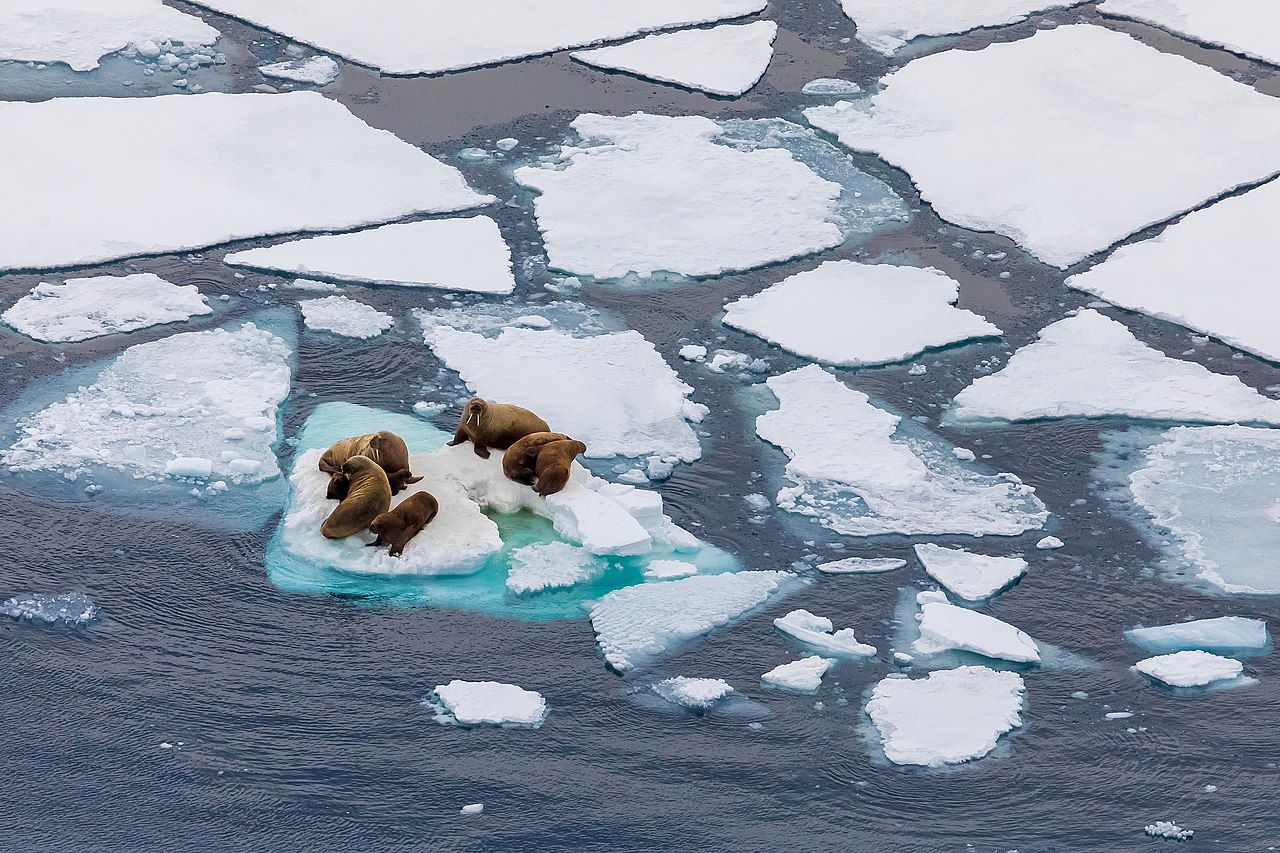
Much of the Arctic Ocean is covered with a layer of floating ice—sea ice or frozen seawater—all year round. At its edges, rafts of broken ice, called pack ice, drift in the freezing cold waters (larger individual pieces of pack ice are known as ice floes). These are pieces of ice that are constantly being broken up and crushed together by the movement of the water. During the summer, the extent of this floating ice shrinks dramatically, as much of the ice cracks and melts, forming waterways and stretches of open water.
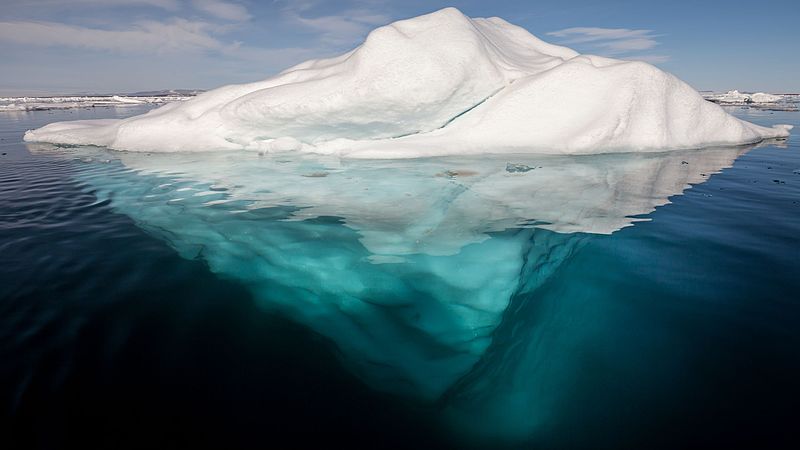
Icebergs float among the Arctic sea ice. Large chunks of frozen freshwater, Arctic icebergs originate from Greenland: they have broken off ("calved" from) ice streams, types of glacier that flow out from Greenland's vast ice sheet and fall into the sea. Many icebergs are shaped like small mountains. Typically, only about one tenth of the volume of an iceberg is above water—the density of pure ice is about nine-tenths that of seawater—with the rest floating below water.
Climate
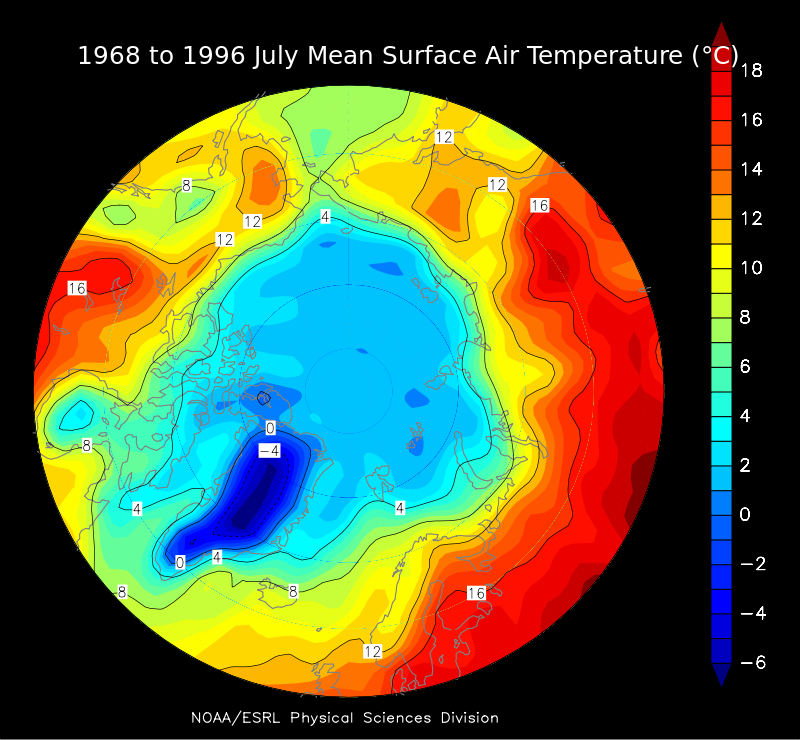
An ice cap climate is one where the temperature never rises above 0°C (32°F). Areas with this climate are in or near the polar regions: Antarctica, Greenland and some of the northernmost islands of Canada and Russia. They are covered by a permanent layer of ice and have no vegetation. Ice cap climate is the world's coldest climate.
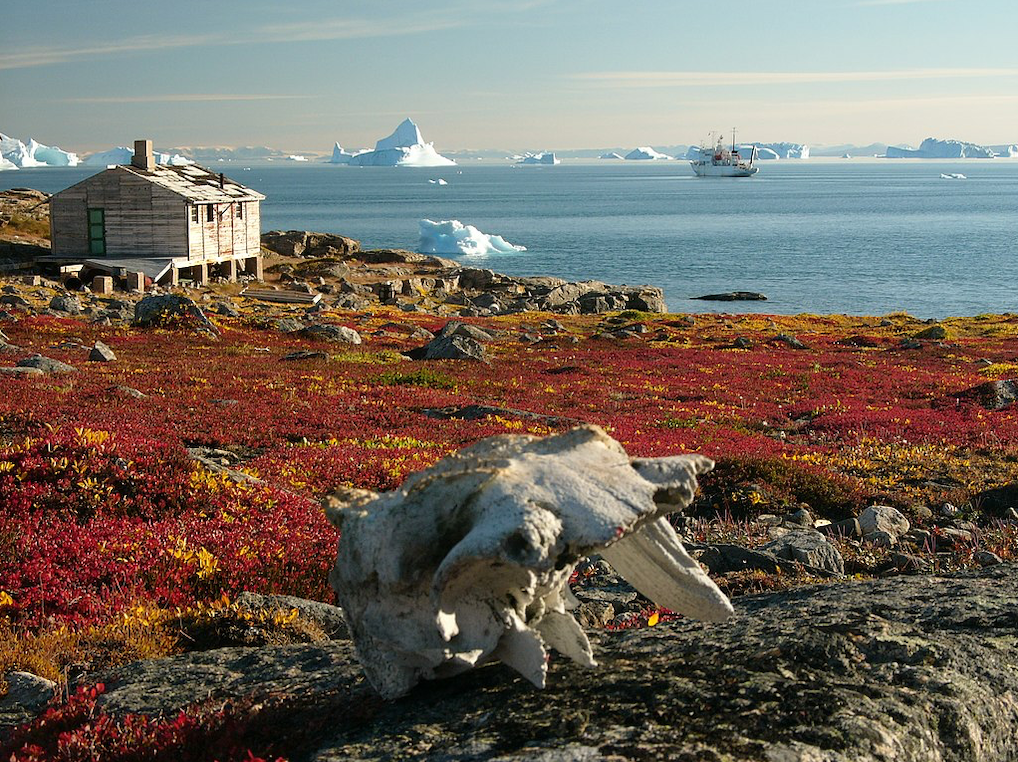
Tundra climates are found a little farther south, along the coastal areas of the Arctic Ocean: northern Alaska, northern Canada, around Hudson Bay, Greenland and northern Siberia. Here, Arctic air masses dominate for most of the year, but warming ocean winds keep the temperatures from being as severe as interior regions. The winter season is long and cold, with average temperatures around -22°C (-10°F). The short summers may have temperatures averaging up to 10°C (50°F). Precipitation is low with only about 15–25 centimetres (6–10 inches) of rain or snow falling each year, mostly in summer.
In tundra regions, temperatures never rise high enough to thaw a frozen layer of soil called permafrost. This layer lies beneath the surface, between 25 and 90 centimetres (10–35 inches) deep. During the winter months, the surface soil is also frozen—and covered by ice and snow. In the short summer season, the snow melts and the surface soil thaws. But the permafrost layer prevents the water from draining away into the ground, so lakes, marshes and bogs appear. It also makes it impossible for trees, which need long roots, to grow. The vegetation instead consists of dwarf shrubs, sedges and grasses, mosses and lichens.

Land of the Midnight Sun

During the Northern Hemisphere’s winter months, the Arctic is one of the coldest and darkest places on Earth. Following sunset on the September Equinox, the Earth’s tilted axis means that the sun no longer rises above the horizon at the North Pole. As the days pass, the area that experiences this "polar night" creeps southwards until at the December Solstice, the sun does not rise anywhere north of the Arctic Circle.
The sun rises again at the North Pole from the March Equinox onwards, and light reaching the Arctic increases day by day so that by the June Solstice, the whole of the Arctic region experiences 24-hour sunshine. This is why Northern Scandinavia and other lands north of the Arctic Circle are sometimes called “Land of the Midnight Sun”, for there is at least one 24-hour period when the sun never dips below the horizon.
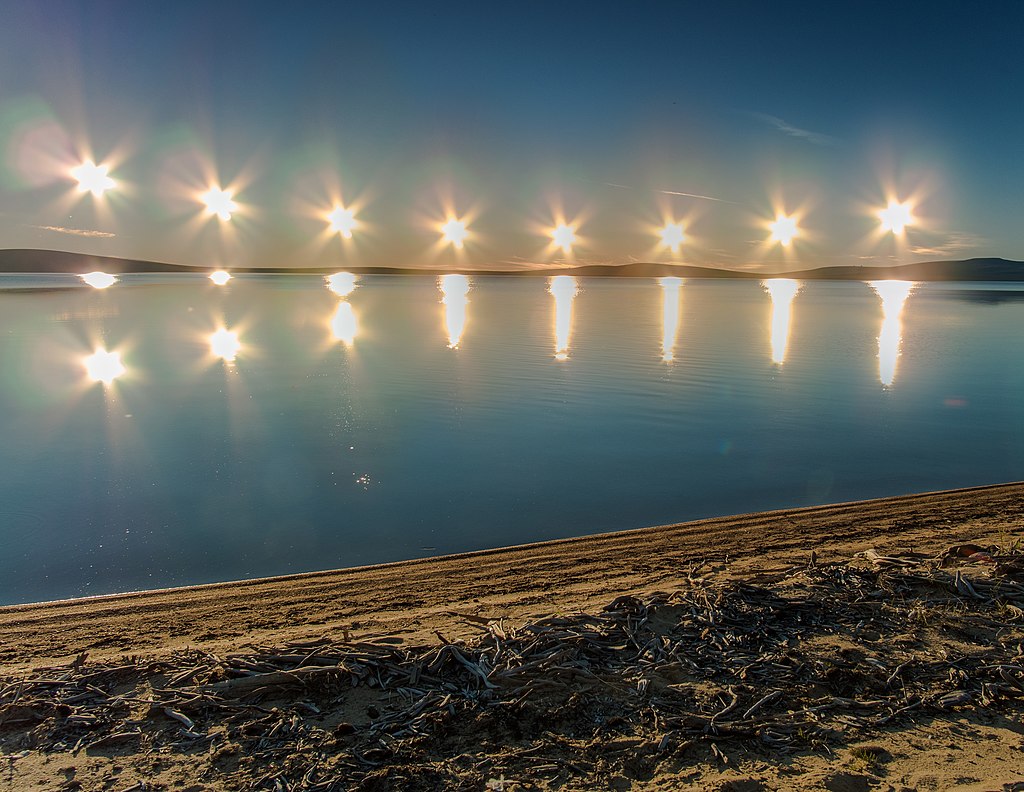
The further north you go, the longer the period of midnight sun lasts. The largest city north of the Arctic Circle, Murmansk, Russia, experiences midnight sun from 22nd May to 22nd July, a period of 62 days. Svalbard, Norway, the northernmost inhabited region of Europe, midnight sun lasts from 19th April to 23th August, or 127 days. At the North Pole itself, there is midnight sun for six months.
Northern lights
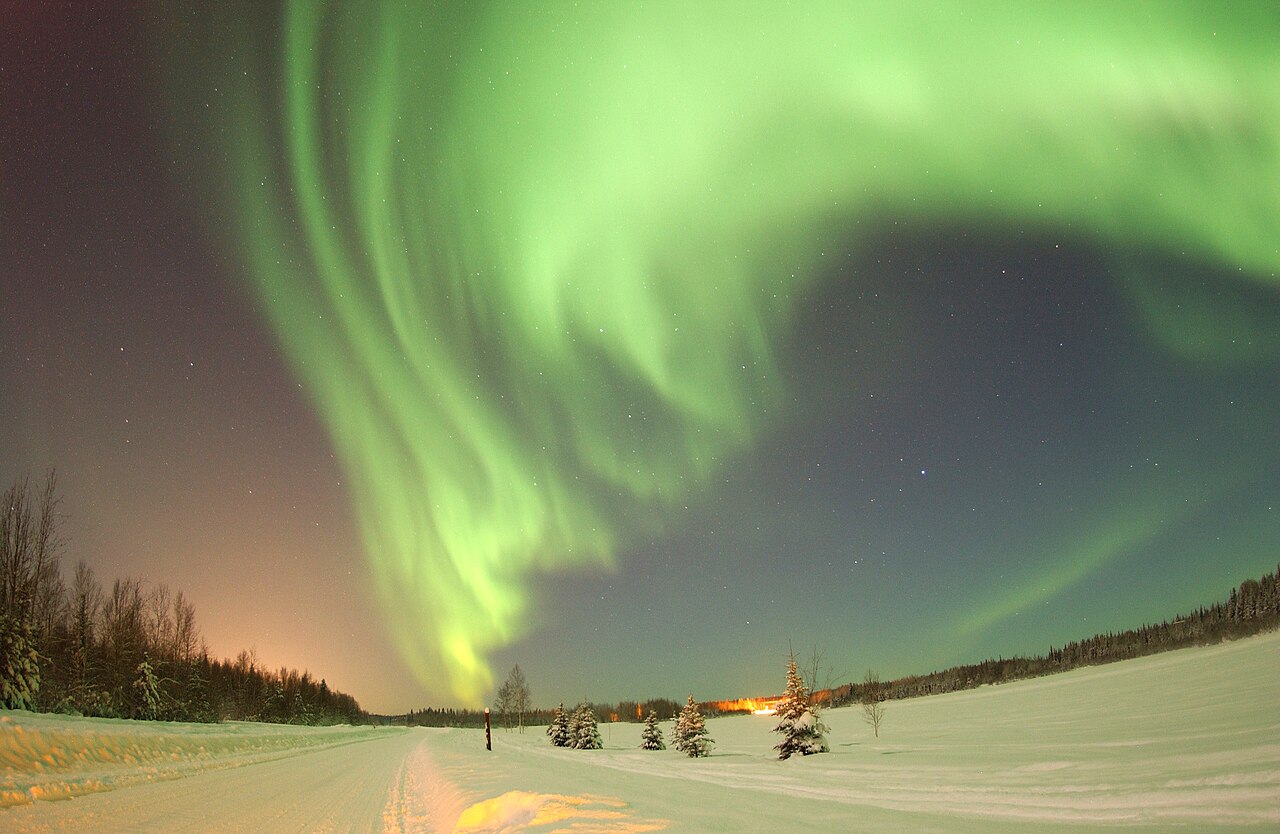
An aurora (plural: aurorae), also commonly known as the northern lights (aurora borealis) or southern lights (aurora australis), is a natural light display in Earth's sky, often seen in the Arctic and Antarctica respectively. The lights appear as spectacular curtains of glowing light covering the entire sky.
The Earth's magnetic field protects us from the solar wind, high-energy particles from the Sun that stream out from the Sun. Some particles are attracted by the magnetic poles, however, where they collide with air molecules in the Earth's atmosphere. This produces the aurorae. They usually appear only in regions north of the Arctic Circle (or south of the Antarctic Circle), but sometimes expand to lower latitudes during a geomagnetic storm, triggered by a sudden surge of solar wind.
Arctic ocean life

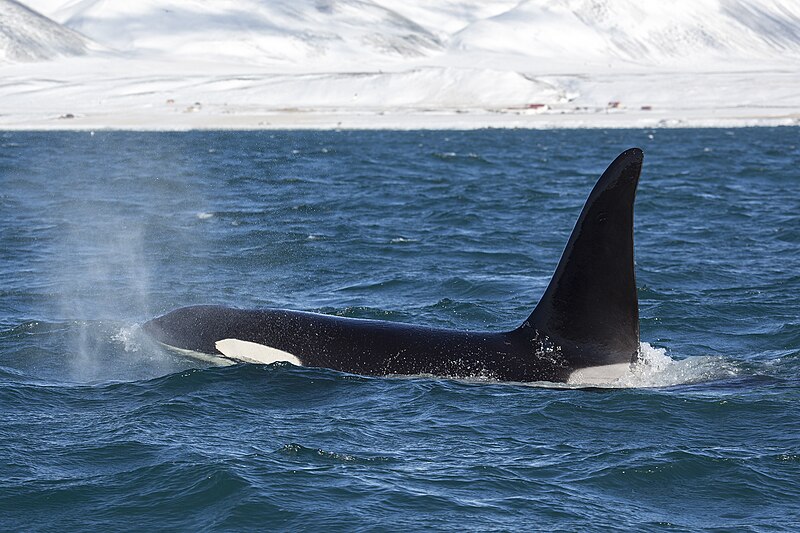
The cold, circulating waters of the Arctic Ocean and its adjacent seas are rich in nutrients, so micro-organisms—phytoplankton and algae—flourish there. They are food for jellyfish, shrimp and small fish, as well as for baleen whales such as blue and bowhead whales. Toothed whales, dolphins such as orcas (killer whales), narwhals and belugas, seals, sea lions, walruses, larger fish and sea birds feed on the fish and squid. Some sharks and crabs scavenge on dead animals.
Although most polar bears are born on land, they spend most of their time at sea. Their scientific name, Ursus maritimus, means "maritime bear". They hunt seals on the floating ice of the Arctic Ocean and its adjoining seas, using their excellent sense of smell to sniff out breathing holes in the ice, the places where seals rise for air. When some of the sea ice melts in the summer, the bears either head further north, where the ice never melts, or swim to land until the sea freezes over again in the following autumn.
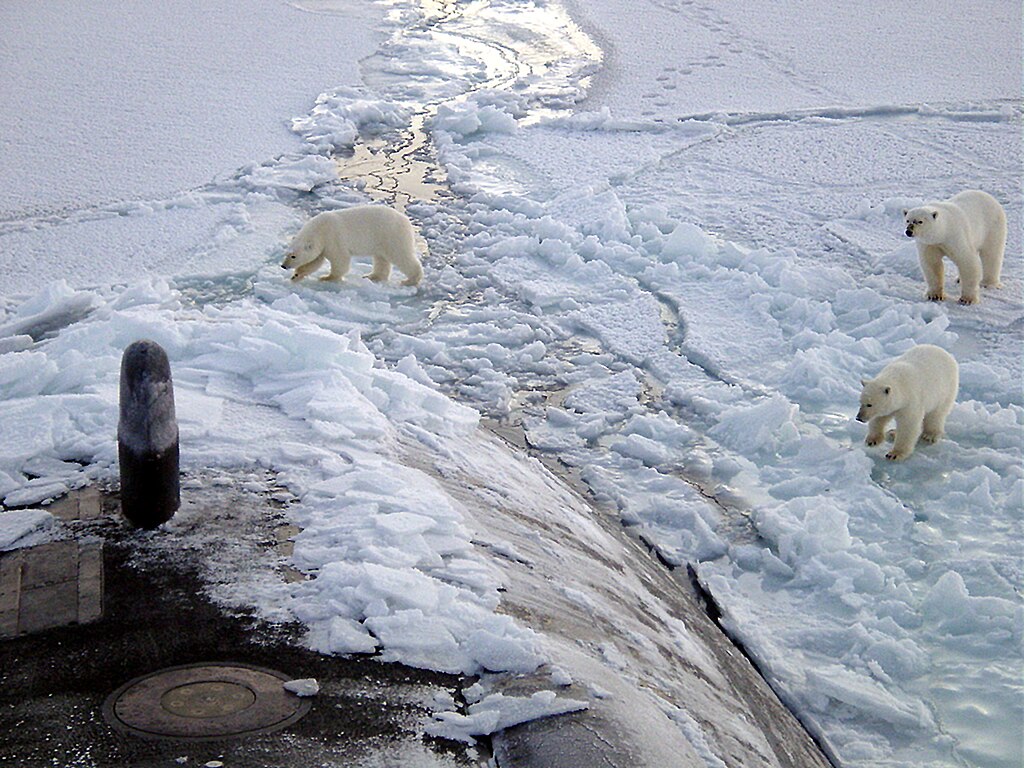
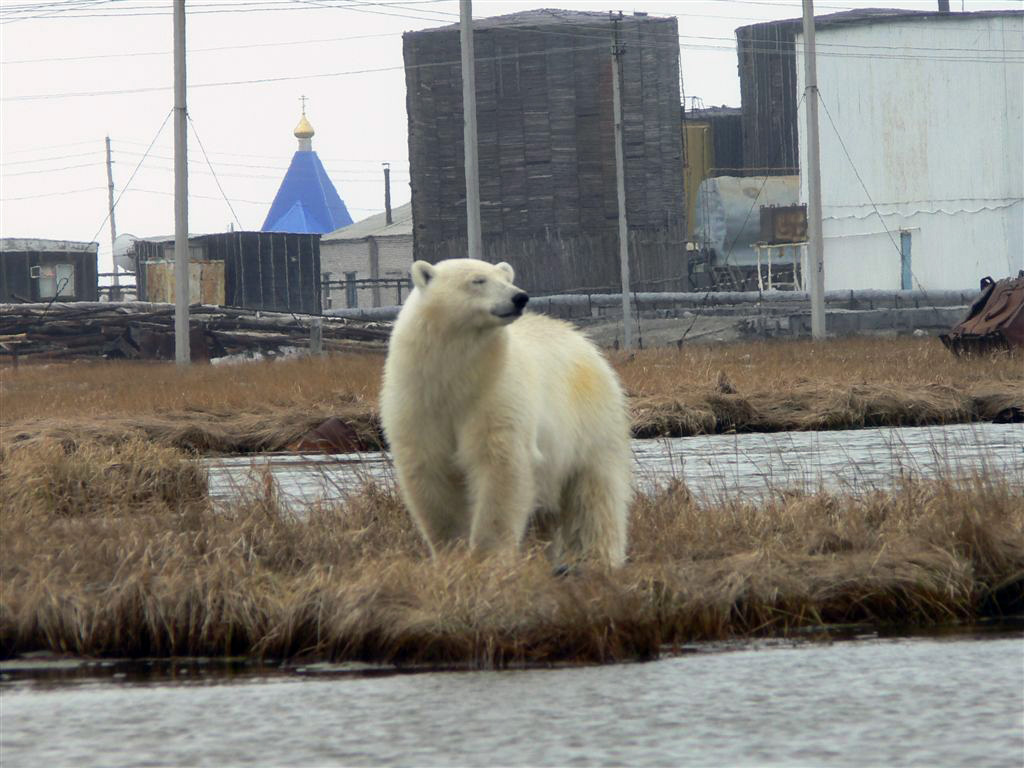
Many polar bears spend the summer on the shores bordering the Arctic Ocean. Away from the ice they cannot hunt seals, so they feed on other mammals, birds, berries, seaweed and whatever meat or other food they can scavenge. They even take waste food left out by humans living in settlements in the far north.
North Water Polynya

A polynya is an area of open water surrounded by sea ice. They can be found year-round near the Arctic (and Antarctic) coasts and many are formed by strong winds pushing the ice out to sea.
The world's largest polynya is known as the North Water (or to the local Inuit, Sarvarjuaq, “the place that never freezes”). It lies in the northern reaches of Baffin Bay, between Greenland to the east and Ellesmere and Devon islands (of Nunavut, Canada) to the west. An upwelling of warmer water helps keep the North Water ice-free throughout the year, while at its northern tip a bridge of ice across Nares Strait prevents sea ice from being blown south into it from the Arctic Ocean. Since the mid-2000s and the acceleration of global warming, the Nares Strait ice bridge has often failed to form in winter, allowing sea ice to drift through to cover the water’s surface.
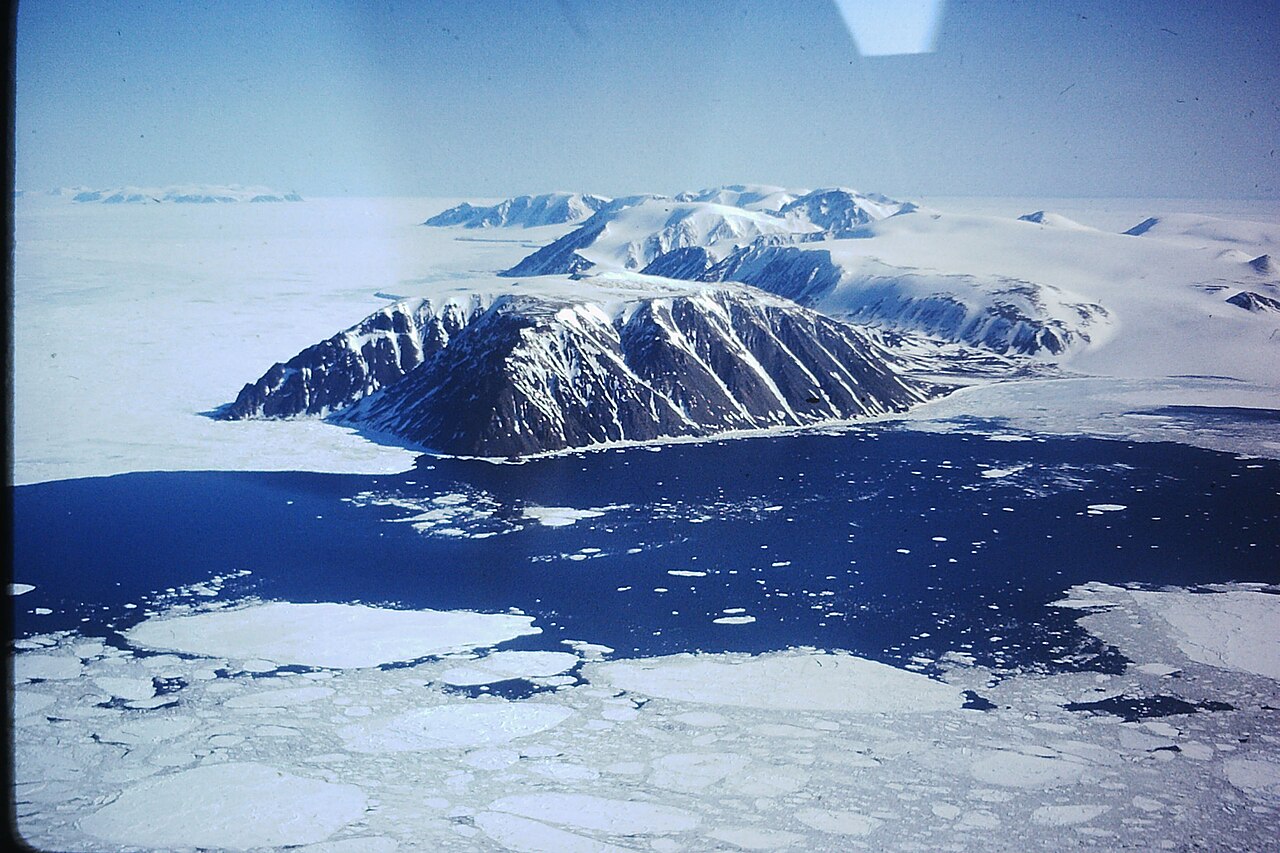
The polynya is a boon to all kinds of marine life. The lack of ice allows sunlight to penetrate deeper. This encourages the growth of plankton, which forms a vital part of a food web for Arctic animals, including cod, sea birds, seals and polar bears. The relatively warm microclimate attracts narwhal, beluga, walrus and bowhead whales in winter. Inuit communities (see below) on the North Water's shores rely on the abundance of marine life for their food, clothing and shelter.
Resources
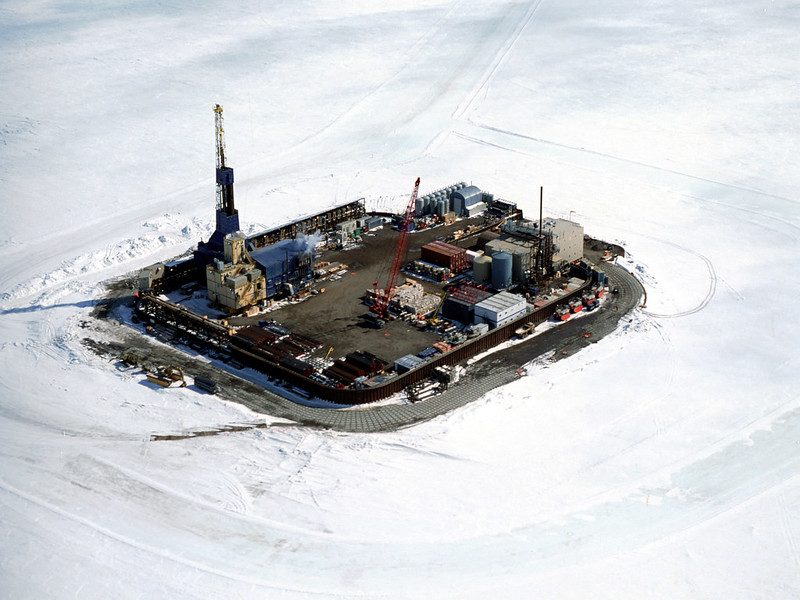
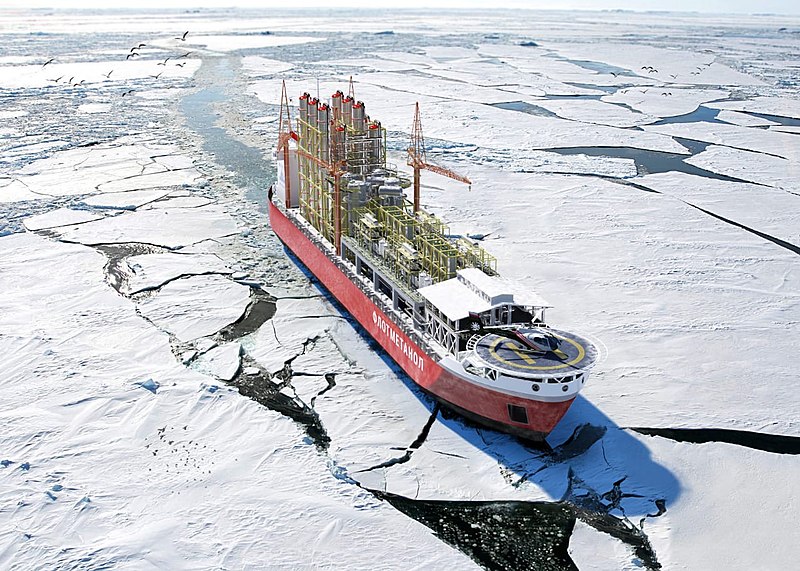
There are enormous deposits of oil and gas in the Arctic region. The United States Geological Survey (USGS) estimates that 22% of the world's oil and gas reserves could be located beneath either the land or Arctic seabed. Russia's vast energy resources account for more than half of the Arctic totals. Alaska’s North Slope contains 6% of the largest oil fields in the United States. The Arctic region is also rich in minerals, including phosphate, bauxite, iron ore, copper and nickel, rare earth elements (used in batteries) and gemstones.
Territorial claims
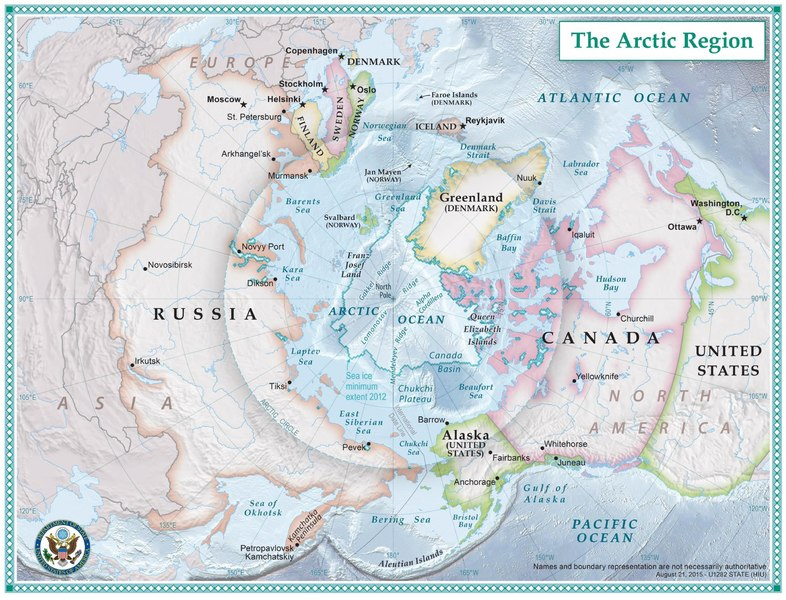
Arctic nations are keen to claim the rich resources of the Arctic. Russia, Norway, Denmark, Iceland, Greenland, Canada and the United States all have the right to explore and exploit all marine resources (including energy production from water and wind) within their exclusive economic zone (EEZ). This is the portion of seabed that stretches out 370.4 kilometres (200 nautical miles) from their respective coasts.
Some Arctic nations also claim territory on their continental shelves, not just within their EEZ. Russia, Greenland, Denmark and Canada, for example, all claim the Lomonosov Ridge. This is an undersea mountain chain that stretches from the Canadian Arctic to near the northern coast of Siberia, Russia.
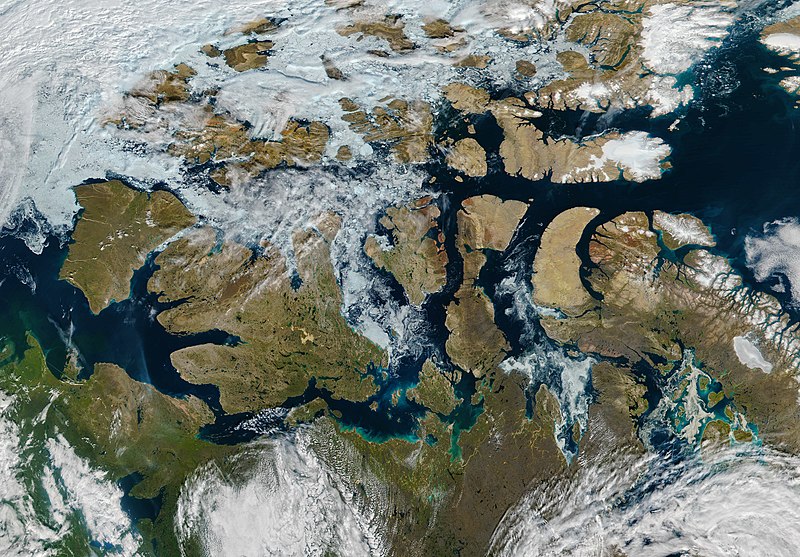
An EEZ refers to a state's rights to resources lying below the surface of the sea. The surface waters are international waters. Canada claims the Northwest Passage, the important sea route that meanders through its Arctic island archipelago, as part of its internal waters. The US and most other nations, however, regard it as an international strait, which means that foreign vessels have right of passage through it.
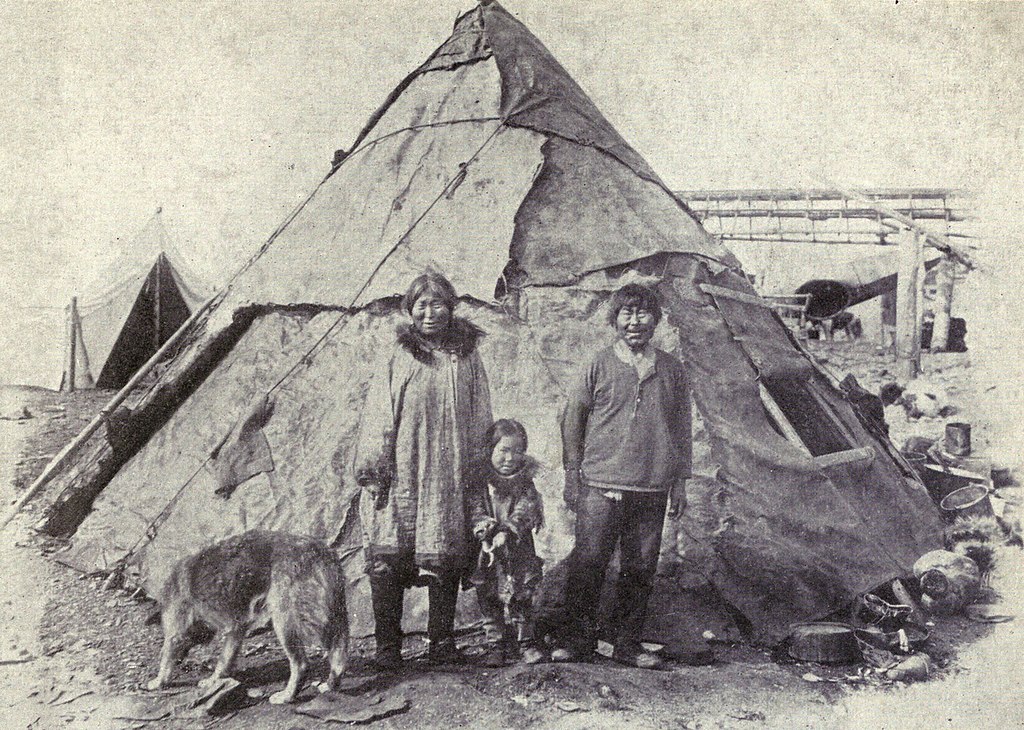
Arctic peoples
By 1300 AD, the Inuit—descendants of an earlier people belonging to what is called the Thule culture—had settled in Greenland. Over time, the Inuit spread throughout the Arctic regions of Canada, Greenland, Russia and Alaska. Nomadic peoples, they hunted seals, polar bears and other game, following them as they migrated across the tundra or harpooning them at sea from their sealskin boats called kayaks.
Other Arctic indigenous peoples, sometimes called Circumpolar peoples, include the Chukchi, Evenks, Inupiat, Khanty, Koryaks, Nenets, Sami, Yukaghir and Yupik. Those living close to the coast have followed a similar lifestlye to that of the Inuit, while groups whose homelands are farther inland migrate seasonally with their herds of reindeer (called caribou in North America).

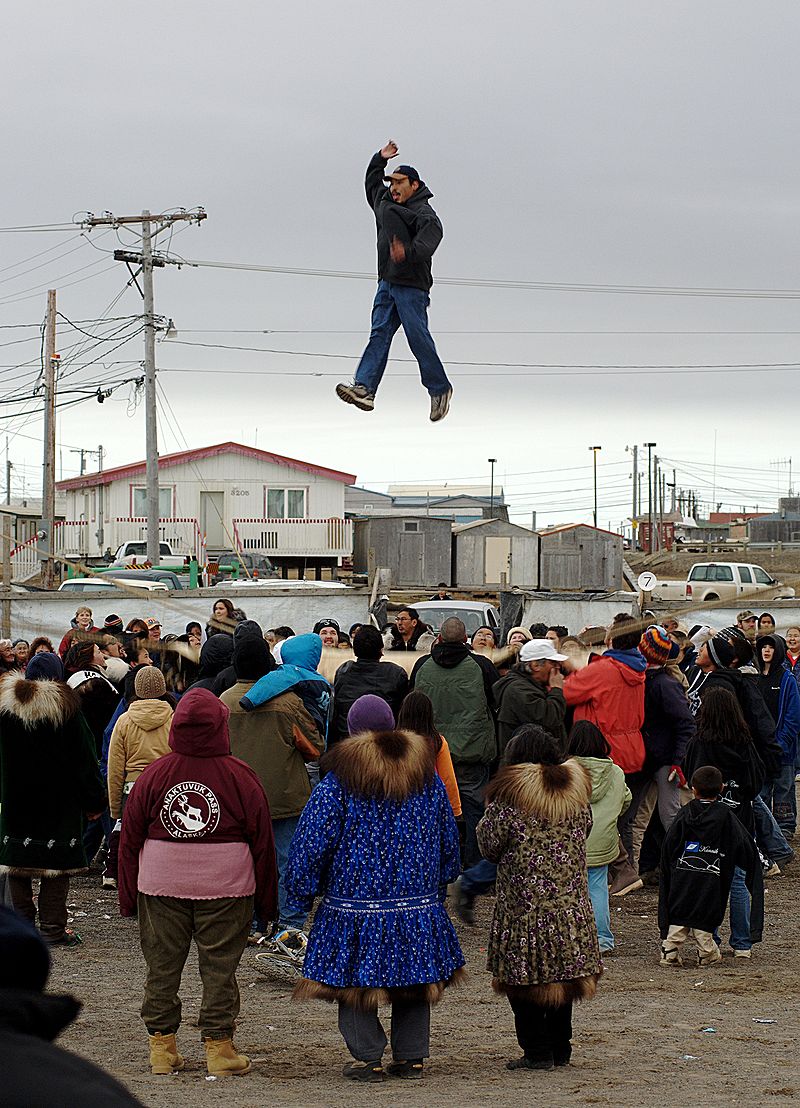
Increased contact with Europeans and European Americans has often led to conflict with the indigenous peoples. Inuit traditions and and language were replaced more and more by a Western lifestyle. From the late 20th century, however, the rights of Arctic peoples to land and natural resources began to be respected and enshrined in law. An agreement between the government of Canada and Inuit representatives led to the creation of the territory of Nunavut in 1999. Today, more than half its population identifies as Inuit, and Inuktitut is the most-spoken language.
In many parts of the Arctic, new challenges to indigenous peoples' way of life are presented by the expansion of oil, gas and mining industries and the infrastructure—roads, power lines and buildings, for example—that goes with it. The Russian gas company Gazprom arrived on the Yamal peninsula in Siberia to begin operations that today involve 32 gas fields. This brought about significant change to the area, disrupting the reindeer migration routes that are vital to livelihoods of the Nenets people. Pollution of both seawater and freshwater has also depleted their traditional fishing grounds.


Consultant: Nicholas Harris
pics
Without in any way limiting Q-files Ltd’s exclusive rights under copyright, any use of this publication to “train” generative artificial intelligence (AI) technologies to generate text is expressly prohibited. Q-files Ltd reserves all rights to license use of this work for generative AI training and development of machine learning language models.