
North America

CITE
We have made every effort to follow citation style rules, but there may be some minor differences. If in doubt, please refer to the appropriate citation style manual.
Canada. (2026). In Q-files Encyclopedia, Geography, North America. Retrieved from
https://www.q-files.com/geography/north-america/canada
"Canada." Geography, North America, Q-files Encyclopedia, 1 Apr. 2026.
https://www.q-files.com/geography/north-america/canada.
Accessed 30 Oct. 2026.
Canada 2026. Geography, North America. Retrieved 30 October 2026, from
https://www.q-files.com/geography/north-america/canada
Geography, North America, s.v. "Canada," accessed October 30, 2026.
https://www.q-files.com/geography/north-america/canada


Canada
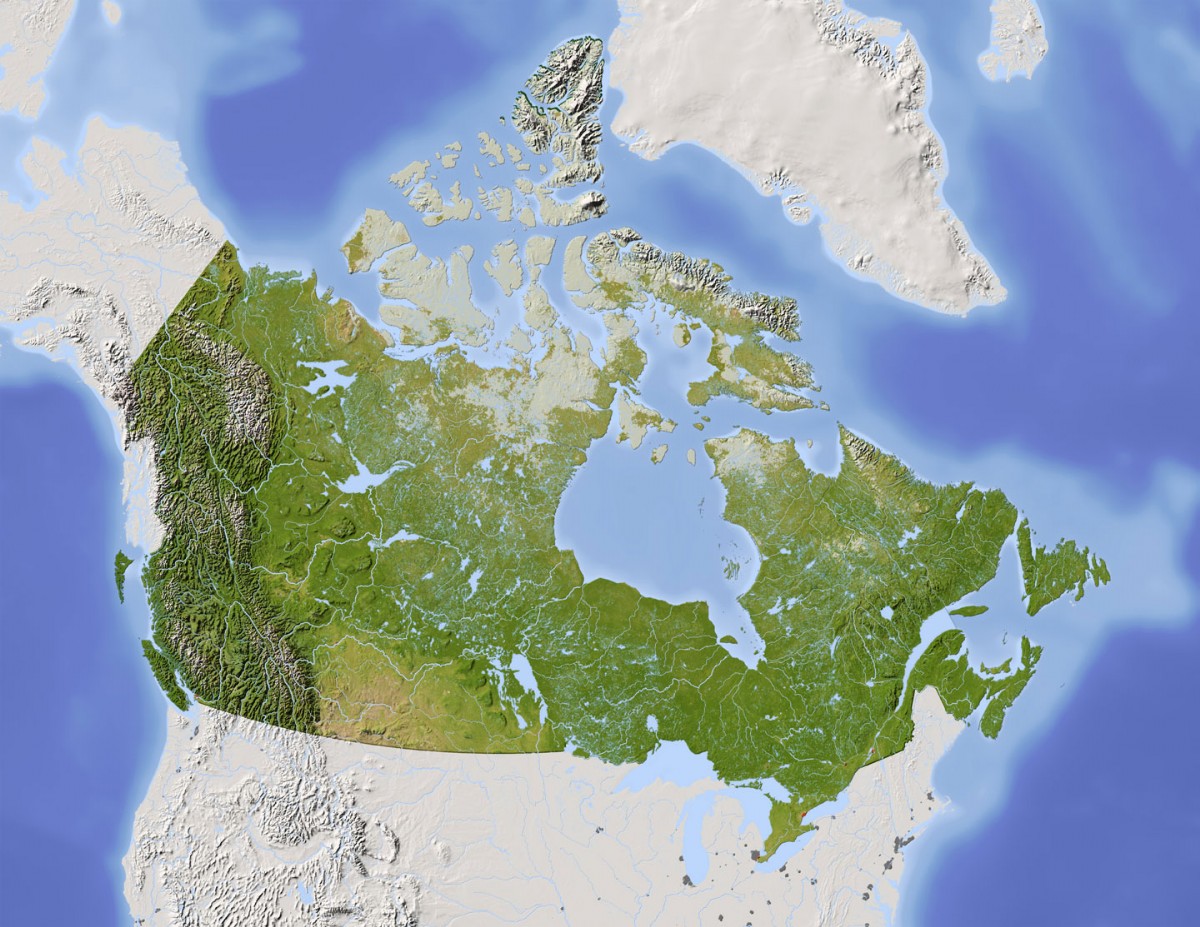
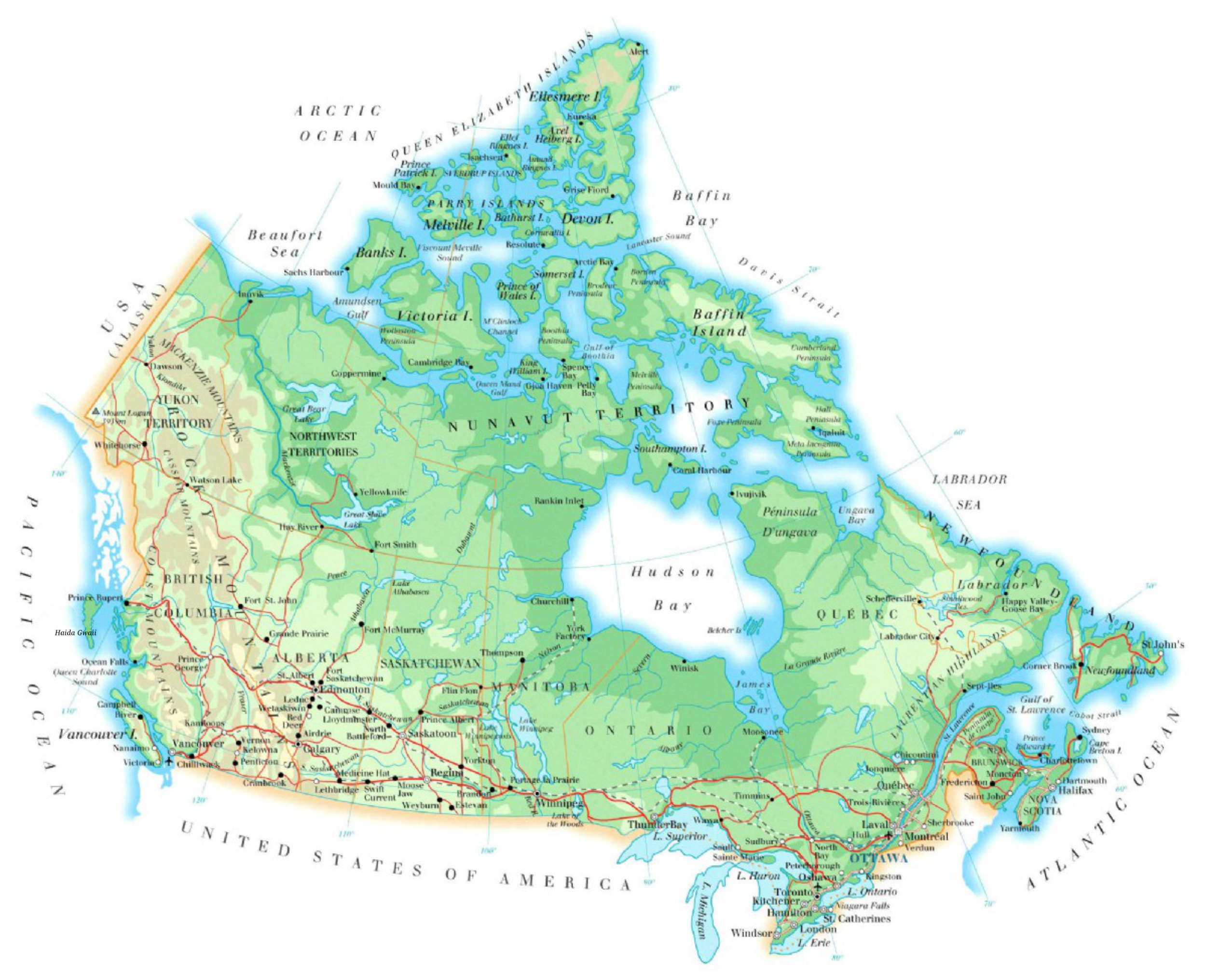
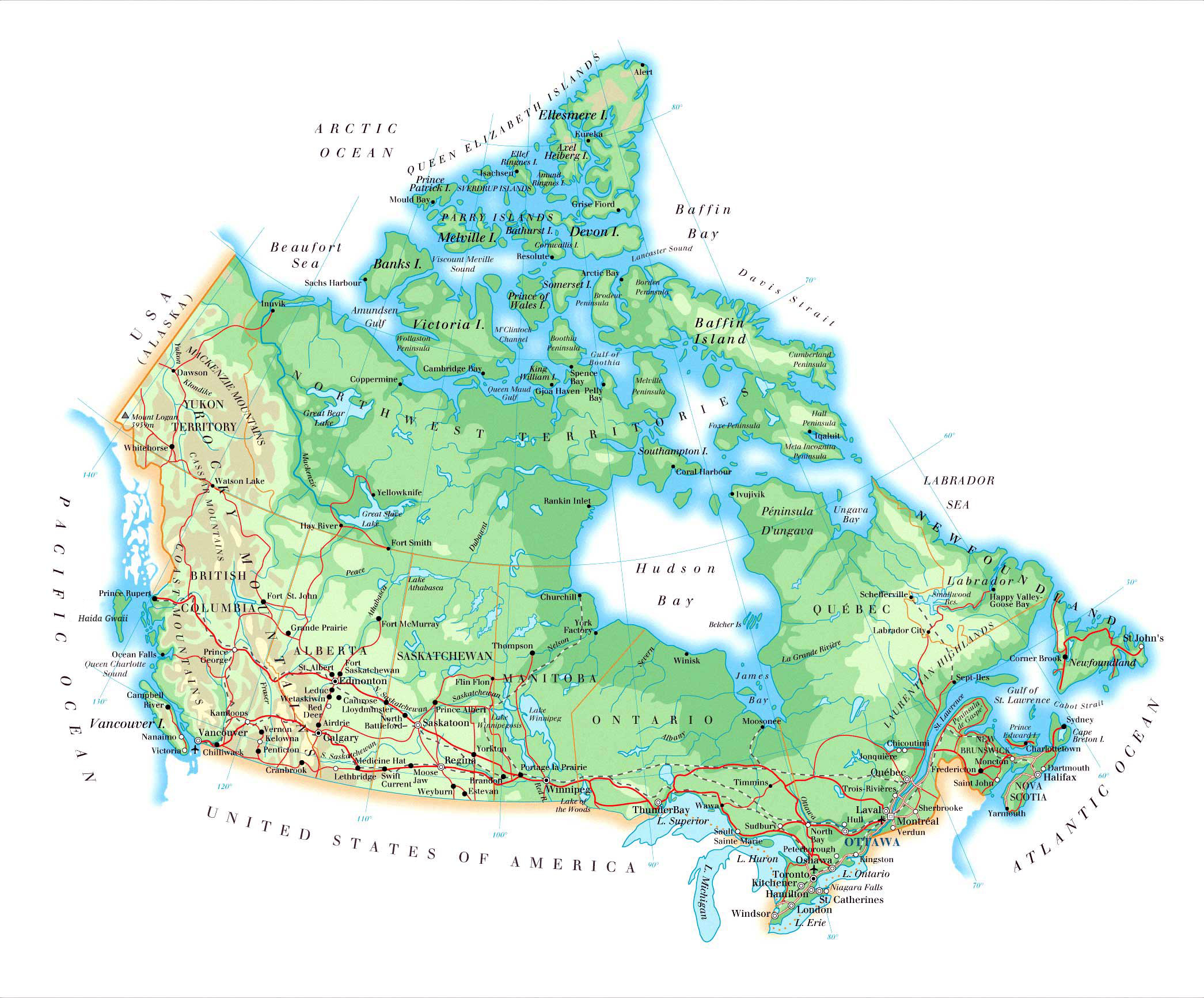
Canada is the second largest country in the world after Russia. Much of its vast territory is little more than wilderness, stretching from the Arctic islands of the north across tundra, evergreen forests, mountains and wide prairie grasslands. Northern and central parts of Canada have a polar to subpolar climate, with long, bitterly cold winters and short, cool summers. Southern regions are warmer, while coastal areas have high precipitation. Canada is made up of ten provinces, with some self-government, and three territories, governed directly by the Canadian government.
Arctic Canada
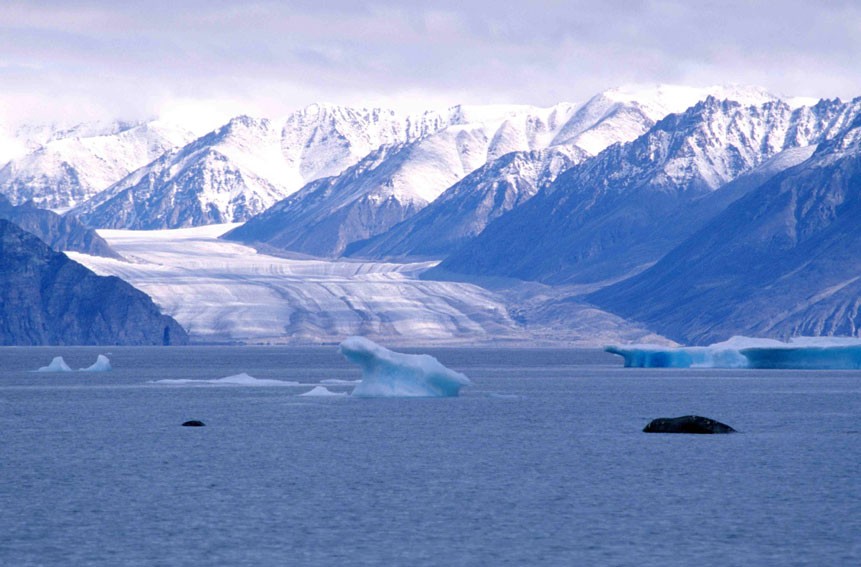
The northernmost part of Canada is made up of hundreds of islands, many of them lapped by the freezing polar waters of the Arctic Ocean. Forming what is known as the Arctic Archipelago, most of the islands are permanently covered by ice. The northern Canadian mainland is a frozen wasteland, known as tundra, where the topsoil is frozen for about nine months of the year, the deeper soils (called permafrost) permanently so. This region is mainly home to the Inuit and native Canadians, or First Nations peoples, who still live by hunting and fishing. Farther south, the tundra gives way to a landscape of dense coniferous forest and lakes.

Eastern Canada
A large part of eastern Canada lies on an area of ancient rock called the Canadian Shield. Curving in a broad arc around Hudson Bay and into Quebec, it is a region of low, rolling hills covered with dense coniferous forest, with bogs in low-lying areas. Hudson Bay, frozen solid for half the year, extends deep into mainland Canada. Few people live on its shores or the surrounding land; here it is mostly a forested wilderness.
Western Canada
The craggy Rocky and Coast mountains rise in the west of Canada, cut through by steep river valleys. Here, a number of peaks reach over 3000 metres (10,000 feet) including Mount Logan, Canada’s highest point. A large number of mountainous islands, including the largest, Vancouver Island, lie offshore.


Southern Canada
In the south, Canada’s border with the USA runs through the centre of four of the five Great Lakes: Erie, Ontario, Superior and Huron. These lakes have long been part of vital navigation route, allowing ships to travel between Canada's interior and the Atlantic Ocean via the St Lawrence Seaway, transporting supplies or carrying grain.
West of the Great Lakes lie what were once vast grasslands, or prairies, and which are now dominated by fields of wheat, sunflower and rapeseed. Most Canadians live in southern Canada, either in the Great Lakes area or further east, or West of the Rockies, close to the US border.

Ice Age Canada

During the Last Glacial Maximum of the Pleistocene Ice Ages (about 26,500 years ago), an ice cap thousands of metres thick covered a vast area of Canada. When the ice retreated, it left behind thousands of lakes where meltwaters collected in basins scoured out of the bedrock by the ice. The largest lakes, such as Lake Winnipeg, are like inland seas.
As the ice disappeared, people who had crossed into North America from Asia via the Bering "land bridge", could then spread out across Canada and the rest of the Americas. These people were the ancestors of today's Native Americans, or the First Nations as they are known in Canada.

Peoples
The first immigrants to Canada were the French and British settlers who arrived in Canada in the 16th century. French and English are still the official languages spoken today. Most French-speaking Canadians live in the province of Québec. In the late 19th century, large numbers of people came to Canada from Ukraine, escaping famine and poverty in their homeland. Around 1 million Canadians have Ukrainian ancestry.
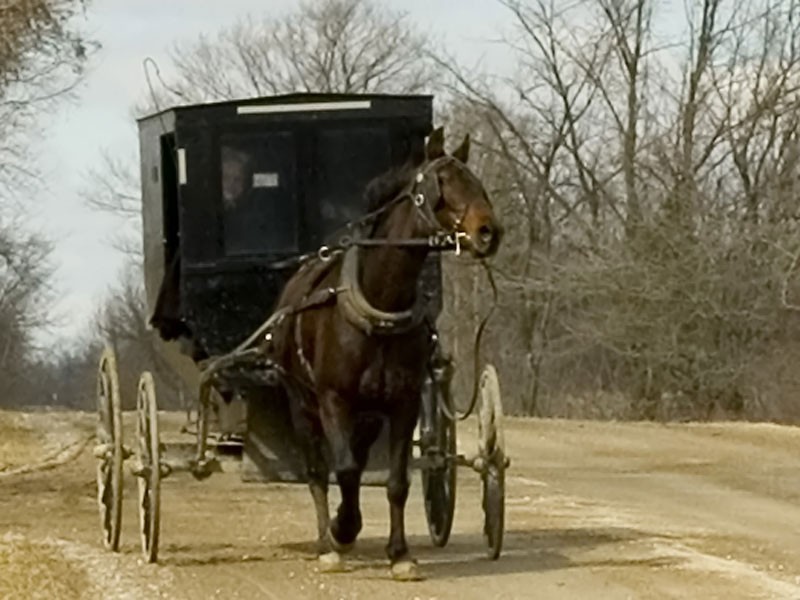
The Mennonites, a mostly German-speaking Christian group living in communities across Europe, arrived in Canada in the late 19th and early 20th centuries (some from the US). Today, some of Canada’s 200,000 Mennonites still live a traditional way of life—doing without modern technology—while others live in cities in modern houses and apartments.
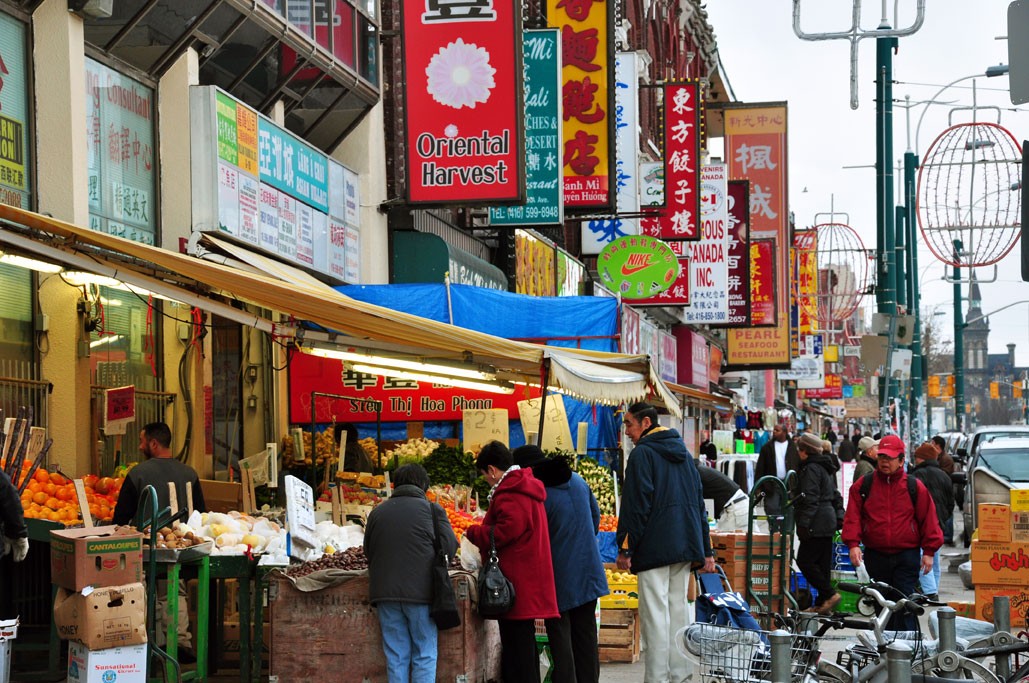
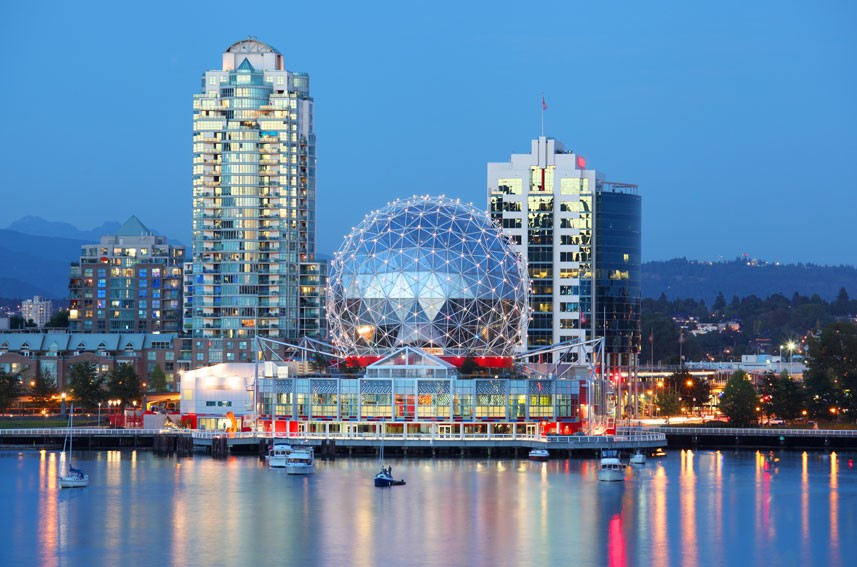
Hundreds of thousands of refugees and immigrants arrive in Canada each year, settling in major cities such as Toronto, Montreal and Vancouver. Most come from China, the Philippines and India, while smaller numbers come from Pakistan, the US and France.
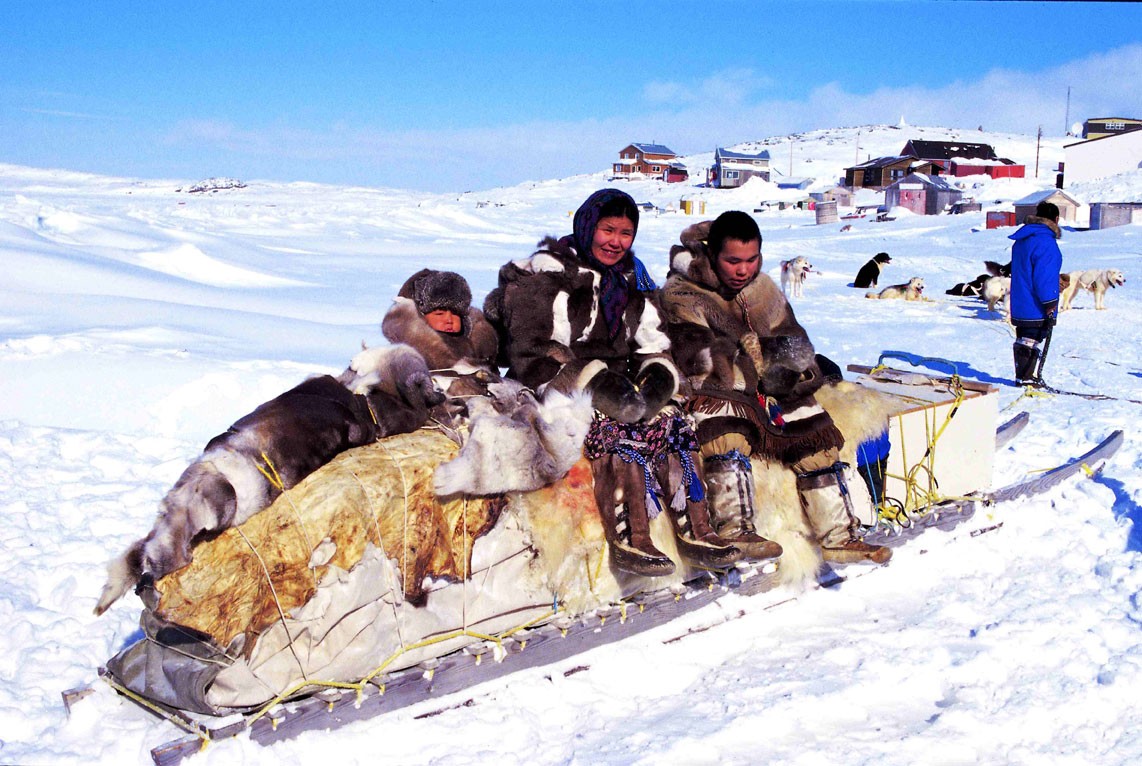
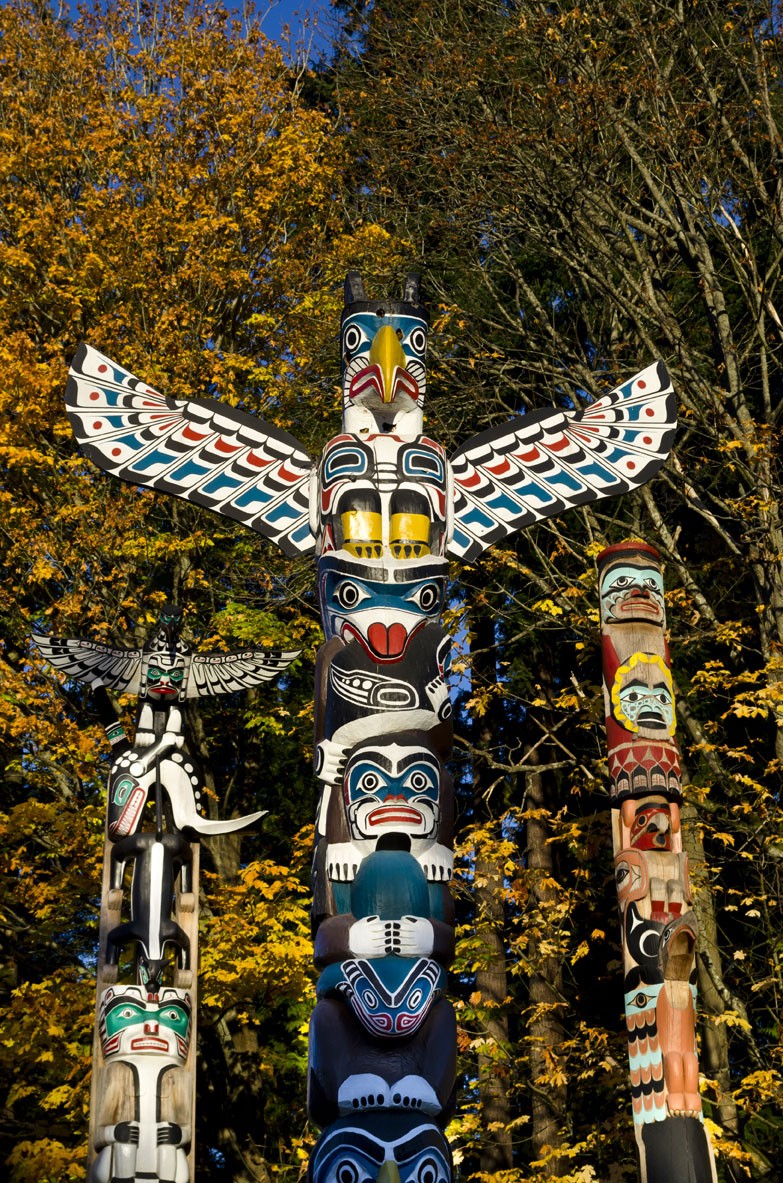
Canada's Native American inhabitants make up about 4% of the population. They include the Inuit (who live in Arctic regions), First Nations (various peoples spread across Canada) and Métis (descended from both First Nations and European ancestors).

French Canada
In the province of Québec, as well as in parts of New Brunswick, Eastern and Northern Ontario, and Manitoba, around 7 million people speak a dialect of French as their first language. French Canadians are descended from French settlers who came to live in Canada—then called New France—in the 17th and 18th centuries. In schools all over Canada, children can learn in either English or French. Many English-speaking children attend French schools so they can learn to speak two languages. Some Québecois want Québec to be an independent nation, but in 1995, voters elected to stay part of Canada.

Economy
Rich in resources and with strong trading links with the USA, Canada is one of the wealthiest countries in the world. As in many developed nations, most Canadians work in service industries such as banking, tourism and education. Primary industries such as mining, logging, fishing and agriculture are still very important to Canada, however. Metals such as copper, gold, zinc and iron are mined in the northern and central Canada and in the Rocky Mountains. The Athabasca tar sands of the central Canadian province of Alberta are the third largest oil reserves in the world.


With huge areas of evergreen forest, Canada is one of the world’s major wood-producing countries. In the wet climate of British Columbia, western Canada, trees can grow extremely tall. This region produces most of the country’s timber. Fishing still provides an income for many people along Canada’s east coast. Overfishing in the early 1990s, however, has led to limits on the number of fish that can be taken from the sea.
Consultant: Nicholas Harris
Facts about Canada
Population 41,465,298 (2024 estimate)
Area 9,984,319 sq km
Highest point Mount Logan 5959 m (19,546 ft)
Capital Ottawa, metro area population 1,488,307
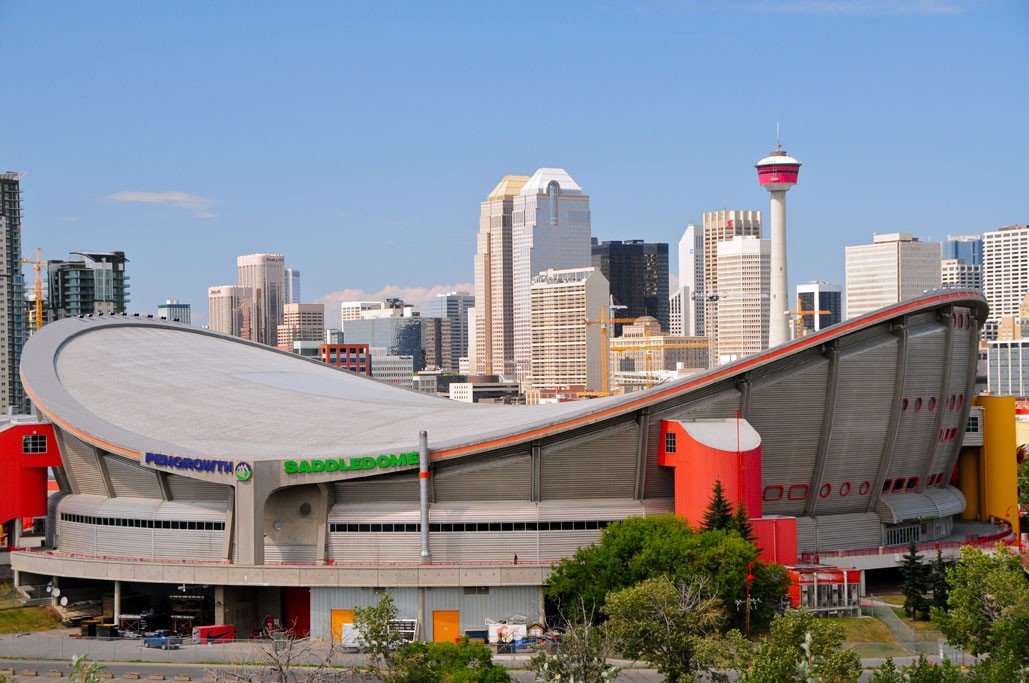
Other major cities Toronto (6,202,225), Montreal (4,291,732), Vancouver (2,642,825), Calgary (1,481,806), Edmonton (1,418,118) (metro area populations)
Languages English, French
Religions Christian (Catholic) 40%, Christian (Protestant) 20%, other Christian 6%, Muslim 3%, Hindu 1.5%, Sikh 1.5%, others 22%
Ethnicity Canadian 32%, English 20%, French 15.5%, Scottish 14.5%, Irish 14%, German 10%, Italian 4.5%, Chinese 4.5%, Native American 4.2%, others and mixed 50% (many Canadians identify as having more than one ethnicity)
Currency Canadian dollar (CAD)
Chief exports motor vehicles, machinery, aircraft, chemicals, timber and wood pulp, petroleum, natural gas, electricity, aluminium

History of Canada
40,000–15,000 BC
First people cross the Bering land bridge from Asia and settle in what is now the northern Yukon region of Canada
c. 1000 AD
Viking explorer Leif Ericson visits the coastline of Labrador and Newfoundland and builds a settlement at L'Anse aux Meadows in Newfoundland. It is abandoned in about 1050.
1497
Venetian navigator Giovanni Caboto (John Cabot) leads an English expedition to discover the coast of Newfoundland, eastern Canada
1534
French explorer Jacques Cartier claims the Gulf of St Lawrence and its shores for France
1583
England sets up a colony in Newfoundland
1604
The first French settlement is established on Saint Croix Island. In 1605 it is moved to Port Royal (present-day Annapolis Royal in Nova Scotia), founding the region known as Acadia (today’s Maritime Provinces).
1608
French explorer Samuel de Champlain founds what is now Quebec City, the first permanent European settlement in Canada.
1610
English navigator Henry Hudson discovers the Hudson Strait and Hudson Bay while searching for the Northwest Passage
1621
Scottish colony is founded in Acadia, which is renamed Nova Scotia (New Scotland)
1627
France sets up Company of New France to govern its North American colonies
1670
England, through the Hudson's Bay Company, lays claim to Hudson Bay and surrounding area, known as Rupert's Land, establishing new fur trading posts and forts there.
1701
Peace agreement, the Great Peace of Montréal, signed between New France and 40 First Nations (native Canadian peoples)
1702–13
Queen Anne's War (War of the Spanish Succession): the British capture Port Royal and rename it Annapolis. Acadia (except for Cape Breton) and Rupert’s Land are ceded to Britain by the Treaty of Utrecht in 1713.
1754–63
French and Indian War (Seven Years' War): the colonies of British America fight against those of New France (the name for France’s colonies in North America)
1755
British order the expulsion of the Acadians, French colonists of Acadia
1759
British troops led by James Wolfe defeat the French led by Louis-Joseph de Montcalm and take Quebec
1763
By the Treaty of Paris, France gives up almost all of its remaining territory in mainland North America to Britain, except for the islands of Saint Pierre and Miquelon.
1774
Québec Act recognizes French Canadians’ right to speak French and follow Catholicism
1783
Canada's southern border with the United States is established: Britain cedes all land south of the Great Lakes to the Americans.
Loyalists (supporters of the British Empire) fleeing the American War of Independence settle in New Brunswick in southeastern Canada.
1790
Nootka Convention, negotiated between Britain and Spain, gives both countries the right to settle along the Pacific coast of Canada.
1793
The city of York (now Toronto) is founded. Alexander Mackenzie becomes the first person to cross North America; he travels both on foot and by canoe
1800s
Some 800,000 immigrants arrive in Canada from the British Isles. They include large numbers of Highland Scots displaced by the Highland Clearances and Irish fleeing the Irish Famine in the 1840s.
1840
Act of Union: Lower Canada (present-day Quebec) and Upper Canada (present-day Ontario) are merged to form a single colony, the United Province of Canada. Ottawa is named as its capital in 1857.
1858
The Colony of British Columbia is created
1867
The provinces of Canada, Nova Scotia and New Brunswick are united by the British North America Act, creating the Dominion of Canada. Rupert's Land and North-Western Territory join the following year. British Columbia becomes a province of Canada in 1871.
1897–98
Gold rush. Gold is discovered in Yukon, northwestern Canada, bringing tens of thousands of people to search for gold
1914–18
During World War I Canada fights on the side of Britain and France
1917
Halifax Explosion: a Norwegian vessel collides with a French cargo ship laden with high explosives off Halifax, causing a huge explosion. Around 2000 people are killed.
1931
Statute of Westminster: Canada becomes independent from Britain
1934
Dominion of Newfoundland becomes a British crown colony
1939–45
During World War II Canada fights on the side of Britain and the Allies
1949
Canada joins the North Atlantic Treaty Organization (NATO).
Newfoundland becomes a province of Canada
1950
27,000 Canadians serve in the Korean War
1959
St Lawrence Seaway, a joint project between Canada and the United States, opens.
1976
Summer Olympics are held in Montreal.
1980
In a referendum, people of Québec vote no to independence from Canada
1993
Kim Campbell becomes the first female prime minister of Canada, but her Conservative Party is defeated in the October elections and she resigns
1995
By a margin of just 1%, the province of Quebec votes to reject independence
1999
Canada forms a new territory in the north, Nunavut, separating it from the Northwest Territories. Its population of 32,000 is largely Inuit, and Inuit is an official language, along with English and French
2011
Canada is the first country to formally withdraw from the Kyoto Protocol—an international agreement to reduce greenhouse gas emissions
2015
Justin Trudeau is elected Prime Minister
2021
An extreme heatwave affects British Columbia and, later, Alberta, Manitoba, the Northwest Territories, Saskatchewan and Yukon, resulting in the highest temperature ever recorded in Canada: 49.6°C (121.3°F) in Lytton, British Columbia. Linked to climate change, the heatwave sparks many wildfires.
pics


Without in any way limiting Q-files Ltd’s exclusive rights under copyright, any use of this publication to “train” generative artificial intelligence (AI) technologies to generate text is expressly prohibited. Q-files Ltd reserves all rights to license use of this work for generative AI training and development of machine learning language models.