
North America

CITE
We have made every effort to follow citation style rules, but there may be some minor differences. If in doubt, please refer to the appropriate citation style manual.
Central America. (2026). In Q-files Encyclopedia, Geography, North America. Retrieved from
https://www.q-files.com/geography/north-america/central-america
"Central America." Geography, North America, Q-files Encyclopedia, 1 Apr. 2026.
https://www.q-files.com/geography/north-america/central-america.
Accessed 31 Oct. 2026.
Central America 2026. Geography, North America. Retrieved 31 October 2026, from
https://www.q-files.com/geography/north-america/central-america
Geography, North America, s.v. "Central America," accessed October 31, 2026.
https://www.q-files.com/geography/north-america/central-america


Central America
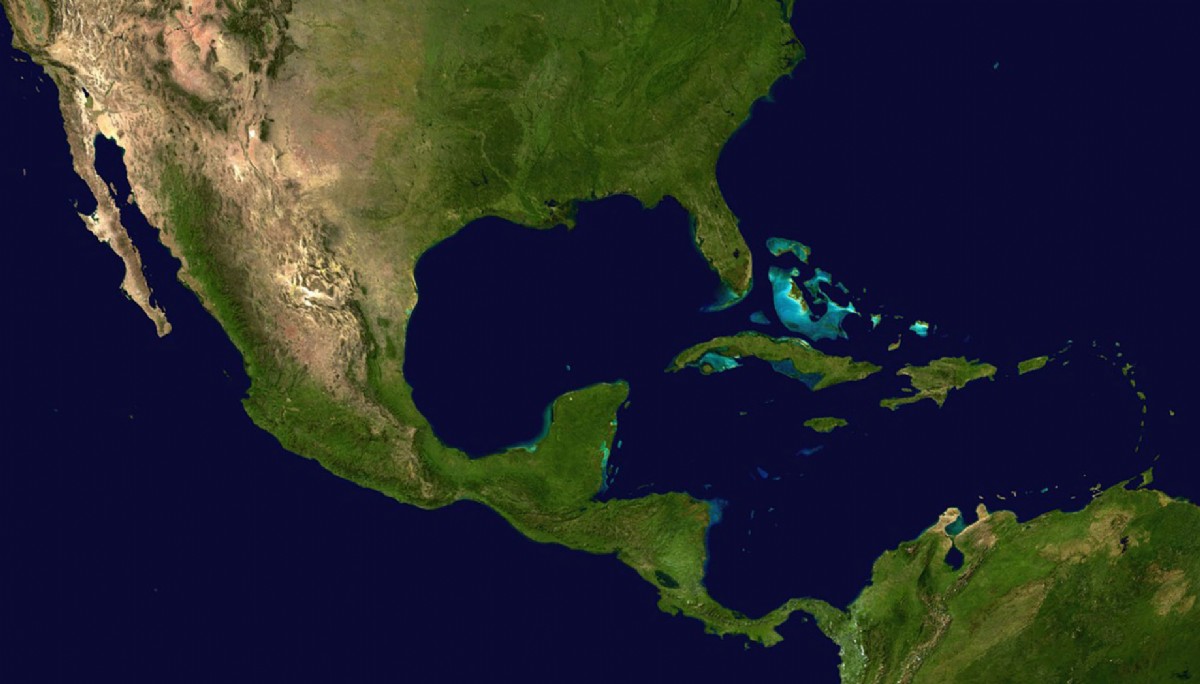
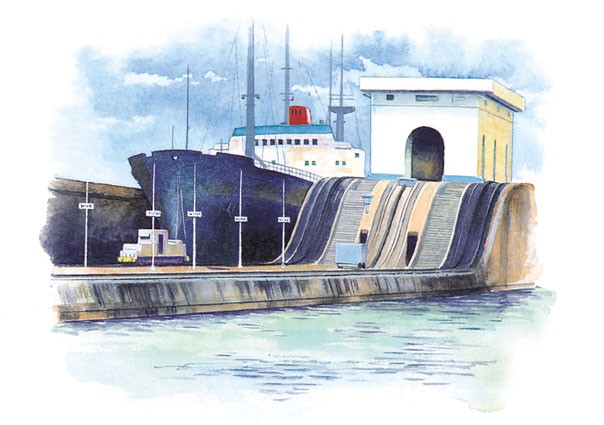
The southern part of mainland North America is made up of the seven countries of Central America: Guatemala, Belize, El Salvador, Honduras, Nicaragua, Costa Rica and Panama. Panama forms a neck of land, called an isthmus, that links North America to South America. At its narrowest point, about 60 kilometres (37 miles) wide, the Panama Canal cuts through, linking the Atlantic and Pacific Oceans.

Geography
Central America stretches from Guatemala in the north to Panama in the south. Much of the land is mountainous with a number of volcanoes. There is a constant threat of volcanic eruptions and earthquakes in the region; these natural disasters have resulted in the loss of many lives.
Between the mountain ranges lie fertile valleys where livestock are raised and coffee, tobacco, beans, bananas and other crops are cultivated. To make way for cultivation, large areas of tropical rainforest have been cleared. As a result, many plants and animals have become endangered.
Peoples
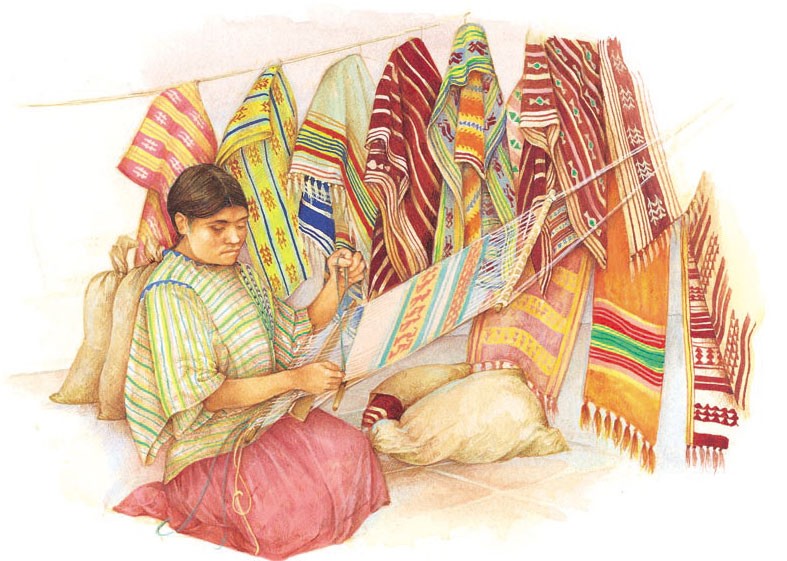
Most of the population of the Central American countries live in valleys or on the coastal plains. The Maya, who centuries ago created a great civilization that stretched across Guatemala, Belize and Honduras (as well as the Yucatán peninsula of Mexico), were almost wiped out by diseases carried by European explorers who arrived in the 16th century. Today, the Central American countries are mostly Spanish-speaking mestizo nations, although there is a large population of Maya in Guatemala. African Americans form the majority of the inhabitants of the Caribbean coast.
Consultant: Lloyd Jenkins
pics

Without in any way limiting Q-files Ltd’s exclusive rights under copyright, any use of this publication to “train” generative artificial intelligence (AI) technologies to generate text is expressly prohibited. Q-files Ltd reserves all rights to license use of this work for generative AI training and development of machine learning language models.