
Oceans

CITE
We have made every effort to follow citation style rules, but there may be some minor differences. If in doubt, please refer to the appropriate citation style manual.
Polar waters. (2026). In Q-files Encyclopedia, Earth, Oceans. Retrieved from
https://www.q-files.com/earth/oceans/polar-waters
"Polar waters." Earth, Oceans, Q-files Encyclopedia, 6 Mar. 2026.
https://www.q-files.com/earth/oceans/polar-waters.
Accessed 6 Aug. 2026.
Polar waters 2026. Earth, Oceans. Retrieved 6 August 2026, from
https://www.q-files.com/earth/oceans/polar-waters
Earth, Oceans, s.v. "Polar waters," accessed August 6, 2026.
https://www.q-files.com/earth/oceans/polar-waters


Polar waters
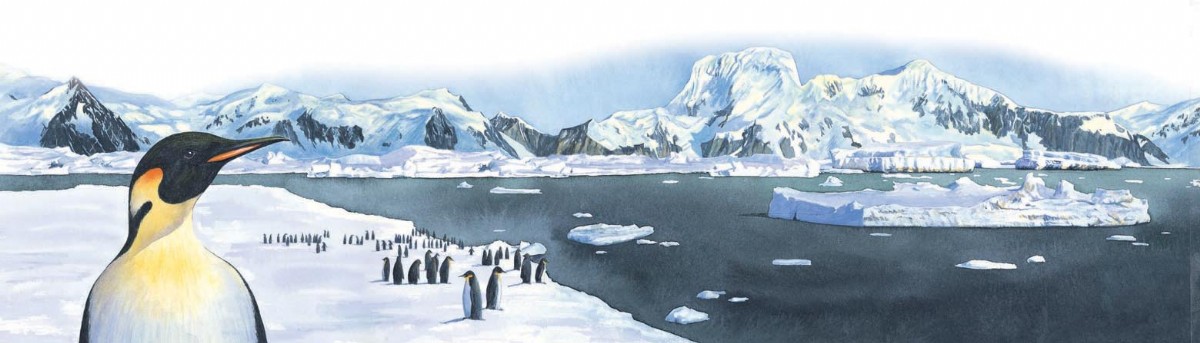
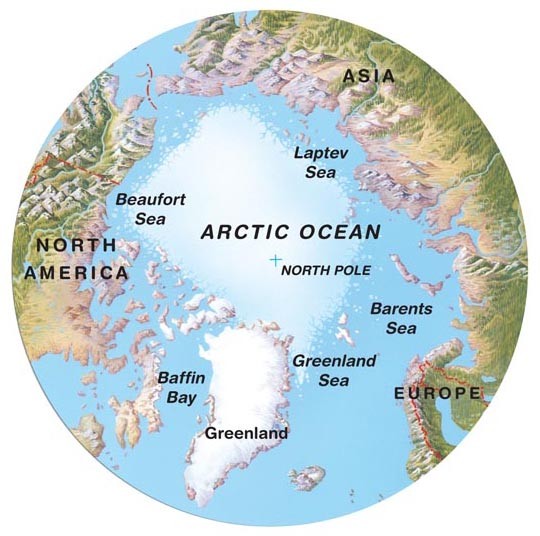
The North Pole lies not on land but on water: the Arctic Ocean. It is permanently covered by ice, although the size of the sea ice shrinks dramatically in summer months as the ice melts and stretches of water open up. The South Pole lies on the continent of Antarctica, a huge, mountainous landmass, much of it covered by a permanent ice cap almost three kilometres (about 10,000 feet) thick in some places. It is the coldest place in the world. In winter, the waters of the Southern Ocean surrounding the continent are covered with floating pack ice and icebergs.
Arctic Ocean
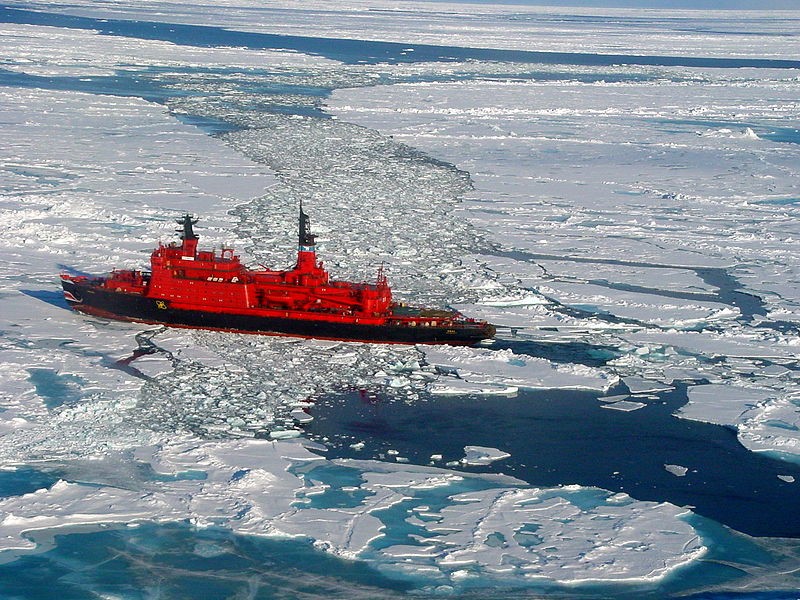
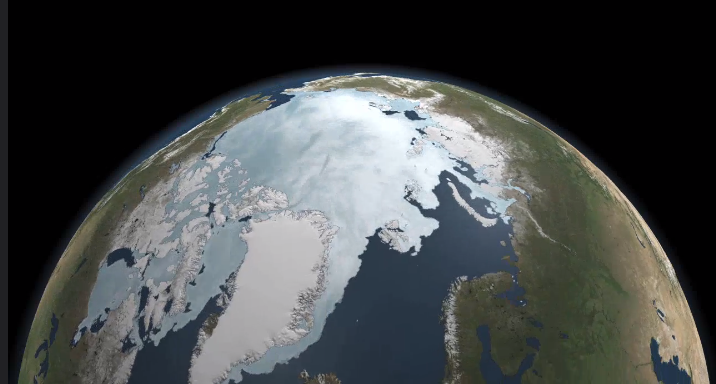
Much of the Arctic Ocean is covered with a thick layer of floating ice all year round. At its edges, rafts of broken ice, called pack ice, drift in the freezing cold waters. These are pieces of ice that are constantly being broken up and crushed together by the movement of the water. During the summer, some of the ice cracks and melts, forming waterways and large stretches of water.
Southern Ocean
The Southern Ocean surrounds the continent of Antarctica. More than half of this ocean freezes each winter. Icebergs, which break off from ice shelves pushed out from the Antarctic ice sheet into the sea, float amongst the pack ice. The East Wind Current flows anticlockwise around Antarctica’s shores. Further north, the vast Antarctic Circumpolar Current flows in the opposite direction.

Icebergs
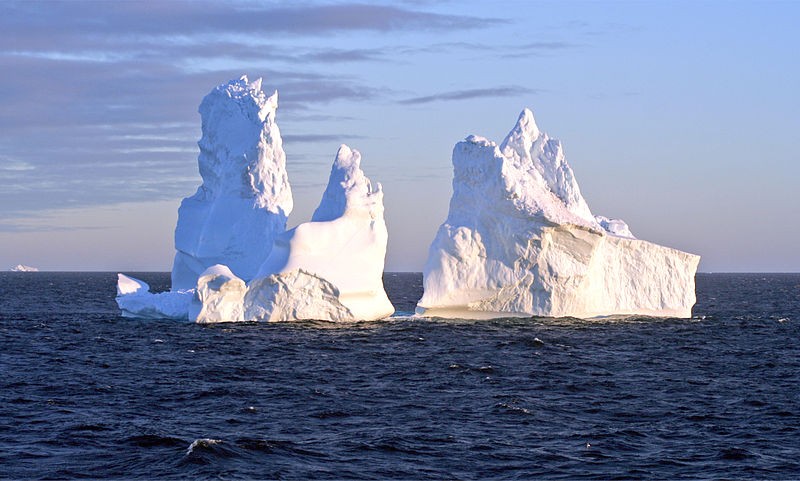
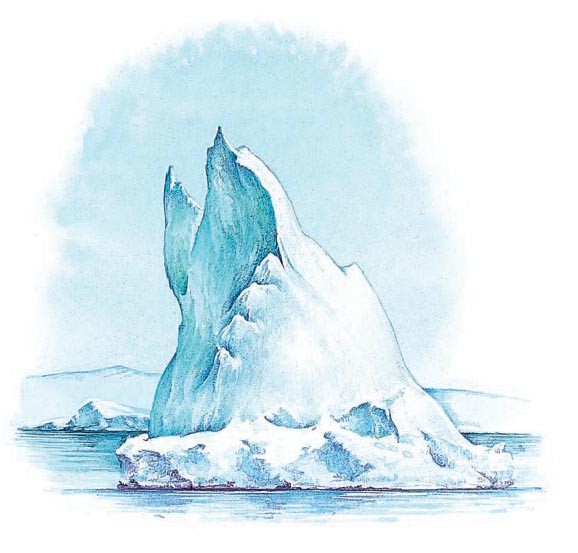
An iceberg is a large piece of floating ice. About 90% of it is underwater. Most Arctic icebergs have broken off glaciers that have formed on the Arctic island of Greenland and crashed into the sea. Many are cone-shaped. Antarctic icebergs break off from the ice shelf and so are often flat-topped.
Ice shelf calving
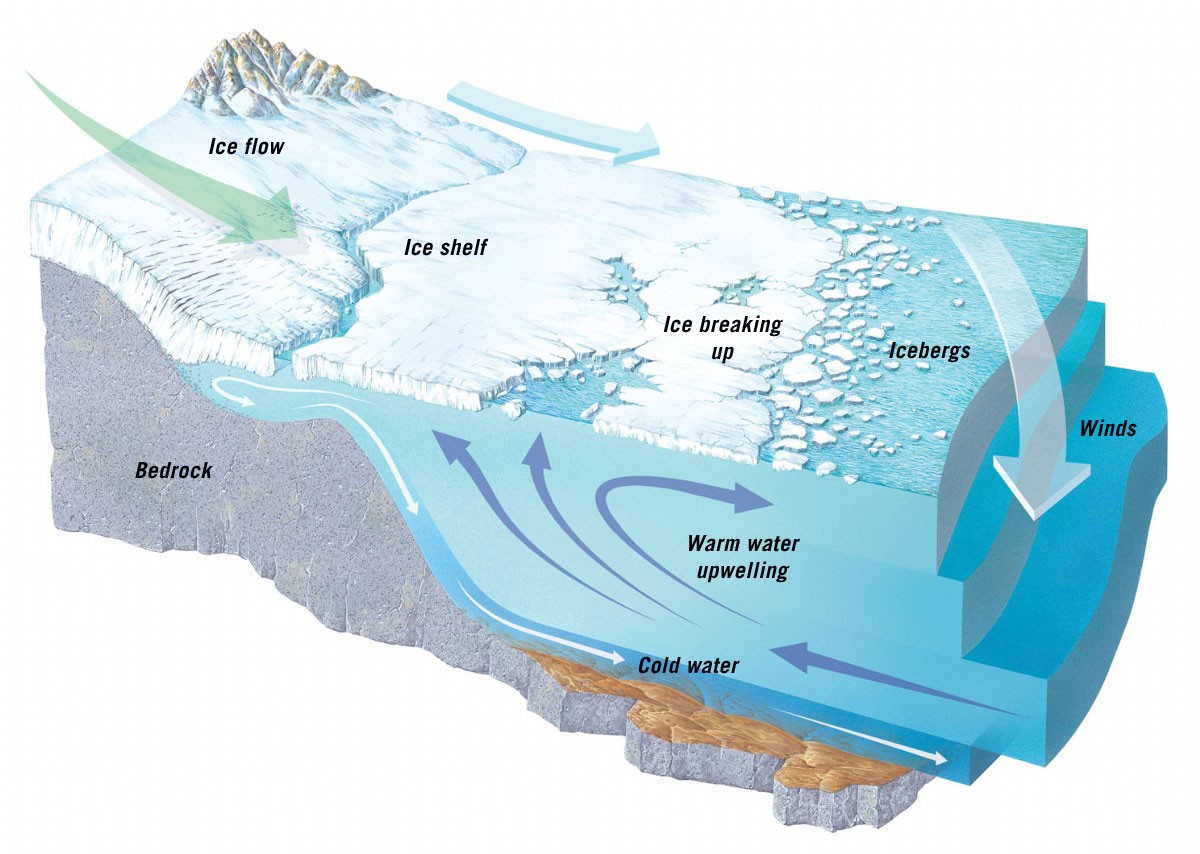
Many of Antarctica's ice shelves—great tongues of ice that jut out from the continent into the Southern Ocean—are huge: the Ross Ice Shelf is the size of France. The ice shelves form where glacier ice runs over the edge of the continent into the sea. The ice floats, but as the shelves push further and further out, their fronts split into smaller chunks: icebergs. This process is called calving.
Scientists have discovered that Antarctica's ice shelves are thinning at an accelerating rate. It is being caused, they believe, by warm water getting under the floating ice, melting it from below. This warmer water appears to be being blown towards Antarctica by stronger westerly winds in the Southern Ocean (probably an effect of global warming). If all the ice shelves of West Antarctica melted, the water released into the ocean would cause sea levels to rise globally by between one and three metres (3–10 feet).
Consultant: Ian Fairchild
pics
Without in any way limiting Q-files Ltd’s exclusive rights under copyright, any use of this publication to “train” generative artificial intelligence (AI) technologies to generate text is expressly prohibited. Q-files Ltd reserves all rights to license use of this work for generative AI training and development of machine learning language models.