
Polar regions

CITE
We have made every effort to follow citation style rules, but there may be some minor differences. If in doubt, please refer to the appropriate citation style manual.
Greenland. (2026). In Q-files Encyclopedia, Geography, Polar regions. Retrieved from
https://www.q-files.com/geography/polar-regions/greenland
"Greenland." Geography, Polar regions, Q-files Encyclopedia, 1 Apr. 2026.
https://www.q-files.com/geography/polar-regions/greenland.
Accessed 6 Aug. 2026.
Greenland 2026. Geography, Polar regions. Retrieved 6 August 2026, from
https://www.q-files.com/geography/polar-regions/greenland
Geography, Polar regions, s.v. "Greenland," accessed August 6, 2026.
https://www.q-files.com/geography/polar-regions/greenland


Greenland
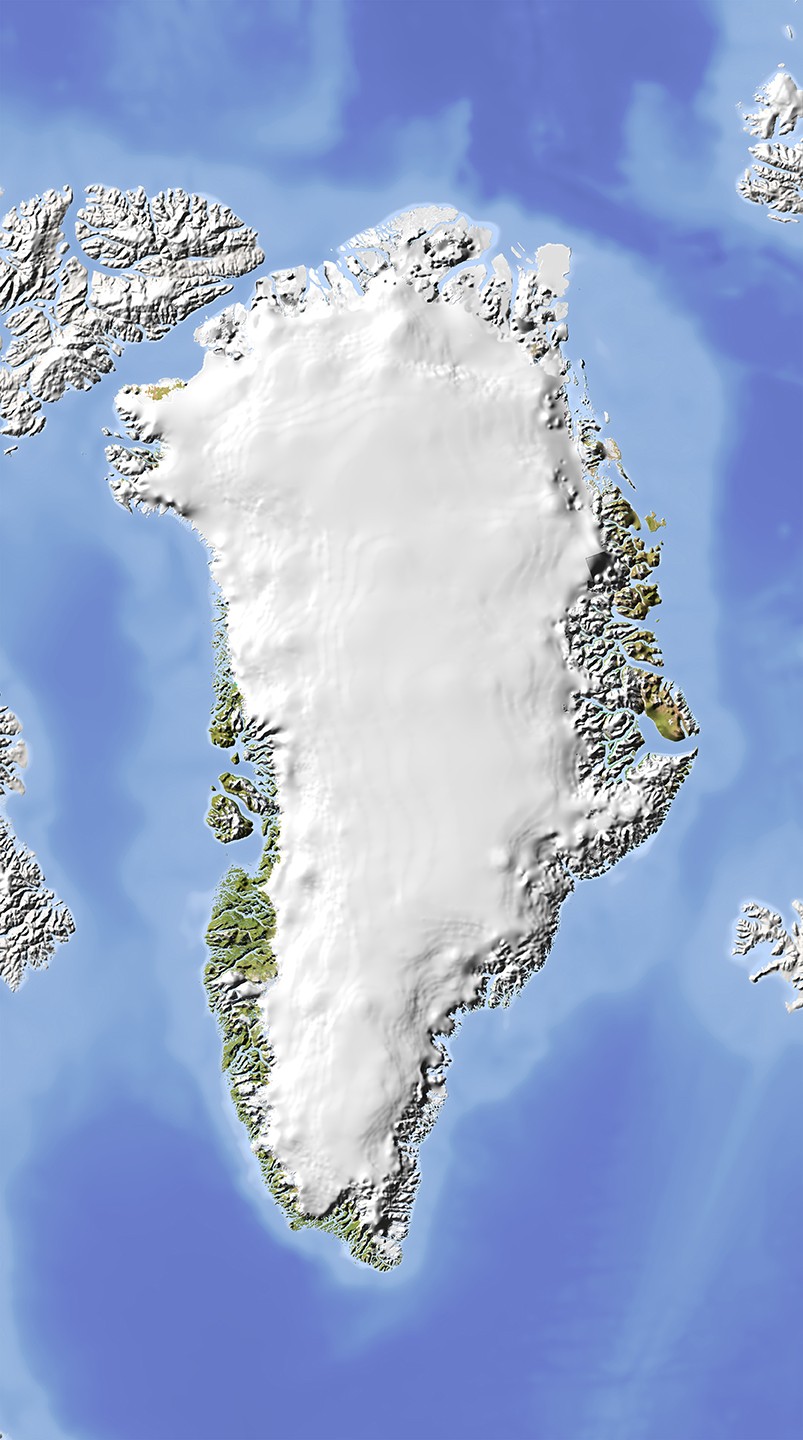
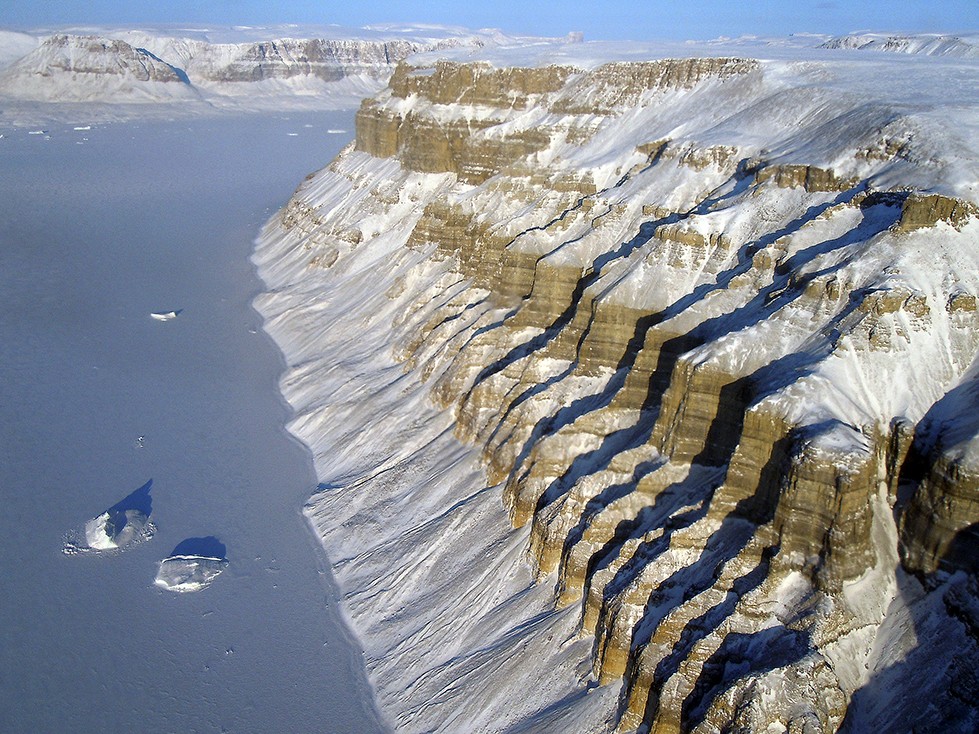
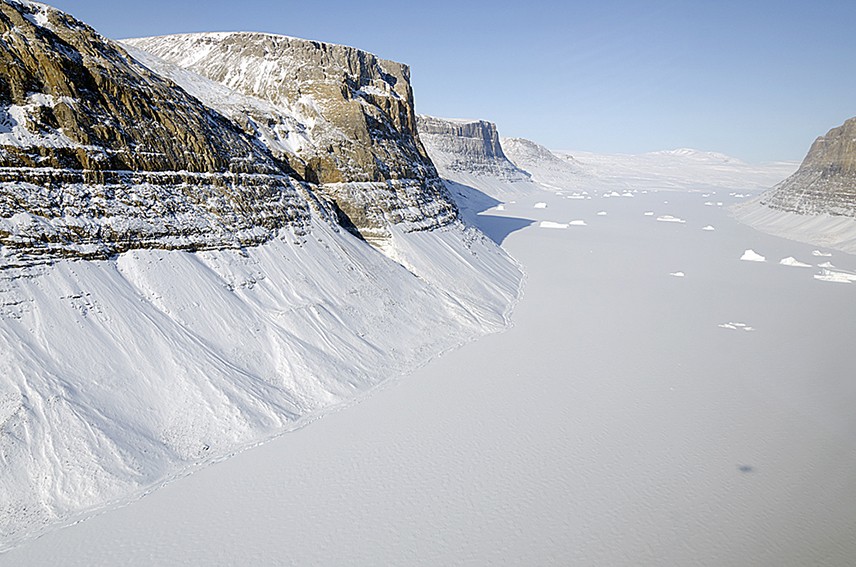
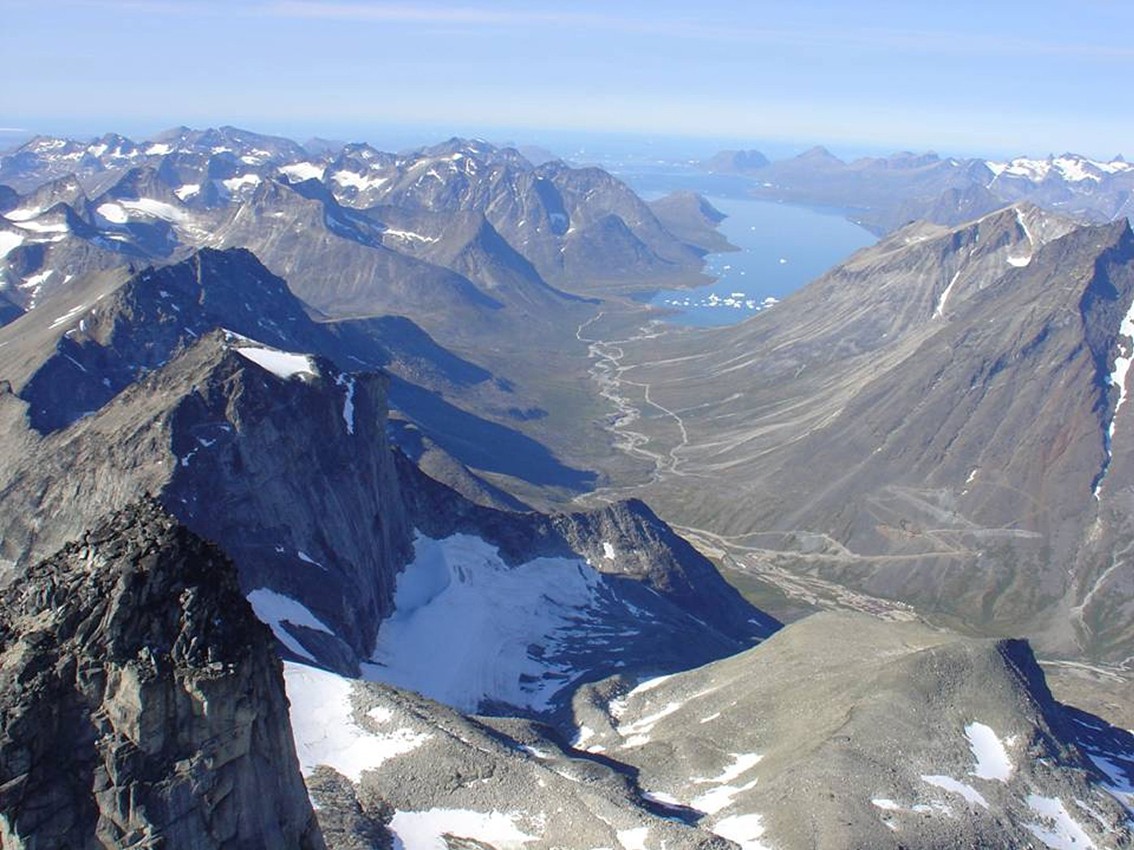
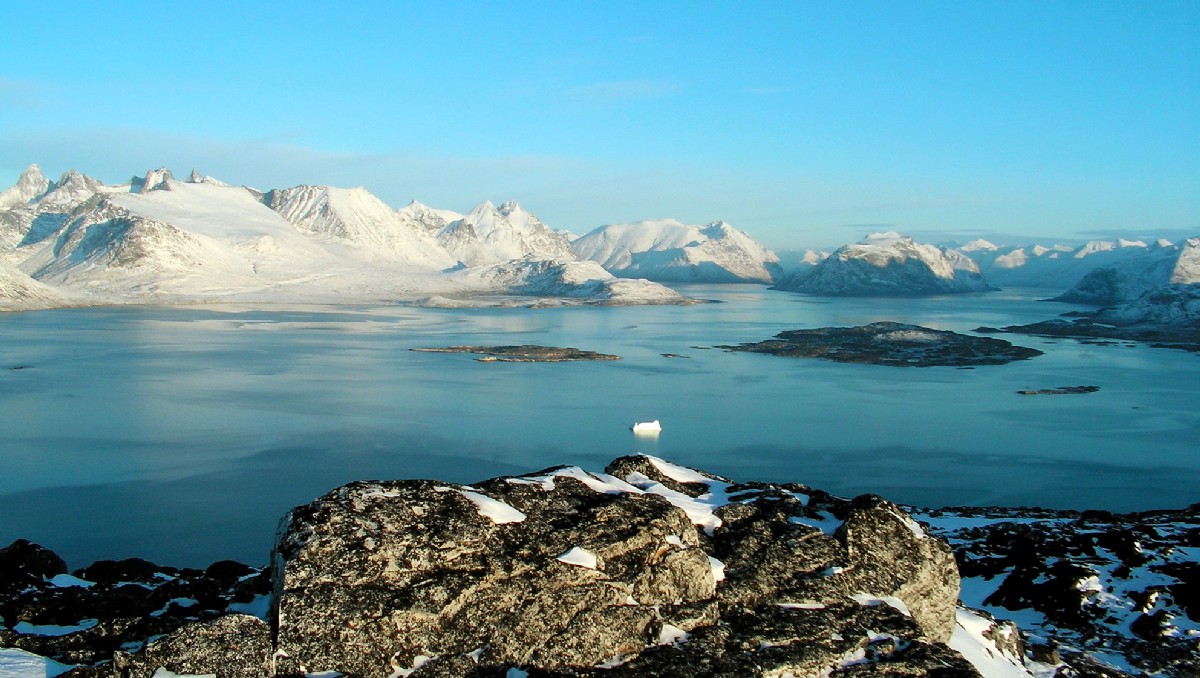
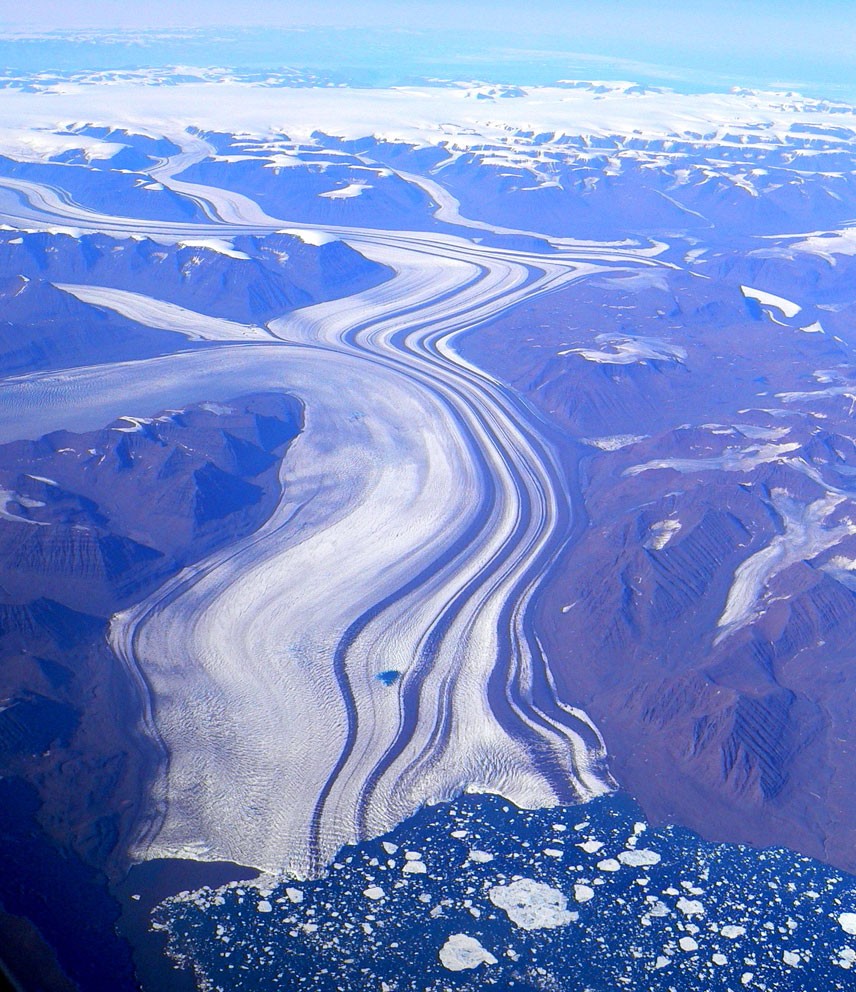
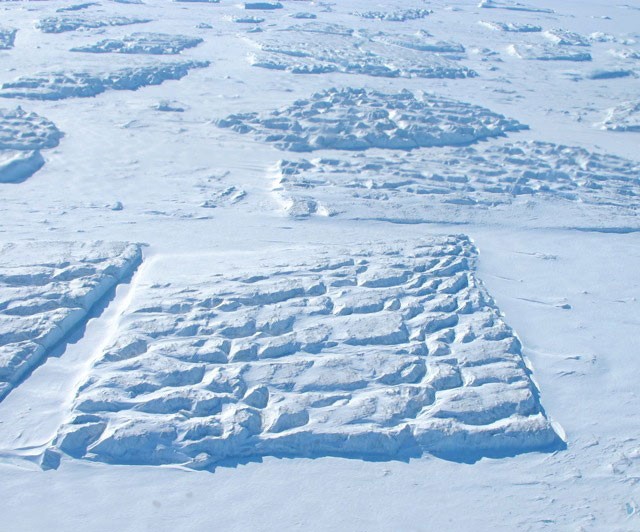
Greenland is the world’s largest and most northerly island. Home to just under 57,000 people, it is also the world's least densely populated territory. Most of Greenland lies within the Arctic Circle, and has an extremely harsh, cold climate. Temperatures hardly ever rise above 10°C (50° F), even in summer. A thick ice sheet covers more than 80% of the island all year round. In some places, the ice is up to 4 kilometres (2.5 miles) deep. The windswept interior is almost entirely empty. Greenland's coast is rugged, fringed by huge mountain ranges, partially buried by ice. In some places, glaciers slide off them and crash into the ocean. Greenland was once a province of Denmark; today it is an autonomous (self-governing) Danish territory. It has had its own parliament since 1979. Greenlanders call their land Kalaallit Nunaat, the "Land of the Kalaallit". The Kalaallit are the Inuit people who inhabit Greenland's western region.
People
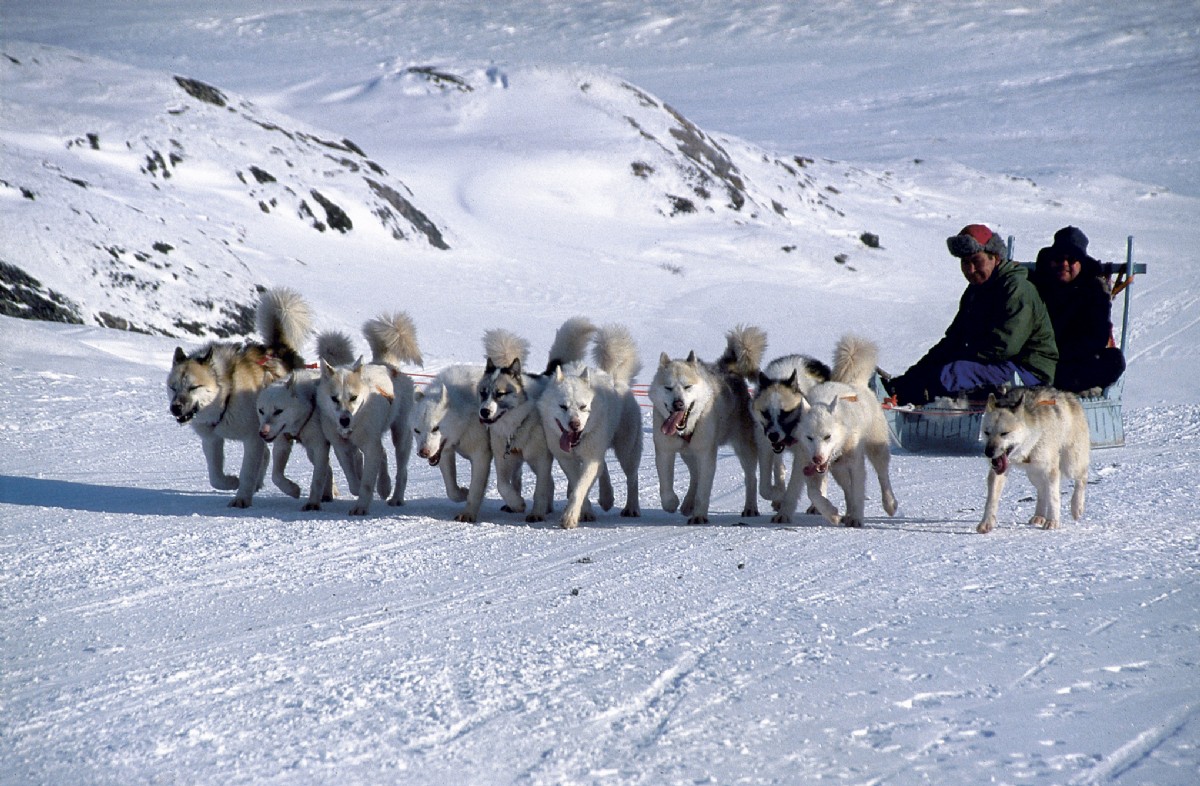
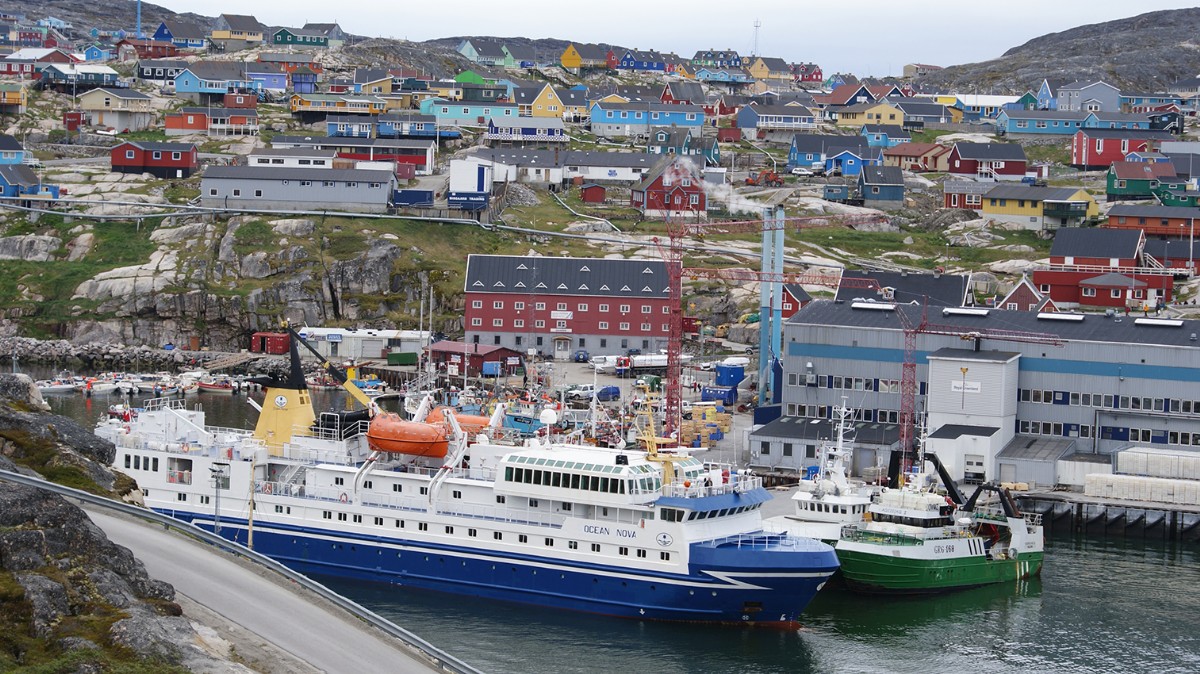
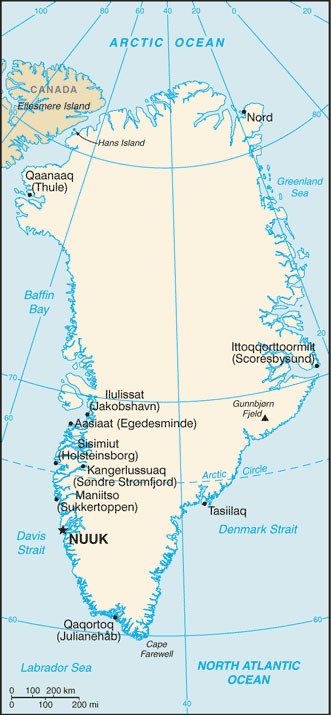
About 90% of the population lives along Greenland’s southwest coast. This region has a milder, warmer climate and is free of ice. There are no roads between the major towns however. People travel short distances by dog sled or snowmobile, while longer trips are made by air or by sea.
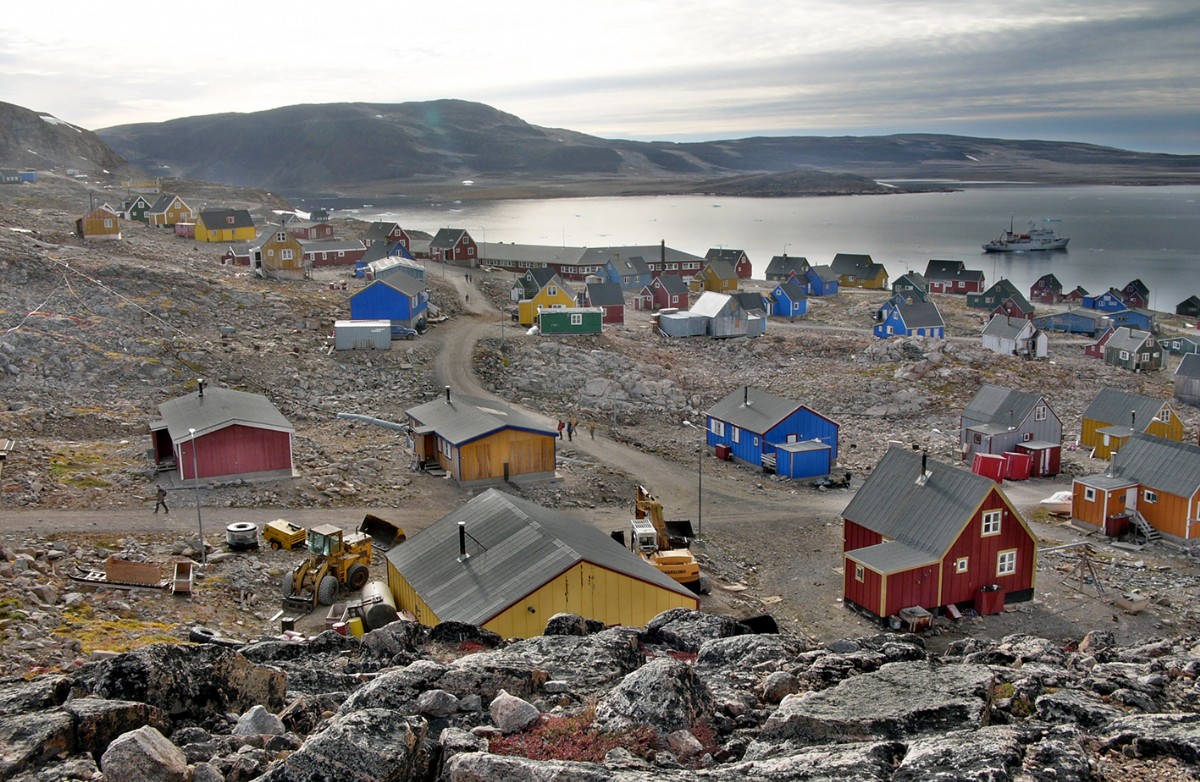
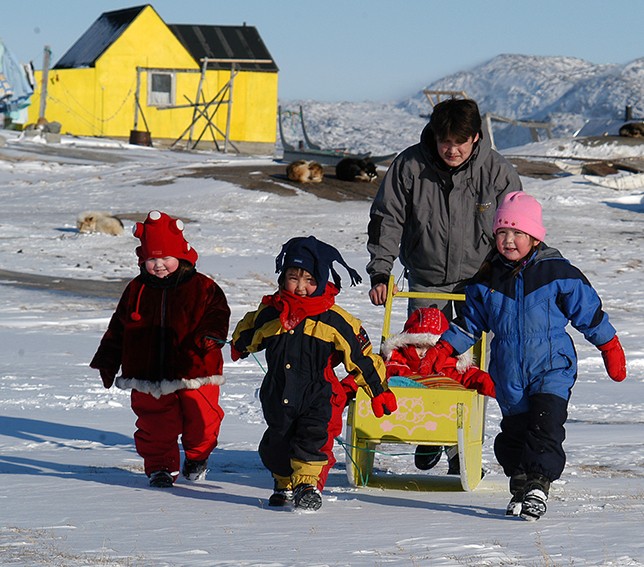
Greenland’s Inuit are the descendants of the Thule people, who settled on the island 800 years ago. Most Greenlanders are either Inuit or have a mixture of Inuit and Danish ancestry. The largest ethnic group are the Western Inuit, whose language, Kalaallisut, is the official form of Greenlandic spoken by almost all the population. Inuit groups living in the north and east speak slightly different forms of the language. Many people also speak Danish. Young people often finish their education by going to university in Denmark.
Fishing
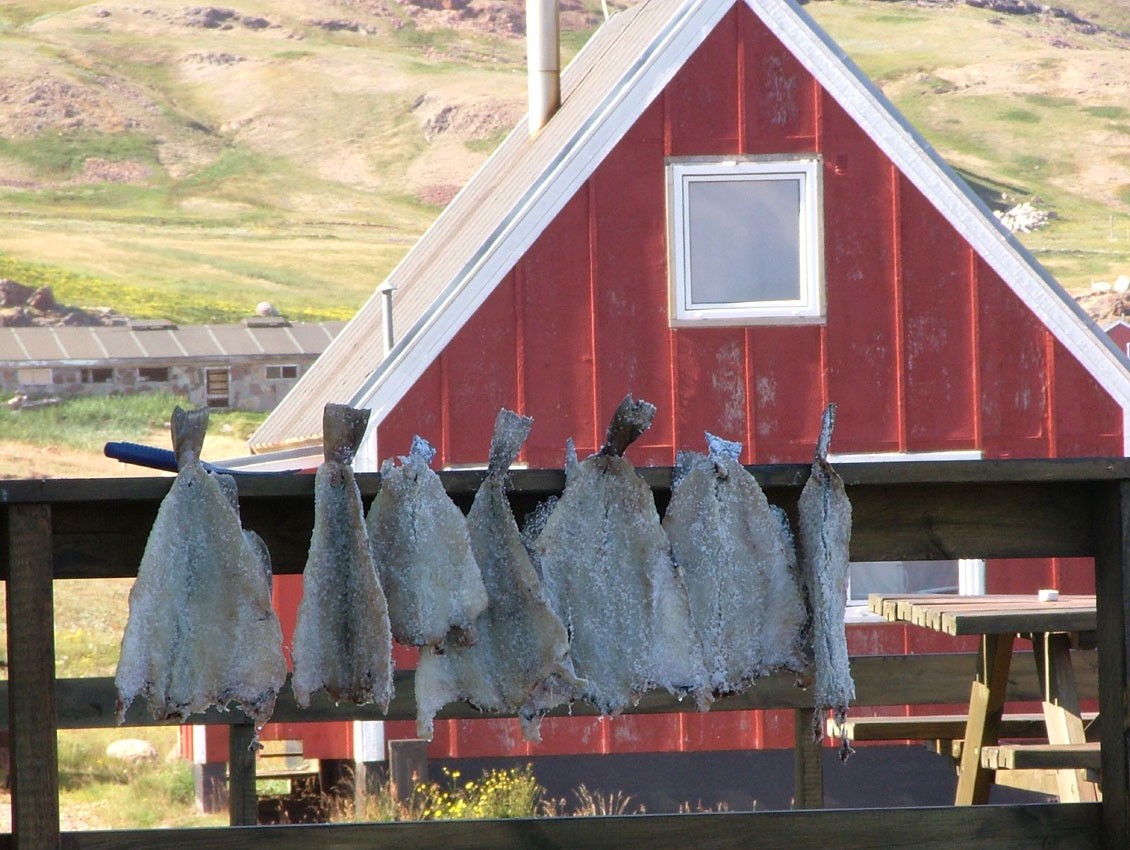
Denmark provides about two-thirds of Greenland’s income, while nearly all the rest comes from the fishing industry. Fishing is hugely important in Greenland—whole coastal villages are active in fishing and nothing else. Shrimp, halibut, cod and crabs caught off Greenland’s shores are by far the country’s biggest export. Most of the catch is processed in Greenland in small factories. It is then frozen, packed in cans or salted ready to be exported to Denmark and Sweden.
Hunting and whaling
A small number of Greenlanders still hunt seals, whales and seabirds as their ancestors have done for centuries. Seals are hunted for their meat—an important part of the Greenlandic diet—and for their warm fur, which is used to make clothes. There are strict laws about who can hunt whales, to make sure whale populations are not threatened.

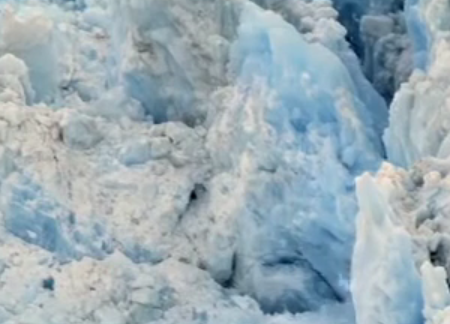
Melting ice
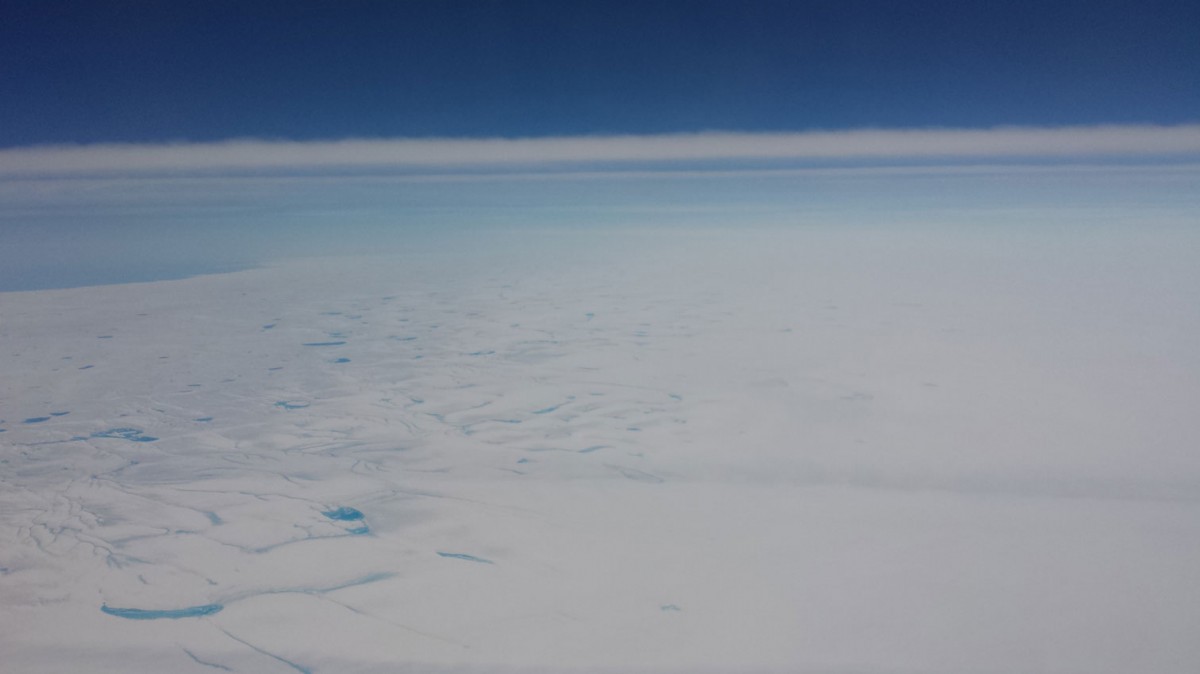
Scientists are carefully watching Greenland’s ice sheet as they monitor the effects of global warming. A survey between 1991 and 2004 showed an average winter temperature rise in Greenland of almost 6°C (11°F). As the world gets warmer, the ice sheet is melting at an ever-increasing rate, threatening to raise sea levels and disrupt ocean currents.
A study published in 2024 showed that the area of land covered by Greenland’s ice sheet and glaciers, amounting to 1.6% of its total ice cover, has melted since 1991. Large areas of this ice have been replaced with barren rock, wetlands and shrub growth.

As the ice melts, it is also revealing something else: access to huge reserves of minerals, oil, gas and gold that were previously hard to reach. A 25-year ban on mining some of these was lifted in 2013, allowing mining to begin in some areas. If mining does go ahead, Greenland’s economy could be boosted, but the damage to the environment and the Inuit way of life could be far-reaching.
Consultant: Nicholas Harris
Facts about Greenland
Population 56,583
Area 2,166,086 sq km
Highest point Gunnbjorn Fjeld 3700 m (12,139 ft)
Capital Nuuk, population 20,113
Other major cities Sisimiut (pop. 5598), Ilulissat (4541)
Languages Greenlandic, Danish
Religions Christian (Lutheran), traditional beliefs
Ethnicity Inuit 89%, Danish and others 11%
Currency Danish krone (DKK)
Chief exports fish and shrimp, metals

History of Greenland
2500–800 BC
Saqqaq peoples live in north-western regions, hunting seals and seabirds for food
800 BC–1500 AD
"Dorset culture" (Native American Arctic) peoples live in the west of the island, hunting and making tools
982
Norwegian explorer Erik the Red discovers the island and names it Greenland
986
Erik the Red returns to Greenland with a group of Norse (Icelandic and Norwegian) settlers
1000
Erik the Red’s son, Leif Eriksson, sets off from Greenland on a voyage which will eventually take him to the northeastern coast of North America, 500 years before Christopher Columbus gets there
1200–1500
Whale-hunting Thule people, the ancestors of the modern Inuit, arrive in Greenland, pushing out the Dorset people who still live there
c.1500
The last Norse settlements have died out, leaving only the Inuit living in Greenland
1721
The first Danish settlement is built at Godthåb ("Good Hope"), present-day Nuuk
1776
Denmark is the only country allowed to trade with Greenland
1814
The union between the crowns of Denmark and Norway is dissolved. By the Treaty of Kiel, Denmark-Norway's colonies, including Greenland, remain in Danish possession.
1940–45
Denmark is occupied by Nazi Germany during World War II; the USA occupies Greenland to protect it from German invasion
1951–53
USA builds the Thule Air Base in northern Greenland as part of its defence strategy; three villages are relocated over 100 km (60 miles) away
1953
Greenland becomes part of Denmark and is represented in the Danish parliament
1979
Greenland is given home rule—control over most of its own affairs—while Denmark controls its constitution, foreign relations and defence
1985
Greenland votes to leave the European Economic Community (EEC) the forerunner of the European Union (EU)
1989
Huge reserves of gold are found in Greenland, but the harsh landscape makes it extremely difficult to mine it
1999
Danish High Court rules that Inuit villagers were illegally forced to move when they were relocated in 1953, but refuses to let them return
2009
Greenland receives more control over its own government; Greenlandic replaces Danish as the official language
2013
25-year ban on mining radioactive materials (such as uranium) is lifted
2021
Greenland's parliament passes legislation to re-impose the ban on uranium mining, ending the development of the Kuannersuit mine (also known as Kvanefjeld), which has one of the largest undeveloped deposits of rare-earth minerals and uranium in the world.
2026
(January) US president Donald Trump announces plans for a US takeover of Greenland, saying that "the US needs Greenland for the purpose of national security" and that it would take it "one way or the other", declining to rule out military force to seize the island.
pics
Without in any way limiting Q-files Ltd’s exclusive rights under copyright, any use of this publication to “train” generative artificial intelligence (AI) technologies to generate text is expressly prohibited. Q-files Ltd reserves all rights to license use of this work for generative AI training and development of machine learning language models.