
Polar regions

CITE
We have made every effort to follow citation style rules, but there may be some minor differences. If in doubt, please refer to the appropriate citation style manual.
Climate change and the Arctic. (2026). In Q-files Encyclopedia, Geography, Polar regions. Retrieved from
https://www.q-files.com/geography/polar-regions/climate-change-and-the-arctic
"Climate change and the Arctic." Geography, Polar regions, Q-files Encyclopedia, 1 Apr. 2026.
https://www.q-files.com/geography/polar-regions/climate-change-and-the-arctic.
Accessed 22 Sep. 2026.
Climate change and the Arctic 2026. Geography, Polar regions. Retrieved 22 September 2026, from
https://www.q-files.com/geography/polar-regions/climate-change-and-the-arctic
Geography, Polar regions, s.v. "Climate change and the Arctic," accessed September 22, 2026.
https://www.q-files.com/geography/polar-regions/climate-change-and-the-arctic


Climate change and the Arctic
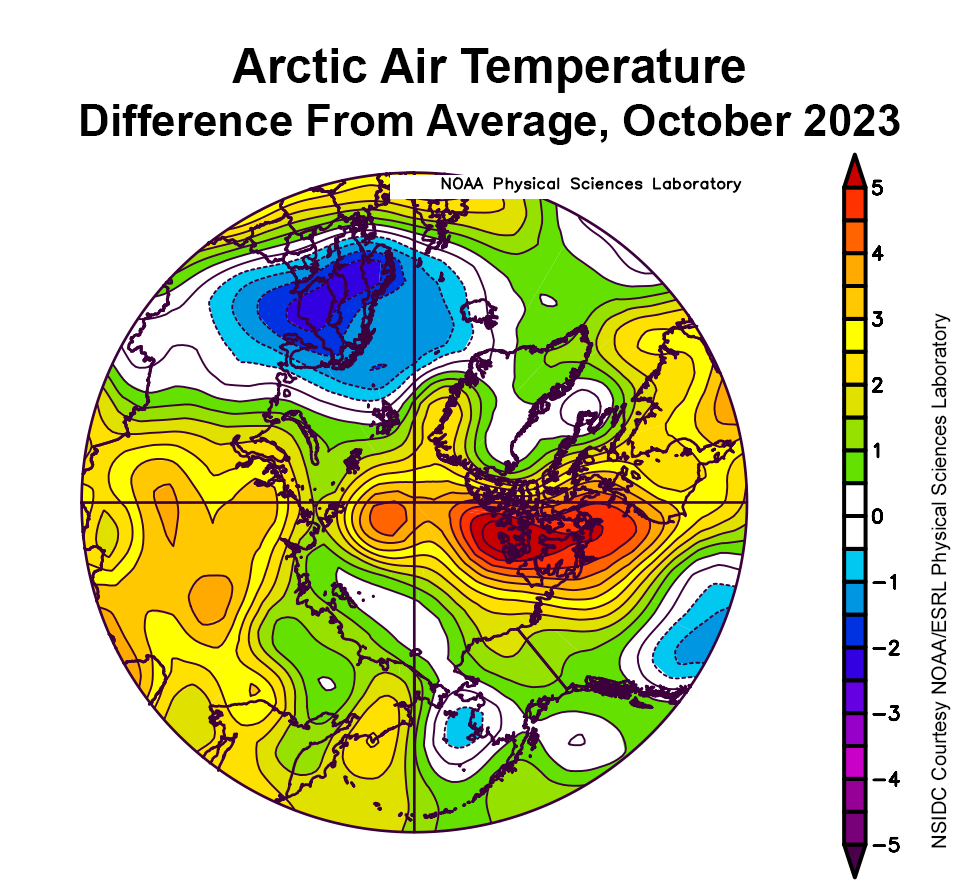
The Earth is approximately 1.1 to 1.2℃ warmer than it was before the Industrial Revolution took hold in the mid-19th century. This global warming is caused by an excess of greenhouse gases (mainly carbon dioxide and methane) in the atmosphere, the result of large-scale burning of fossil fuels. Some regions have become warmer at a greater pace than others, with the Arctic warming faster than anywhere else. Heating up nearly four times faster than the rest of the world since 1980, the Arctic in 2025 was, on average, around 3℃ warmer than it was in 1980. The consequences—especially if the Earth goes on heating up—are likely to be far-reaching for both the Arctic and the rest of the world.
Updated 18th December 2025

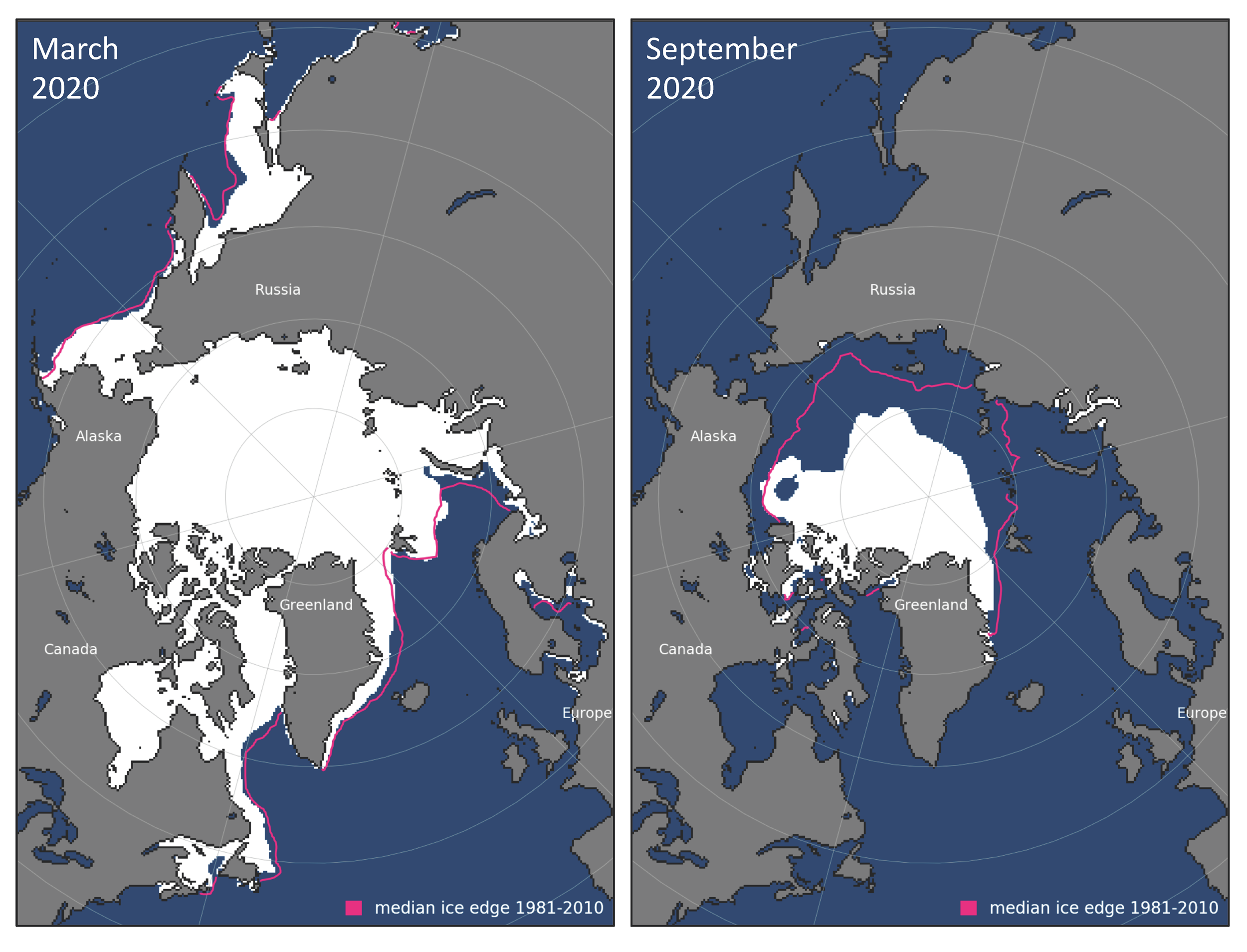
Why is the Arctic warming so quickly?

The extent of sea ice in the Arctic is shrinking. The 21st century has seen record lows in both the winter maximum and summer minimum extent of sea ice. Most climate scientists estimate that, whether or not 1.5℃ targets are kept, some time during the mid-21st century, Arctic sea ice will melt entirely every summer, leaving behind open water.
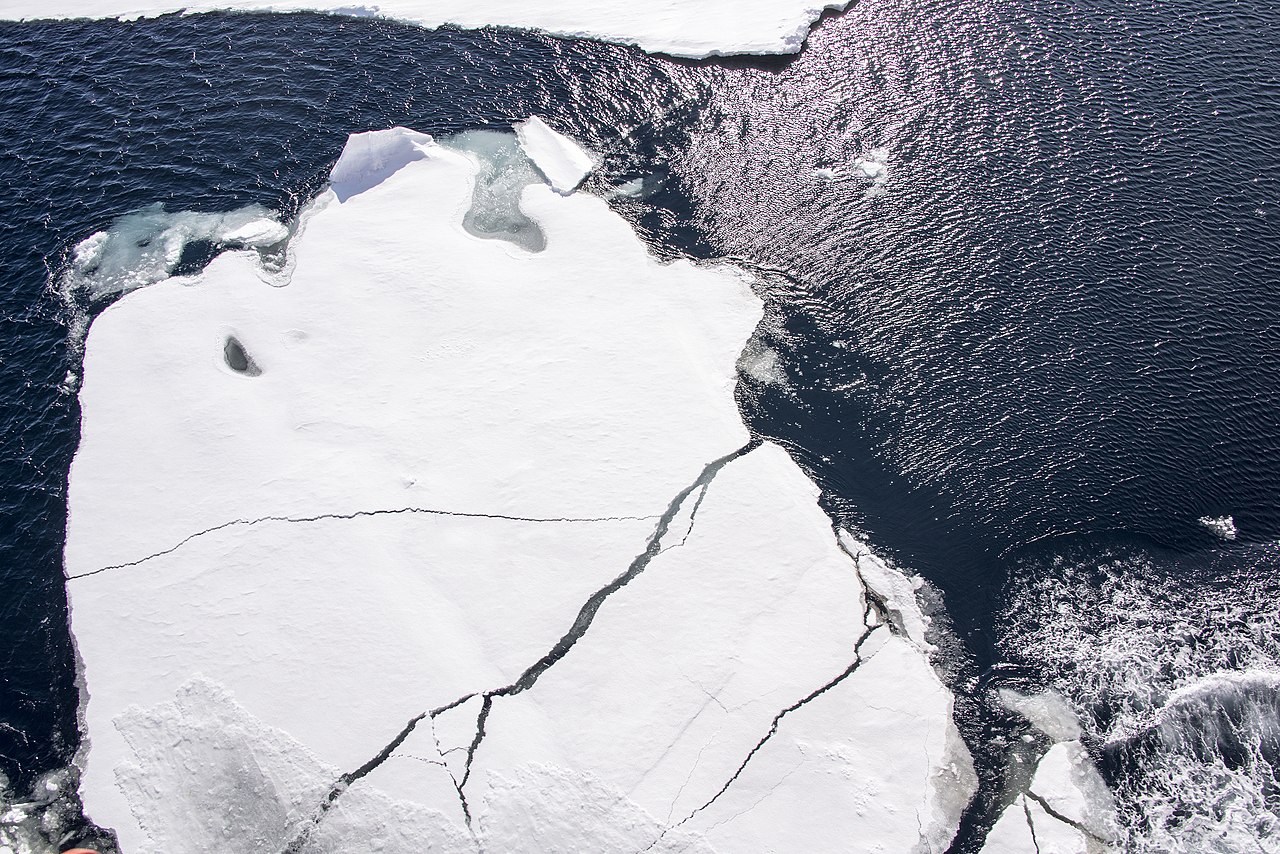
Scientists warn that this ice shrinkage could trigger what they call “tipping points”, with serious effects on other environments. Sea ice has a very bright white surface. Because if this, about 80% of sunlight that strikes sea ice is reflected back to space: scientists say it has a high albedo. In this way, the frozen Arctic Ocean (together with the Antarctic and Greenland ice sheets and the Southern Ocean sea ice) acts as the planet's "refrigerator", ensuring it does not heat up too much. Open water, however, has a dark surface, meaning it absorbs about 90% of solar radiation. The more open water there is at the Arctic, the more heat energy is absorbed, which in turn melts more sea ice.
Record low extent of sea ice
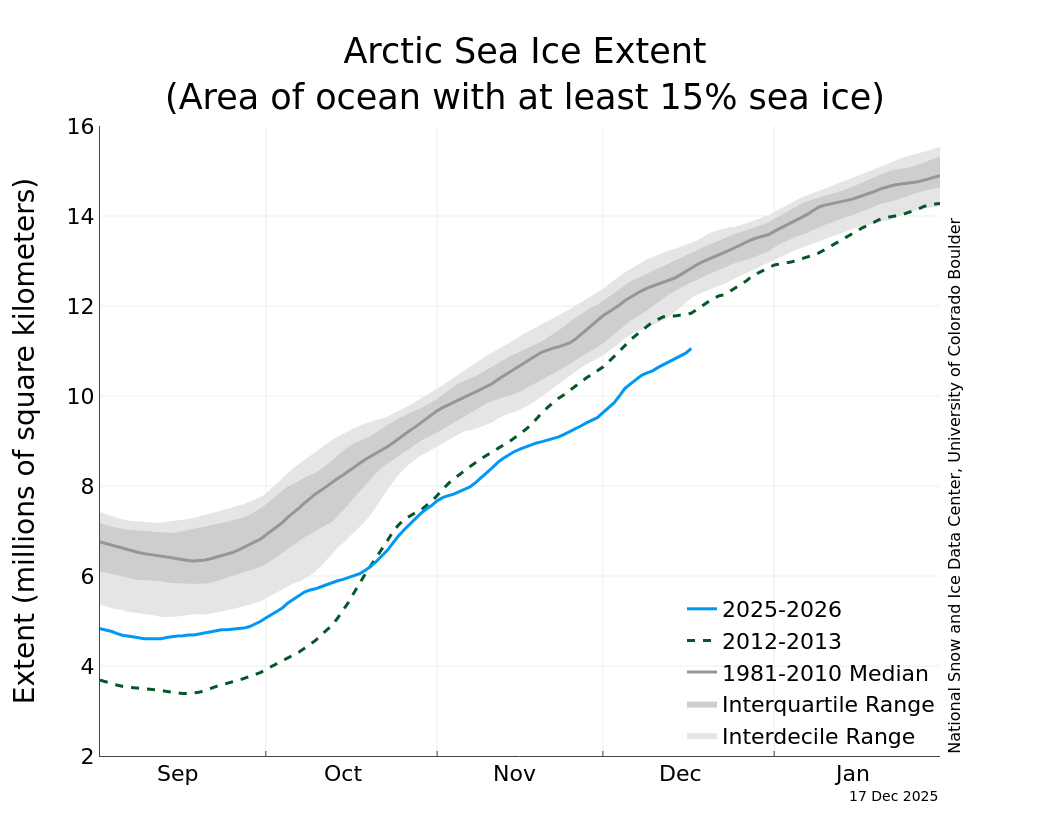
The maximum extent of Arctic ice is now the lowest since records began 47 years ago. Since the beginning of November 2025—and the onset of the Arctic winter—sea ice extent has been at its lowest on record. This points to the likelihood that another reduced maximum for sea ice will occur in 2026.
Meanwhile, as part of a longer trend, the oldest, thickest sea ice has declined by more than 95% since the 1980s as the Arctic has become hotter and rainier.
Habitat loss
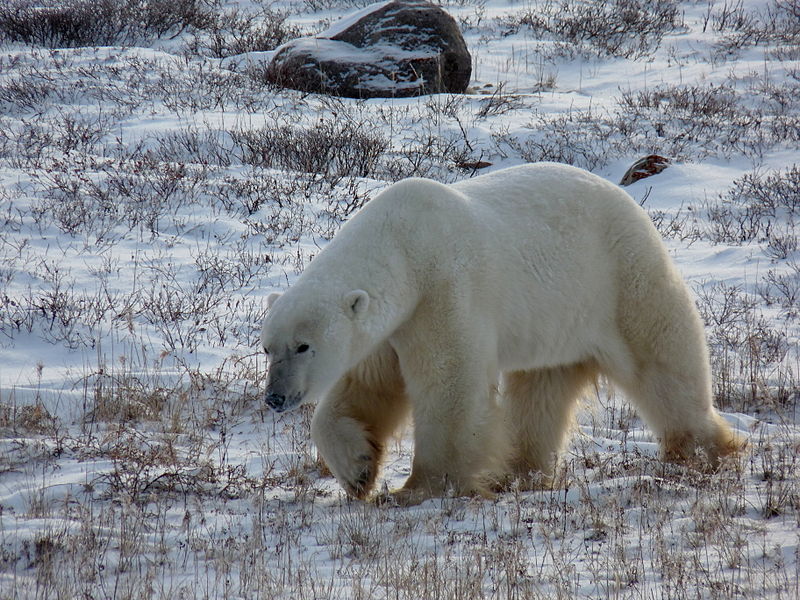
Rapid sea ice melting would have serious consequences for the planet. For one thing, it would devastate many wildlife habitats, including that of the polar bear. Without sea ice, they would be unable to hunt enough seals to survive their annual winter fast. Scarcer food sources already drive polar bears into relying on rubbish dumps outside settlements (such as Churchill on the coast of Canada's Hudson Bay) for nutrition, leading to more dangerous contact with human populations.
Melting ice sheet
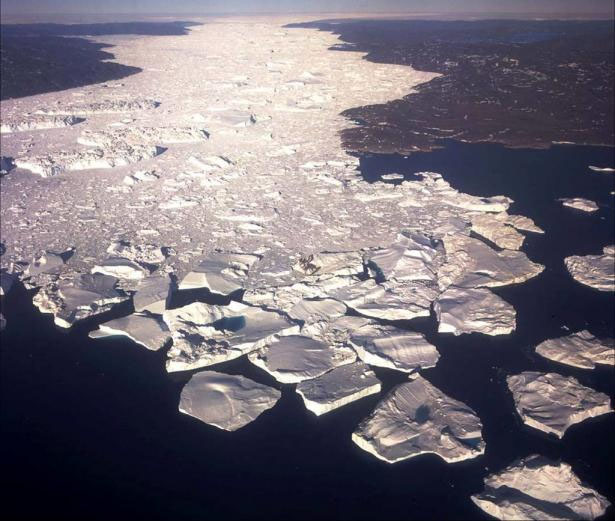
The Greenland ice sheet loses some of its mass every year via ice streams, glaciers that flow out through gaps in the mountains and crash into the ocean. This process is known as ice calving. In the past, the ice sheet would receive a similar amount of ice from snow accumulating on it during the winter. However, due to rapid global warming, the ice sheet is melting in the summer at a rate between two and five times as fast as it did before 1850. The ice sheet lost an estimated 117 billion tonnes of ice in 2025.
Since the 1990s, winter gains have no longer balanced out ice losses. Even if a limit to global average temperature rise of 2°C (3.6°F) or below is achieved, the melting of the Greenland ice sheet alone will contribute to a global sea level rise of around 6 centimetres (2.5 inches) by 2100.

Thermohaline circulation
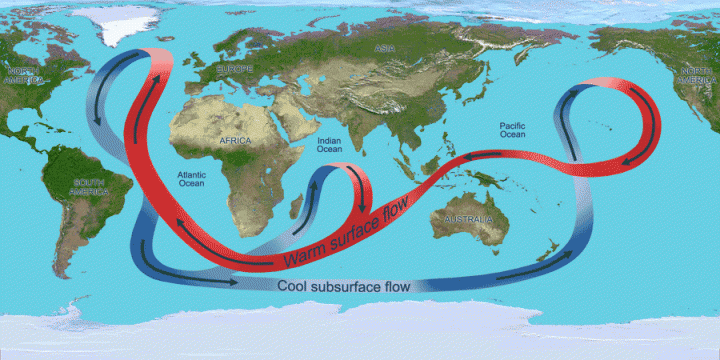
Because Arctic Ocean water is so cold and salty, it is denser than the warmer waters flowing in from the south, so it sinks to the ocean floor. There it collects in a basin known as the North Atlantic Deep Water. The force of the sinking water pushes it southwards through the Atlantic Ocean in a deepwater current.
Driven by differences in the water’s density, which is determined by temperature and salinity, slow-moving deepwater currents mix the waters of all the Earth's oceans, from north to south and back again. The process is known as thermohaline circulation, sometimes described as the "ocean conveyor belt". (The name "thermohaline" comes from thermo-, referring to temperature, and -haline, referring to salinity or salt content.) The circulating water transports heat energy around the globe and so has a huge impact on the Earth's climates.

The Gulf Stream and its northern extensions make up part of the Atlantic Meridional Overturning Circulation (AMOC), a link in the ocean conveyor belt. The AMOC carries water northwards into the North Atlantic Ocean. As it does so, it brings warm air to Northwest Europe. When the warm water reaches Arctic regions, it cools, becoming denser. Because of this, it sinks before flowing southwards again as a deepwater current.
The cooling process has, in recent years, become severely hampered by global warming, which has caused water temperatures in the Arctic to rise. At the same time, melting ice from the Greenland ice sheet tips fresh water into the sea. This is less dense than salty seawater, slowing the usual process of heavier salty water sinking in the polar region and driving the AMOC. A weakening AMOC could affect climates in Europe and North America.

Permafrost thaw
Global warming is also raising temperatures in Arctic tundra lands. Here, temperatures are predicted to rise between 1.5 and 2.5°C by 2040. This is likely to shrink the region covered by permafrost, the permanently frozen layer of soil and gravel just beneath the ground. Permafrost has already thawed in many places in Alaska. The loss of permafrost will destroy the stability of the tundra biome for all its plants, animals, fungi and algae. As permafrost thaws, it releases the greenhouse gas methane, which is produced by decaying plants. Scientists fear this methane could cause global warming to accelerate.
Consultant: Nicholas Harris
pics
Without in any way limiting Q-files Ltd’s exclusive rights under copyright, any use of this publication to “train” generative artificial intelligence (AI) technologies to generate text is expressly prohibited. Q-files Ltd reserves all rights to license use of this work for generative AI training and development of machine learning language models.