
Micro-organisms

CITE
We have made every effort to follow citation style rules, but there may be some minor differences. If in doubt, please refer to the appropriate citation style manual.
Algae. (2026). In Q-files Encyclopedia, Life, Micro-organisms. Retrieved from
https://www.q-files.com/life/micro-organisms/algae
"Algae." Life, Micro-organisms, Q-files Encyclopedia, 24 Mar. 2026.
https://www.q-files.com/life/micro-organisms/algae.
Accessed 21 Sep. 2026.
Algae 2026. Life, Micro-organisms. Retrieved 21 September 2026, from
https://www.q-files.com/life/micro-organisms/algae
Life, Micro-organisms, s.v. "Algae," accessed September 21, 2026.
https://www.q-files.com/life/micro-organisms/algae


Algae
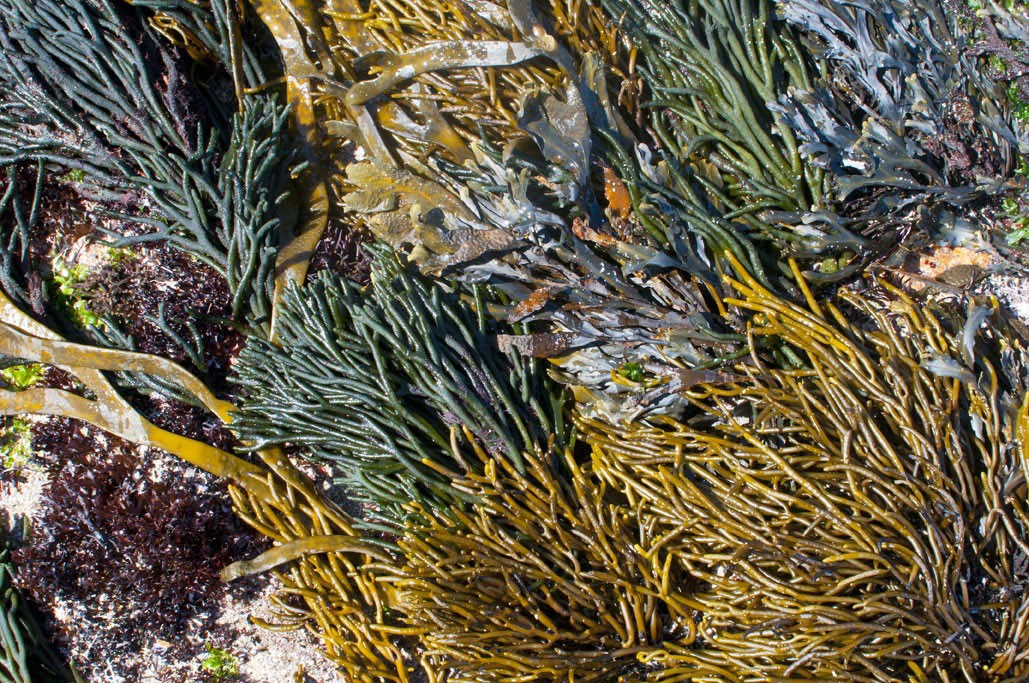
Algae are simple, plant-like protists. An alga has no proper roots, stem or leaves, although it may have a stem-like part and a leaf-like blade. It absorbs water and nutrients through its body surface, and makes its food by photosynthesis. Algae occur in freshwater or salt water (most seaweeds are algae) or on the moist surfaces of soil or rocks. Algae are divided into seven groups: red, dinoflagellates, brown, green, golden, blue-green and Bacillariophyta.

Kinds of algae
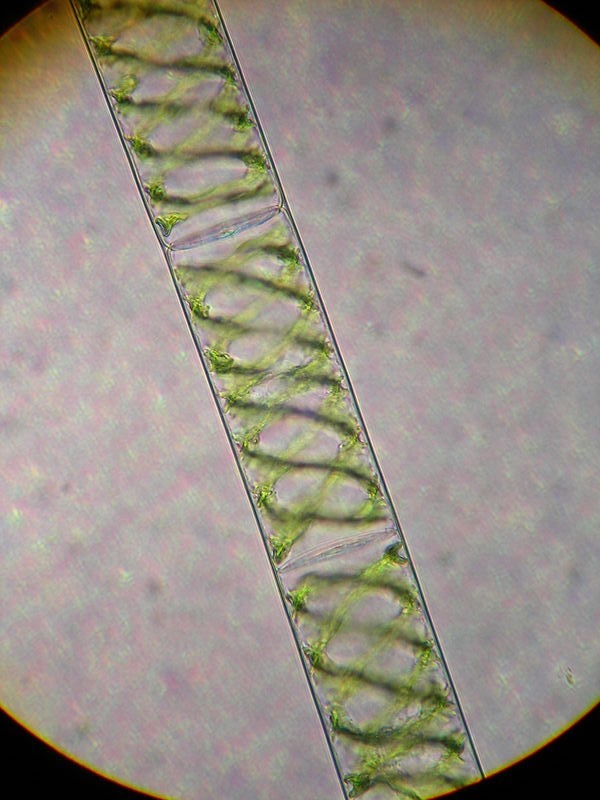
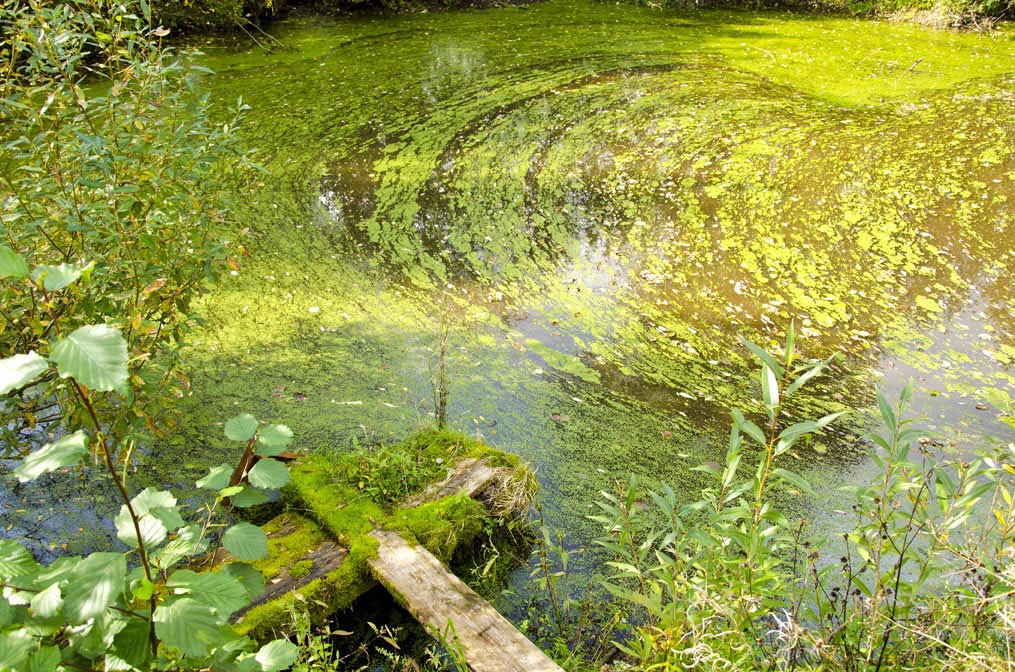
Algae range from microscopic, single-celled organisms to seaweeds many metres long. Nearly all algae live in water, although a few kinds can survive in damp places, like Pleurococcus alga which grows as a green powder on shady tree trunks. The slimy green scum often found in stagnant ponds is made up of green algae, a group of microscopic organisms that includes the hair-like spirogyra. Dinoflagellates and diatoms, a type of red algae, are kinds of marine plankton. They are food for tiny animals that live in the ocean, called zooplankton.
Algal bloom
An algal bloom is a rapid increase in the algae population in an aquatic habitat, for example, a river, pond, estuary or the sea. They are the result of an excess of nutrients, particularly phosphates, in the water. These often come from agricultural fertilizers that run off from the land. The algae grow quickly then die, producing a high concentration of decaying organic matter, which rapidly takes up the oxygen in the water. Without sufficient oxygen, aquatic animals and plants also die.
In the sea, it is toxic algae, often washed into the sea from rivers, that cause problems for wildlife. Blooms of these harmful algae can have a large impact on marine ecosystems, poisoning fish, shellfish, mammals and sea turtles. Red tide is a term used to describe harmful algal blooms in coastal areas, as the algal species involved, dinoflagellates, are often red or brown, and turn the sea water to a reddish colour.
Consultant: Chris Jarvis
pics

Without in any way limiting Q-files Ltd’s exclusive rights under copyright, any use of this publication to “train” generative artificial intelligence (AI) technologies to generate text is expressly prohibited. Q-files Ltd reserves all rights to license use of this work for generative AI training and development of machine learning language models.