
Population

CITE
We have made every effort to follow citation style rules, but there may be some minor differences. If in doubt, please refer to the appropriate citation style manual.
Urbanization. (2026). In Q-files Encyclopedia, Geography, Population. Retrieved from
https://www.q-files.com/geography/population/urbanization
"Urbanization." Geography, Population, Q-files Encyclopedia, 1 Apr. 2026.
https://www.q-files.com/geography/population/urbanization.
Accessed 22 Sep. 2026.
Urbanization 2026. Geography, Population. Retrieved 22 September 2026, from
https://www.q-files.com/geography/population/urbanization
Geography, Population, s.v. "Urbanization," accessed September 22, 2026.
https://www.q-files.com/geography/population/urbanization


Urbanization
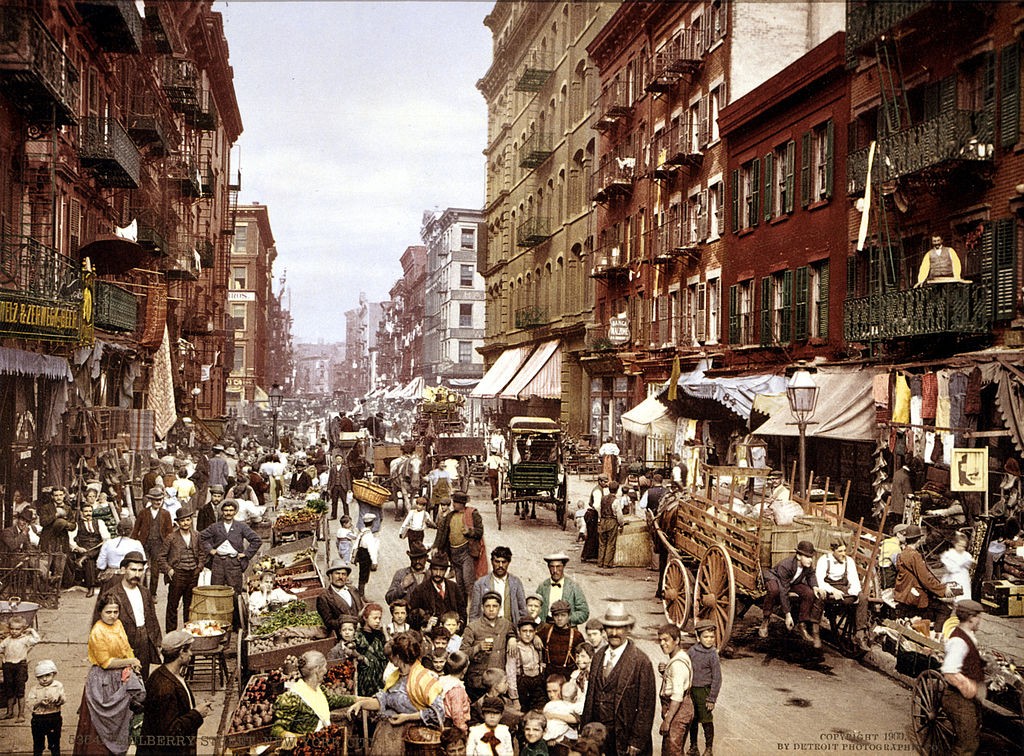
Urbanization is the term given to describe the shift of population from rural to urban areas. The growth of industry from the late 18th century onwards, led to migration on a large scale and the rapid growth of cities, some of which were previously small towns or villages. This process began first in Britain, followed by the rest of Europe and North America. Cities during this period of expansion were overcrowded and unhealthy places to live in, where thousands regularly died from diseases spread by contaminated water or the appalling, cramped living conditions. Nevertheless, in countries such as the USA, over the course of the 20th century the urbanization rate increased from around to 40% to 80%.
Developing countries
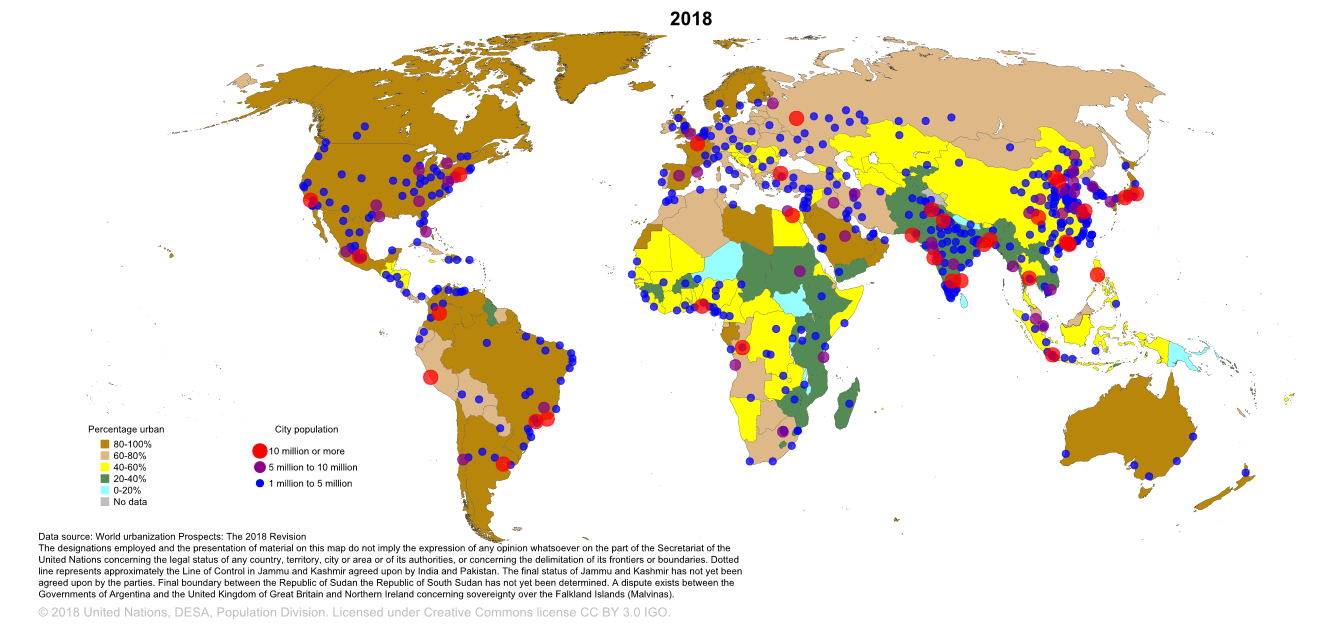
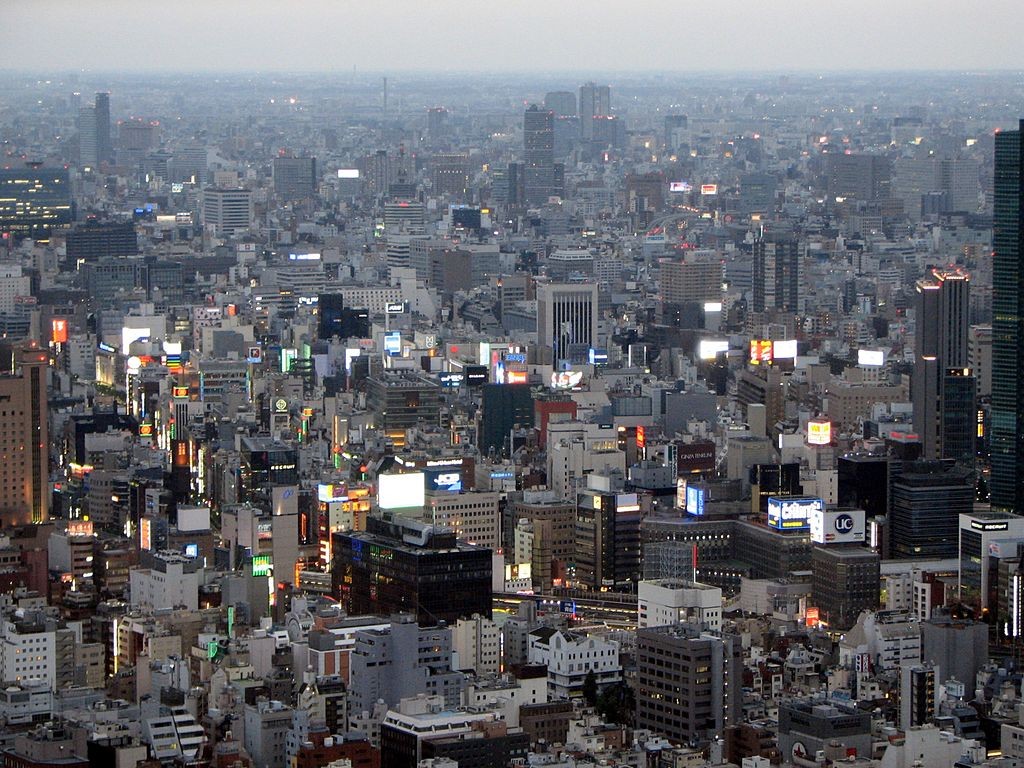
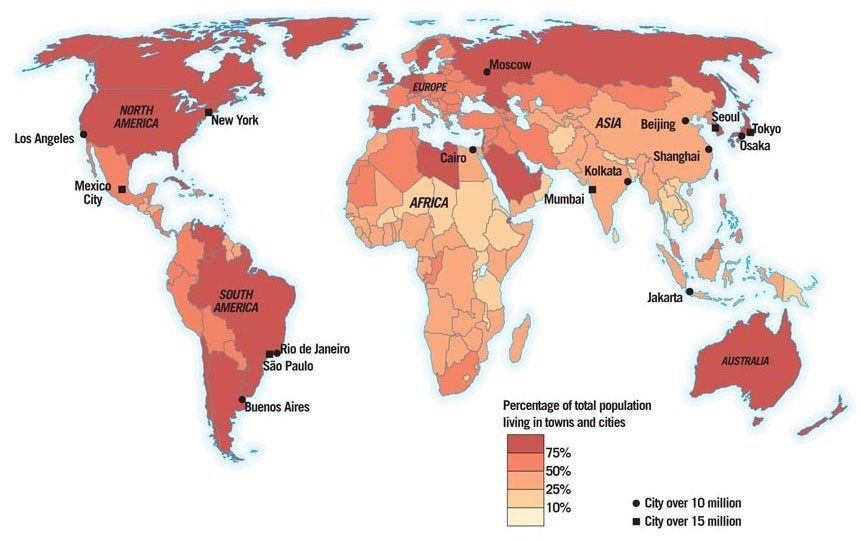
By the end of the 20th century, urbanization had slowed in the developed world, but was rapidly increasing in the developing world—and continues to do so. An important milestone was passed in 2007, when, according to the United Nations, for the first time, more than half the world's total population were recorded as living in cities.
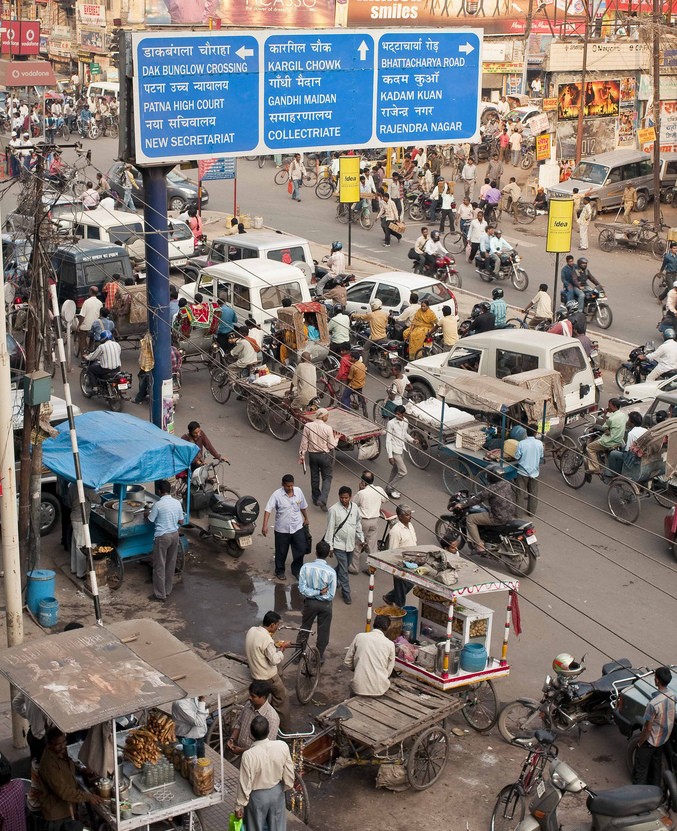
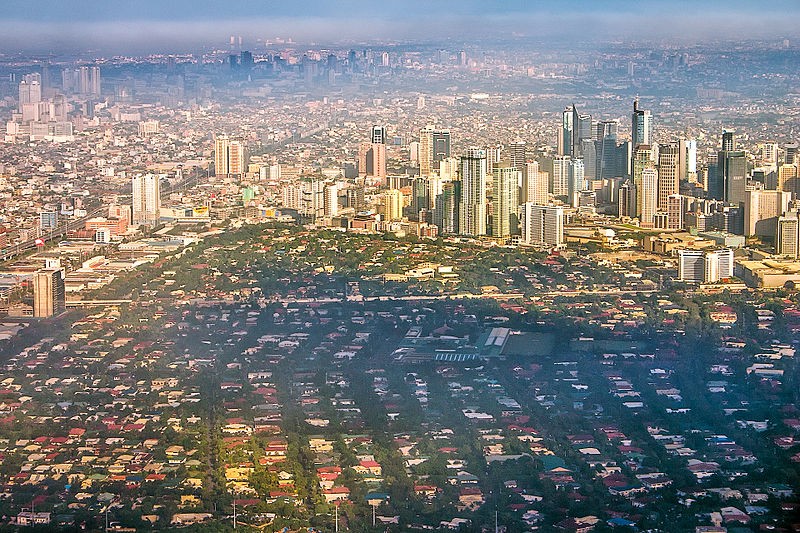
The UN has also predicted that by 2050 about 68% of the entire developing world will be urbanized. Most of this growth will occur in Africa and Asia. Today, in Asia the urban agglomerations (built-up areas together with suburbs) of, for example, Delhi, Jakarta, Karachi, Manila and Mumbai, are each already home to more than 20 million people.
Why move to the city?
Many people move from the countryside to cities either to earn more money, or, especially in the case of women, to seek opportunities (e.g. education and employment) not available in rural areas. But, especially in China and India, people are made to leave their villages for other reasons: the acquisition of farmland by governments or businesses for development or intensive agriculture forces peasants off their land with nowhere else to go; in times of flood or famine, fleeing to the city is a matter of survival; or simply because farm work is tough and unrewarding.

Shantytowns
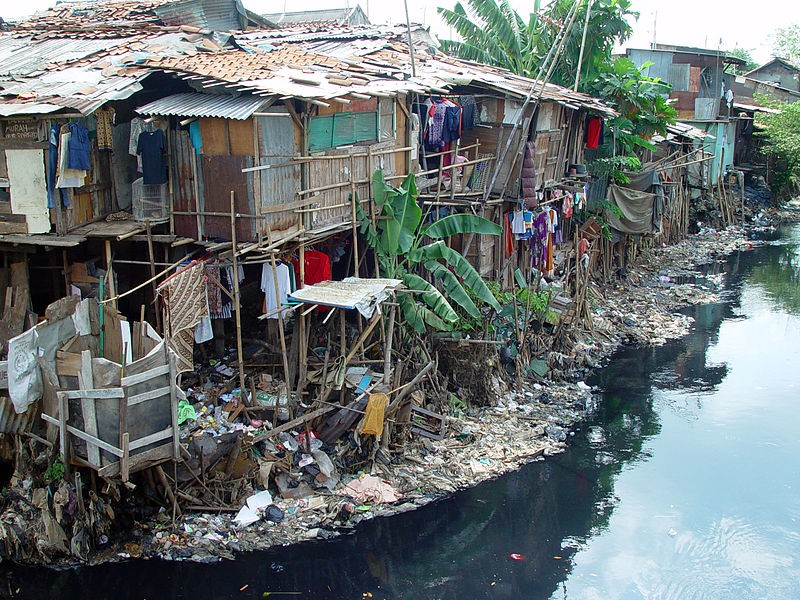
Many developing countries are unable to provide either sufficient jobs or adequate housing for the huge numbers of rural migrants. Unplanned migration in developing countries contributes to severe overcrowding and the growth of slums. Shantytowns are commonly found on the edges of cities in Latin America, Africa, the Indian subcontinent and Southeast Asia. They have mushroomed as people build their own homes, constructing shelters and shacks from any material that comes to hand. People who live in shantytowns often cannot find work or are forced to work for very low wages.
Urbanization in China
In China, urbanization is a process planned and managed by the government, a key element in its overall strategy to develop its economy to the maximum. Cities such as Beijing, Shanghai, Hong Kong, Guangzhou and more recently Shenzhen have all expanded hugely since the 1990s as part of China’s bid to create “global cities” (cities that are considered important hubs for finance and trade in the global economy) on the same level as, say, New York, Tokyo and London.

Over the period 2014–2024, it is estimated that around 175 million Chinese people moved into cities from rural areas. In response to this change, the Chinese government built new cities and expanded existing ones. In 2024, about 67% of China's population, some 944 million people, live in urban areas. The proportion is expected to reach 75-80% by 2035.
Counter-urbanization
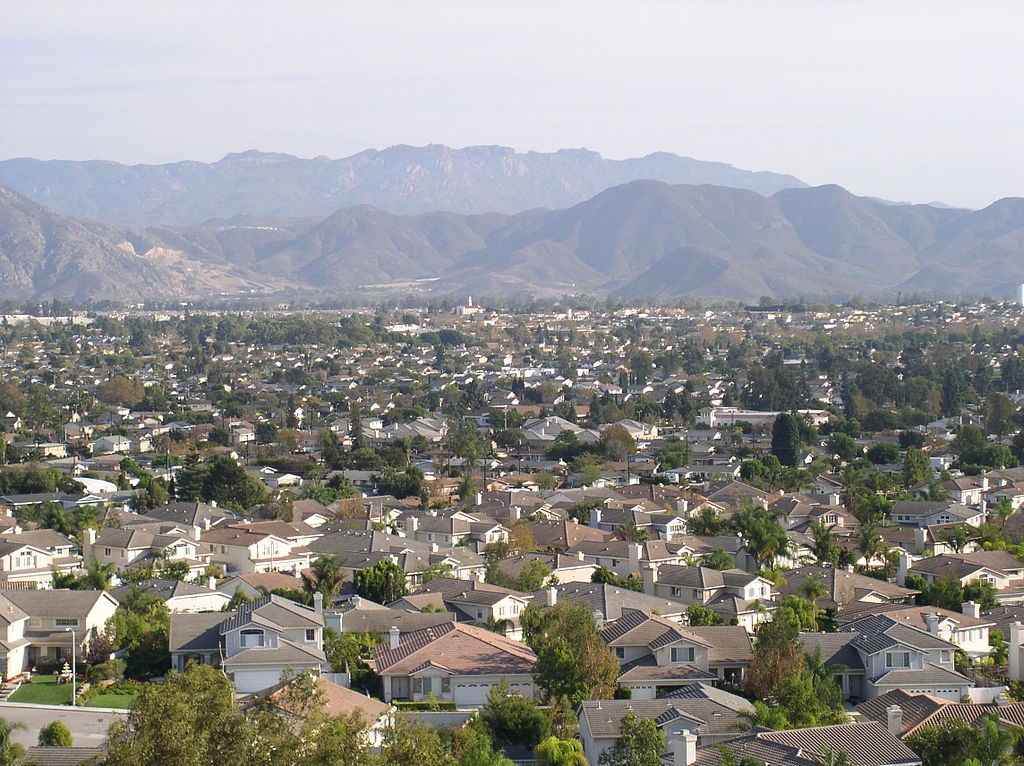
Counter-urbanization is the movement of people away from urban areas to rural areas—the opposite of urbanization. People in wealthier countries move out of cities for different reasons: many seek to escape the crowded or sub-standard living conditions of the city, while finding rural areas preferable because of cheaper, more spacious housing, cleaner air, less noise and a more attractive environment. Smaller towns and cities, with abundant facilities such as shops, cinemas and schools, and good transport links, also prove more attractive for many people to choose to live in, rather than larger cities.
In many cases, industrial parks or zones are built near to these smaller towns and cities, providing local employment. With the availability of the internet and fast broadband, more and more people are now in any case able to work from home, rather than commute.
pics
Without in any way limiting Q-files Ltd’s exclusive rights under copyright, any use of this publication to “train” generative artificial intelligence (AI) technologies to generate text is expressly prohibited. Q-files Ltd reserves all rights to license use of this work for generative AI training and development of machine learning language models.