
Population

CITE
We have made every effort to follow citation style rules, but there may be some minor differences. If in doubt, please refer to the appropriate citation style manual.
Europe’s falling population. (2026). In Q-files Encyclopedia, Geography, Population. Retrieved from
https://www.q-files.com/geography/population/europes-falling-population
"Europe’s falling population." Geography, Population, Q-files Encyclopedia, 1 Apr. 2026.
https://www.q-files.com/geography/population/europes-falling-population.
Accessed 22 Sep. 2026.
Europe’s falling population 2026. Geography, Population. Retrieved 22 September 2026, from
https://www.q-files.com/geography/population/europes-falling-population
Geography, Population, s.v. "Europe’s falling population," accessed September 22, 2026.
https://www.q-files.com/geography/population/europes-falling-population


Europe’s falling population
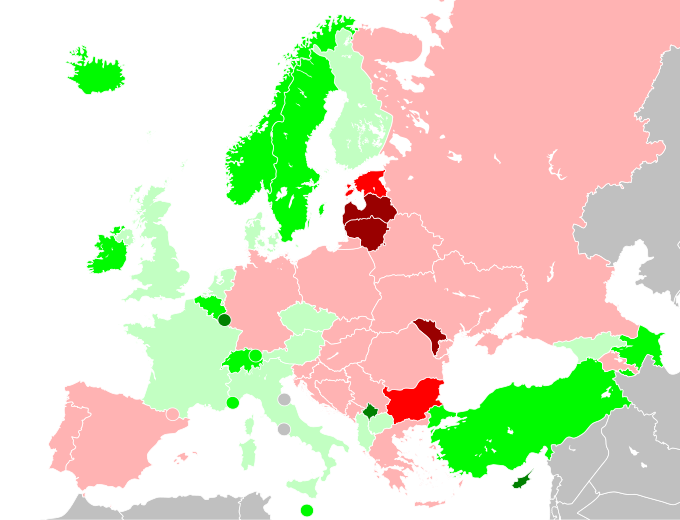
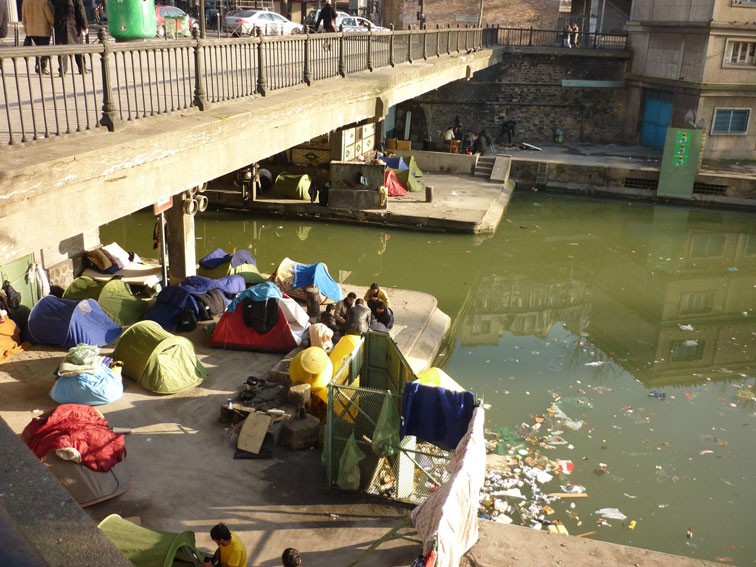
In many parts of Europe, birth rates are tumbling. Many think this will lead to economic decline across the continent. While the average world population growth rate is 1.2%, Europe’s is just 0.2% (Africa is 2.5%). At the same time, record numbers of migrants and asylum-seekers (people wanting to live in another country to escape persecution in their own)—especially from Africa and the Middle East—are risking their lives crossing the Mediterranean Sea in an attempt to enter the European Union (EU). Security forces battle to keep the migrants out, yet Europe is in need of more young people to run its health services, populate its rural areas and look after its elderly.

Ageing population
Europe has an ageing population. This is caused by both a decrease in fertility and falling death rates. Birth rates are now much lower than many other countries in the rest of the world. For example, the average birth rate in central Europe and the Baltic countries is 12.6 per 1000 people compared to 38 in sub-Saharan Africa. The rates are declining because Europeans are choosing to have smaller families later in life. For them, contraception is easily available and well understood.
At the same time, European people are living longer. This higher life expectancy is due to improvements in health care and medicine, greater knowledge about diet and regular exercise and improved living standards. As people have smaller families, the number of young dependants is falling while the number of elderly dependants is rising. This means that there will be fewer younger, working people to support the elderly population.

For population decline to be reversed, the fertility rate would need to rise from its present average level of about 1.4 children born for every woman of childbearing age, to a “replacement level” of 2.1. It would also be necessary to allow young, working-age migrants to settle in Europe in order to prevent labour shortages. But some have expressed concerns that immigration could lead to ethnic conflict.

Latvia
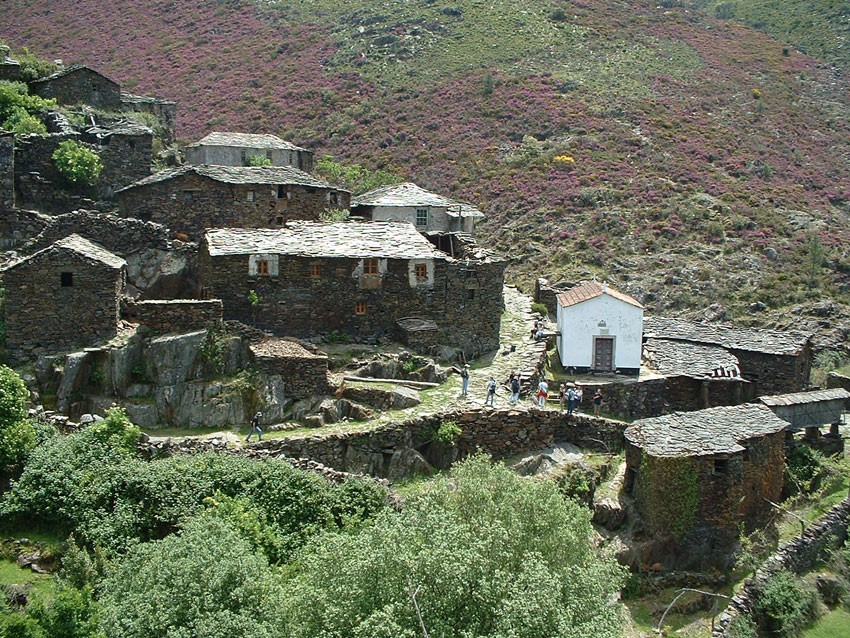
Latvia’s population is, in 2022, at just under 2 million, around 30% smaller than it was in 1990. By 2050, along with the populations of Bulgaria, Lithuania, Serbia and Ukraine, it is projected to fall by more than 20%, despite a rising fertility rate. Like many of the former Soviet states—especially those that joined the EU, where people have the right to live and work anywhere in its territory—Latvia has experienced waves of emigration as young people leave for better paid jobs abroad. This happened just after Latvia gained independence from the Soviet Union in 1991, in 2004 when it joined the EU and once again after the 2008 financial crisis.

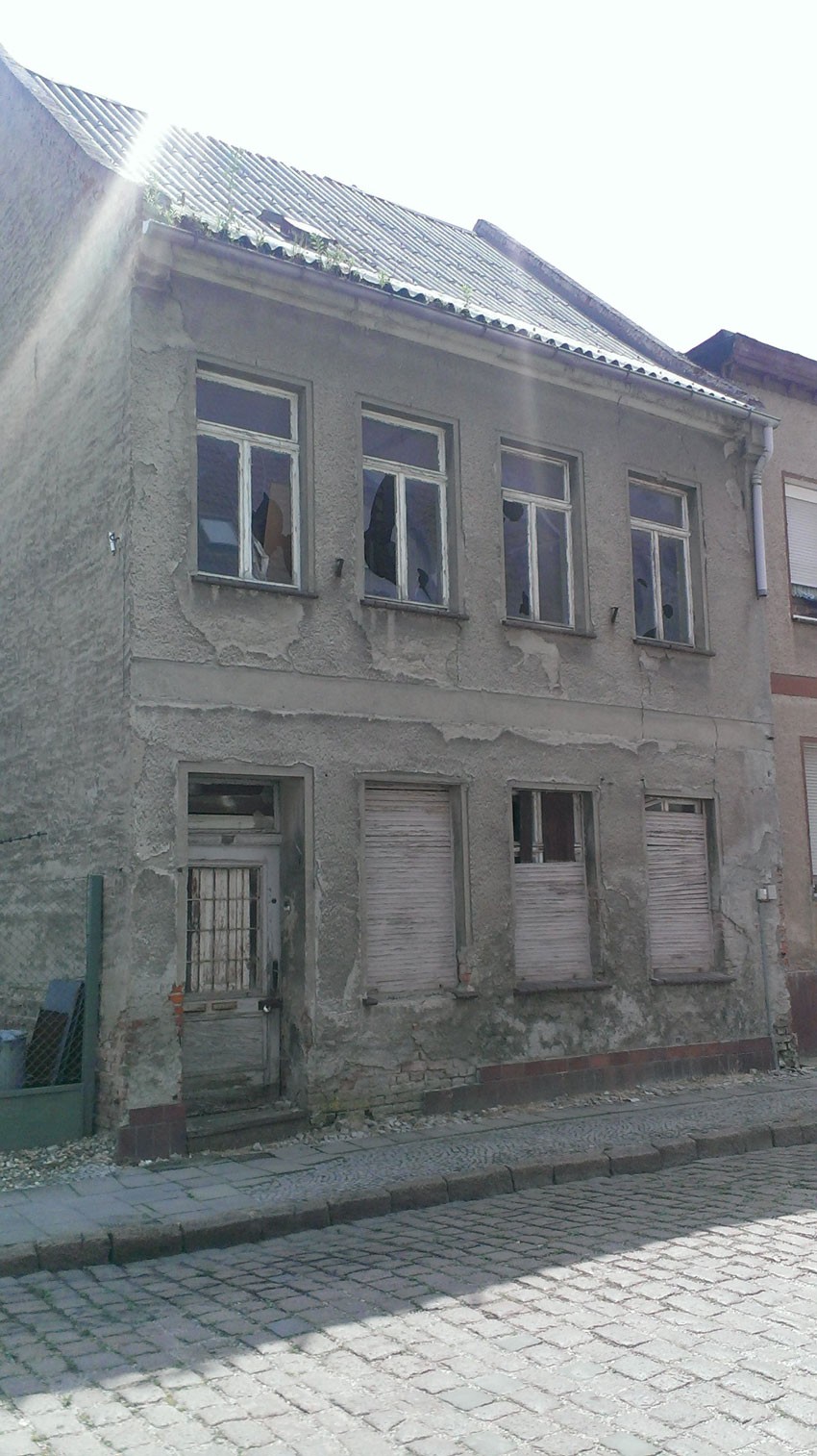
In some parts of the country, especially in the eastern region of Latgale, village houses lie abandoned while Soviet-era factories and office blocks are crumbling ruins. Rural industries have little to offer young people who prefer to work for tech or construction companies in Germany, Scandinavia and elsewhere in Europe.
The Latvian government is attempting to boost the fertility rate by offering grants and discounts in shops and on public transport to large families. It is also offering cash grants to encourage some of the 300,000 Latvians who live and work abroad to return home. Experts say that Latvia should be encouraging highly-qualified immigrants, including some of the 30,000 refugees from the war in Ukraine who arrived in 2022, to live permanently in the country. Many Latvians have long been hostile to immigration, however.
Spain
In some provinces of Spain, for every baby born, more than two people die. If trends continue, soon that ratio will change to one to three. Spain has one of the lowest fertility rates in the EU, with an average of 1.27 children born for every woman of childbearing age. Its economic crisis has resulted in hundreds of thousands of Spaniards leaving in the hope of finding jobs abroad. Since 2012, Spain’s population has been shrinking. A similar story is unfolding in other southern European states such as Portugal and Italy.
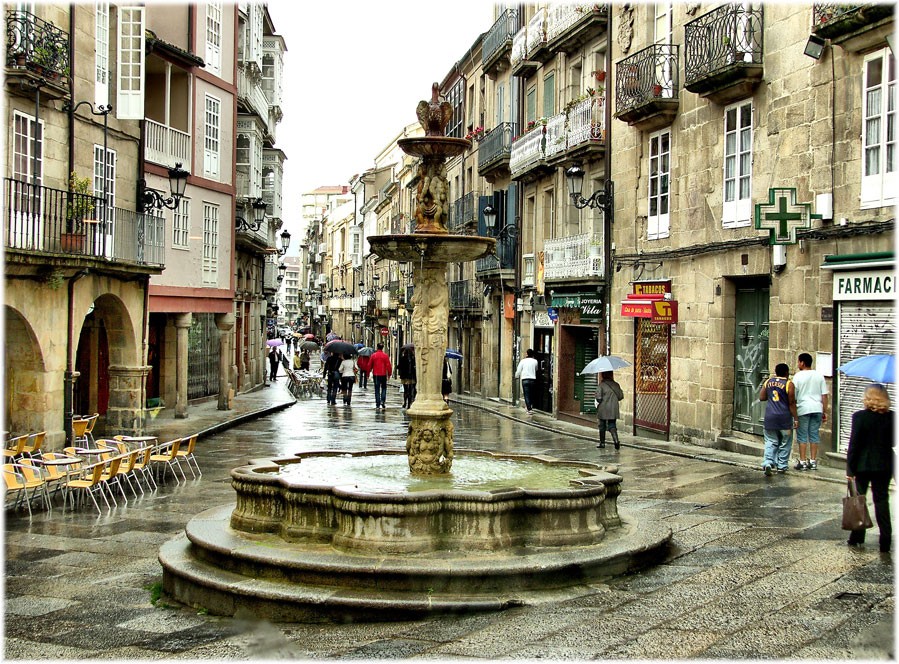
In 2012, the regional government of Galicia in northwestern Spain launched a campaign to women to have more children. But it is still estimated that Galicia’s population could shrink by 1 million residents in the next 40 years—nearly a third of its population.
Germany
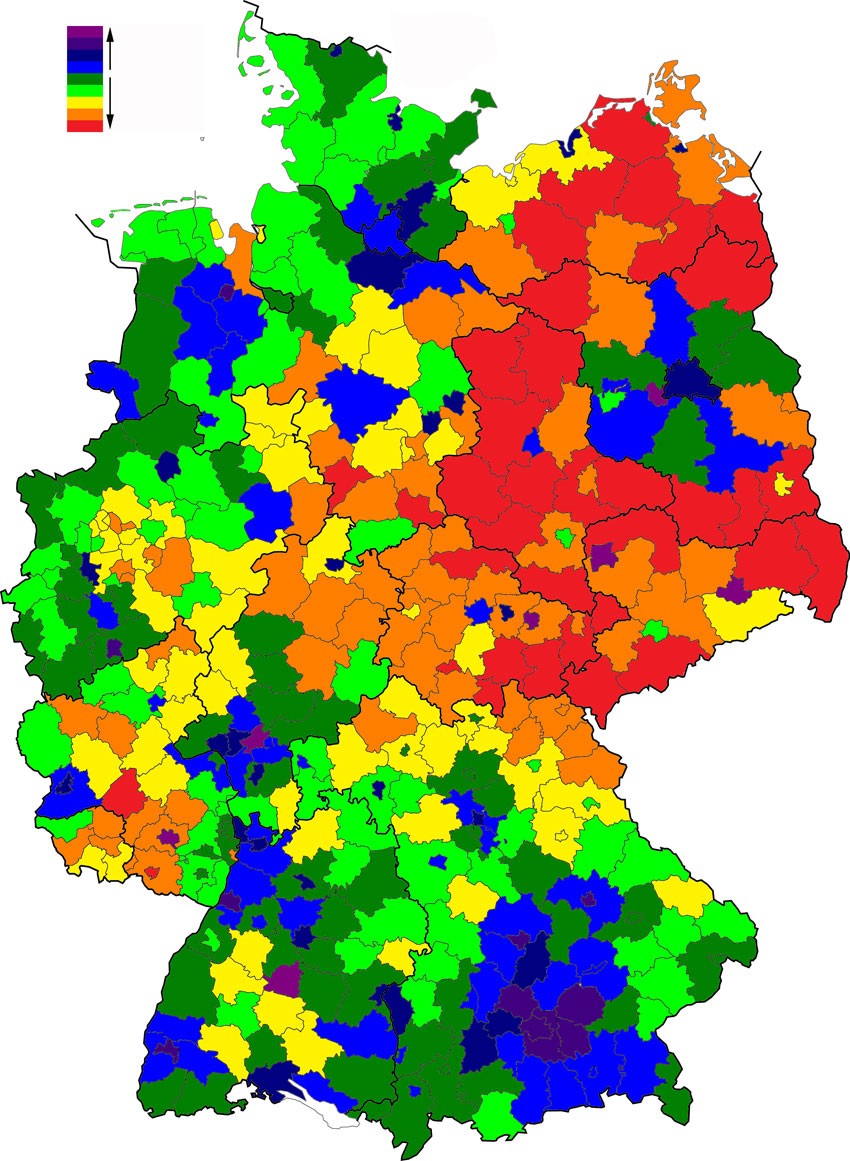
For decades there have been many more deaths than births in Germany. In 2014 there were 153,000 more. Germany has the lowest birth rate in the world. Despite the news that Germany’s current birth rate is higher than it has been for 13 years (33,000 more babies were born in 2014 than in 2013), by 2060 the country’s population is expected to plunge from 81 million to 67 million.
The decline is unevenly spread: the richer cities are growing, while the poorer regions, mainly in the east, are emptying (see map opposite: purple and blue show gains, while red and orange areas show losses).
As the numbers fall in these places, bus routes, crèches, schools, shops and libraries close down, due to the lack of demand. This makes the situation worse for residents left behind, so they start to leave as well, causing a downward spiral.
If Germany’s population were to remain at its present level, the country would to need admit more than 500,000 immigrants every year. Goslar, a town of 50,000 people, is currently losing 1500 to 2000 people a year. The mayor of Goslar, Oliver Junk, wants more immigrants to settle in the town. “We have plenty of empty housing, and rather than see it decay we could give new homes to immigrants, helping them, and so give our town a future”, Junk said. Others point to the difficulties of getting asylum-seekers to integrate fully with a reluctant local community.

France
To reverse the trend of population decline, some European countries have adopted what is known as a pro-natalist policy. Governments encourage people to have more children by offering them benefits. In France, the government have encouraged larger families by offering cash incentives for a mother to stay off work for one year following the birth of her third child. They have also given large reductions on train fares (carte famille nombreuse, or large family card), adjusted income tax levels (the more children people have, the less tax they have to pay), offered three years’ paid parental leave (which can be used by either mothers or fathers) and helped with the cost of day care for children under the age of three.

As a result, the fertility rate in France, at 1.85 children born for every woman of child-bearing age (as of May 2024), is one of Europe's highest. This, coupled with immigration from other parts of Europe, Africa and Turkey, has meant that France is on course to overtake Germany as the most populous country in the EU by 2050, with an estimated population of 76 million.

pics
Without in any way limiting Q-files Ltd’s exclusive rights under copyright, any use of this publication to “train” generative artificial intelligence (AI) technologies to generate text is expressly prohibited. Q-files Ltd reserves all rights to license use of this work for generative AI training and development of machine learning language models.