
Human body

CITE
We have made every effort to follow citation style rules, but there may be some minor differences. If in doubt, please refer to the appropriate citation style manual.
Nutrients. (2026). In Q-files Encyclopedia, Life, Human body. Retrieved from
https://www.q-files.com/life/human-body/nutrients
"Nutrients." Life, Human body, Q-files Encyclopedia, 23 Mar. 2026.
https://www.q-files.com/life/human-body/nutrients.
Accessed 21 Sep. 2026.
Nutrients 2026. Life, Human body. Retrieved 21 September 2026, from
https://www.q-files.com/life/human-body/nutrients
Life, Human body, s.v. "Nutrients," accessed September 21, 2026.
https://www.q-files.com/life/human-body/nutrients


Nutrients
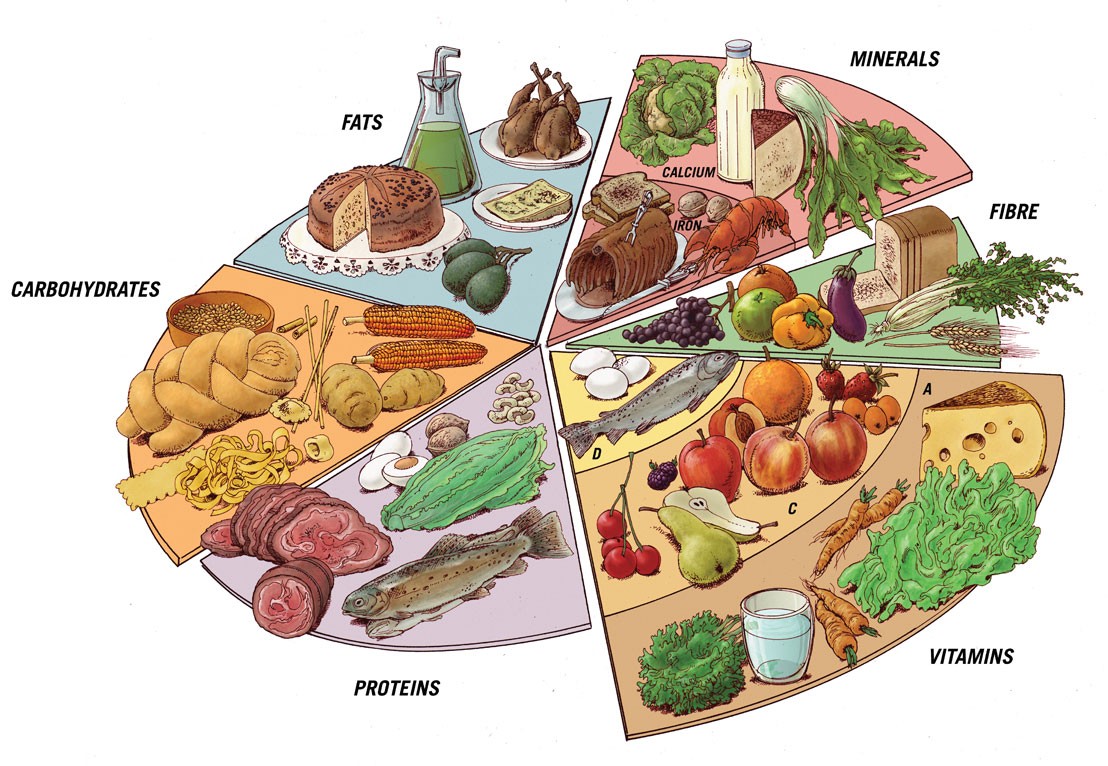
Food contains several types of nutrients. They provide energy, the raw materials necessary for growth and repair, and the chemicals needed to make body cells work properly. During digestion these nutrients—proteins, fats, carbohydrates, minerals and vitamins—are absorbed by the small intestine into the bloodstream. Fibre, a nutrient found in plant foods, is not digested, but helps the digestive process work efficiently.
Proteins, fats and carbohydrates
Foods rich in proteins include meat, poultry, fish, eggs, beans, nuts and cheese. Proteins have numerous roles inside the body including building and running cells. Foods rich in fats, or lipids, include meat, oily fish, dairy products, some fruits such as olives and avocados, and nuts and seeds. Fats have many functions including building membranes around cells, making nerves work properly, and keeping us warm.
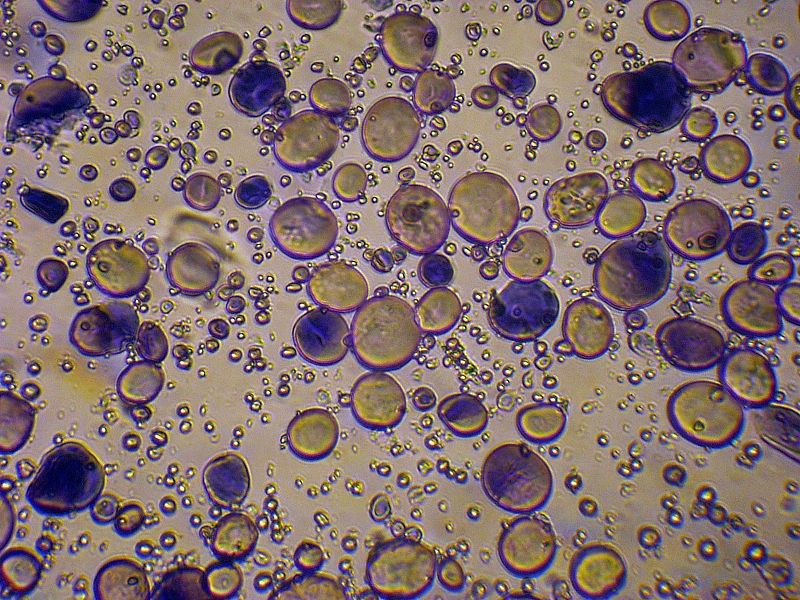
Carbohydrates include starches and sweet-tasting sugars. Starch is found in bread, pasta, rice and other grains, and potatoes. During digestion, starch is broken down into glucose, a sugar. This is the body’s main source of the energy that is needed for movement and all other life processes.
Vitamins and minerals
Many vitamins and minerals are needed for good health, but usually in small amounts. Vitamins have letters such as A, B and C. Lack of a vitamin may cause illness. For example, lack of vitamin A from tomatoes, carrots, cheese, fish and liver may result in poor eyesight. Vitamin C, which helps to heal wounds, is found in citrus fruit. Eggs and fish are rich in Vitamin D, which helps your bones grow strong.
Minerals include calcium and iron. Calcium, for healthy teeth and bones, is found in milk, cheese and vegetables. Iron is found in meat, green vegetables and nuts. It is needed to make red blood cells. Its lack causes a type of anaemia.
Fibre
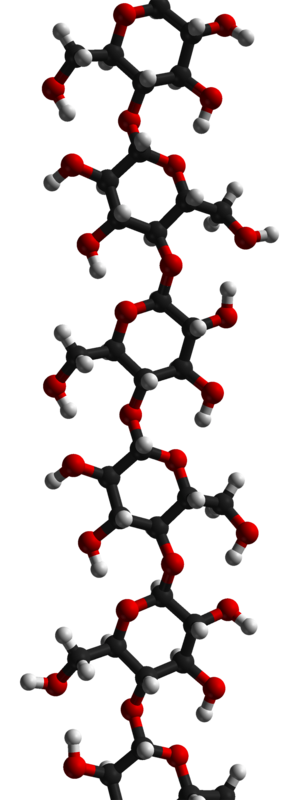
Dietary fibre is found only in plant foods, chiefly in breads, pastas and other products made from wholemeal grains or cereals, and also in many fresh fruits and vegetables. Cellulose, which makes up the cell walls in plants, is an important fibre.
Fibre is not actually digested and absorbed by the body, but it helps the digestive system to work effectively and stay healthy. It adds bulk to the food so that the stomach and intestines can grip and squeeze the food along.
Consultant: Richard Walker
pics
Without in any way limiting Q-files Ltd’s exclusive rights under copyright, any use of this publication to “train” generative artificial intelligence (AI) technologies to generate text is expressly prohibited. Q-files Ltd reserves all rights to license use of this work for generative AI training and development of machine learning language models.