
Human body

CITE
We have made every effort to follow citation style rules, but there may be some minor differences. If in doubt, please refer to the appropriate citation style manual.
Why do we cry when we feel sad?. (2026). In Q-files Encyclopedia, Life, Human body. Retrieved from
https://www.q-files.com/life/human-body/why-do-we-cry-when-we-feel-sad
"Why do we cry when we feel sad?." Life, Human body, Q-files Encyclopedia, 24 Mar. 2026.
https://www.q-files.com/life/human-body/why-do-we-cry-when-we-feel-sad.
Accessed 22 Sep. 2026.
Why do we cry when we feel sad? 2026. Life, Human body. Retrieved 22 September 2026, from
https://www.q-files.com/life/human-body/why-do-we-cry-when-we-feel-sad
Life, Human body, s.v. "Why do we cry when we feel sad?," accessed September 22, 2026.
https://www.q-files.com/life/human-body/why-do-we-cry-when-we-feel-sad


Why do we cry when we feel sad?
The area of your brain that deals with your emotions is called the the hypothalamus. When stimulated by something sad, for example, (or anger, pleasure or physical pain) the hypothalamus signals the release of a kind of hormone (chemical messenger) that triggers a gland near your eyes to make tears. We don’t know exactly why tears—rather than anything else—are produced when you are sad. Perhaps it’s a form of non-verbal communication (“speaking” without using words), indicating you need the help and support from people around you in your time of need. Alternatively, tests shows that you simply “feel better” after you cry.

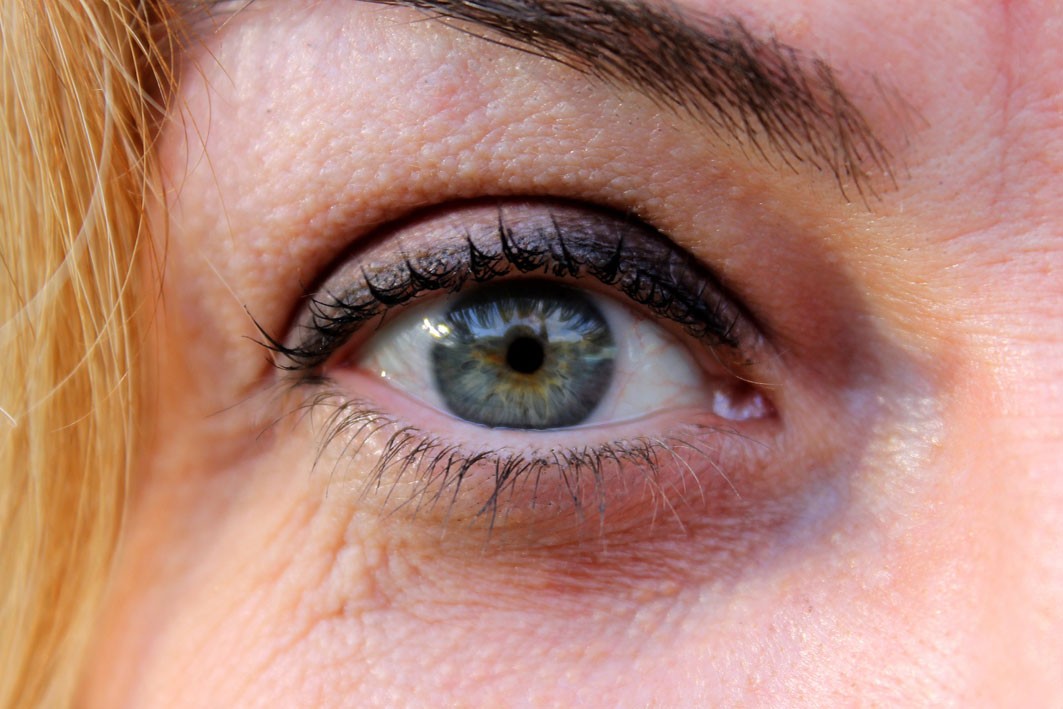
You actually cry for three reasons—although your body produces tears in exactly the same way for each. In the first type of crying, what are called basal tears keep the cornea, the transparent front of the eye, nourished and lubricated so that your eyes don’t dry out. This happens all the time. Reflex tears, the second type, help wash out any irritations to your eyes from foreign particles or vapours—for example, smoke, or the acid released from chopping up onions, or a dusty breeze. The sensory nerves in your cornea send a signal to the brain which then sends hormones to the lacrimal glands, causing them to produce tears to rid the irritation. In the third type of crying, the type that occurs when you feel upset or hurt, the tears produced are called emotional tears.
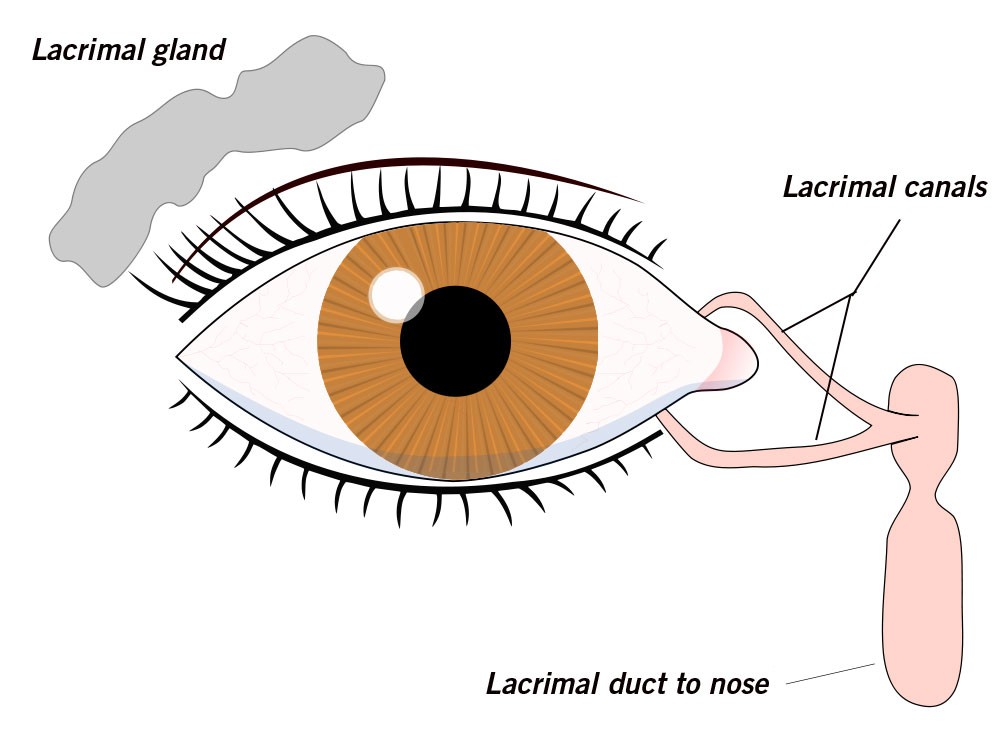
The lacrimal gland that sits between the eyeball and eyelid in the upper, outer region of your eye produces tear fluid: a salty solution containing mucus, protein and oil. Blinking spreads the fluid across your eye as a film of moisture. The tear may then drain off down two tiny holes near the inner corner of your eye and into your nose (which explains why your nose runs when you cry). But if there is too much fluid—you are crying a lot—the “drain” cannot cope: fluid overflows your eyelids and down your cheeks.
Consultant: Kristina Routh
Other Q-&-As to explore:
For a full list of all our Q&As, please click here.
If you have a question that you would like to see answered on Q-files, please send us an email to info@Q-files.com or use the contact us page.
pics
Without in any way limiting Q-files Ltd’s exclusive rights under copyright, any use of this publication to “train” generative artificial intelligence (AI) technologies to generate text is expressly prohibited. Q-files Ltd reserves all rights to license use of this work for generative AI training and development of machine learning language models.