
Human body

CITE
We have made every effort to follow citation style rules, but there may be some minor differences. If in doubt, please refer to the appropriate citation style manual.
Why do we have hiccups?. (2026). In Q-files Encyclopedia, Life, Human body. Retrieved from
https://www.q-files.com/life/human-body/why-do-we-have-hiccups
"Why do we have hiccups?." Life, Human body, Q-files Encyclopedia, 24 Mar. 2026.
https://www.q-files.com/life/human-body/why-do-we-have-hiccups.
Accessed 6 Aug. 2026.
Why do we have hiccups? 2026. Life, Human body. Retrieved 6 August 2026, from
https://www.q-files.com/life/human-body/why-do-we-have-hiccups
Life, Human body, s.v. "Why do we have hiccups?," accessed August 6, 2026.
https://www.q-files.com/life/human-body/why-do-we-have-hiccups


Why do we have hiccups?
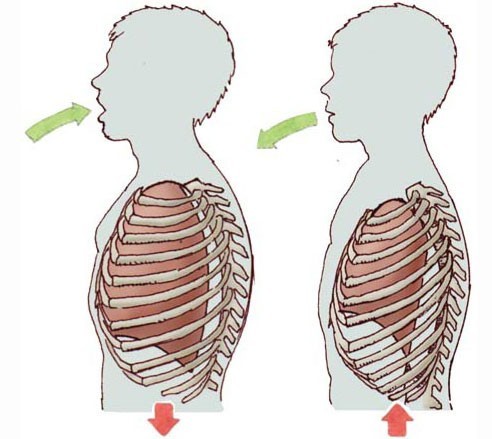
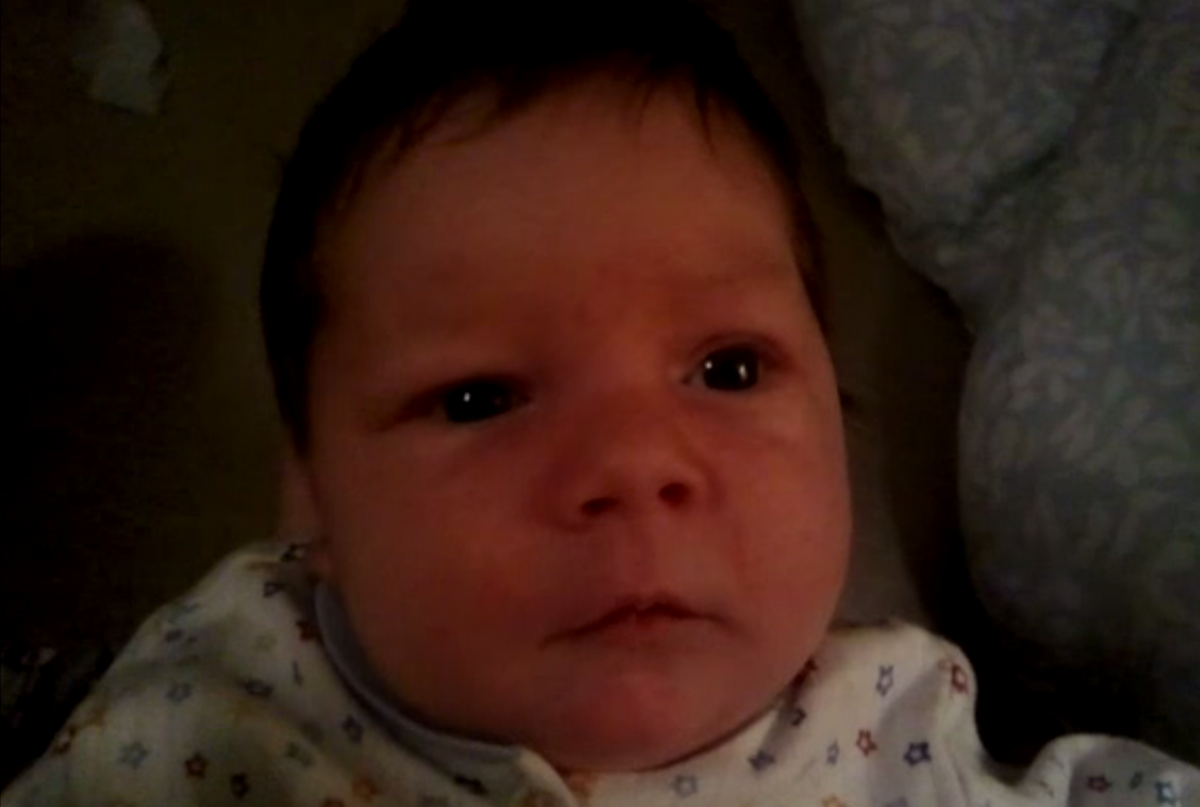
A hiccup is an involuntary contraction (tightening) of the diaphragm, the sheet of skeletal muscle that lies under the rib cage and helps to control breathing. Normally, when you inhale (breathe in), the diaphragm pulls down, helping to suck air into the lungs. When you breathe out (exhale), the diaphragm relaxes, the lungs are squeezed, causing air to be pushed back out through the nose and mouth. Sometimes, however, the diaphragm becomes irritated. It jerks downwards—often at regular intervals—making you suck air into your throat suddenly. When this incoming air meets your voice box, the vocal cords close, making a “hic” sound.

Causes of hiccups
No one knows quite why hiccups occur. Most cases of hiccups come after eating or drinking too much or too quickly. Some people get them after drinking fizzy drinks or eating spicy food. In rare cases, hiccups can last for a long time. If they last longer than a month they are called "intractable", and are linked with certain medical conditions.
Remedies
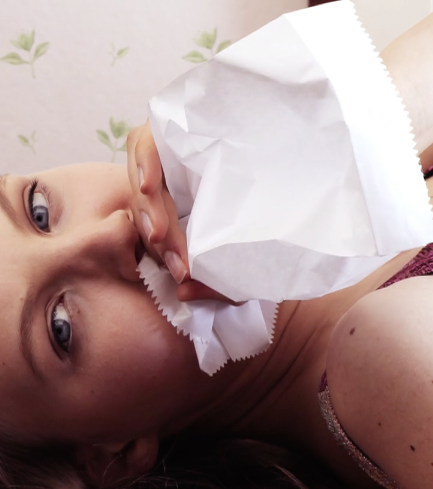
It's common to get hiccups now and again, and there is no need for alarm. In most cases, they disappear without treatment within a few minutes. Everyone has their own remedy for stopping them. Simply holding your breath (and counting to 10) often causes them to stop. Breathing into a paper bag increases the amount of carbon dioxide in the lungs, which may relax the diaphragm. Other common suggestions are: biting on a lemon, sipping ice-cold water, tasting vinegar, drinking water from the "wrong" side of the glass, or pulling your knees up to your chest.
Consultant: Kristina Routh
Other Q-&-As to explore:
For a full list of all our Q&As, please click here.
If you have a question that you would like to see answered on Q-files, please send us an email to info@Q-files.com or use the contact us page.
pics
Without in any way limiting Q-files Ltd’s exclusive rights under copyright, any use of this publication to “train” generative artificial intelligence (AI) technologies to generate text is expressly prohibited. Q-files Ltd reserves all rights to license use of this work for generative AI training and development of machine learning language models.