
Human body

CITE
We have made every effort to follow citation style rules, but there may be some minor differences. If in doubt, please refer to the appropriate citation style manual.
Brain. (2026). In Q-files Encyclopedia, Life, Human body. Retrieved from
https://www.q-files.com/life/human-body/brain
"Brain." Life, Human body, Q-files Encyclopedia, 23 Mar. 2026.
https://www.q-files.com/life/human-body/brain.
Accessed 22 Sep. 2026.
Brain 2026. Life, Human body. Retrieved 22 September 2026, from
https://www.q-files.com/life/human-body/brain
Life, Human body, s.v. "Brain," accessed September 22, 2026.
https://www.q-files.com/life/human-body/brain


Brain
Protected and supported within the skull, the brain is a soft, wrinkled organ, pinkish-grey in colour. As the control centre of the nervous system, it controls everything we do and every thought we have. The brain works all the time, even when we are asleep. It receives vast amounts of information from outside and inside the body, processes and analyses it, then makes decisions and sends out instructions. In this way, the brain automatically monitors and controls your heart and breathing rates. It co-ordinates your movements, gives you your personality and enables you to think, feel, remember and have feelings.
Parts of the brain
The brain has four main parts: the brain stem, diencephalon, cerebellum and cerebrum. The brain stem links, and relays signals between the brain and spinal cord. It automatically controls many activities, including breathing and heart rates, eye movements and sleep. The diencephalon consists of the thalamus and hypothalamus. The thalamus sorts incoming sensory signals, passing them to the cerebrum. The tiny hypothalamus monitors and regulates many body activities, including temperature, thirst, hunger and sleep patterns, as well as controlling much of the hormone system.
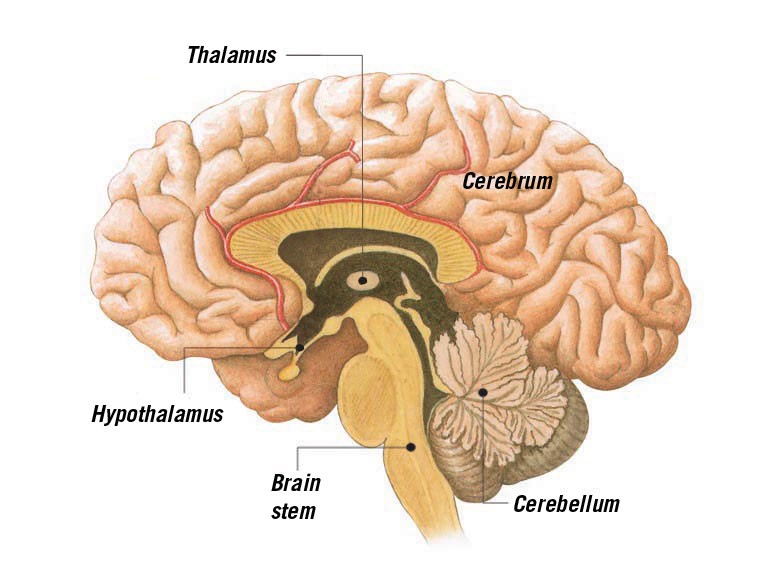
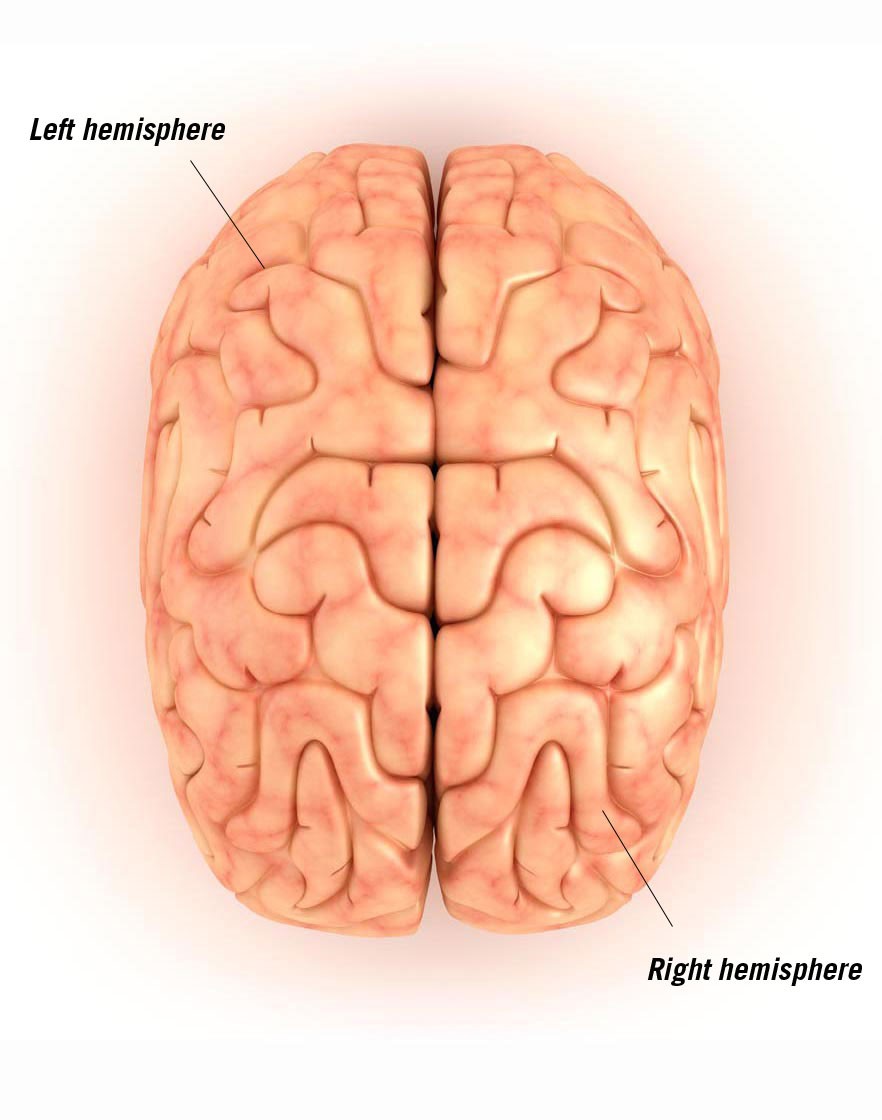
The third part, the cerebellum, is responsible for co-ordinating the skeletal muscles to ensure that that body movements are smooth, controlled and not jerky. The cerebrum, the fourth part, makes up about 85% of the brain’s mass. It is the seat of thought, intelligence, feeling, memory, and movement. Like the cerebellum, the cerebrum has two hemispheres, left and right, linked by masses of nerve cells.
Cerebrum
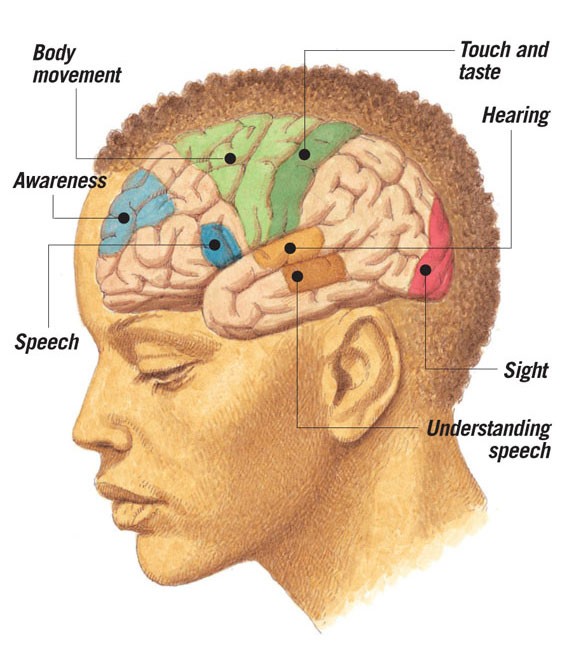
The cerebrum's outer layer, about 4 millimetres thick, is called the cerebral cortex. It is convoluted (folded over and over) greatly increasing the amount of it that can fit inside the skull. This is the part of the brain that enables you to think, sense, move, speak, remember, create—and much more. The cortex has areas called centres, each with a different role, that receive, process and send out nerve signals. For example, signals from the eyes are sorted and analysed in the sight centre at the back of the cerebrum, while the motor centres, which control muscle movements, are on the side.
The cerebrum’s left hemisphere controls the right side of the body and is important for language, reasoning, and scientific and mathematical skills. The right hemisphere controls the left side of the body and is important for musical, artistic and spatial awareness, and imagination.
Nerve centre
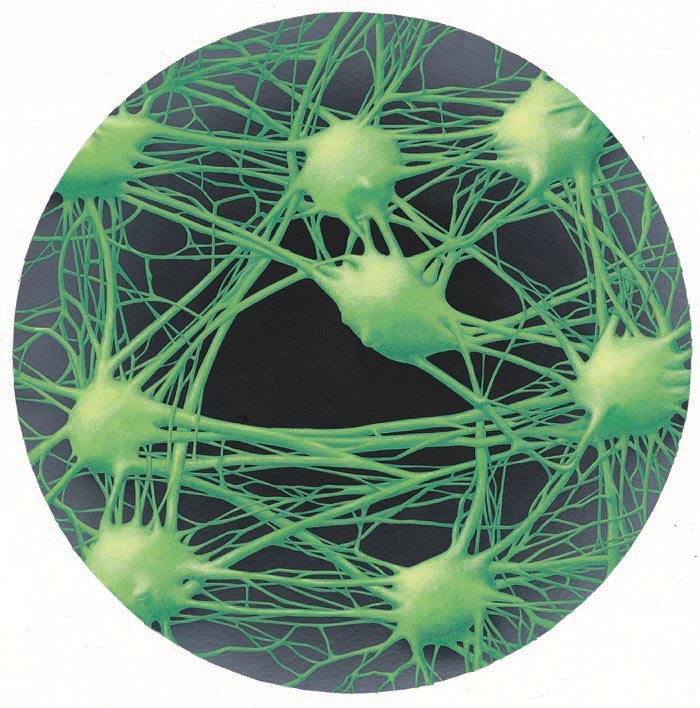
The brain contains some 100 billion nerve cells, or neurons. Each neuron is linked to many others, forming an incredibly complicated network with trillions of connections—greater than even the most advanced computer.
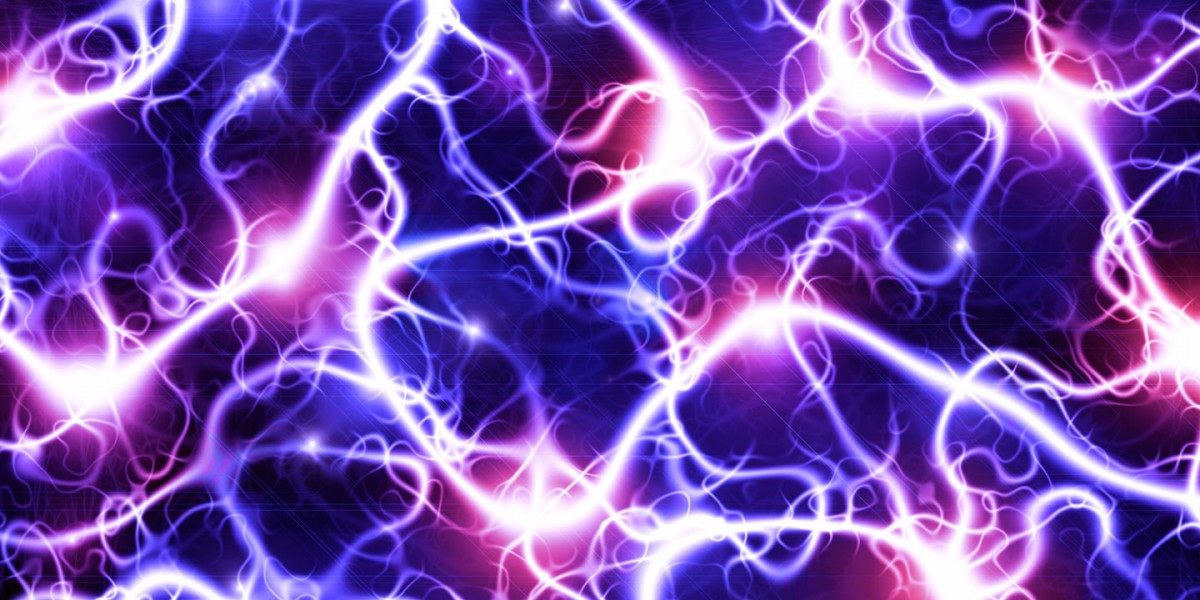
Electrical signals, called nerve impulses, move at high speed along, and between, the neurons that make up this vast network. This steady traffic of signals enable the brain to carry out its roles. Nerve signals from the eyes, ears, tongue and nose, for example, travel along the cranial nerves to the brain, where they are interpreted by as sights, sounds, tastes and smell.
Signals from your skin pass along nerves to your spinal cord which relays them to the brain so you can feel touch, pressure, heat, cold and pain. Other sensors updates the brain about what is happening inside the body so it can respond and control body activities.
Memories
Without memory you would not be able to identify a face, learn facts or remember a happy occasion. When you experience something, you usually retain a memory of it for a short time. But significant events or experiences are stored as memories in the connections between groups of neurons. If you recall a memory often, you “refresh” the pathway and keep it active. If not, the memory fades.
Consultant: Richard Walker
pics

Without in any way limiting Q-files Ltd’s exclusive rights under copyright, any use of this publication to “train” generative artificial intelligence (AI) technologies to generate text is expressly prohibited. Q-files Ltd reserves all rights to license use of this work for generative AI training and development of machine learning language models.