
Human body

CITE
We have made every effort to follow citation style rules, but there may be some minor differences. If in doubt, please refer to the appropriate citation style manual.
Why do we sleep?. (2026). In Q-files Encyclopedia, Life, Human body. Retrieved from
https://www.q-files.com/life/human-body/why-do-we-sleep
"Why do we sleep?." Life, Human body, Q-files Encyclopedia, 1 May. 2026.
https://www.q-files.com/life/human-body/why-do-we-sleep.
Accessed 7 Aug. 2026.
Why do we sleep? 2026. Life, Human body. Retrieved 7 August 2026, from
https://www.q-files.com/life/human-body/why-do-we-sleep
Life, Human body, s.v. "Why do we sleep?," accessed August 7, 2026.
https://www.q-files.com/life/human-body/why-do-we-sleep


Why do we sleep?
Sleep is a state where awareness of our surroundings is reduced. Scientists call this a state of "altered consciousness". Sleep is different from states of coma (prolonged unconsciousness) or hibernation because it can be rapidly reversed, and because while we are asleep our brains display very active patterns. All animals sleep for at least some period of each day; for we humans, the time we are asleep is equivalent to one third of our lives. A well-known feature of sleep is dreaming. It seems to resemble waking life while it is in progress, but which after we wake up is revealed as a fantasy.
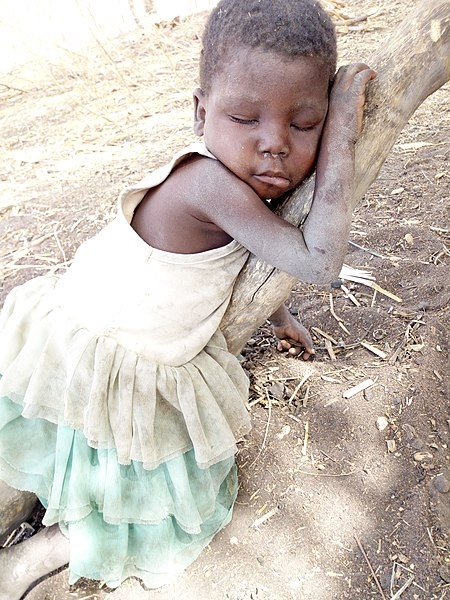

Reasons for sleeping
Sleeping for several hours made our ancestors in prehistoric times vulnerable to attack from wild animals. So the considerable risks of this must offer some kind of advantage in return, otherwise we would have soon become extinct as a species. Helping us to become more intelligent by improving our brain power, or more physically powerful by restoring our muscles to full strength, would count as such advantages.
In fact, scientists do not know for sure exactly why we sleep. There are several theories, however. One is that sleep plays an important role in the way we pick up and store memories—and shed unnecessary ones. During the day, our brains take in a vast amount of information. This needs to be processed and stored, and this happens mostly while we sleep. Overnight, some of the information we have received during the day is transferred from our short-term memory to our long-term memory, which is stronger. This is called consolidation.
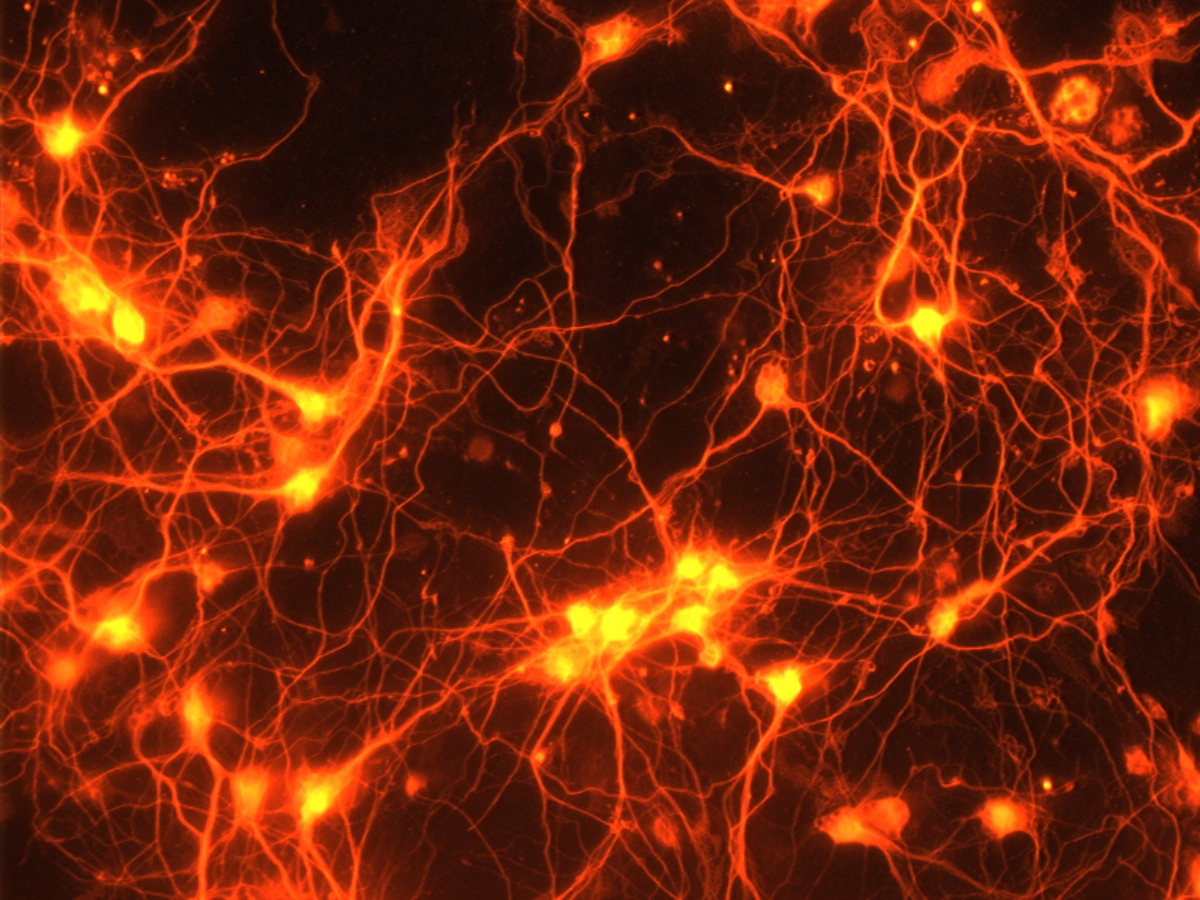
The brain's ability to re-organize itself in order to consolidate memories is called plasticity. Sleep may affect the brain's plasticity by strengthening the important connections between neurons, known as synapses, and removing the unimportant ones. Other cells in the brain, called glia (the name means "glue"), provide support and protection for neurons and may play an important part in this process. The removal of toxins (poisonous substances) that build up in the brain also takes place during sleep, and may be another major reason why we sleep.

Sleep deprivation
Sleep is essential to maintain our normal levels of speech, memory and thinking. After just one night without sleep, we feel grouchy and forgetful. We become more anxious and our levels of concentration drop. If sleep deprivation goes on for a long time, the part of the brain that controls language, memory and a sense of time becomes severely affected—practically shutting down. According to a 2014 study, 24 hours of sleep deprivation caused healthy people to have hallucinations and other symptoms of schizophrenia (abnormal behaviour, odd speech and a decreased ability to understand reality).
Research has also suggested that being deprived of sufficient sleep over long periods may increase the risk of obesity. This is because hormones that play a key role in controlling appetite are released during sleep. Sleep deprivation is also known to impair the immune system by limiting the body's ability to produce new white blood cells.
Building up sleep deprivation, then attempting to sleep for many hours to make up for it does not make up for the effects of a loss of sleep. Only by following a consistent routine that allow us to meet our sleep needs every night can we function properly.
Sleep cycles
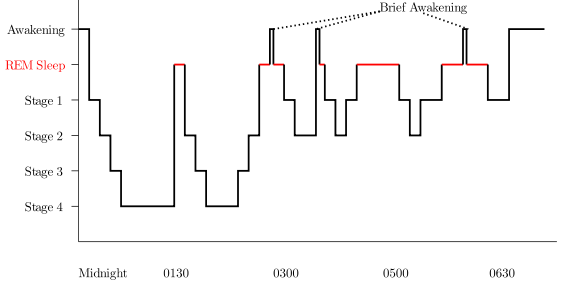
Sleep occurs in repeated cycles, divided into two categories: non-REM sleep (or NREM; it is further divided into four stages) and REM sleep (REM stands for rapid eye movement). A sleep cycle lasts between 90 and 110 minutes, and repeats 4–6 times in a good night's sleep.
During the first stage of NREM sleep, as our muscle activity slows down we are both half awake and half asleep. This is a period of light sleep: we can be awakened easily at this stage. After 10 minutes or so, we enter stage 2, during which our breathing and heart rate start to slow down. After about 20 minutes we enter what is called deep sleep, stage 3. Breathing and heart rate are at their lowest levels. The brain starts to produce delta waves (types of electrical activity). These waves that are both large (high amplitude) and slow (low frequency); for this reason, the deep sleep stage is also known as slow wave sleep. During our deepest sleep, stage 4, breathing is slow and rhythmic. If we are awakened during deep sleep, we do not adjust immediately, often feeling groggy and disorientated. Some children experience night terrors or sleepwalking (see below) during this stage.

The first REM period usually begins about 70 to 90 minutes after we fall asleep. REM sleep occurs as a person returns to stage 2 or 1 from a deep sleep. Although we are not conscious and the muscles of our body are paralysed, the brain is active—often more so than when we are awake. Our eyes dart around rapidly—hence the name—and our breathing rate and blood pressure both rise. This is the period when most dreams occur. After a period of REM sleep, 20 minutes or so, the whole cycle begins again.

How much sleep do we need?
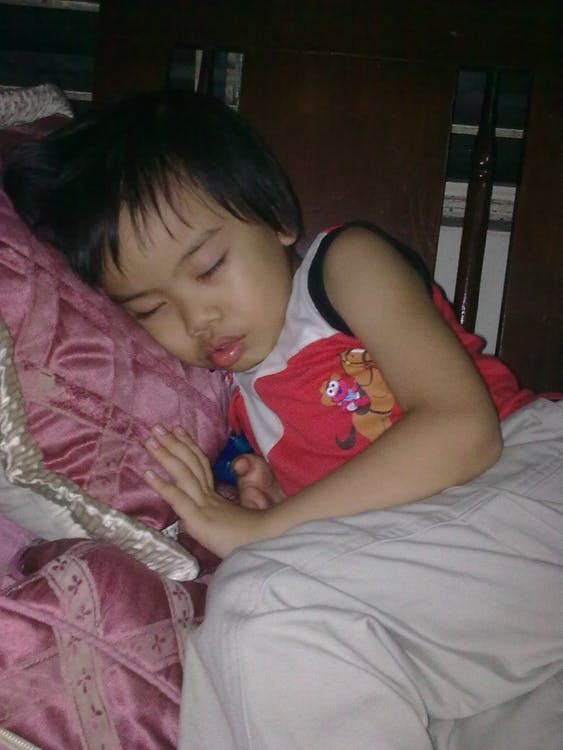
We all rely on the process of sealing information in our long-term memories which sleep appears to give us. But children—who are rapidly acquiring new knowledge and skills, and whose bodies are growing and developing all the time—have a greater need than adults, which is why they need to sleep for longer. While adults need 7 to 9 hours of sleep per night, one-year-olds need roughly 11 to 14 hours, school age children between 9 and 11, and teenagers between 8 and 10. Experts say that the length of time people need to sleep is whatever time it takes so as not to feel sleepy during the daytime.
Circadian clock
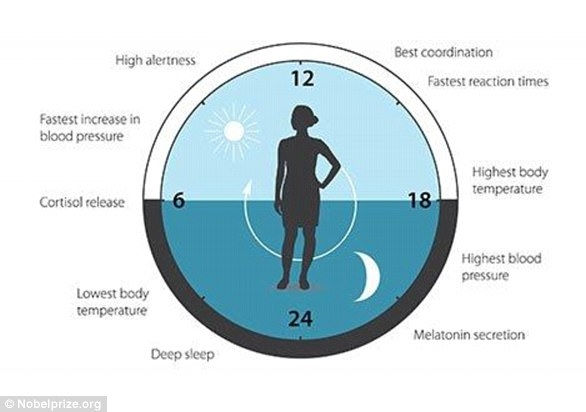
You have an internal clock that "tells" you when it is time to be asleep and when to be awake. Called the circadian, or biological, clock, it is controlled by the pineal gland in your brain. This secretes (produces) a hormone called melatonin during the hours of darkness, but stops during the day. This hormone signals not only when it is time to sleep or wake up, but other activities as well, including eating and opening your bowels. These all form all part of what is known as the circadian rhythm, something all animals have. You become aware of the importance of the circadian rhythm when you travel long distance to a different time zone. Your circadian clock becomes confused by the new times; the process of adjustment may take a few days. This confused feeling is known as jet lag.
The word "circadian" comes from the Latin circa (meaning "approximately") and diem ("a day"), since the asleep–awake cycle repeats roughly every 24 hours. Your circadian clock is "set" by changes in natural light—daylight and darkness—since these are its main clues for what time it is. Receiving even small amounts of light during the night can upset the clock. Melatonin production slows down, leading to an increase in body temperature and wakefulness.
Why do we yawn?
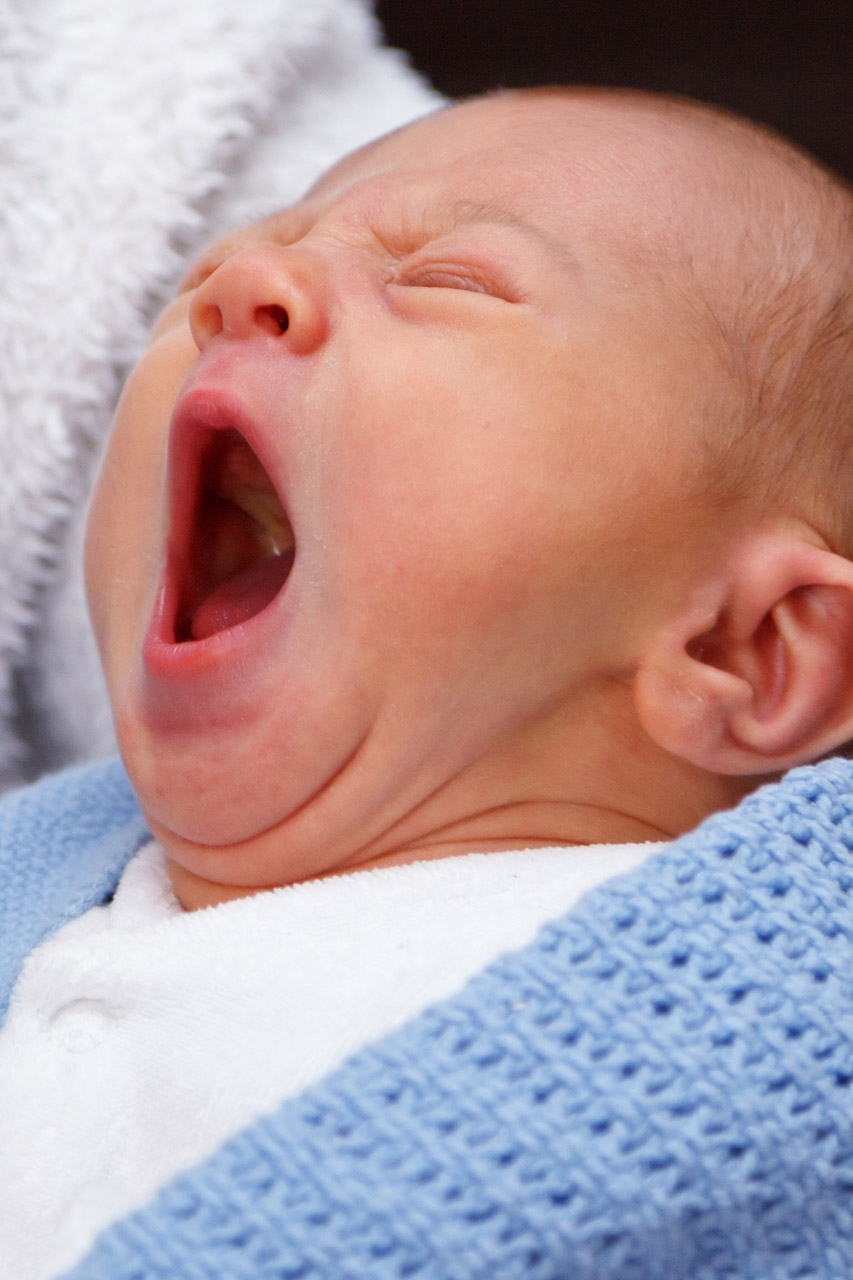
Yawning most often occurs immediately before and after sleep, during a boring event or activity of some kind, or simply as a result of seeing someone else yawn (contagious yawning). We also yawn at times of stress: athletes often yawn before a race, musicians before a concert. No one knows why we yawn. One theory is that yawning might help to chill the brain and stop it overheating, making us more alert. Contagious yawns could therefore help a whole group to focus better.
Why do we dream?
During sleep, especially REM sleep, you tend to have dreams. While a dream is in progress, it contains experiences that seem realistic to you despite the odd goings-on. Dreams can seamlessly involve people, things or places within your mind that would not normally go together.
There are many opinions about why we have dreams and what they mean, but no one knows for sure. The Austrian psychoanalyst Sigmund Freud (1856–1939) believed that our dreams gave insight into our hidden desires and emotions. Other experts suggest that dreams help to form long-term memories or to solve problems. Some scientists have put forward a theory that dreams may be caused by random nerve signals taking place in the cerebral cortex, the outer layer of the cerebrum, the largest part of the brain) during the REM period. The forebrain (the part that is responsible for thinking and perceiving) then creates a story in an attempt to make sense of the nonsensical information it is receiving.

Night terrors and nightmares
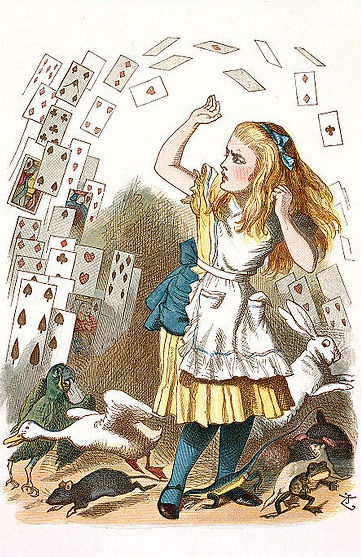
Night terrors are different from nightmares. Both are most common amongst children, but they may sometimes affect adults. Night terrors involve feelings of panic or dread. They occur during the first hours of deep sleep, and may last for up to 15 minutes. A child having night terrors may scream and thrash around, and may not recognize their parents or whoever tries to comfort them. Although his or her eyes will be open, the child will not be fully awake during these episodes and will have no memory of them the next morning.
Nightmares are dreams during REM sleep that cause feelings of anxiety or fear. Someone waking up from a nightmare may well be able to remember and describe the bad dream.
Sleepwalking
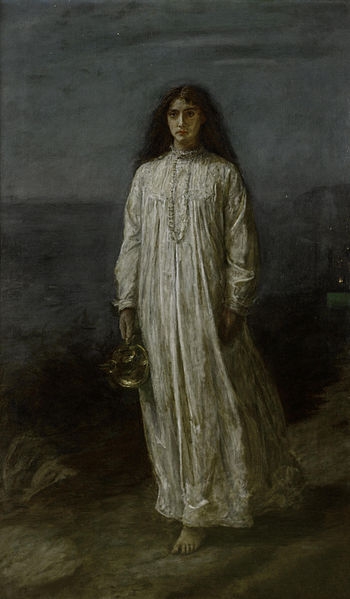
Sleepwalking, also known as somnambulism, is a state of combined sleep and wakefulness. It occurs during the slow wave sleep stage—within the first few hours of falling asleep—and may last for anything between 30 seconds to 30 minutes. Although sleepwalkers' eyes are open with their pupils dilated, their expression is blank and glazed over. They do things that usually only happen during a state of full consciousness such as talking, sitting up in bed, getting dressed or walking to the bathroom. In rare cases, they may try to cook, make violent gestures or even drive a car. On waking, sleepwalkers may be confused and have little or no memory of what they did.
The cause of sleepwalking is unknown. It can start at any age but it is more common in children (although it can persist into adulthood). There is no evidence to show whether waking sleepwalkers is harmful or not. The sleepwalker is likely to be disorientated if awakened, however, since sleepwalking occurs during the deepest stage of sleep.
Consultant: Kristina Routh
Other Q-&-As to explore:
For a full list of all our Q&As, please click here.
If you have a question that you would like to see answered on Q-files, please send us an email to info@Q-files.com or use the contact us page.
pics


Without in any way limiting Q-files Ltd’s exclusive rights under copyright, any use of this publication to “train” generative artificial intelligence (AI) technologies to generate text is expressly prohibited. Q-files Ltd reserves all rights to license use of this work for generative AI training and development of machine learning language models.