
Age of Dinosaurs

CITE
We have made every effort to follow citation style rules, but there may be some minor differences. If in doubt, please refer to the appropriate citation style manual.
Why did the dinosaurs die out?. (2026). In Q-files Encyclopedia, Prehistoric, Age of Dinosaurs. Retrieved from
https://www.q-files.com/prehistoric/age-of-dinosaurs/why-did-the-dinosaurs-die-out
"Why did the dinosaurs die out?." Prehistoric, Age of Dinosaurs, Q-files Encyclopedia, 10 Mar. 2026.
https://www.q-files.com/prehistoric/age-of-dinosaurs/why-did-the-dinosaurs-die-out.
Accessed 21 Sep. 2026.
Why did the dinosaurs die out? 2026. Prehistoric, Age of Dinosaurs. Retrieved 21 September 2026, from
https://www.q-files.com/prehistoric/age-of-dinosaurs/why-did-the-dinosaurs-die-out
Prehistoric, Age of Dinosaurs, s.v. "Why did the dinosaurs die out?," accessed September 21, 2026.
https://www.q-files.com/prehistoric/age-of-dinosaurs/why-did-the-dinosaurs-die-out


Why did the dinosaurs die out?
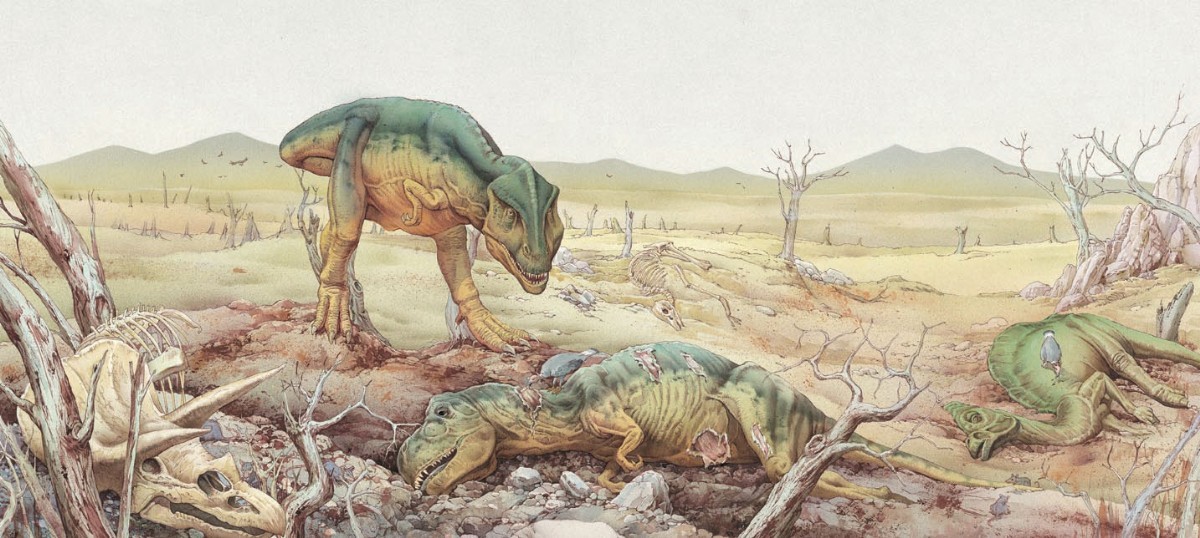
The dinosaurs, along with a large number of other species, died out quite abruptly at the close of the Cretaceous Period, 66 million years ago. Apart from sea turtles and crocodiles, no large animal survived. Altogether, around three-quarters of all known species vanished for ever. The sudden death of so many living things is called a mass extinction. From studying their fossils, we know that the dinosaurs dominated life on Earth for around 175 million years. Then quite suddenly they vanished from the fossil record. What could have caused this terrible disaster?
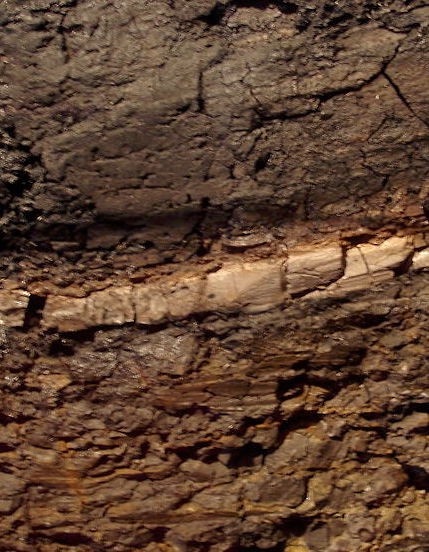
K-Pg boundary
Layers of sedimentary rock represent periods in the Earth's history. If something happened to explain why the dinosaurs died out at the end of the Cretaceous Period, then a close examination of the boundary between rocks laid down in the Cretaceous and those in the period following it, the Palaeogene, might reveal the answer.
This boundary is known to geologists as the K–Pg boundary. Marking that boundary throughout the world is a thin layer of clay. It shows high levels of the metal iridium, which is rare in the Earth's crust but abundant in asteroids.
Asteroid collision
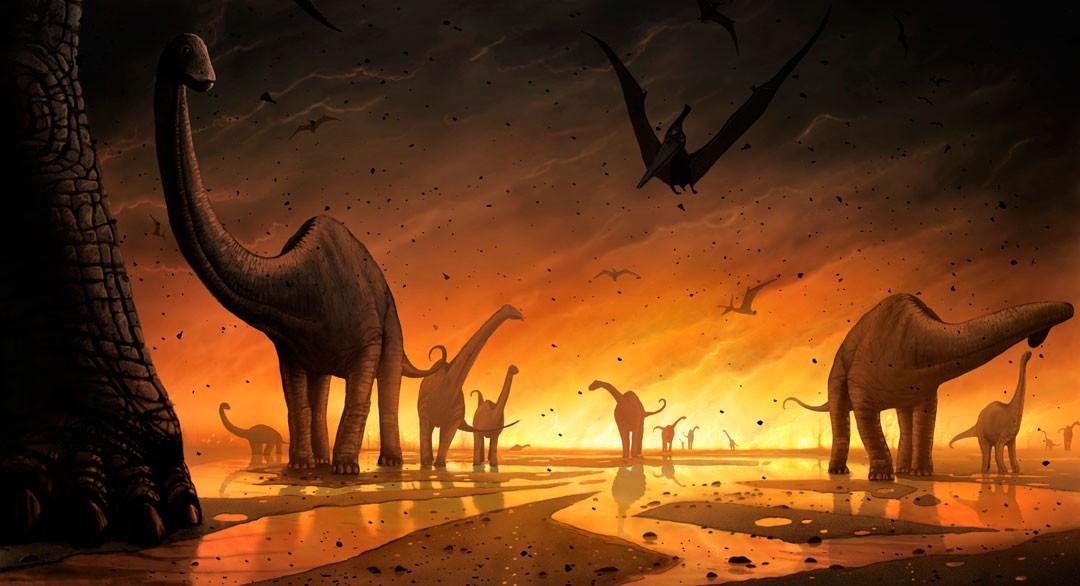
This has led many scientists to propose that the extinction was triggered by a massive asteroid (a large rocky object in space) crashing into the Earth. The resulting explosion may have filled the atmosphere with dust, blotting out the sun and lowering temperatures for years on end. Photosynthesis by plants was drastically interrupted. Plants withered away and, with them, the plant-eating dinosaurs, perishing from hunger. Having no prey, the flesh-eaters soon followed.


Vital evidence
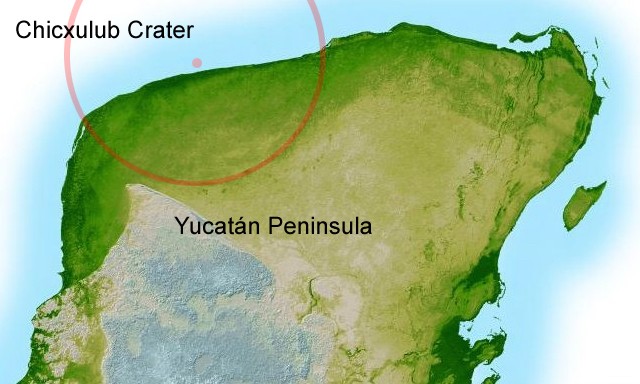
This theory was boosted by the discovery of the 180-kilometre-wide (112 mile) Chicxulub crater in the Gulf of Mexico in the early 1990s. This provided evidence of the asteroid collision, and that the K–Pg boundary clay contained debris from the impact. Iridium dust, thrown up by the exploding asteroid settled on the surface, then was later compacted into the rocks of the time.
Some scientists have suggested that the eruption of a supervolcano in the Deccan Traps region of India, known to have occurred also around 66 million years ago, could have contributed to the global environmental catastrophe.
Survivors
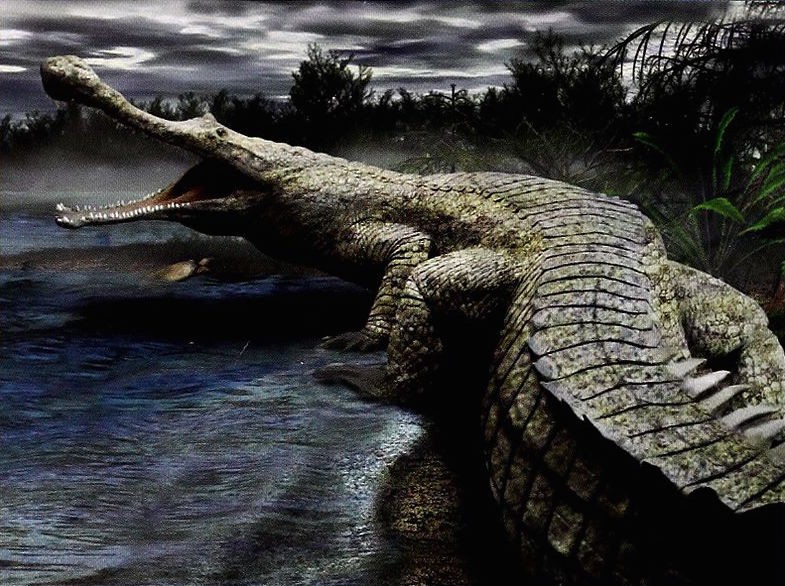
Why did dinosaurs fail, while birds, mammals and even some other reptiles, made it through? Animals that could burrow, swim or dive would have been able to shelter themselves from the immediate effects. Crocodiles, the only other large land reptiles around besides the dinosaurs, survived because they could go for several months without eating, whereas dinosaurs could not. Lizards and snakes could more easily adapt to new habitats.
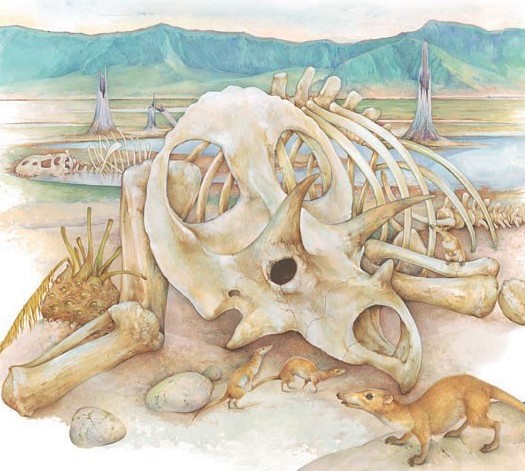
Mammals and birds possessed a number of advantages over dinosaurs. By being small, they could find shelter more easily: under the ground, in trees or in water and marshland. They could also survive on a meagre diet, scavenging for whatever food they could find in a harsh environment.
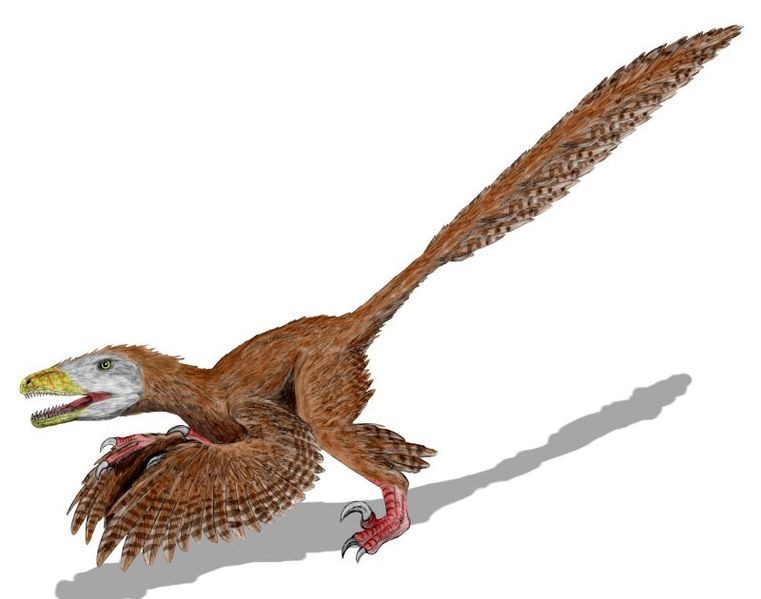
Birds, which evolved in the Jurassic Period, are, in fact, relatives of small, feathered dinosaurs. Some theropods, such as Deinonychus and Velociraptor, closely resembled flightless birds. So it could be said that dinosaurs live on to this day.
Consultant: Chris Jarvis
Other Q-&-As to explore:
For a full list of all our Q&As, please click here.
If you have a question that you would like to see answered on Q-files, please send us an email to info@Q-files.com or use the contact us page.
pics
Without in any way limiting Q-files Ltd’s exclusive rights under copyright, any use of this publication to “train” generative artificial intelligence (AI) technologies to generate text is expressly prohibited. Q-files Ltd reserves all rights to license use of this work for generative AI training and development of machine learning language models.