
Life

CITE
We have made every effort to follow citation style rules, but there may be some minor differences. If in doubt, please refer to the appropriate citation style manual.
Mass extinction?. (2026). In Q-files Encyclopedia, Life, Life. Retrieved from
https://www.q-files.com/life/life/mass-extinction
"Mass extinction?." Life, Life, Q-files Encyclopedia, 24 Mar. 2026.
https://www.q-files.com/life/life/mass-extinction.
Accessed 6 Aug. 2026.
Mass extinction? 2026. Life, Life. Retrieved 6 August 2026, from
https://www.q-files.com/life/life/mass-extinction
Life, Life, s.v. "Mass extinction?," accessed August 6, 2026.
https://www.q-files.com/life/life/mass-extinction


Mass extinction?
A 2015 report by scientists at Stanford, Princeton and Berkeley universities found that vertebrates (animals with backbones) are vanishing more than 100 times faster than normal. It warns that species all over the world are “essentially the walking dead”. "We are now entering the sixth great mass extinction event," said one of the report's authors, Gerardo Ceballos. "If it is allowed to continue, life would take many millions of years to recover". Climate change, pollution and deforestation were all cited as causes. It is “still possible through intensified conservation effects” to rescue the situation, however.

The research examined historic rates of extinction for vertebrates. They found that since 1900 well over 400 vertebrates have disappeared. This extinction rate is 100 times higher than it would have been without man’s impact. The Centre for Biological Diversity has warned that a “snowball” effect could start to take hold, in which some extinctions lead to more and more losses. This is because as ecosystems suffer the loss of species, other species dependent on the lost ones tend to die out too.
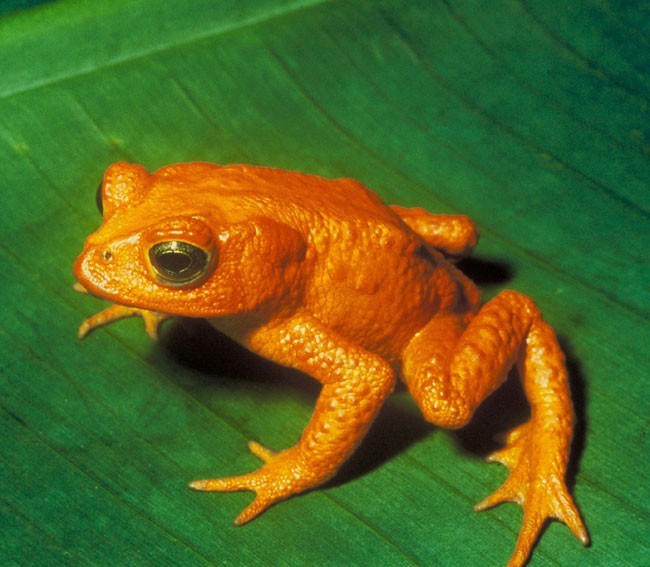
Scientists say that just nine extinctions among vertebrates would normally have been expected to occur in natural circumstances since 1900. But, the report, working on conservative estimates, has identified a further 468 extinctions, made up of certain mammal, bird, reptile, amphibian and fish species. Examples of recently lost species include the Yangtze dolphin, the Costa Rica golden toad—and now the eastern cougar, finally removed from the endangered list on 17th June 2015.
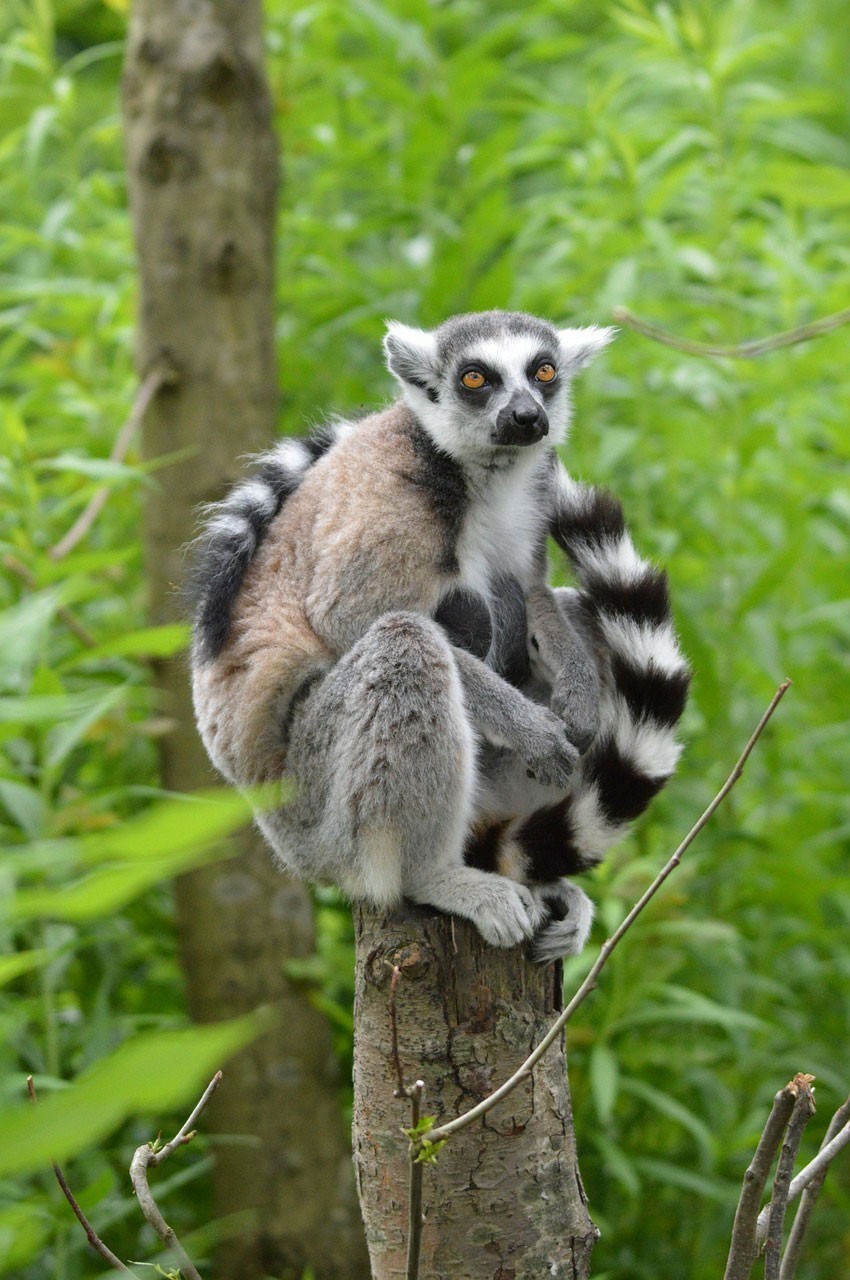
The International Union for Conservation of Nature (IUCN) says that 94% of lemurs are now under threat, with more than a fifth of all lemur species classed as "critically endangered", the the highest risk category assigned by the IUCN for wild species. As well as seeing their habitat in Madagascar destroyed by logging, lemurs are also regularly hunted for their meat.
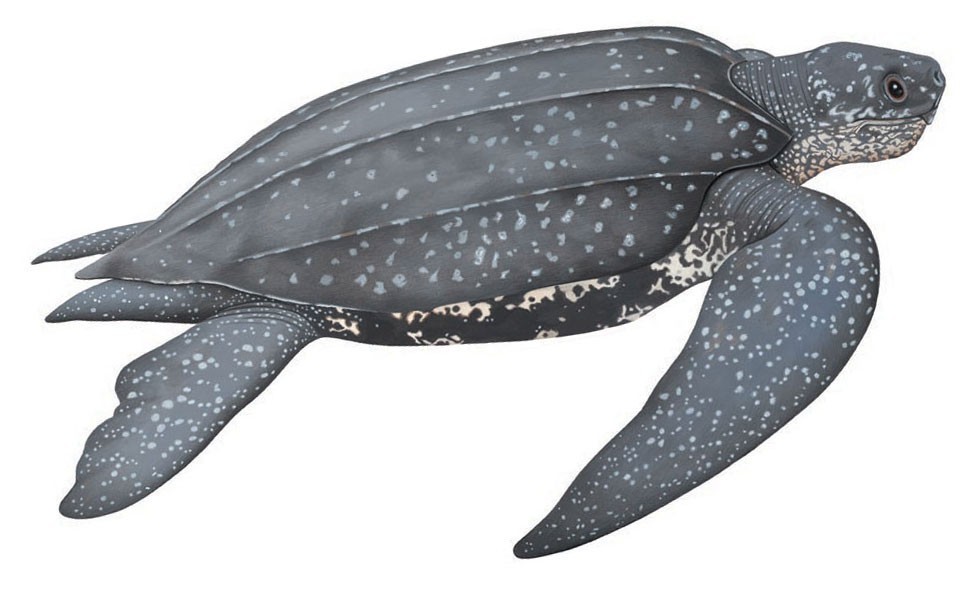
Next to go could be the black rhino, the leatherback turtle, the Sumatran orang-utan, the South China tiger, along with a number of other familiar animals.
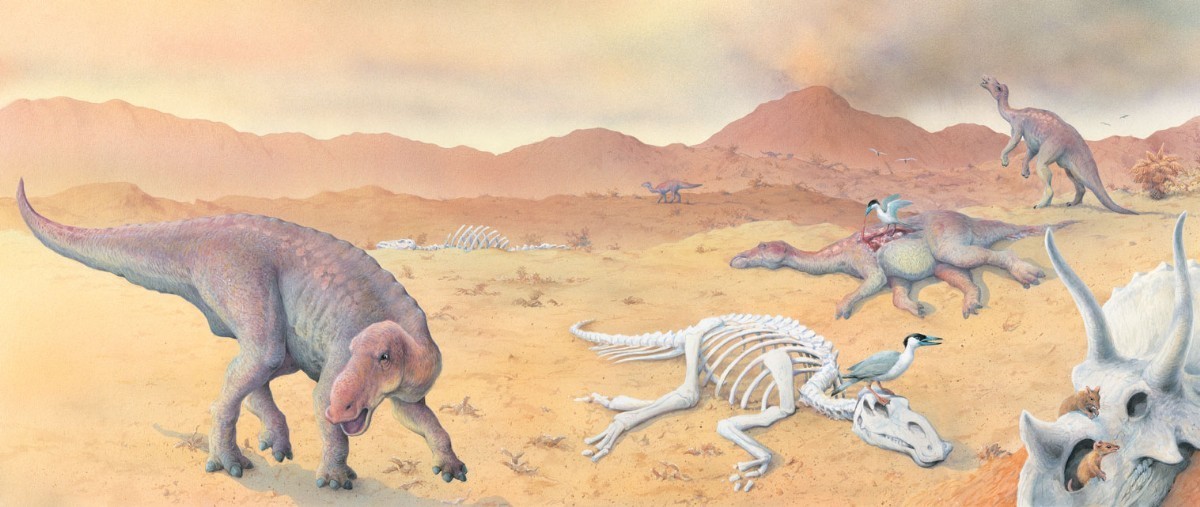
The last similar extinction phase, scientists say, took place about 66 million years ago, when the dinosaurs died out—very likely due to the effects of an asteroid smashing into the Earth. Before that, four great mass extinctions rocked the natural world: one at the end of the Ordovician Period (443 million years ago); another during the Late Devonian (360 million years ago); a third, the Permian-Triassic mass extinction, the greatest of all, known as "The Great Dying", during which more than 95% of species disappeared (250 million years ago); then the Triassic-Jurassic mass extinction (200 million years ago).
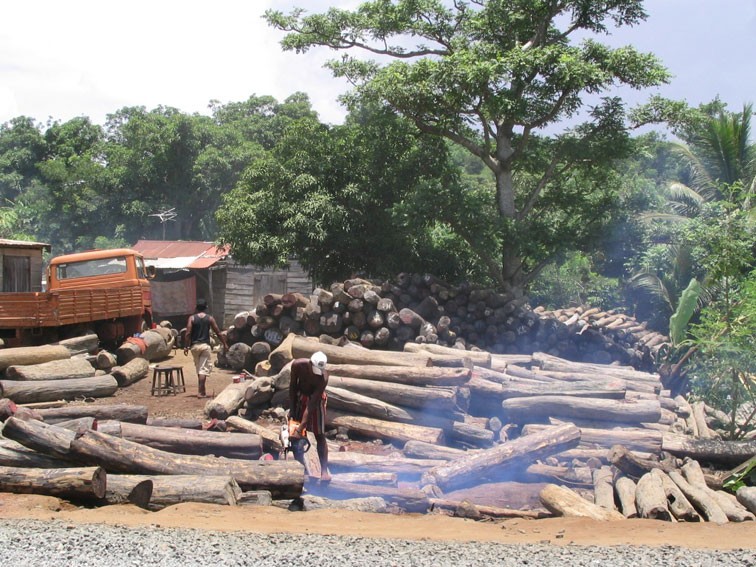
However, far from being the latest in a series of similar events in Earth's history, the current wave of extinctions is nothing like anything that has happened before. Mark Williams, a palaeontologist at the University of Leicester, points out that whereas previous extinctions were caused by catastrophic natural events such as massive volcanic eruptions or asteroid impacts, the current extinctions are being driven entirely by the activities of one single species: Homo sapiens.
Consultant: Chris Jarvis
pics
Without in any way limiting Q-files Ltd’s exclusive rights under copyright, any use of this publication to “train” generative artificial intelligence (AI) technologies to generate text is expressly prohibited. Q-files Ltd reserves all rights to license use of this work for generative AI training and development of machine learning language models.