
Mammals

CITE
We have made every effort to follow citation style rules, but there may be some minor differences. If in doubt, please refer to the appropriate citation style manual.
Dolphins and porpoises. (2026). In Q-files Encyclopedia, Life, Mammals. Retrieved from
https://www.q-files.com/life/mammals/dolphins-and-porpoises
"Dolphins and porpoises." Life, Mammals, Q-files Encyclopedia, 24 Mar. 2026.
https://www.q-files.com/life/mammals/dolphins-and-porpoises.
Accessed 6 Aug. 2026.
Dolphins and porpoises 2026. Life, Mammals. Retrieved 6 August 2026, from
https://www.q-files.com/life/mammals/dolphins-and-porpoises
Life, Mammals, s.v. "Dolphins and porpoises," accessed August 6, 2026.
https://www.q-files.com/life/mammals/dolphins-and-porpoises


Dolphins and porpoises
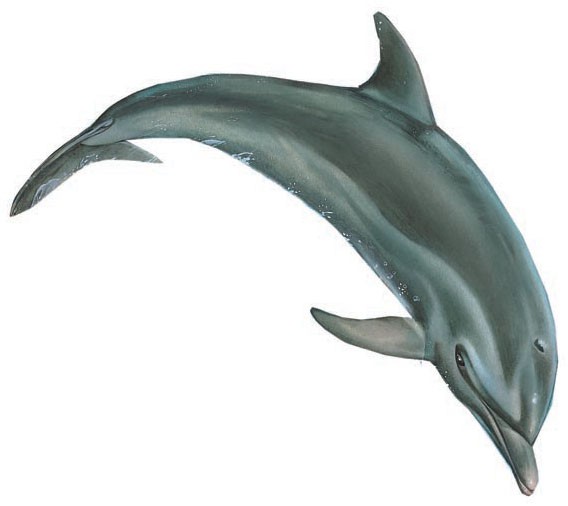
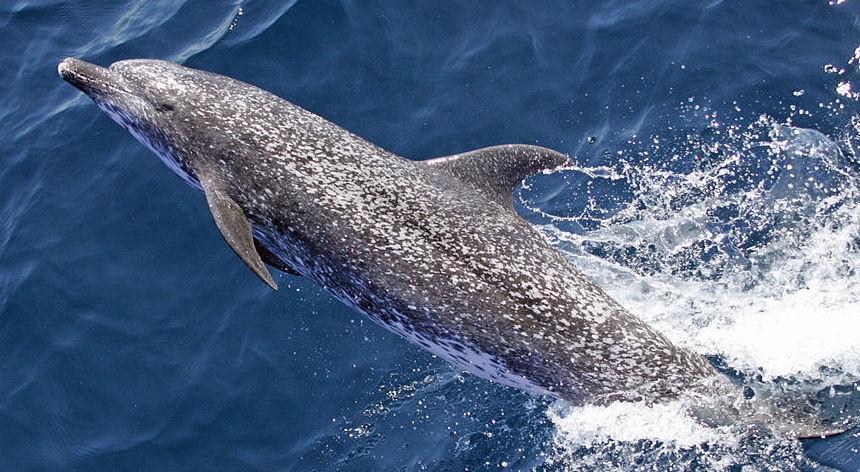
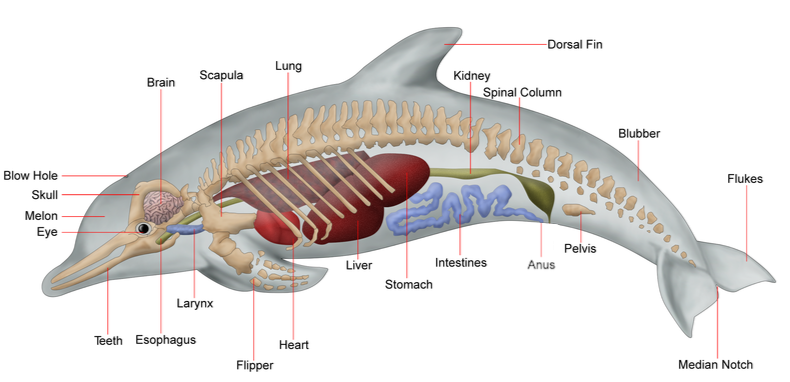
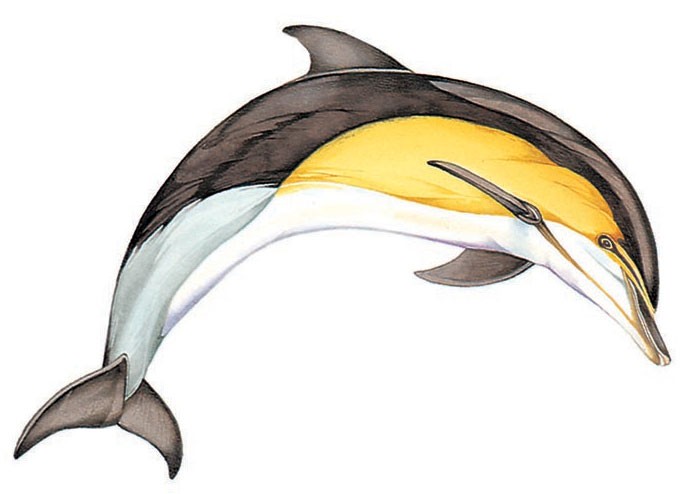
Dolphins, like whales, are mammals that live permanently in the water. Along with whales and porpoises, they belong to the cetacean group. There are 41 species of dolphin, ranging in size from less than 1.4 metres (less than 5 feet) long to the orca (killer whale), about 9 metres (30 feet) in length. Dolphins have a single backward-curving, dorsal (back) fin, and many species have a beak-like snout. All dolphins have teeth and feed mostly on fish or squid, which they chase through the water at speed. They have good eyesight and exceptional hearing.
Pods
Most dolphins are social animals. A group of 10–12 dolphins swimming together is called a pod. They sometimes merge temporarily to form larger groups, called "superpods", which can number up to 10,000.
Male dolphins are called bulls, females cows and their young calves. Pods may stay together for life. The dolphins call to one another using squeaks and clicks. Individuals frequently move between groups, but some species, such as the killer whale, form stable family pods.
Head
The dolphin's head contains the melon, an organ it uses for echolocation—sounding out signals, which bounce off objects around them, such as the seabed or other marine animals, and receiving them back, enabling them to form a sound "picture" of their surroundings. Many species have long jaws inside a distinct beak. Some have up to 250 teeth. Dolphins breathe through a blowhole on top of their head. They can make a range of sounds, including clicks and whistles, which they use to communicate with one another and for echolocation.
Intelligence
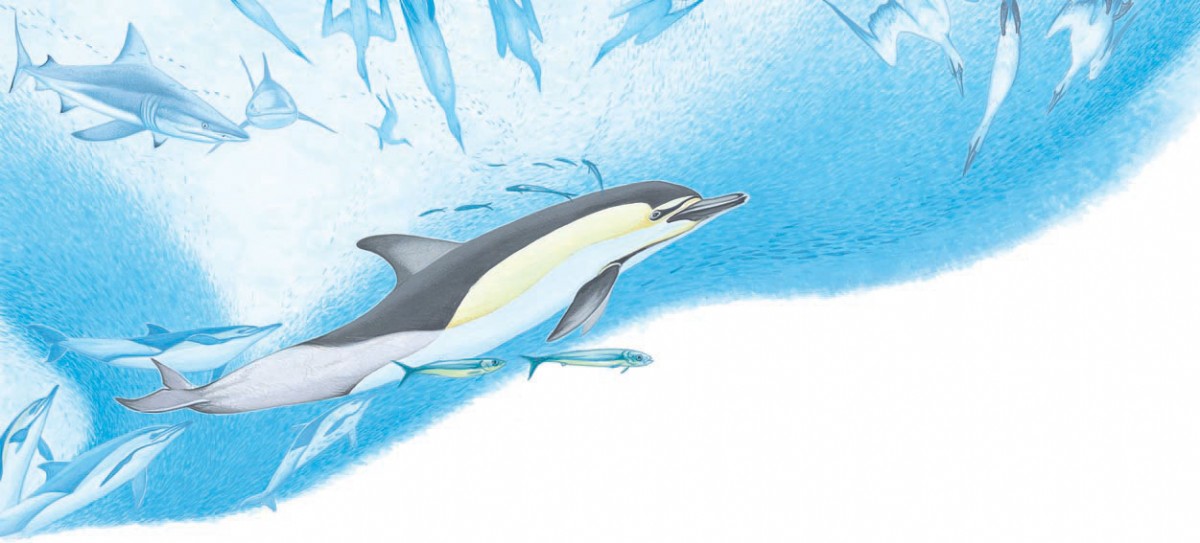
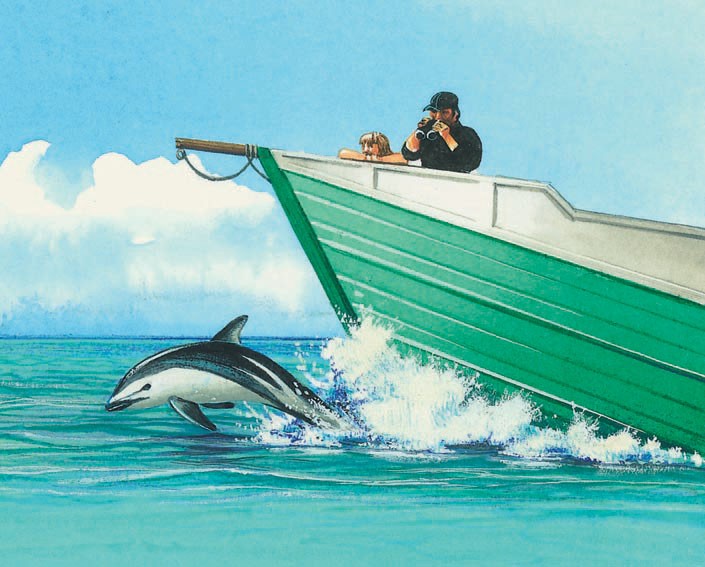
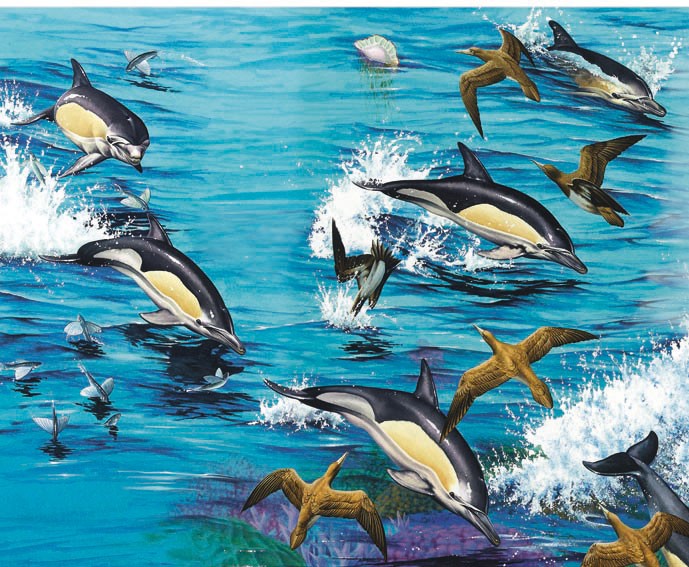
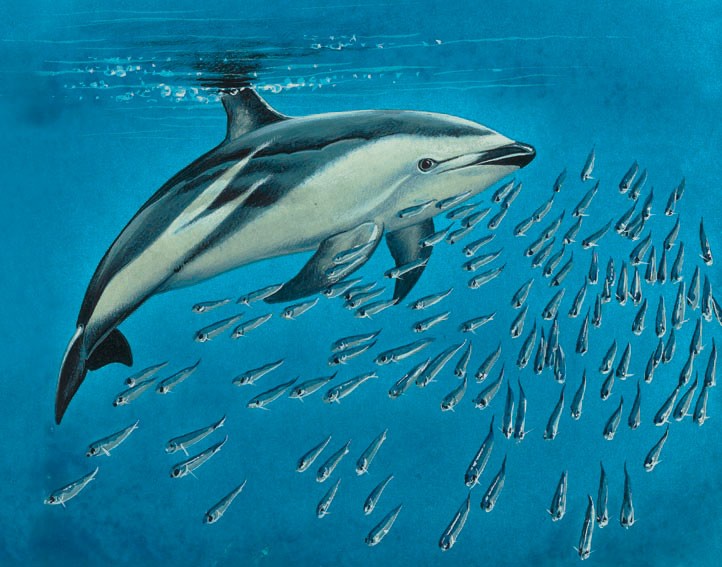
Dolphins are highly intelligent, inquisitive animals. Some kinds will often swim beside boats or come up to investigate humans if they enter the water. Dolphins work together to round up fish. When they find a shoal of fish, they leap around them and slam their bodies against the water. The loud noises frighten the fish so that they crowd together into a tight ball known as a bait ball. This makes it easier for the dolphins to catch them in their mouths.
Acrobatics
Dolphins are famous for their acrobatics and often leap high out of the water when they swim, known as breaching. This is because it is easier to move through air than water—so they can save energy on long trips. They can also leap up to 4 metres (13 feet) into the air and do twists, backflips and somersaults. These acrobatics may be a way of taking in air quickly while swimming at top speed, a way of signalling—or it may be that the dolphins are simply having fun.
Dolphins may also perform spyhopping, in which they rise out of the water and hold their heads and upper bodies in position for a time while they take in the view around them, perhaps in order to look out for prey

Lobtailing
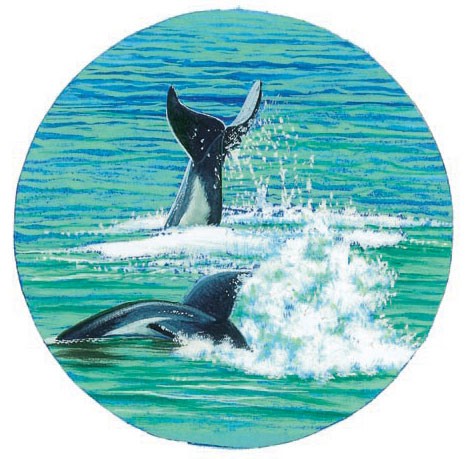
Dolphins use their fins to steer and keep them stable as they swim along; they also act as brakes. They slap their tails (flukes) against the water's surface to tell each other they have found fish to eat and whereabouts they are. This is called lobtailing.
River dolphins
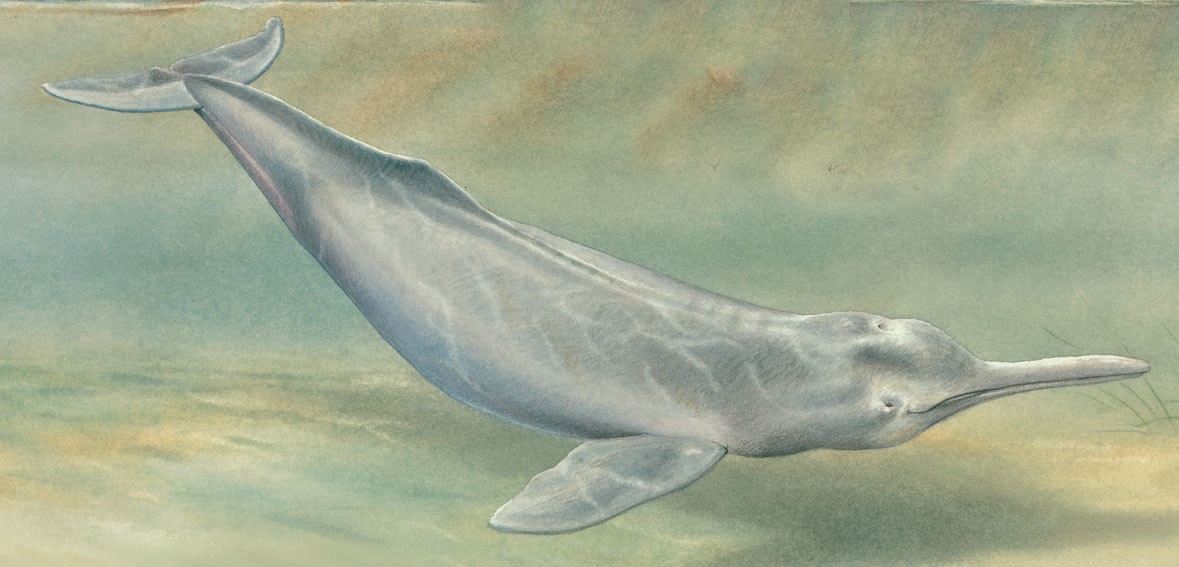
Most dolphins live in the oceans, but a few live in large rivers. The few species of dolphin that live in the long rivers of India, China and South America are almost blind and rely completely on echolocation to find their way through the muddy waters. The Amazon dolphin, or boto, has a long, slender beak with up to 140 pointed teeth. Dams, which block rivers, polluted waters and accidental capture in fishing nets are all threats to the survival of the Amazon dolphin.

Porpoises
Porpoises are smaller than dolphins, and have blunt snouts. They have small, flattened teeth rather than the pointed teeth of dolphins. Porpoises usually live alone or in small groups. Most are shy animals that stay below the surface of the water as often as possible. This means that they are rarely seen by humans.
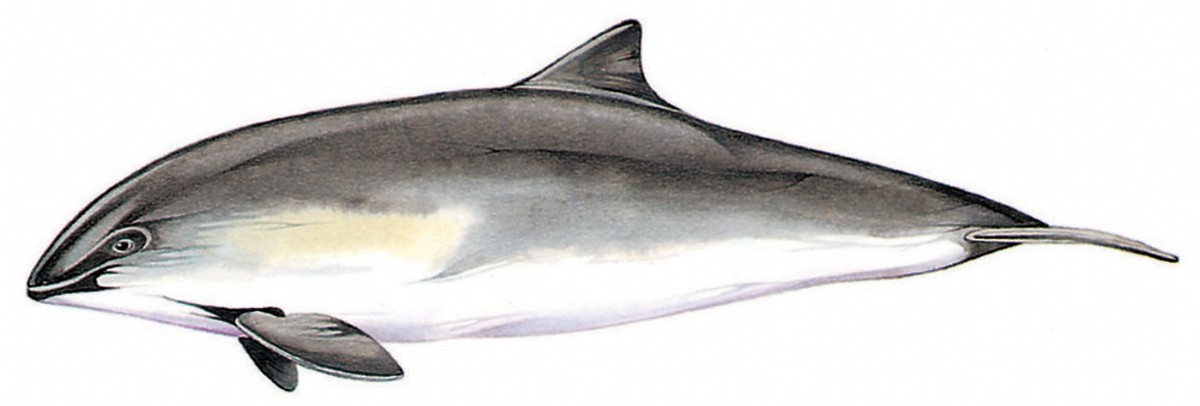
The harbour porpoise is found in shallow, coastal waters, estuaries and rivers in the Northern Hemisphere. It rarely shows itself above water, although it must, of course, surface to breathe. It eats fish, such as herring or mackerel, squid and shrimp. Harbour porpoises often get caught up in fishing nets.
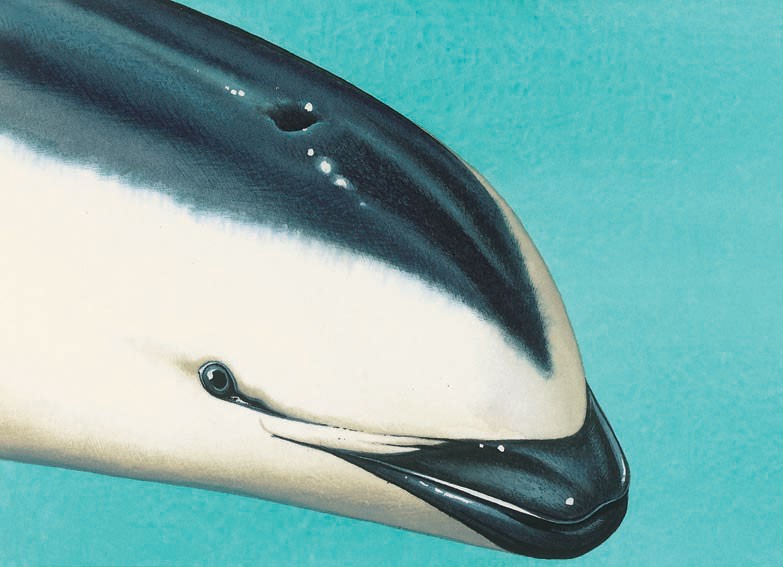
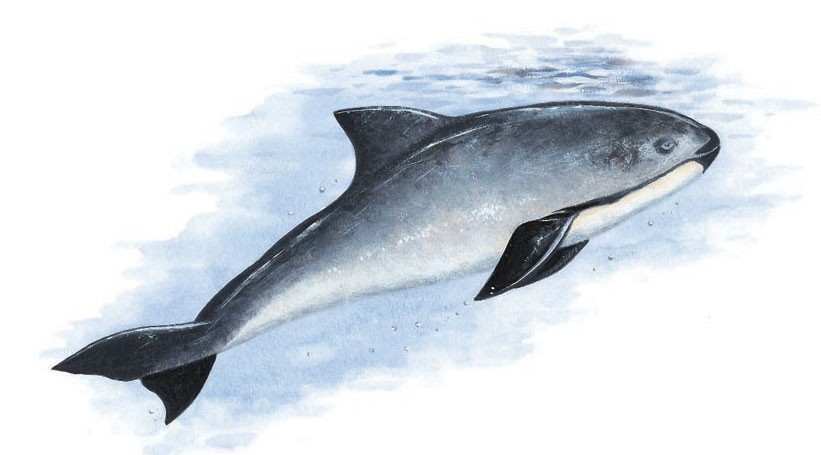
Vaquitas are the smallest cetaceans in the world. These small porpoises are found only in the northern part of the Gulf of California where they eat fish and squid. Their numbers are threatened by polluted water and from being accidentally caught in fishing nets. Scientists estimate there are just seven or eight individuals left.
Consultant: Chris Jarvis
pics

Without in any way limiting Q-files Ltd’s exclusive rights under copyright, any use of this publication to “train” generative artificial intelligence (AI) technologies to generate text is expressly prohibited. Q-files Ltd reserves all rights to license use of this work for generative AI training and development of machine learning language models.