
Mammals

CITE
We have made every effort to follow citation style rules, but there may be some minor differences. If in doubt, please refer to the appropriate citation style manual.
Rodents. (2026). In Q-files Encyclopedia, Life, Mammals. Retrieved from
https://www.q-files.com/life/mammals/rodents
"Rodents." Life, Mammals, Q-files Encyclopedia, 24 Mar. 2026.
https://www.q-files.com/life/mammals/rodents.
Accessed 21 Sep. 2026.
Rodents 2026. Life, Mammals. Retrieved 21 September 2026, from
https://www.q-files.com/life/mammals/rodents
Life, Mammals, s.v. "Rodents," accessed September 21, 2026.
https://www.q-files.com/life/mammals/rodents


Rodents
Rodents are a very large group of mammals that includes mice, rats and squirrels, as well as beavers, dormice, lemmings and porcupines. They are usually small animals, with short legs and a tail that can be long or barely visible. All rodents have a set of grinding teeth and a single pair of long, sharp front teeth, called incisors, on both their upper and lower jaws. These incisors grow constantly and must be kept short by gnawing. Rodents have many young at once, and a short breeding cycle, meaning they reproduce extremely quickly.
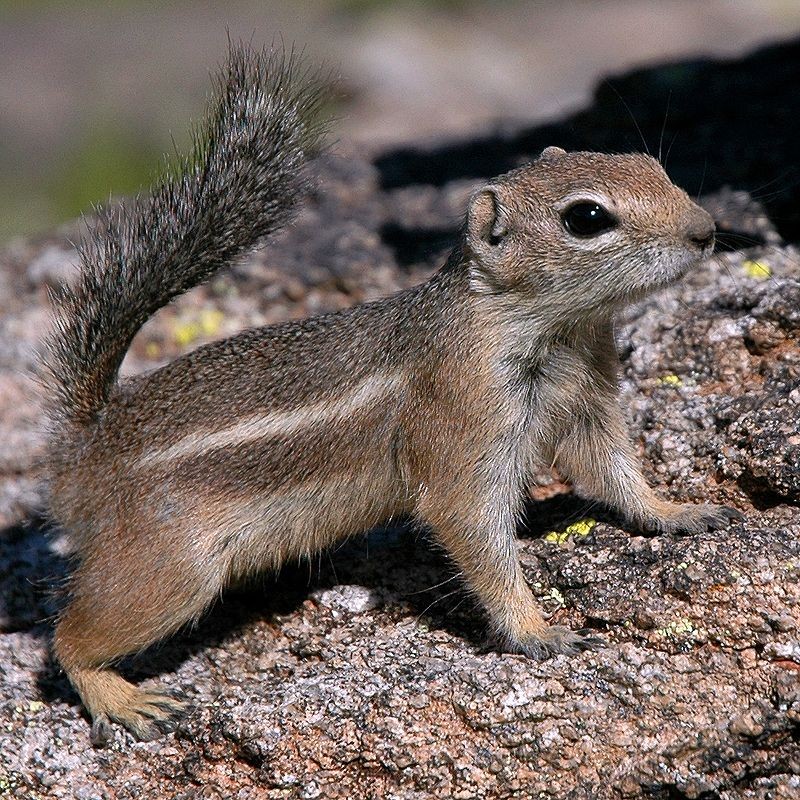

Gnawing teeth
Rodents feed mainly on plant material including nuts, seeds, fruits, leaves, bark and wood. Their front gnawing teeth keep growing all the time to avoid getting worn down by such a tough diet. Although rodents are mainly herbivorous, some may also eat insects or other small animals.
Family life
Most kinds of rodents live in groups, from small families of beavers to large colonies of ground squirrels or prairie dogs. Many live underground but others, such as tree squirrels and flying squirrels, nest in trees. Harvest mice weave tiny grass nests between tall reeds or stems.

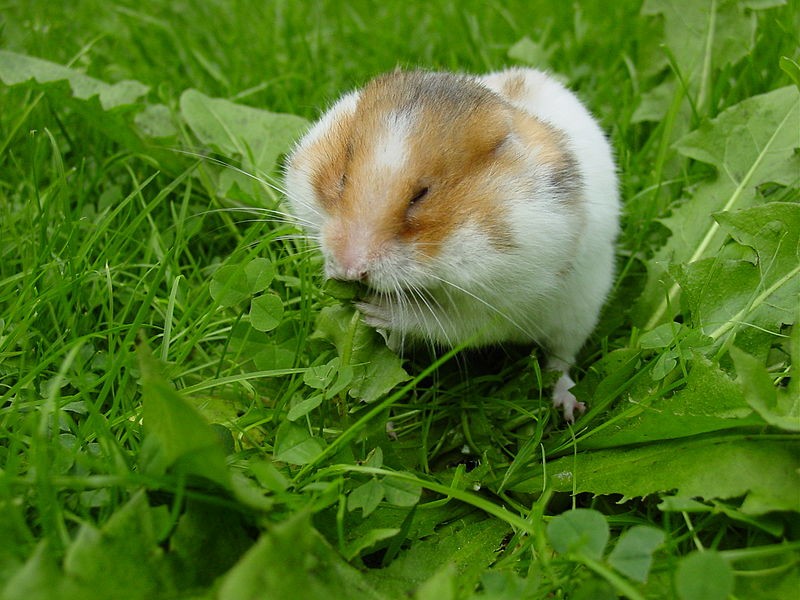
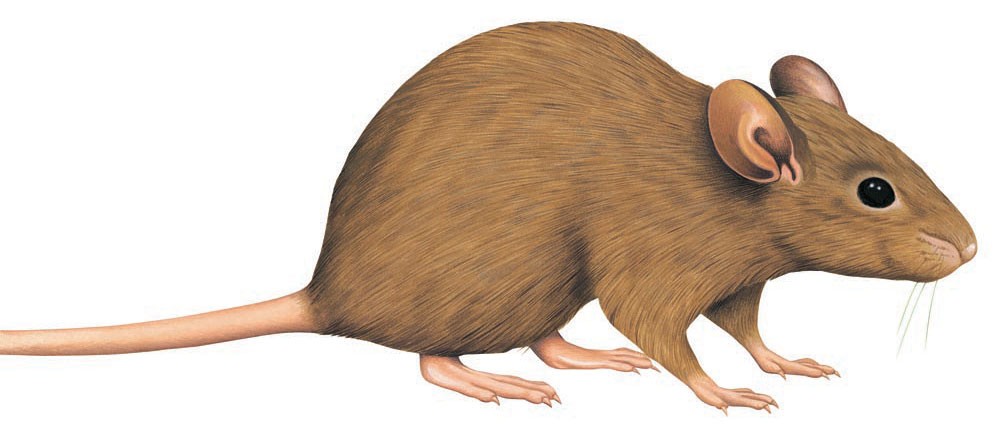
Mice
Mice have pointed snouts, small, round ears, and, long, hairless tails. They are preyed upon by many animals such as cats, foxes, birds of prey, snakes and even large insects, spiders and centipedes.
Because they can adapt and survive in almost any environment, mice are found in great numbers living in a range of habitats all over the world. In inhabited areas, both in the countryside and in towns, mice are often pests, eating crops, causing damage to buildings and spreading diseases.
Mostly nocturnal, mice have poor eyesight, relying instead on their keen senses of hearing and smell both to locate food and avoid predators.

In the wild they eat fruit or grain, but in towns and houses they eat all types of food. Their underground burrows have long entrance passageways along with numerous escape routes.
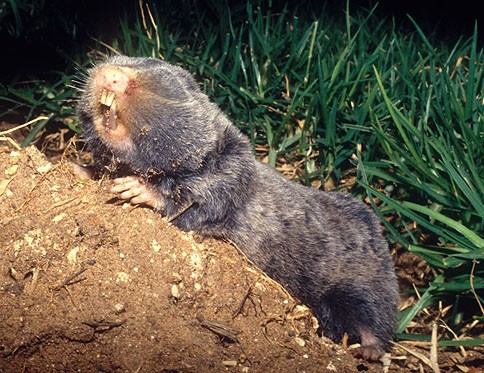
Rats
The best-known rat species are the black rat and the brown, or Norwegian, rat. Close relatives include bamboo rats, bandicoot rats, mole rats and Polynesian rats. Rats are similar to mice, but larger. Both the black and the brown rat have adapted well to living with or near humans, and are found all over the world. True omnivores, they eat almost anything, although cereals form a major part of their diet.
Most rat species live in wild habitats, and many live on oceanic islands where some have become endangered because of competition with the brown, black or Polynesian rats that have arrived there with humans.


Desert rodents
Some rodents have adapted to life in deserts. Their bodies and their lifestyles are perfectly suited to habitats where it is fiercely hot during the day, where there is little food or water and where the sandy ground makes getting about difficult. Many, such as the kangaroo rat, pocket mouse, gerbil and jerboa, spend the daylight hours in cool underground burrows, becoming active only in the cool of the night.

Jerboa
The jerboa is built for jumping. Its powerful back limbs are four times as long as its front ones. At full power they propel this tiny animal up to 3 metres (10 feet) forwards. Native to the deserts of western China and Mongolia, the jerboa has tufts of hair on the undersides of its feet to help it grip the sand and to kick it back when burrowing. Its large ears help it both listen out for danger and to keep cool in the heat. It does not need to drink since it gets all its water from its food: seeds, roots and shoots.

Voles
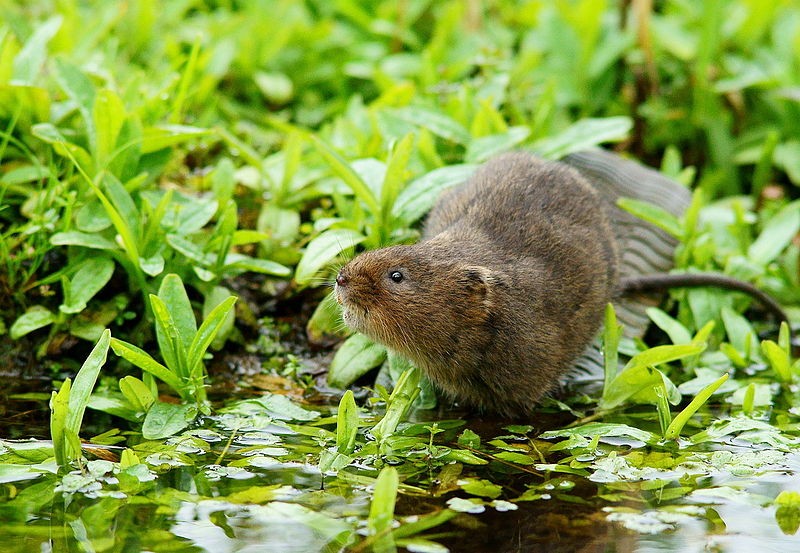
Voles, lemmings and the muskrat make up the most populous group of rodents in the Northern Hemisphere. Voles have short lives—most kinds seldom live beyond a year—but can reproduce very quickly. Superb burrowers, they eat small plants, nuts, fruits, roots and bulbs. They are themselves prey for a wide range of mammals, reptiles and birds, especially owls.
The water vole (sometimes called the water rat) is found across Europe and western Asia. It lives in burrows close to streams. An expert swimmer, it feeds mostly on water plants.
Lemmings
Lemmings live in Arctic or tundra lands, spending winter burrowing beneath the snow cover, feeding on grasses. The rest of the year they feed mostly on leaves, shoots, roots and bulbs. Lemming populations occasionally undergo massive booms, followed by mass migrations. It is these that have given rise to the myth that lemmings commit mass suicide, by jumping off cliffs. In fact, lemmings can swim and may dive into a body of water when they migrate.


Squirrels
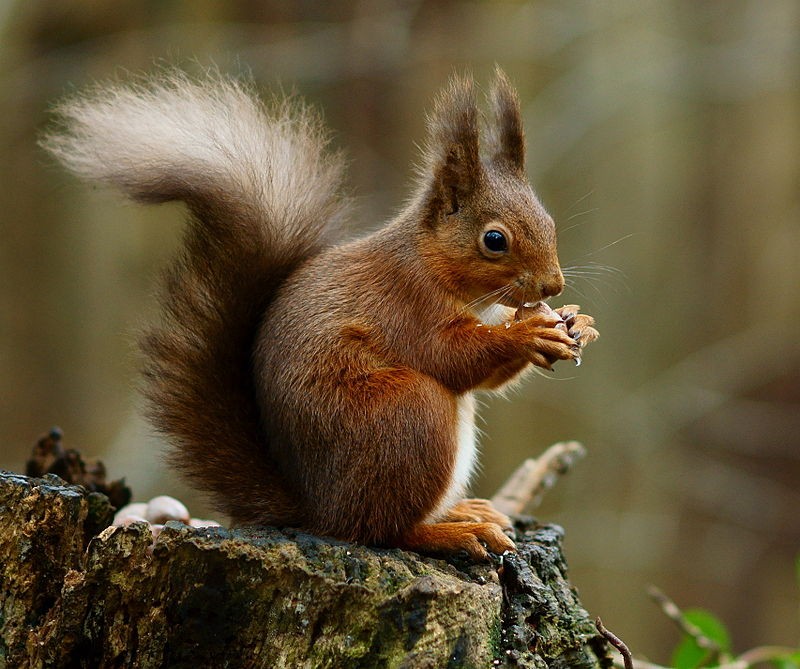
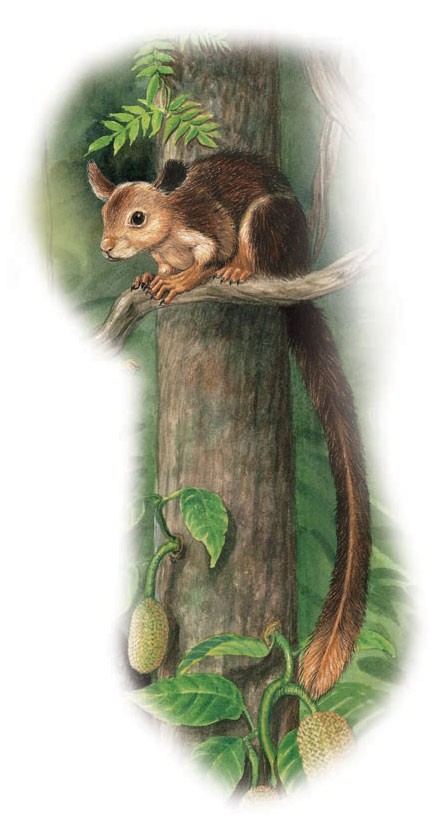
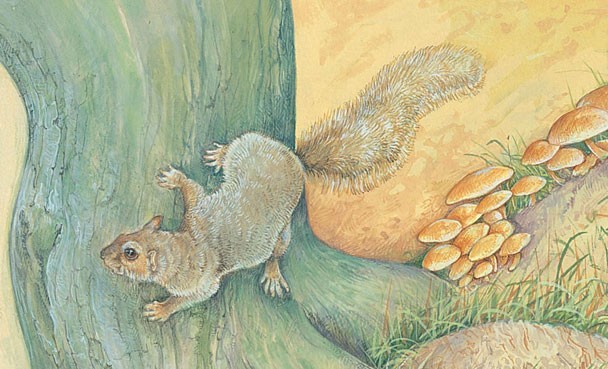
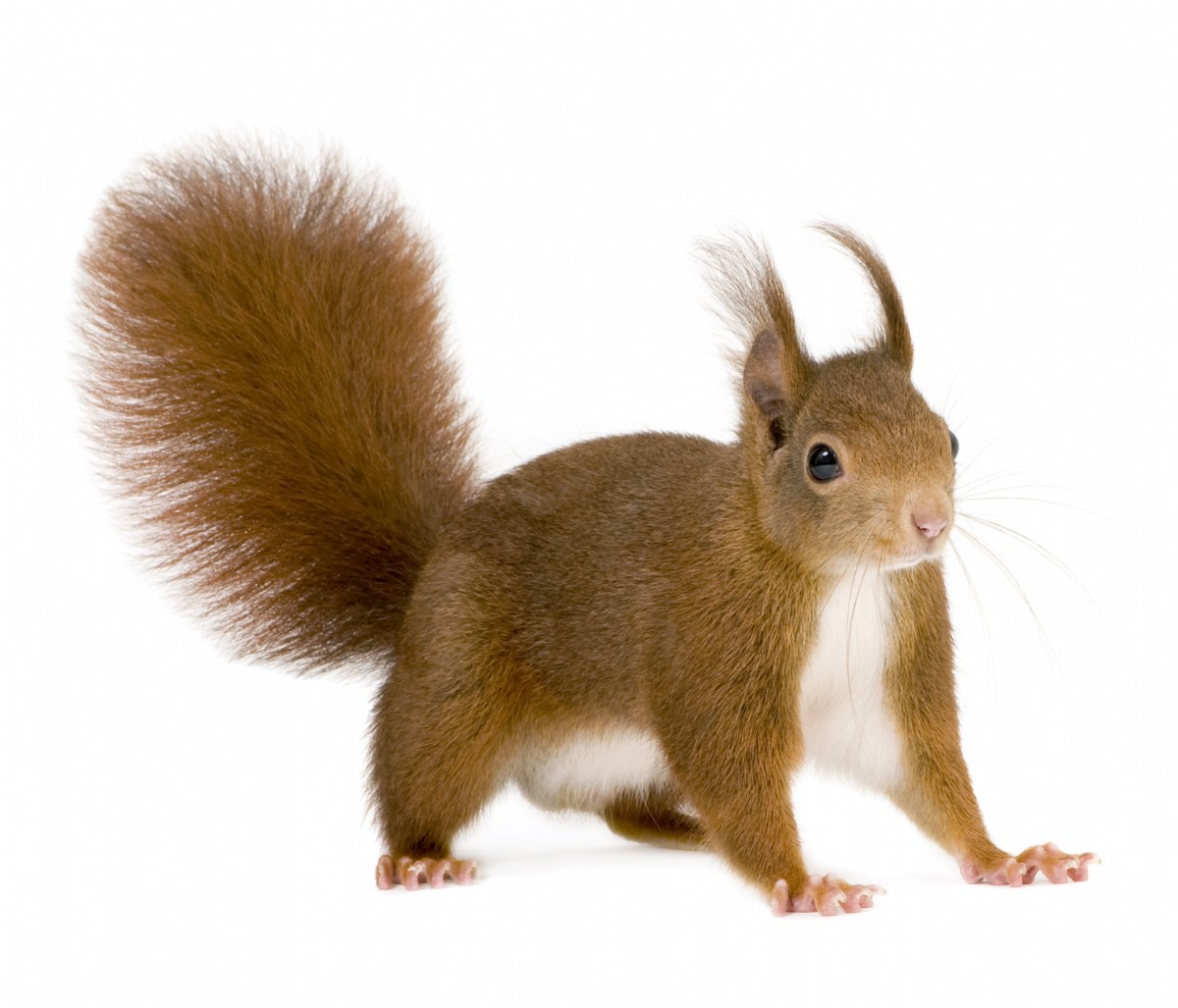
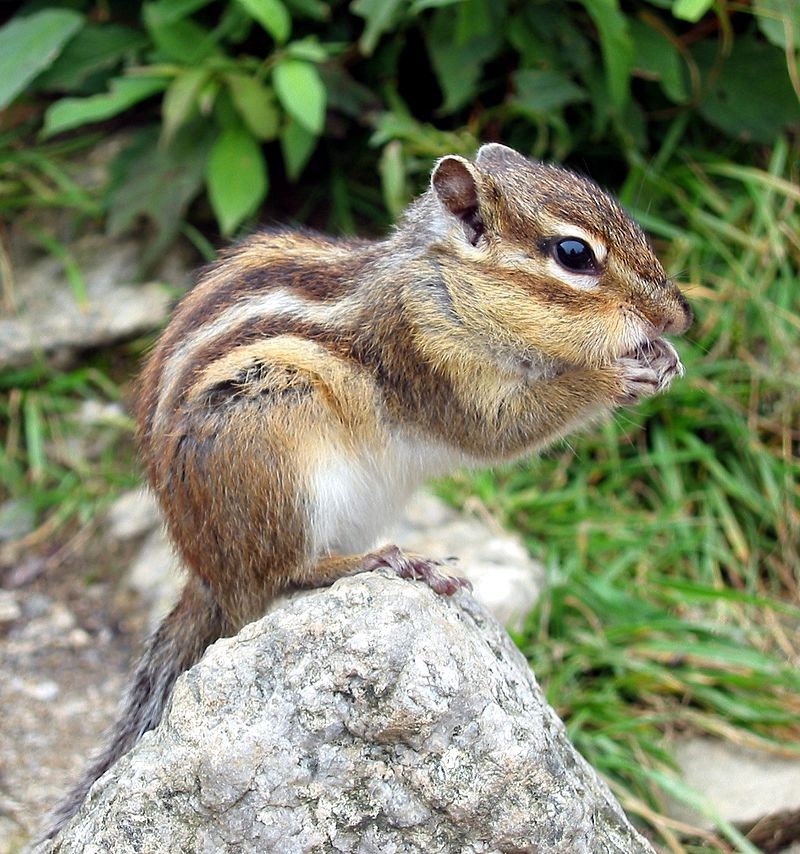
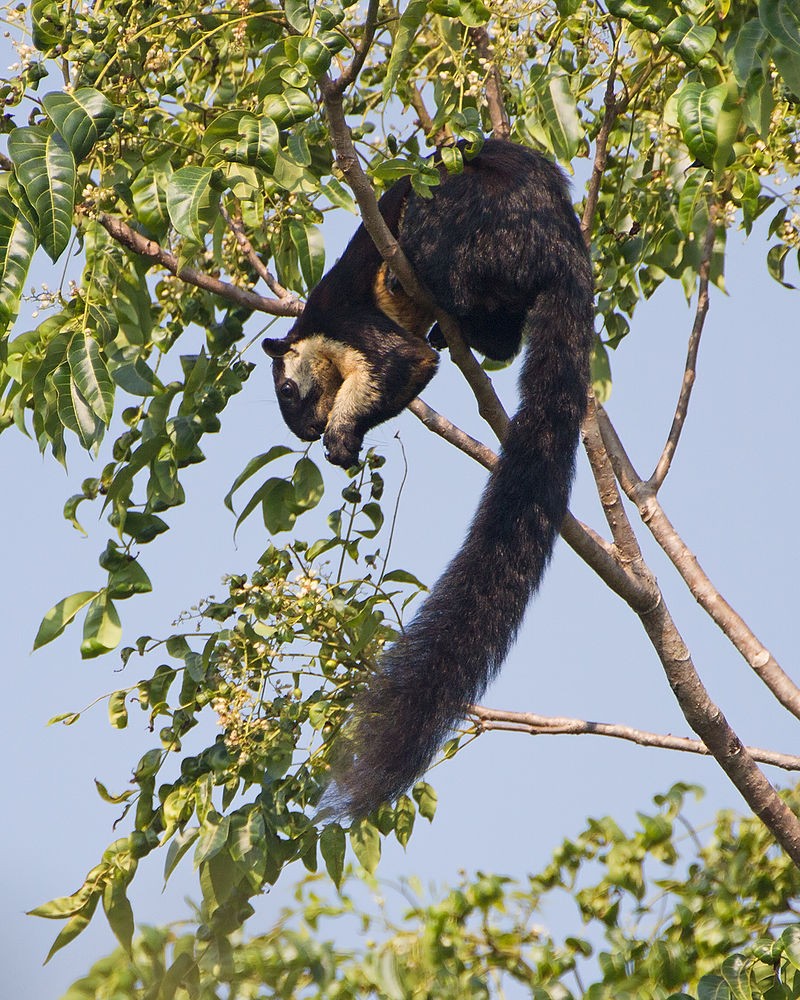
Squirrels are rodents with long, bushy tails. The group includes the 120 species of tree squirrel, 44 species of flying squirrel and the ground squirrels, such as marmots, prairie dogs and chipmunks. Many species of tree squirrel have adapted to living on farmland, city parks and urban areas and so, because they are mostly active during the daytime, they are the most familiar wild mammal to many people.
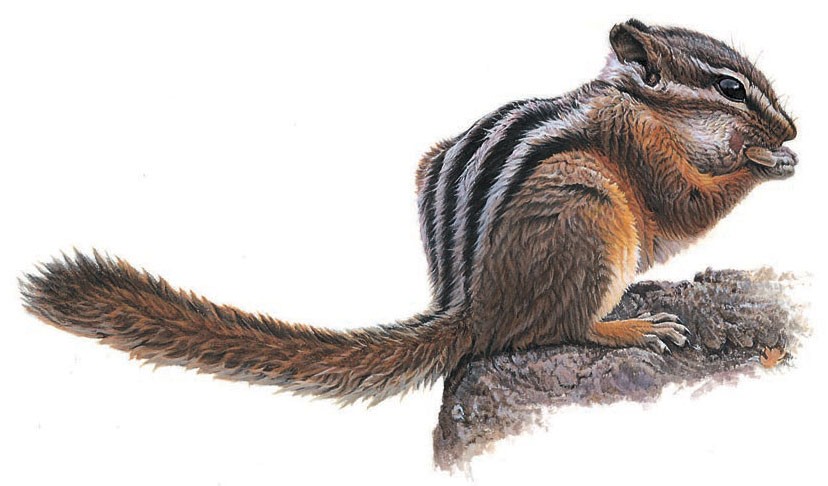
During the summer months in the woodlands, tree squirrels feed on fruit and nuts. In winter, food is more difficult to find, so in autumn, squirrels store seeds and acorns by burying them; they dig them up again in the winter—if they can find them.
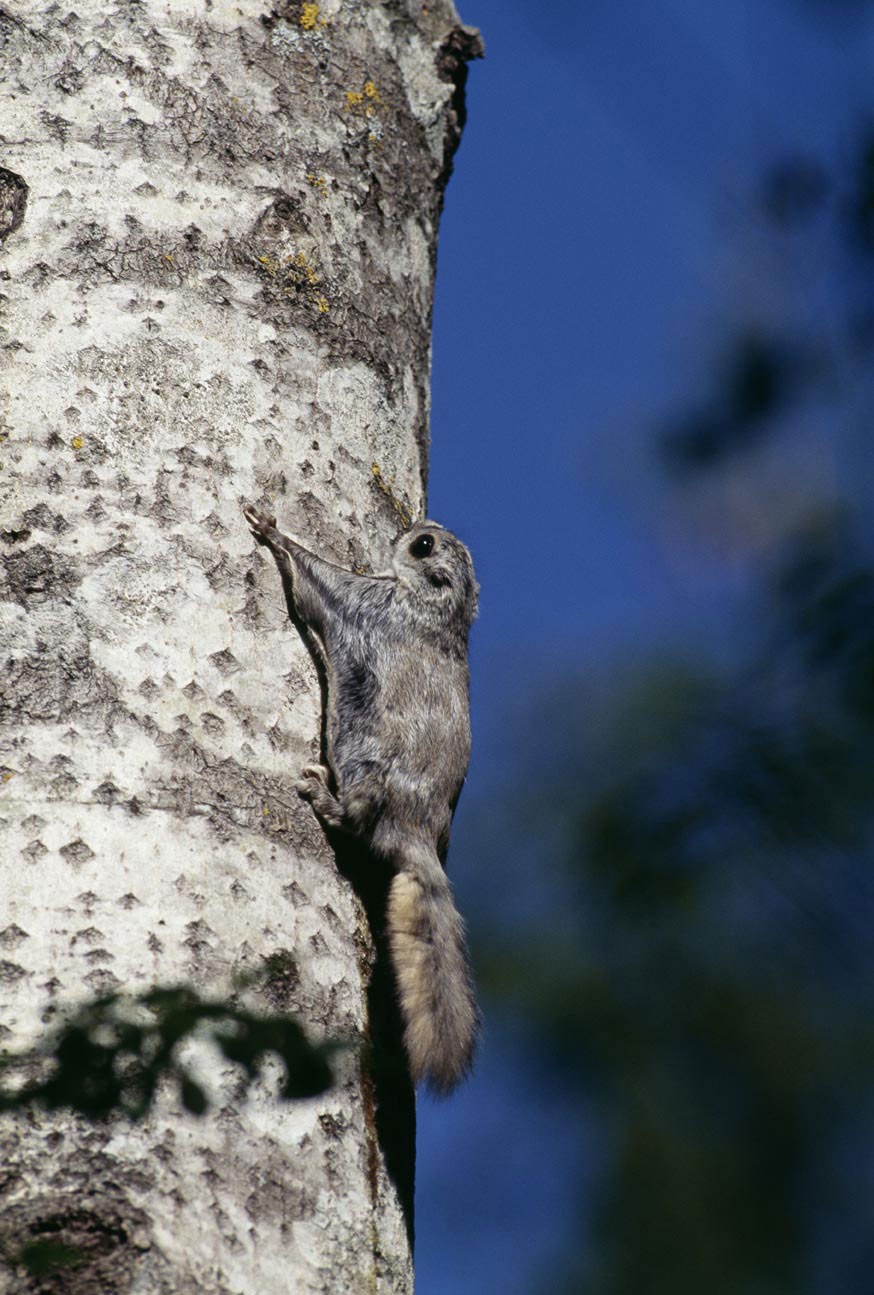
Flying squirrels are not true fliers like birds or bats. Instead, they glide between trees, capable of making distances of up to 90 metres (295 feet). Their "wings" are furry sheets of skin that extend from their wrists to their ankles. They also have fluffy tails that keeps them stable in flight.
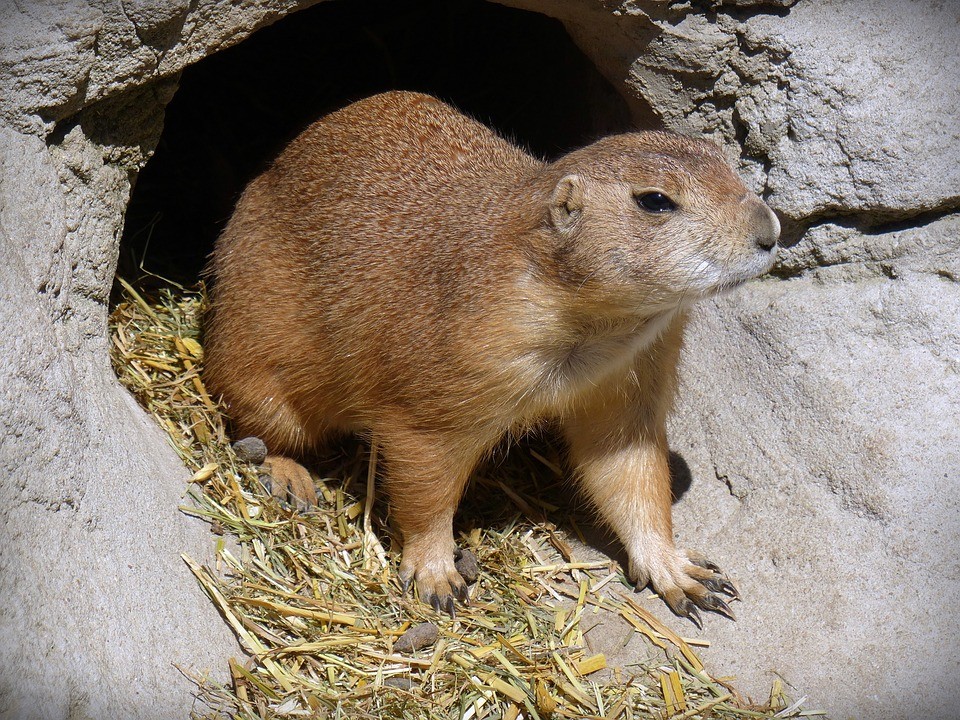
Ground squirrels
Ground squirrels often raise themselves up on their hind legs and stand erect for long periods, watching out for predators. They are mostly herbivorous, but also eat insects, grubs and other small invertebrates. They live in underground burrows, often in large numbers.
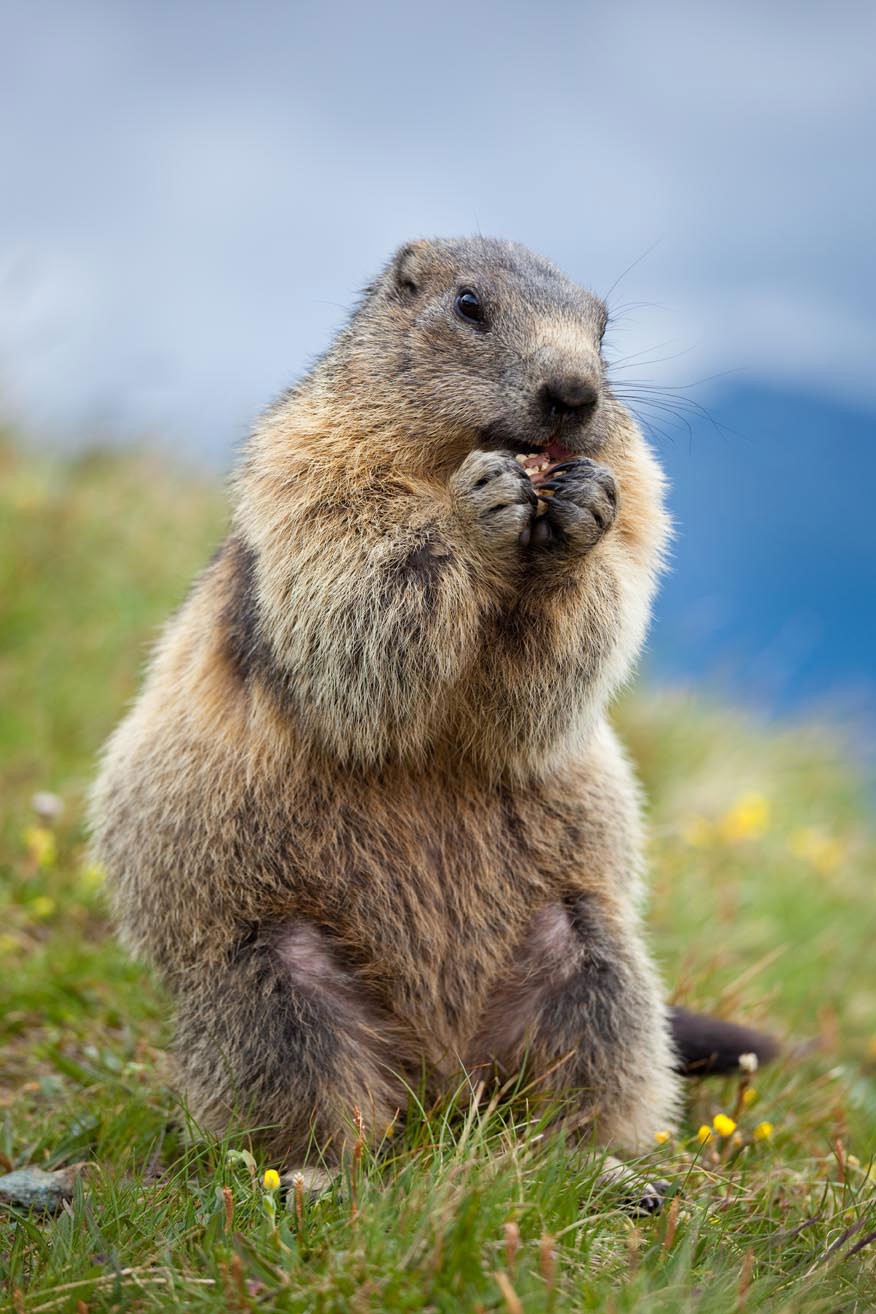
Marmots
Marmots live in Europe, Asia and North America. They live in mountainous areas, where they feed on grasses, berries, mosses and flowers. The family includes the groundhog (woodchuck), which is a lowland animal. Marmots spend the harsh winters hibernating in their burrows. Social creatures, they warn others of approaching danger with whistle-like calls.

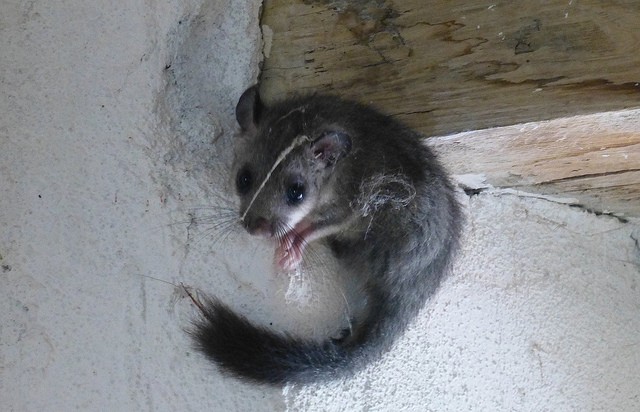
Dormouse
Dormice, which are not closely related to mice, are particularly known for their long periods of hibernation. They can hibernate for half the year, or even longer in cooler climates. They sometimes wake for brief periods to eat food from their store collected in the previous summer. Most dormice are good climbers and spend much of their time in the trees, coming out only at night to feed on berries, nuts and insects. During the summer, they build up fat reserves in their bodies, to keep them nourished through their long hibernation.
Porcupines
Porcupines of the Americas (New World) live mostly in trees, while those of Africa and Asia (Old World) are ground-dwellers. However, both New World and Old World porcupines possess a set of sharp spines and hollow quills. If threatened, they will run backwards into their attackers, leaving several quills embedded in their attackers' skins. Porcupines feed on conifer needles, bark, leaves, buds, roots and berries.


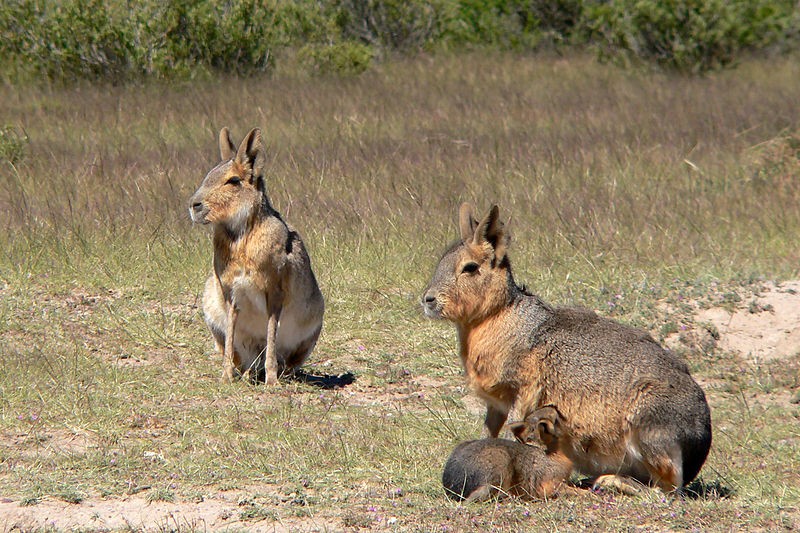
Capybaras and coypu
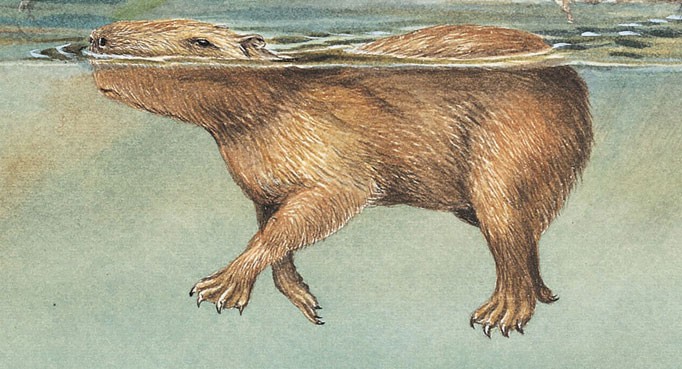
Capybaras, which measure up to 1.3 metres (more than 4 feet) long and stand 65 centimetres (25 inches) tall, are the largest rodents in the world. They are members of the cavy family, which also includes maras and guinea pigs. Capybaras are good swimmers and live near water in their savanna and forest habitats of South America. At the first sight of predators—for example, jaguars, caimans and snakes—they dive into the water and swim away to safety.

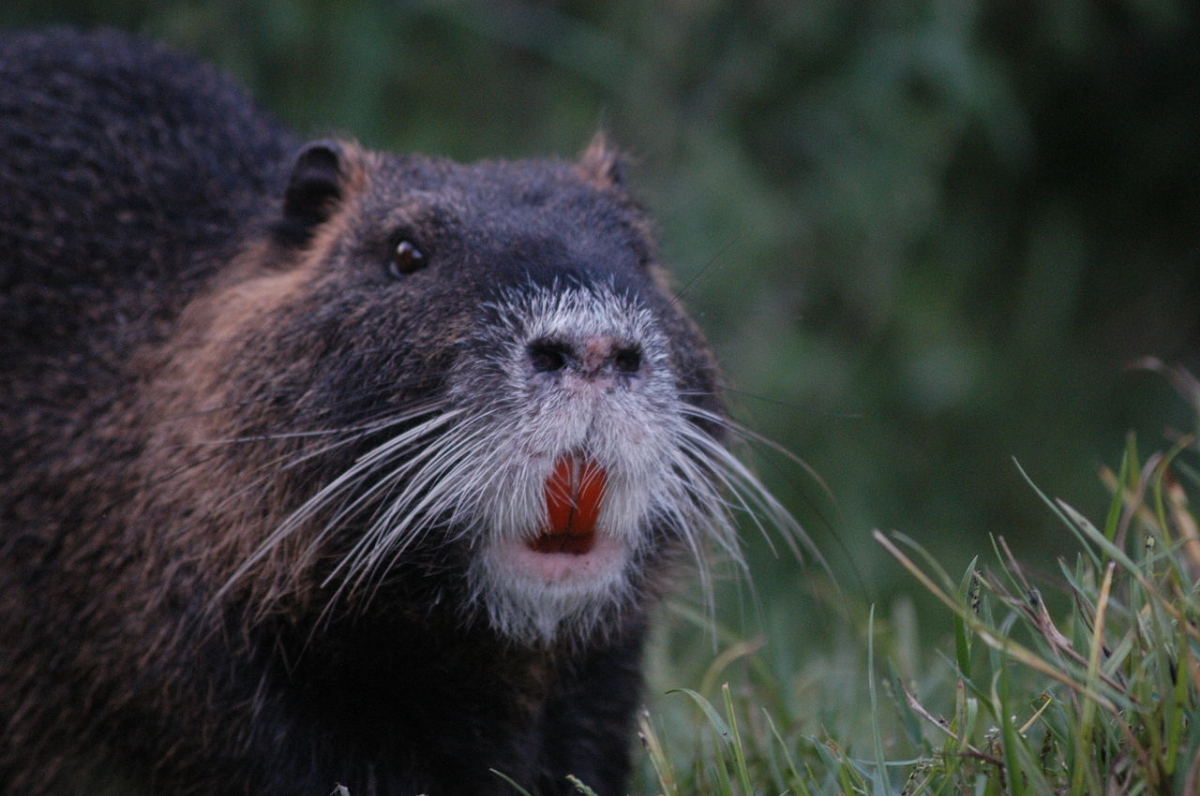
Their relatives, the coypu (also known as nutria), feed on water plants in the wetlands of southern South America, from where they originate. They now live in the many other parts of the world, where they have been introduced and bred for their fur. Because demand for fur has declined, many coypu have escaped or been introduced into the wild. Voracious eaters of vegetation, they are a pest, causing immense damage to wetland habitats.
Consultant: Chris Jarvis
pics






Without in any way limiting Q-files Ltd’s exclusive rights under copyright, any use of this publication to “train” generative artificial intelligence (AI) technologies to generate text is expressly prohibited. Q-files Ltd reserves all rights to license use of this work for generative AI training and development of machine learning language models.