
Mammals

CITE
We have made every effort to follow citation style rules, but there may be some minor differences. If in doubt, please refer to the appropriate citation style manual.
Monkeys. (2026). In Q-files Encyclopedia, Life, Mammals. Retrieved from
https://www.q-files.com/life/mammals/monkeys
"Monkeys." Life, Mammals, Q-files Encyclopedia, 24 Mar. 2026.
https://www.q-files.com/life/mammals/monkeys.
Accessed 6 Aug. 2026.
Monkeys 2026. Life, Mammals. Retrieved 6 August 2026, from
https://www.q-files.com/life/mammals/monkeys
Life, Mammals, s.v. "Monkeys," accessed August 6, 2026.
https://www.q-files.com/life/mammals/monkeys


Monkeys
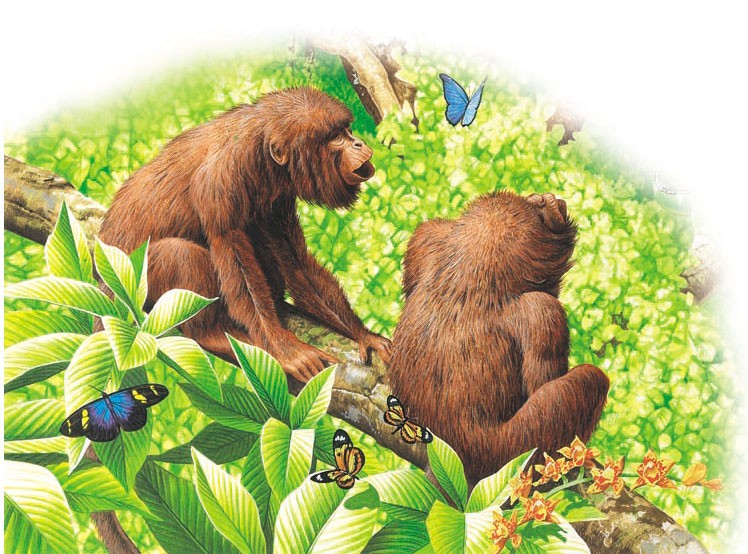
Monkeys are primates, usually with long tails and with nails instead of claws. There are Old World monkeys (from Europe, Africa or Asia) and New World monkeys (from the Americas). Most live in trees although some monkeys come down to feed or to travel. Monkeys feed on fruit, leaves, insects and other small creatures, but some large monkeys, such as baboons, will also kill young gazelles. All monkeys have forward-facing eyes for stereoscopic vision.
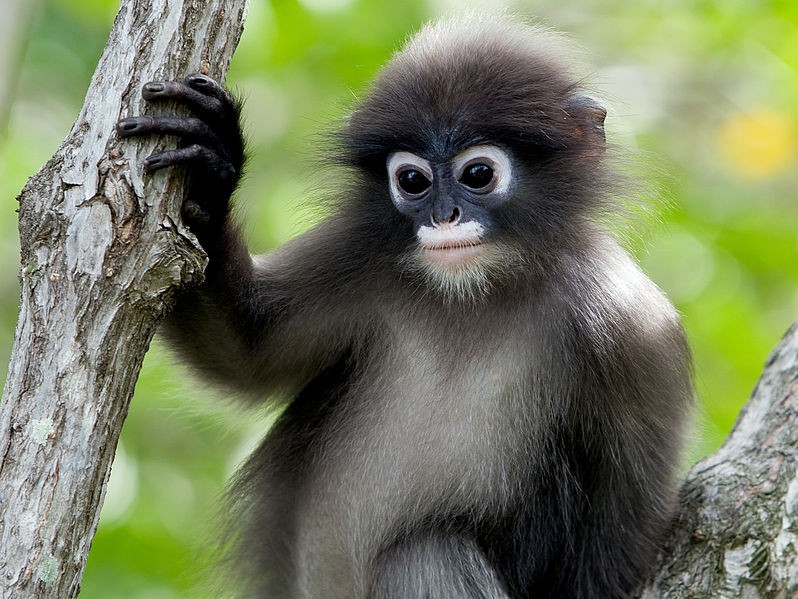
Getting around
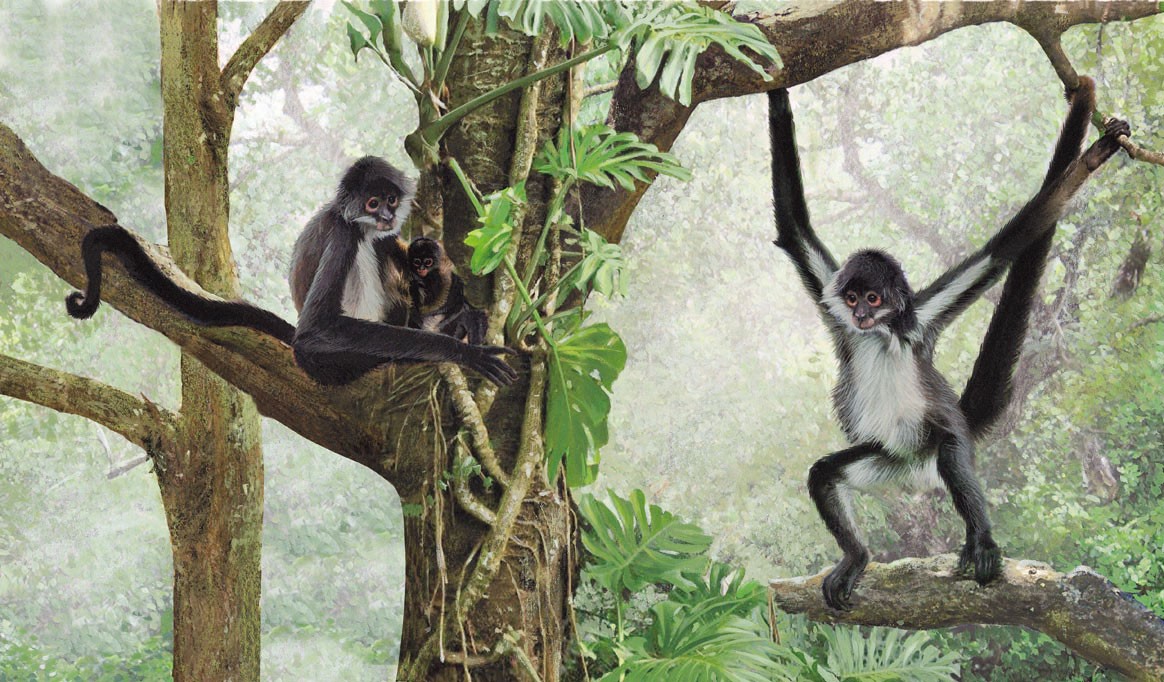
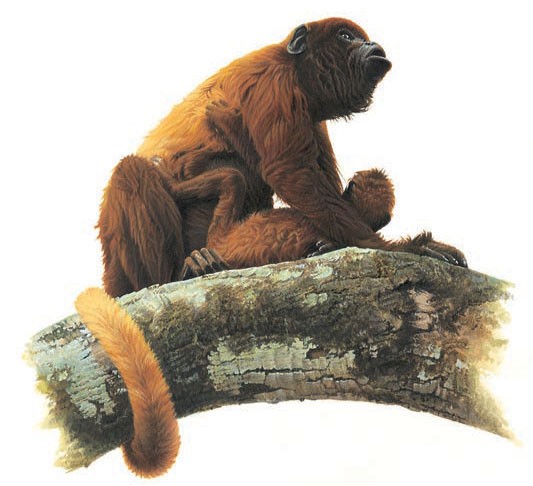
Most monkeys live in trees, although some spend time on the ground feeding, while baboons live on the ground all the time. Baboons may walk for long distances on all fours. When in the trees, monkeys leap or swing from branch to branch. Most monkeys of Central and South America, known as New World monkeys, have prehensile tails. This means they can use their tails like an extra limb, to grasp on to branches and even hang, leaving their hands free to feed.
New World monkeys
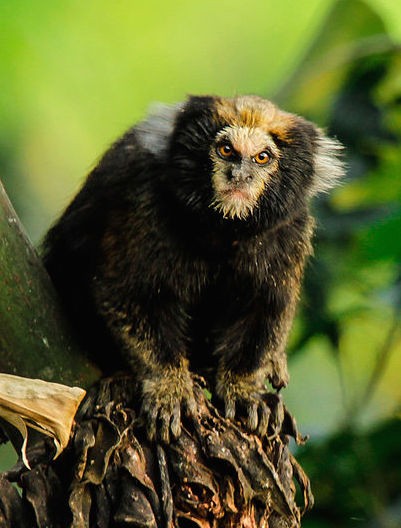
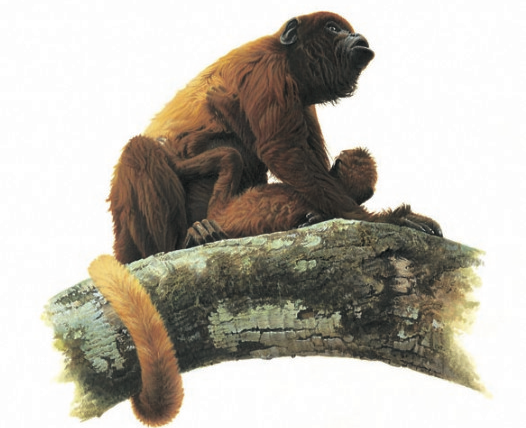
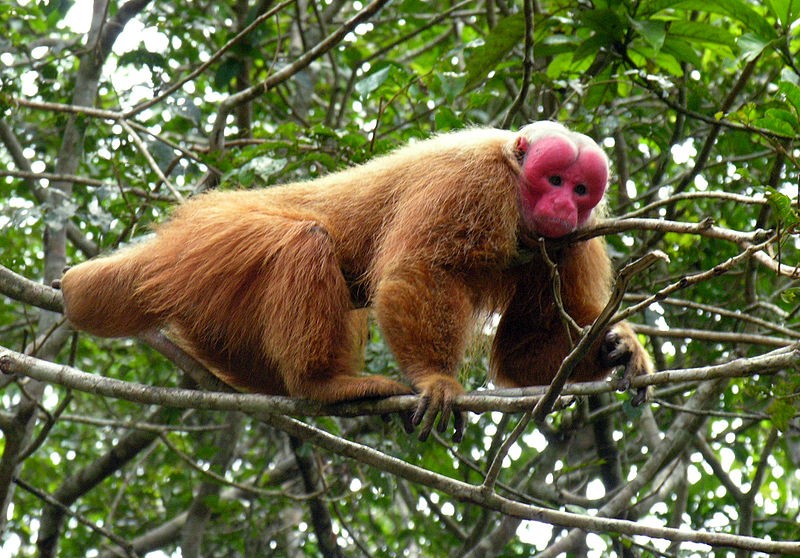
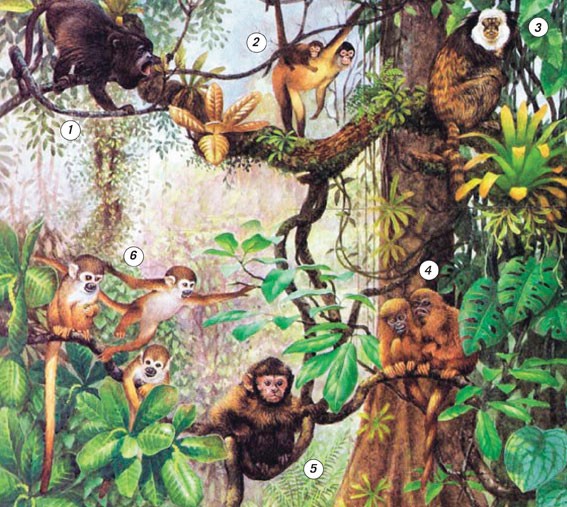
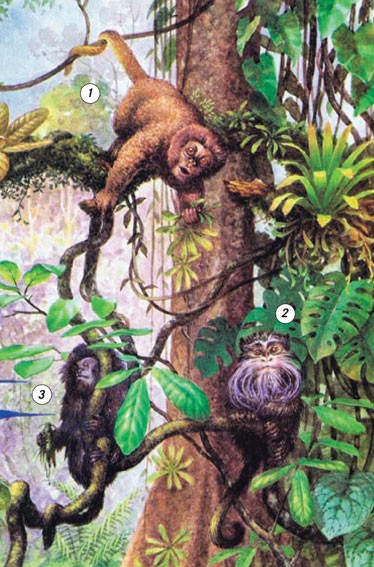
New World monkeys, such as the spider, squirrel and howler monkeys, are native to the Americas. They have widely-spaced nostrils and are the only monkeys with prehensile tails. Many are omnivorous: they eat mostly fruits and insects, but also eggs, other plant material and small animals. The marmoset, a type of New World monkey with tufts of hair around its head, is one of the few species that has claws instead of nails. Howler monkeys signal their presence to other troops with howls that can be heard several kilometres away.
Tamarins
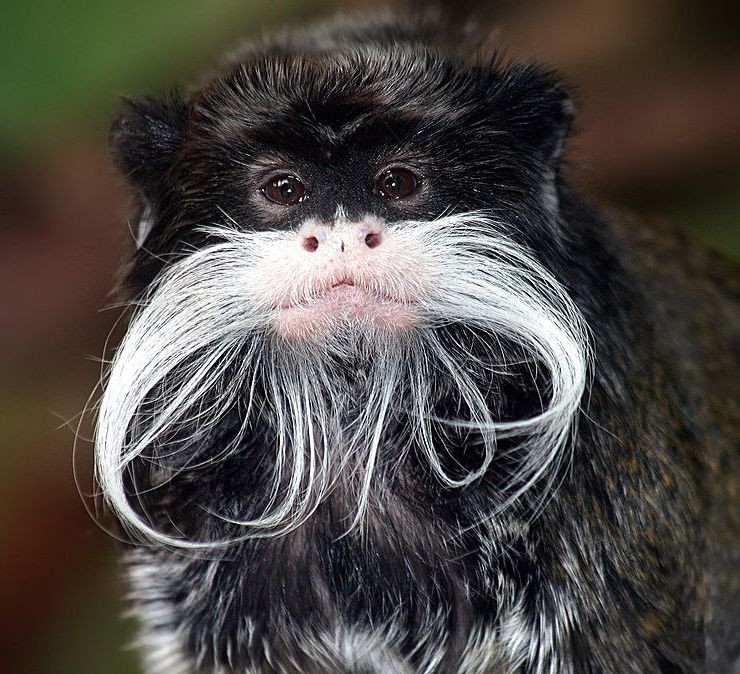
Tamarins live in the tropical rainforests of southern Central America through to central South America. Usually living in family groups of up to around 10 members, these tiny monkeys run and jump from tree to tree feeding on fruits, spiders, insects and birds’ eggs. They need to be constantly on high alert for predators such as birds, snakes, and mammals. Moustache-like facial hairs are typical for many species. The emperor tamarin may have been so-called because of its resemblance to the German emperor at the outbreak of World War I, Kaiser Wilhelm II (1859–1941).
Titis
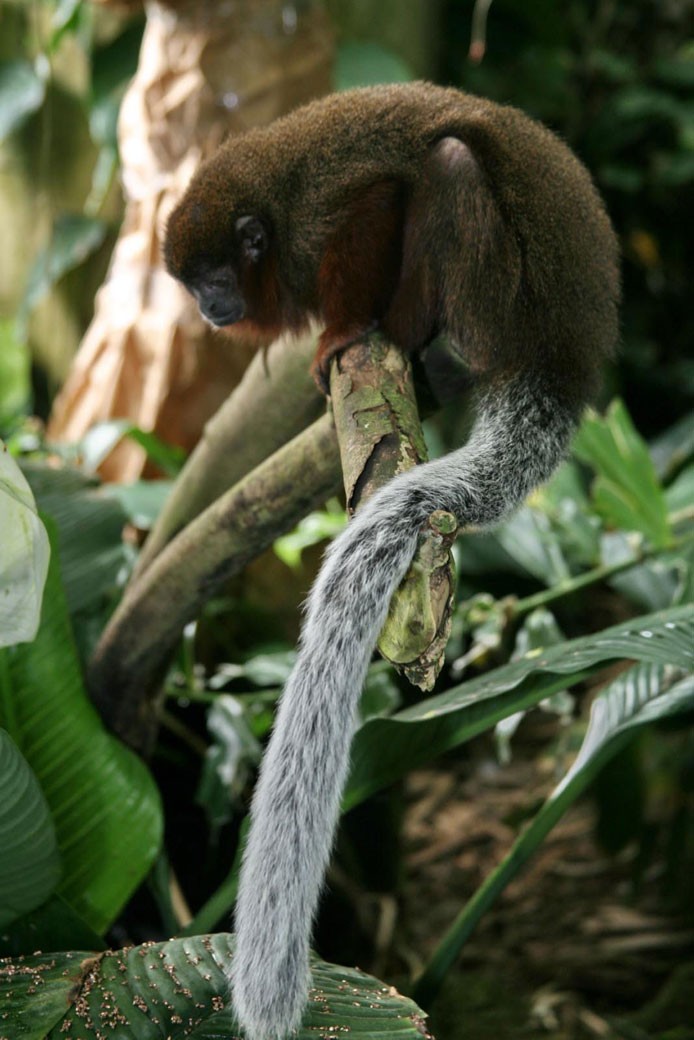
Titis live in the Amazon rainforest, preferring to live near water. Male and females bond extremely closely. Couples intertwine the tails when sleeping at night and at other times whenever possible. They even tend to follow each other around throughout the day. Males will carry their young on their backs. A family group will defend their territory fiercely by noisily chasing off intruders.
Squirrel monkeys
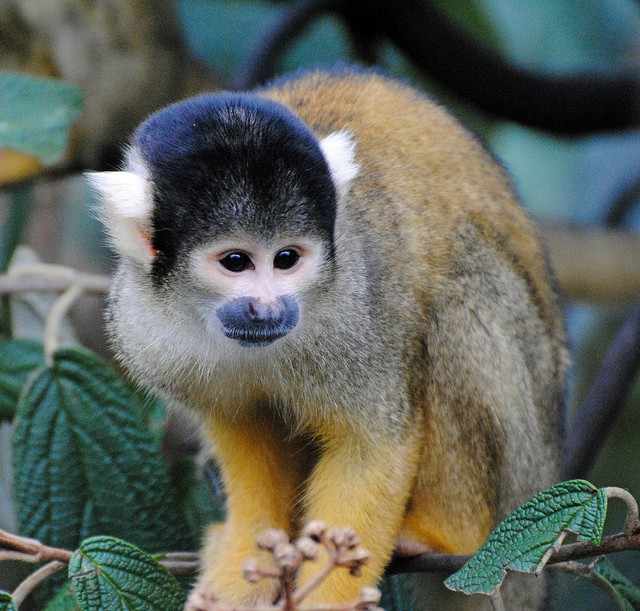
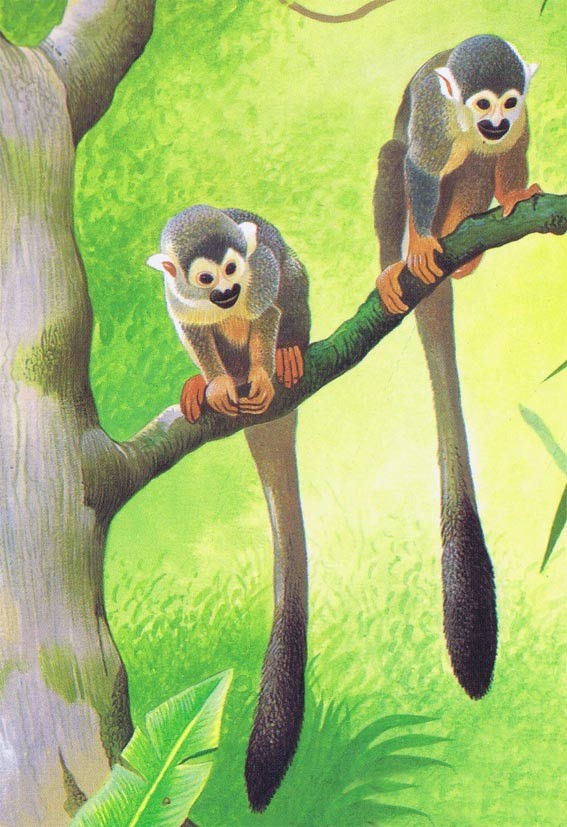
Squirrel monkeys are inquisitive animals. The young spend hours wrestling, chasing and play-fighting. Unlike most other New World monkeys, their tails are not used for climbing, but help to balance them while they hurtle through the branches. They live together in large groups of up to 500 members, although these often split up into smaller troops. They make warning calls to protect each other from large birds of prey, their main predator in the high rainforest canopy where they live.
Old World monkeys
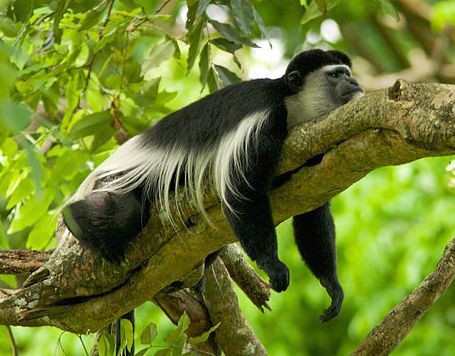
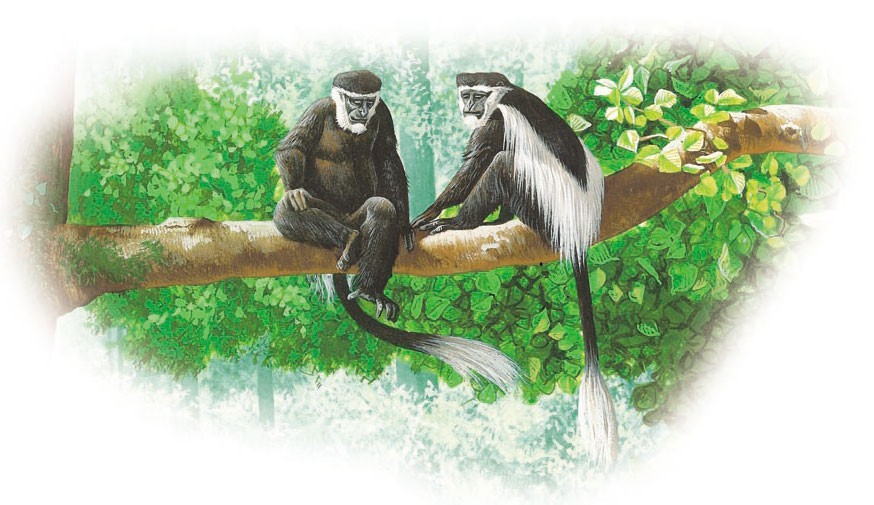
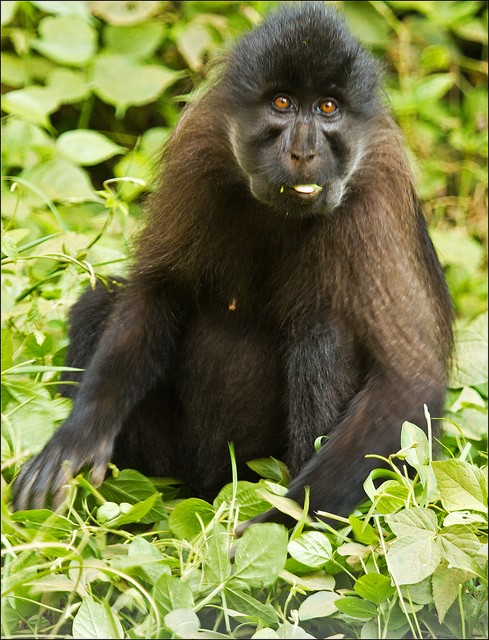
Old World monkeys are native to Africa and Asia. They have non-prehensile tails, or no tail at all in the case of some macaques. In most species, females remain with their mothers in the troop for life. Males leave the group as they become adults, and search for a new troop to join. Only one adult male lives with each group. Known as the alpha male, he drives off all other rivals, although some will tolerate the presence of other males, so long as they recognize his dominance.
Proboscis monkey
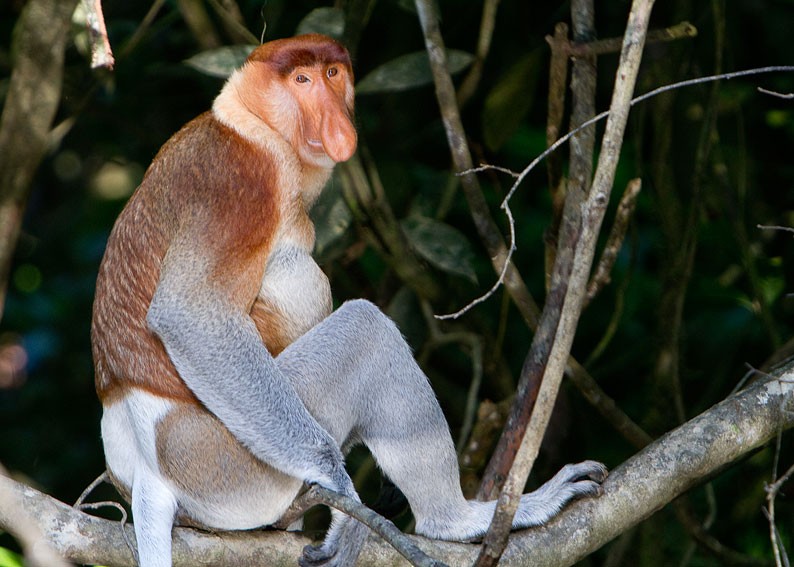
The proboscis monkey lives in the mangrove forests of Borneo. The male has a large, trunk-like nose which hangs over his mouth and amplifies his calls. Seldom straying too far from water, the proboscis monkey will often swim through flooded areas of forest, despite the threat from crocodiles. Besides fruit, it eats mangrove leaves, which are tough and difficult to digest. A certain kind of bacteria is needed to digest them by fermentation (conversion of sugars). This makes its belly look bloated.
Hanuman langur
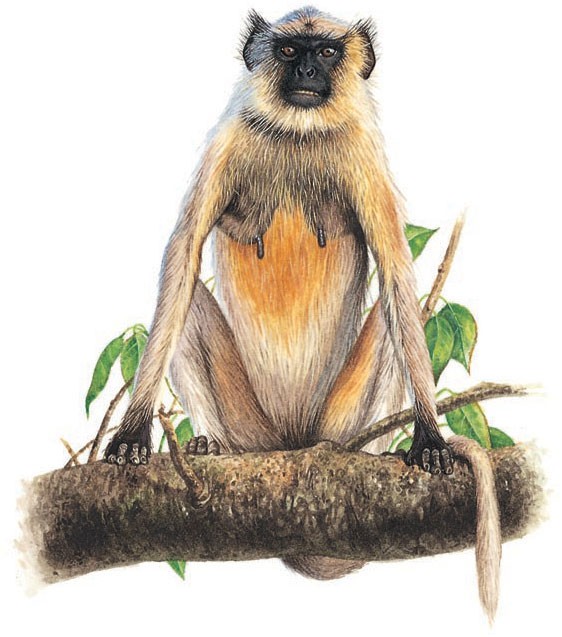
The Hanuman langur, or grey langur, uses its long tail for balance as it leaps from tree to tree in the forests and woodlands of the Indian subcontinent. It is named after the Hindu monkey god, Hanuman, and is a sacred animal by Hindus. Langurs feed on leaves, flowers, fruit, roots and fungi. They also regularly raid farmers’ fields for food and will feed on human rubbish and handouts in cities where many have come to live, protected from capture or being killed under Indian law.
Macaques
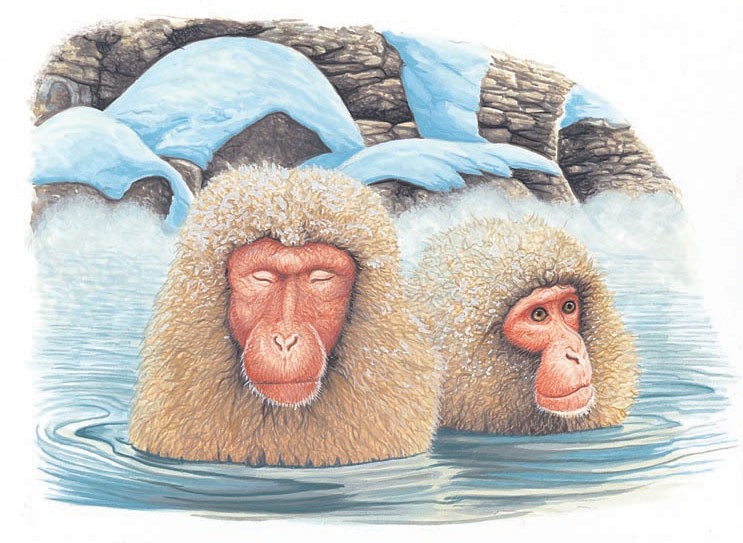
Japanese macaques live further north than any other monkey or ape. Winters in the mountains of northern Japan are very cold. Some macaques leave the mountains each winter and head for sheltered valleys where the weather is milder. But in Jigokudani, or “Hell’s valley”, in the Nagano region, the monkeys have found an ideal solution: they bathe in natural springs, warmed by heat from deep inside the Earth.
Baboons
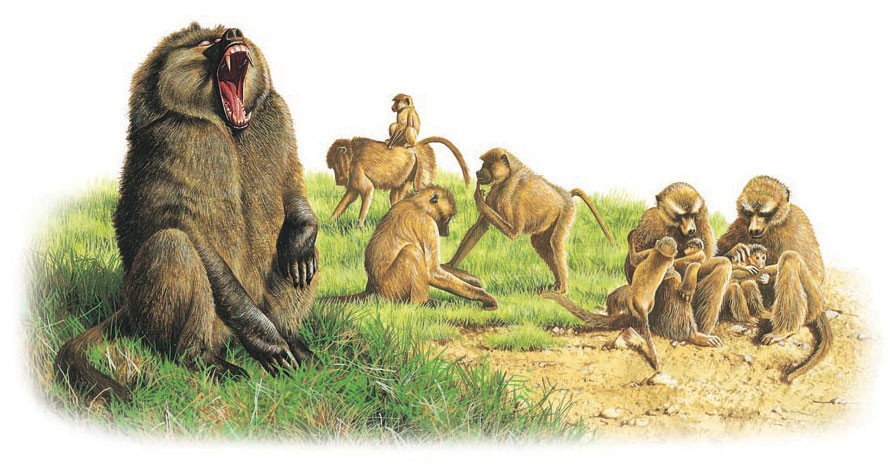
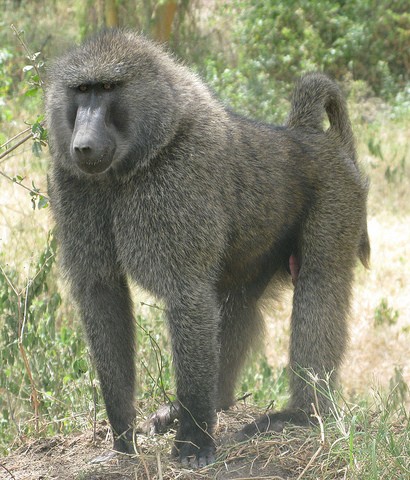
Baboons are ground-dwelling Old World monkeys with large canine teeth but no fur on their faces or buttocks. They live in groups, called troops, averaging around 50 individuals. Troops of baboons roam the open savannas, woodlands and uplands of Africa, eating anything from plants, insects and birds—sometimes taking larger mammal prey such as gazelles. The troop is headed by several adult males. The strongest individuals, they fight off enemies and decide when the troop will move on and where to. All of the females in the troop share the task of caring for the young baboons.
Mandrills
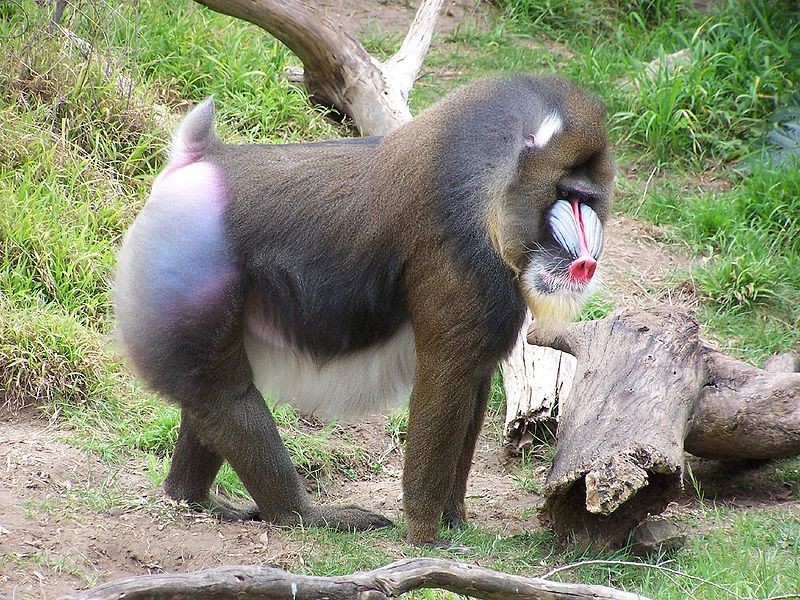
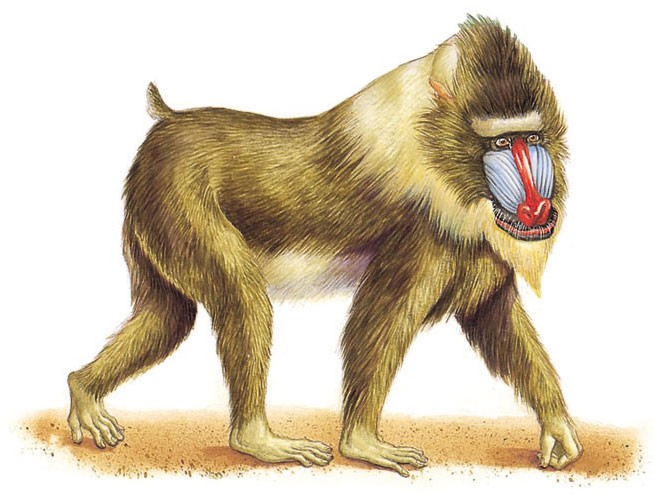
Mandrills come from the tropical rainforests of west central Africa, where they live in very large groups of up to a 1000 members. The world’s largest monkeys, males are twice as heavy as females. Males also have more pronounced colours than females: a red stripe down the middle of the muzzle, with blue ridges on either side; red nostrils and lips; yellow beard with white tufts; white belly; red, pink, blue, scarlet and purple around the bottom. Mandrills eat fruits, seeds, leaves, flowers, insects, eggs as well as other mammals (including porcupines and antelopes). They spend most of their time on the ground, but will also climb trees to find food.
Consultant: Chris Jarvis
pics
Without in any way limiting Q-files Ltd’s exclusive rights under copyright, any use of this publication to “train” generative artificial intelligence (AI) technologies to generate text is expressly prohibited. Q-files Ltd reserves all rights to license use of this work for generative AI training and development of machine learning language models.