
How animals live

CITE
We have made every effort to follow citation style rules, but there may be some minor differences. If in doubt, please refer to the appropriate citation style manual.
Animal movement. (2026). In Q-files Encyclopedia, Life, How animals live. Retrieved from
https://www.q-files.com/life/how-animals-live/animal-movement
"Animal movement." Life, How animals live, Q-files Encyclopedia, 23 Mar. 2026.
https://www.q-files.com/life/how-animals-live/animal-movement.
Accessed 6 Aug. 2026.
Animal movement 2026. Life, How animals live. Retrieved 6 August 2026, from
https://www.q-files.com/life/how-animals-live/animal-movement
Life, How animals live, s.v. "Animal movement," accessed August 6, 2026.
https://www.q-files.com/life/how-animals-live/animal-movement


Animal movement
One of the key features of an animal is that it moves. It moves parts of its body when it opens its mouth, bends its neck or curls its tentacles. Most creatures also move about in their surroundings. They run, walk, jump, hop, slither, swim or fly. All animal movement is made possible by muscles. A gorilla has about 640 muscles, making up about two-fifths of its body weight. A few animals do not move about, at least as adults. Barnacles and mussels are stuck to seashore rocks. But they were mobile during their young, or larval, stages.

Moving through water
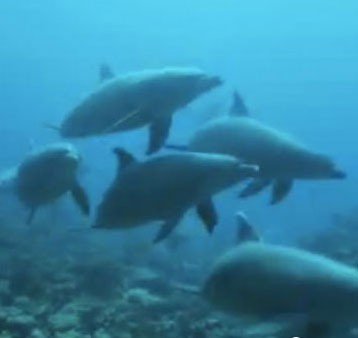
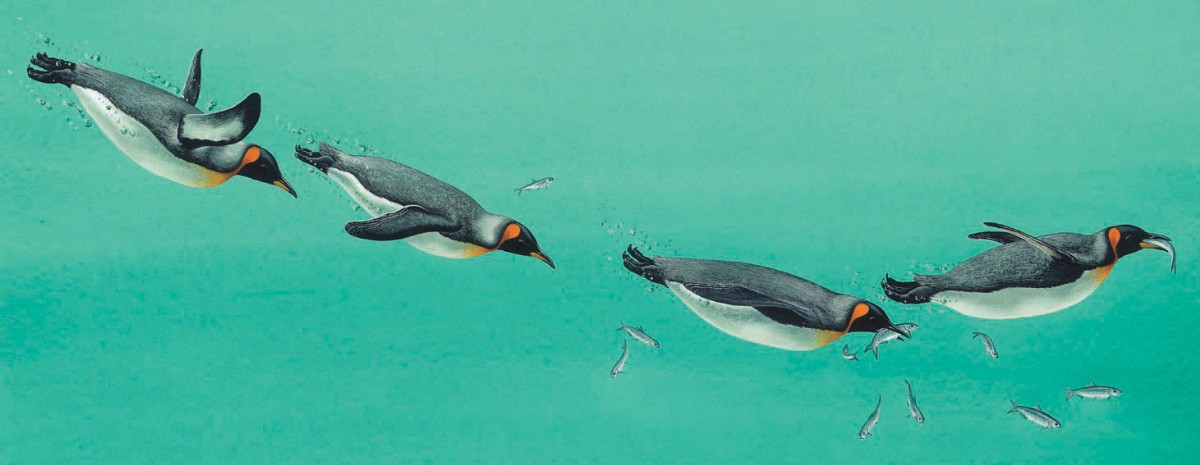
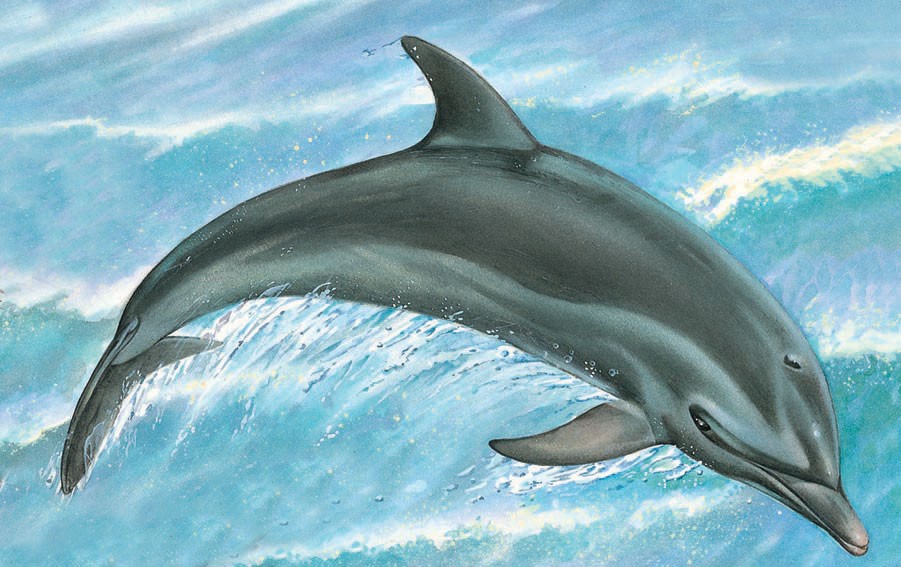
Water is much denser than air and so resists movement more. To travel through water quickly, creatures must be smooth and streamlined so the water slips past them easily. Fish swish their tails from side to side to provide the forward propulsive force for swimming. A whale or dolphin moves its fluke tail up and down to produce the same effect. A fish’s fins and a dolphin’s flippers provide control for steering, slowing and going up or down. Penguins flap their wings and turtles their flippers to “fly” through the water.
Fast fish
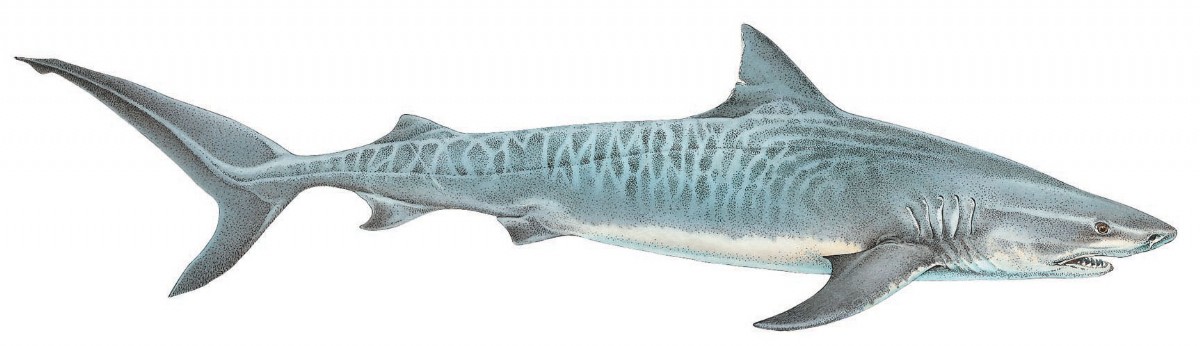
A fast fish has 30–40 large muscles along each side of its body. Forming nine-tenths of its body weight, they pull on the backbone to swish the tail from side to side. The tiger shark, a predatory shark, uses its fine sense of smell to detect prey, but relies on its immense speed to carry out its kill. It is one of the fastest sharks, swimming at speeds of up to 32 km/h (20 mph).
Moving through air
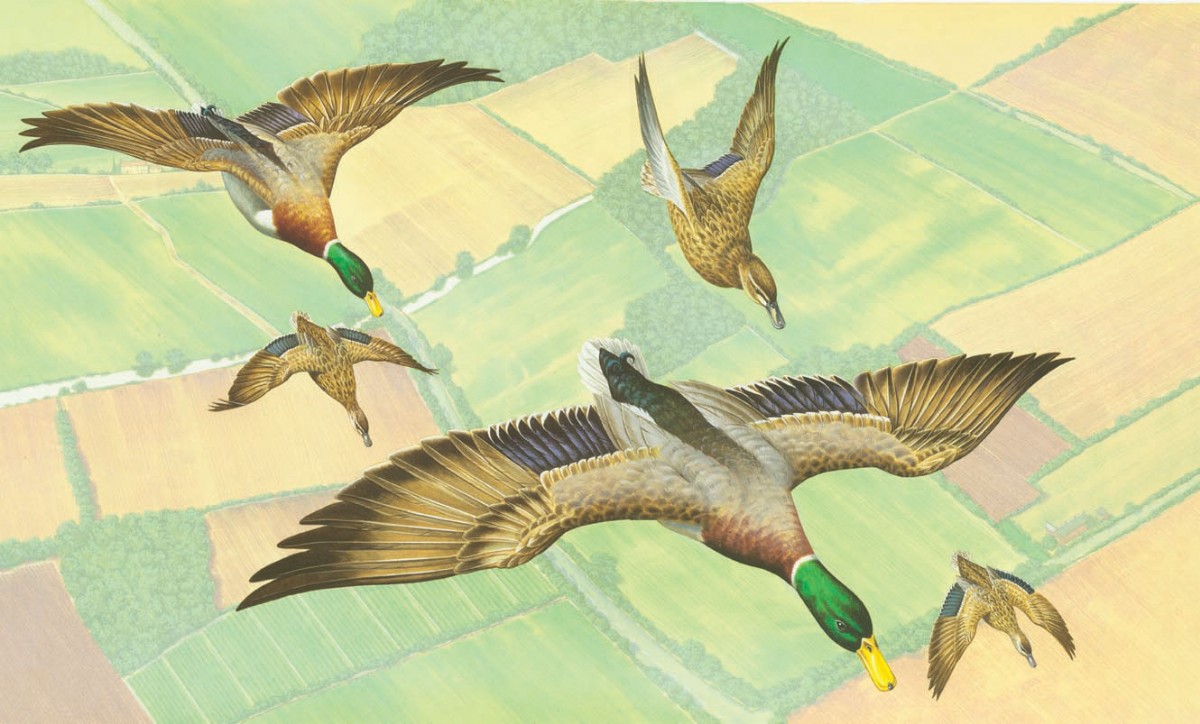
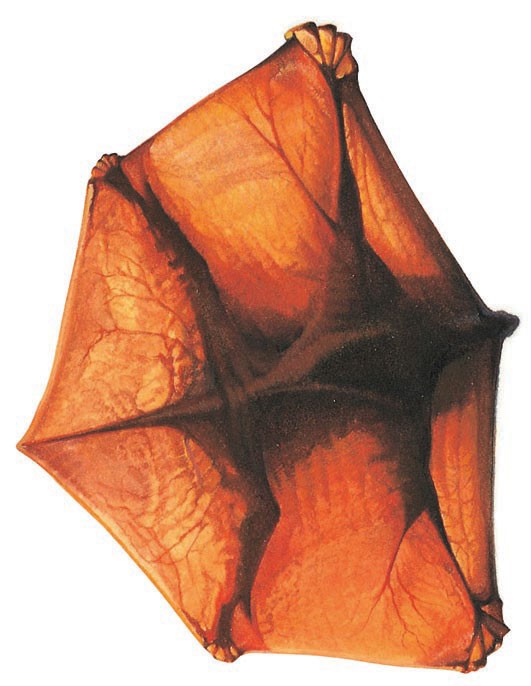
Only three groups of living animals truly fly in a sustained, controlled way: birds, bats and insects. Air is so thin it produces little resistance to movement, but it provides very little buoyancy either. Fliers flap their wings down to create a lifting force as well as back to push themselves forwards.
Birds and bats have very thin, light bones to reduce body weight and so save on the energy needed to stay airborne. Even so, they must take in almost twice the amount of energy as food, compared to their ground-dwelling counterparts. The down-flapping wing muscles in the chest are by far the largest muscles in the body of a bird or bat.
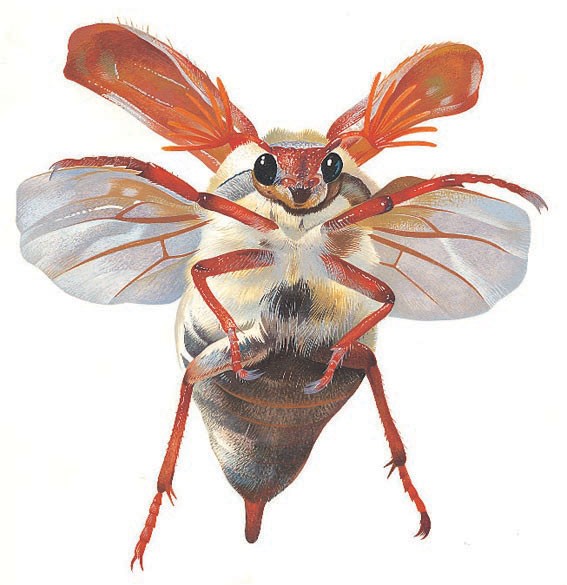
Insects and bats control their movement by tilting or twisting their wings. Tiny insects like gnats and midges flap their wings nearly 1000 times each second to stay aloft. Birds control their flight by fanning and twisting their feathers.

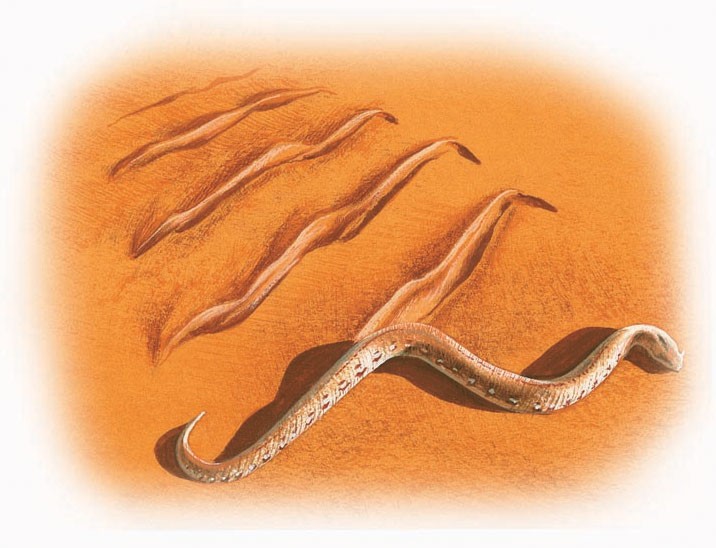
Limbs are not vital for movement. Many snakes are limbless, yet they can slither on the ground, swim in water, climb trees—and even glide. The sidewinder, a kind of rattlesnake, has a winding method of moving, which means that it only has one small patch of its body in contact with the hot sand at any one time. More importantly, allows it to move rapidly over sand, a surface that offers little grip.
Moving in trees
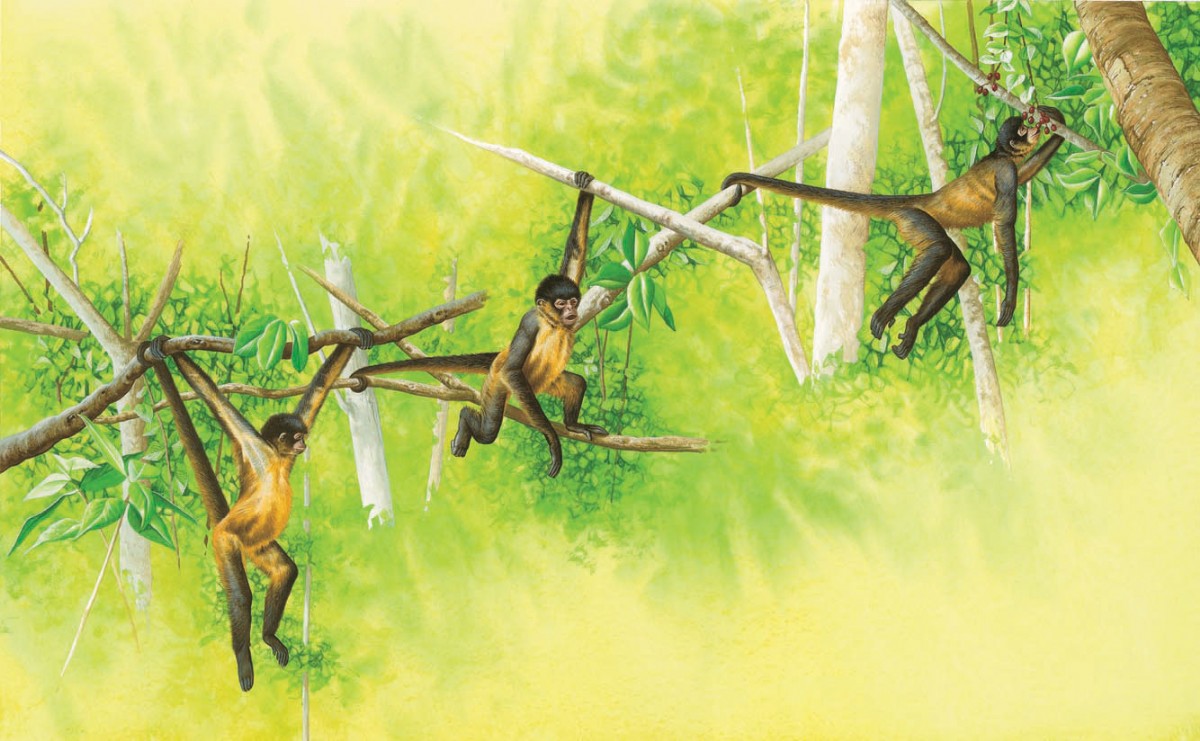
Other animals, such as squirrels and sloths, are adapted to moving in the trees themselves. They have long, sharp claws to grip the bark. Central and South American monkeys have long tails, called prehensile tails, that curl around branches like a fifth limb.
Consultant: Chris Jarvis
pics


Without in any way limiting Q-files Ltd’s exclusive rights under copyright, any use of this publication to “train” generative artificial intelligence (AI) technologies to generate text is expressly prohibited. Q-files Ltd reserves all rights to license use of this work for generative AI training and development of machine learning language models.