
How animals live

CITE
We have made every effort to follow citation style rules, but there may be some minor differences. If in doubt, please refer to the appropriate citation style manual.
How animals feed. (2026). In Q-files Encyclopedia, Life, How animals live. Retrieved from
https://www.q-files.com/life/how-animals-live/how-animals-feed
"How animals feed." Life, How animals live, Q-files Encyclopedia, 23 Mar. 2026.
https://www.q-files.com/life/how-animals-live/how-animals-feed.
Accessed 6 Aug. 2026.
How animals feed 2026. Life, How animals live. Retrieved 6 August 2026, from
https://www.q-files.com/life/how-animals-live/how-animals-feed
Life, How animals live, s.v. "How animals feed," accessed August 6, 2026.
https://www.q-files.com/life/how-animals-live/how-animals-feed


How animals feed
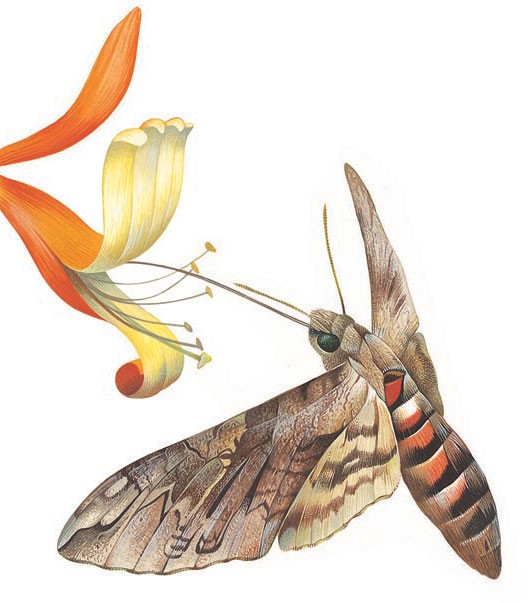
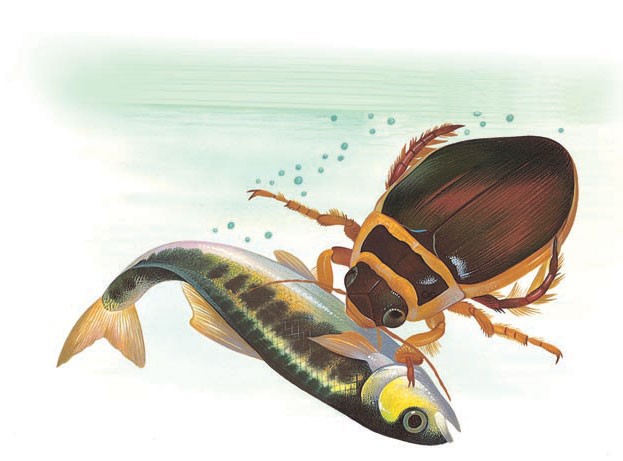
Most animals take food items into their bodies through an opening, the mouth, to be digested and absorbed inside. Many animals eat mainly plants, or plant parts such as leaves, fruits, seeds, nectar, shoots and roots. These are called herbivores. Other animals eat the flesh of other creatures (sometimes their whole bodies). These are called carnivores, or, if the other creatures are insects, insectivores. Some animals, including some worms, insects, lampreys and the vampire bat, feed on blood. A few animals eat a wide range of both plant and animal food: they are omnivores. Finally, detrivores, such as dung beetles and crabs, eat dead or rotting food and wastes.

Mouths
There are almost as many different sizes and designs of animal mouth as there are different kinds of food. Most mammals, like ourselves, have teeth that can bite smaller pieces from a large food item and then chew the pieces into a soft pulp that is easily swallowed. But some mammals have few teeth—or none at all. The anteater collects its tiny food items of ants and termites by flicking out its long, sticky tongue.
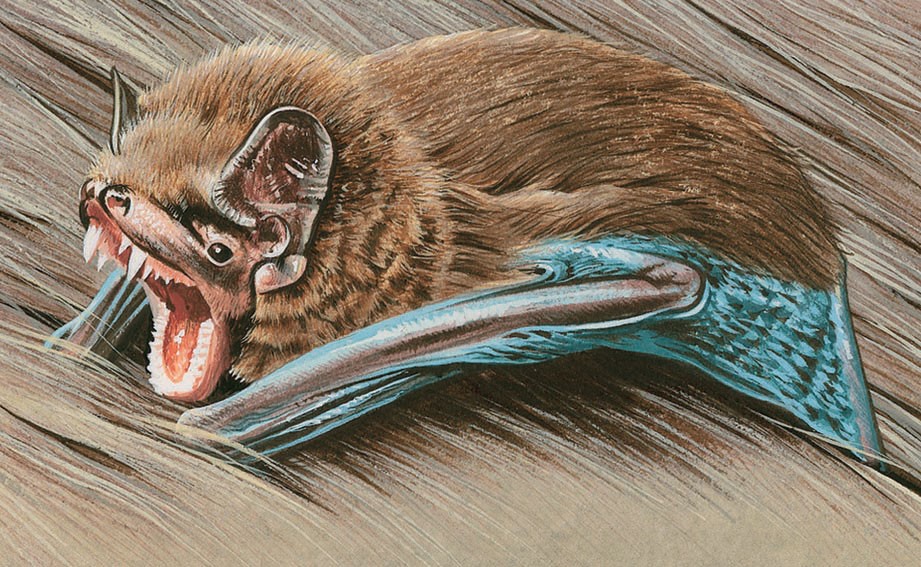
The vampire bat has front teeth like razor blades but it only uses them to slice a slit in its victim’s skin. Then it uses its tongue to lap up its meal of blood.
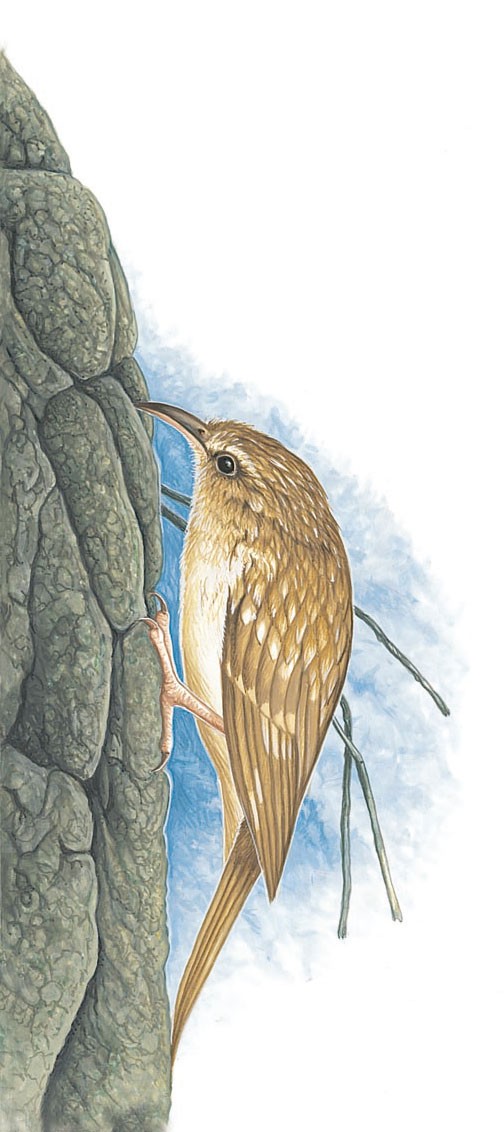
Birds lack teeth, although they can peck powerfully with their strong, horn-covered beaks. Some birds have long, thin beaks like tweezers for probing into cracks or mud for small food items. Others have deep, short, powerful beaks that work like nutcrackers, for splitting seeds and nuts. A few species, such as the blue-footed booby, have serrated (teeth-like) edges to their beaks that help them grip on to fish, for example.
Most frogs have teeth but they cannot chew with them: they are usually only good for gripping prey before swallowing it whole.
Filter-feeders
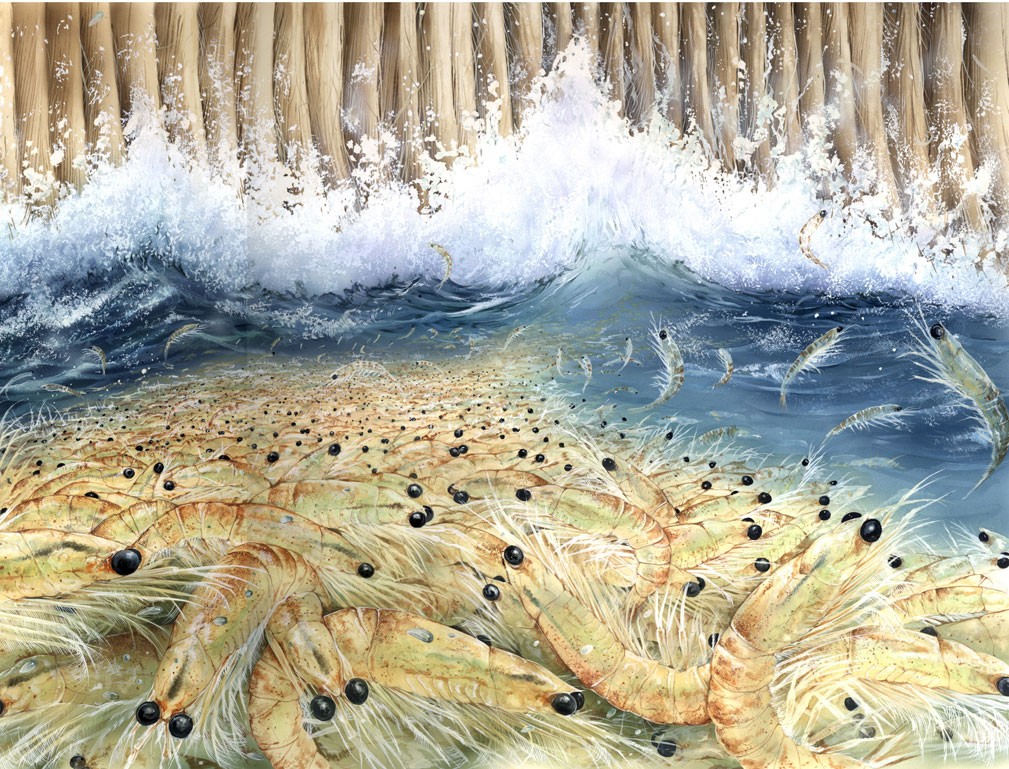
Many kinds of animals, from oysters and sea lilies to flamingos and baleen whales, such as the blue whale, are filter-feeders. They filter, or sieve, small water organisms using a mouth equipped with hairs or flaps that make a brush- or comb-like structure. Whales take in mouthfuls of water and filter out the shrimps or other tiny marine animals through plates of horn-like material, called baleen, in their mouths.
The digestive process
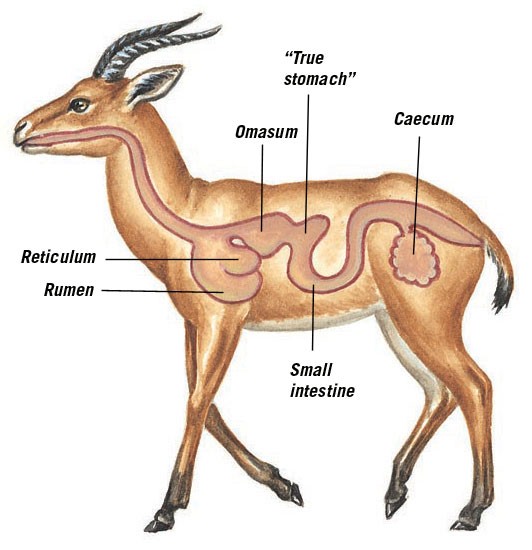
Food is broken down by the digestive system. This is usually a long tube coiled inside the animal’s body. The first part is the bag-like stomach with its muscular wall. It stores and squashes the meal, mixing it with acids to help break down the food into nutrients. Next is the long intestine that absorbs the nutrients, which then pass into the animal's bloodstream. Wastes pass out of the animals' body through its anus, usually at the opposite end of its body from its mouth.
Consultant: Chris Jarvis
pics

Without in any way limiting Q-files Ltd’s exclusive rights under copyright, any use of this publication to “train” generative artificial intelligence (AI) technologies to generate text is expressly prohibited. Q-files Ltd reserves all rights to license use of this work for generative AI training and development of machine learning language models.