
Marine invertebrates

CITE
We have made every effort to follow citation style rules, but there may be some minor differences. If in doubt, please refer to the appropriate citation style manual.
Bivalves. (2026). In Q-files Encyclopedia, Life, Marine invertebrates. Retrieved from
https://www.q-files.com/life/marine-invertebrates/bivalves
"Bivalves." Life, Marine invertebrates, Q-files Encyclopedia, 24 Mar. 2026.
https://www.q-files.com/life/marine-invertebrates/bivalves.
Accessed 21 Sep. 2026.
Bivalves 2026. Life, Marine invertebrates. Retrieved 21 September 2026, from
https://www.q-files.com/life/marine-invertebrates/bivalves
Life, Marine invertebrates, s.v. "Bivalves," accessed September 21, 2026.
https://www.q-files.com/life/marine-invertebrates/bivalves


Bivalves
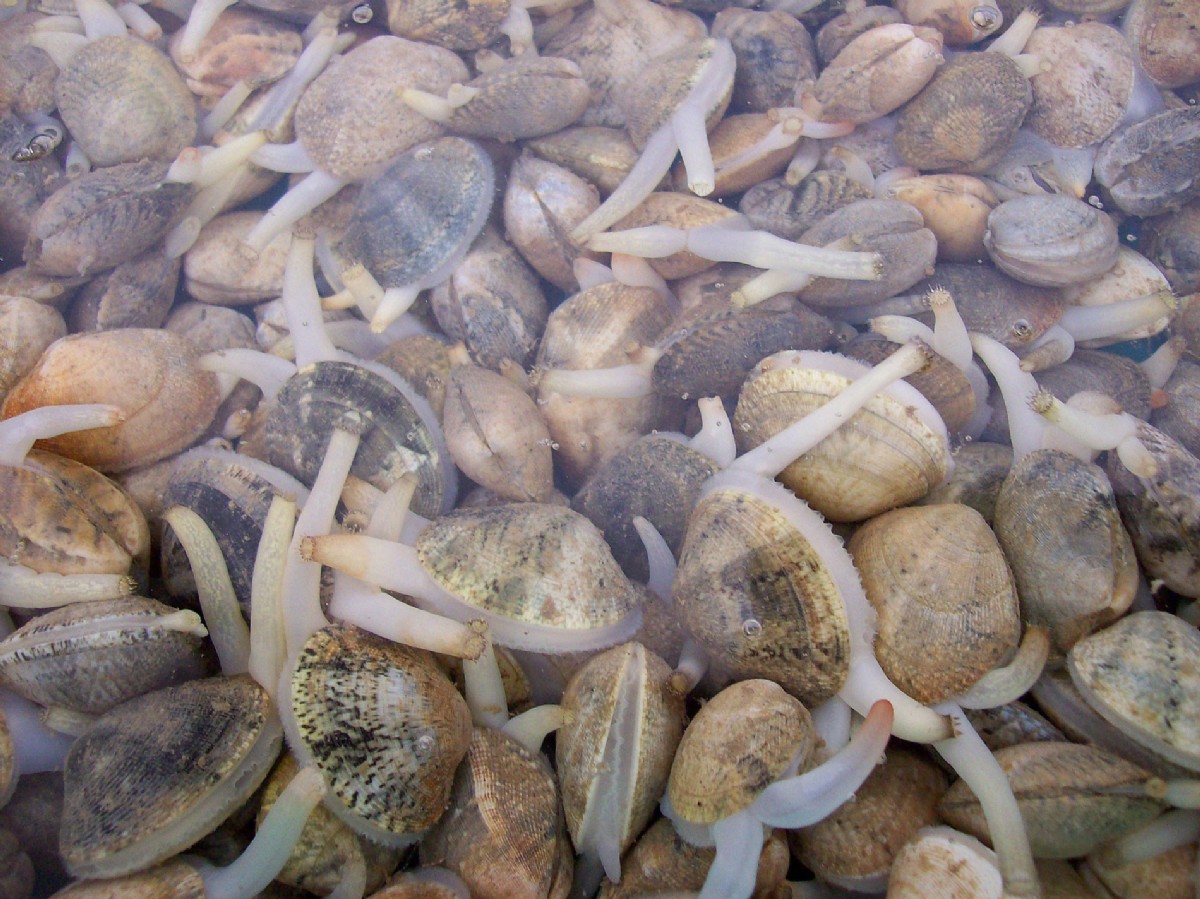
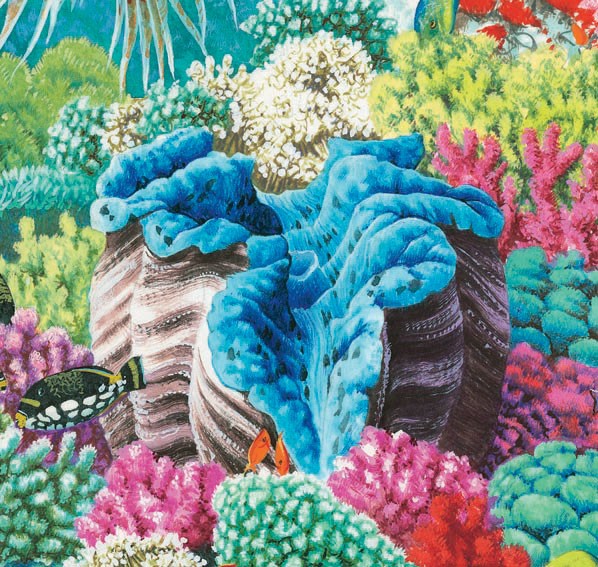
Bivalves are kinds of molluscs with flattened bodies contained in a shell that has two hinged parts. They include clams, cockles, oysters, scallops, mussels, razor shells and many others. Some, for example the cockles, are rounded, while razors have elongated shells and shipworms are long and thin. Most bivalves are filter feeders: they use their special gills for both feeding and breathing. To protect themselves from predators, they either bury themselves in the sand or mud on the seabed, or attach themselves to rocks. Some, such as shipworms, bore into wood. Others, including scallops, swim away from danger.

Movement
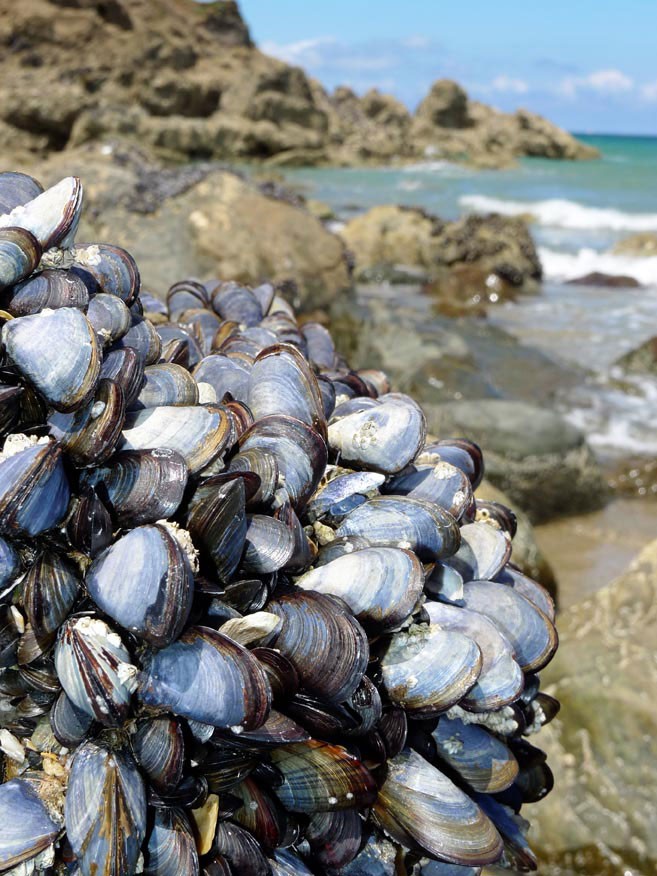
Oysters and marine mussels remain permanently attached to rocky ground. Bivalves that are fixed in one place (sessile) and become exposed at low tide, such as marine mussels, keep their gills wet by ensuring their shells remain tightly shut.
Clams burrow into sand or mud using their foot. Scallops can swim at speed by suddenly slamming their shells together and ejecting water from inside, effectively using jet propulsion to move through the water.


Structure
The shell of a bivalve is composed of calcium carbonate, and consists of two parts, called valves. The valves are connected along one edge by a hinge made of a flexible ligament.
A bivalve has a mouth, heart, intestine, gills, stomach and siphon, but no head. Some species, for example, scallops, have eyes. A special muscle holds the two halves of the shell together. A single, muscular foot is used either to anchor its body to a rock, as, for example, in clams, or to dig down into the sand, as in a razor shell, or to swim, as with a scallop.
Feeding and breathing
Bivalves have a pair of gills inside their valves. Water is sucked in and washes through the gills. Here, food particles—plankton—are filtered from the water and passed into the mouth. Some species have two siphons: one which reaches out of the shell to to take in water and another to expel waste.
How bivalves live
Most bivalves are live under the seabed, buried in sand, mud or coral fragments. Here they are protected both from predators and from being destroyed by the force of the waves. Many bivalves live in the intertidal zone, where the sediments remain damp while the tide is out. They extend their siphons to feed and breathe during high tide, but keep their shell tightly shut when the tide goes out, using their foot to burrow deeper into the sediments if necessary.
Other bivalves, such as mussels, attach themselves to rocks. They are much more exposed to predators than their burrowing relatives. Whelks and other gastropods feed on them by boring into their shells and sucking out their bodies. Crabs use their pincers to crack their shells open. Starfish use their tube feet to prise the valves apart and then push their stomachs inside them to digest the contents.
Consultant: Chris Jarvis
pics
Without in any way limiting Q-files Ltd’s exclusive rights under copyright, any use of this publication to “train” generative artificial intelligence (AI) technologies to generate text is expressly prohibited. Q-files Ltd reserves all rights to license use of this work for generative AI training and development of machine learning language models.