
Marine invertebrates

CITE
We have made every effort to follow citation style rules, but there may be some minor differences. If in doubt, please refer to the appropriate citation style manual.
Sea snails and slugs. (2026). In Q-files Encyclopedia, Life, Marine invertebrates. Retrieved from
https://www.q-files.com/life/marine-invertebrates/sea-snails-and-slugs
"Sea snails and slugs." Life, Marine invertebrates, Q-files Encyclopedia, 24 Mar. 2026.
https://www.q-files.com/life/marine-invertebrates/sea-snails-and-slugs.
Accessed 21 Sep. 2026.
Sea snails and slugs 2026. Life, Marine invertebrates. Retrieved 21 September 2026, from
https://www.q-files.com/life/marine-invertebrates/sea-snails-and-slugs
Life, Marine invertebrates, s.v. "Sea snails and slugs," accessed September 21, 2026.
https://www.q-files.com/life/marine-invertebrates/sea-snails-and-slugs


Sea snails and slugs
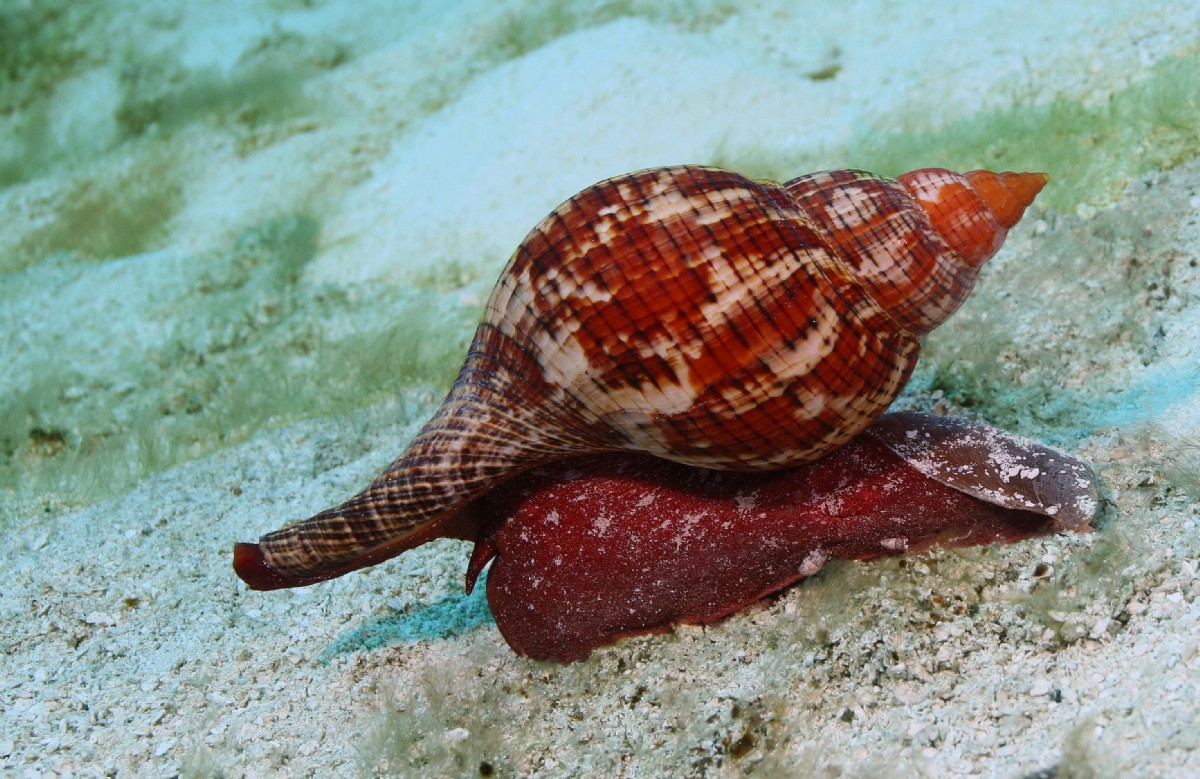
Sea snails and slugs move about on one large foot. Sea snails, a family that includes limpets, conches, whelks and periwinkles, all have hard shells, while sea slugs do not. Because sea slugs are not protected by a shell, some species are camouflaged and some are poisonous. Snails and slugs are gastropods, types of mollusc. Other molluscs are bivalves and the cephalopods: squid, cuttlefish and octopuses.

Limpets
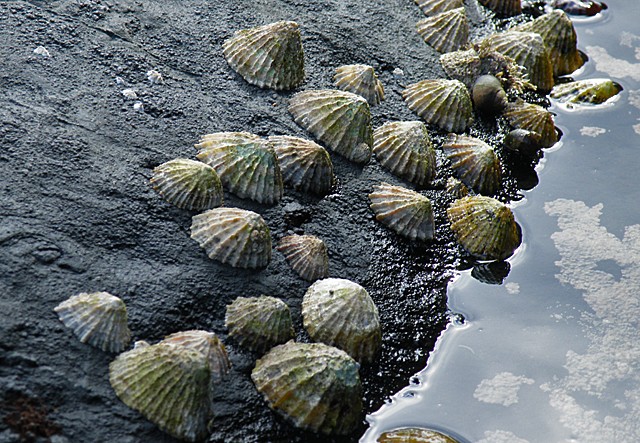
Limpets are kinds of sea snails that have a simple, conical shell. Some limpets, especially those that live in intertidal zones (between the high tide and low tide marks), have a lung, while others have gills. Using their single muscular foot, limpets attach themselves tightly to wet rocks at low tide. They do this to stop themselves drying out or from being pulled away by waves when the tide comes back in. They seal the lower edge of their shells by grinding out the rock, forming a scar in the rock.
At high tide, limpets leave to graze for food. Just before becoming exposed once more at low tide, they return to that same scar.
Sea slugs
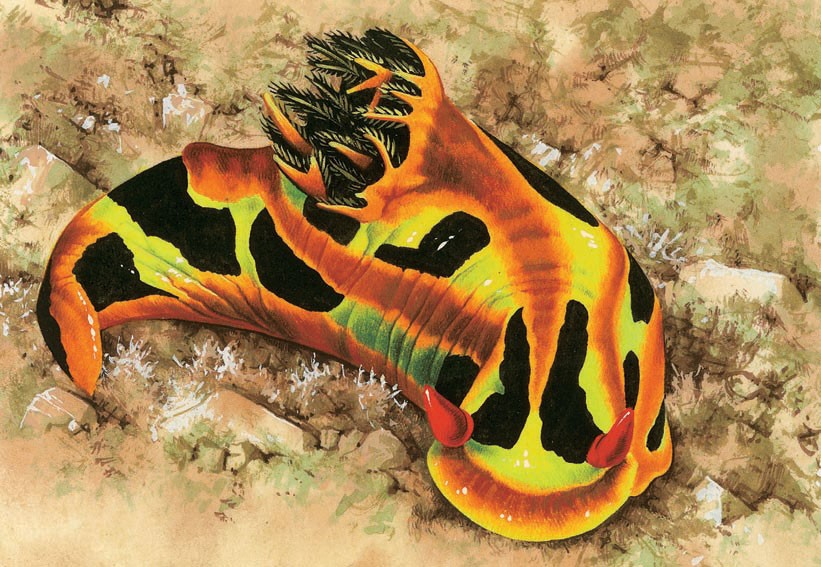
Some types of sea slug, the nudibranchs, have bright colours to warn that they are poisonous. But their poison is not their own. The sea slugs feed on jellyfish and sea anemones. Instead of digesting the stinging cells (called nematocysts) of these animals, the slugs store their stingers in growths on their backs. They will use them as a weapon against any predators who threaten to attack them.
Consultant: Chris Jarvis
pics

Without in any way limiting Q-files Ltd’s exclusive rights under copyright, any use of this publication to “train” generative artificial intelligence (AI) technologies to generate text is expressly prohibited. Q-files Ltd reserves all rights to license use of this work for generative AI training and development of machine learning language models.