
Mammals

CITE
We have made every effort to follow citation style rules, but there may be some minor differences. If in doubt, please refer to the appropriate citation style manual.
Otters. (2026). In Q-files Encyclopedia, Life, Mammals. Retrieved from
https://www.q-files.com/life/mammals/otters
"Otters." Life, Mammals, Q-files Encyclopedia, 24 Mar. 2026.
https://www.q-files.com/life/mammals/otters.
Accessed 22 Sep. 2026.
Otters 2026. Life, Mammals. Retrieved 22 September 2026, from
https://www.q-files.com/life/mammals/otters
Life, Mammals, s.v. "Otters," accessed September 22, 2026.
https://www.q-files.com/life/mammals/otters


Otters
Otters are semi-aquatic, fish-eating mammals. Members of the weasel family, most species of otter live near rivers or ponds, while the sea otter lives in the coastal waters of the Pacific Ocean. Designed for speed in the water, the otter has a long, muscular body, water-repellent fur, webbed paws and a thick, flattened tail. It moves through the water by flexing its body and tail up and down, while paddling and steering with its hind feet. It feeds on other water creatures, including fish, shellfish, amphibians, birds and small mammals. Its stiff whiskers are sensitive to slight movements in the water, helping it to locate its prey.
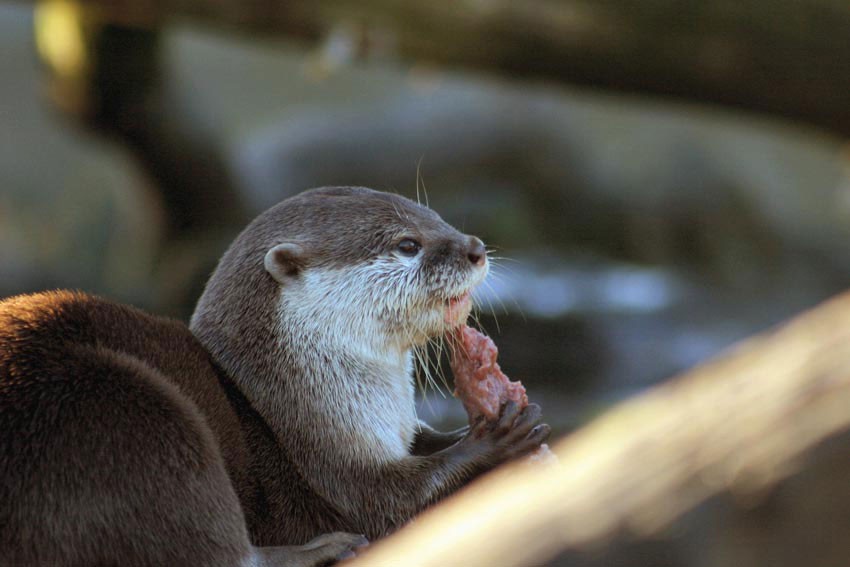
European otter
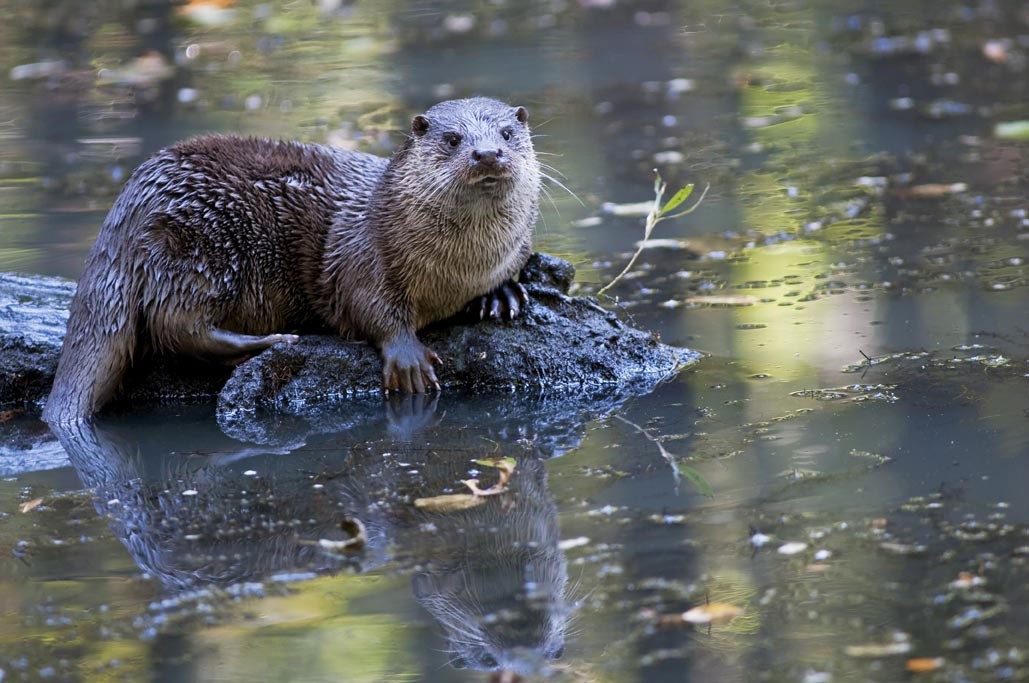
To avoid its fur becoming waterlogged, the European otter enters the river only to hunt or travel. The rest of the time it lives on the river's edge. Some live along the coast and swim in the sea. Hunting at night, it feeds mainly on fish, but will also catch birds, insects, frogs and crustaceans. Fiercely territorial, the otter lays claim to a stretch of river averaging 20 kilometres (12 miles) long, marking its boundaries with faeces, called spraints, urine and a strong-smelling musk from its scent glands.

Giant otter
The giant otter looks similar to other kinds of otter, but it is larger, sometimes reaching 1.8 metres (6 ft) in length. It lives mostly in the Amazon River and other wetlands of South America. Hunted for its fur, the giant otter is now endangered.
Sea otter
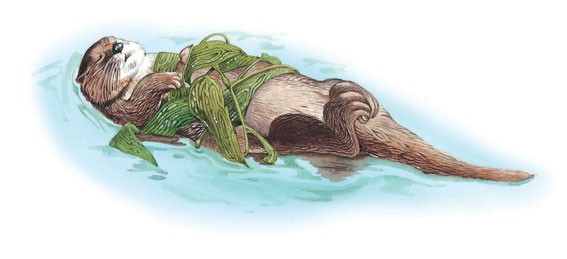
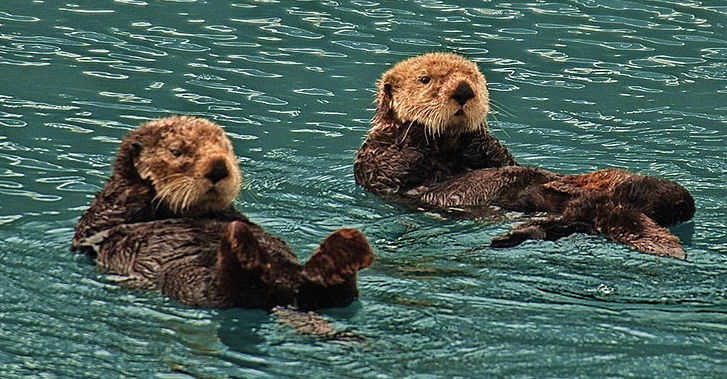
Sea otters live among the beds of giant kelp seaweed along Pacific coasts of Russia and North America. They spend nearly all their lives at sea, rarely coming ashore. At night, they wrap strands of kelp around their bodies to stop them drifting away with the currents while they sleep.
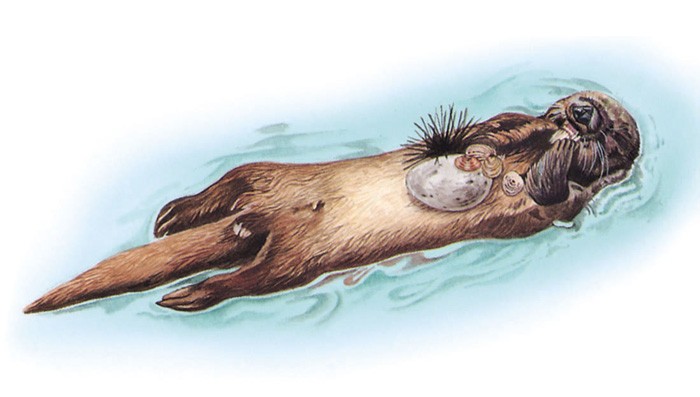
The sea otter is one of only a few kinds of animal that uses tools. The otters dive for sea urchins, crabs and shellfish to eat. Then they come to the surface carrying their catch—and a stone—in pouches under each front leg. Floating on their backs and using their bellies as tables, the otters smash the shells open with the stone to reach the soft flesh inside. They also use stones to hack abalone sea snails off rocks.
Consultant: Chris Jarvis
pics

Without in any way limiting Q-files Ltd’s exclusive rights under copyright, any use of this publication to “train” generative artificial intelligence (AI) technologies to generate text is expressly prohibited. Q-files Ltd reserves all rights to license use of this work for generative AI training and development of machine learning language models.