
Mammals

CITE
We have made every effort to follow citation style rules, but there may be some minor differences. If in doubt, please refer to the appropriate citation style manual.
Horses. (2026). In Q-files Encyclopedia, Life, Mammals. Retrieved from
https://www.q-files.com/life/mammals/horses
"Horses." Life, Mammals, Q-files Encyclopedia, 24 Mar. 2026.
https://www.q-files.com/life/mammals/horses.
Accessed 22 Sep. 2026.
Horses 2026. Life, Mammals. Retrieved 22 September 2026, from
https://www.q-files.com/life/mammals/horses
Life, Mammals, s.v. "Horses," accessed September 22, 2026.
https://www.q-files.com/life/mammals/horses


Horses
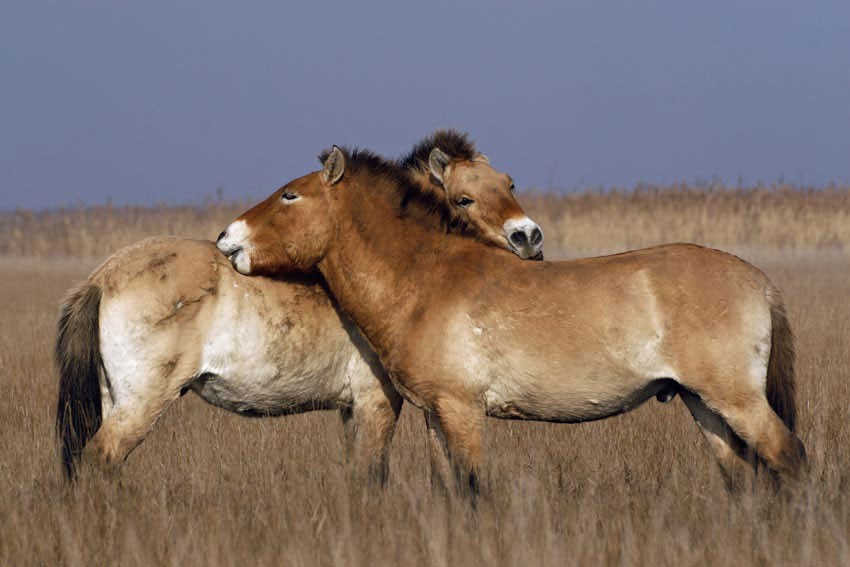
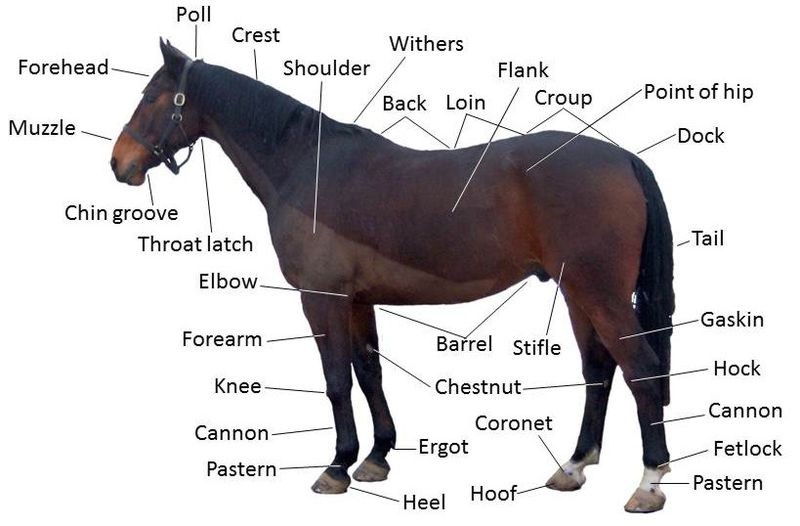
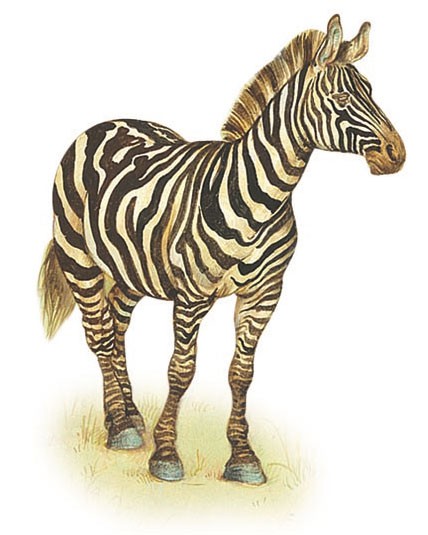
Horses, asses and zebras live in open grasslands and scrubland, feeding mainly on grass. They are ungulates, a group of mammals that have hooves instead of claws on their feet. Horses are from the odd-toed group, having just a single toe. All horses have a mane of hair on their necks, which stands upright in all but domestic horses. Their long tails are covered with hair all over in the horses but only at the tip in asses and zebras. Baby horses, called foals, can walk soon after birth. Other members of the horse family are the kiang and onager.
Lifestyle
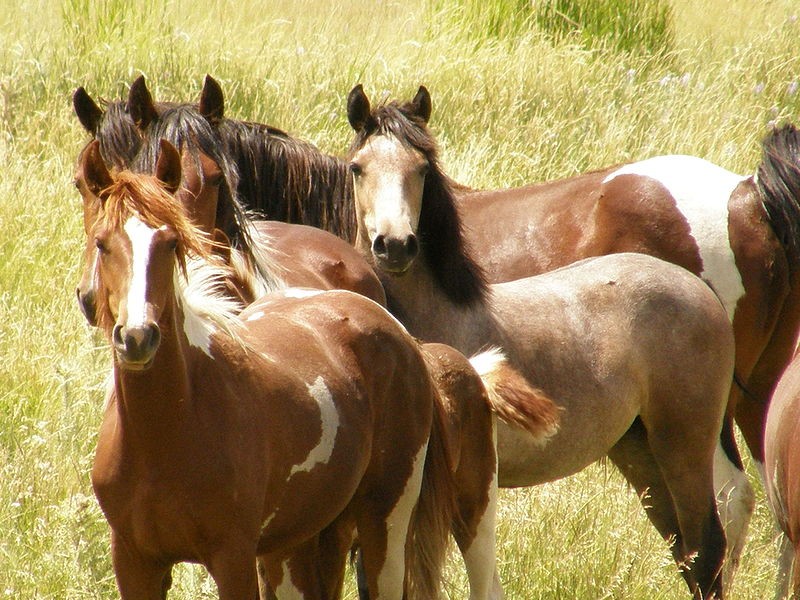
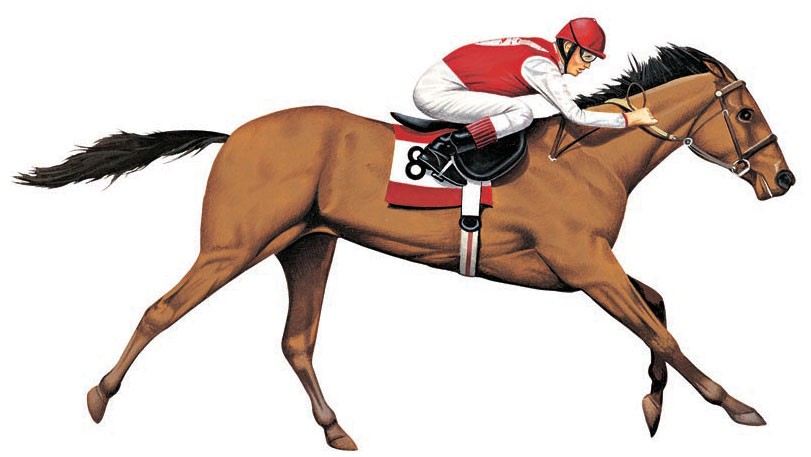
Horses live in groups, called "harems", consisting of a male and a group of females and their foals. Male horses will fight for the right to lead a harem. Where food is plentiful, the harems join together to form large herds. Horses have excellent eyesight and can spot a predator in almost any direction. They can also run at top speed for long distances. Horses can reach speeds of around 70 km/h (more than 40 mph). A horse has several gaits, used for different speeds or terrains: walk, trot, canter and gallop. In each gait, the horse moves its limbs in a different way.

Teeth
Horses have sharp front teeth for biting off blades of grass, and grinding back teeth for chewing. The jaw is deep and muscular to crush tough grasses. The teeth keep on growing so that they are not worn away by constant feeding.
Domestic horses
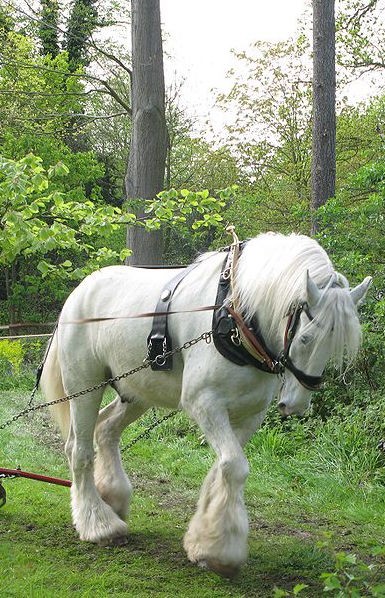
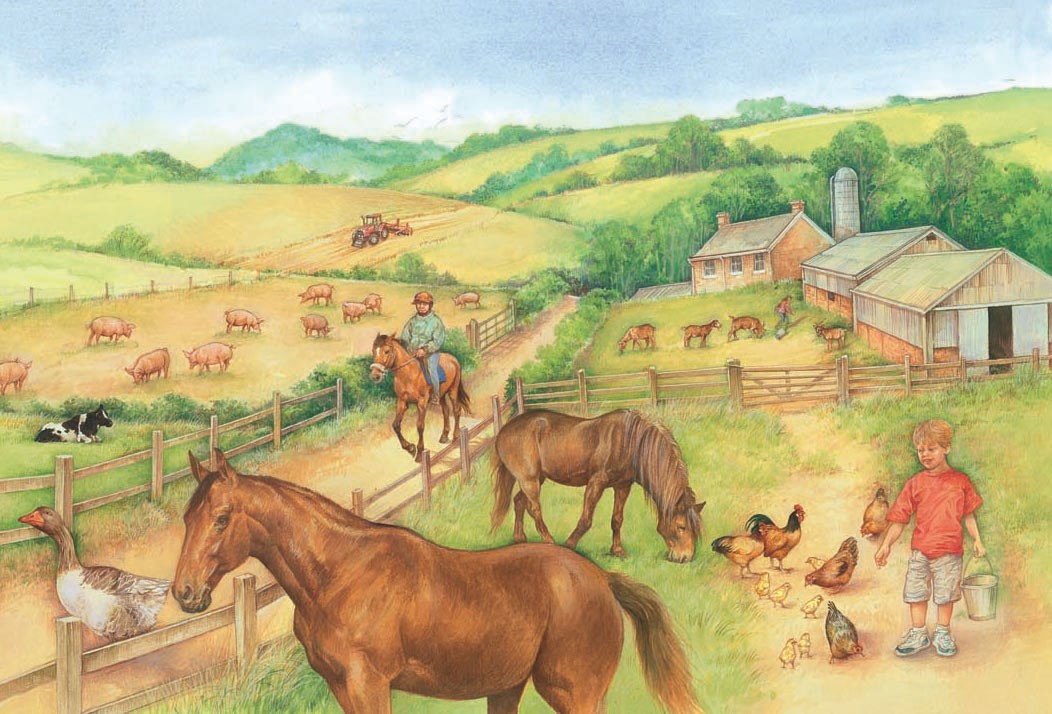
Humans began to domesticate horses around 4000 BC, probably in Kazakhstan and Ukraine. They were bred for different purposes, including getting about, working the land and for use in war. Horse breeds are divided into three main categories based on their temperament or physical build. The first category, "hot-bloods" were capable of running at speed over long distances; they were suitable for racing or, in the past, riding into battle. The second category, "cold-bloods", such as draft horses, were suitable for heavy work such as pulling ploughs or carriages. The final category, "warm-bloods", were crosses between hot bloods and cold bloods, often created specially for riding purposes, including dressage and show-jumping.
Ponies
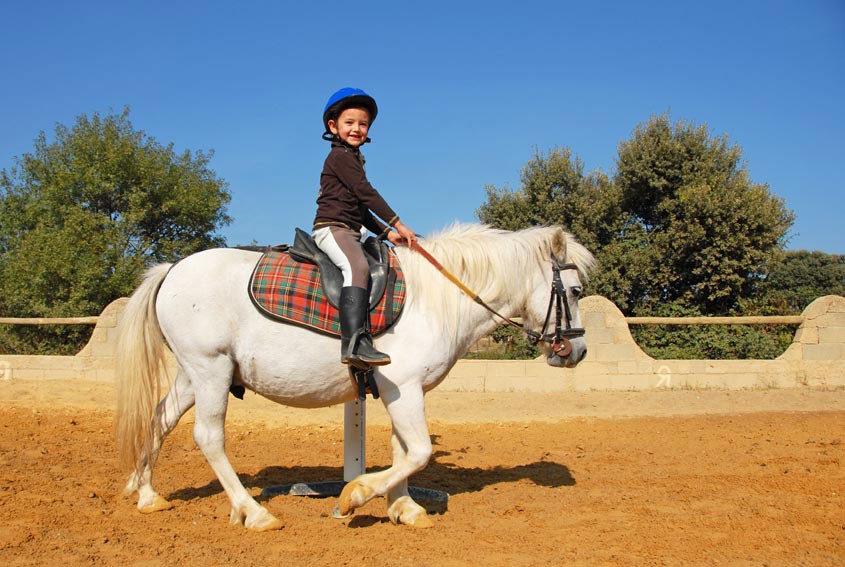
Ponies are really the same animals as horses, but have been bred to have different characteristics. They are usually smaller, with thicker manes, tails and coat hairs. They also have shorter legs, are of stockier appearance and have shorter heads. Ponies are often used for riding, but in some parts of the world they are still used as working animals or for pulling vehicles.
Donkeys
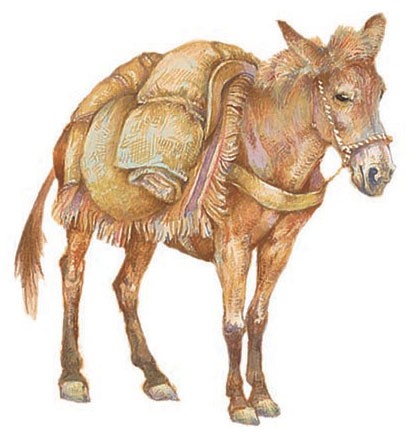
Donkeys, or asses, are small members of the horse family with an erect mane and long ears. Many donkeys are domesticated, especially in hilly regions. They are more suited to living in rough hill country than horses. If a horse and a donkey breed, their offspring is called a mule, and is sterile, meaning it cannot reproduce.

Consultant: Chris Jarvis
pics
Without in any way limiting Q-files Ltd’s exclusive rights under copyright, any use of this publication to “train” generative artificial intelligence (AI) technologies to generate text is expressly prohibited. Q-files Ltd reserves all rights to license use of this work for generative AI training and development of machine learning language models.