
Mammals

CITE
We have made every effort to follow citation style rules, but there may be some minor differences. If in doubt, please refer to the appropriate citation style manual.
Manatees. (2026). In Q-files Encyclopedia, Life, Mammals. Retrieved from
https://www.q-files.com/life/mammals/manatees
"Manatees." Life, Mammals, Q-files Encyclopedia, 24 Mar. 2026.
https://www.q-files.com/life/mammals/manatees.
Accessed 21 Sep. 2026.
Manatees 2026. Life, Mammals. Retrieved 21 September 2026, from
https://www.q-files.com/life/mammals/manatees
Life, Mammals, s.v. "Manatees," accessed September 21, 2026.
https://www.q-files.com/life/mammals/manatees


Manatees
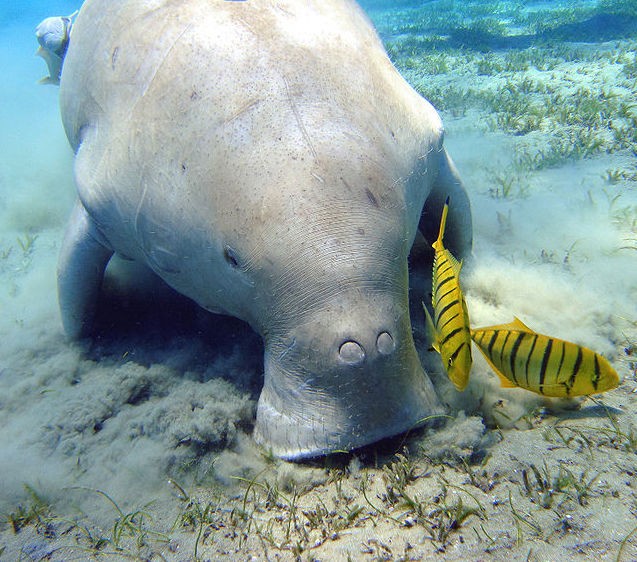
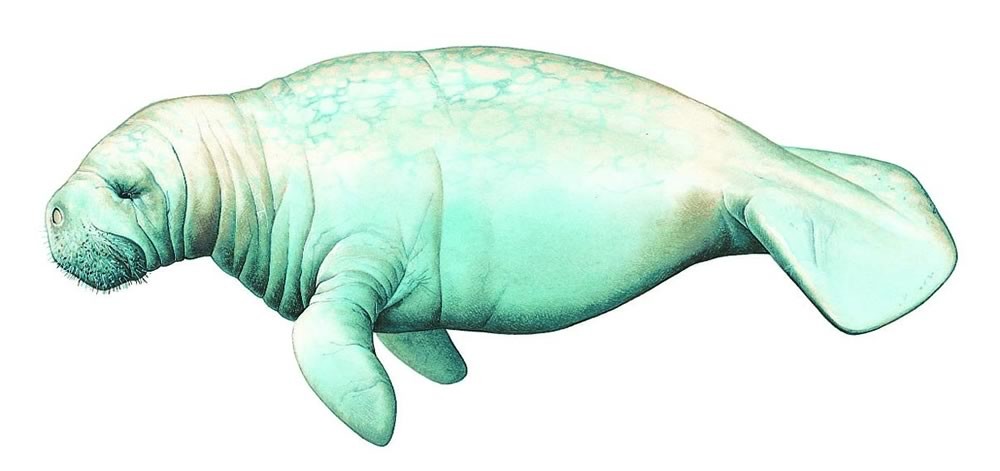
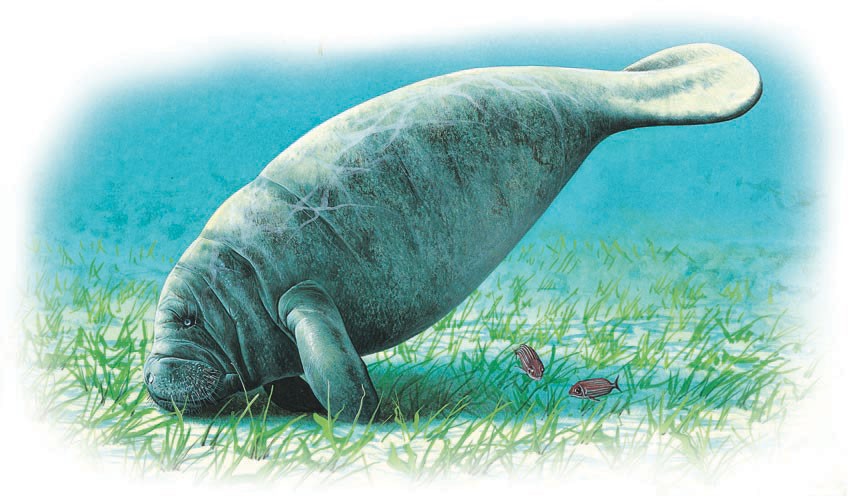
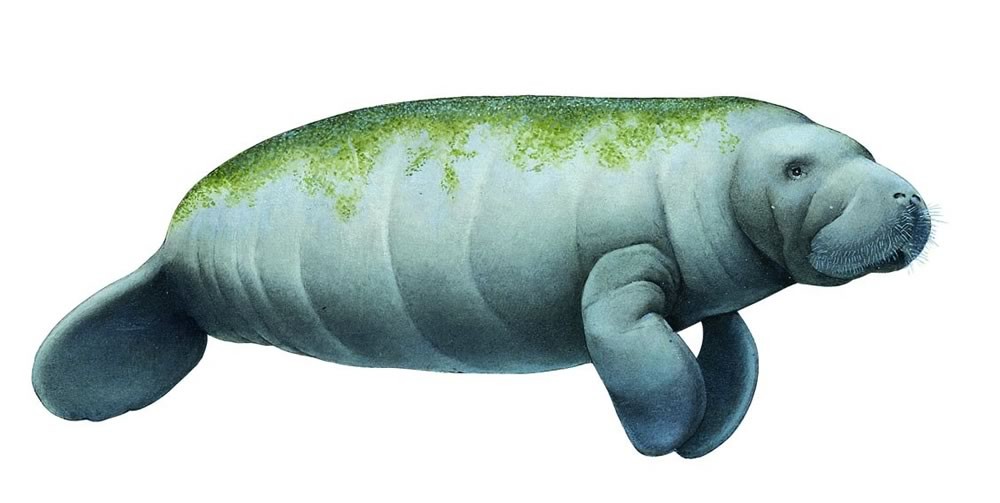
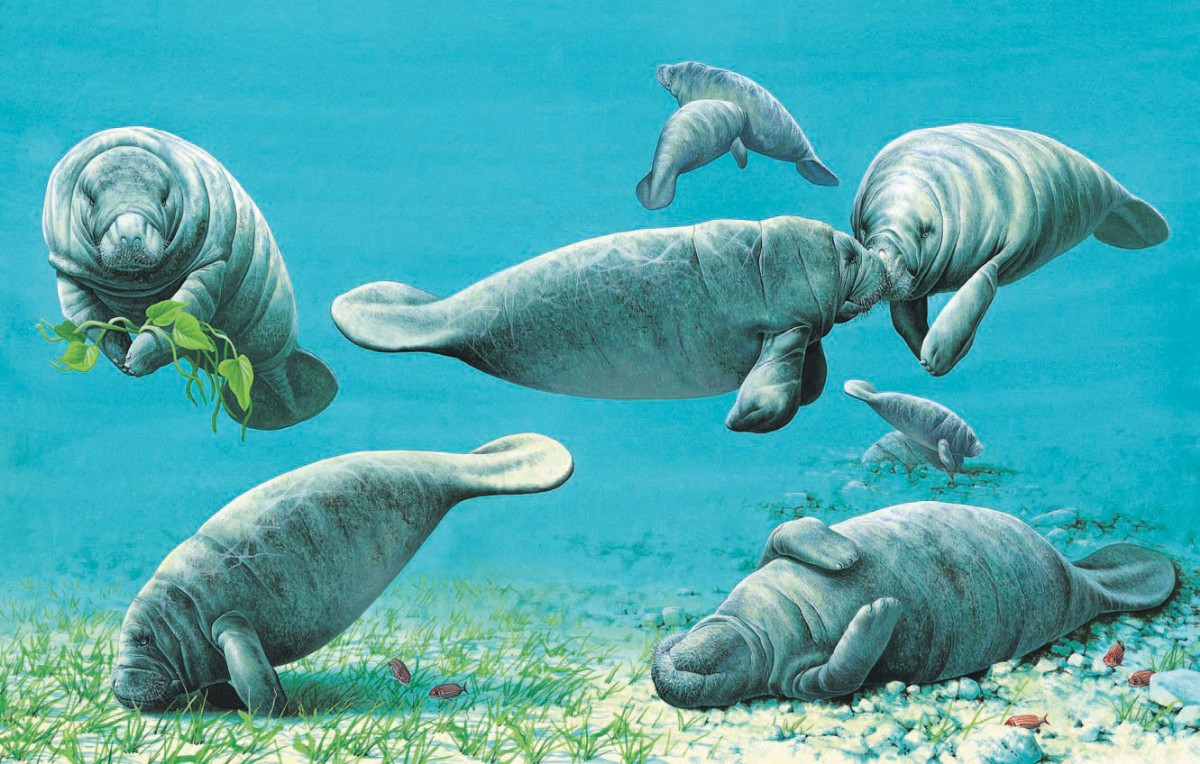
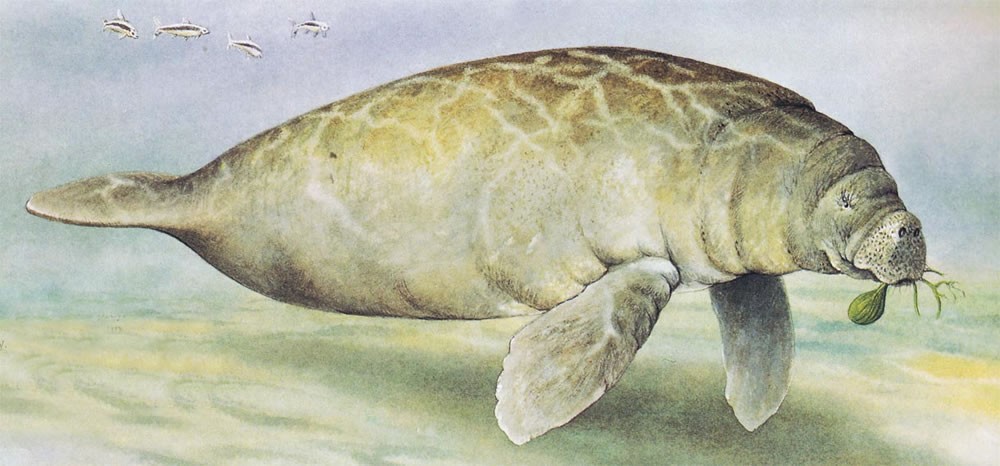
Manatees are mammals that live in water all the time, but come to the surface to breathe. They have large, bulky bodies and live in tropical coastal waters and rivers: off the coast of Florida, in the Caribbean and off the coast of West Africa. There are also some rare manatees living in the River Amazon in South America. The dugong, a relative, lives off the coasts of the Indian and Pacific Oceans. Together known as sirenians, or “sea cows”, manatees and dugongs spend much of their time grazing on underwater plants and grasses.
Feeding
The manatee has three nails on each flipper. These help it to grasp the seagrasses and water plants that it eats. Manatees eat mainly water plants, but have been observed reaching out of the water to grab juicy land plants. They eat for eight hours a day, using their large, flexible upper lips to gather their food. They have tough grinding teeth called molars to chew with. These fall out when they are worn down and are replaced by new ones.
Speedy swimmers
Despite their lumbering appearance, manatees are superb swimmers, capable of speeds of up to 25 km/h (15 mph)—although they usually cruise around at no more than 8 km/h (5 mph). They wag their large, paddle-shaped tails up and down to propel their bodies through the water.
Close bonds
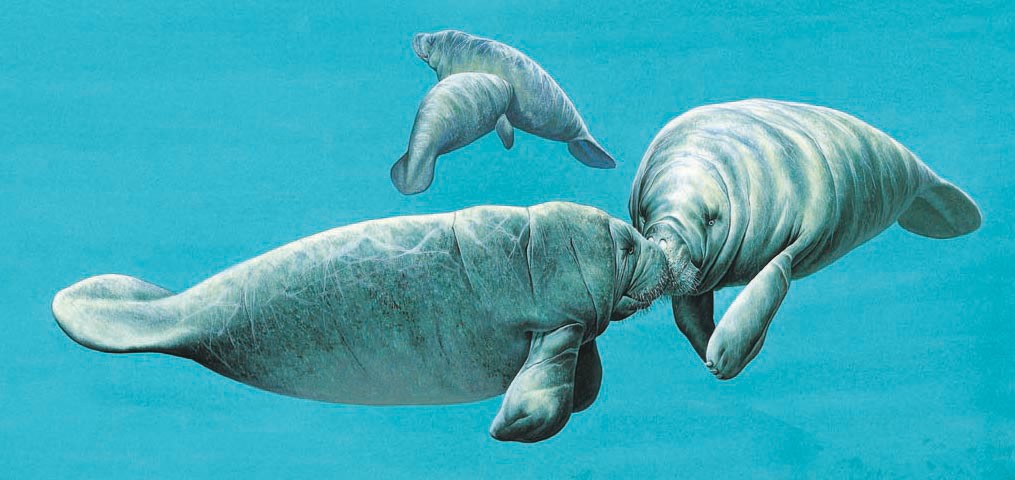
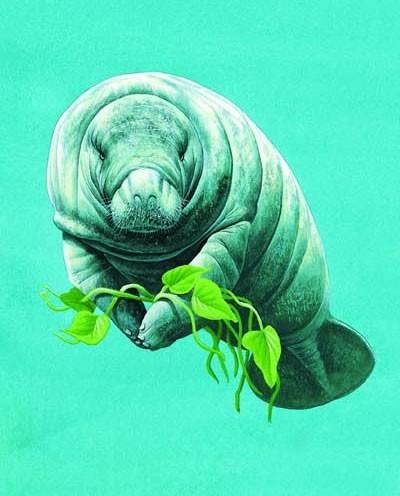
Manatees often rub against each other and sometimes “kiss” by touching noses. Mothers and calves whistle and squeal to each other all the time. A calf will stay with its mother for around two years.
Migrating
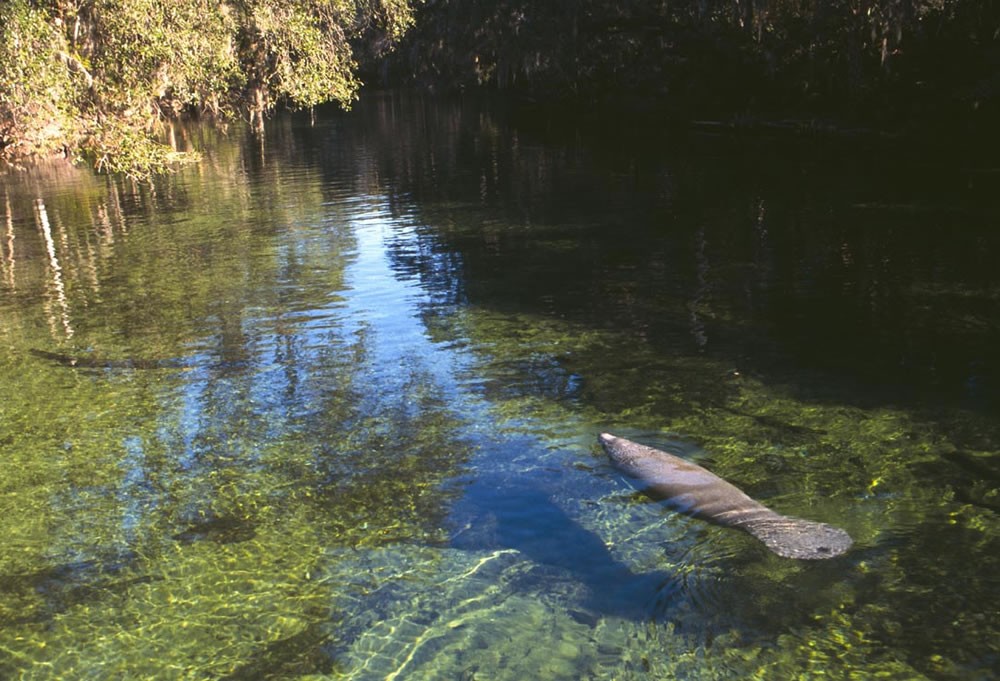
Manatees spend most of the year in seagrass meadows in the Caribbean Sea. But in November, they move north to the waters off the coast of Florida. Despite their size, manatees have relatively little body fat and cannot survive in waters below 20°C (68°F). In the lagoons and estuaries of Florida, natural springs keep the water warm throughout the year. A few manatees even gather in warm-water inlets close to power plants. In spring, the manatees return to the freshly replenished seagrass meadows of the Caribbean.
Manatees and people
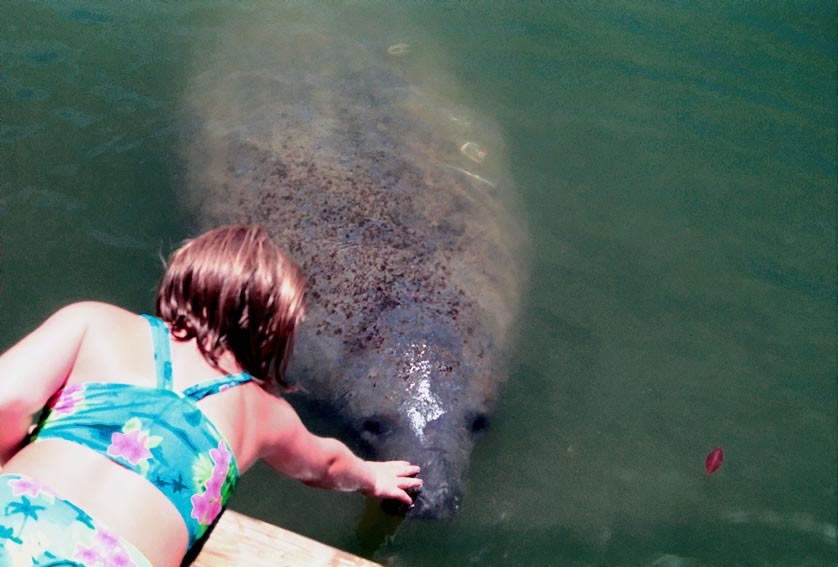
Manatees are slow-moving, curious animals. Especially in the Gulf of Mexico and Florida, many of them live along shores where many people live, work or spend holidays. Unfortunately, this has led to many collisions between the manatees and propeller-driven boats and ships, leading to frequent injuries and even deaths. Many manatees have propeller scars on their backs. Nearly 100 manatees a year die from these injuries in Florida every year.
Another cause of manatee deaths is the red tide, or "algal blooms" that occur off certain coastlines as a result of fertilizers washing into the sea. The toxins produced by the algae kill the manatee, along with many other marine life-forms.
Consultant: Chris Jarvis
pics


Without in any way limiting Q-files Ltd’s exclusive rights under copyright, any use of this publication to “train” generative artificial intelligence (AI) technologies to generate text is expressly prohibited. Q-files Ltd reserves all rights to license use of this work for generative AI training and development of machine learning language models.