
Mammals

CITE
We have made every effort to follow citation style rules, but there may be some minor differences. If in doubt, please refer to the appropriate citation style manual.
Badgers. (2026). In Q-files Encyclopedia, Life, Mammals. Retrieved from
https://www.q-files.com/life/mammals/badgers
"Badgers." Life, Mammals, Q-files Encyclopedia, 24 Mar. 2026.
https://www.q-files.com/life/mammals/badgers.
Accessed 6 Aug. 2026.
Badgers 2026. Life, Mammals. Retrieved 6 August 2026, from
https://www.q-files.com/life/mammals/badgers
Life, Mammals, s.v. "Badgers," accessed August 6, 2026.
https://www.q-files.com/life/mammals/badgers


Badgers
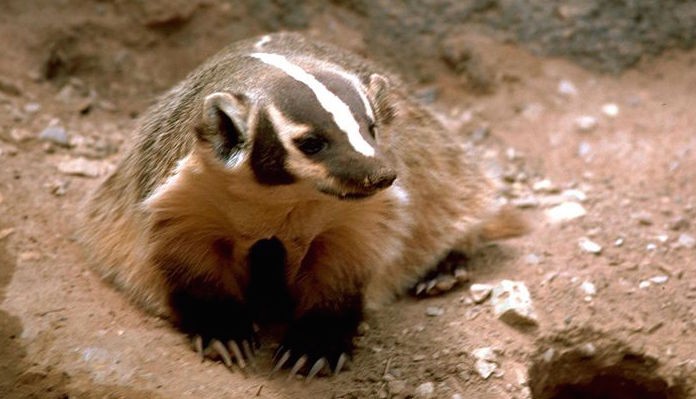
Badgers are nocturnal, omnivorous (feeding on both plants and animals) members of the weasel family. They have stocky bodies and strong paws for burrowing. There are 11 species of badger. Most feed on earthworms, slugs and insects, but some badgers will also kill and eat birds and small mammals, such as hedgehogs. The honey badger, also called a ratel, breaks open beehives to reach the honey inside. It also feeds on a wide range of other foods.

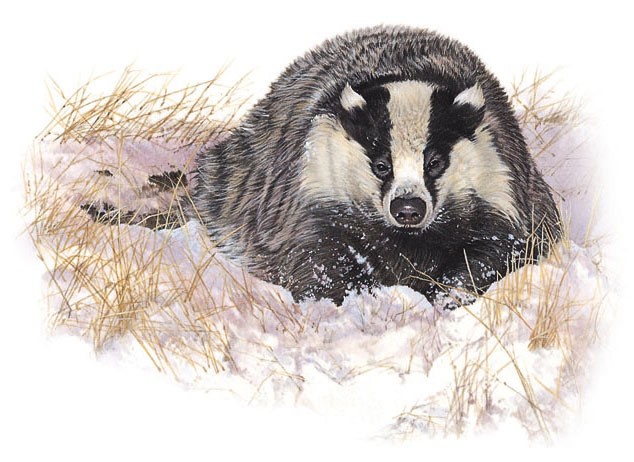
European badger
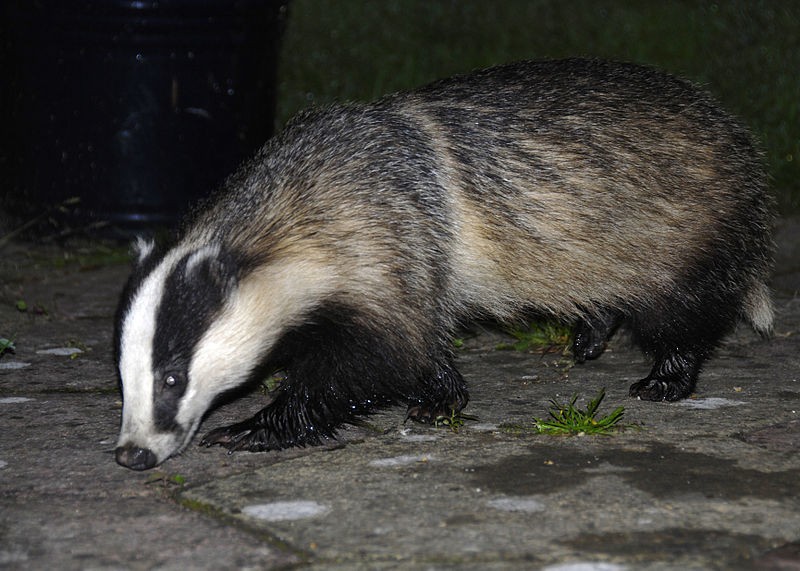
The European badger spends the day in its underground home, called a sett, which it shares with other members of its family or clan. At night, lone badgers roam their territories—marked by dung—in search of earthworms, as well as other foods such as mice, voles, insects, fruit and roots. They hunt using their excellent senses of smell and hearing; their eyesight, not needed in the dark, is poor.
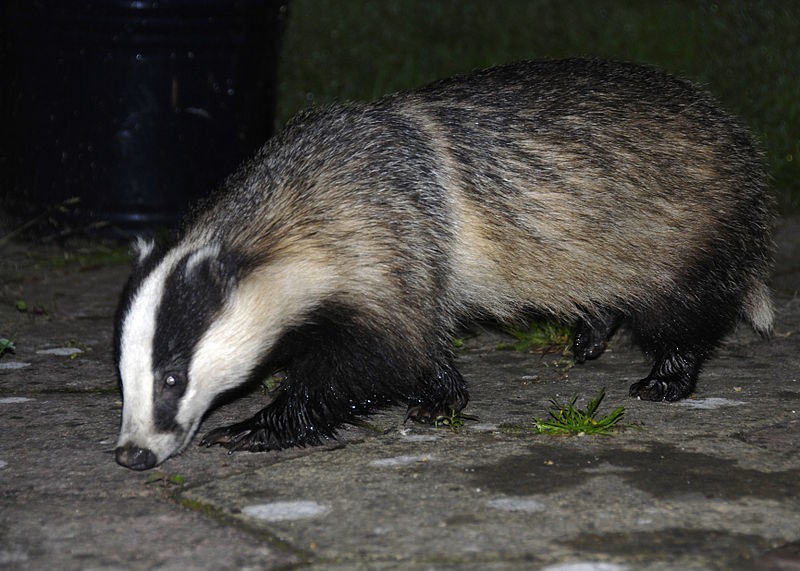
Foraging for food
Badgers spend the night foraging for food. Earthworms make up the largest part of their diet. On warm, damp evenings, the worms come up to the surface of the ground to drag rotting leaves down into the soil. These are the nights when badgers are at their most active. One badger may eat up to 200 worms in a single night.

Preparing for winter
Badgers spend the summer gorging on earthworms, insects, fruit and small mammals. Autumn fruits and fungi also provide a rich supply of food. By winter, a badger will have built up the fat reserves it needs to survive the cold. It may lose around one quarter of its body weight over the winter months.
Setts
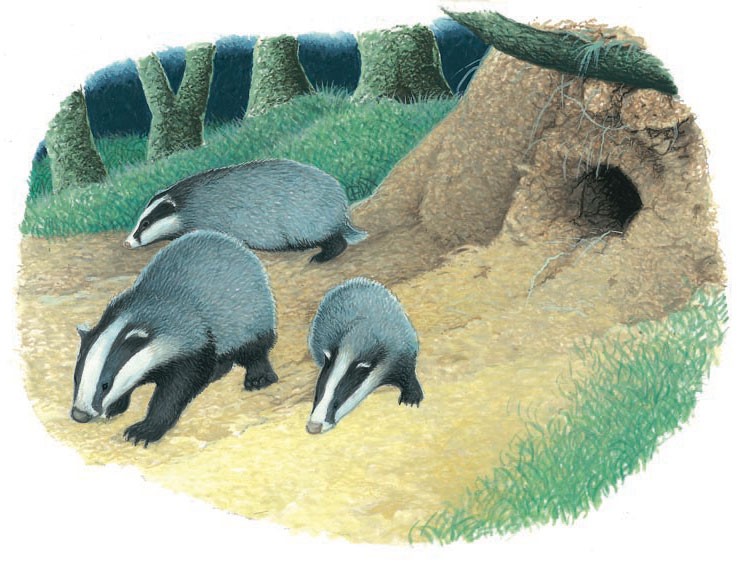
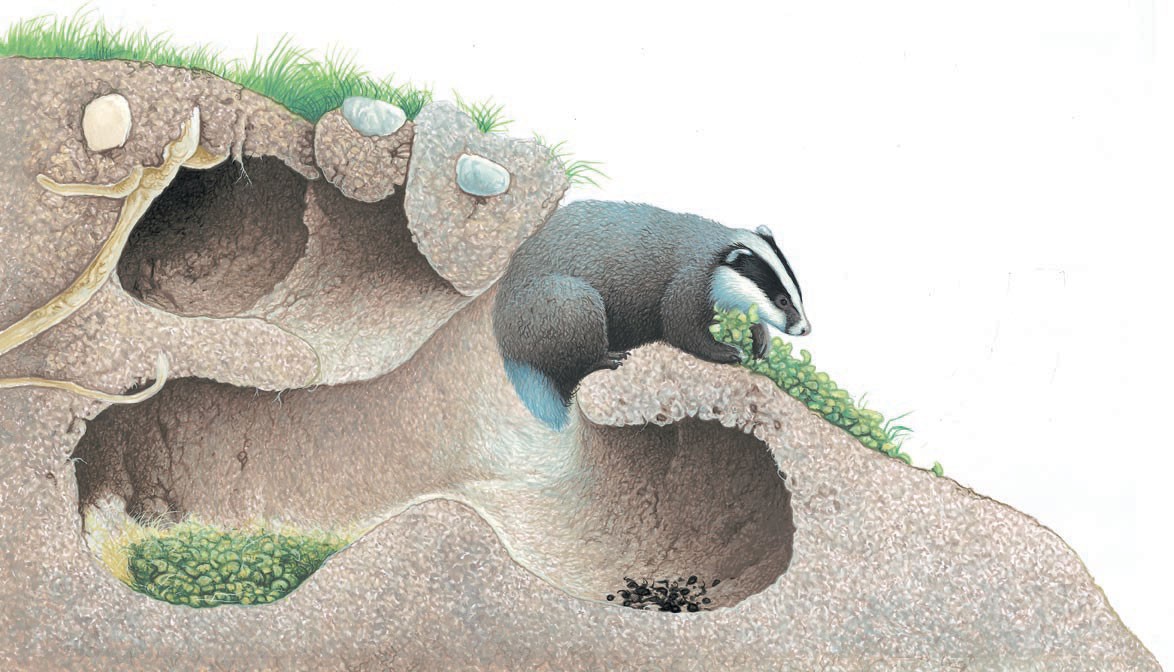
A sett is an underground network of tunnels and chambers where badgers live. Generations of badgers may live in the same sett for hundreds of years. Most setts are dug into the side of a slope and have dozens of entrances, often concealed behind bushes and trees. Outside, there is a toilet area and a “scratching tree”, which badgers use to keep their claws in good condition. There is even a "play area" for both cubs and adults.
In late summer, badgers patch up old tunnels, hollow out chambers ready for new cubs and lay new bedding: dried grass and leaves.
Raising young
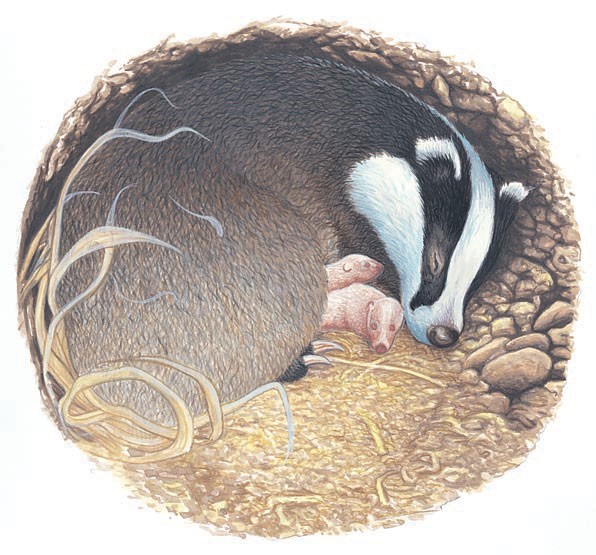
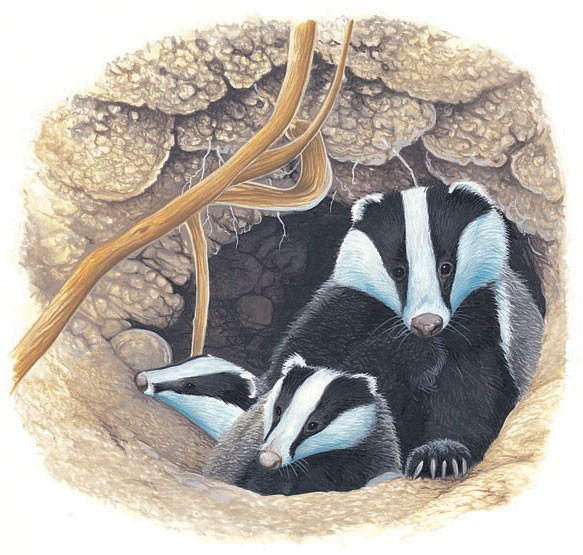
Badgers gave birth in their setts over winter. This means that by spring their young, now a few months old, are already strong enough to leave their homes in search of food. Newborn cubs are kept warm both by the heat from their mother’s body and by a thick bedding of bracken. The cubs stay in the burrow for at least eight weeks, after which they are strong enough to leave the sett and learn to find food under their mother's supervision. They are still suckling on their mother’s milk, but will soon start to fend for themselves.
Consultant: Chris Jarvis
pics
Without in any way limiting Q-files Ltd’s exclusive rights under copyright, any use of this publication to “train” generative artificial intelligence (AI) technologies to generate text is expressly prohibited. Q-files Ltd reserves all rights to license use of this work for generative AI training and development of machine learning language models.